Subject
Armor
Armor is a subject in art. The gallery holds 48 works in this subject in art, including works by Titian, El Greco and Rembrandt van Rijn.
Body armor, personal armor (also spelled armour), armored suit (armoured) or coat of armor, among others, is armor for a person's body: protective clothing or close-fitting hands-free shields designed to absorb or deflect physical attacks. Historically used to protect military personnel, today it is also used by various types of police (riot police in particular), private security guards, or bodyguards, and occasionally ordinary citizens.
Key artists


Overview
Armor, also known as personal armor, armored suit, or coat of armor, is protective clothing designed to absorb or deflect physical attacks. Historically used to protect military personnel, it continues to see use today among riot police, private security, and bodyguards. The development of armor has consistently balanced two opposing factors: mobility, which demands lighter construction, and protection, which necessitates heavier coverage. This tension has driven technological innovation throughout human history, with armorers continually seeking to create better defensive capabilities without sacrificing the wearer's ability to fight. The subject recurs throughout art history as a marker of martial identity, social status, and technological progress.
Across movements & periods
The treatment of armor in art tracks its technological evolution across cultures. Ancient Sumerian art on the Stele of Vultures provides the first record, while Mycenaean artifacts like the Dendra panoply show early heavy plate. Classical Greek and Roman art depicted bronze cuirasses and mail, with Roman lorica segmentata and lorica hamata signifying imperial might. In East Asian art, laminated and lamellar designs prevailed, with pre-Qin Chinese rhinoceros leather and Korean iron plates from the Gaya Confederacy reflecting regional resources. European medieval art initially emphasized mail hauberks, but by the 15th century, as water-powered trip hammers made plate production cheaper and labor costs rose, full steel plate harnesses dominated Renaissance portraiture, projecting knightly power. By the 17th century, as firearms advanced, armor became largely ceremonial in art, reserved for parade and tournament depictions, while modern representations shifted to the lightweight tactical gear of riot police and soldiers.
Notable depictions
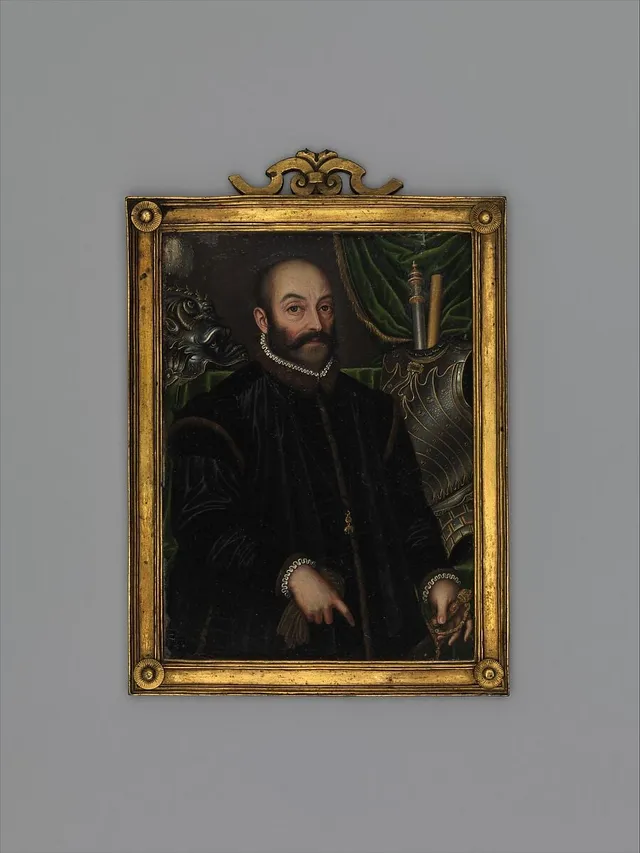
Canonical depictions of armor in art often center on Renaissance portraits of nobility, which celebrated the intricate craftsmanship of armories in Lombardy and Milan. Filippo Negroli's work for Guidobano II della Rovere exemplifies the high art of the armorer, where the metal itself became a sculptural canvas. Portraits of Cosimo I de' Medici and Alfonso II d'Este similarly utilized the gleam of full plate to project absolute political authority. In religious and allegorical contexts, representations of Saint Michael and the Dragon and Bellola utilized armor to visualize martial triumph. The motif also permeated historical genre painting, as seen in Guardroom with the Deliverance of Saint Peter, and later romantic literature, where Rebecca and the Wounded Ivanhoe revived the medieval harness as a nostalgic emblem of chivalry.
Legacy
Although firearms rendered traditional body armor largely obsolete on the battlefield by the 17th century, its cultural afterlife has been profound. The aesthetic of the plate harness persisted in the ceremonial uniforms of heavy cavalry, including the cuirassiers who served under Napoleon Bonaparte, and survives today in the parade uniforms of institutions like the Vatican's Swiss Guard. The physical armor itself has experienced a resurgence through the living history movement, where modern practitioners use functional reproductions for historical combat. Modern protective equipment, including bullet-resistant vests and bomb disposal suits, is the direct technological descendant of historical armor, continuing the ancient compromise between weight and defense. In language and art, the motif remains a powerful metaphor for defense and readiness, embedded in idioms and visual culture alike.
Works
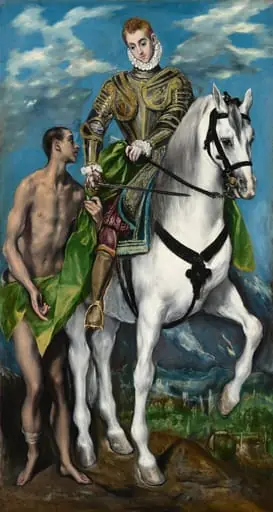 Saint Martin and the Beggar
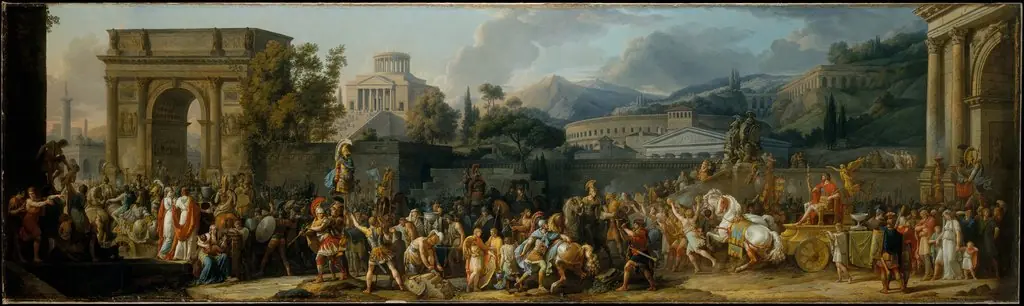 The Triumph of Aemilius Paulus
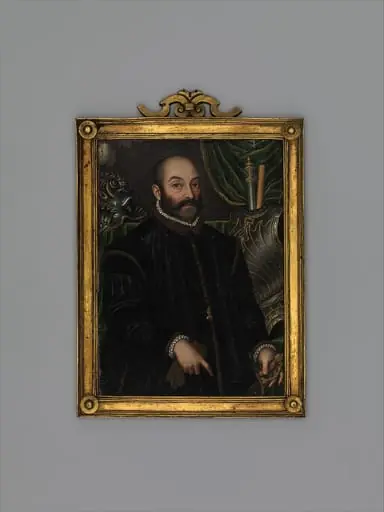 Guidobaldo II della Rovere, Duke of Urbino (1514–1574), With his Armor by Filippo Negroli
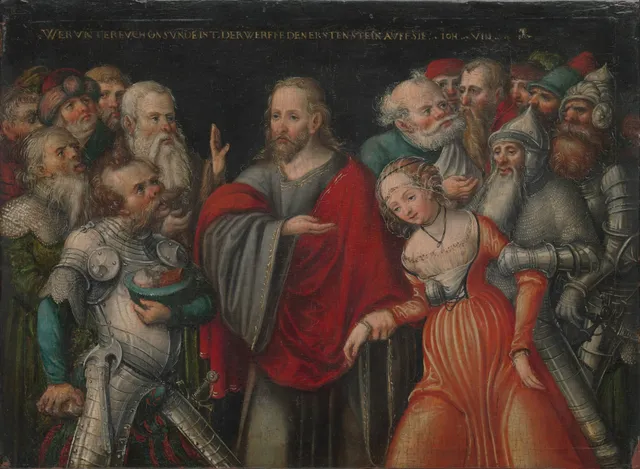
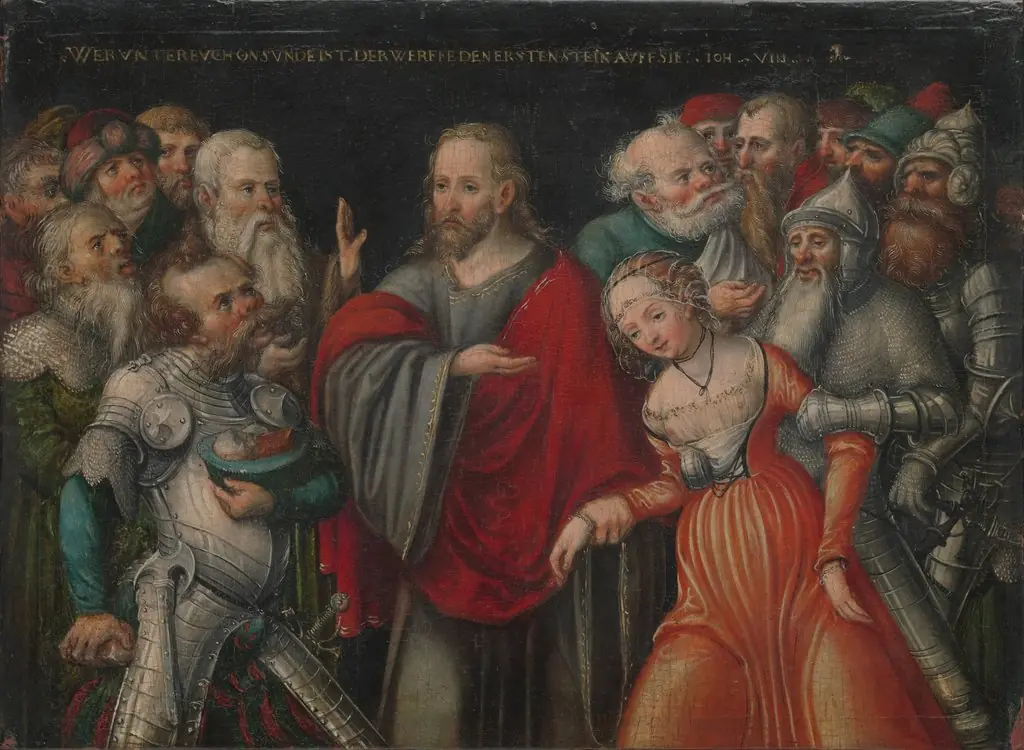 Christ and the Adulteress
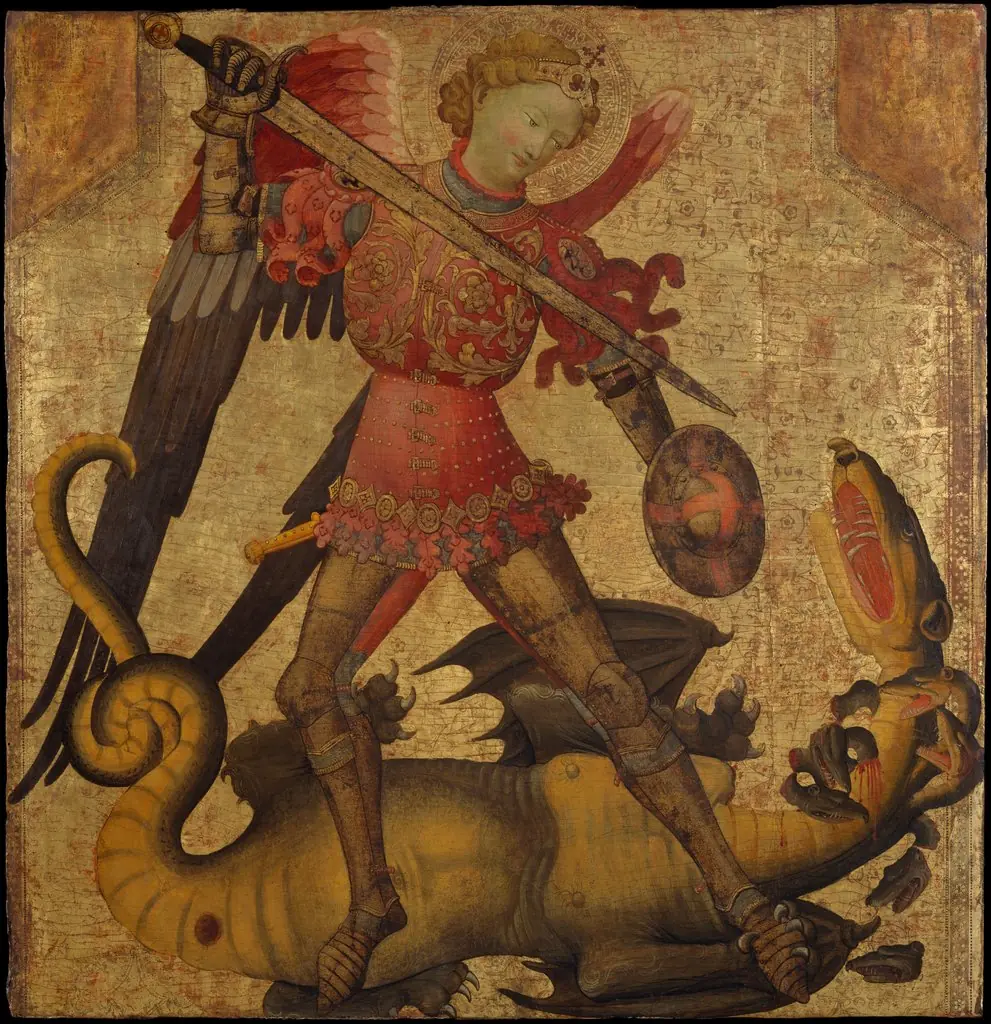 Saint Michael and the Dragon
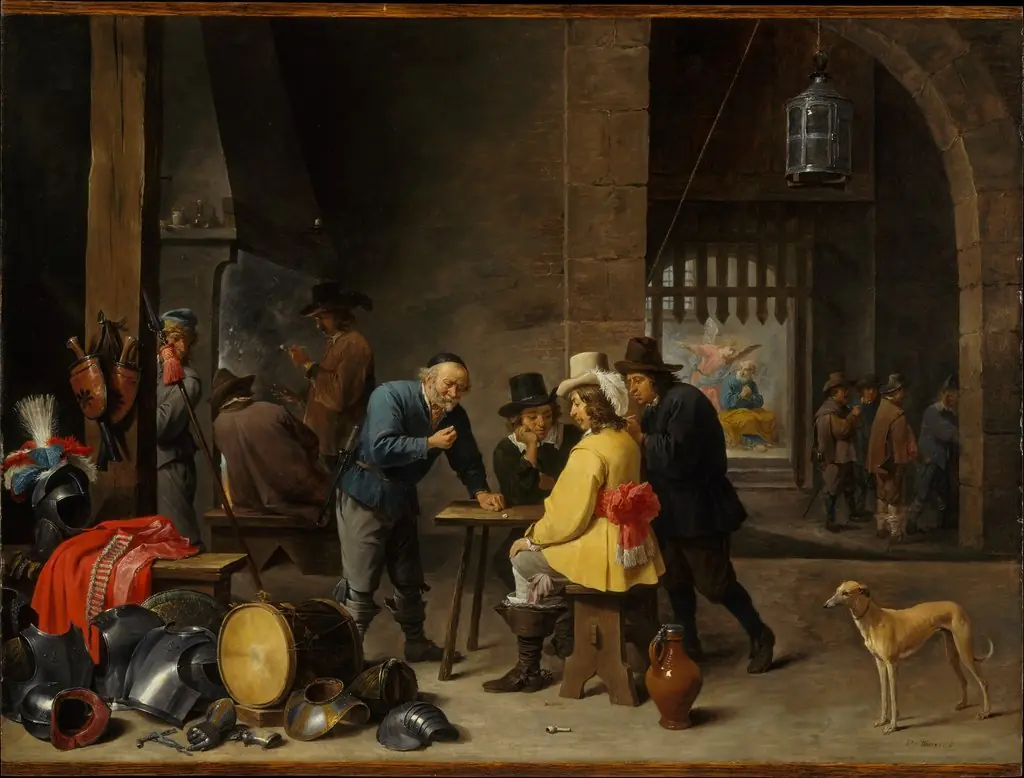 Guardroom with the Deliverance of Saint Peter
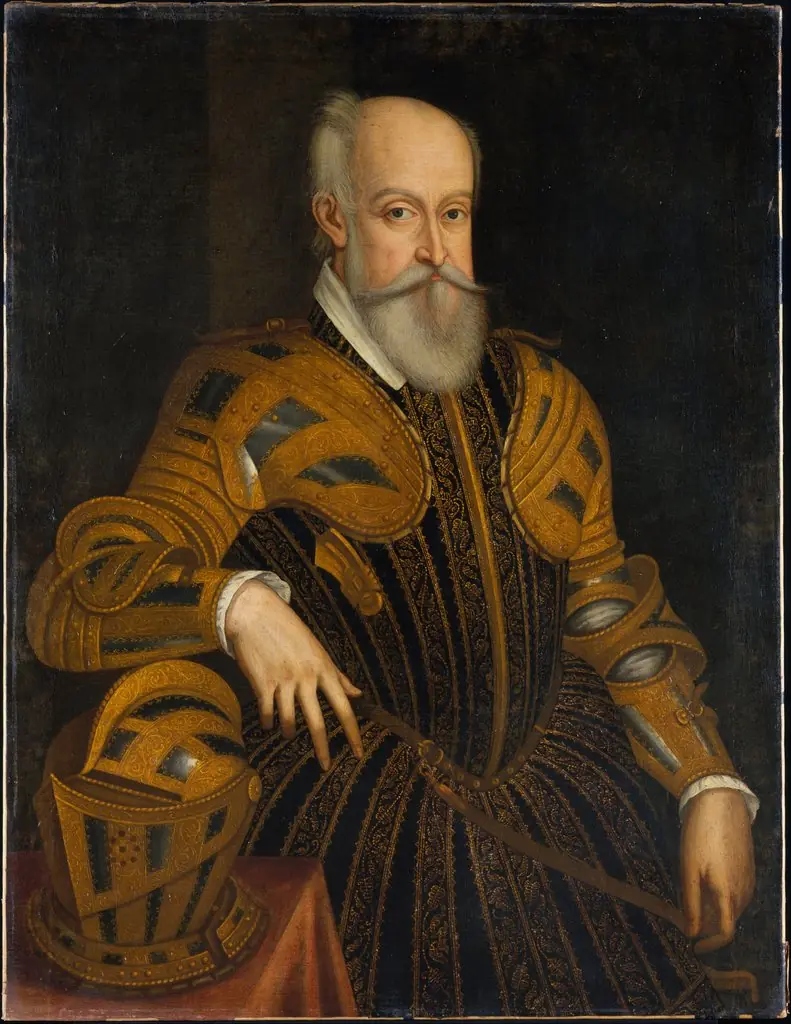 Alfonso II d'Este (1533–1597), Duke of Ferrara
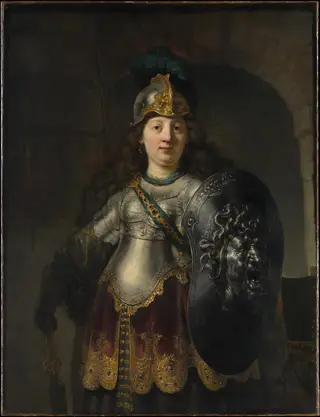 Bellona
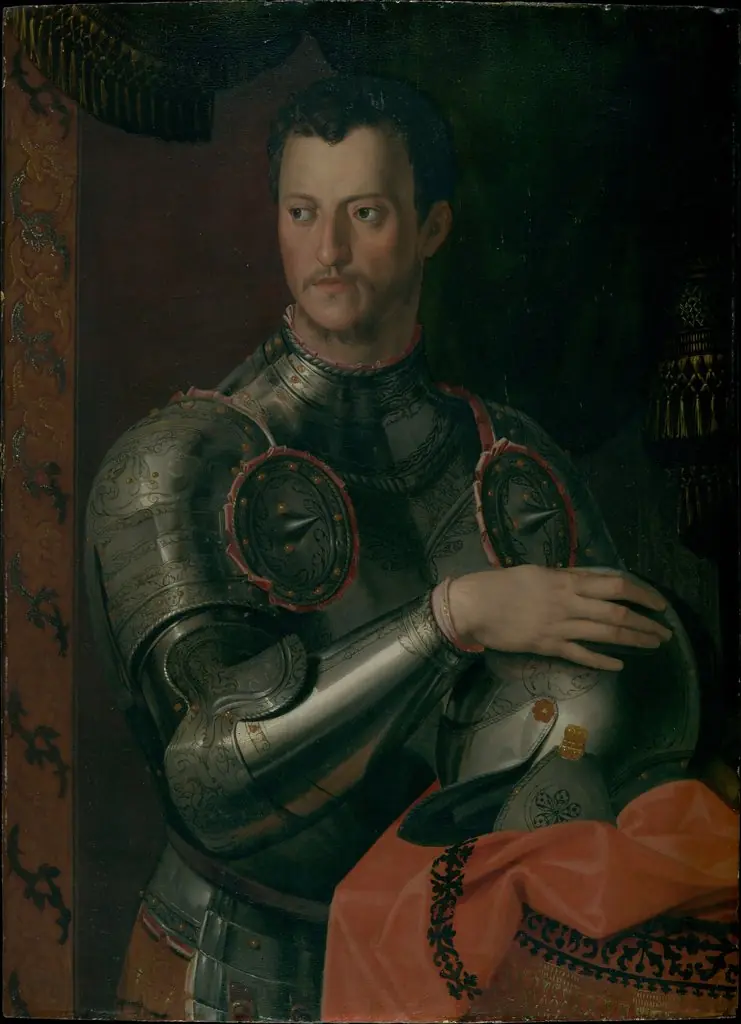 Cosimo I de' Medici (1519–1574)
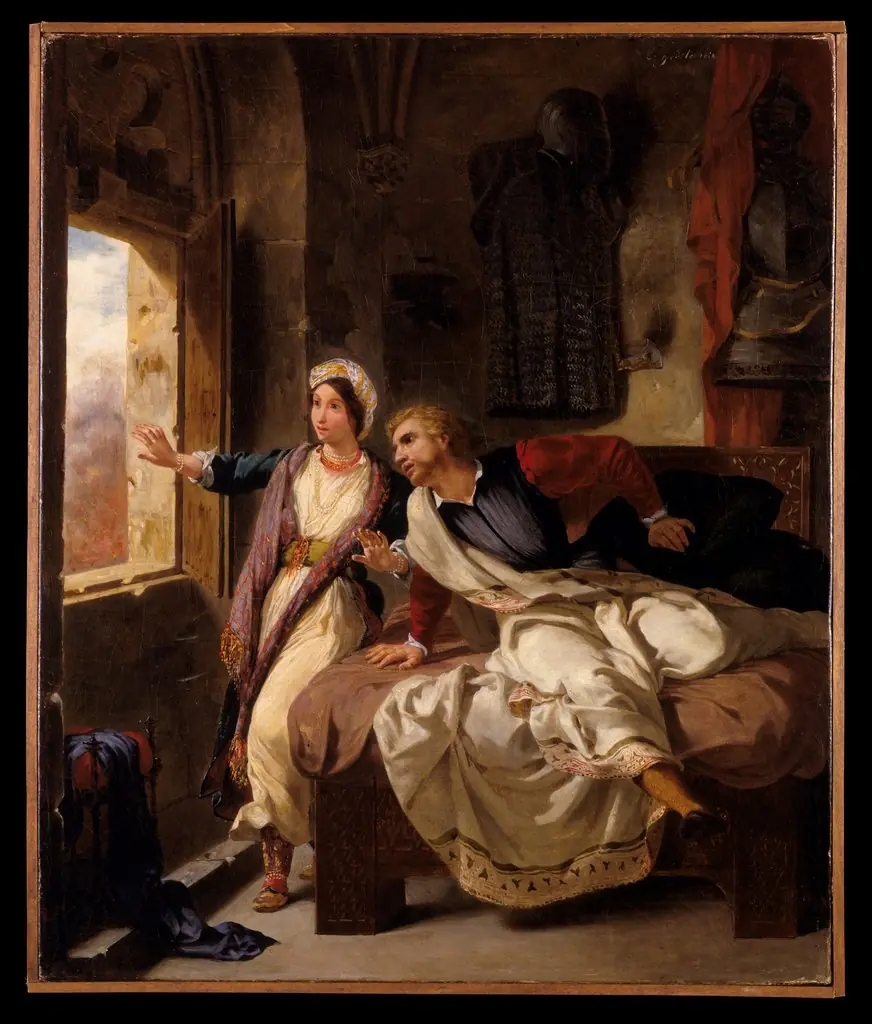 Rebecca and the Wounded Ivanhoe
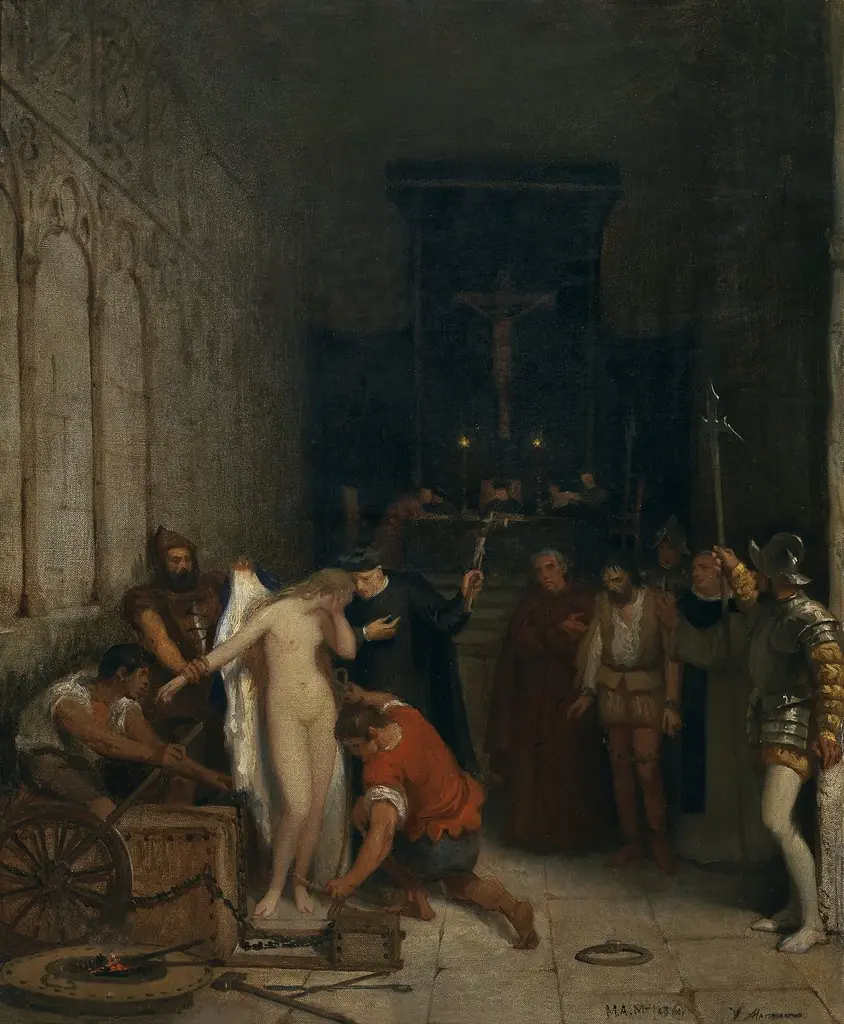 Una escena de la Inquisición
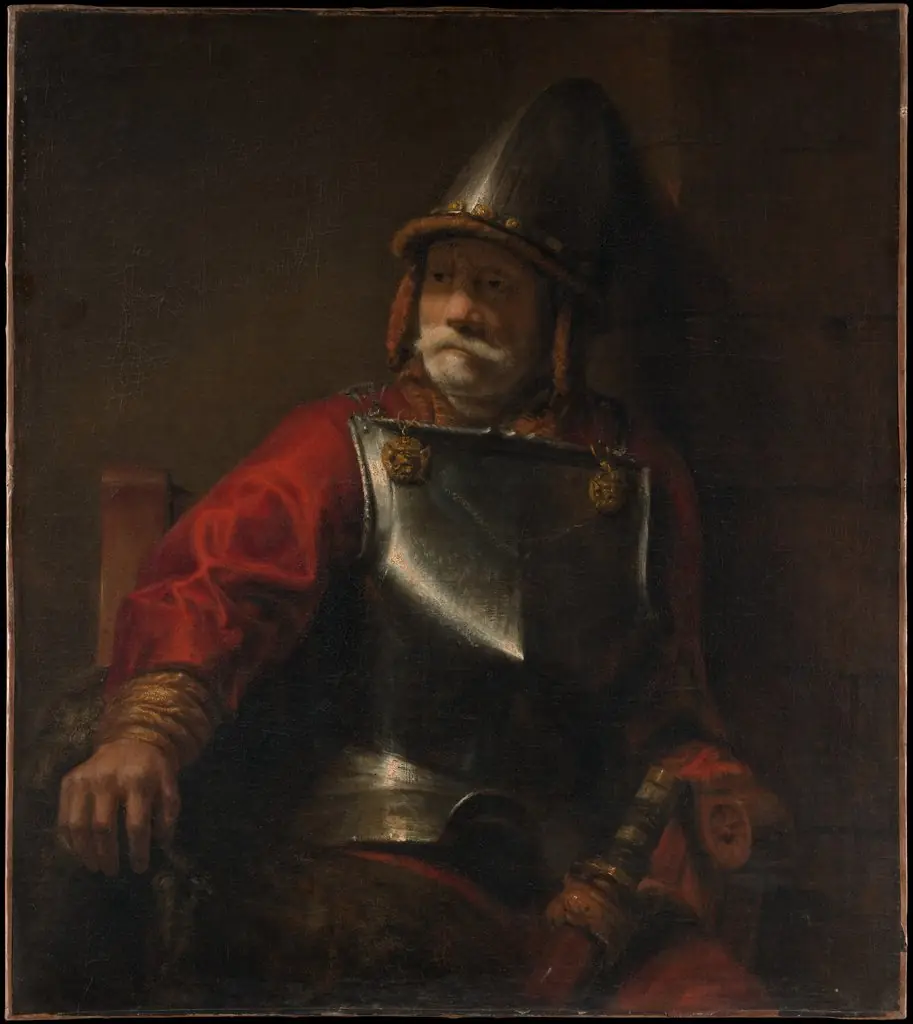 Man in Armor (Mars?)
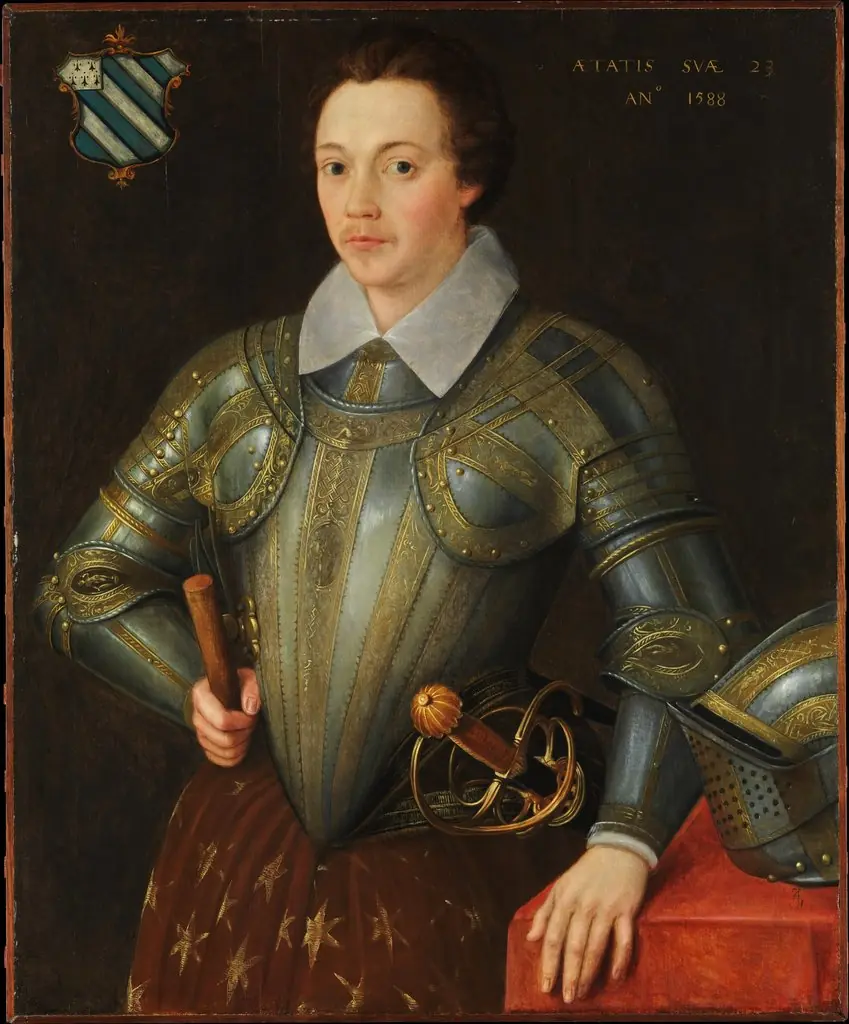 Sir John Shurley of Isfield (1565–1632)
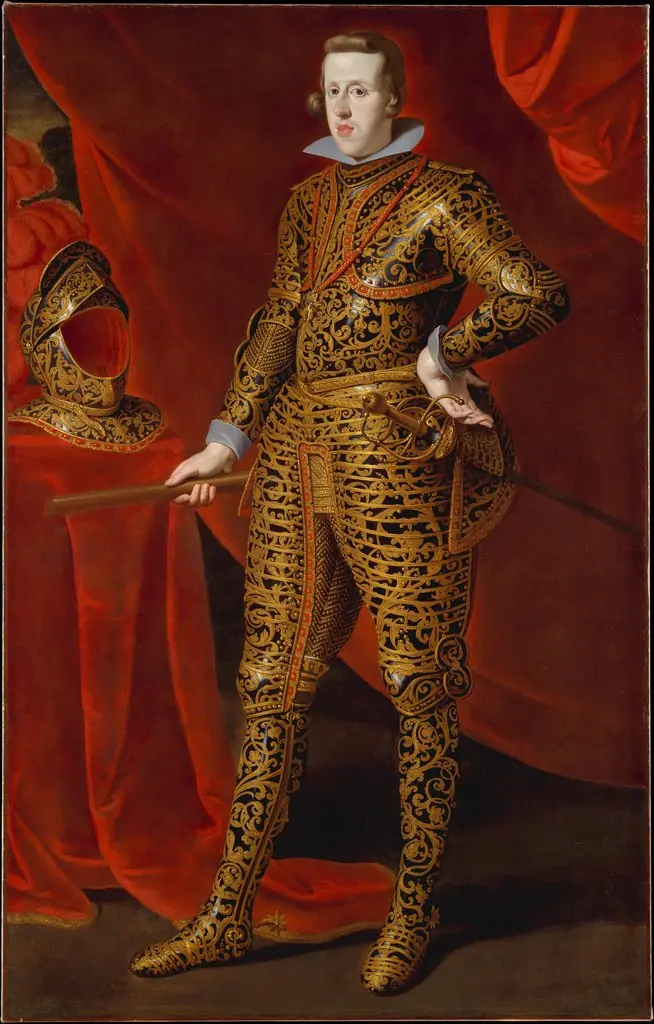 Philip IV (1605–1665) in Parade Armor
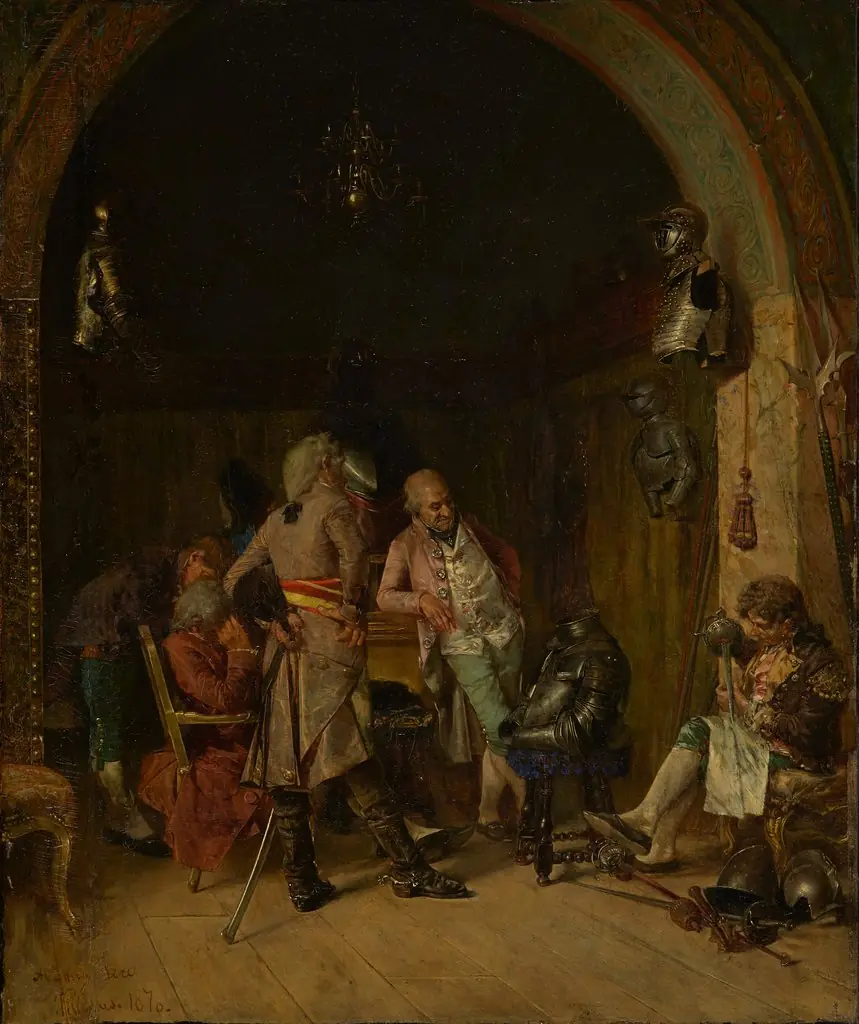 Examining Antique Arms
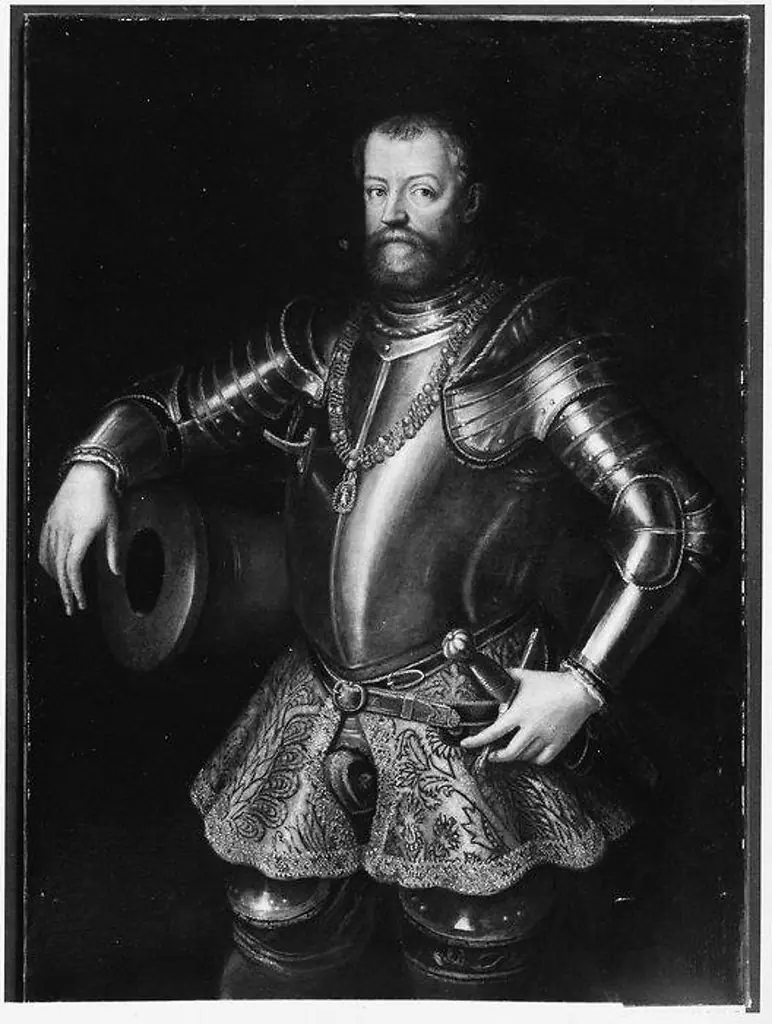 Alfonso I d'Este (1476–1534), Duke of Ferrara
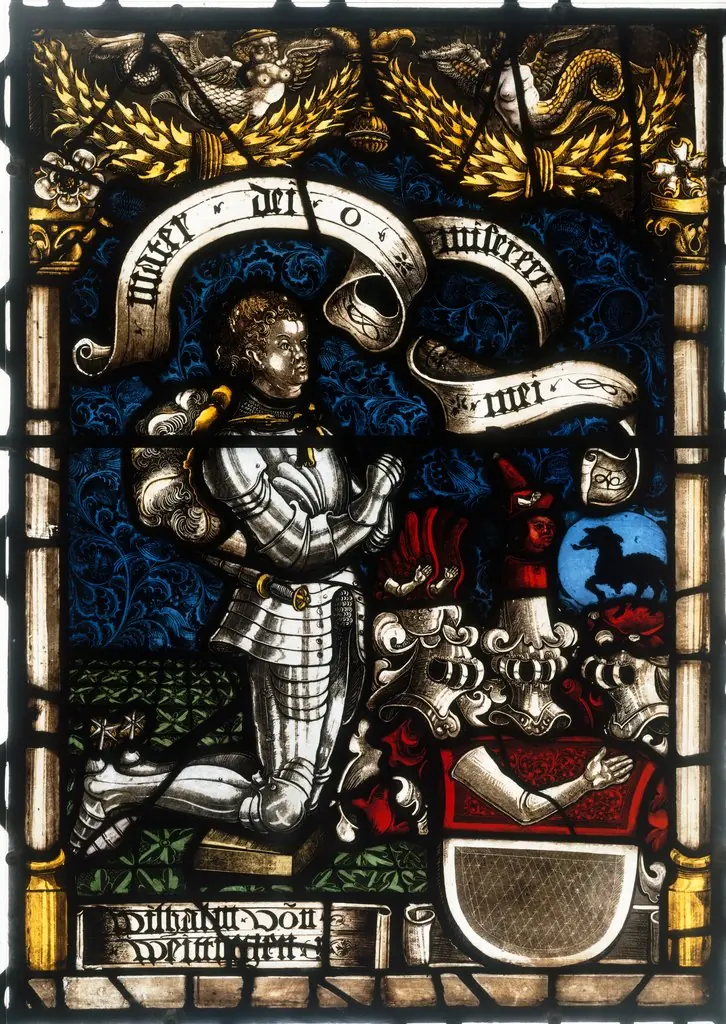 Heraldic Panel of Wilhelm von Weitingen
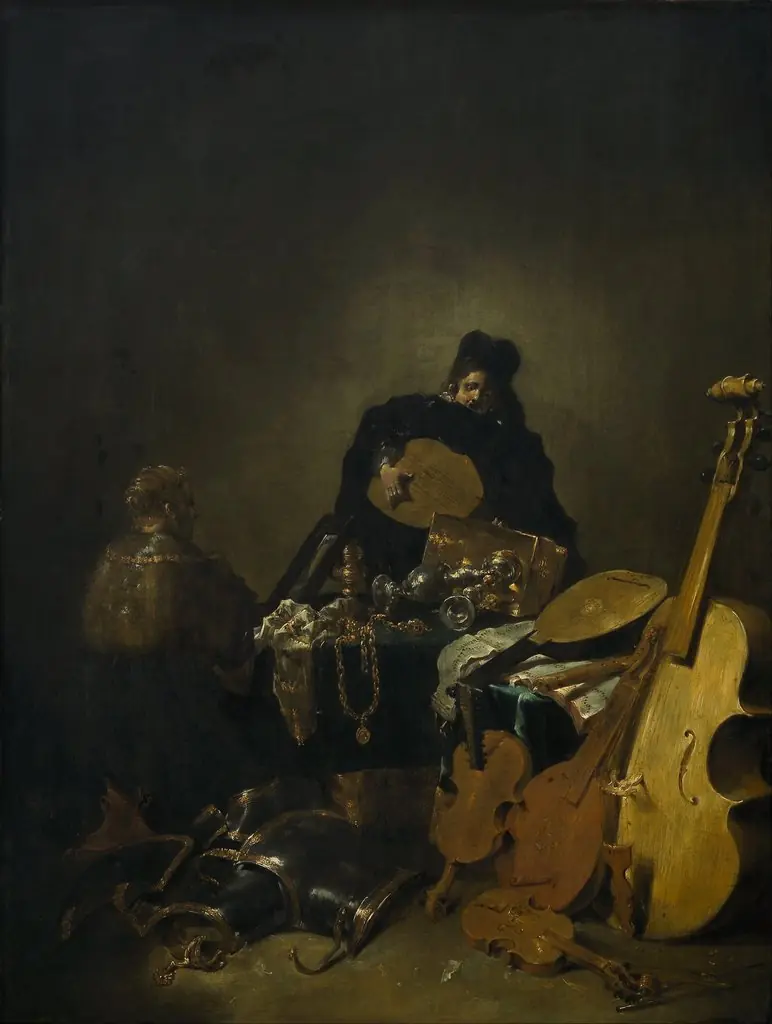 Allegory of Vanity (Vanitas)
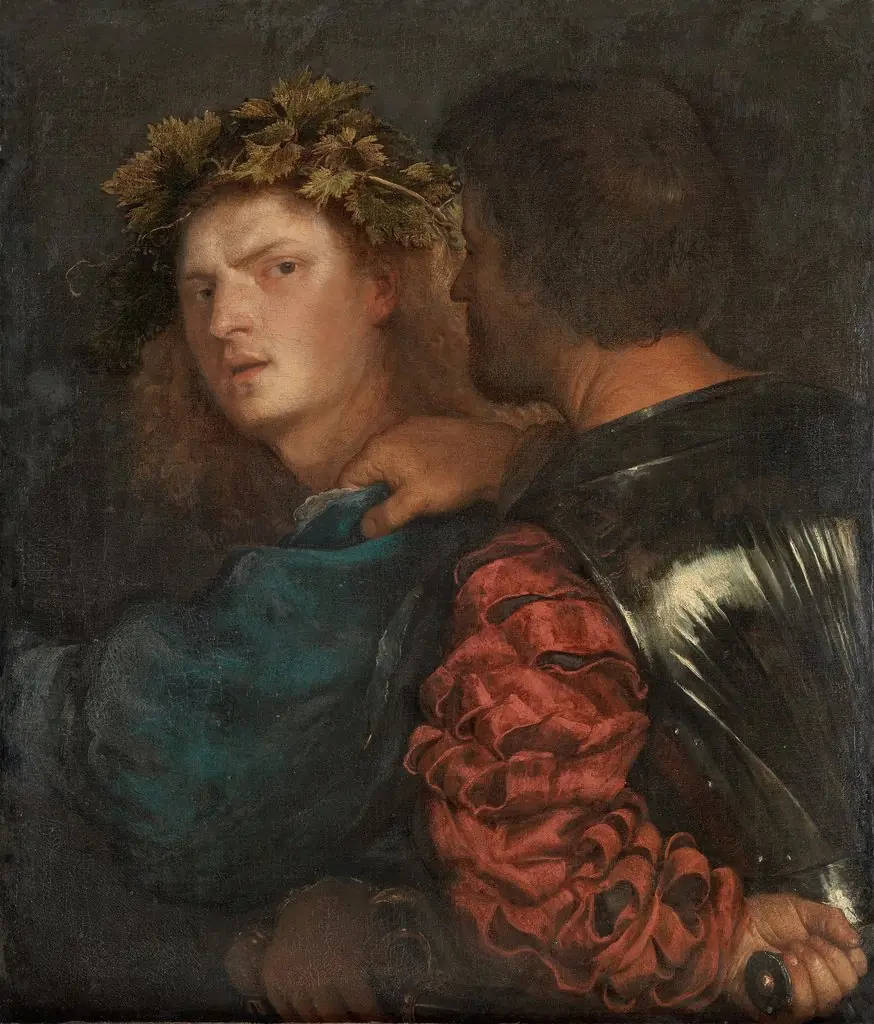 The Bravo
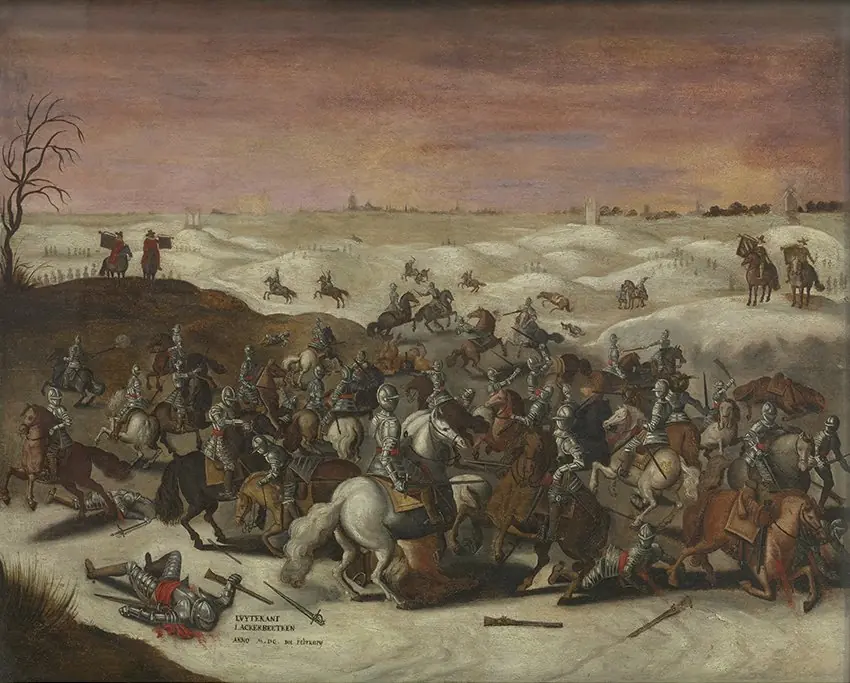 The Battle of Lekkerbeetje
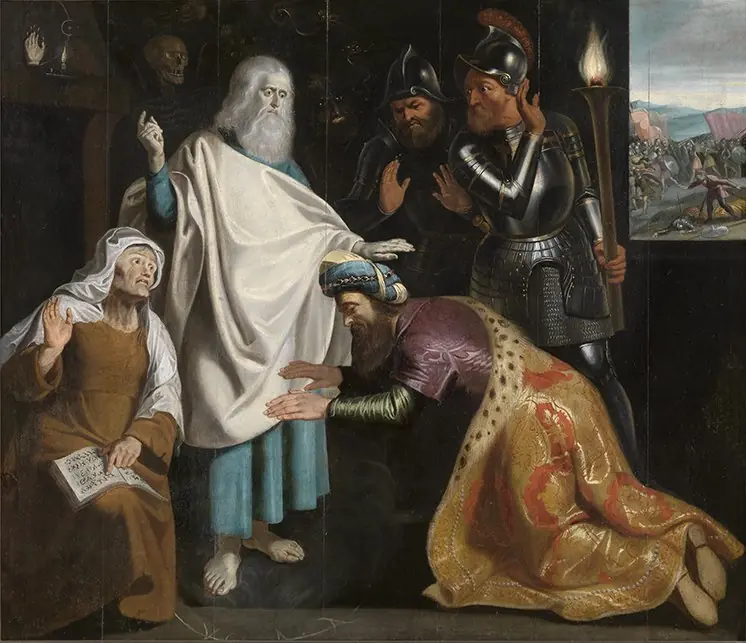 The ghost of Samuel appears to the witch of Endor; Saul falls prostrate to the ground (1 Samuel 28:3-20)
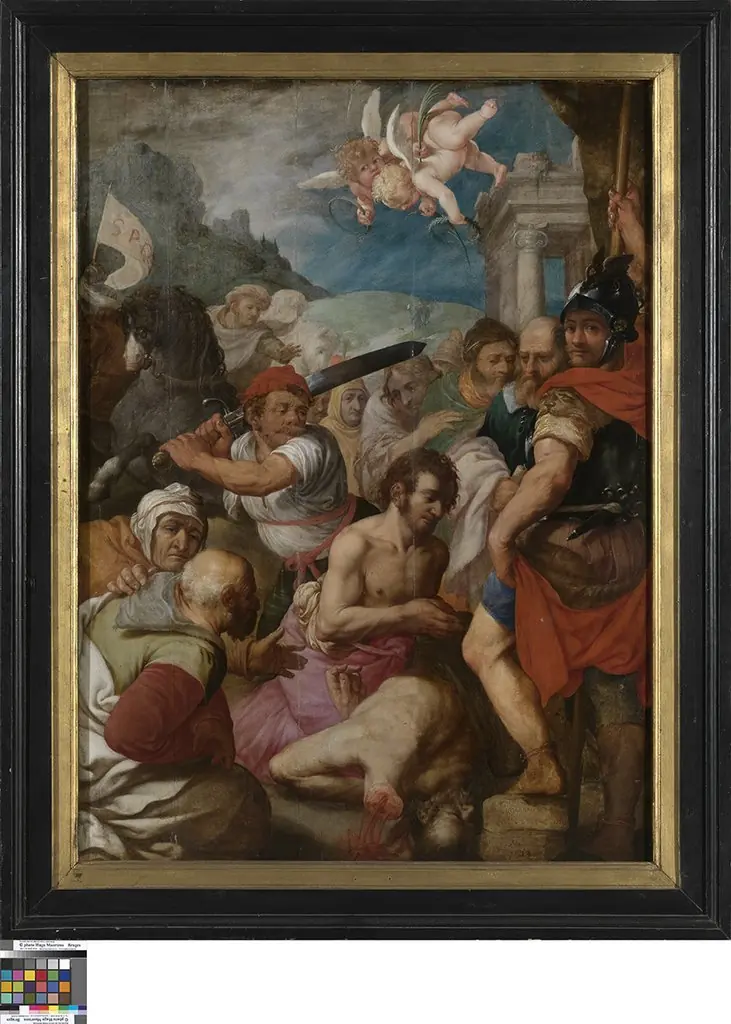 The Martyrdom of the Saints Crispin and Crispinian
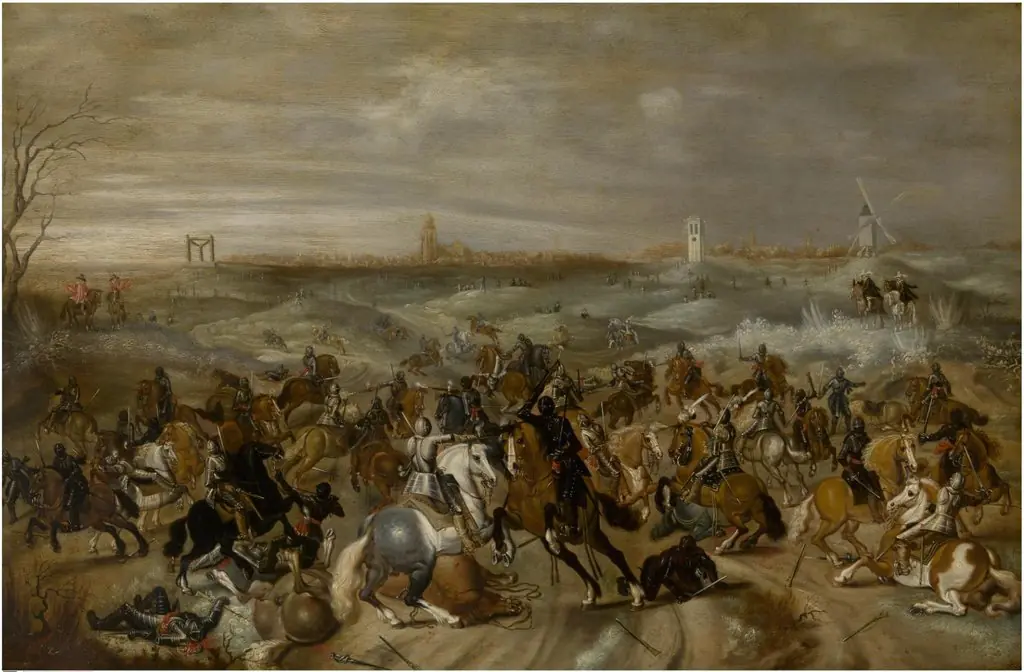 The battle of Leckerbeetje
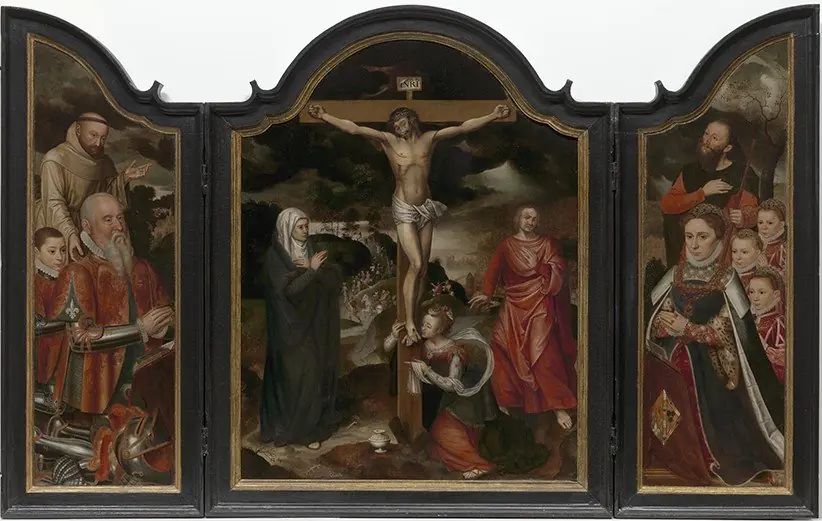 Crucified Christ with Mary, John and Mary Magdalene
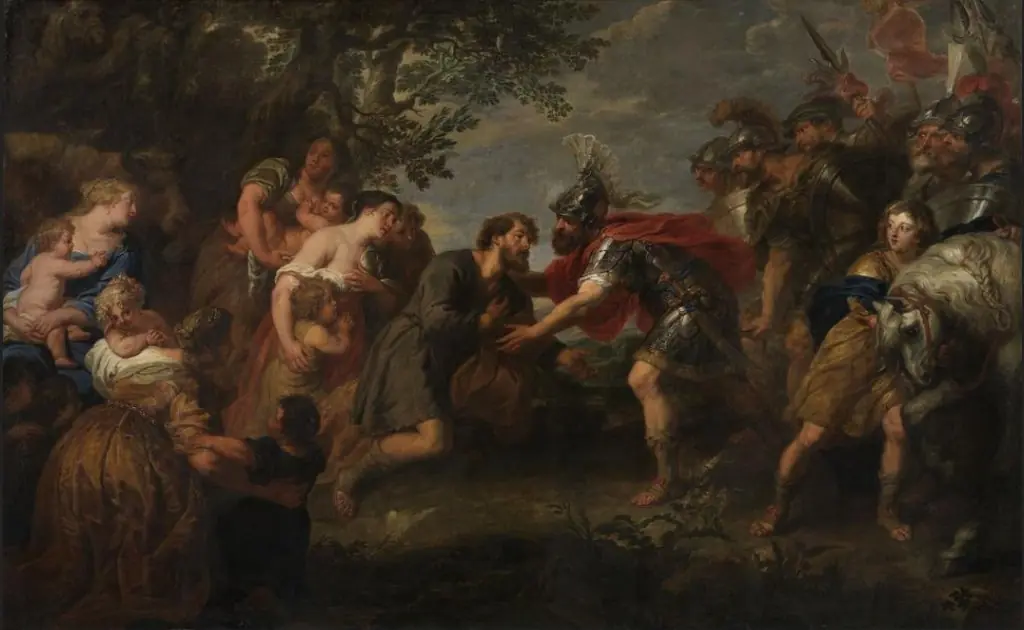 Jacob and Esau are reconciled
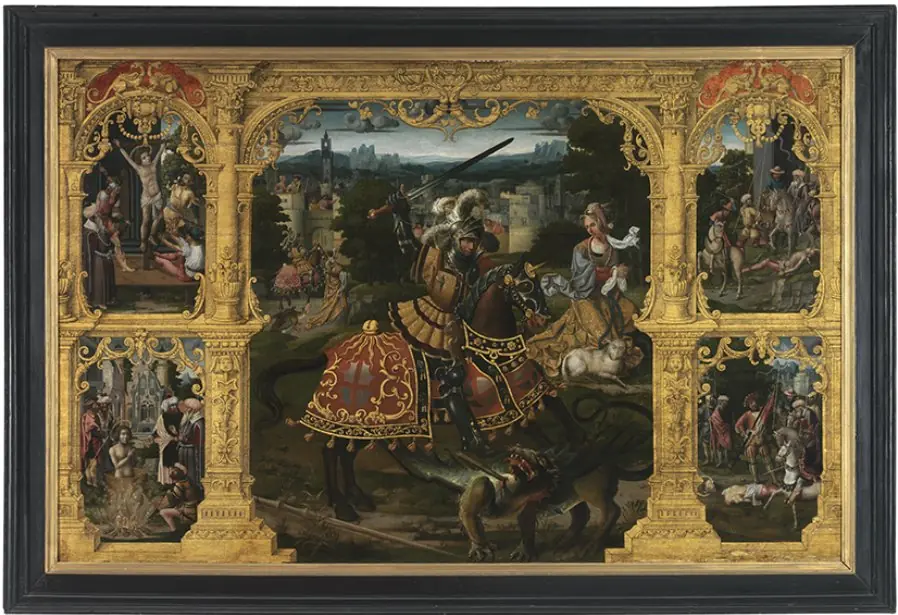 Legend of Saint George
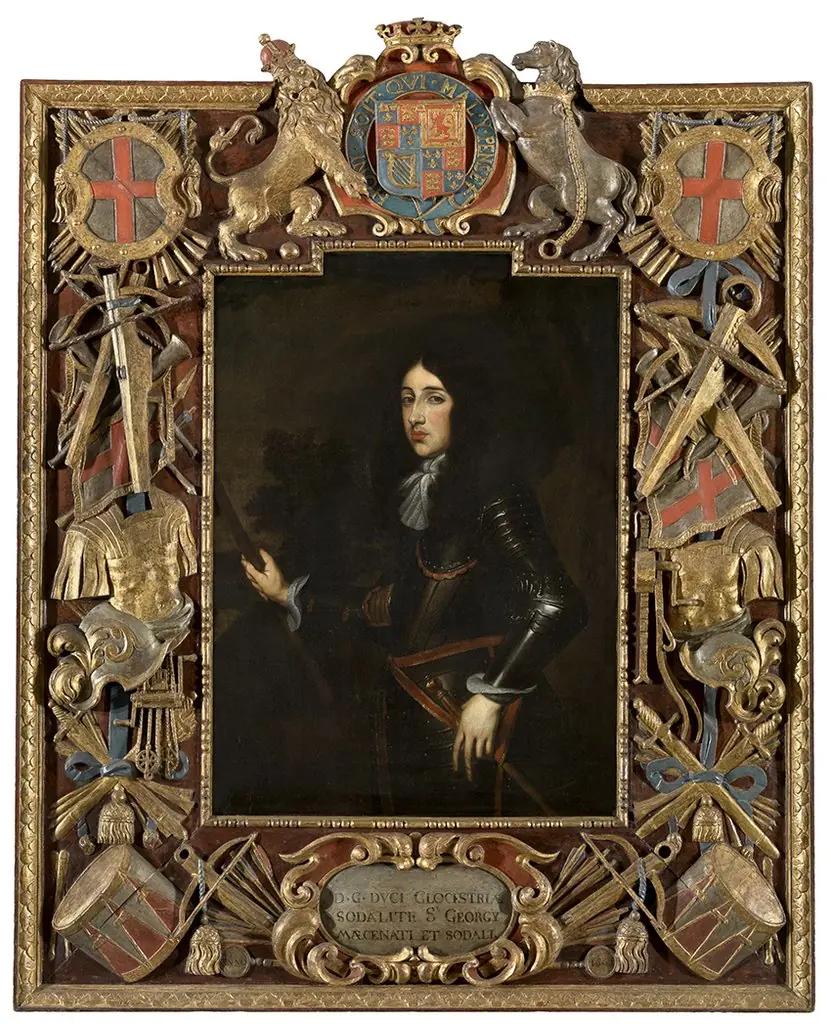 Portrait of Henry Stuart, Duke of Gloucester
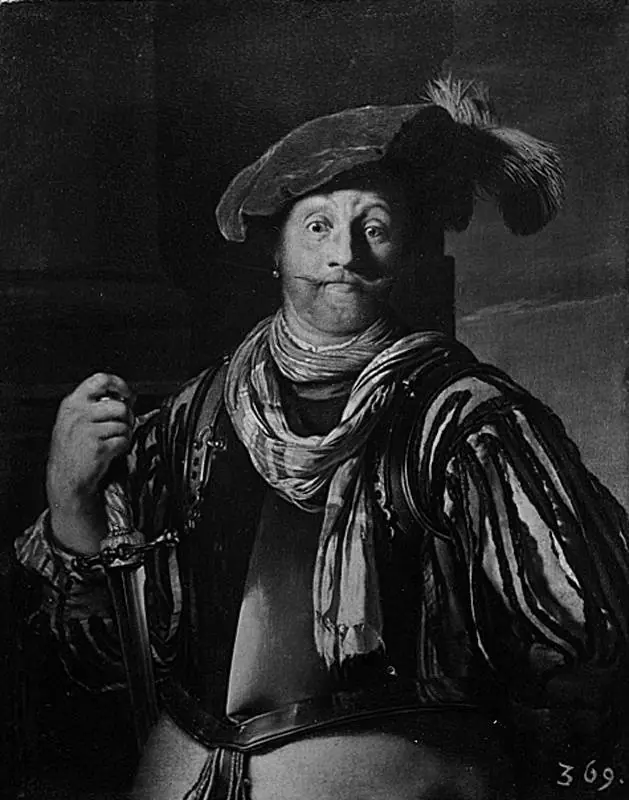 A Soldier in a Red Beret
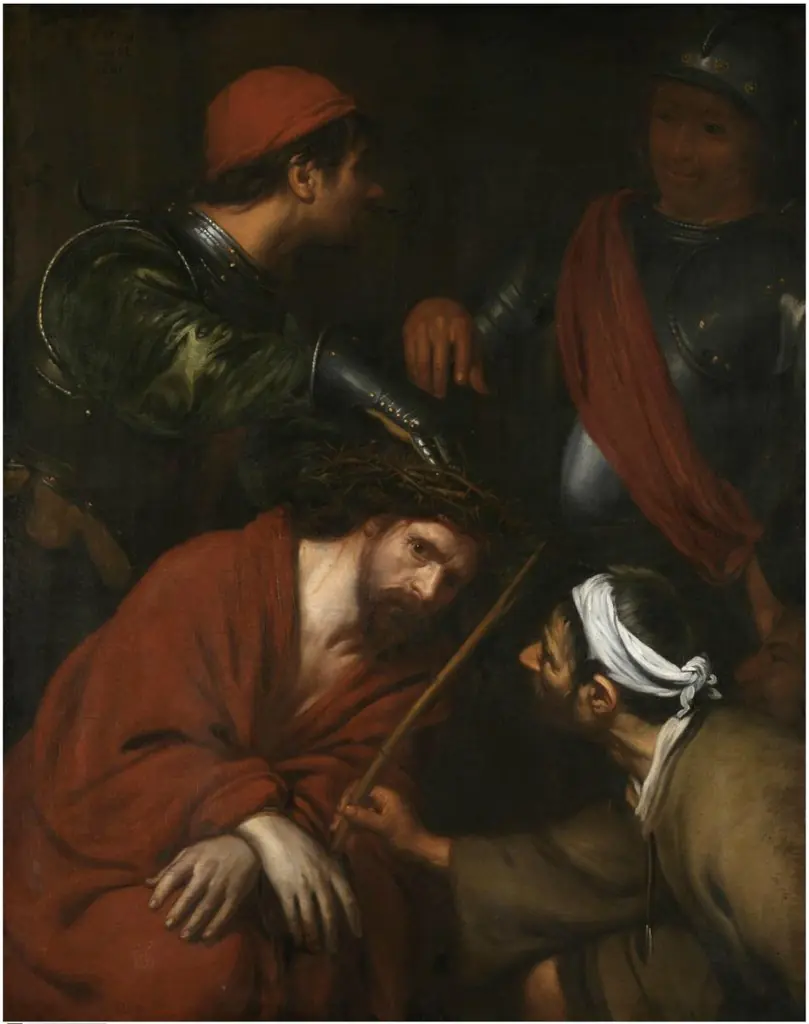 Christ Crowned with Thorns
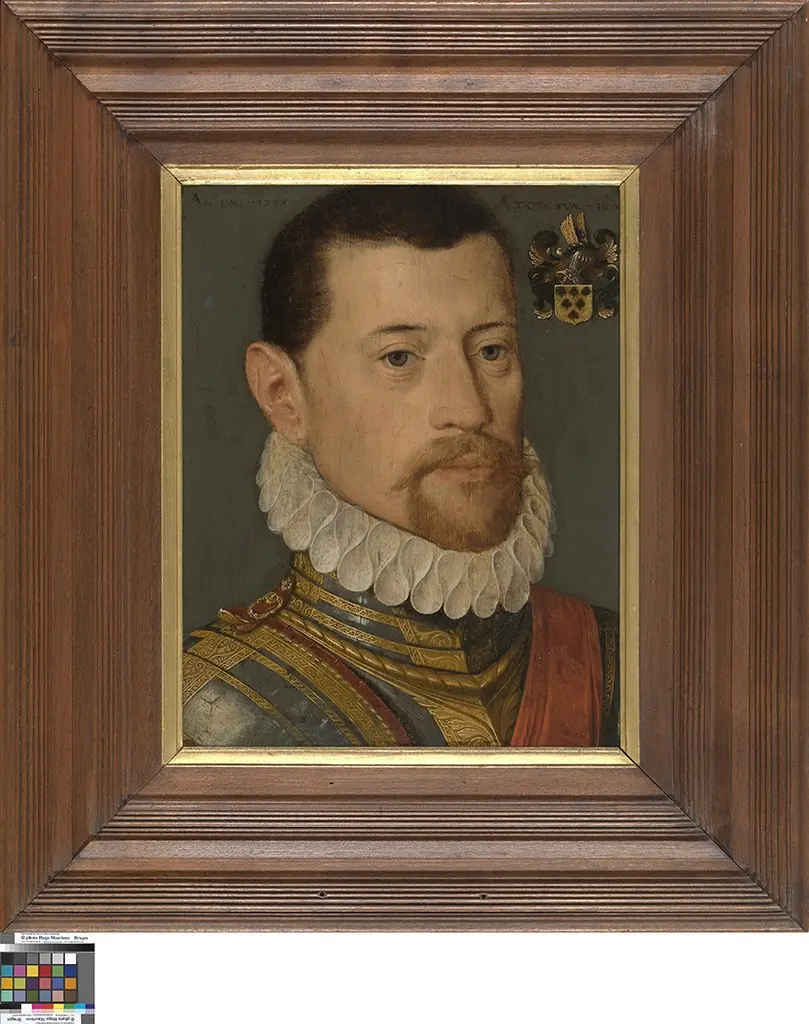 Portrait of a Member of the Budsin Family
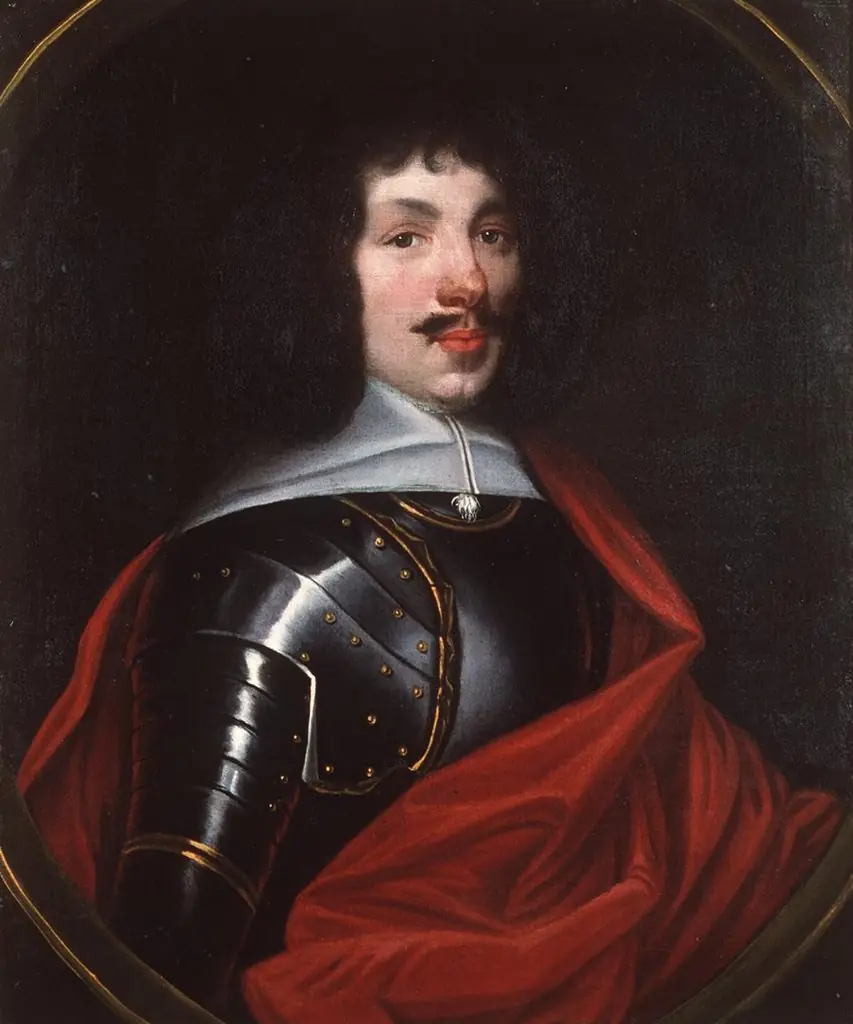 David Lloyd
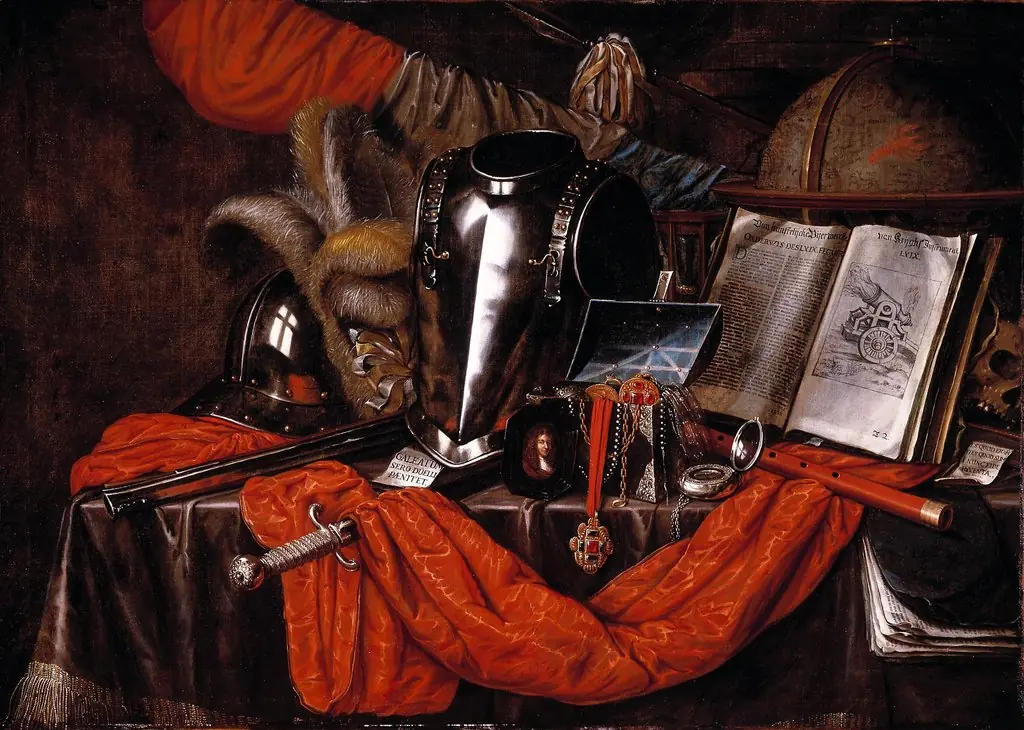 A Vanitas
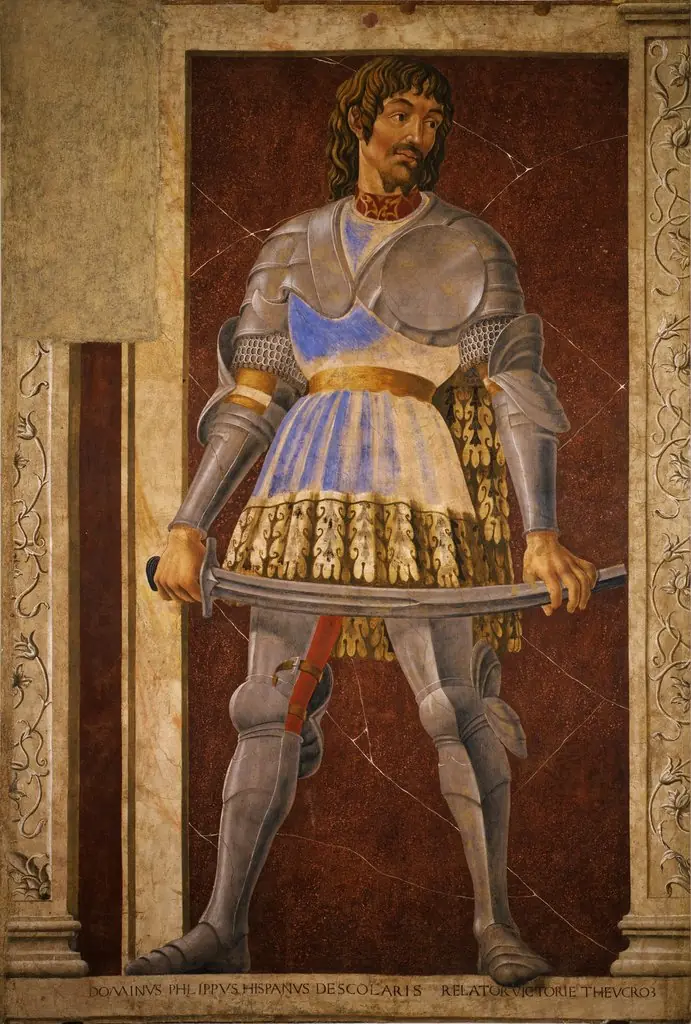 Pippo Spano from the cycle Famous People
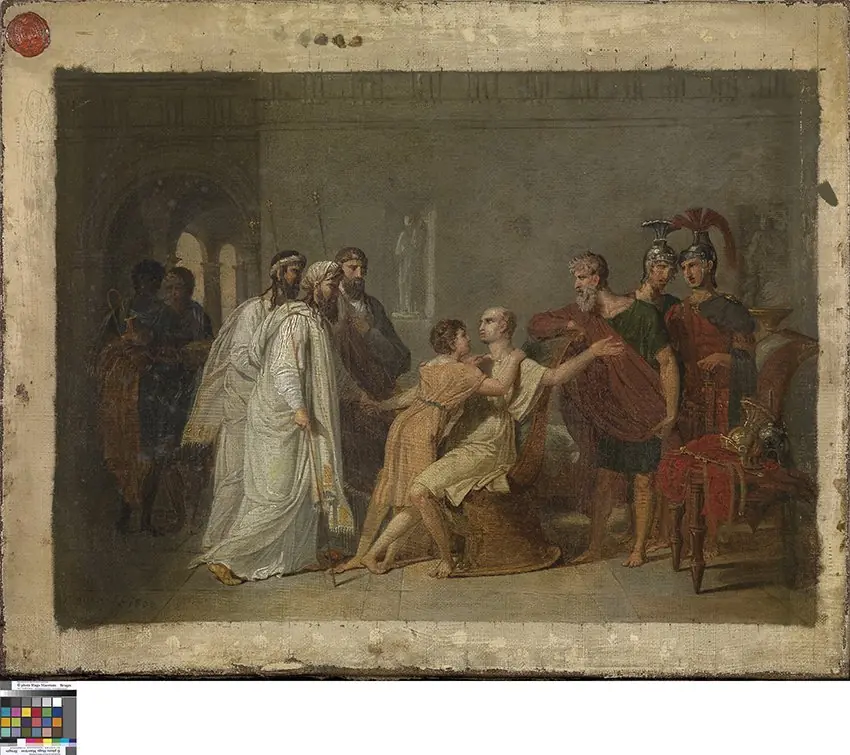 Terugkeer van Scipio's zoon
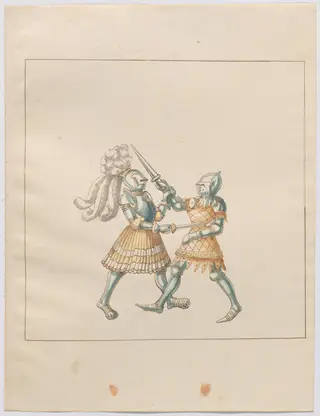 Foot Combat with Daggers
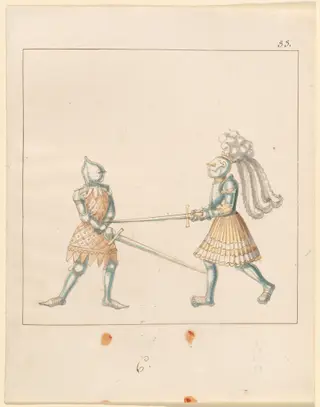 Foot Combat with Longswords
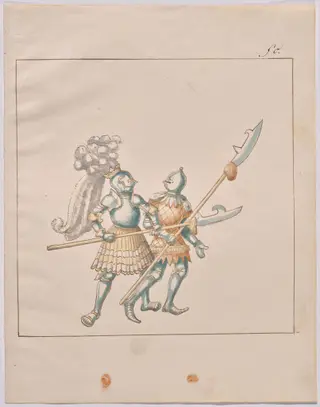 Foot Combat with Glaives
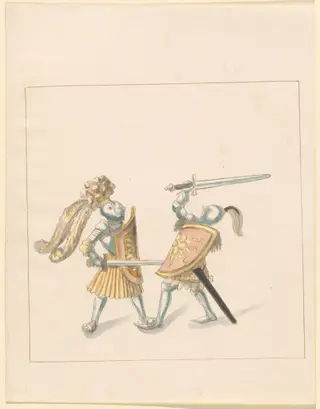 Foot Combat with Longswords and Shields
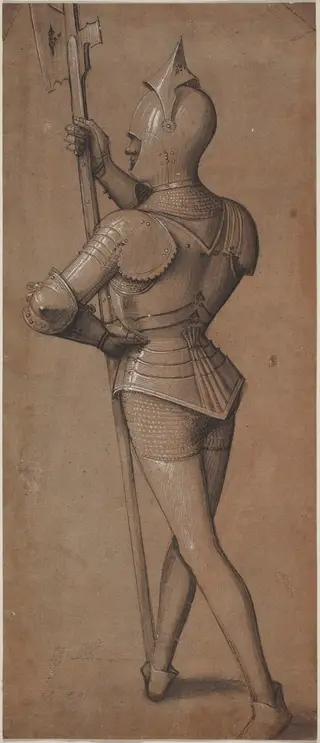 Knight in Armor, Holding a Halberd
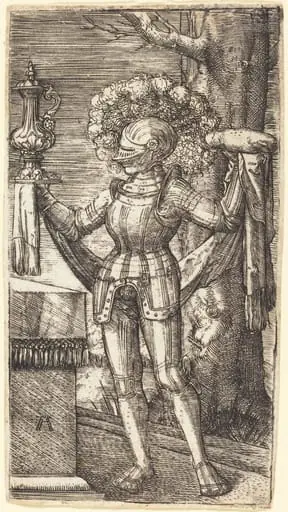 Knight in Armour with Bread and Wine
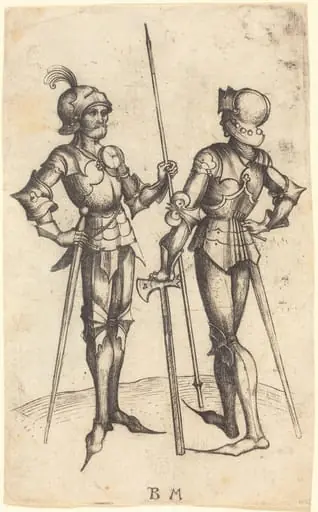 Two Men in Armour
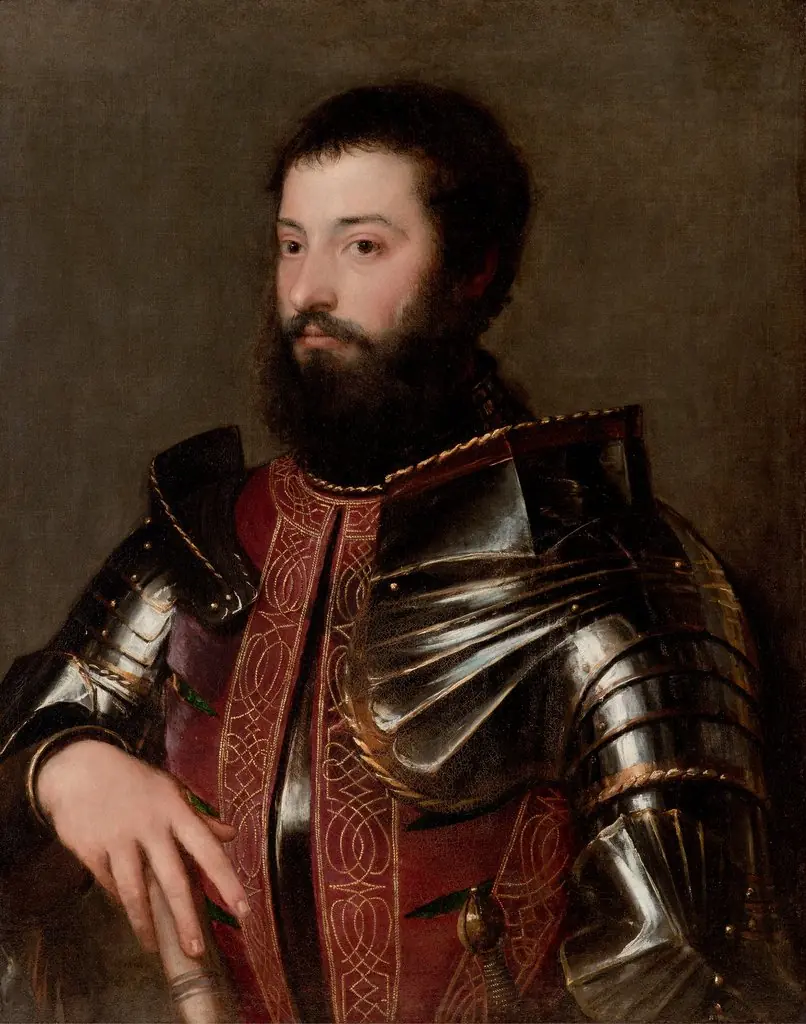 Portrait of a Man in Armor
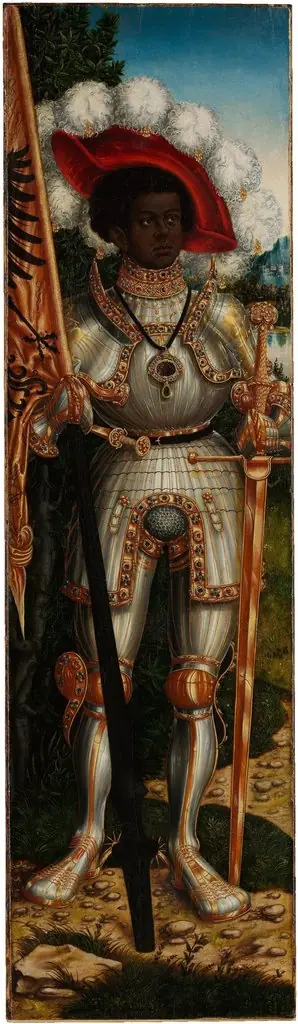 Saint Maurice
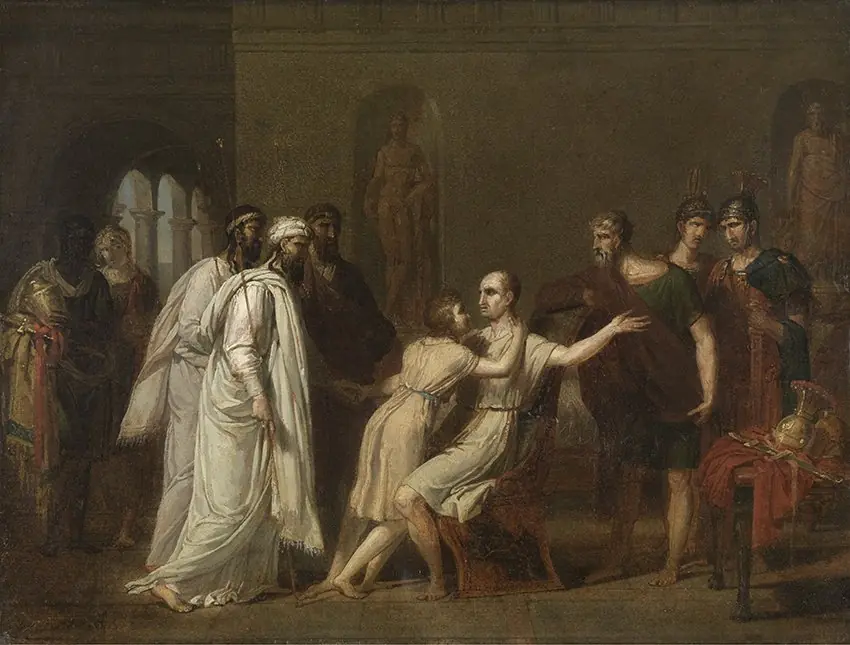 Terugkeer van Scipio's zoon
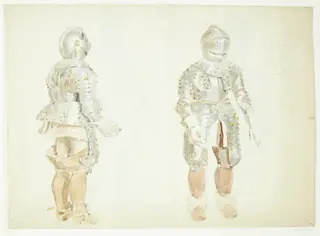 Studier af rustninger
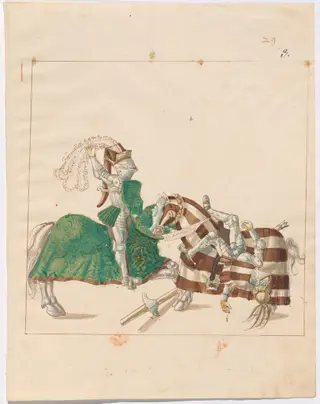 Joust of Peace in Leg Armor
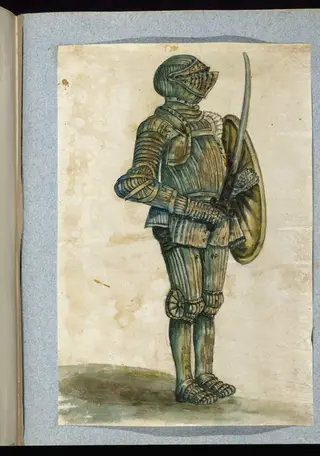 drawing from Ionides Album
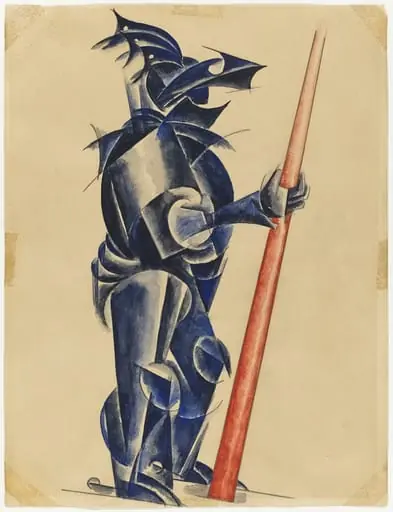 Untitled
Frequently asked questions
What is Armor?
Armor is a subject in art. Body armor, personal armor (also spelled armour), armored suit (armoured) or coat of armor, among others, is armor for a person's body: protective clothing or close-fitting hands-free shields designed to absorb or deflect physical attacks.
How many Armor works does Artifact World Gallery have?
Artifact World Gallery holds 48 public-domain Armor works, all free to view and download.
Who are the key Armor artists?
Key Armor artists in the collection include Titian, El Greco and Rembrandt van Rijn.
Where can I see Armor works?
Armor works in the collection are held by Metropolitan Museum of Art, Groeningemuseum and National Gallery of Art.