Artwork
The Fisherman' s Window
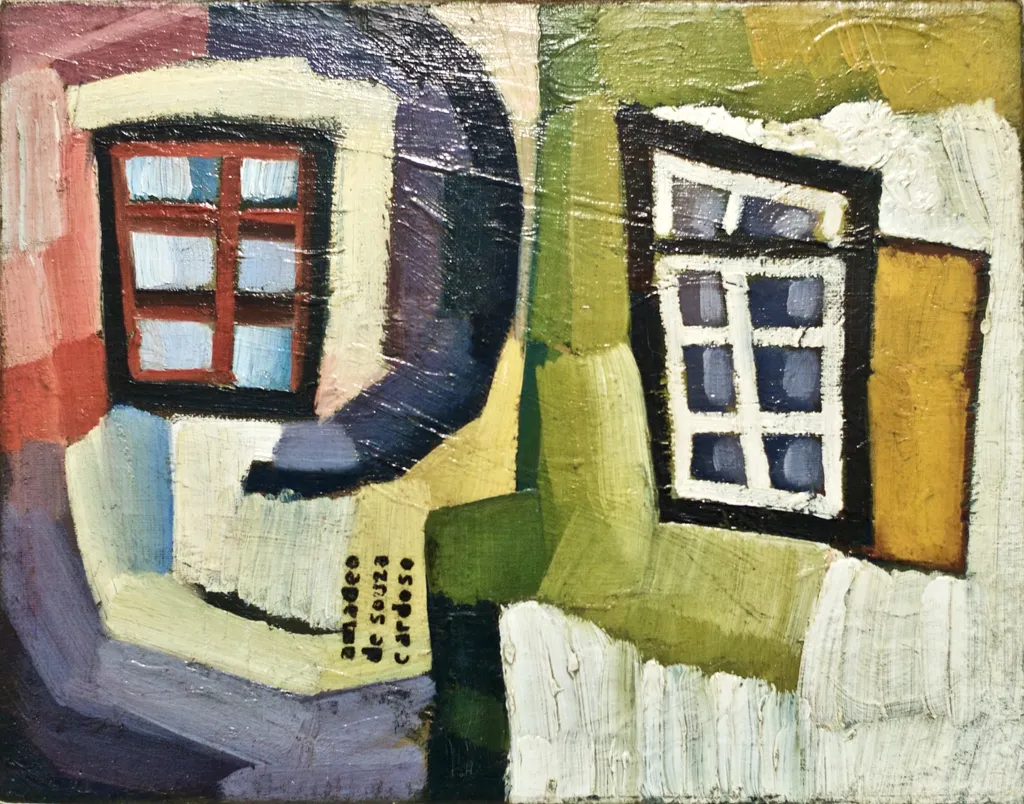
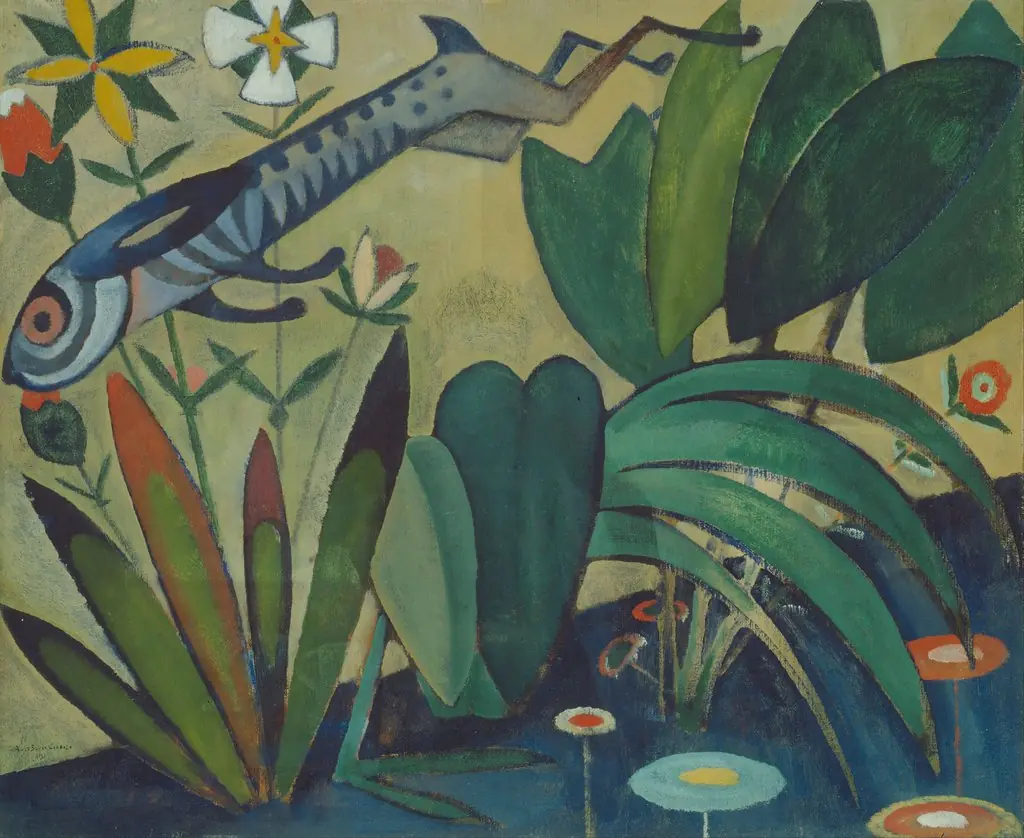
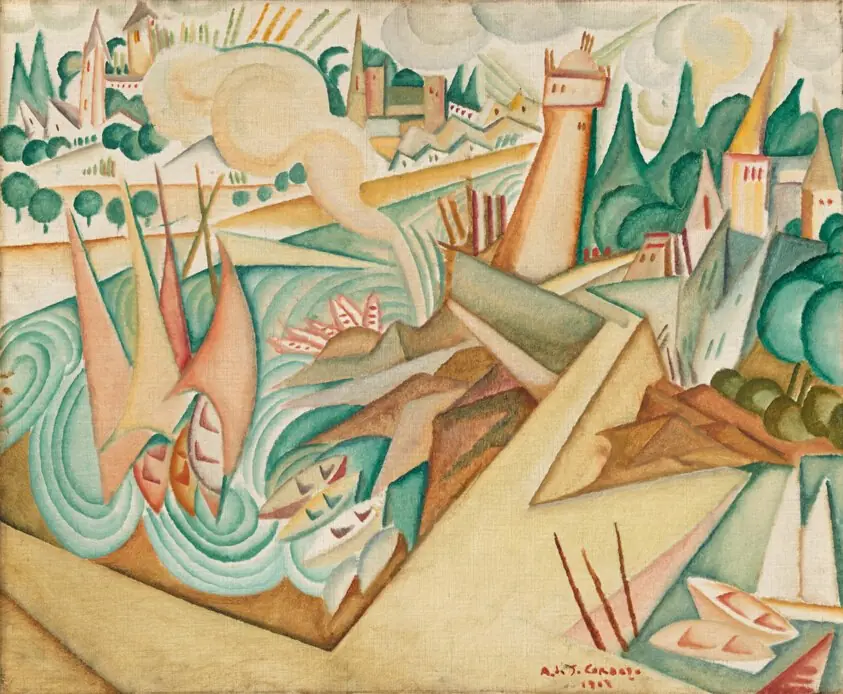
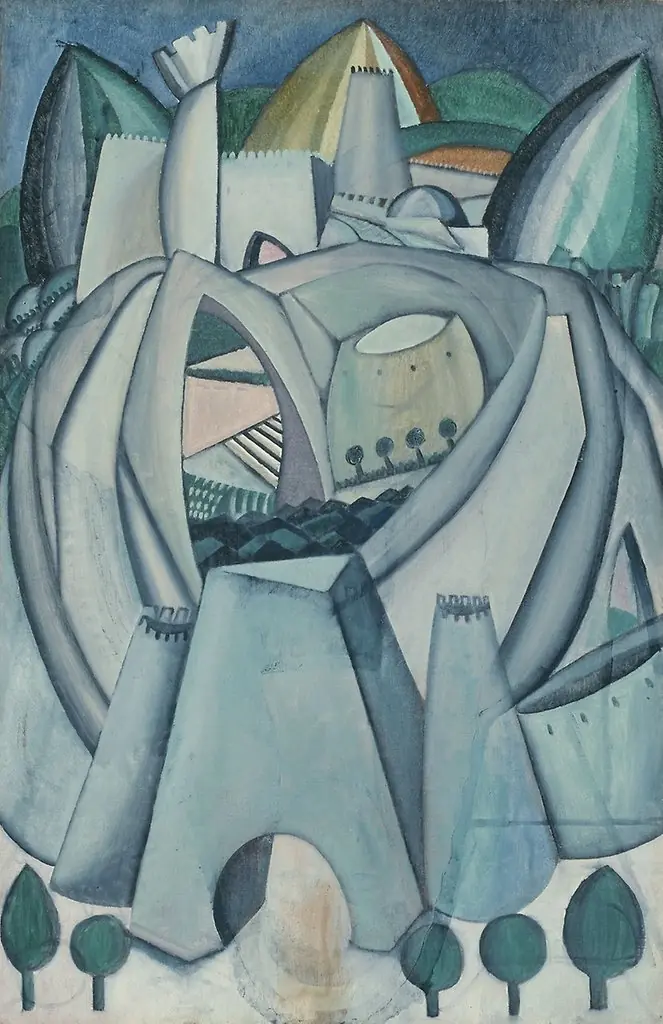
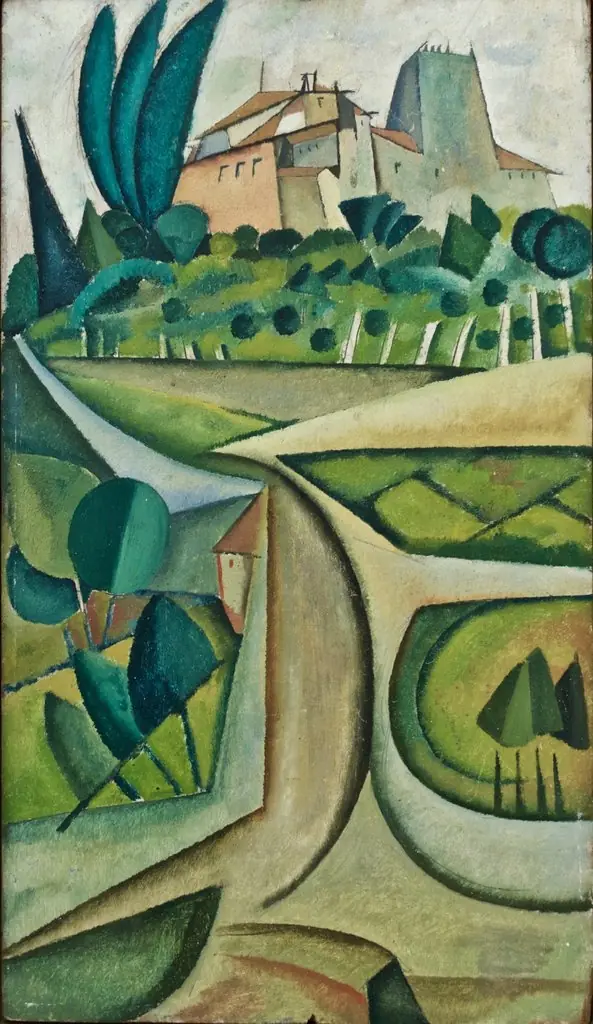
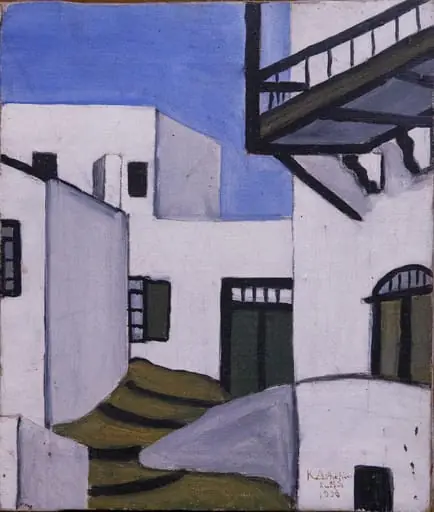
The Fisherman' s Window is an oil painting by the Cubism Synthetic artist Amadeo de Souza Cardoso. It dates from 1916 and is held in the collection of the Calouste Gulbenkian Museum. Amadeo de Souza-Cardoso painted The Fisherman’s Window in 1916, during a period of intense engagement with European modernism.
About this work
Overview
The work is executed in oil on canvas and belongs to the Synthetic Cubist tradition, emphasizing flattened forms and layered color over realistic depiction.
Amadeo de Souza-Cardoso painted The Fisherman’s Window in 1916, during a period of intense engagement with European modernism. Working between Paris and his native Portugal, he absorbed avant-garde influences while developing a distinct visual language. The work is executed in oil on canvas and belongs to the Synthetic Cubist tradition, emphasizing flattened forms and layered color over realistic depiction. It is now part of the Calouste Gulbenkian Museum’s permanent collection.
Subject & Meaning
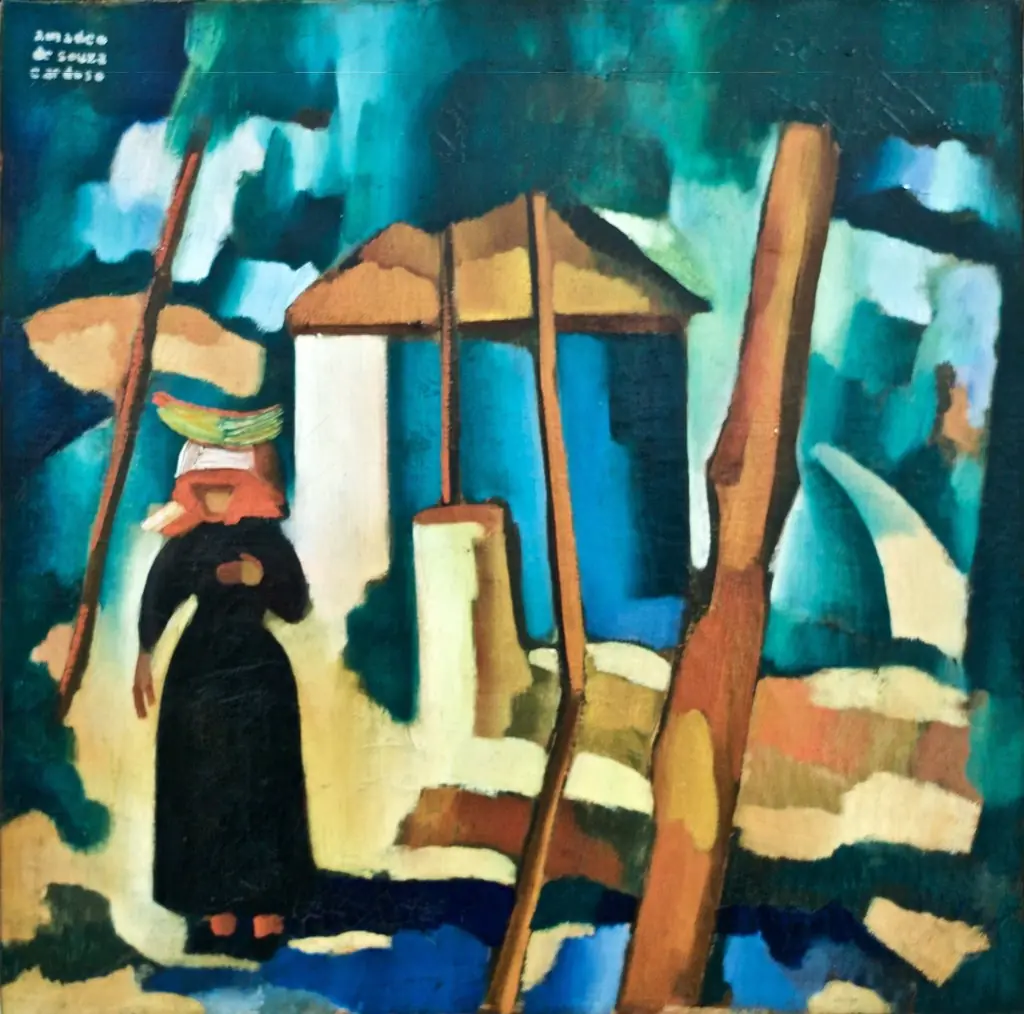
The painting centers on two windows, framed in contrasting colors, red and black, each surrounded by abstracted fields of pigment. Rather than depicting a specific view, the windows function as structural motifs, suggesting thresholds between interior and exterior, perception and reality. The lack of defined surroundings invites focus on the interplay of color and form, reflecting the artist’s interest in how visual elements convey spatial ambiguity rather than literal narrative.
Technique & Style
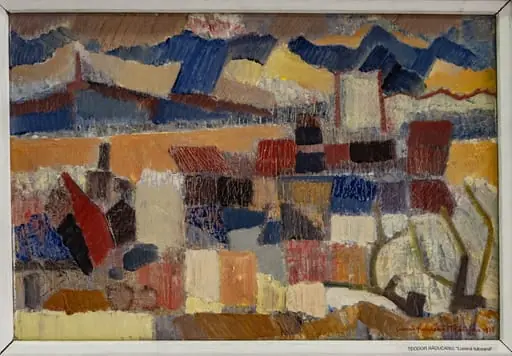
Souza-Cardoso employed bold, expressive brushwork and non-naturalistic color to construct the composition. Layers of yellow, blue, purple, green, and white are applied with rhythmic intensity, creating a dynamic surface that resists depth. The forms are simplified and geometric, aligned with Synthetic Cubism’s emphasis on collage-like assembly.
The absence of perspective and the flattening of space reflect his adaptation of Parisian modernist strategies into a personal idiom.
History & Provenance
Created in 1916, the painting emerged during Souza-Cardoso’s most productive phase, when he exhibited alongside key figures of the Parisian avant-garde. It remained in private hands until acquired by Calouste Gulbenkian, who built one of Europe’s most significant modern art collections. The work entered the museum’s holdings in the mid-20th century and has since been recognized as a pivotal example of early Portuguese modernism.
Context
In 1916, Europe was engulfed in war, yet Paris remained a hub for artistic experimentation. Souza-Cardoso, though based in Portugal, maintained close ties with Cubist and Futurist circles. His work reflects a synthesis of these movements, filtered through a Portuguese sensibility.
The Fisherman’s Window exemplifies how artists on the periphery of the avant-garde contributed original interpretations to modernist discourse.
Legacy
Souza-Cardoso’s work, once overlooked outside Portugal, has gained increasing recognition for its innovative fusion of international modernism and local identity. The Fisherman’s Window stands as a testament to his ability to transform Cubist principles into a unique visual vocabulary. Today, it is studied as a key work in the development of modern painting in Portugal and a bridge between European movements and regional artistic expression.
Own this work as a print
Artist & collection
Artist
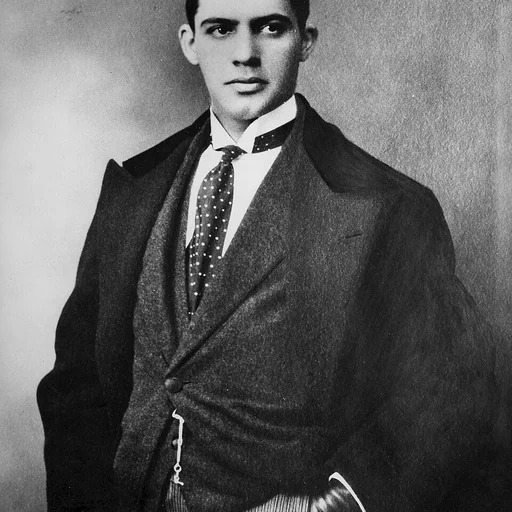
Amadeo de Souza-Cardoso (14 November 1887 – 25 October 1918) was a Portuguese painter.