Artwork
Cello
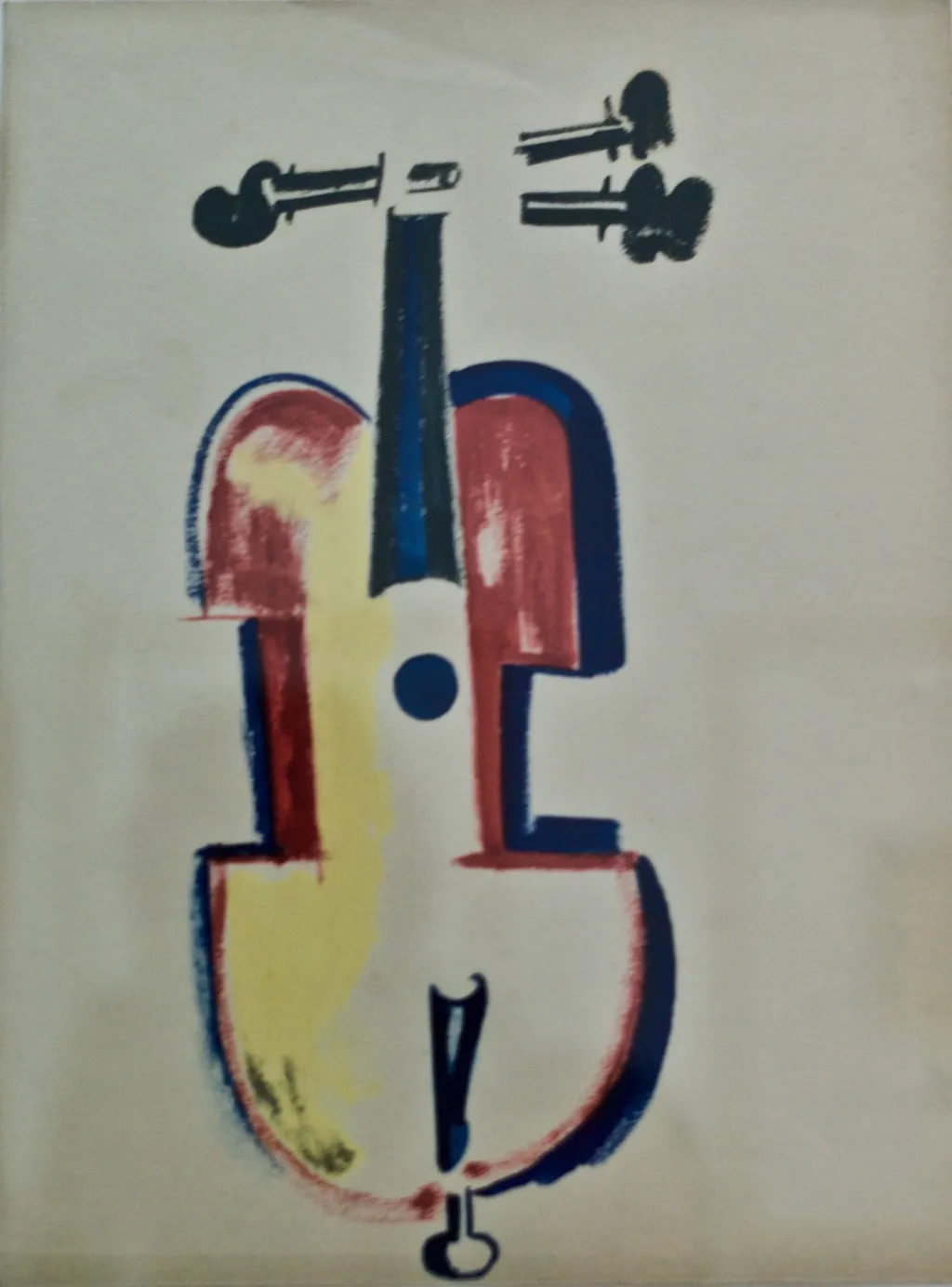
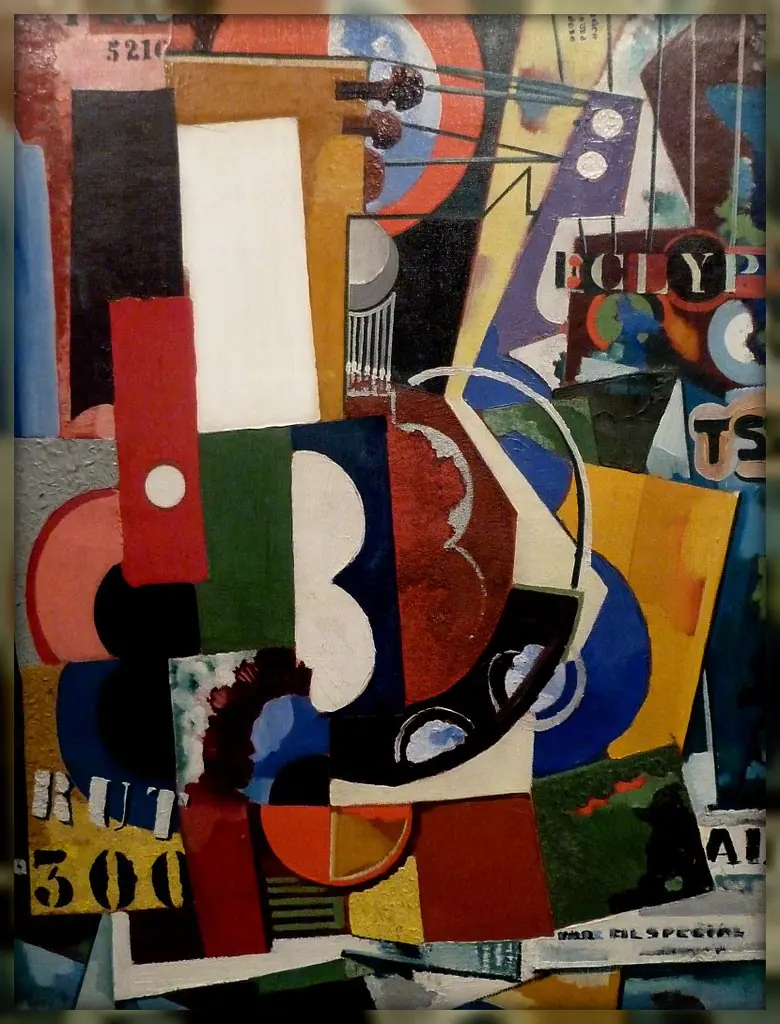
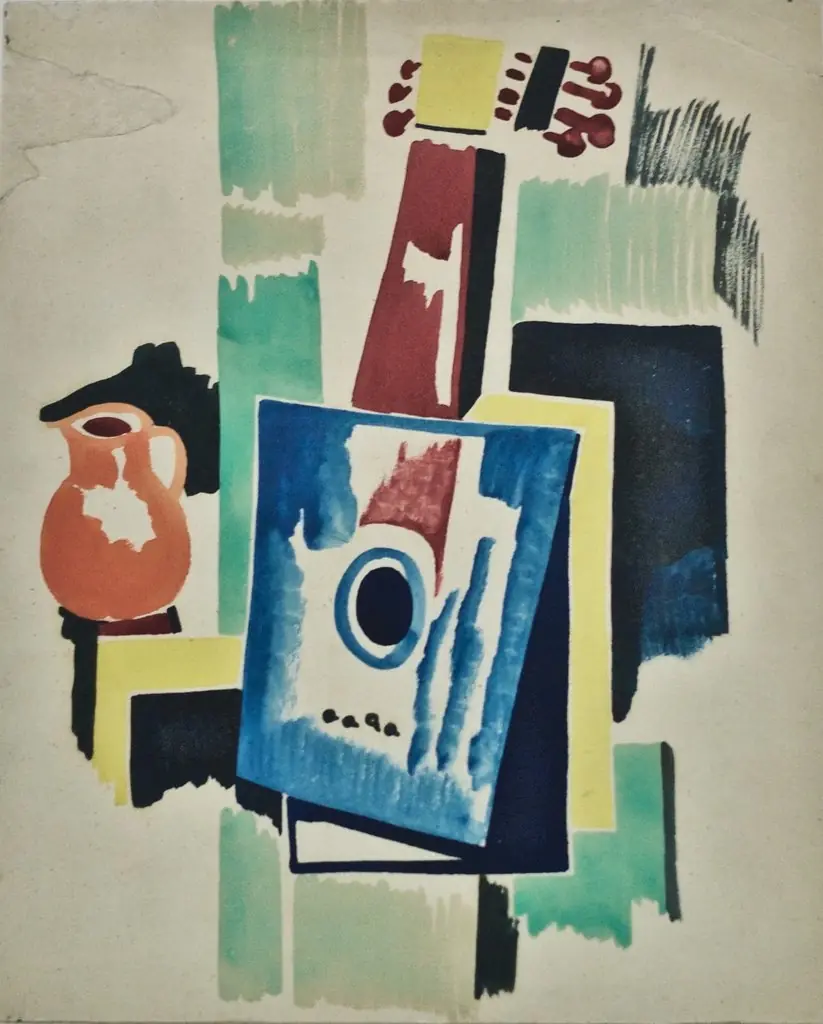
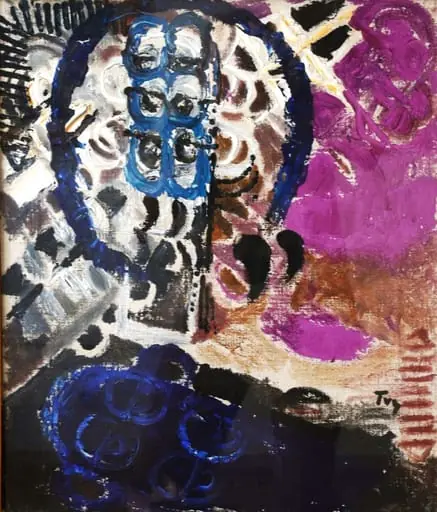
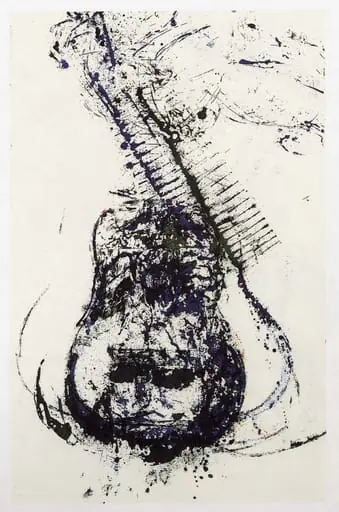
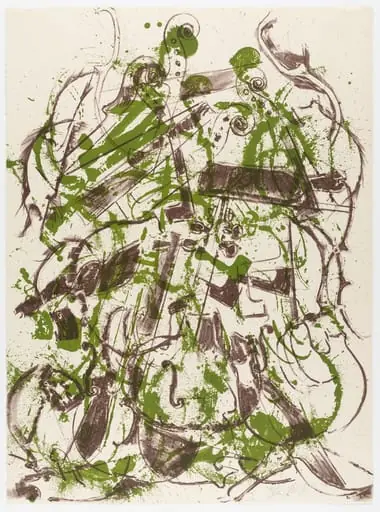
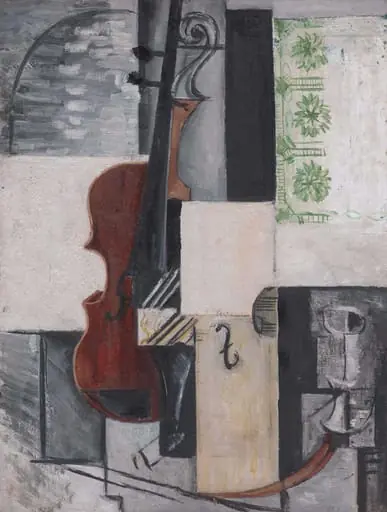
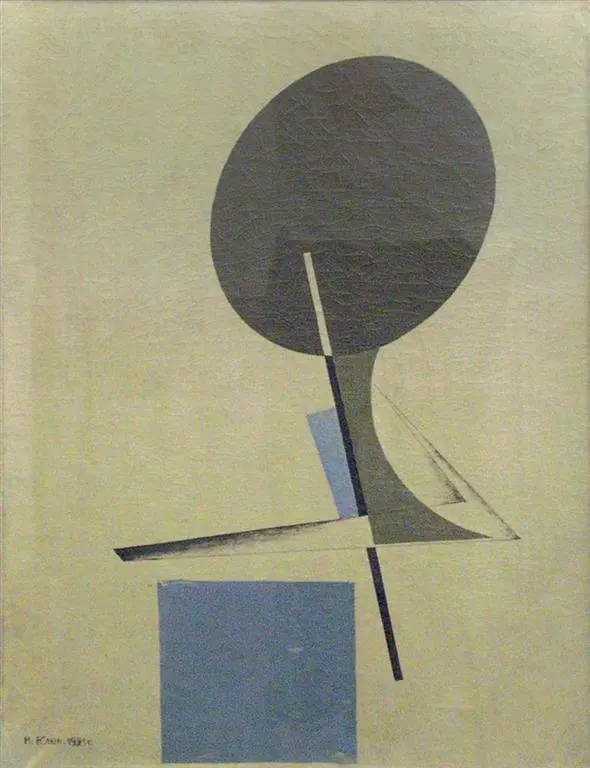
Cello is an unspecified painting by the Cubism Synthetic artist Amadeo de Souza Cardoso. It dates from 1915 and is held in the collection of the Calouste Gulbenkian Museum.
About this work
Overview
Painted in 1915 by Portuguese artist Amadeo de Souza-Cardoso, Cello is a work rooted in the principles of Synthetic Cubism.
Painted in 1915 by Portuguese artist Amadeo de Souza-Cardoso, Cello is a work rooted in the principles of Synthetic Cubism. It emerged during a period when the artist was actively absorbing avant-garde ideas from both Paris and Lisbon, blending fragmented forms with bold, flat planes. The painting reflects a broader European modernist current, filtered through Souza-Cardoso’s distinctive sensibility.
Subject & Meaning
The subject, a cello, is abstracted into geometric shapes and overlapping planes, suggesting musical resonance through visual rhythm rather than literal representation. The instrument’s presence is implied rather than depicted realistically, emphasizing structure and composition over narrative. This approach aligns with Cubist efforts to convey essence through form, not appearance.
Technique & Style
Souza-Cardoso employed layered paper, paint, and collage elements to construct a dense, textured surface. His use of sharp angles, muted tones, and fragmented contours reflects Synthetic Cubism’s move toward simplified shapes and symbolic composition. The work balances abstraction with subtle references to tangible objects, creating a visual harmony between order and disruption.
History & Provenance
Created during Souza-Cardoso’s most experimental phase, Cello remained in the artist’s possession until his death in 1918. It entered the Calouste Gulbenkian Museum’s collection in the mid-20th century, where it is now held as a key example of early Portuguese modernism. The painting’s survival and preservation reflect its significance in the nation’s artistic heritage.
Context
In 1915, while Europe was engulfed in war, Paris remained a hub for radical art. Souza-Cardoso, having studied there, returned to Portugal with new ideas, fusing Cubist fragmentation with local cultural motifs. Cello stands as evidence of a transnational exchange, where Portuguese artists engaged with, rather than merely imitated, international movements.
Legacy
Though overshadowed in his time by more prominent European modernists, Souza-Cardoso’s work, including Cello, has gained recognition for its original synthesis of styles. The painting is now regarded as a pivotal moment in Portuguese art history, illustrating how peripheral artists contributed meaningfully to the broader modernist project.
Own this work as a print
Artist & collection
Artist
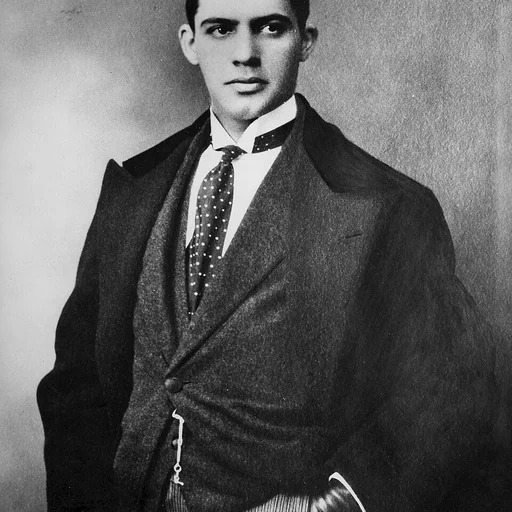
Amadeo de Souza-Cardoso (14 November 1887 – 25 October 1918) was a Portuguese painter.