Artwork
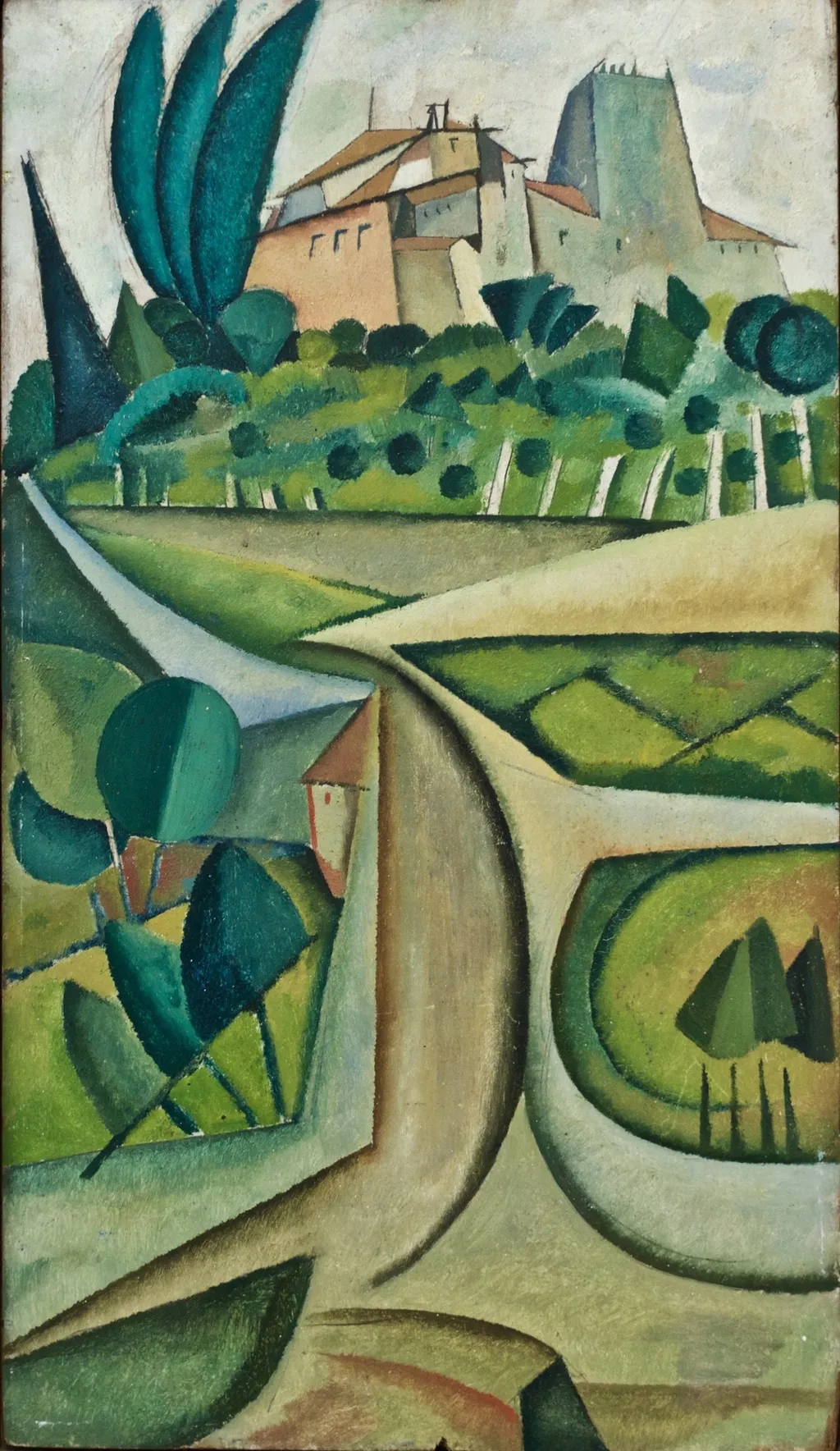
Manhufe Landscape
About this work
Overview
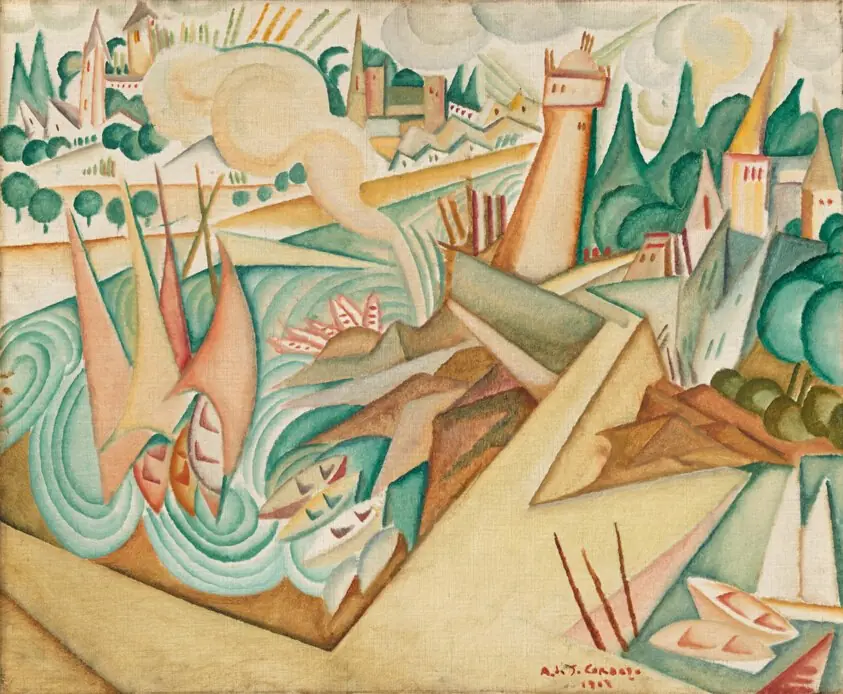
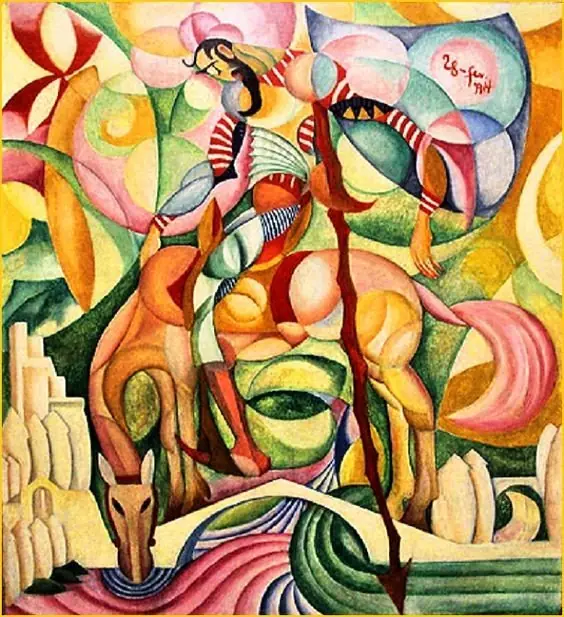
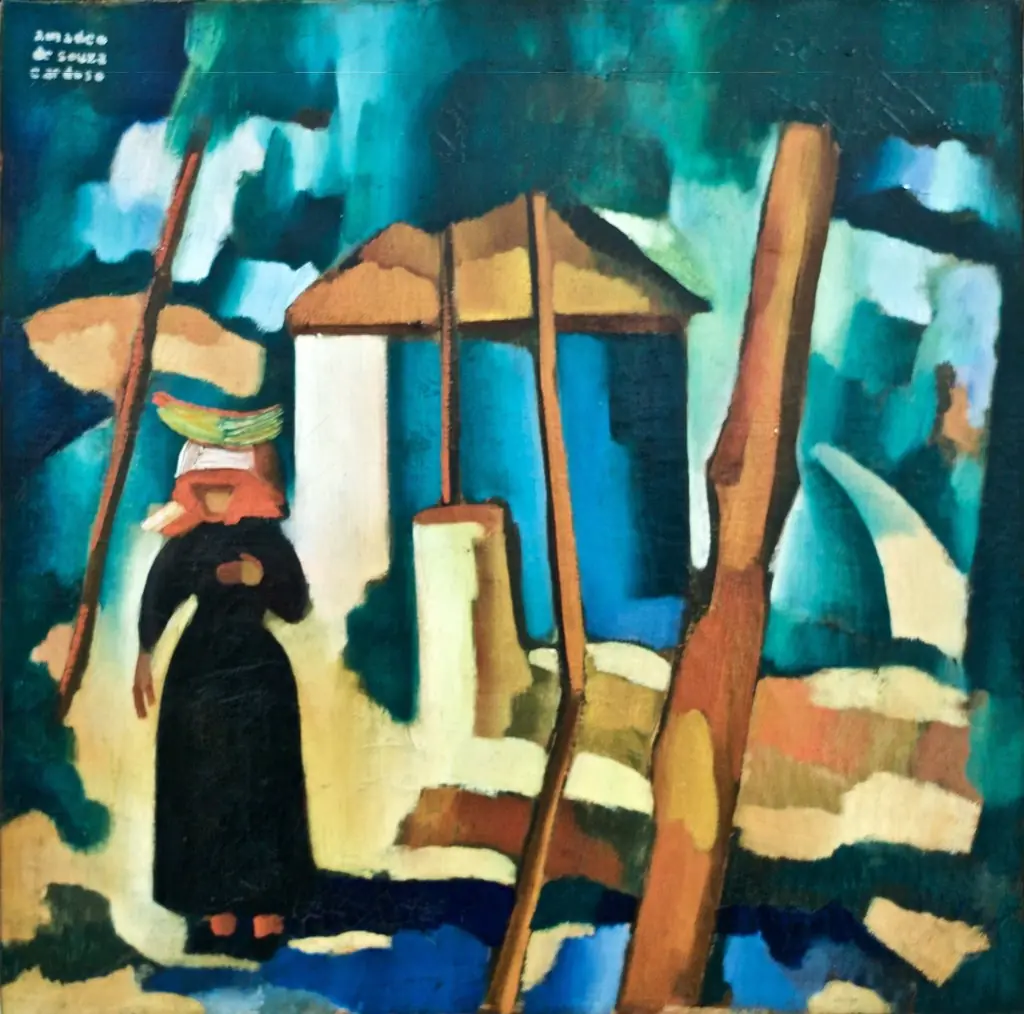
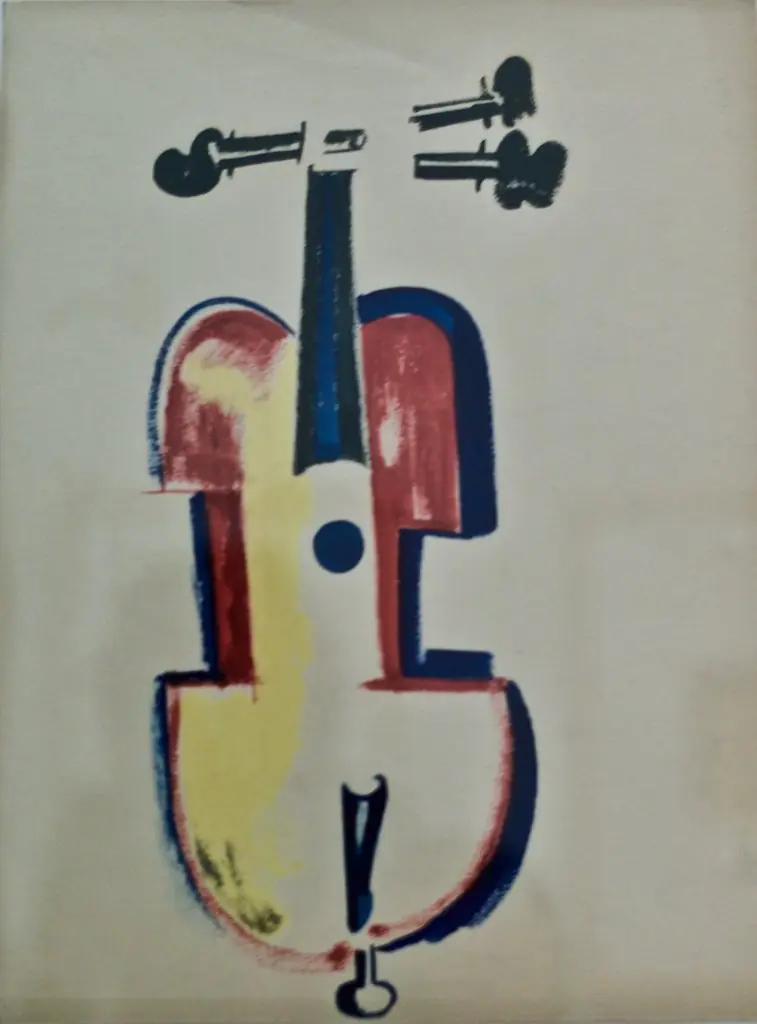
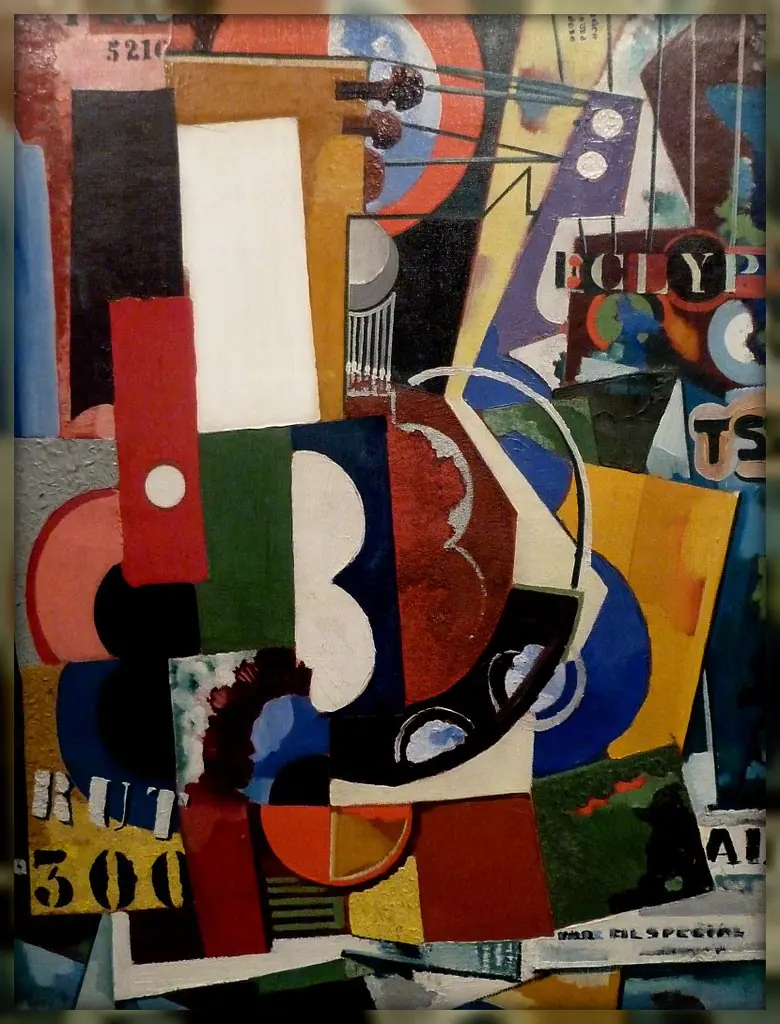
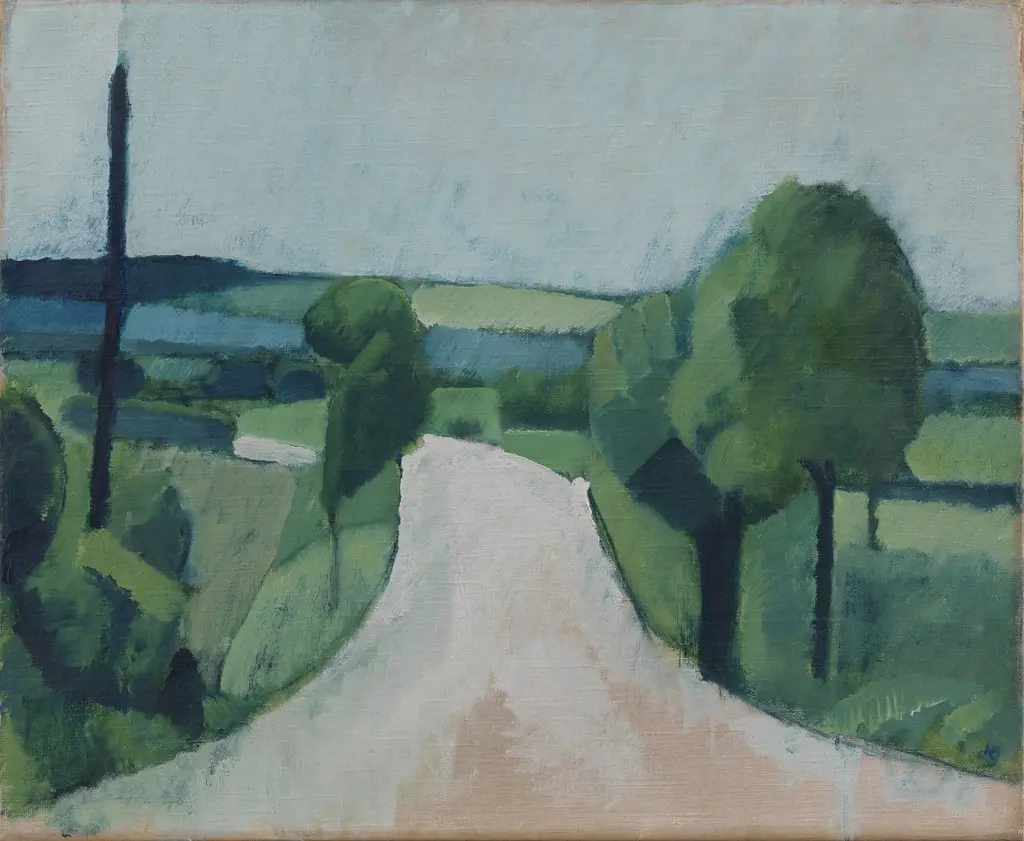
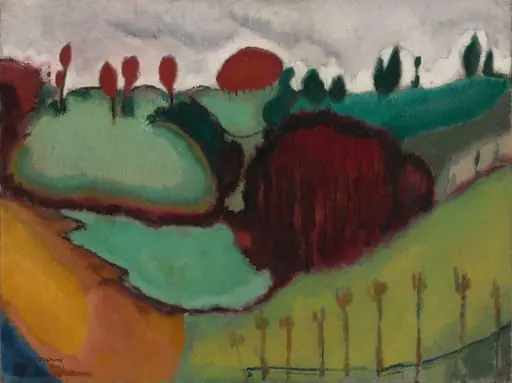
Manhufe Landscape is a 1913 oil painting by Amadeo de Souza-Cardoso, a key figure in Portuguese modernism. The work exemplifies analytic cubism, blending geometric forms with a natural setting.
Subject & Meaning
The painting depicts a landscape combining natural elements (trees, bushes) with a prominent man-made structure (a large house or castle) in the background, alongside a foreground path or road, exploring the interplay between built and natural environments.
Technique & Style
Characterized by geometric shapes and lines, the painting adopts analytic cubist principles, with a predominantly green and brown palette that maintains a natural ambiance despite its abstracted forms.
History & Provenance
Created in 1913, the painting is now part of the Calouste Gulbenkian Museum's collection, reflecting Souza-Cardoso's engagement with international avant-garde movements and his influence on modern Portuguese art.
Context
Souza-Cardoso's work, including Manhufe Landscape, contributed to an international dialogue among early 20th-century avant-garde artists, helping establish modernist art in Portugal.
Artist & collection
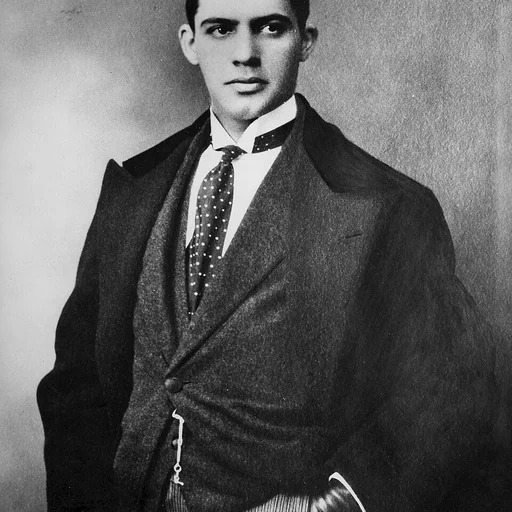
Artist
Amadeo de Souza-Cardoso (14 November 1887 – 25 October 1918) was a Portuguese painter.