Artwork
The Assumption of the Virgin
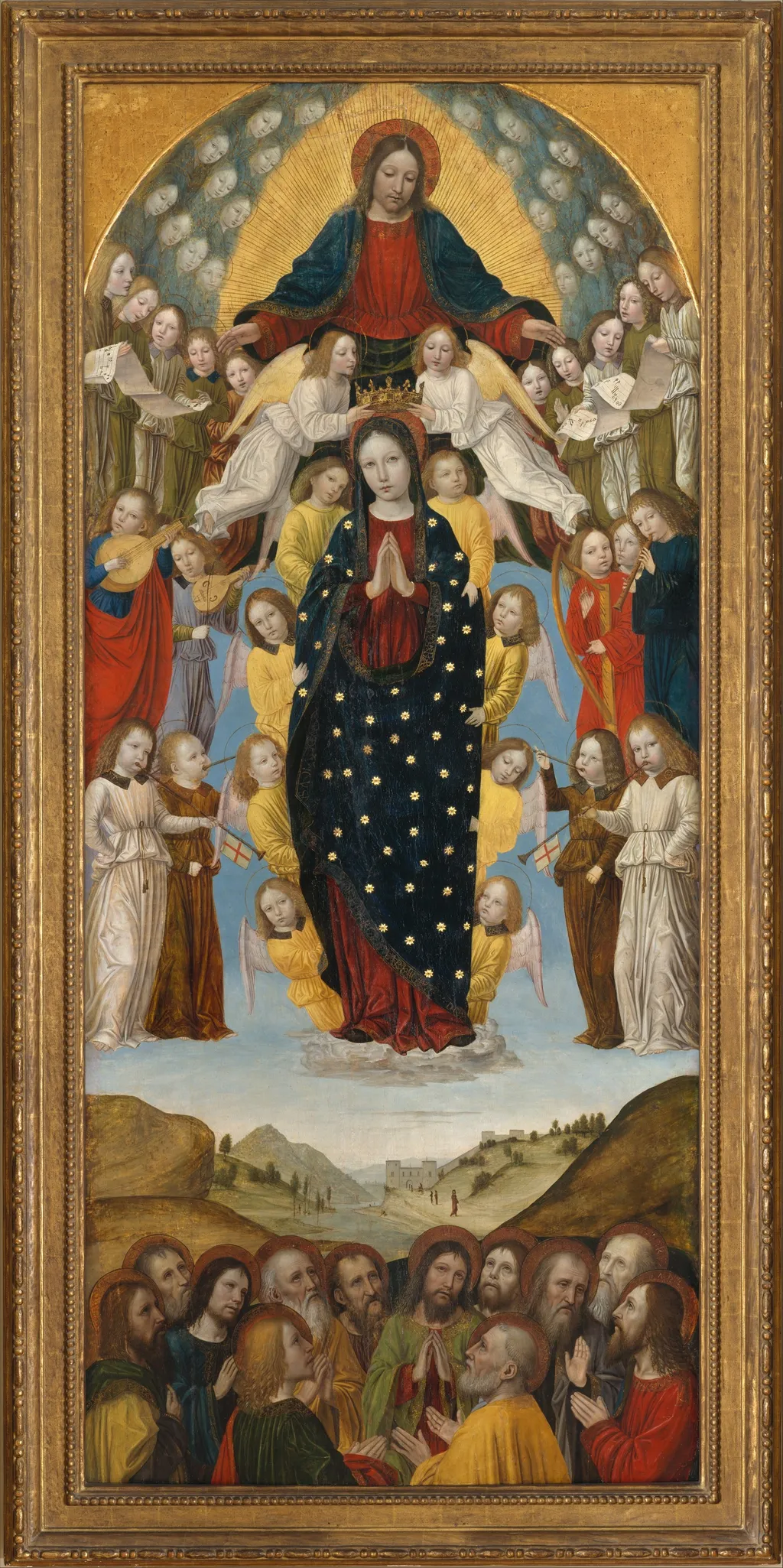
The Assumption of the Virgin is an unspecified painting by the High Renaissance artist Ambrogio Bergognone. It dates from 1511 and is held in the collection of the Metropolitan Museum of Art.
About this work
Subject & Meaning
This iconography reflects the devotional focus of early 16th-century Lombard religious painting, presenting the Virgin not in death but in triumphant elevation.
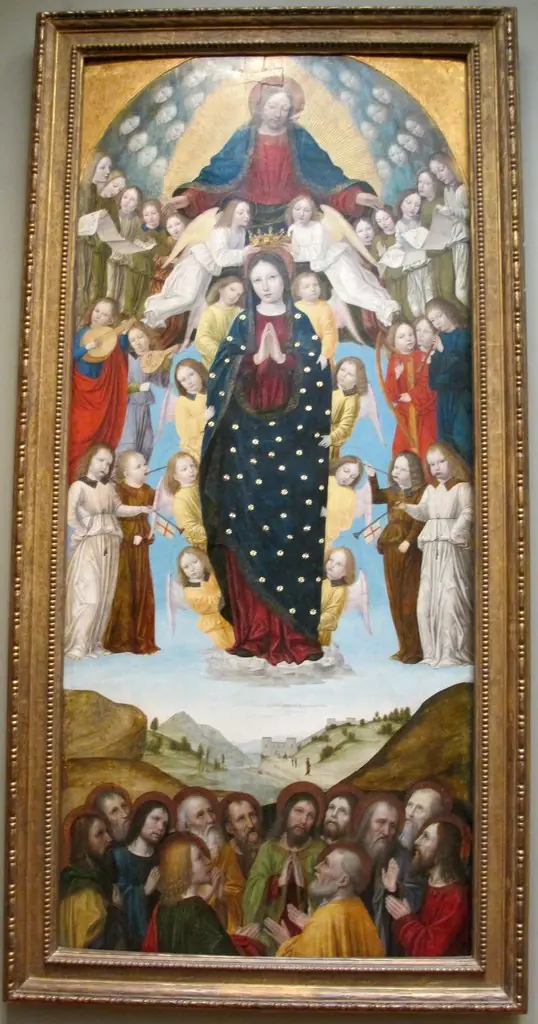
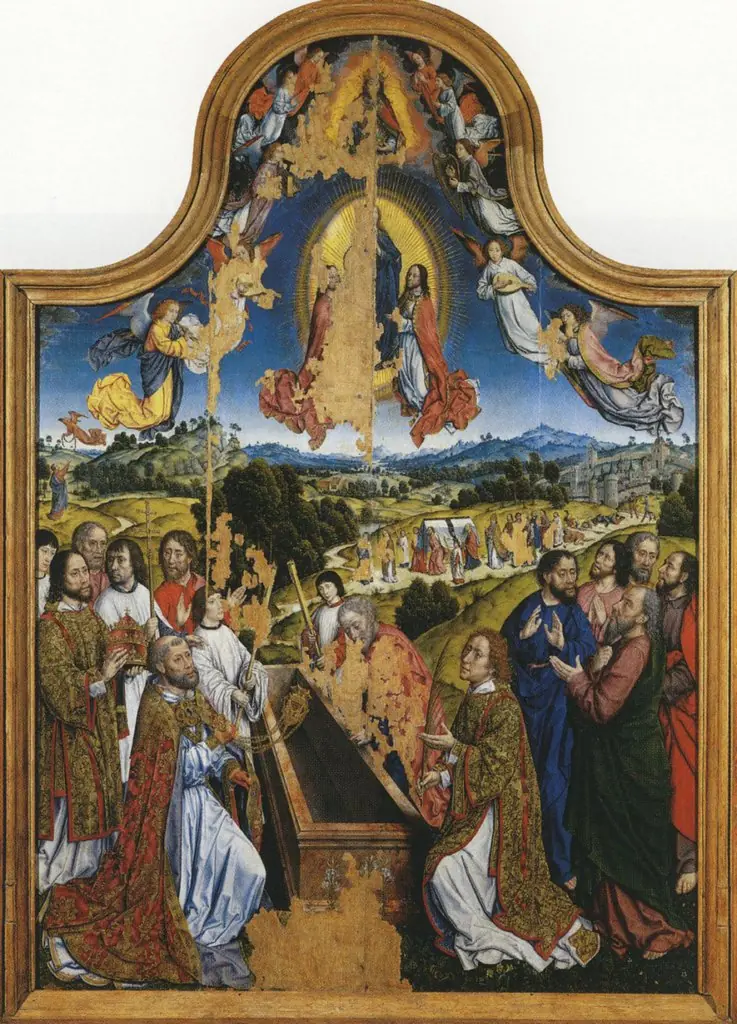
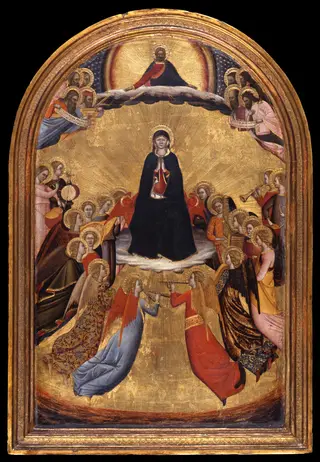
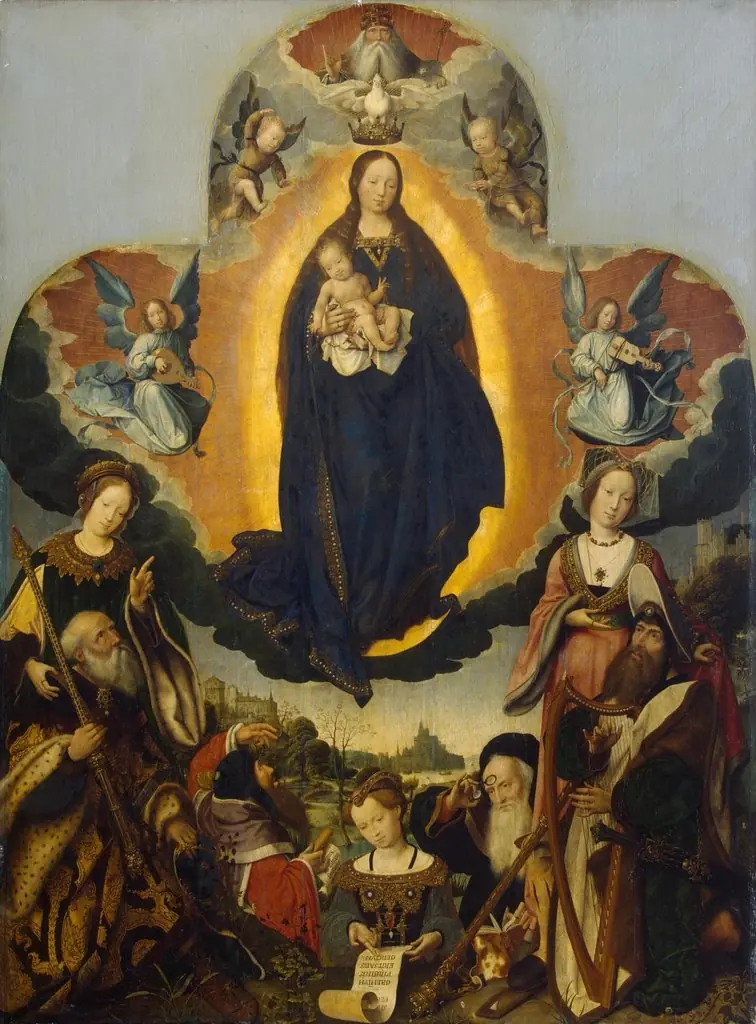
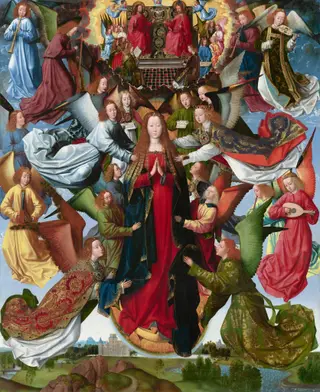
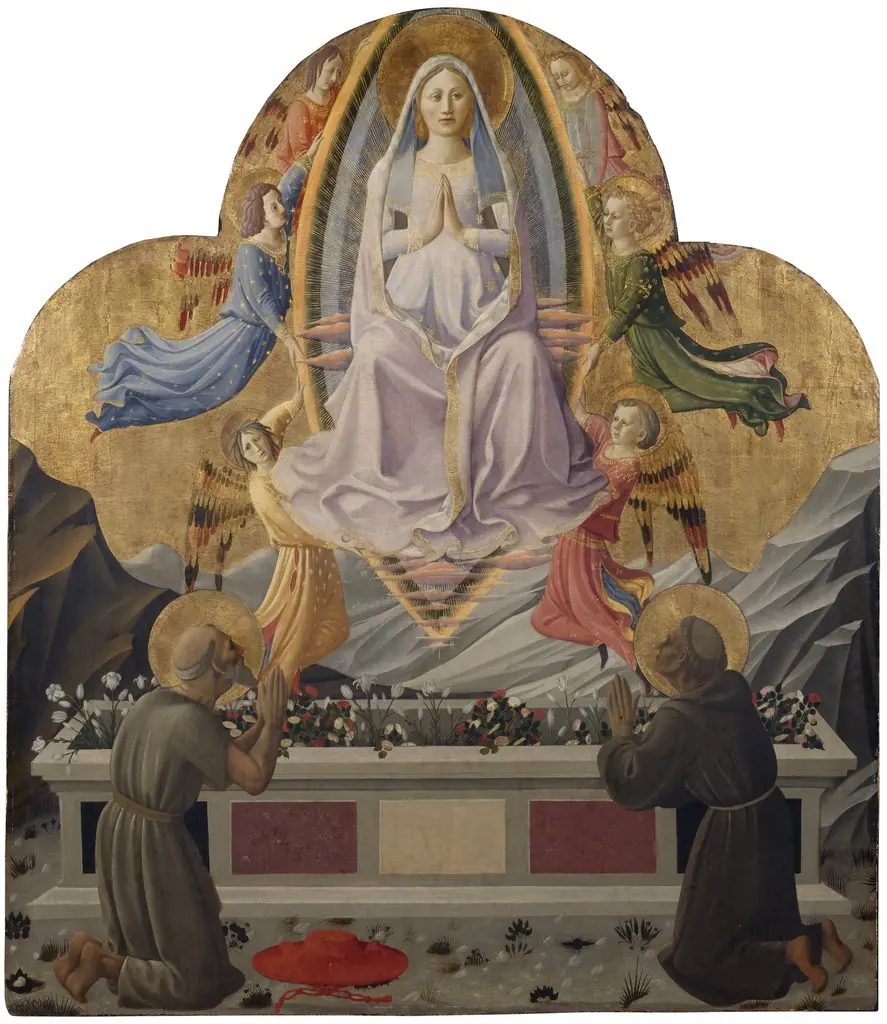
The work depicts the Assumption of the Virgin Mary, a central event in Christian theology where the Virgin is taken bodily into heaven. Created by Ambrogio Bergognone in 1511, the painting illustrates Mary as the main subject, surrounded by angels who accompany her ascent. As a piece of religious art, the composition serves to visualize the doctrine of Mary's bodily assumption, emphasizing her unique role in salvation history.
The presence of angels reinforces the divine nature of the event, marking it as a moment of heavenly glory rather than earthly death. This iconography reflects the devotional focus of early 16th-century Lombard religious painting, presenting the Virgin not in death but in triumphant elevation.
History & Provenance
The Assumption of the Virgin is a religious painting created in 1511 by the Italian artist Ambrogio Bergognone, also known as Ambrogio di Stefano da Fossano. The work was executed during the early sixteenth century and depicts the Assumption of Mary accompanied by angels. Currently, the painting resides in the collection of the Metropolitan Museum of Art.
While the specific commissioning patron or original location is not detailed in the available records, the work's creation date is firmly established as 1511. The piece measures 242.3 centimeters in height and 108 centimeters in width, reflecting the scale typical of altarpieces from this period. Its provenance traces from its initial creation to its eventual acquisition by the Metropolitan Museum of Art, where it remains a significant example of Bergognone's religious output.
Overview
Ambrogio Bergognone, an Italian painter active around Milan, completed The Assumption of the Virgin in 1511. This work, characteristic of the High Renaissance, depicts a significant Christian narrative. It is presently part of the collection at The Metropolitan Museum of Art, offering insight into early 16th-century religious art and Bergognone's contribution to the period's artistic developments.
Technique & Style
Bergognone's High Renaissance approach is evident in the detailed rendering and compositional balance. The angels display distinct, lifelike facial expressions, contributing to the scene's emotional depth. Mary's robe, embellished with tiny gold stars, serves as a traditional visual cue for her sanctity. This arrangement of earthly and heavenly figures demonstrates the period's interest in combining naturalism with sacred iconography.
Artist & collection
Artist
Ambrogio Bergognone (variously known as Ambrogio da Fossano, Ambrogio di Stefano da Fossano, Ambrogio Stefani da Fossano or as il Bergognone or Ambrogio Egogni, c.