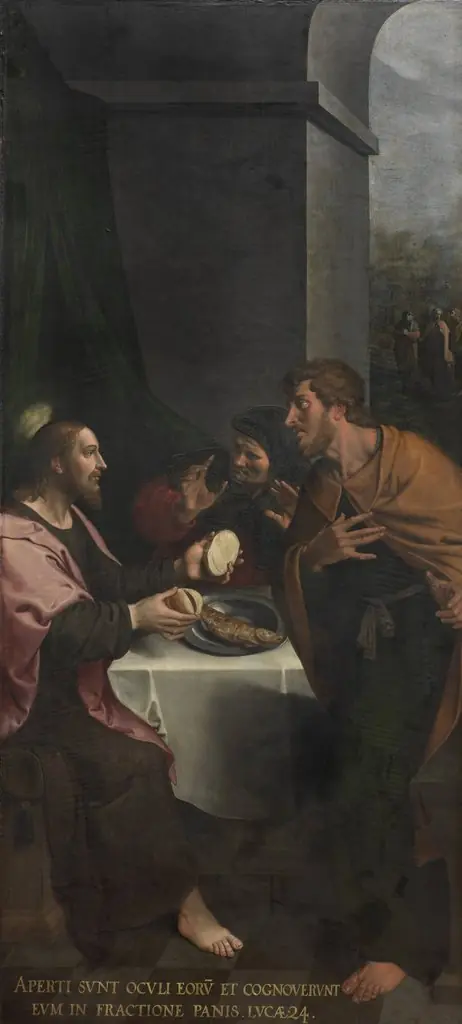
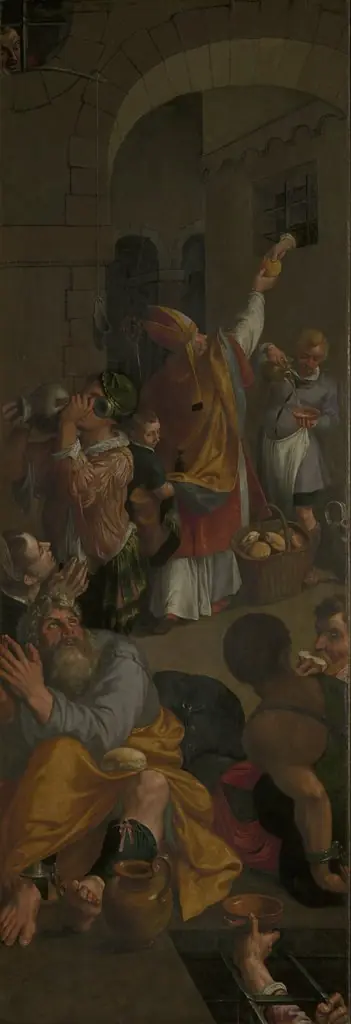
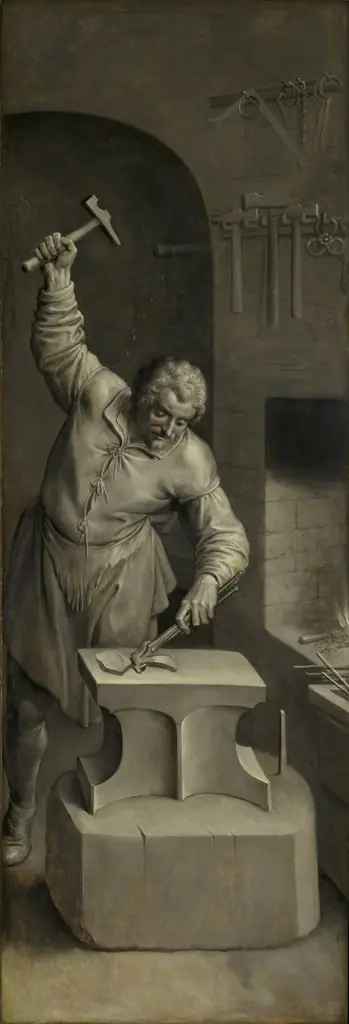
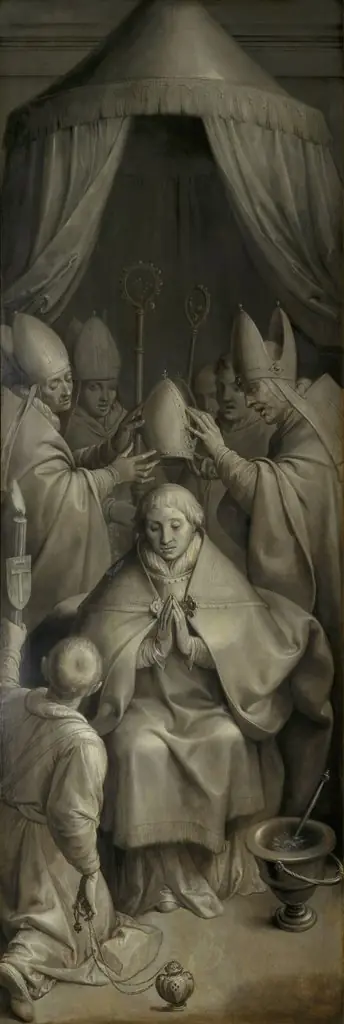
Artwork
Saint George tortured
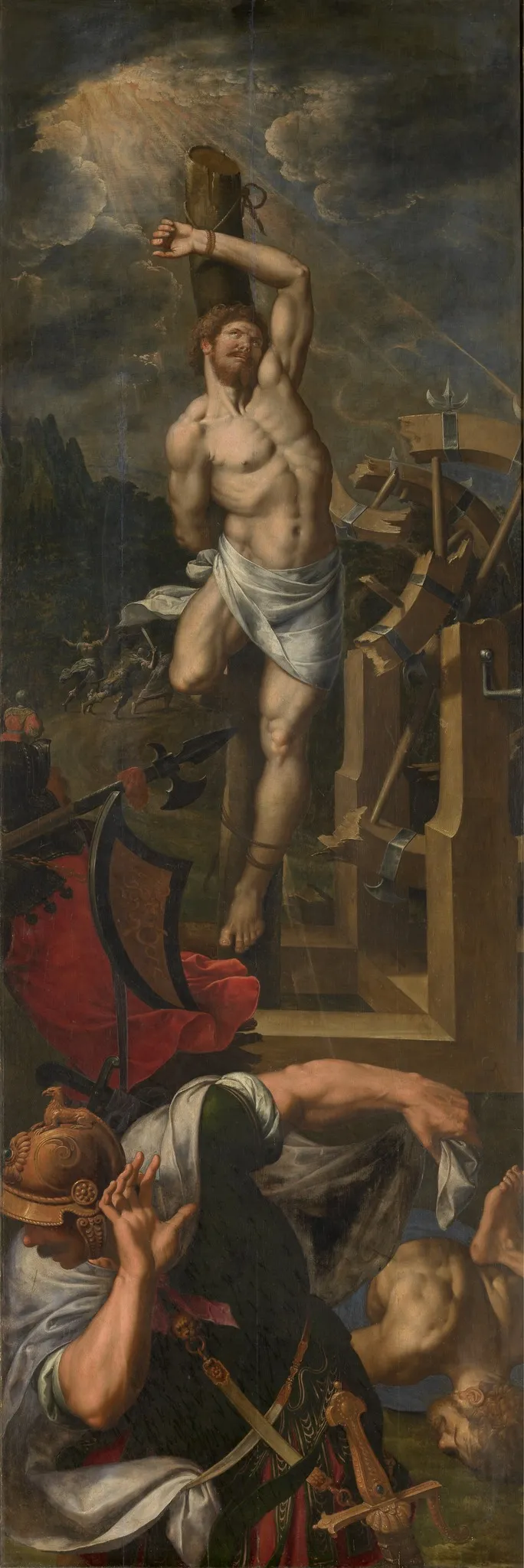
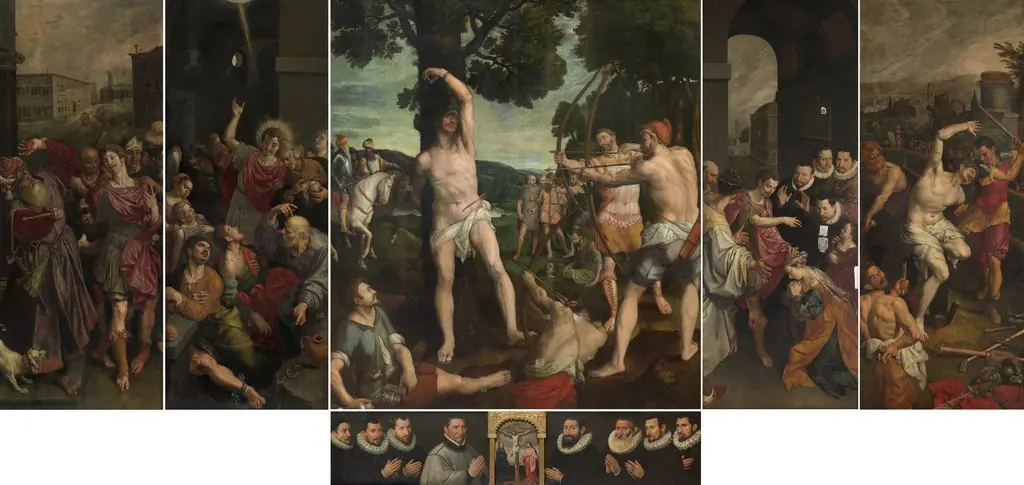
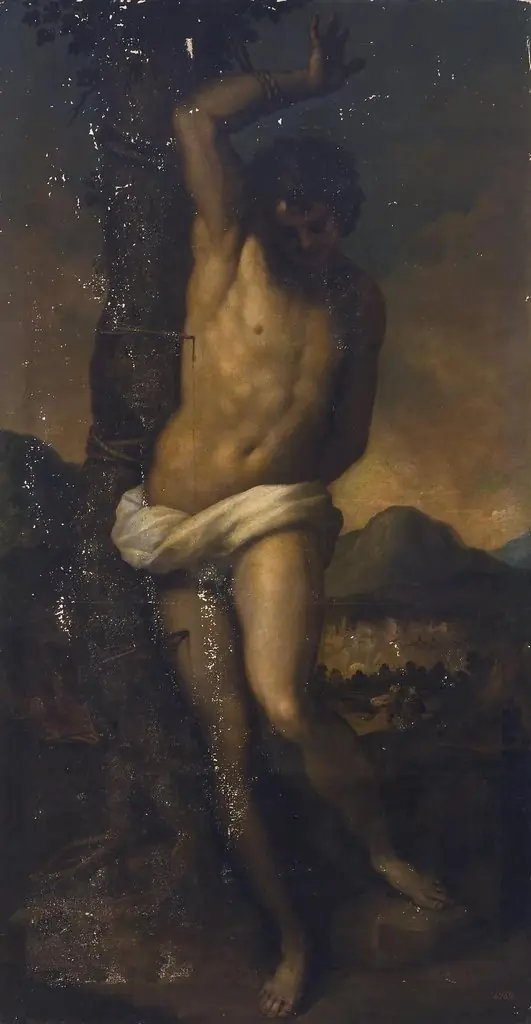
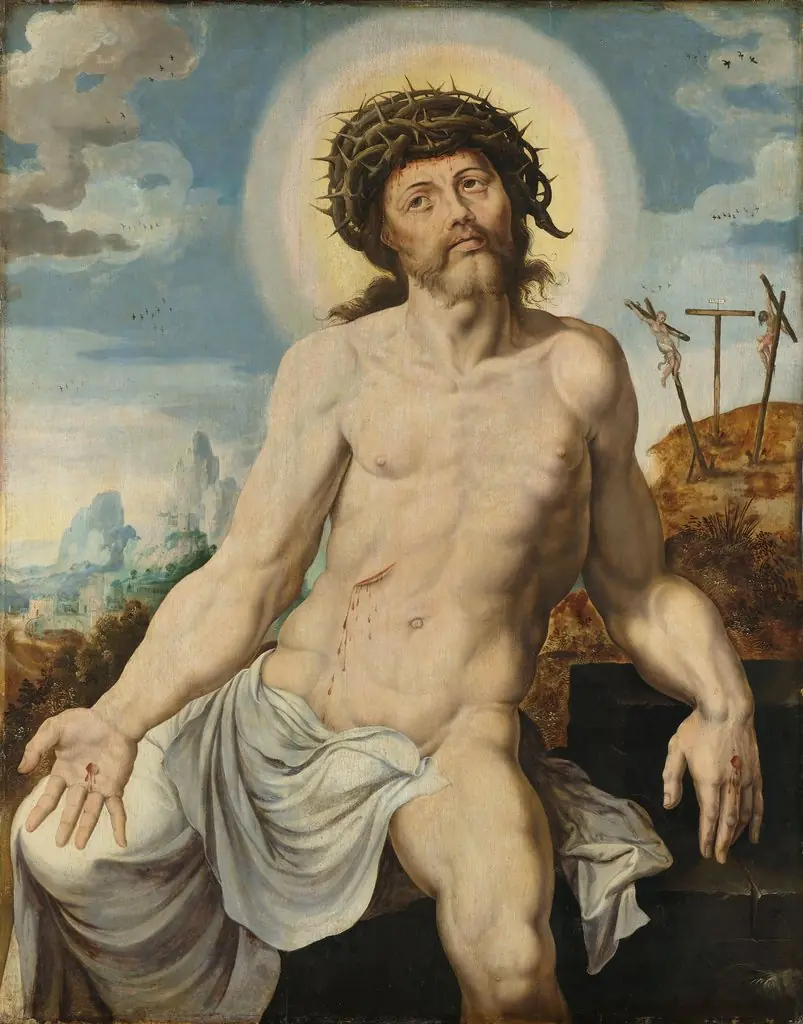
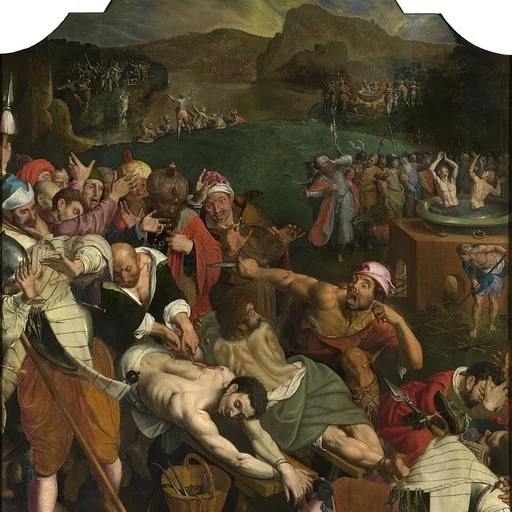
Saint George tortured is an oil painting by the Early Baroque Italian artist Ambrosius Francken I. It dates from 1598 and is held in the collection of the Royal Museum of Fine Arts Antwerp. Created in 1598, this oil painting portrays the martyrdom of Saint George, the legendary Christian warrior.
About this work
Overview
A muted, cloud‑filled sky looms behind, pierced by a narrow shaft of light that highlights the saint’s suffering.
Created in 1598, this oil painting portrays the martyrdom of Saint George, the legendary Christian warrior. The composition centers on a bound figure whose torso and limbs are strained, conveying physical anguish. A muted, cloud‑filled sky looms behind, pierced by a narrow shaft of light that highlights the saint’s suffering. The work belongs to the collection of the Royal Museum of Fine Arts in Antwerp.
Subject & Meaning
The scene captures the moment of Saint George’s torture, a narrative drawn from hagiographic tradition that emphasizes steadfast faith amid persecution. By focusing on the saint’s muscular tension and anguished expression, the painting underscores the spiritual triumph of endurance over bodily pain, inviting contemplation of martyrdom as a testament to inner conviction.
Technique & Style
Executed in oil on canvas, the artist employs pronounced chiaroscuro to model the figure, allowing light to strike the exposed flesh while the surrounding darkness recedes. The rendering of fabric folds and anatomical detail reflects a late Mannerist sensibility, yet the dramatic lighting anticipates early Baroque tendencies toward emotional intensity and spatial depth.
History & Provenance
The work was produced by Ambrosius Francken I, a member of the prolific Francken family active in the Southern Netherlands during the transition from the 16th to the 17th century. After remaining in private hands for several centuries, it entered the Royal Museum of Fine Arts Antwerp, where it has been displayed as part of the museum’s Flemish Baroque holdings.
Context
Francken’s depiction aligns with the Counter‑Reformation’s emphasis on vivid, didactic religious imagery. While rooted in Flemish artistic traditions, the painting also reflects the influence of Italian early Baroque, particularly in its use of light to dramatize narrative. This synthesis illustrates the cross‑regional exchange of visual ideas that characterized late 16th‑century European art.
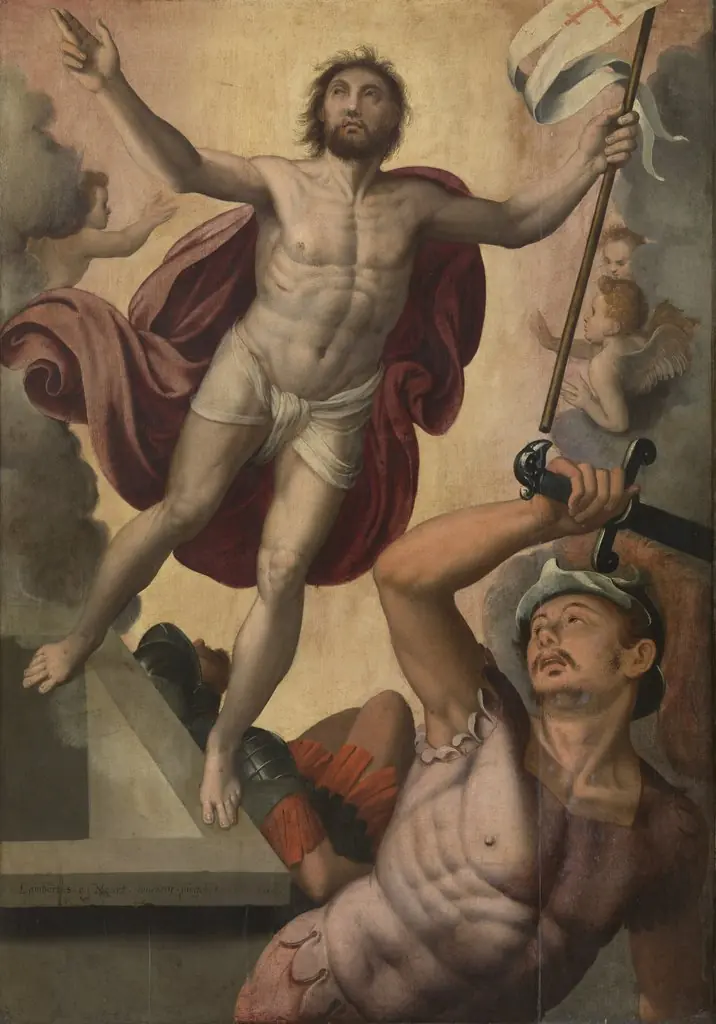
Artist & collection
Artist
Ambrosius Francken I (1544/45–October 1618) was a Flemish painter known for his religious works and historical allegories painted in a late Mannerist style.