Subject
Nudity
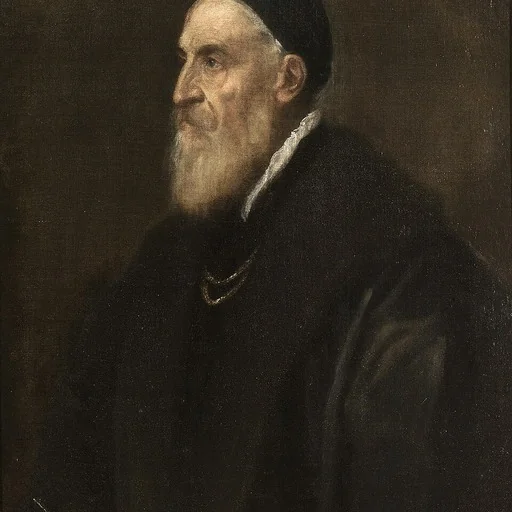
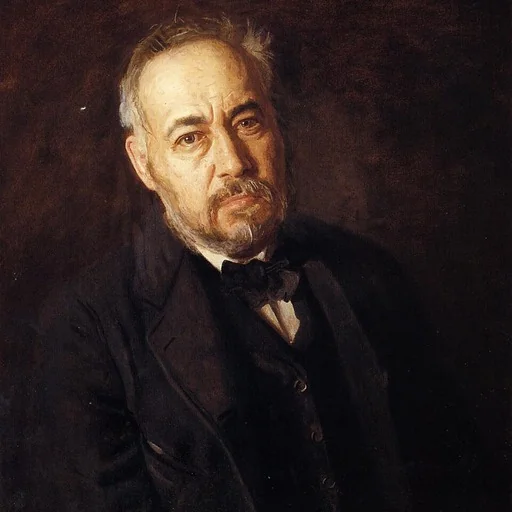
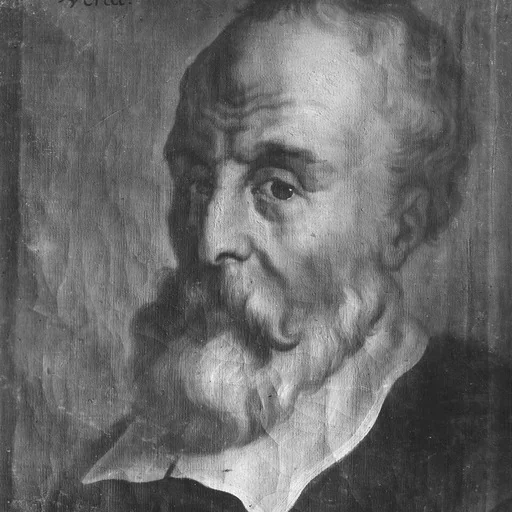
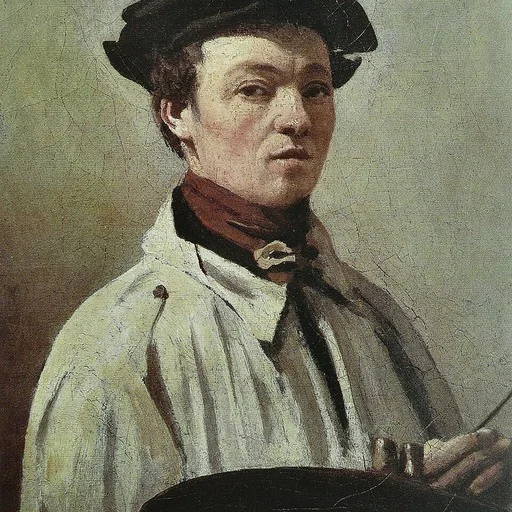
Nudity is a subject in art. The gallery holds 200 works in this subject in art, including works by Titian, Thomas Eakins and Paolo Veronese.
Nudity is the state of being in which a human is without clothing. For most of prehistory, anatomically modern humans went unclad, having lost their dense body hair and lived in warm climates before developing the textile crafts that made clothing possible. As an artistic subject, however, nudity carries a meaning far beyond mere undress. The art historian Kenneth Clark drew the now-classic distinction between the "naked"—the body simply deprived of clothes, with all its attendant vulnerability—and the "nude," an idealized form that he called "not a subject of art but a form of art." That transformation of bare flesh into a vehicle for beauty, order, and meaning is the true history of the subject.
The Western nude was born in ancient Greece. Heroic male nudity arrived first, in the rigid kouros figures of the Archaic period, where nakedness signified athletic and civic virtue. The female nude followed nearly three centuries later, when Praxiteles of Athens carved his Aphrodite of Knidos around the mid-fourth century BC—one of the first life-sized naked goddesses, shown modestly shielding herself as she steps to her bath. Endlessly copied, it established a template for the female nude that endured for two millennia.
Christianity narrowed the field. Medieval art largely reserved nakedness for sin, shame, and defenselessness—Adam and Eve expelled from Eden, or the crucified Christ. The Renaissance revival of antiquity reopened the body to celebration: Donatello's bronze David reintroduced heroic male nudity, Botticelli's Birth of Venus restored the classical goddess, and Michelangelo made anatomy itself a language of the divine. In sixteenth-century Venice, Giorgione and Titian perfected the sensuous reclining nude, exemplified here by Titian's Venus and Adonis and complemented by Paolo Veronese's Venus and Mars and Lorenzo Lotto's Venus and Cupid.
The subject grew quieter and more naturalistic in later centuries—seen in Jean-Baptiste-Camille Corot's The Repose and Gustave Courbet's earthy The Young Bather—before modernism shattered its idealizing conventions. Édouard Manet's Olympia, exhibited at the 1865 Paris Salon, replaced the soft mythological goddess with a frank Parisian courtesan who stares back at the viewer; the scandal it provoked marked the nude's passage into modern art, where it remains a contested arena for questions of beauty, power, and the gaze.
Key artists
Overview
Nudity is the state of a human being without clothing. For approximately the first 90,000 years of prehistory, anatomically modern humans lived naked, having lost their body hair and inhabiting hospitable climates before developing the crafts necessary to make garments. The distinction between being naked and being nude carries cultural weight. While naked simply means being without clothes, nudity in the fine arts carries positive associations with the beauty of the human body. In art, the unclothed figure functions as a fundamental exercise in classical training and a recurring theme, reflecting evolving cultural, social, and religious attitudes toward the body.
Iconography & meaning
The iconography of nudity encompasses a wide spectrum of meanings, from vulnerability and shame to heroism and divine beauty. In Western art, the association of nudity with sin originated with Abrahamic beliefs, particularly the biblical narrative of Adam and Eve, whose awareness of their nakedness led to the use of fig leaves, a motif frequently added to older sculptures by later generations. Conversely, in ancient Greek culture, male nudity was an attribute of heroism and athletic triumph, derived from the word gymnos, reflecting the practice of athletes competing unclothed. Female nudity in antiquity was largely restricted to representations of Aphrodite. Beyond sexuality, nudity has served as a sign of marginality or poverty, indicating the lowest social rank, or as a tool of protest and subversion, where the deliberate breaking of taboos draws attention to a cause.
Across movements & periods
The treatment of the nude figure has shifted dramatically across movements and periods. In ancient Mediterranean civilizations, proper attire maintained social standing, yet functional nudity was accepted in labor, athletics, and bathing. During the Renaissance, a revival of classical antiquity revalued the beautiful nude body in both male and female forms, primarily through mythological or exotic scenes. This practice faced opposition from Reformed churches and, following the Council of Trent in the late sixteenth century, the Catholic Church, which succeeded in having genitalia covered in public artworks. Despite these restrictions, drawing the nude remained central to academic training, though models were exclusively male until the late nineteenth century. In the Victorian era and among American Puritans, both public nudity and its artistic representation faced severe disapproval, exemplified by the 1895 removal of a nude allegorical figure of Truth from the Reichstag. Later, organized naturism and movements toward cultural decolonization challenged Western modesty norms, seeking to reclaim non-sexualized and pre-colonial attitudes toward the body.
Notable depictions
Canonical depictions of nudity are deeply tied to their cultural contexts. In ancient Greece, victorious Olympic athletes were frequently represented nude, celebrating the heroic male form. During the Renaissance, mythological scenes featuring female nudes found eager audiences among collectors, while sculptors produced nude works referencing classical antiquity. The allegorical figure of Truth achieved notable notoriety in 1895 when its nude form caused its removal from the German Reichstag. In non-Western traditions, the unclothed body carries distinct significances, such as the peniskoters of Papuan tribes in New Guinea, which signify adequate dress rather than nakedness, or the historical practice of early Islamic women baring their breasts on the battlefield to warn their men of the slavery and exposure they would face in defeat.
Legacy
The legacy of nudity in art and society reflects an ongoing cultural ambiguity toward the body and sexuality. The spread of Western modesty norms through colonialism suppressed indigenous practices of functional or decorative nakedness worldwide, yet contemporary societies continue to grapple with these imposed standards. Today, social norms regarding nudity differ by gender and context, with some societies recognizing non-sexual nudity for recreational or celebratory activities, while others maintain strict religious objections. The artistic tradition of the idealized nude established during the Renaissance and classical revivals remains a benchmark, even as modern and contemporary artists challenge the boundaries of public versus private spaces, using the unclothed body to question power dynamics, protest social norms, and redefine the boundaries of artistic expression.
Works
 Venus and Adonis
 Venus and Mars
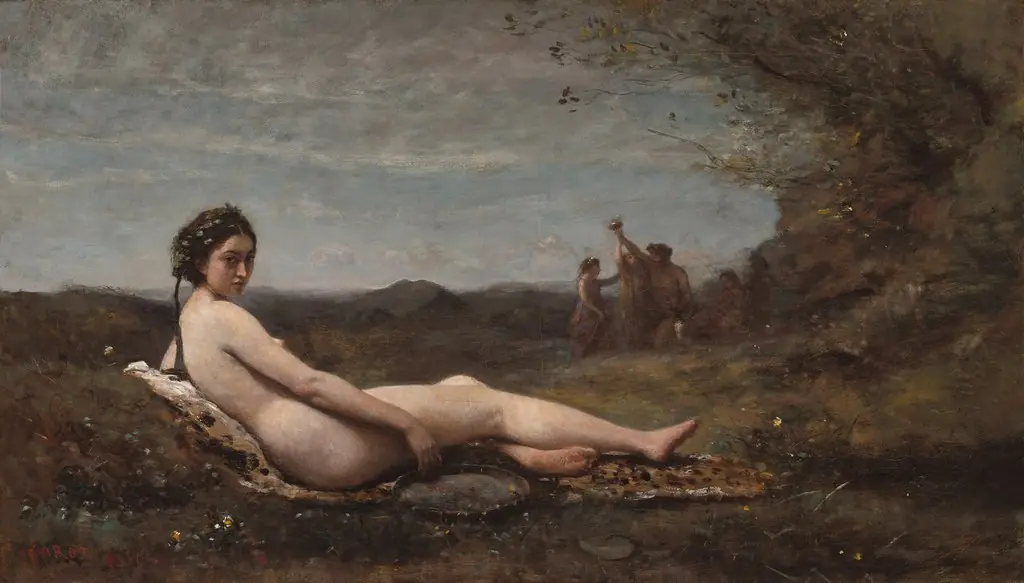 The Repose
 Venus and Cupid
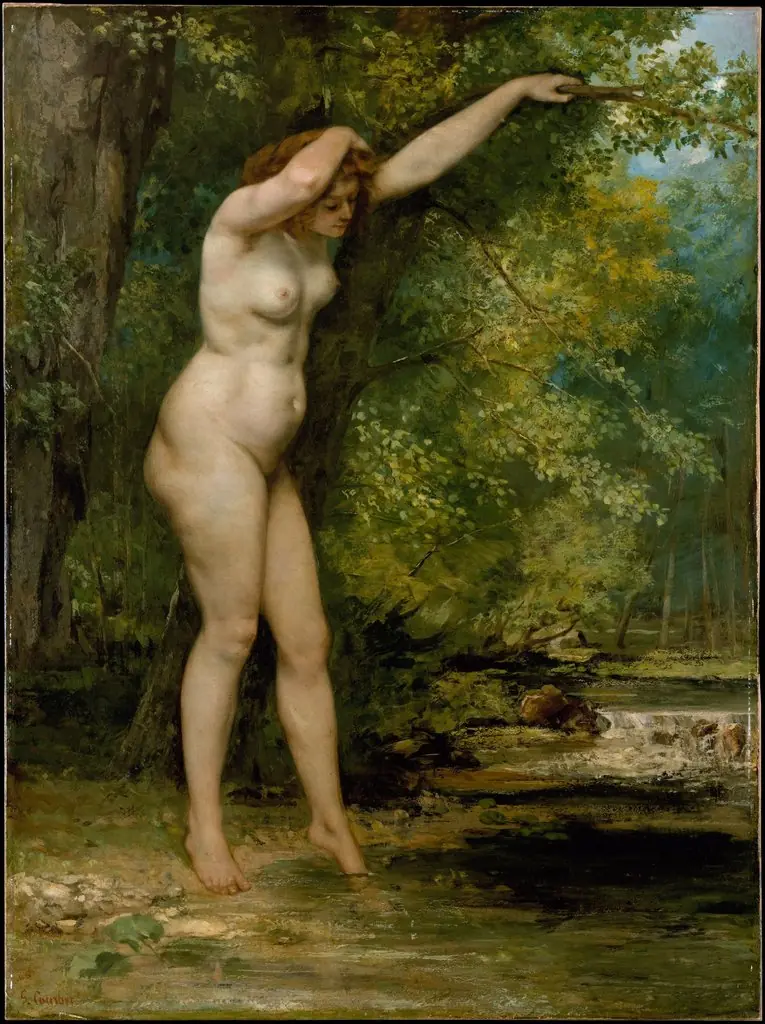 The Young Bather
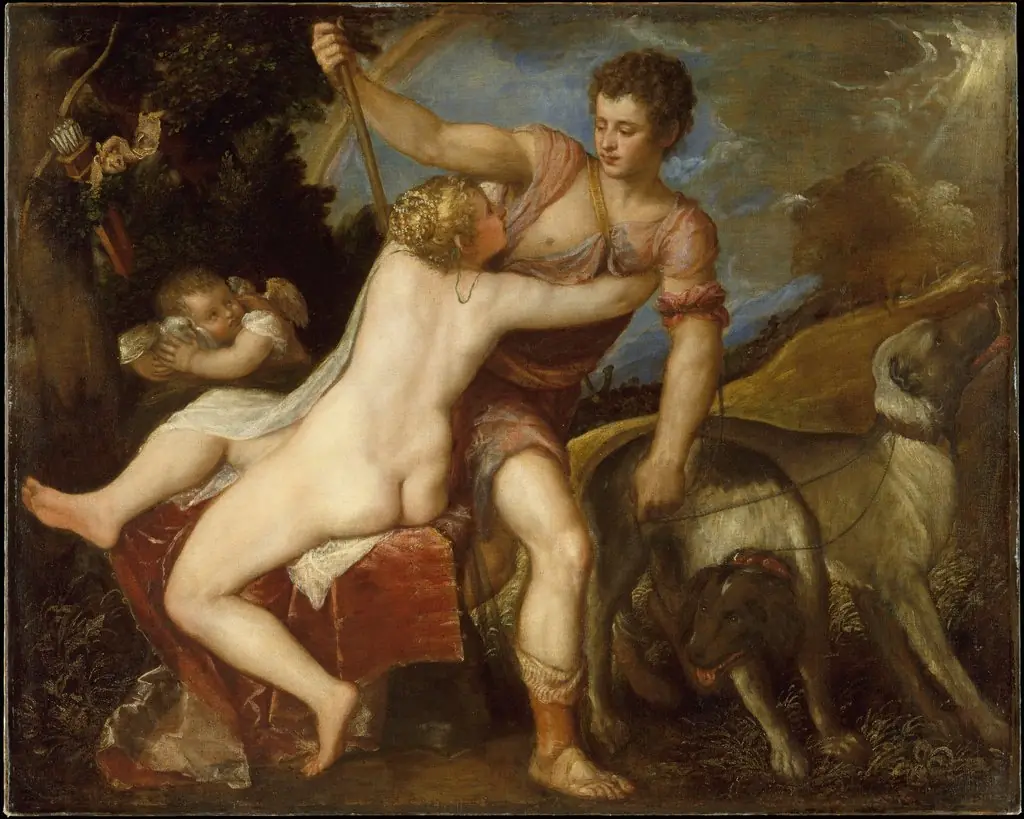 Venus and Adonis
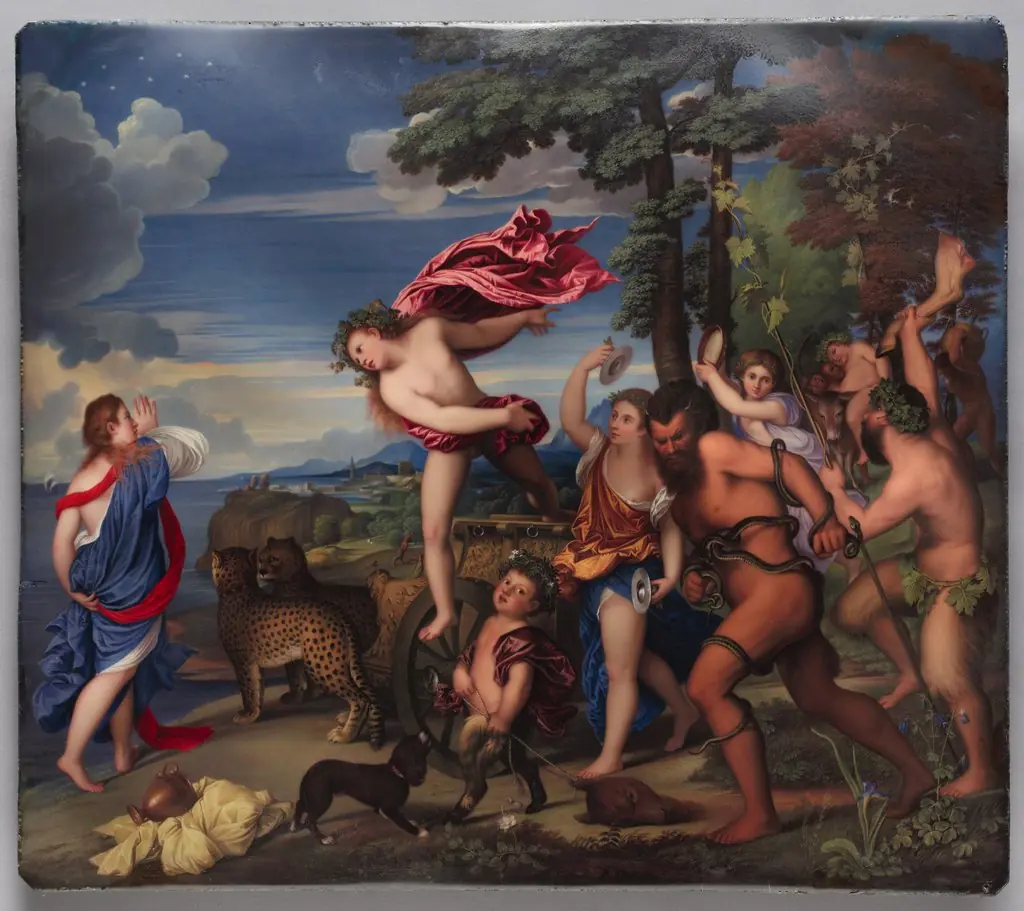 Bacchus and Ariadne
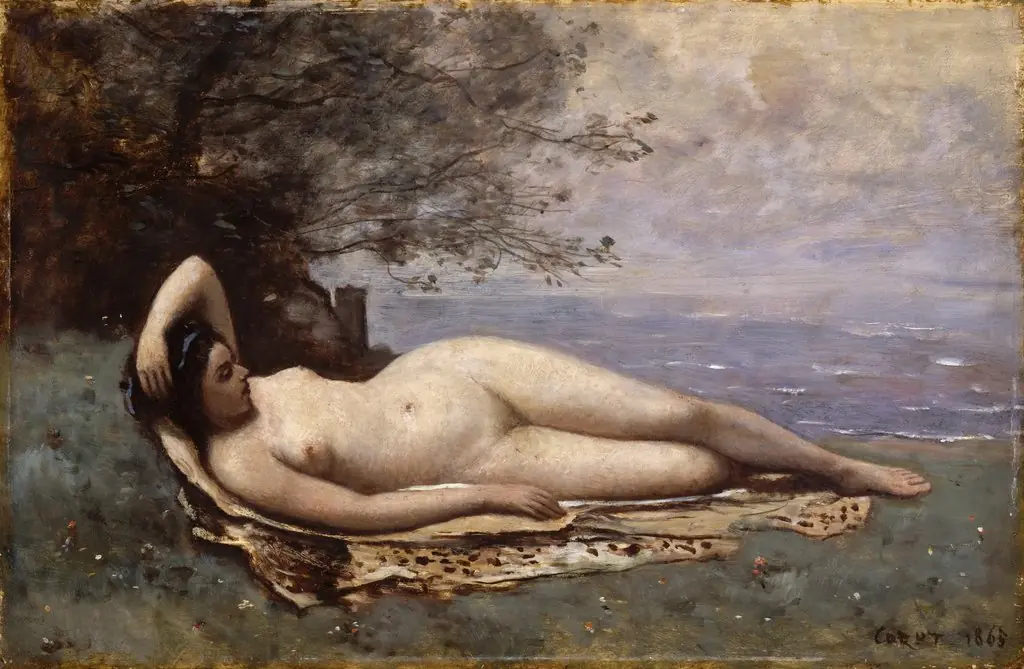 Bacchante by the Sea
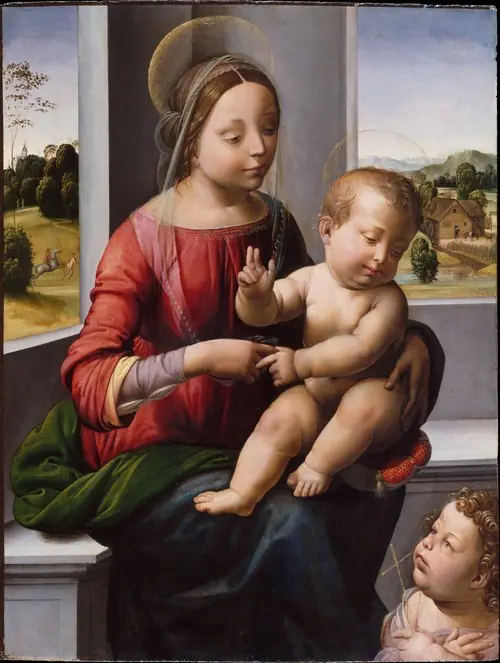 Madonna and Child with the Young Saint John the Baptist
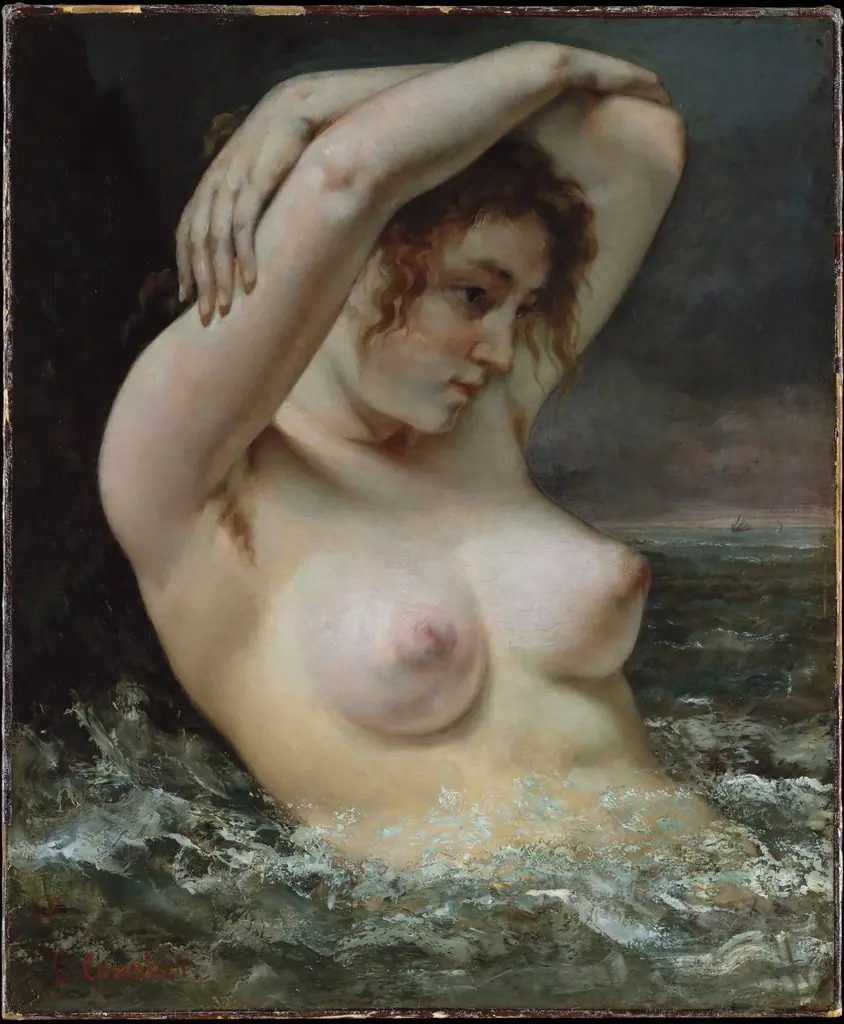 The Woman in the Waves
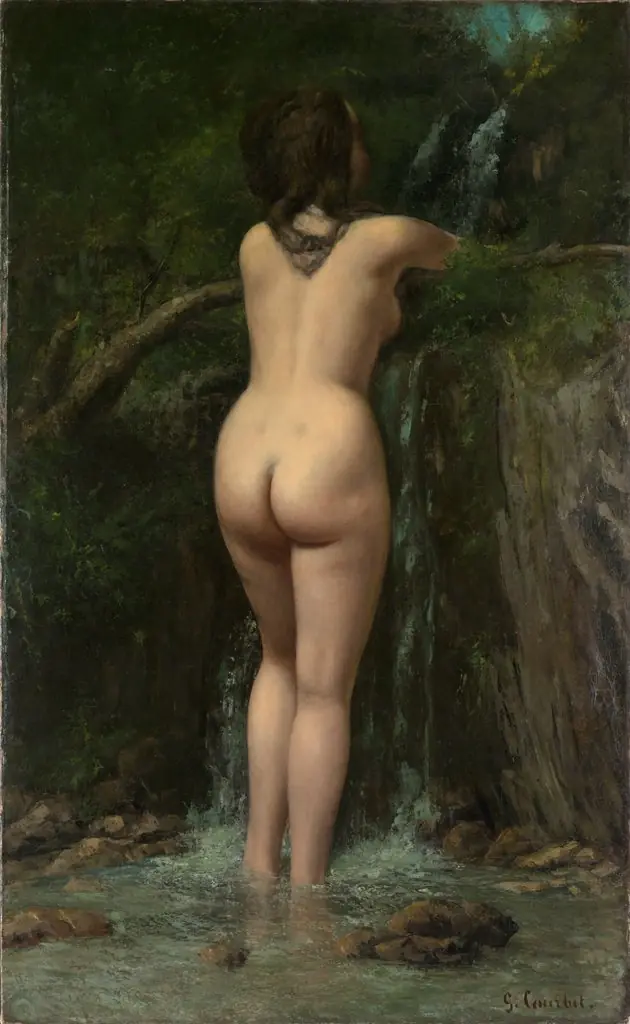 The Source
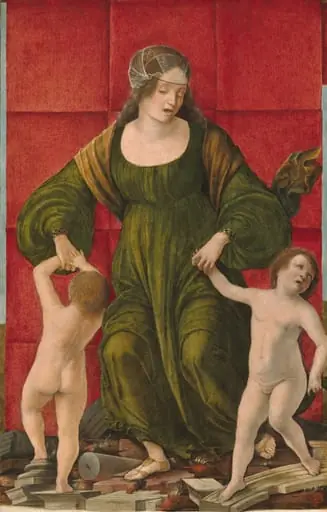 The Wife of Hasdrubal and Her Children
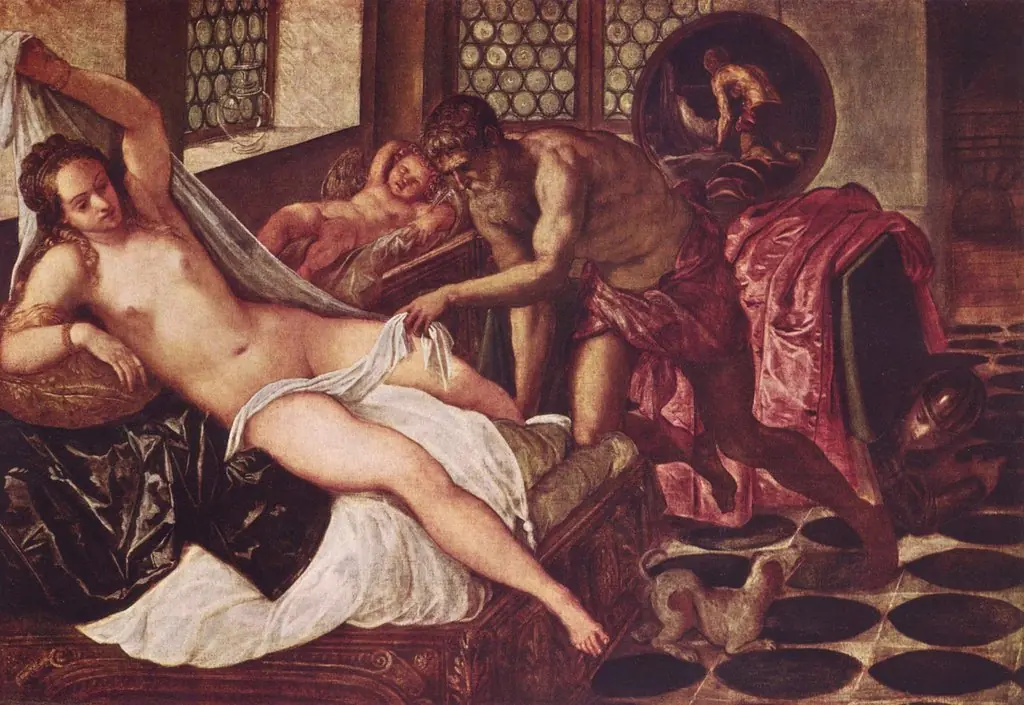 Venus and Mars Surprised by Vulcan
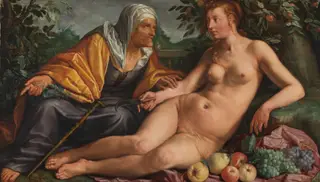 Vertumnus and Pomona
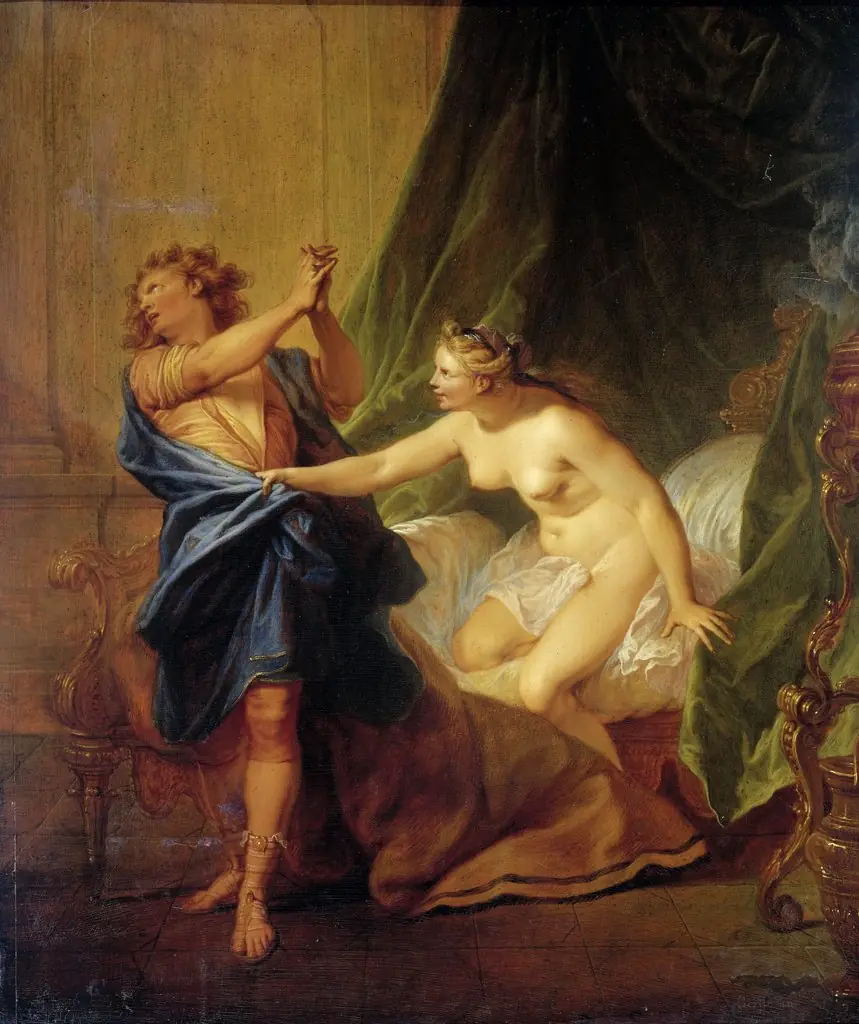 Joseph and Potiphar's Wife
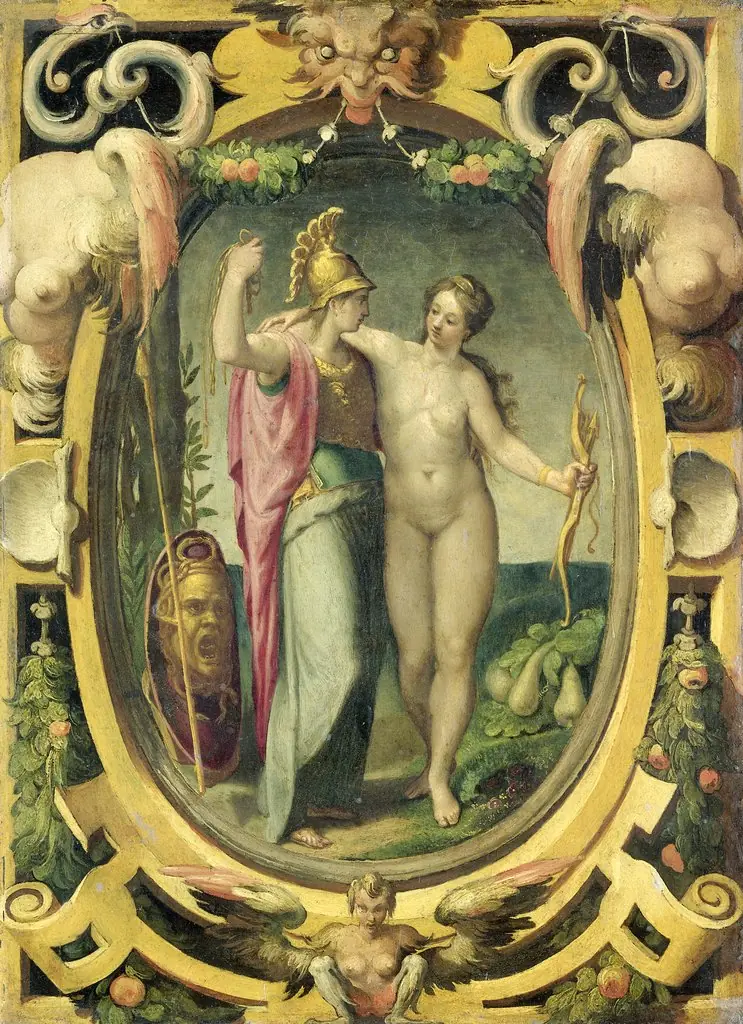 Venus and Minerva
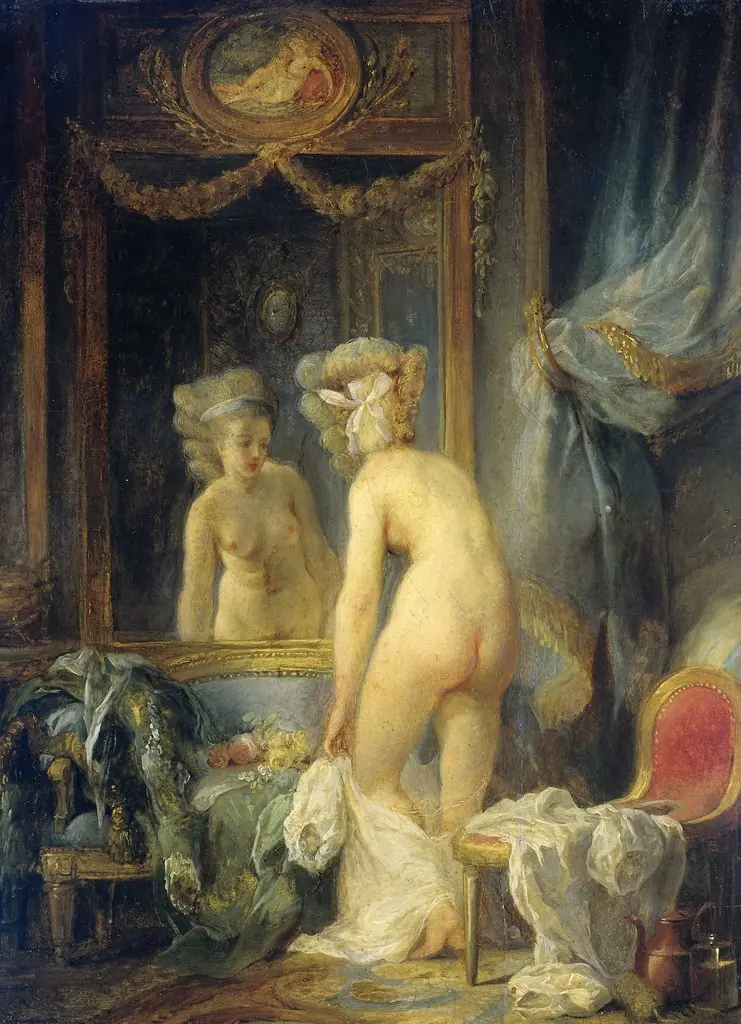 Morning Toilet
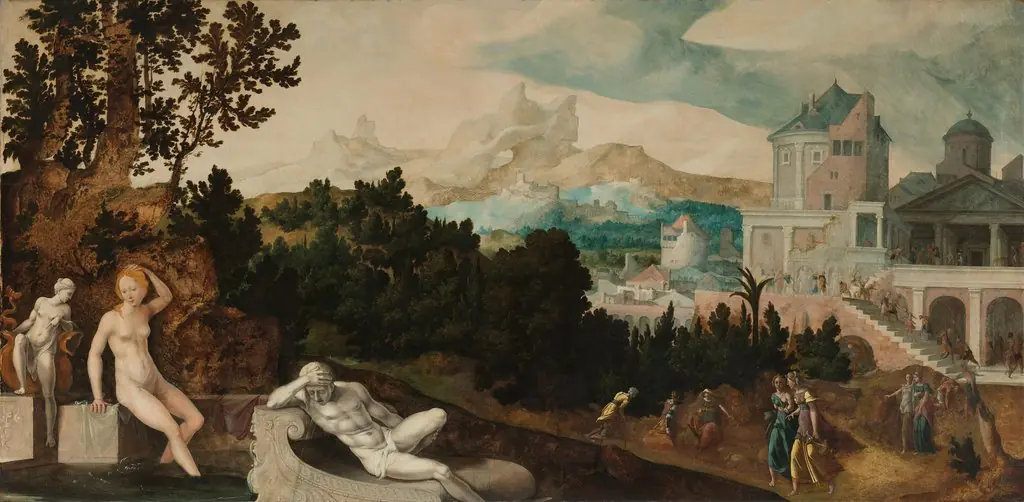 Landscape with Bathsheba
 September Morn
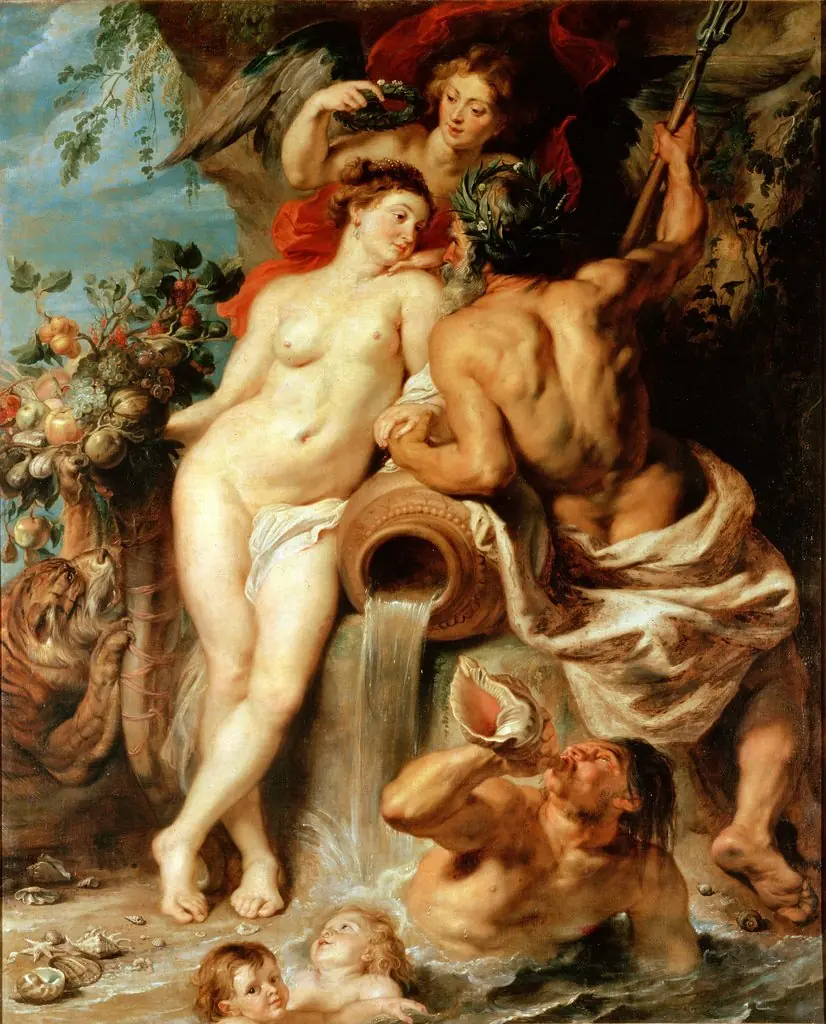 The Union of Earth and Water (Antwerp and the Scheldt)
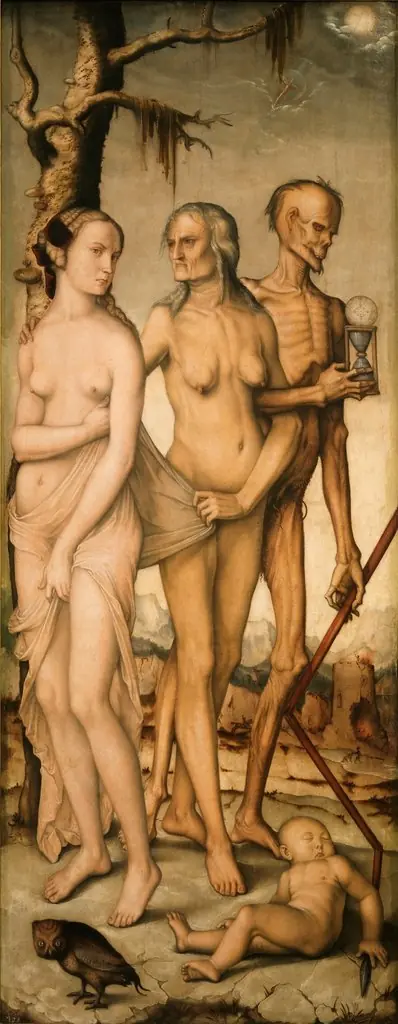 The Ages and Death
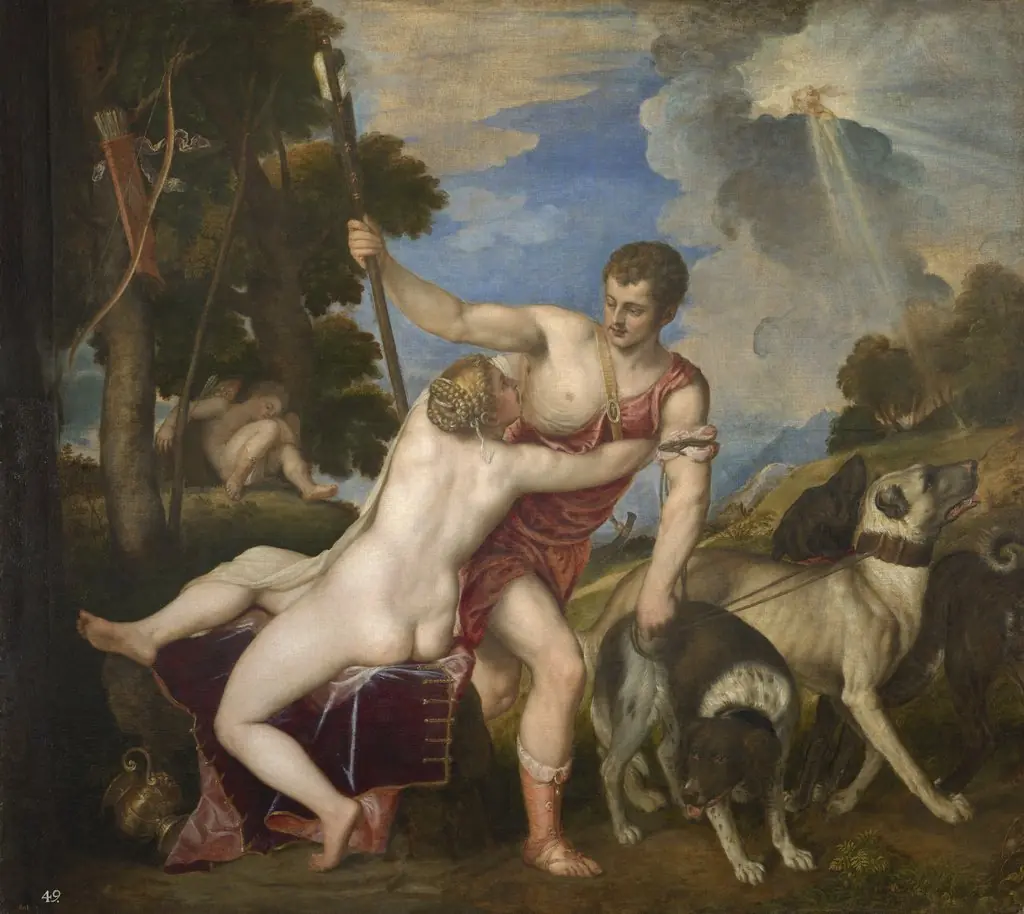 Venus and Adonis
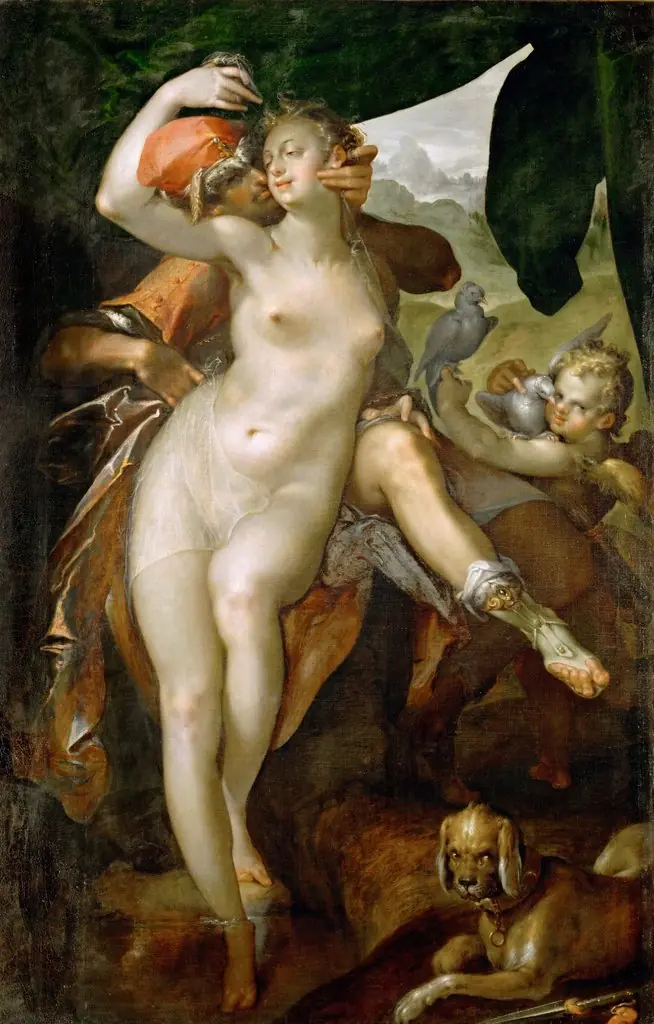 Venus and Adonis
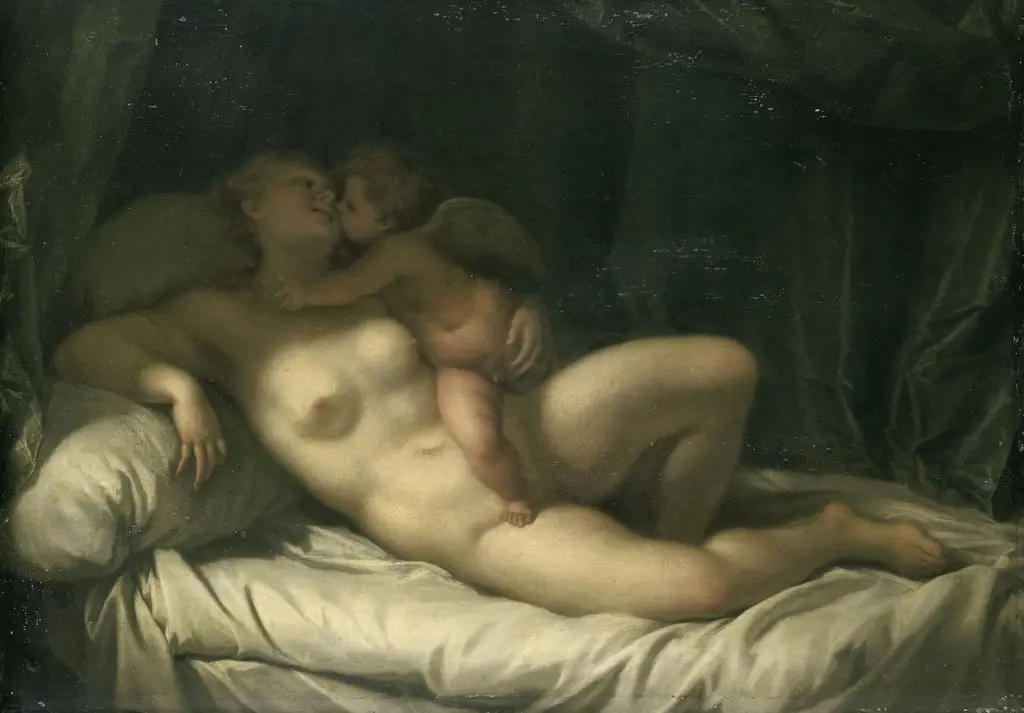 Cupid Kissing Venus (Venus Kissed by Amor)
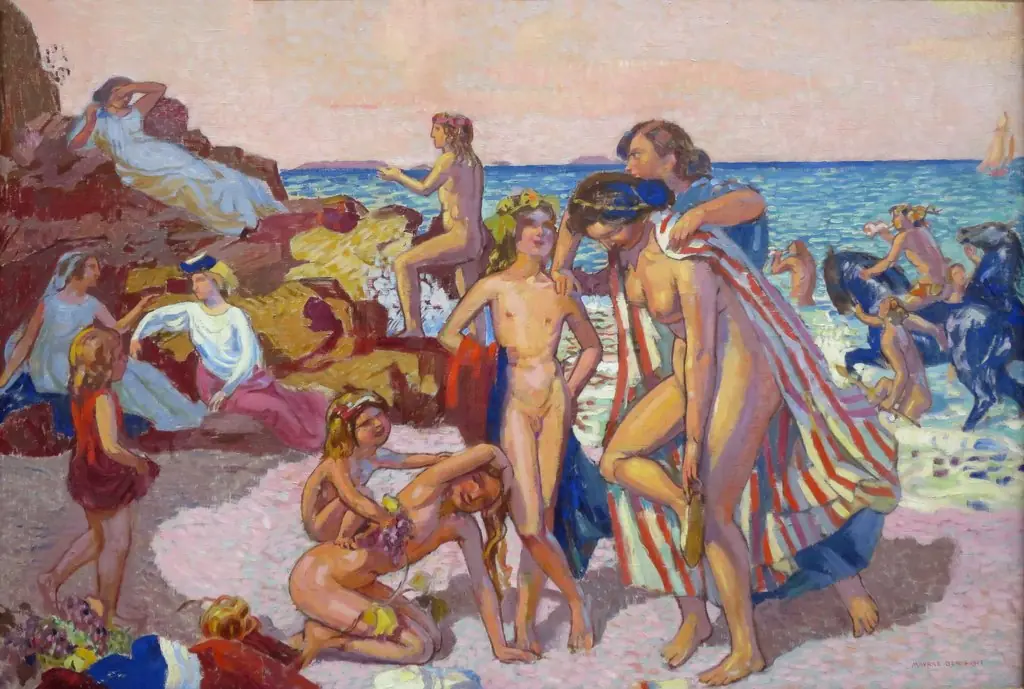 Bacchus and Ariadne
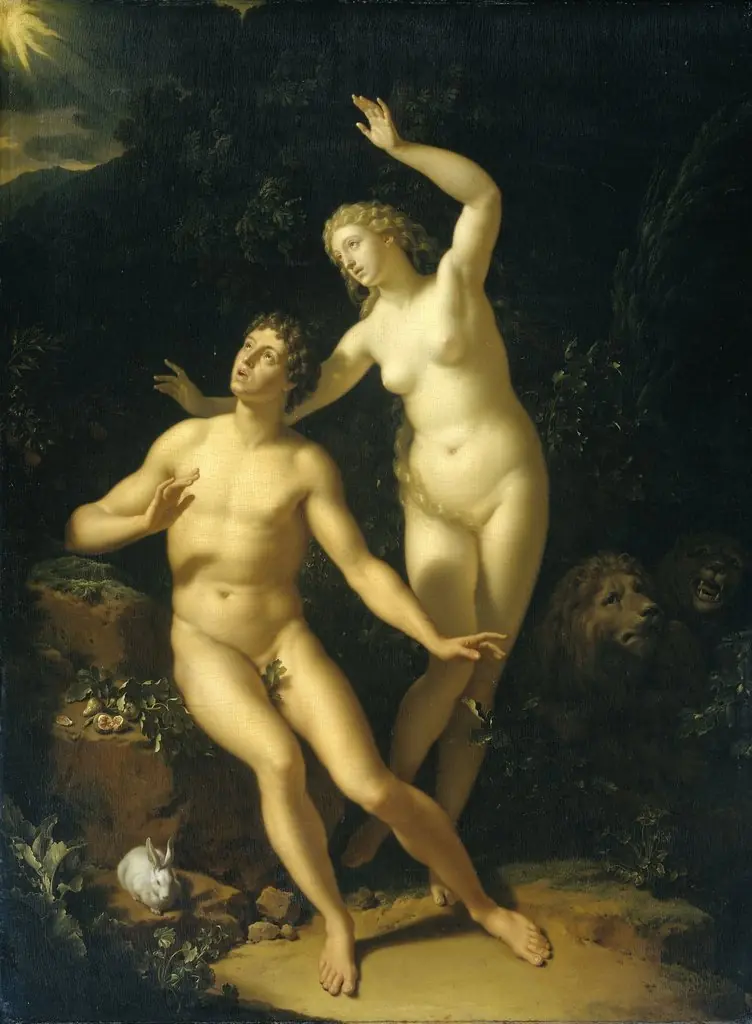 God Holds Adam and Eve Responsible
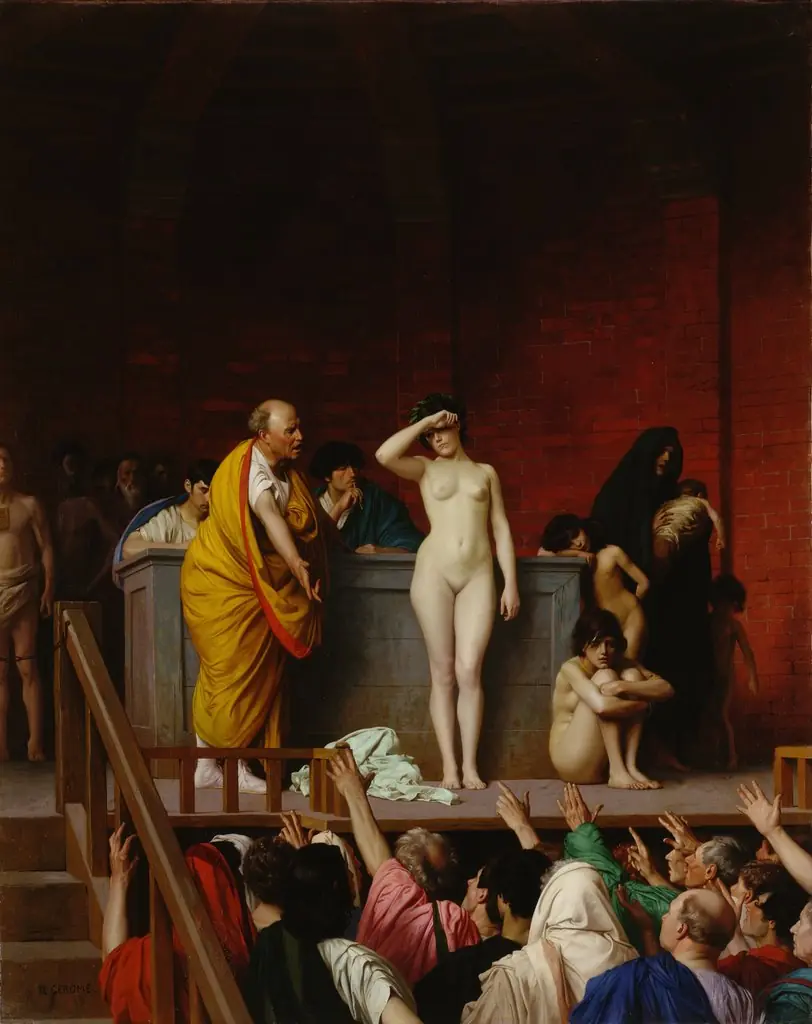 Slave Market in Rome
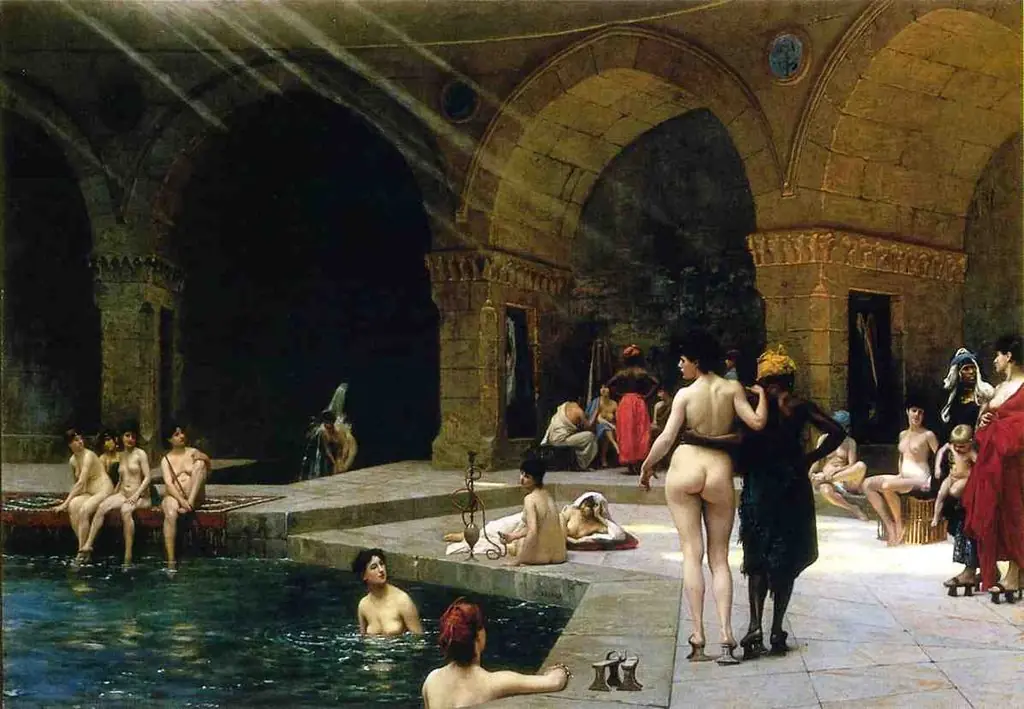 The Great Bath at Bursa
 Reclining Nude
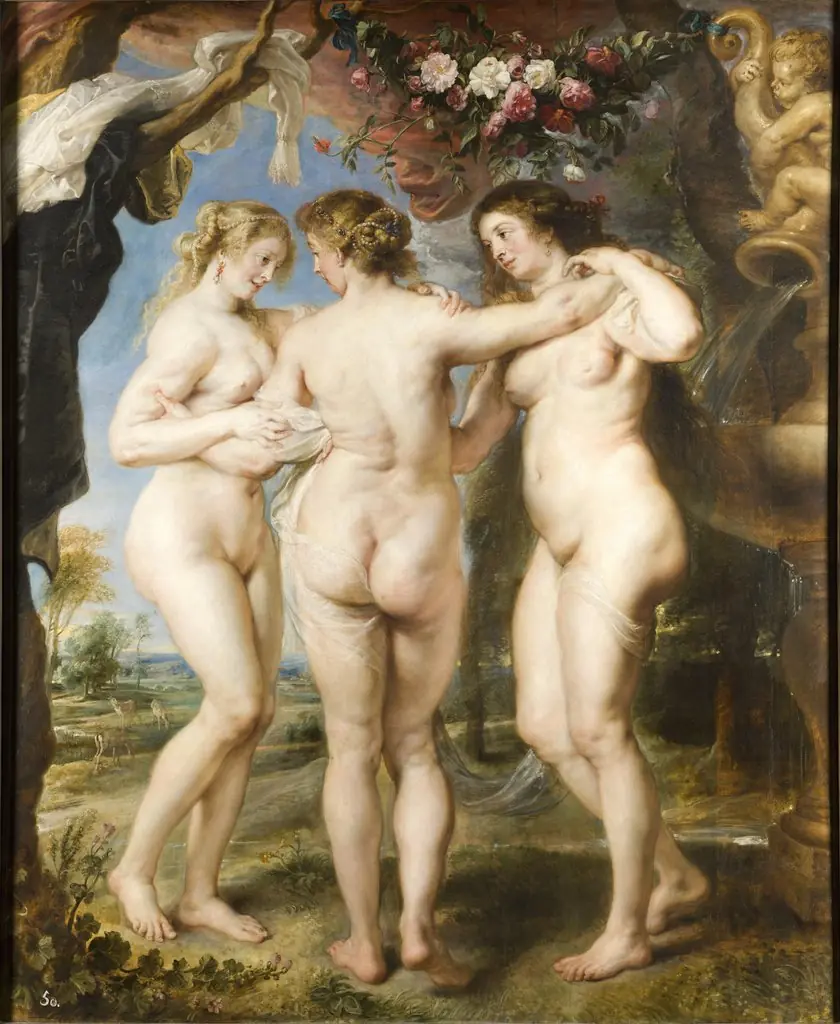 The Three Graces
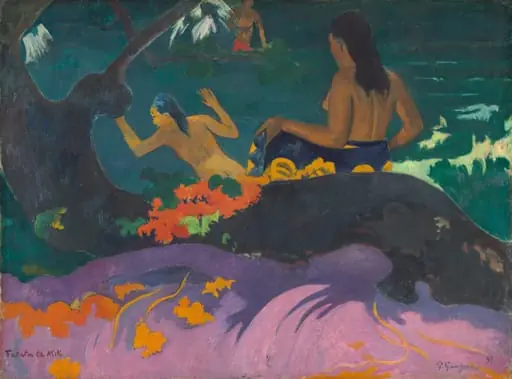 Fatata te Miti (By the Sea)
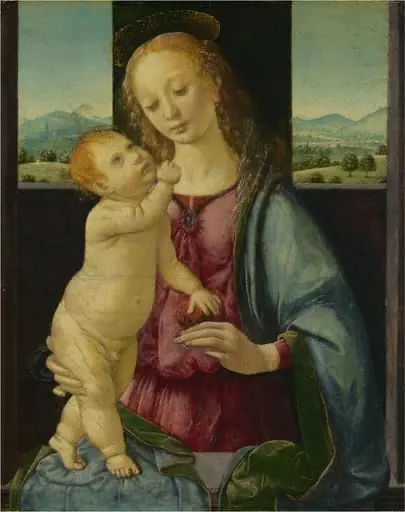 Madonna and Child with a Pomegranate
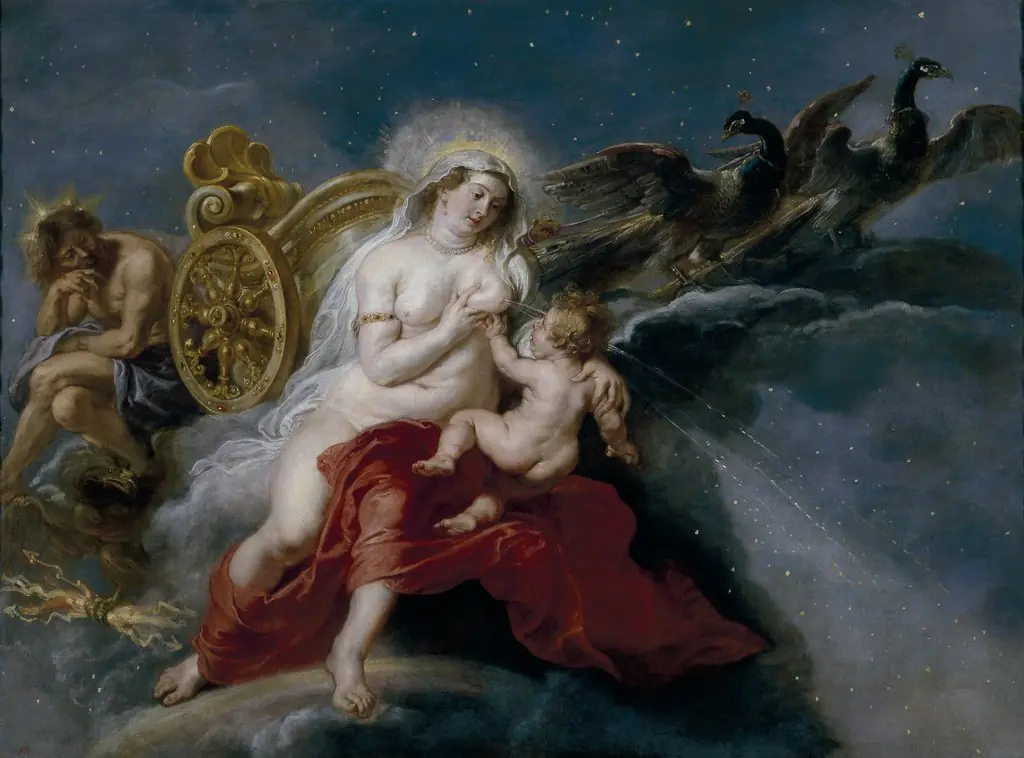 The Origin of the Milky Way
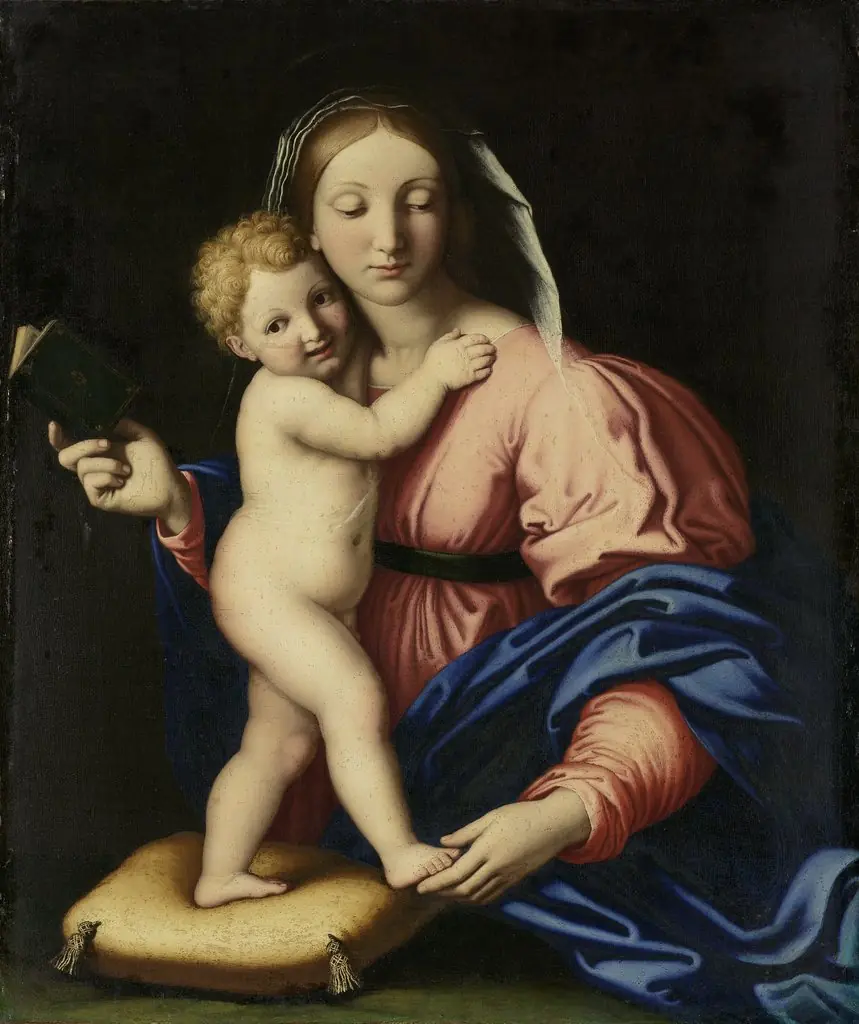 Virgin and Child
 The Pearl and the Wave
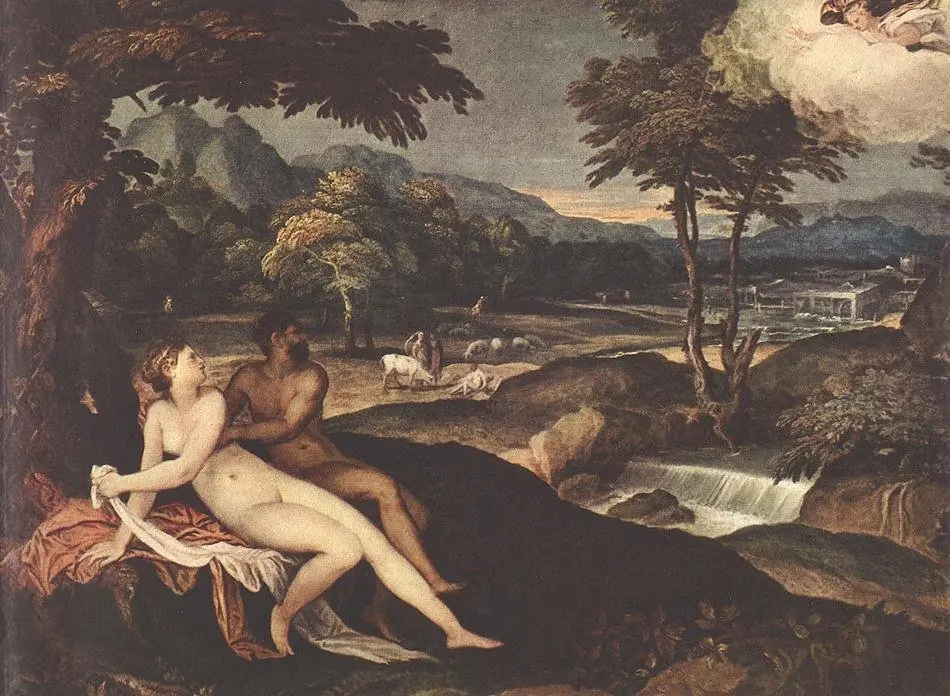 Landscape with Jupiter and Io
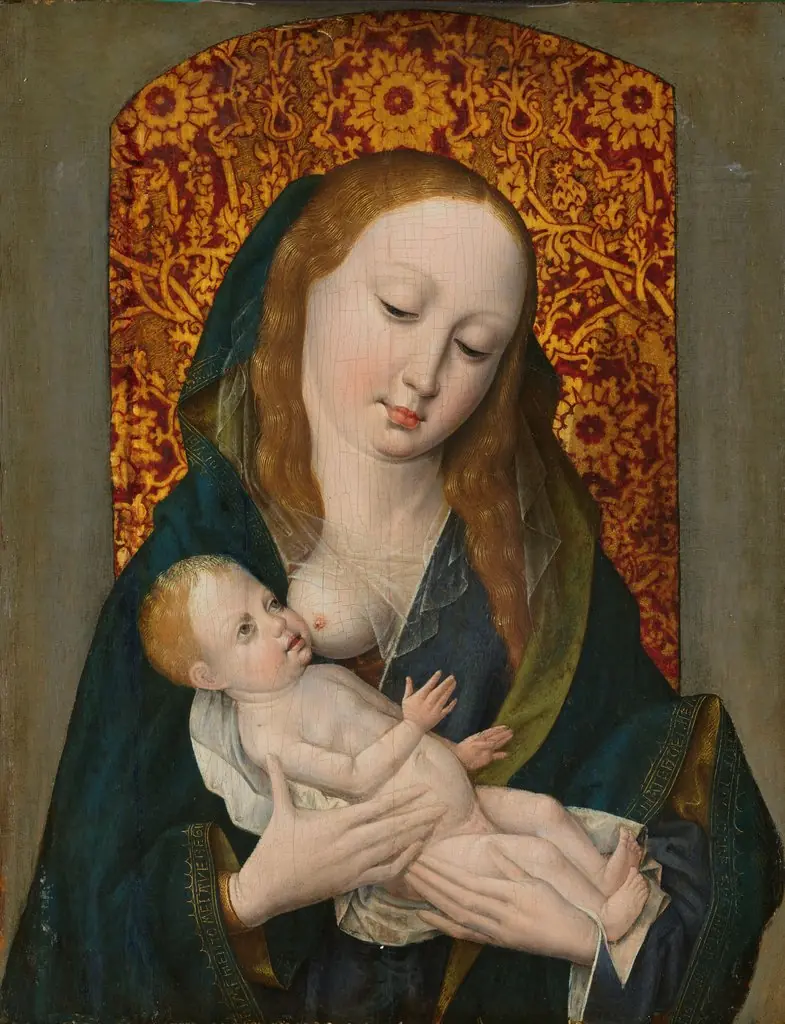 The Virgin and Child
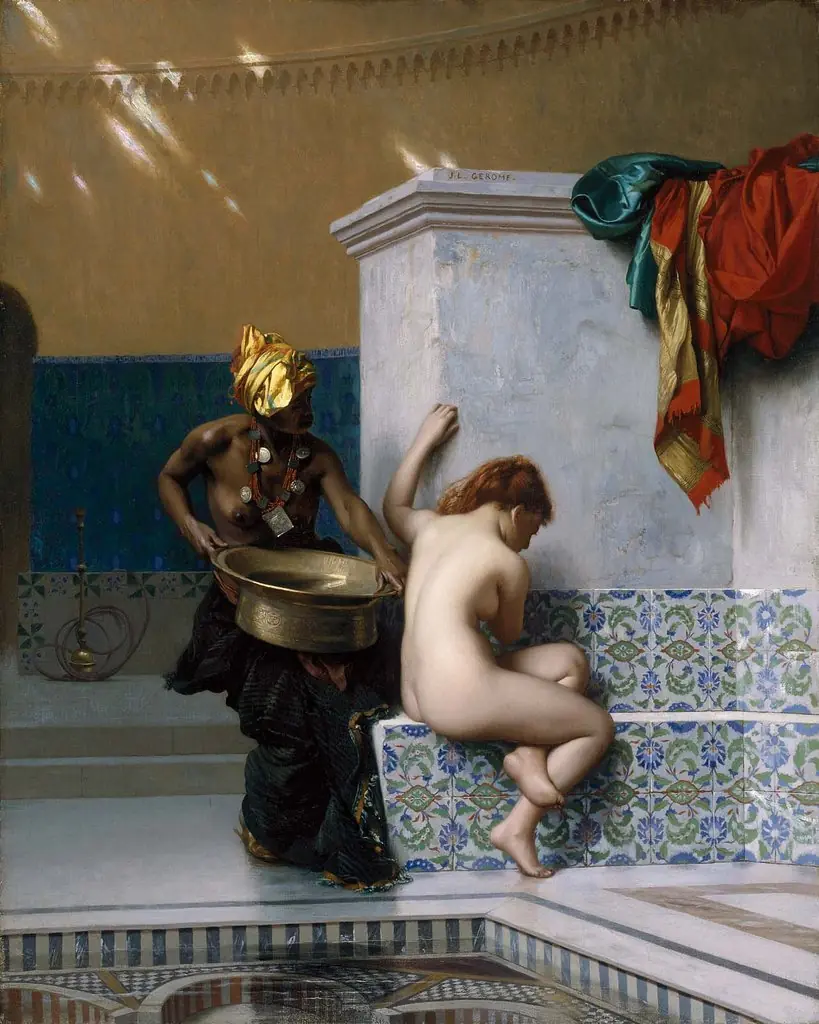 Moorish Bath
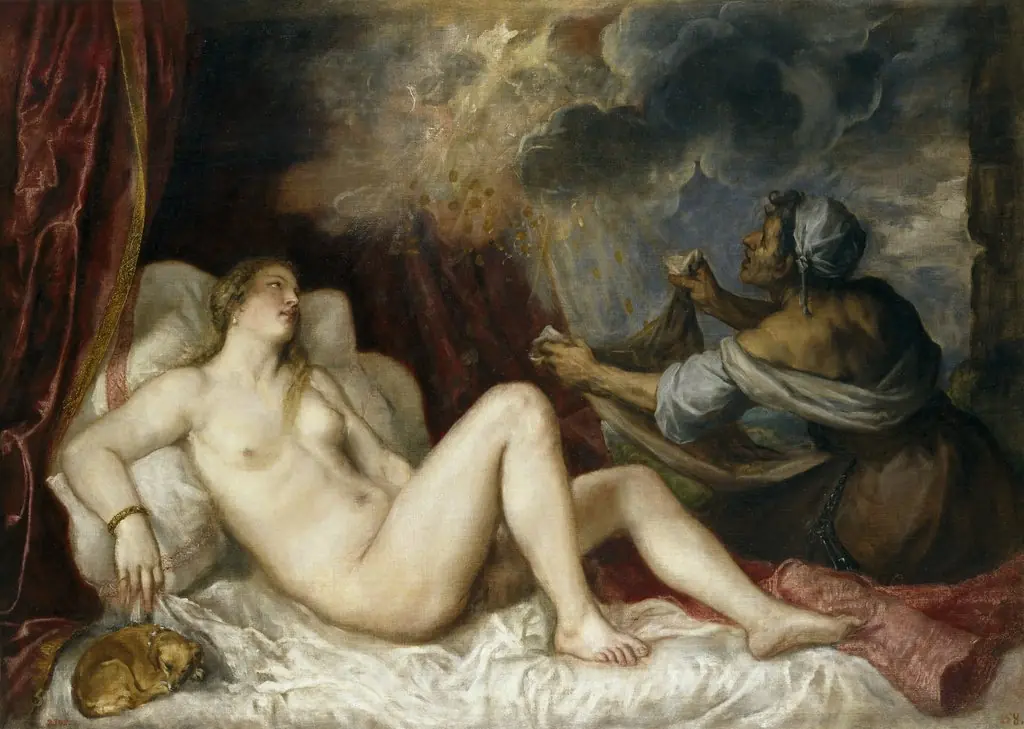 Danaë
Danaë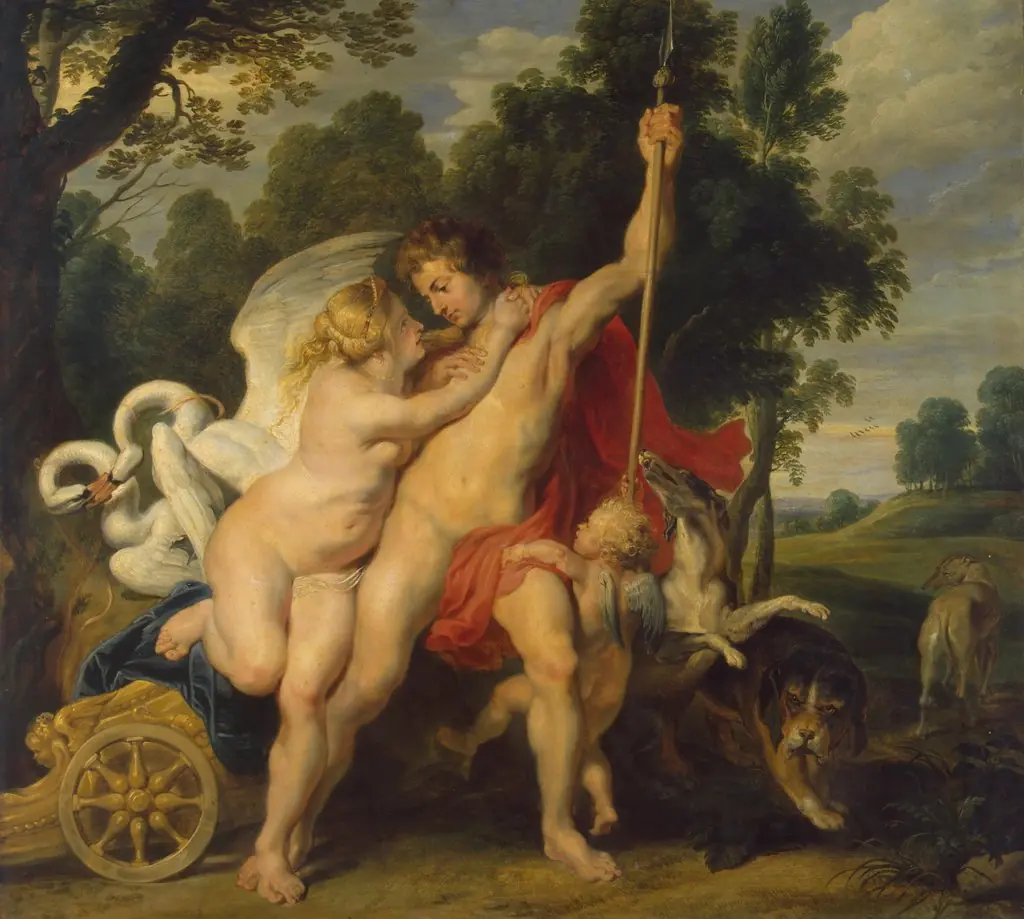 Venus and Adonis (Rubens, 1614)
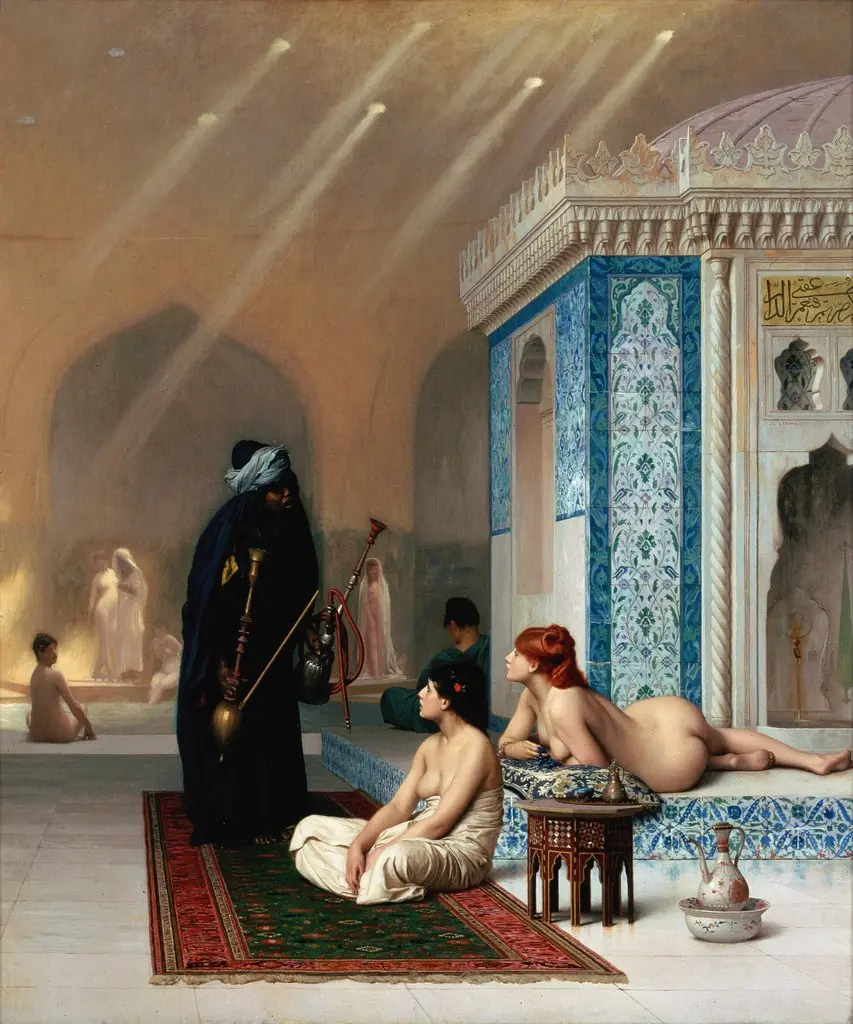 Pool in a Harem
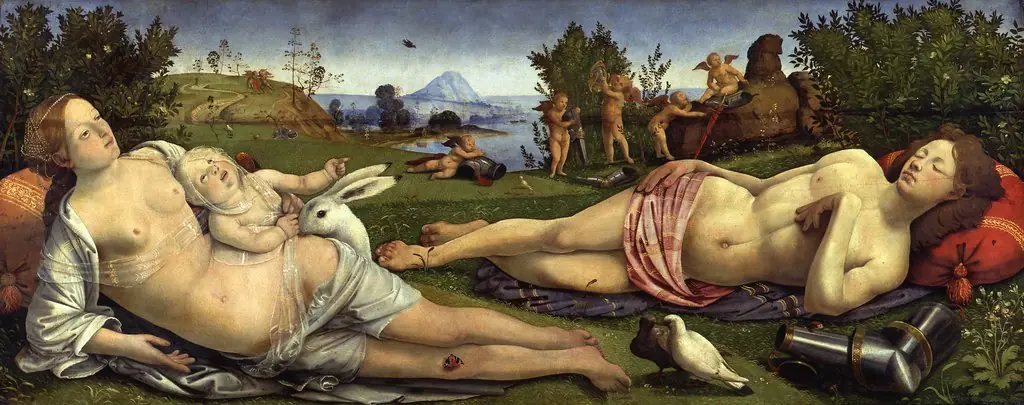 Venus, Mars and Cupid
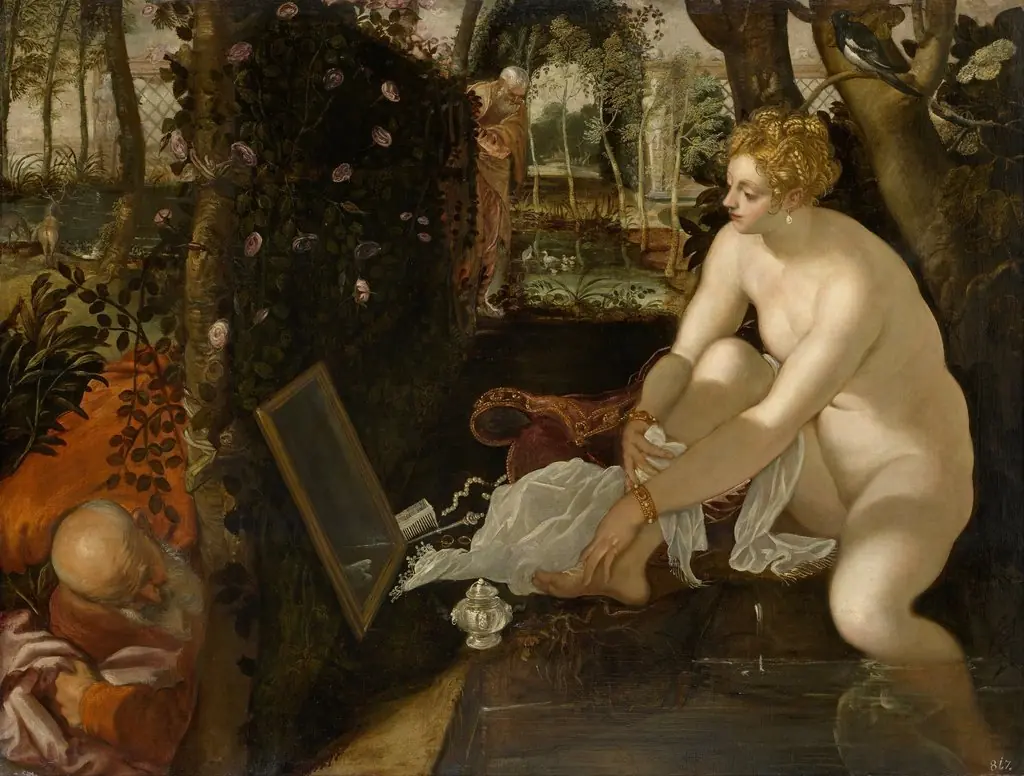 Susanna and the Elders
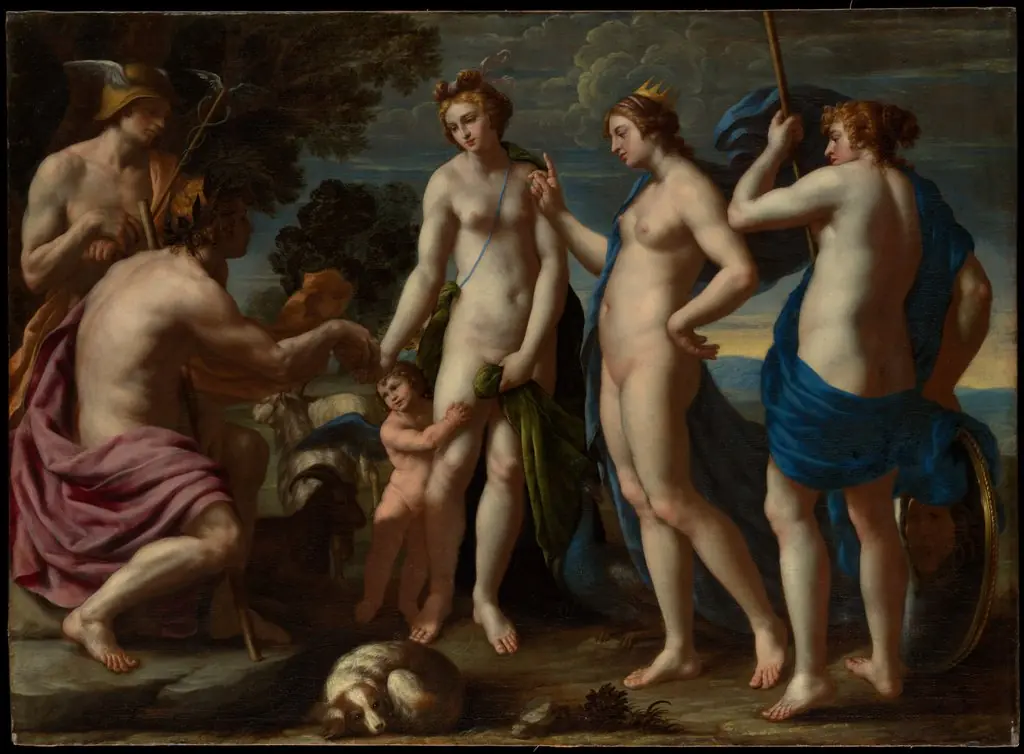 Judgment of Paris
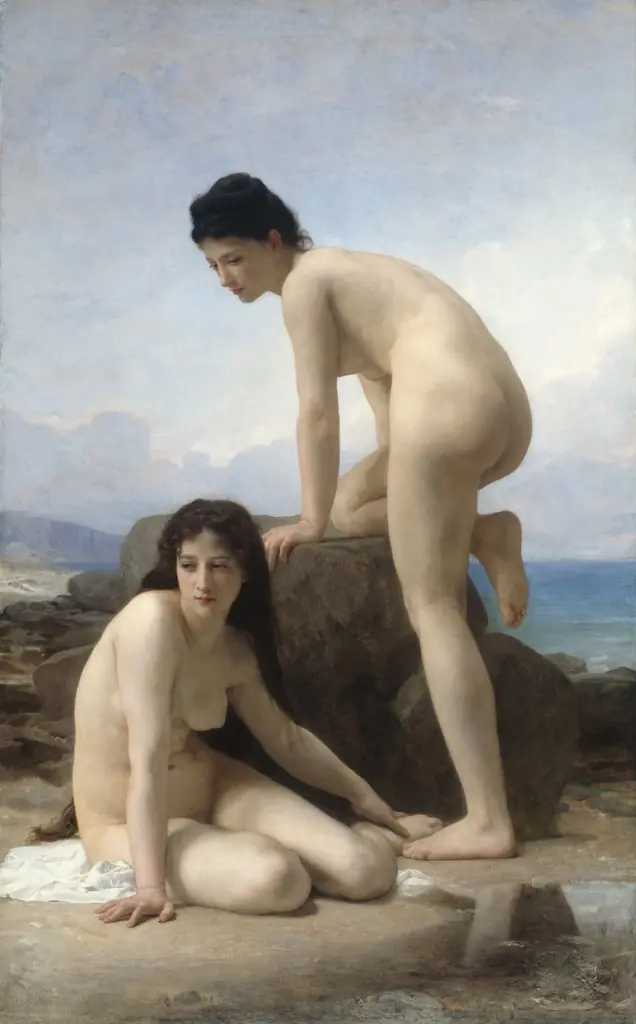 The Two Bathers
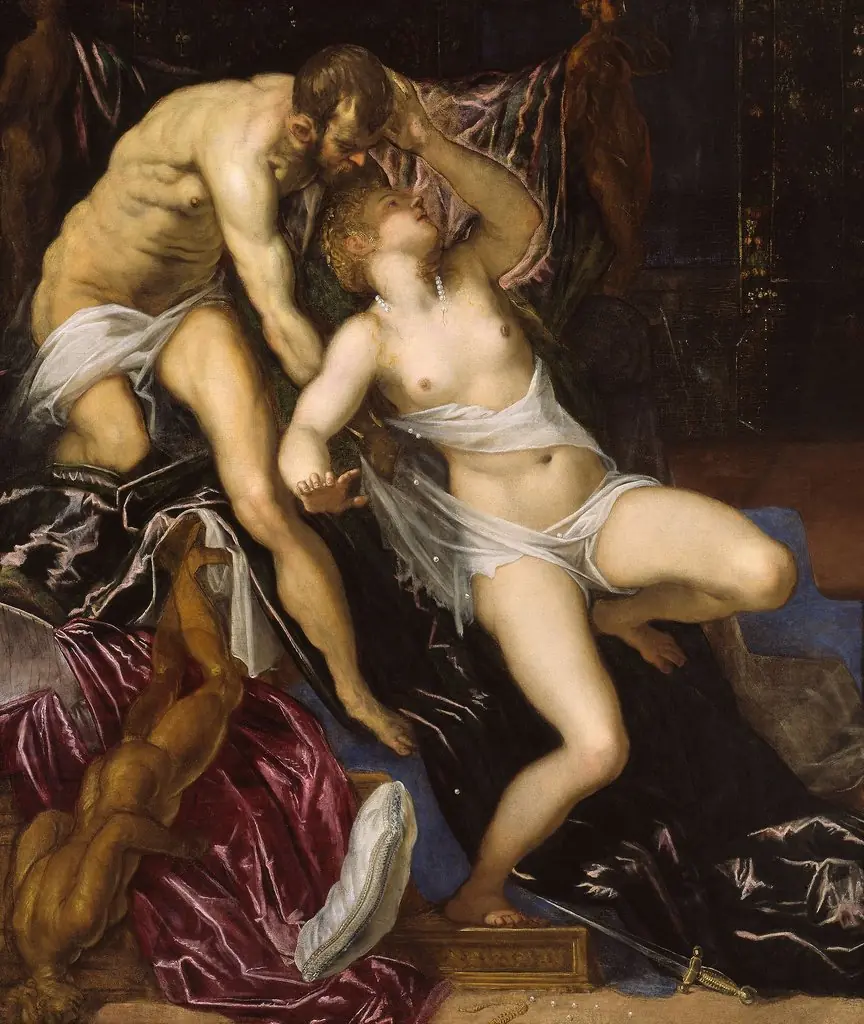 Tarquin and Lucretia
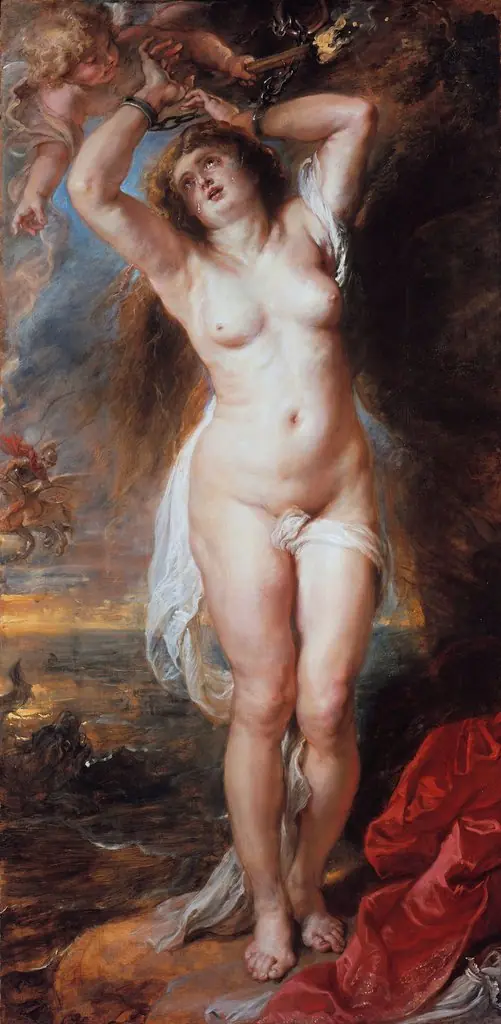 Perseus Freeing Andromeda
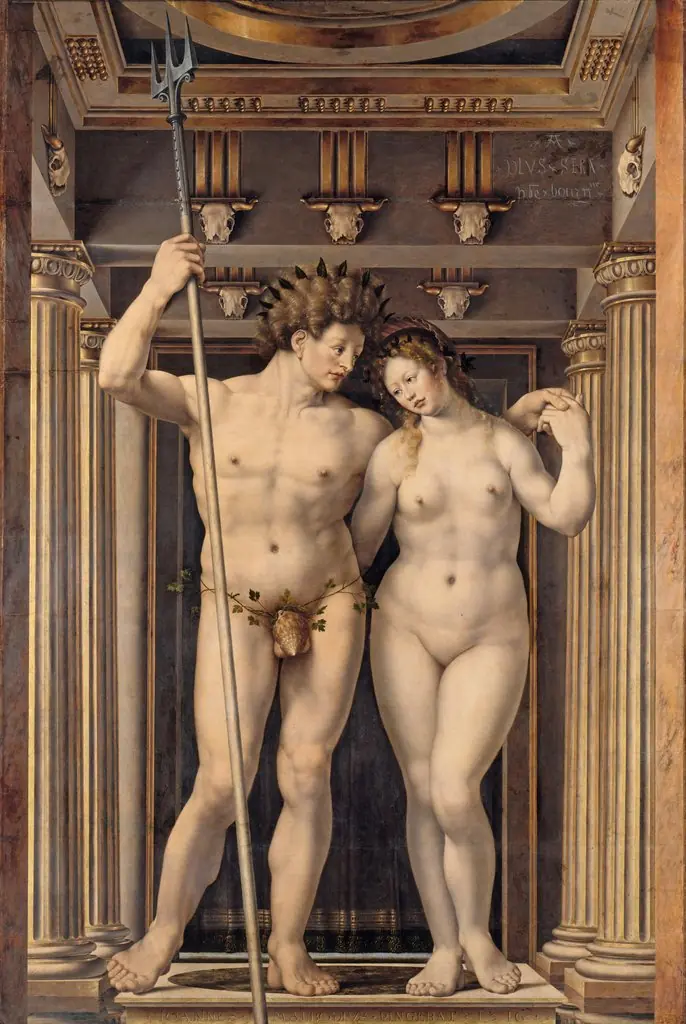 Neptune and Amphitrite
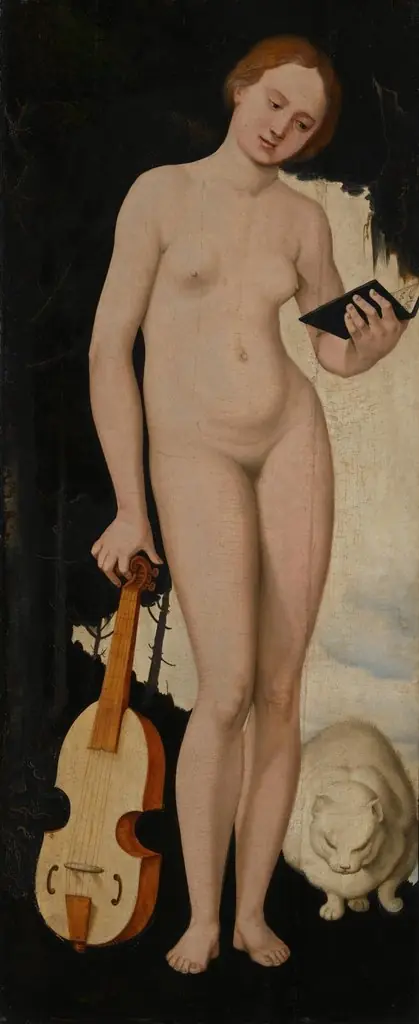 Woman with Cat
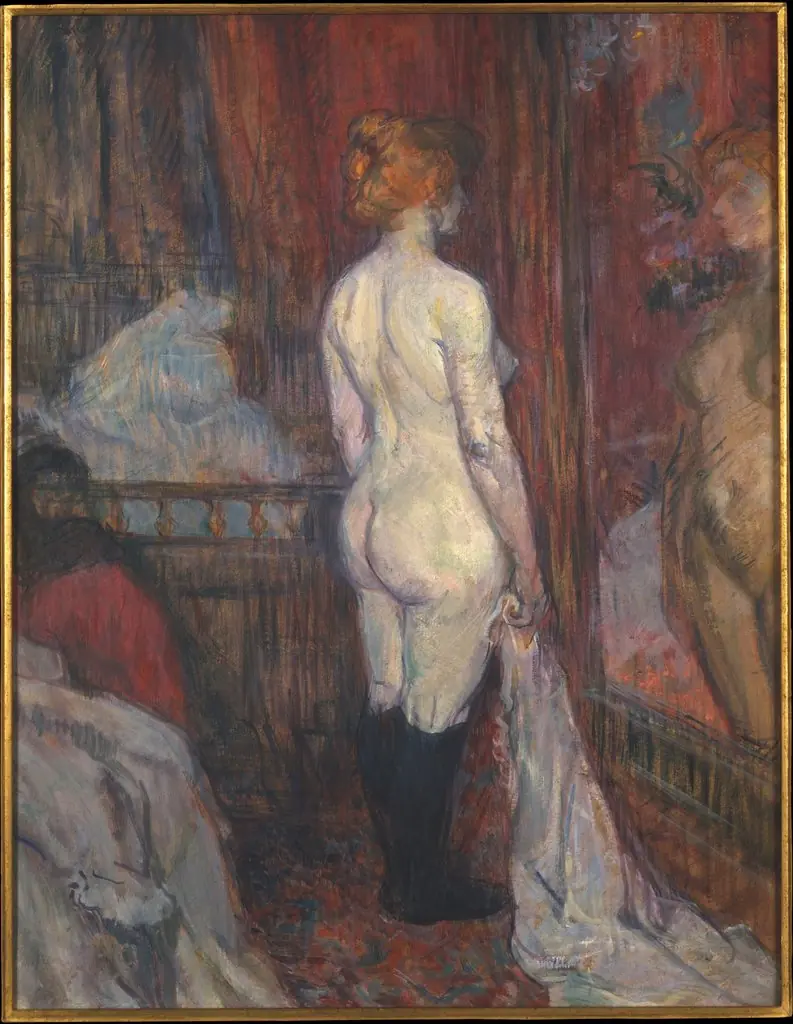 Woman before a Mirror
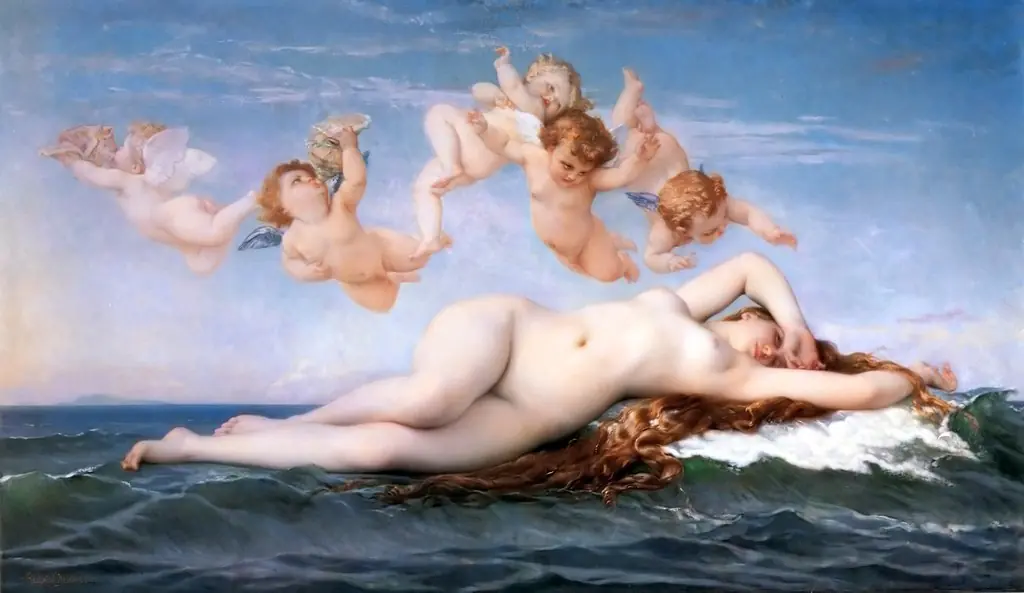 The Birth of Venus
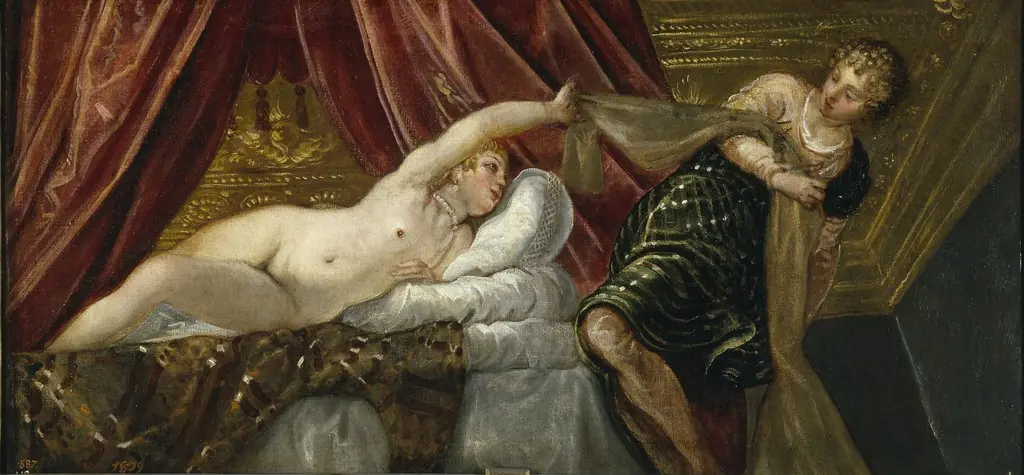 Joseph and Potiphar's Wife
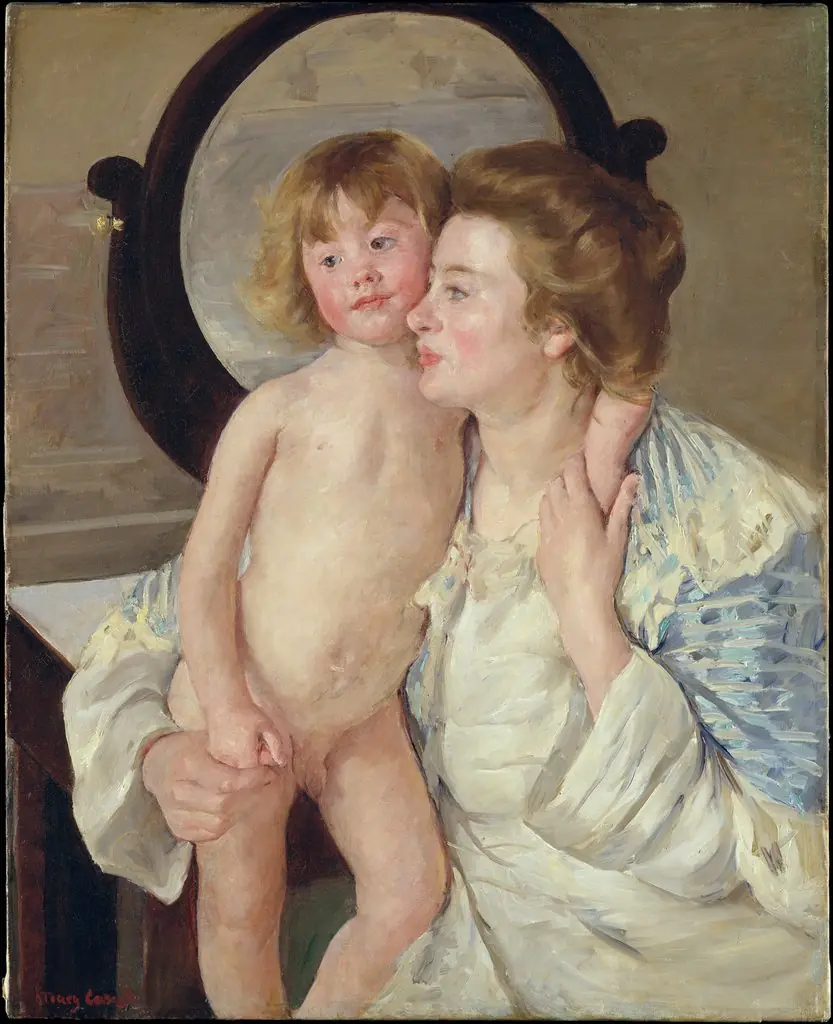 Mother and Child (The Oval Mirror)
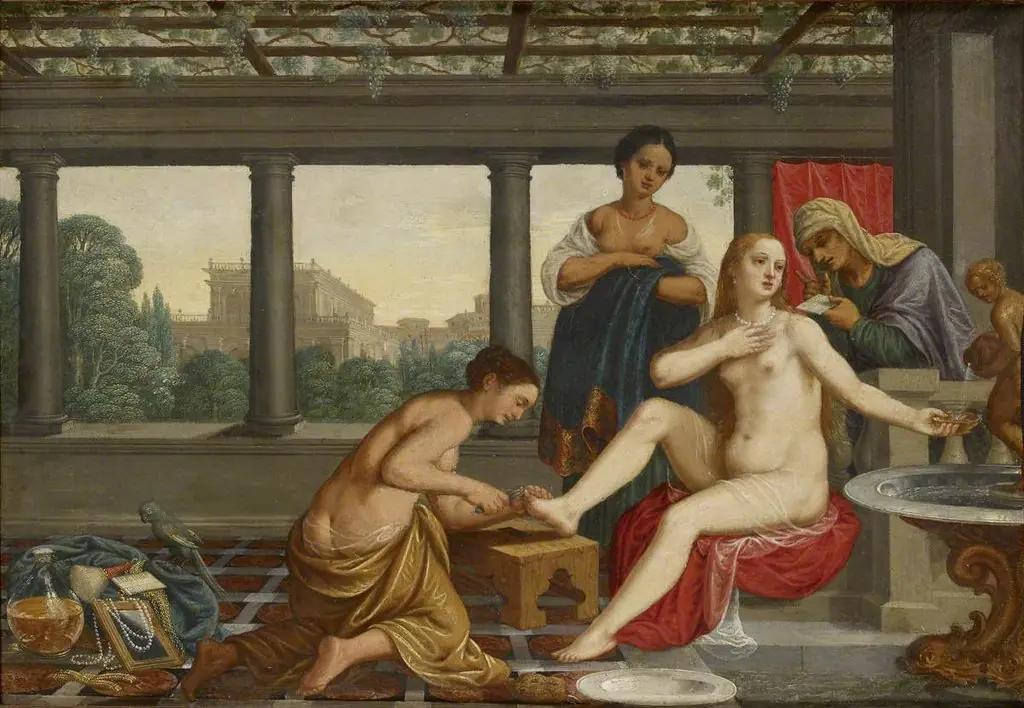 Bathsheba's Bath
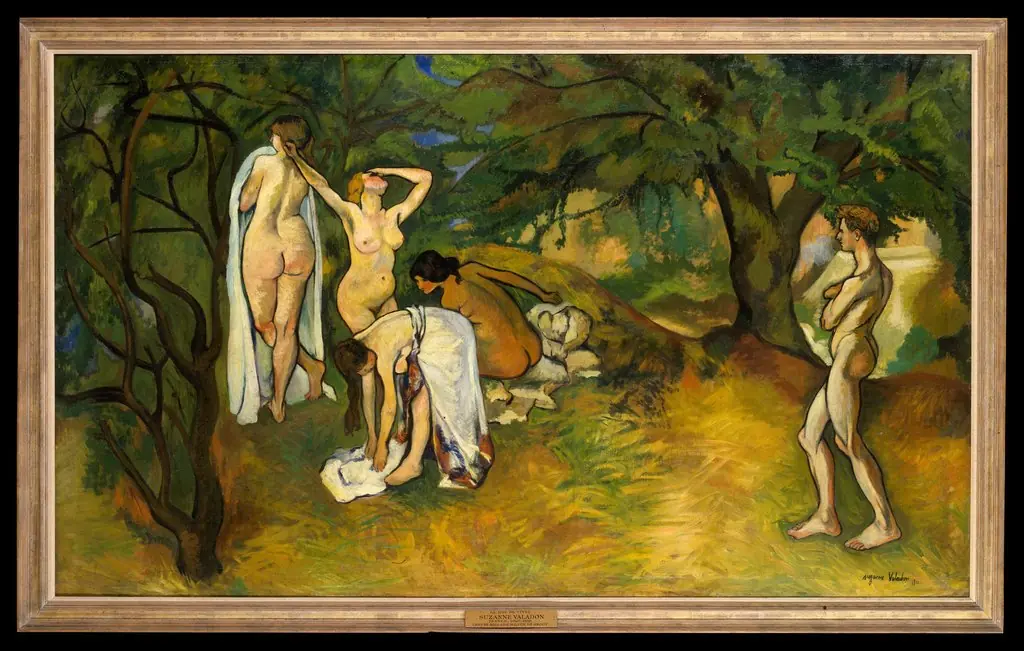 Joy of Life
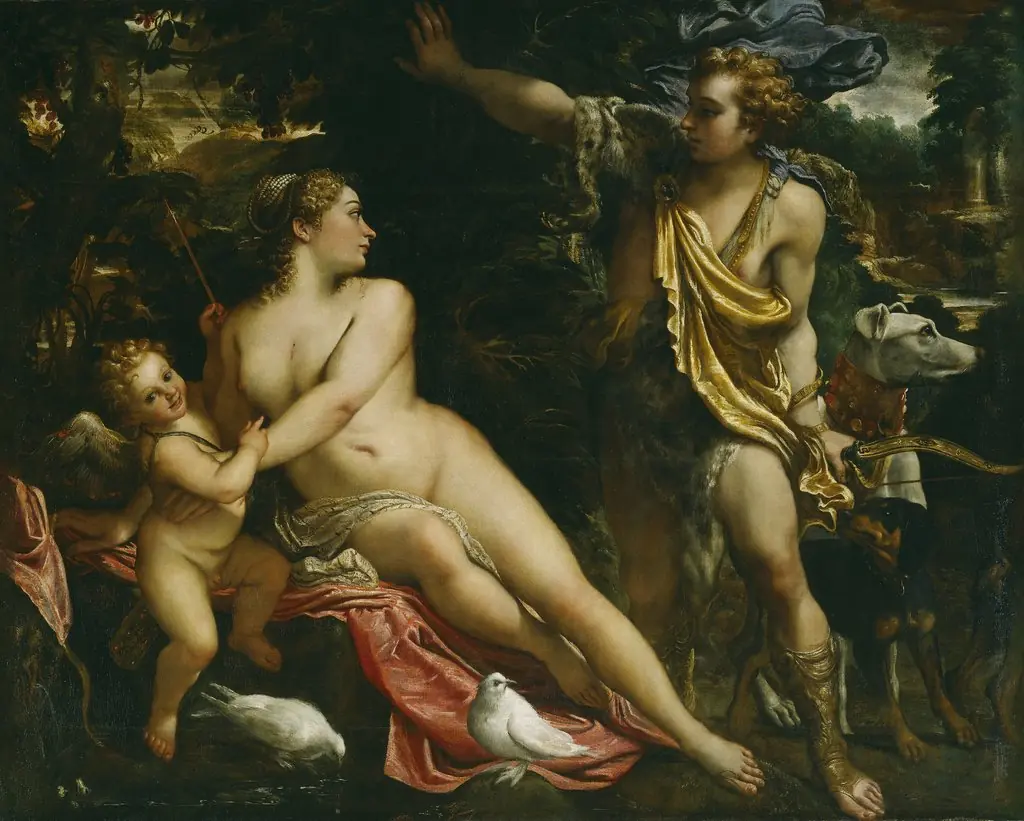 Venus, Adonis and Cupid
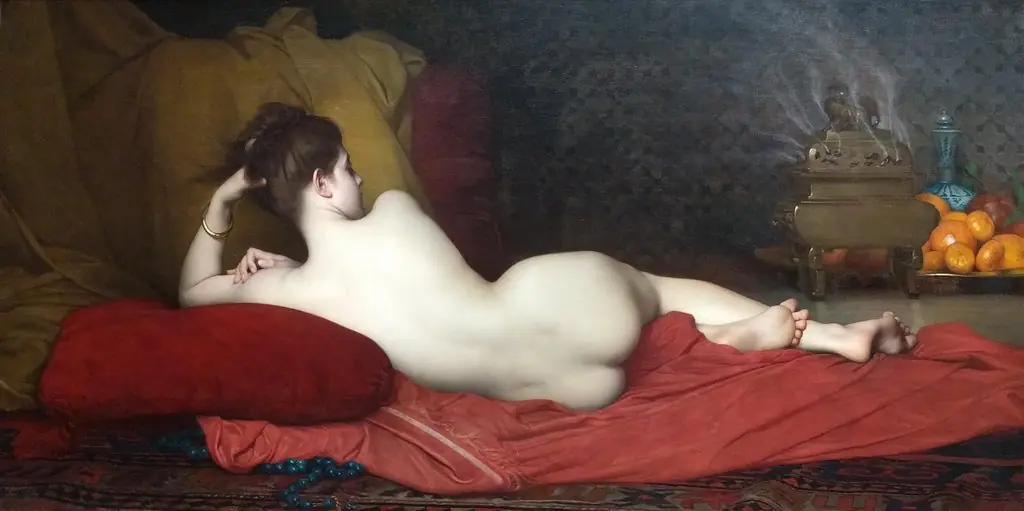 Odalisque
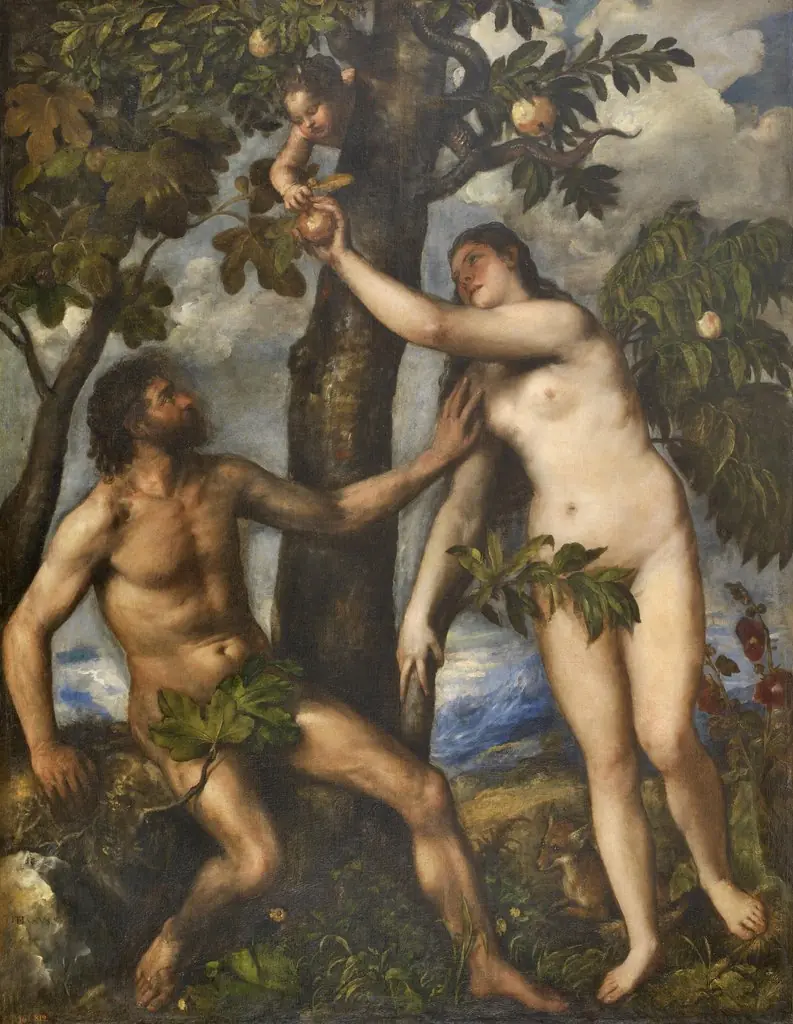 The Fall of Man
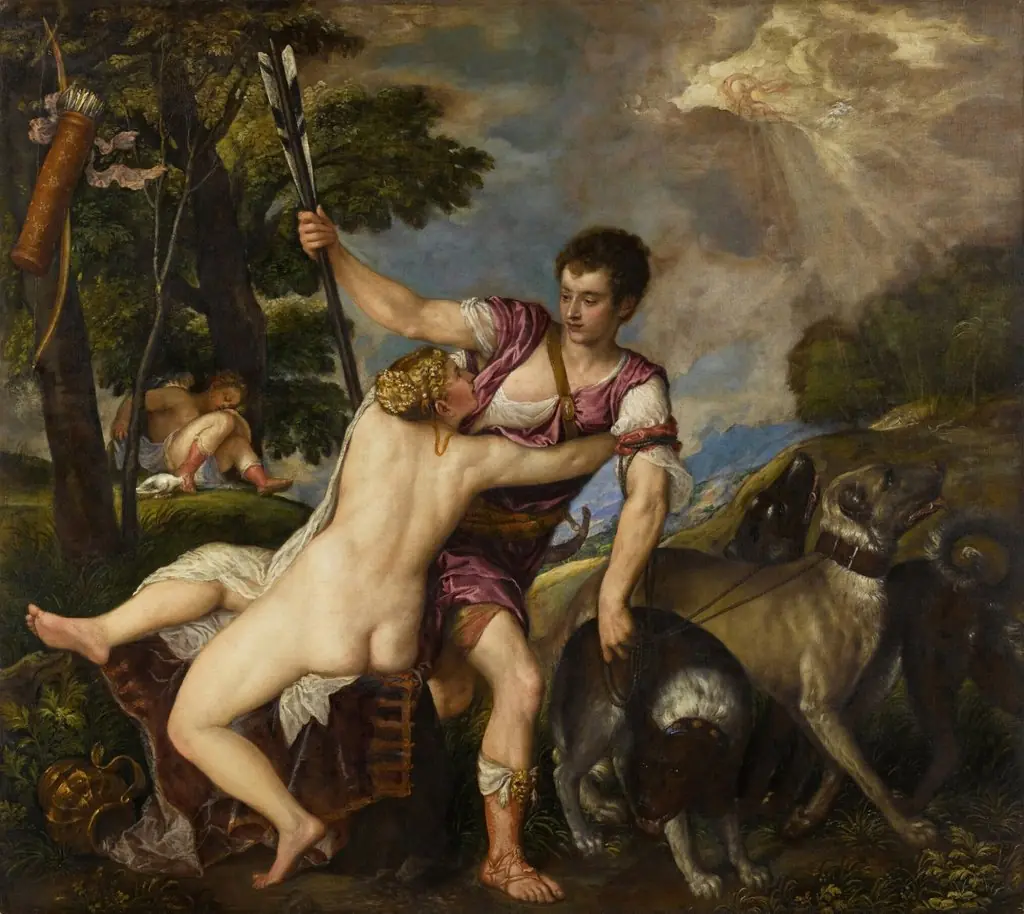 Venus and Adonis
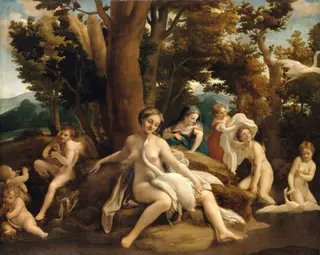 Leda and the Swan
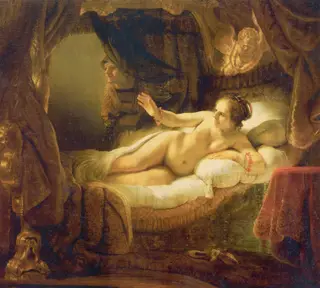 Danaë
Danaë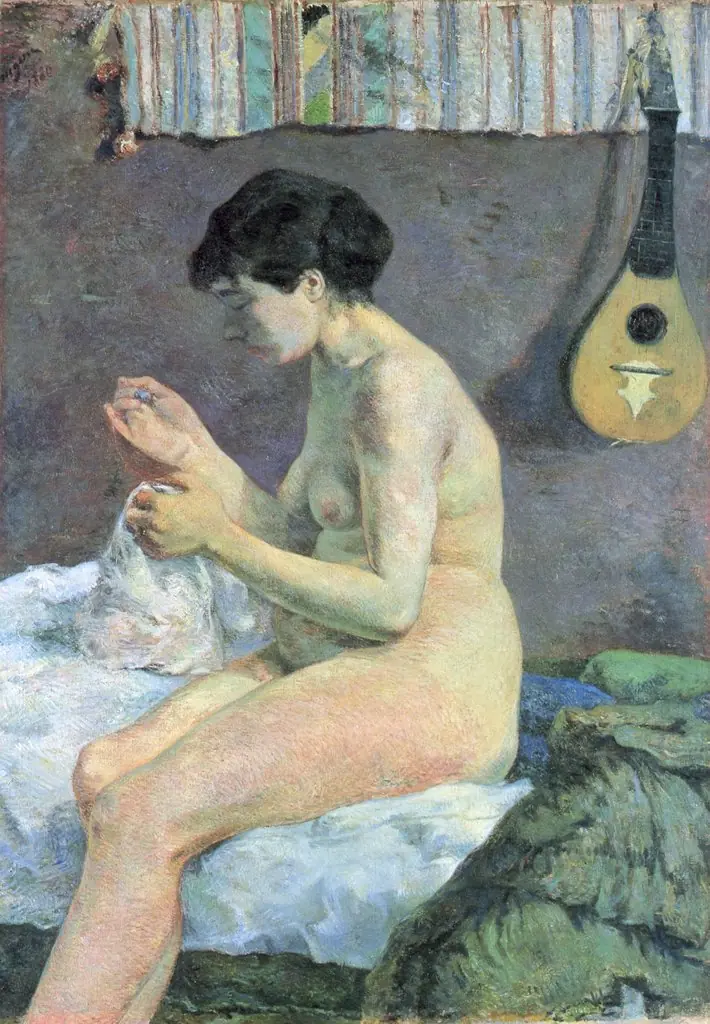 Study of a Nude
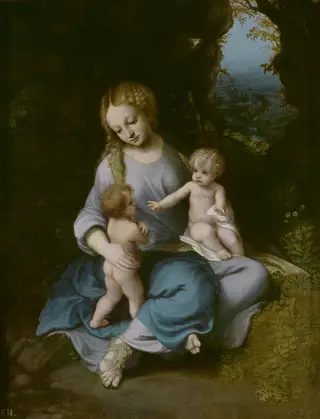 Madonna and Child with the Young Saint John
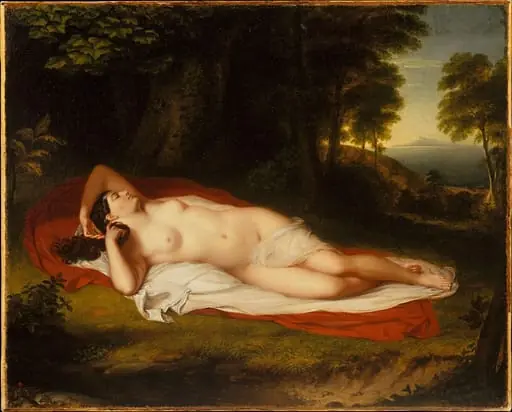 Ariadne
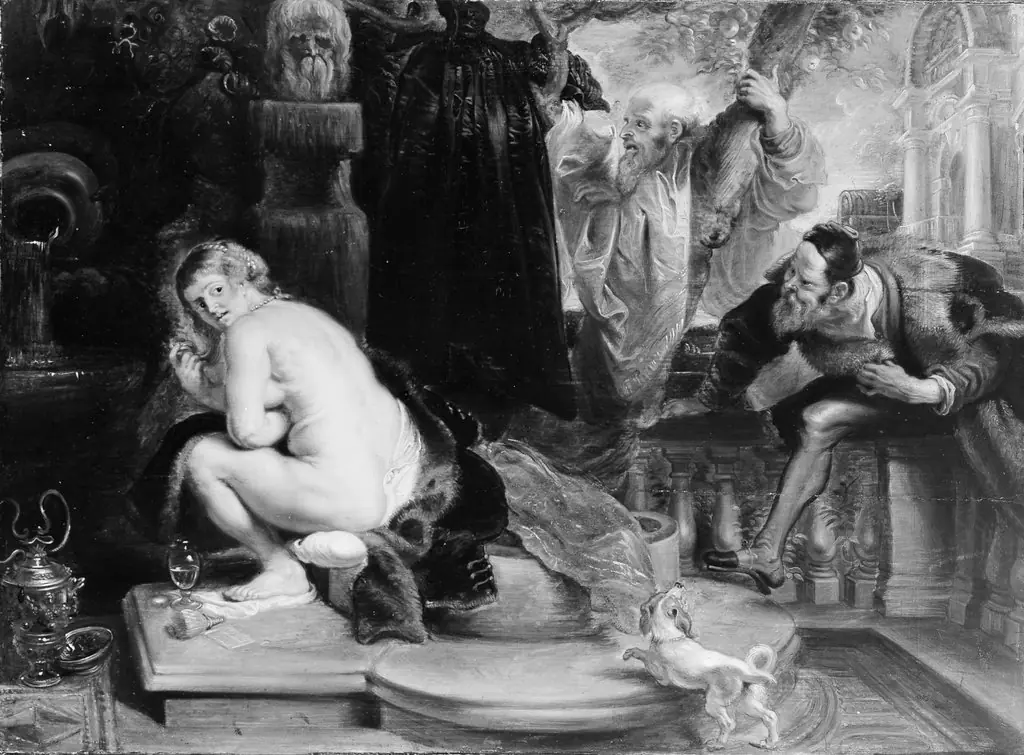 Susanna and the Elders
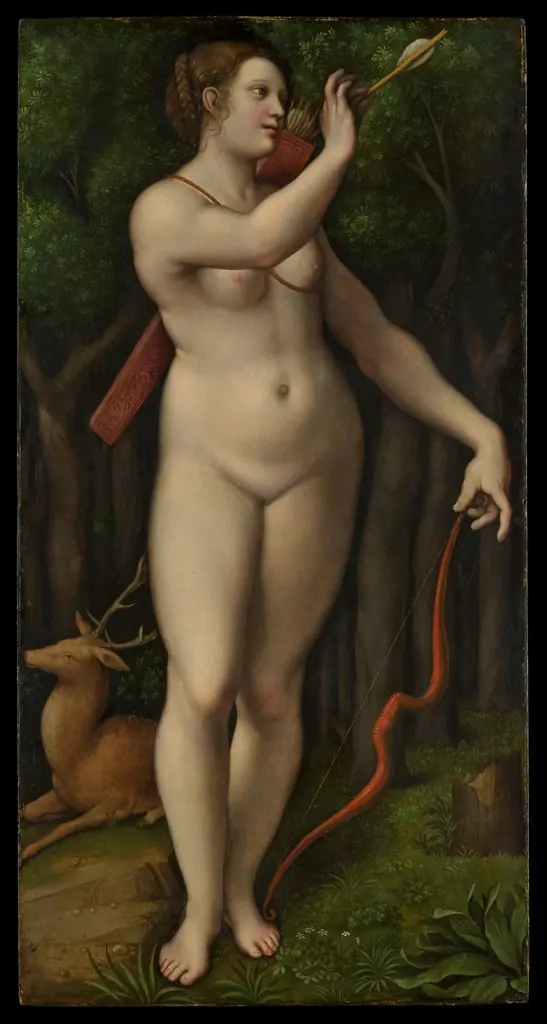 Diana the Huntress
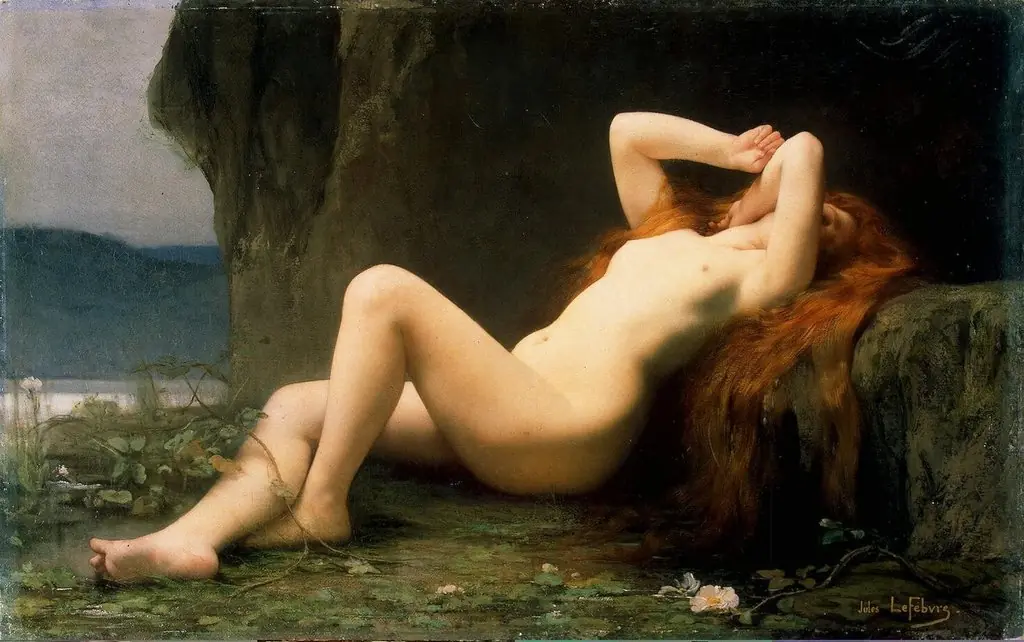 Mary Magdalene in a Grotto
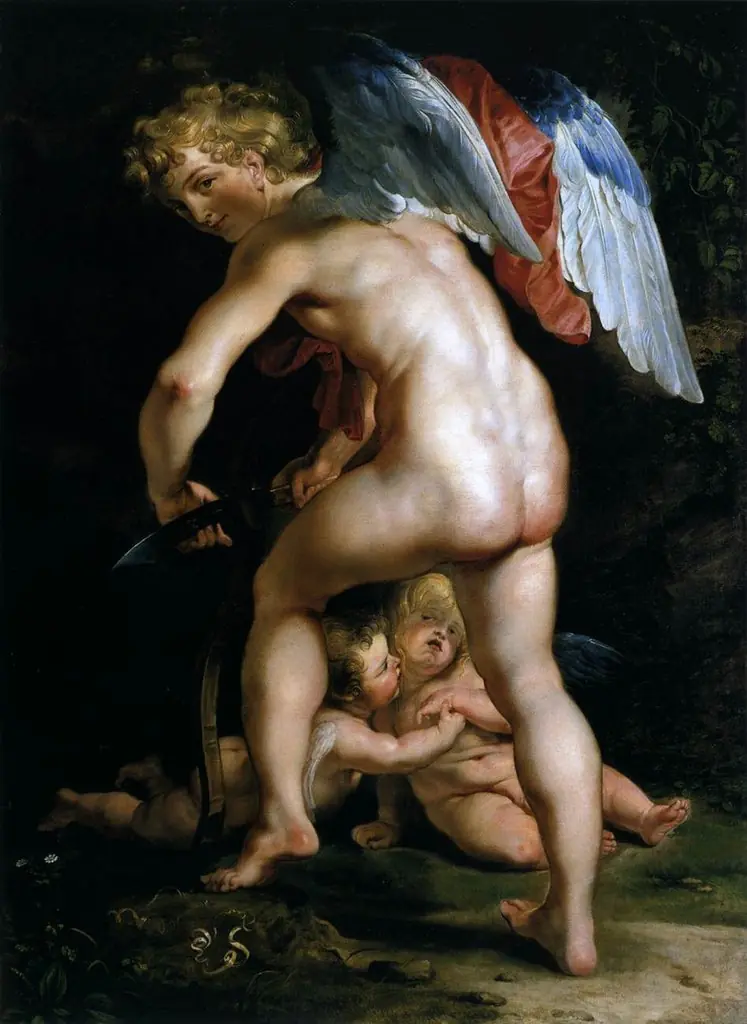 Cupid (Eros) Carves the Bow
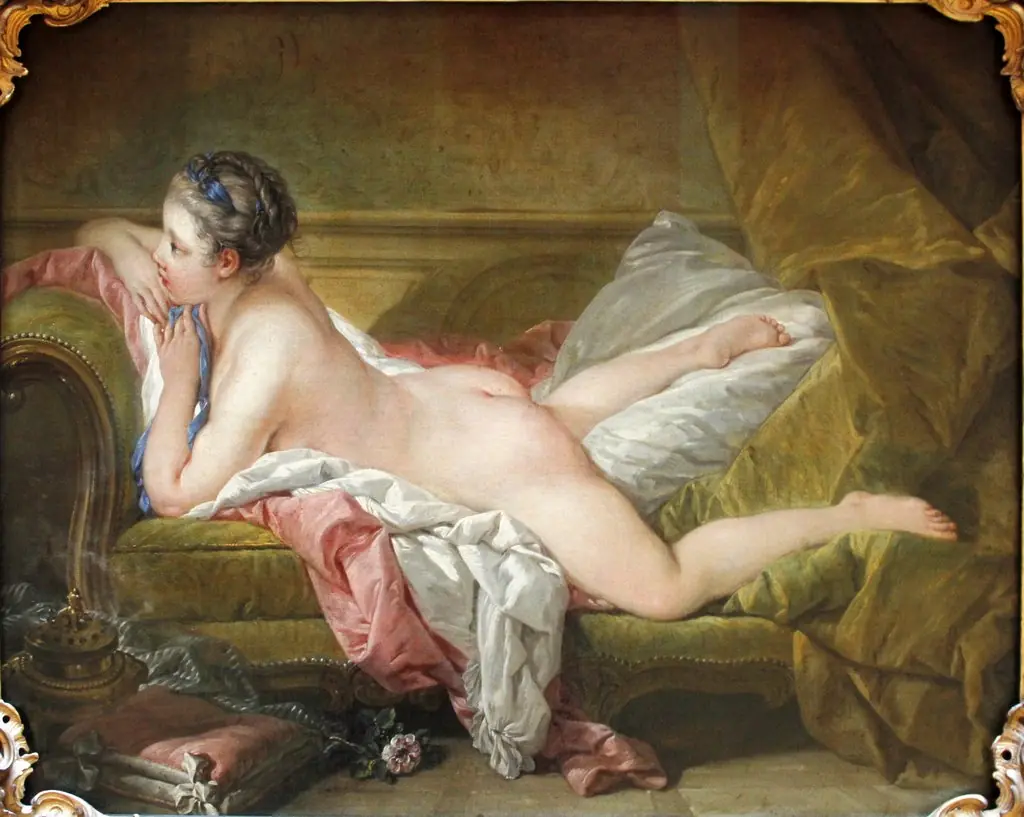 Reclining Girl
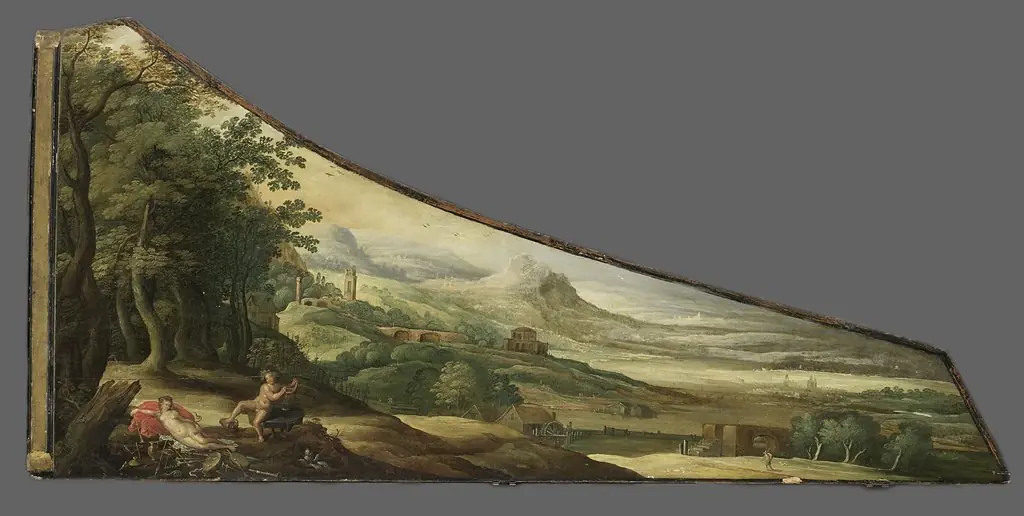 Death of Euridice
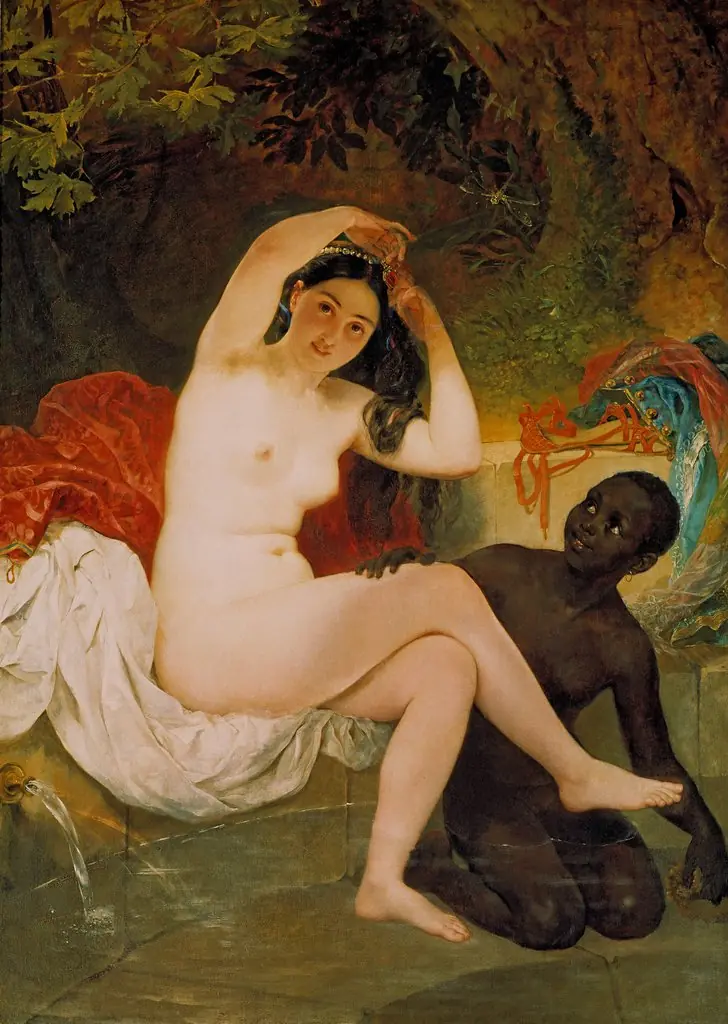 Bathsheba
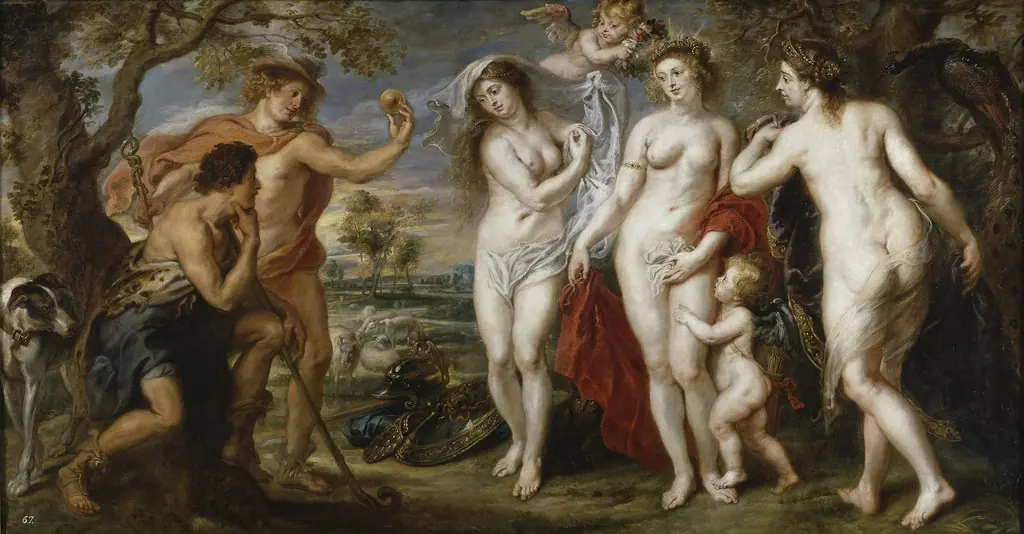 The Judgement of Paris
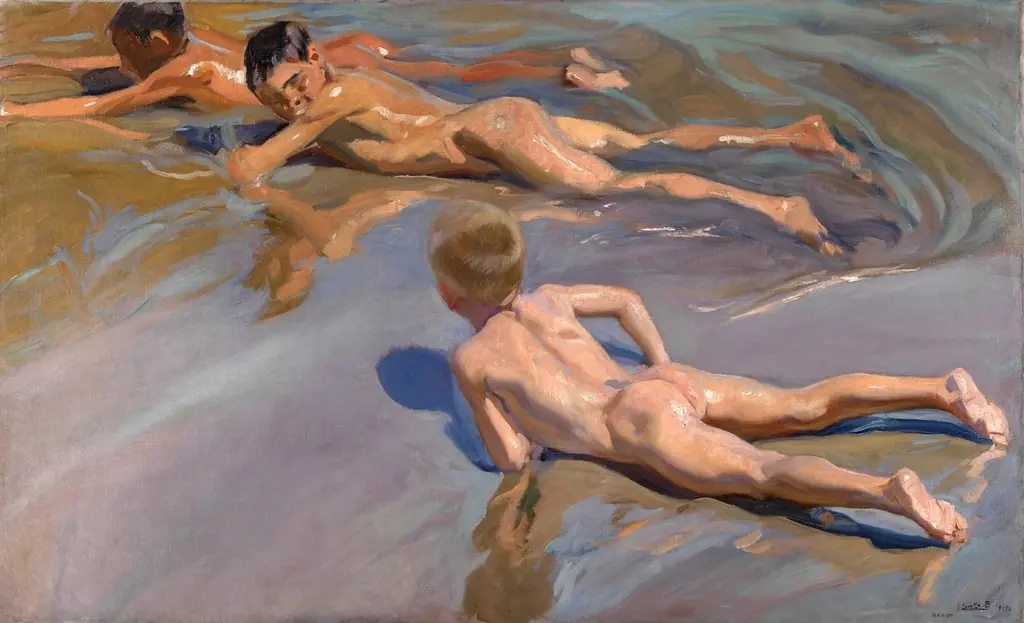 Chicos en la playa
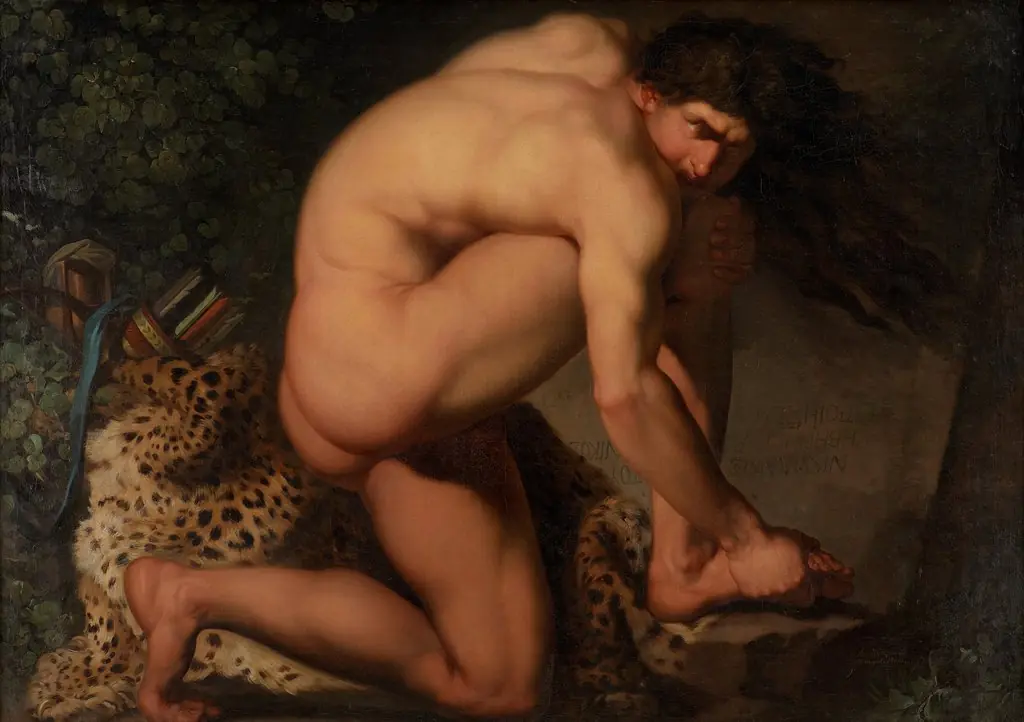 The Wounded Philoctetes
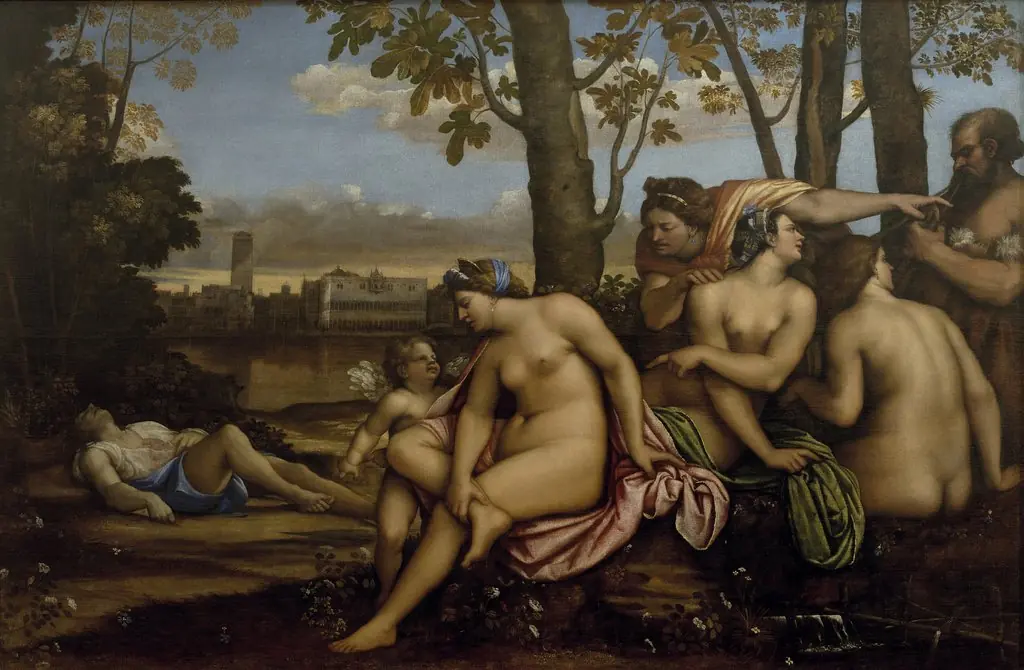 Death of Adonis
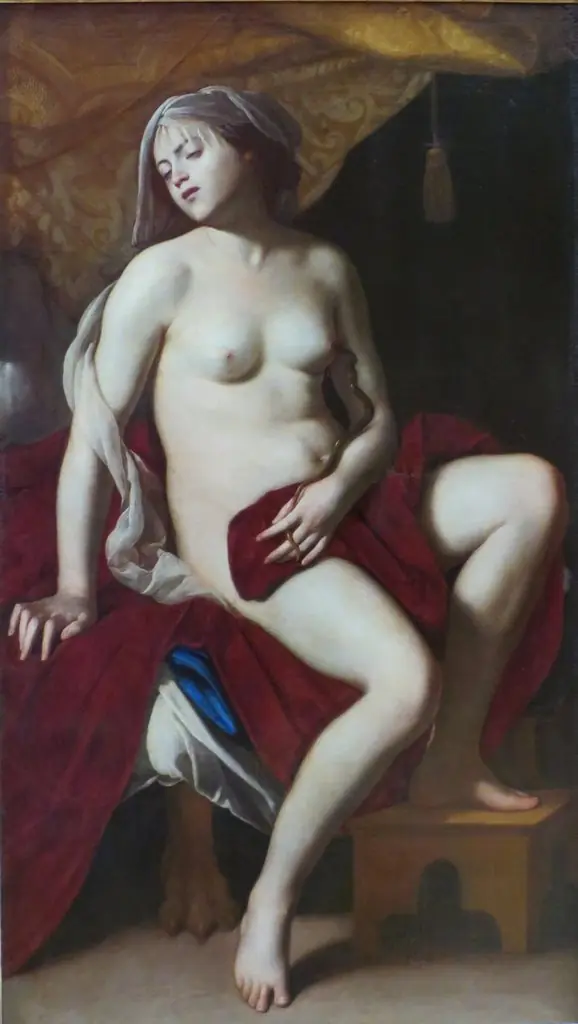 The Death of Cleopatra
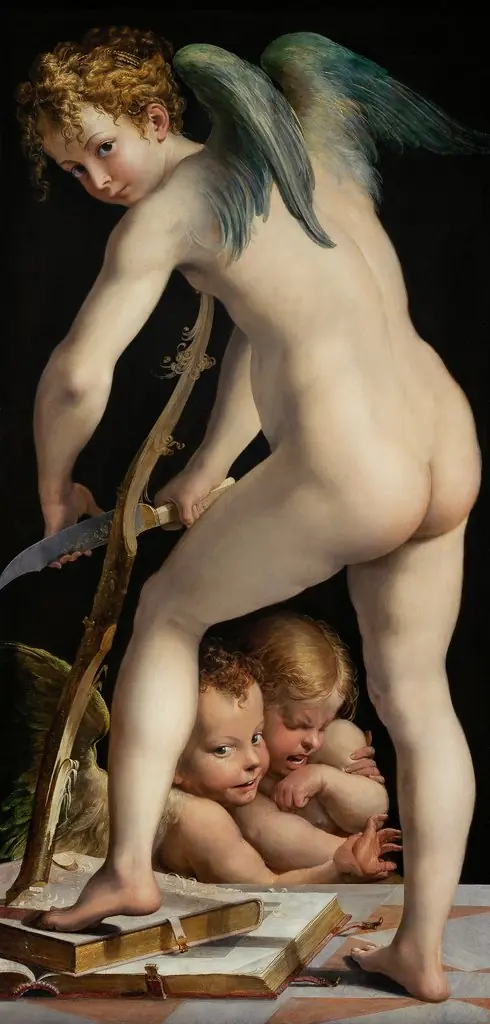 Cupid Making His Arch
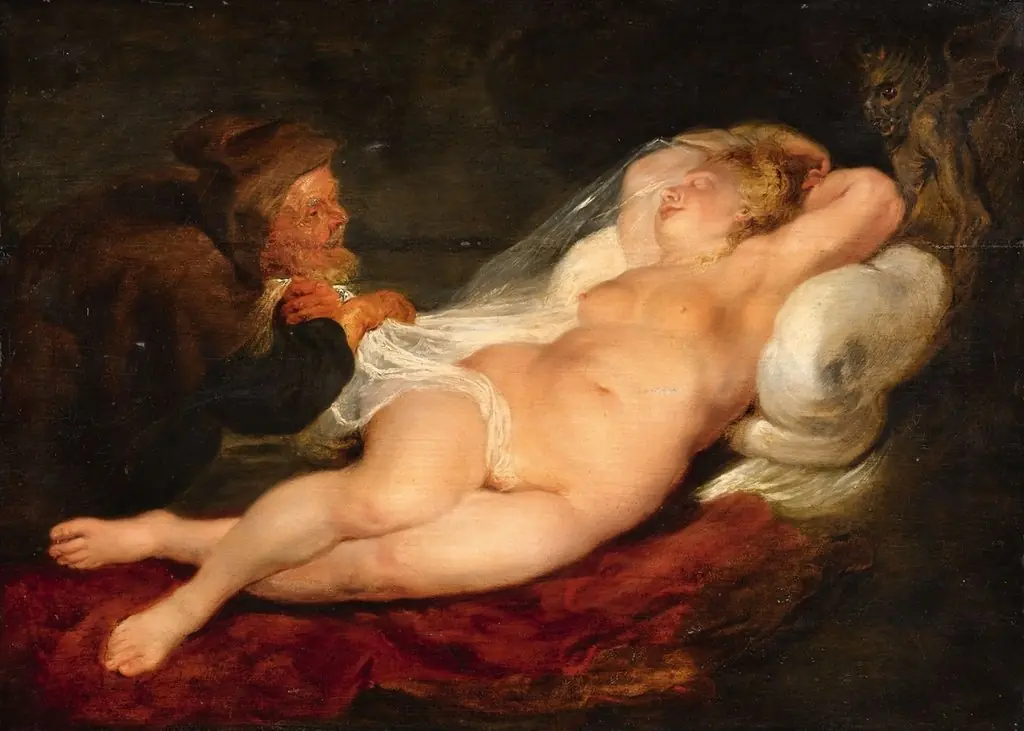 Angelica and the Hermit
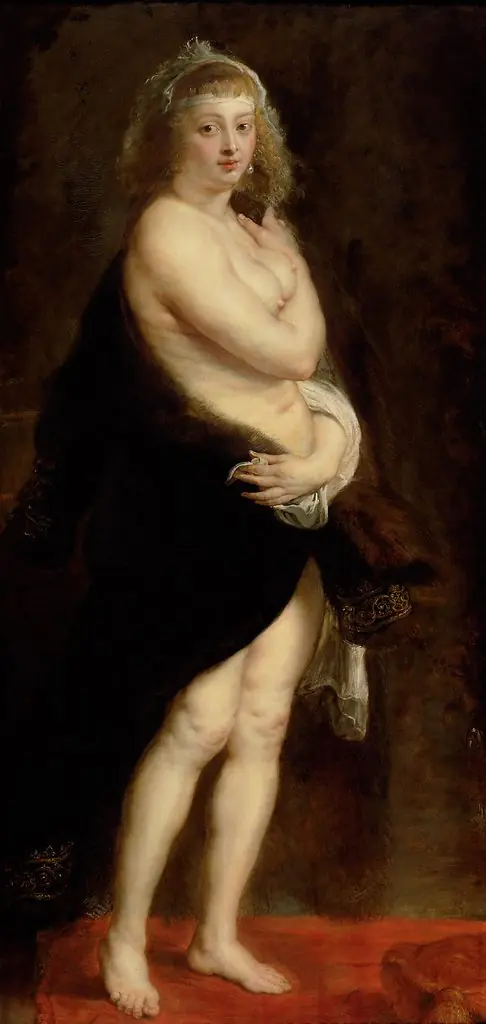 Helena Fourment in a Fur Robe
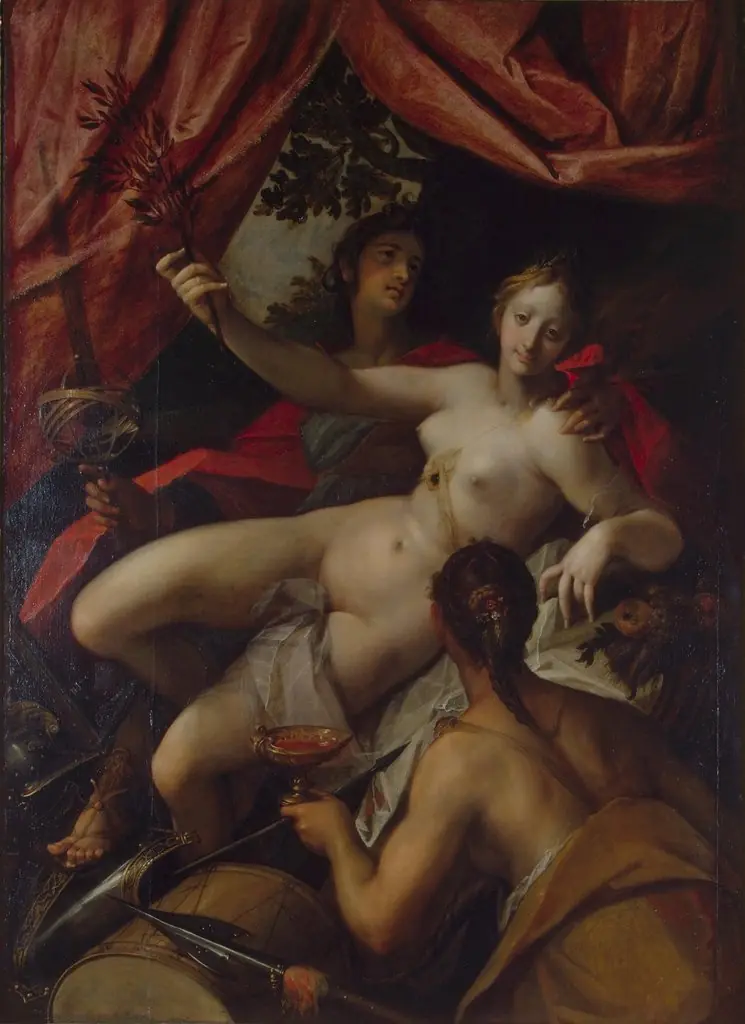 Allegory of Peace and Abundance
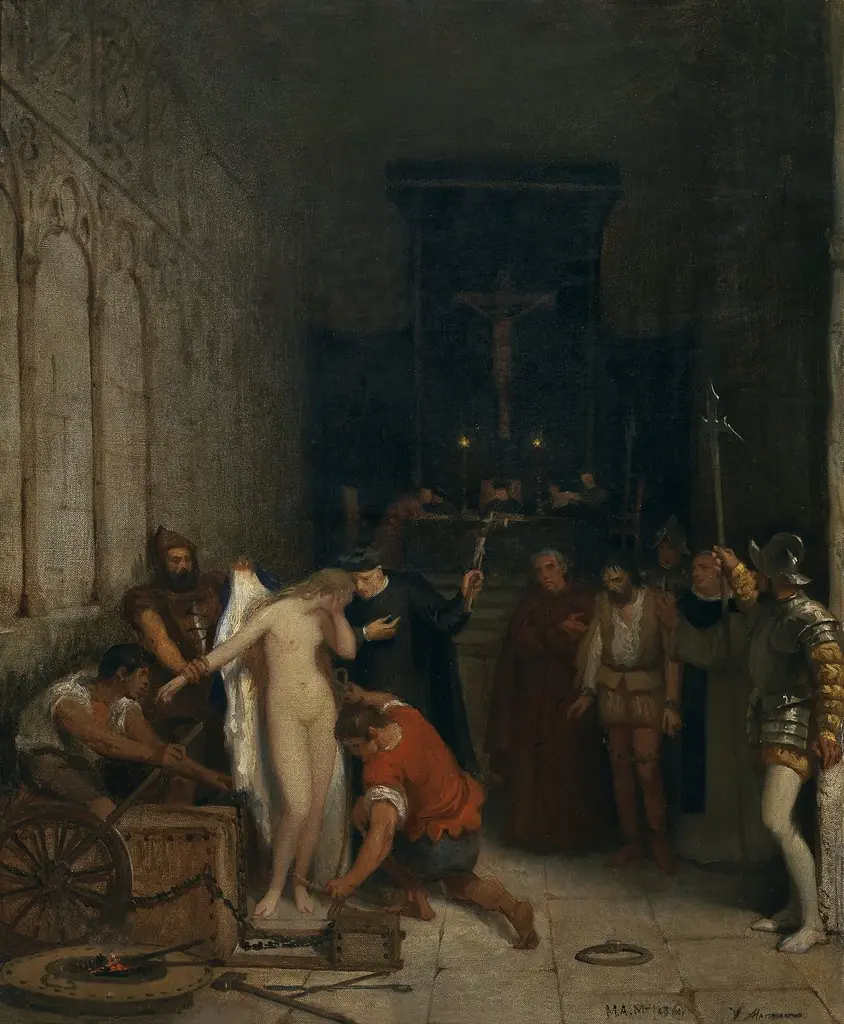 Una escena de la Inquisición
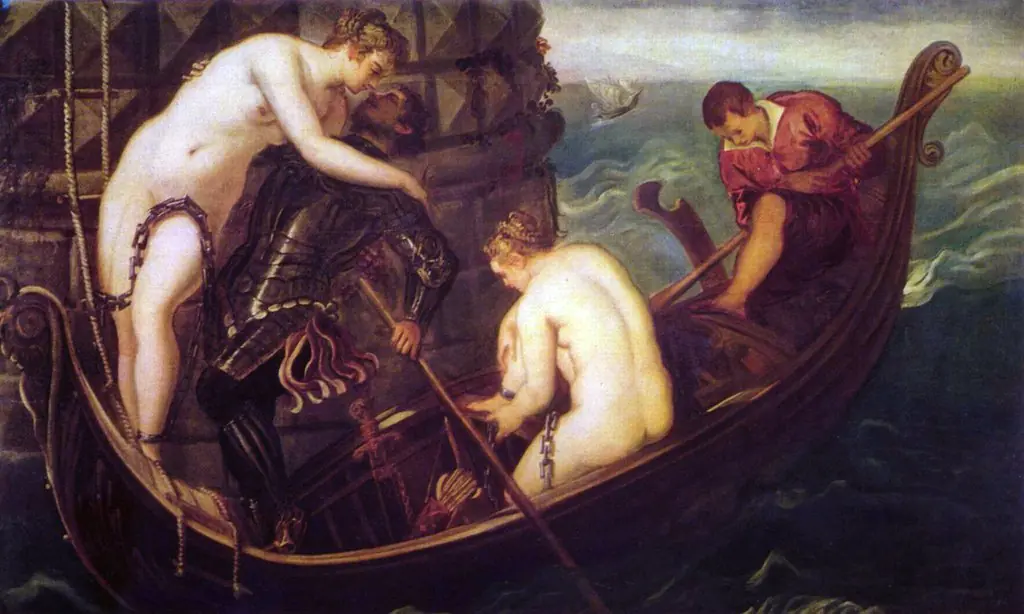 The Deliverance of Arsinoe
 Seated Nude
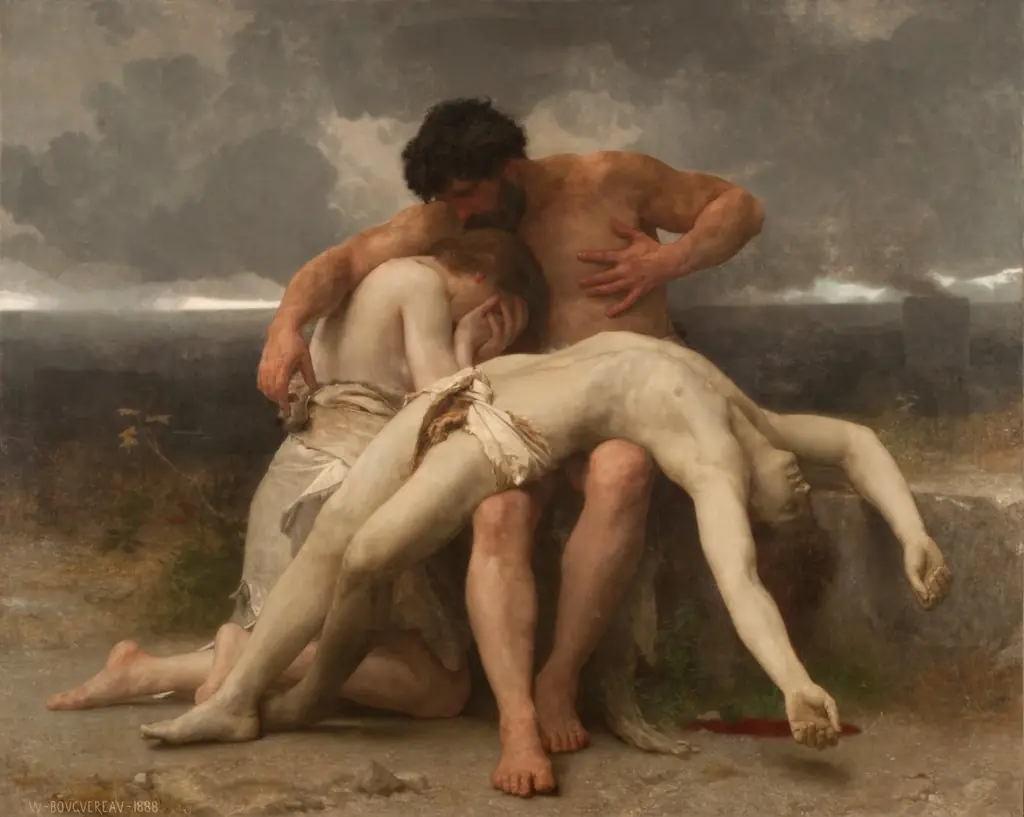 The First Mourning
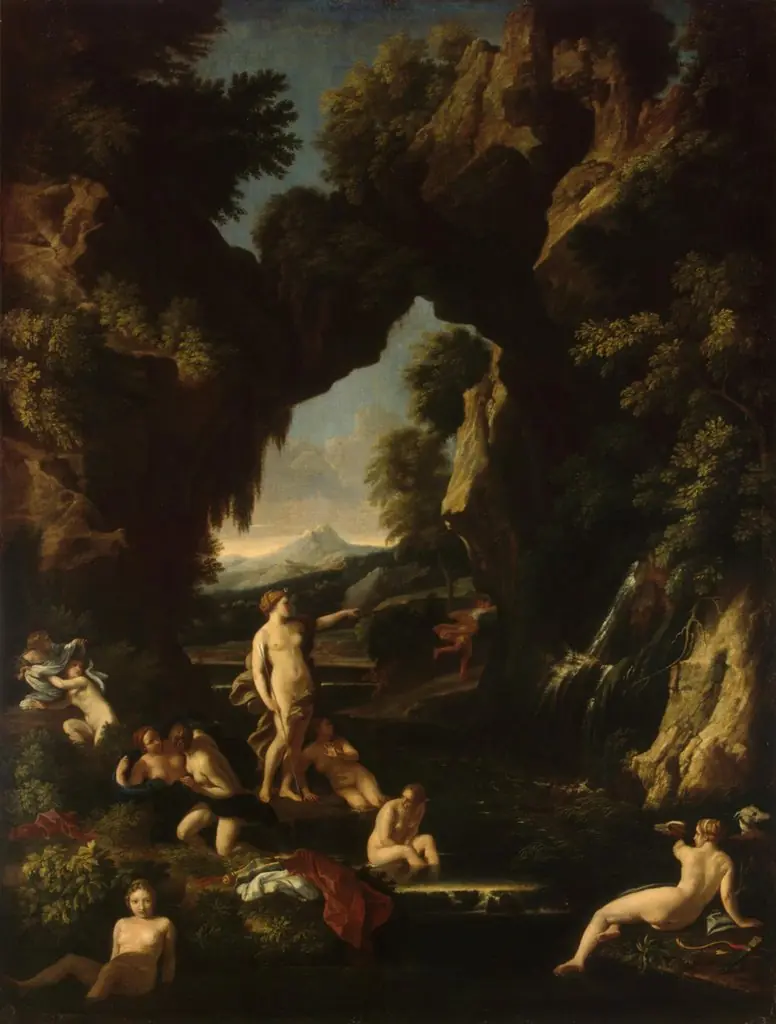 Landscape with Diana and Actaeon
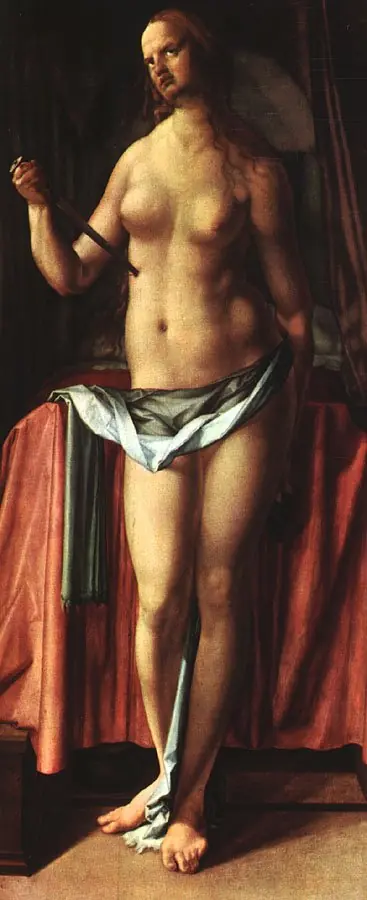 The Suicide of Lucretia
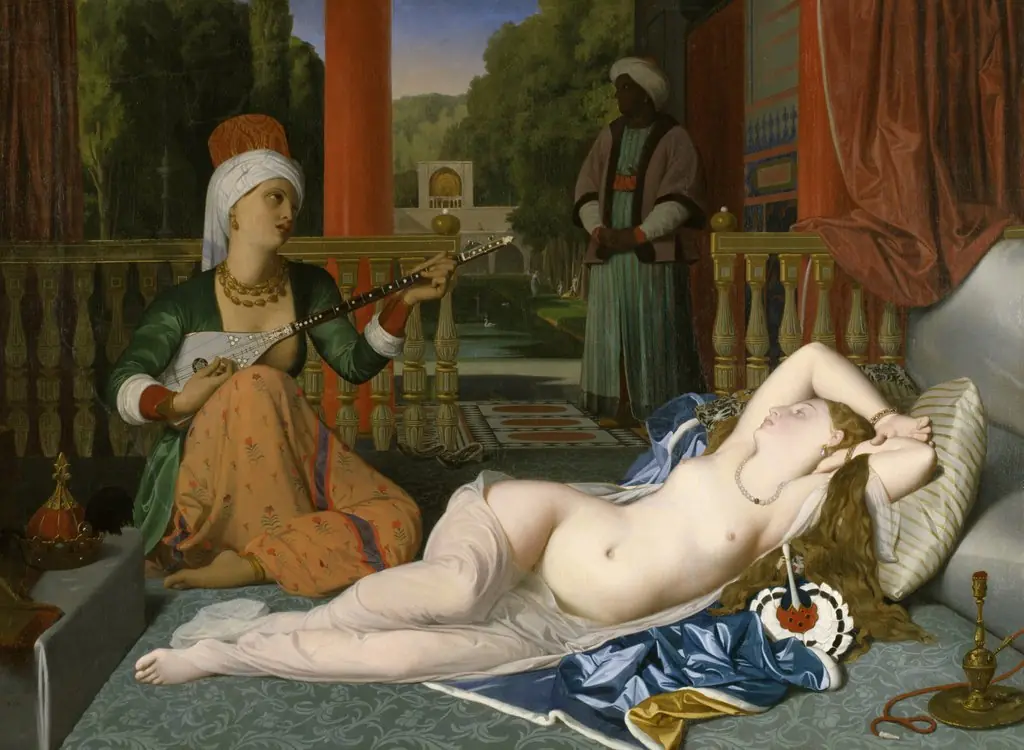 Odalisque with Slave
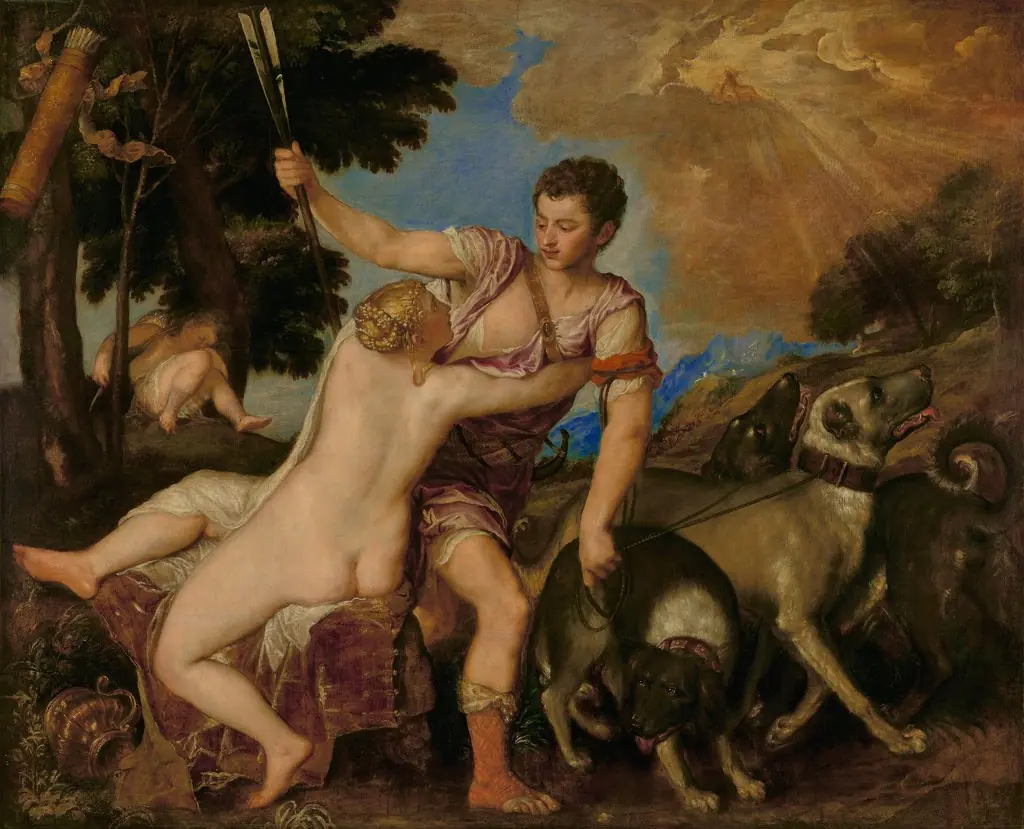 Venus and Adonis
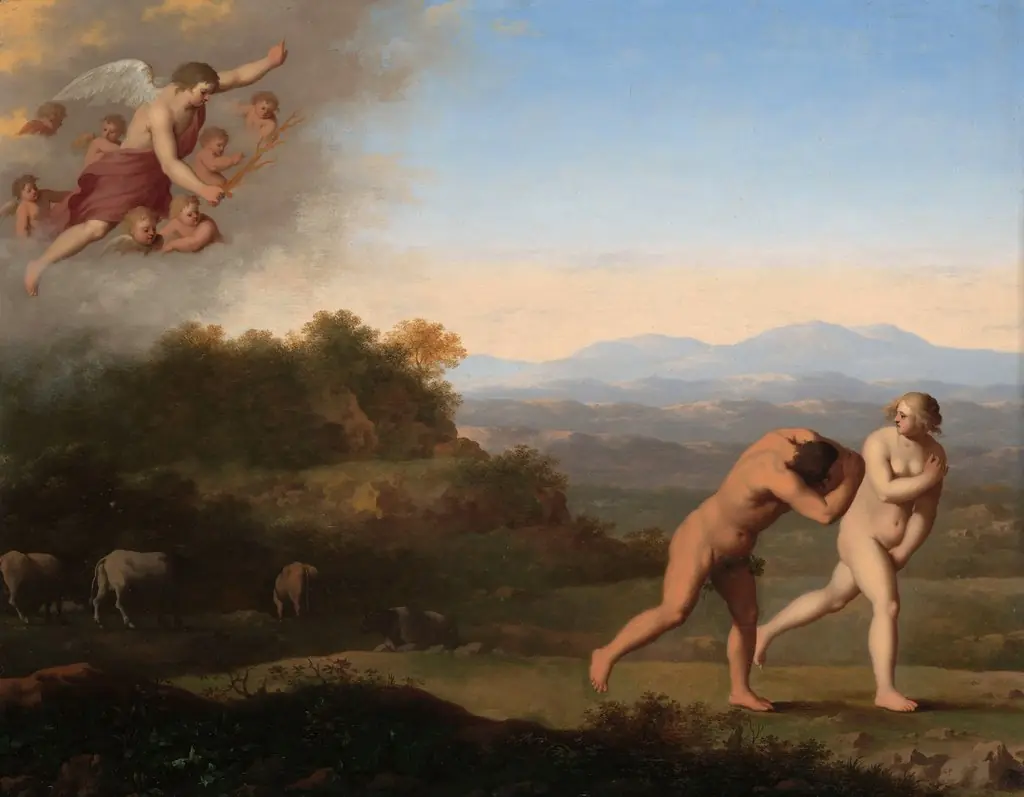 The Expulsion from Paradise
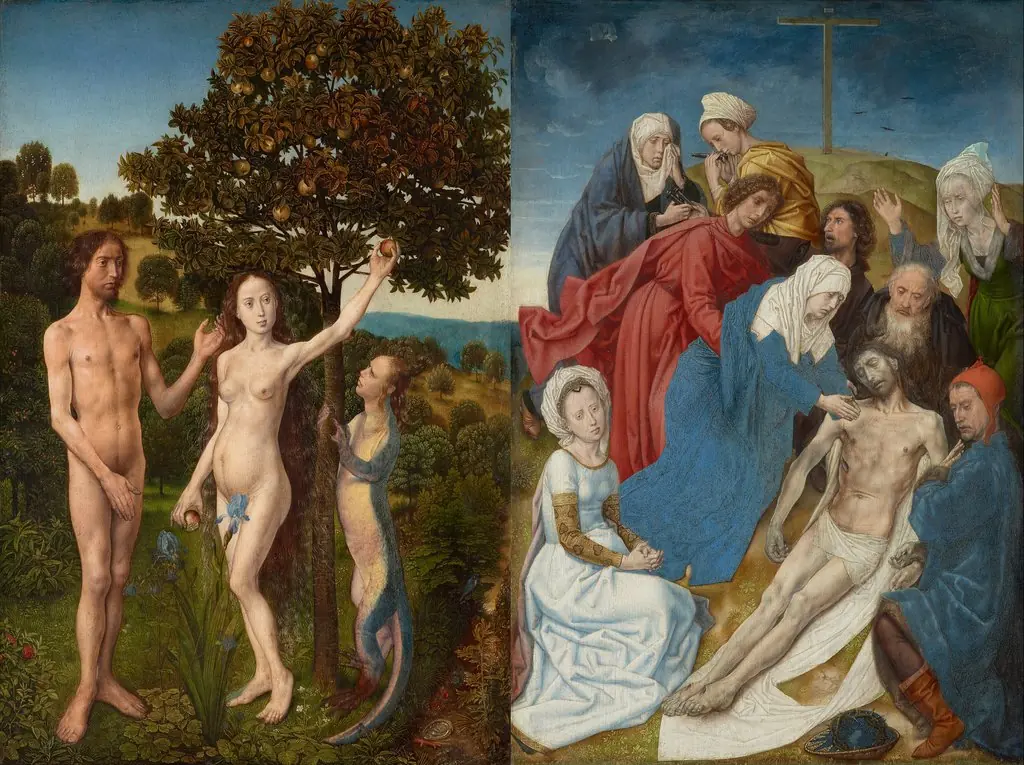 Vienna Diptych
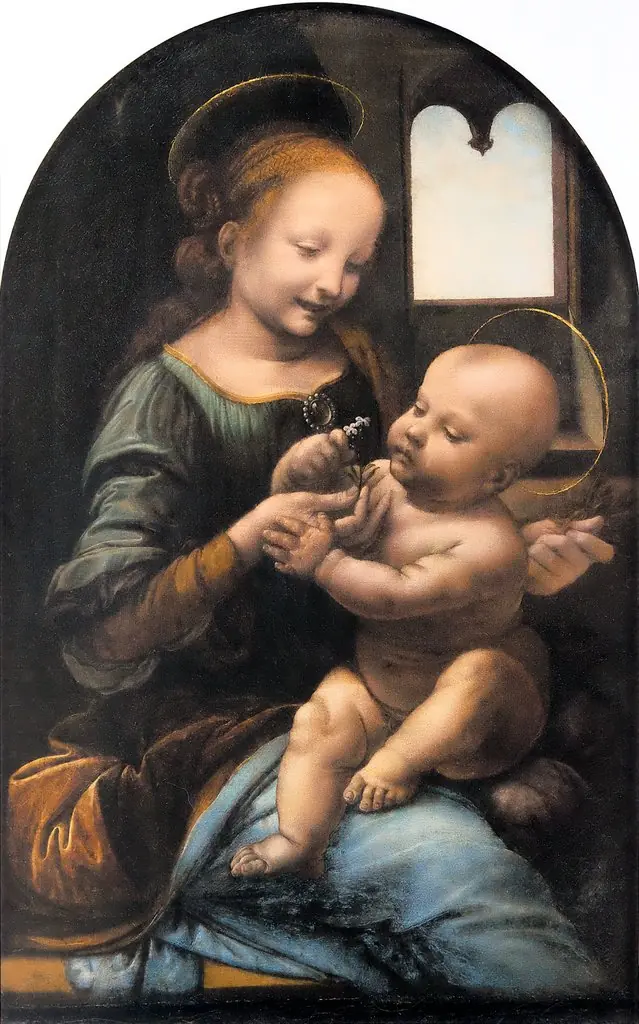 Benois Madonna
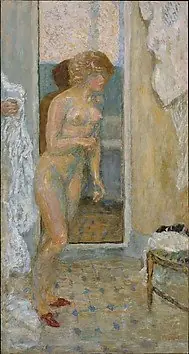 After the Bath
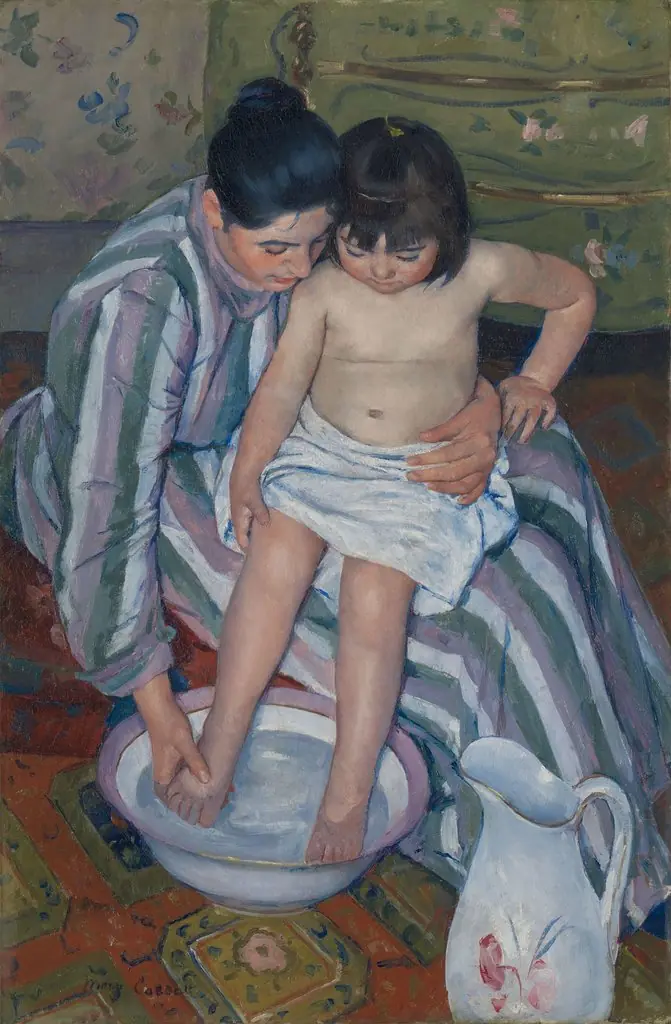 The Child's Bath
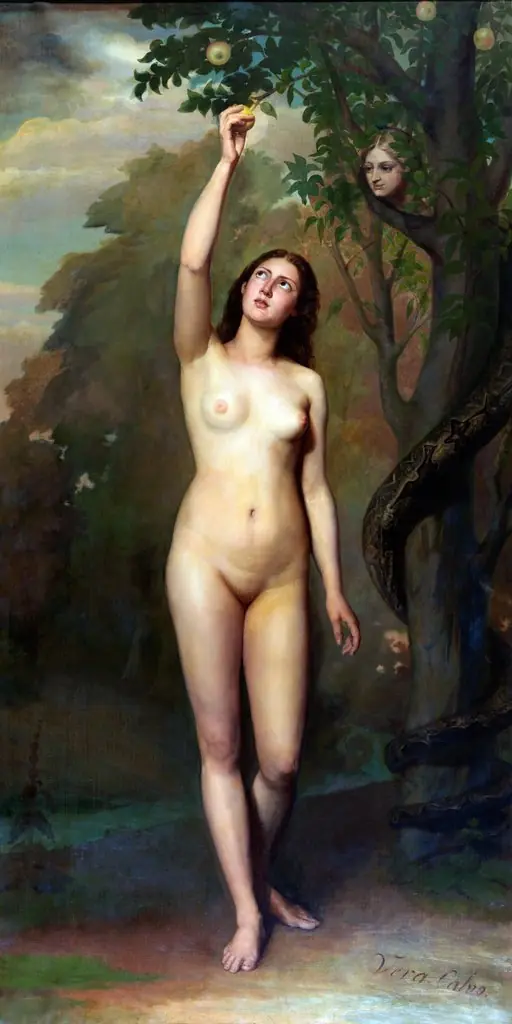 Eva cogiendo la manzana
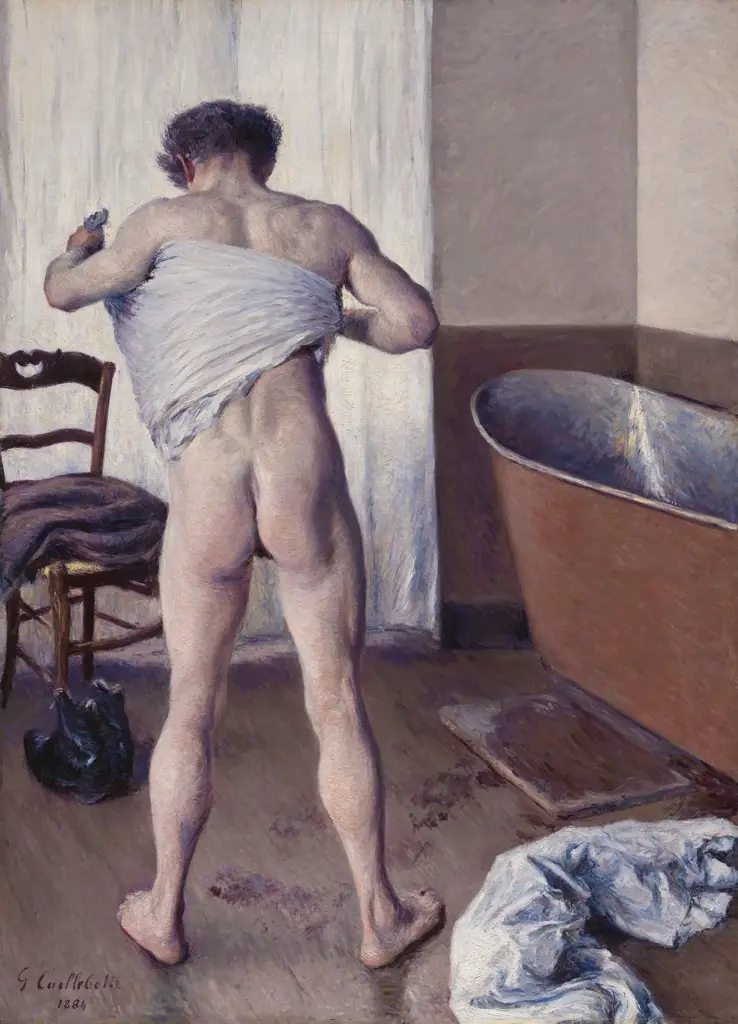 Man at His Bath
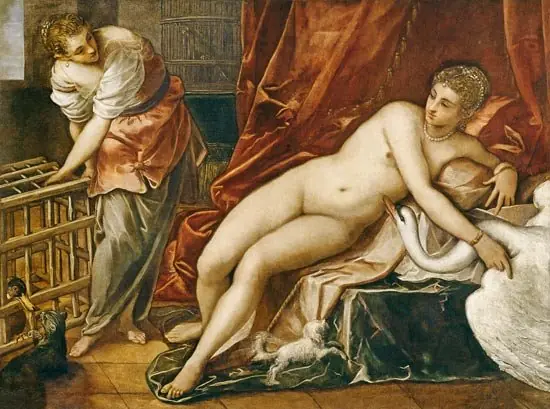 Leda and the Swan
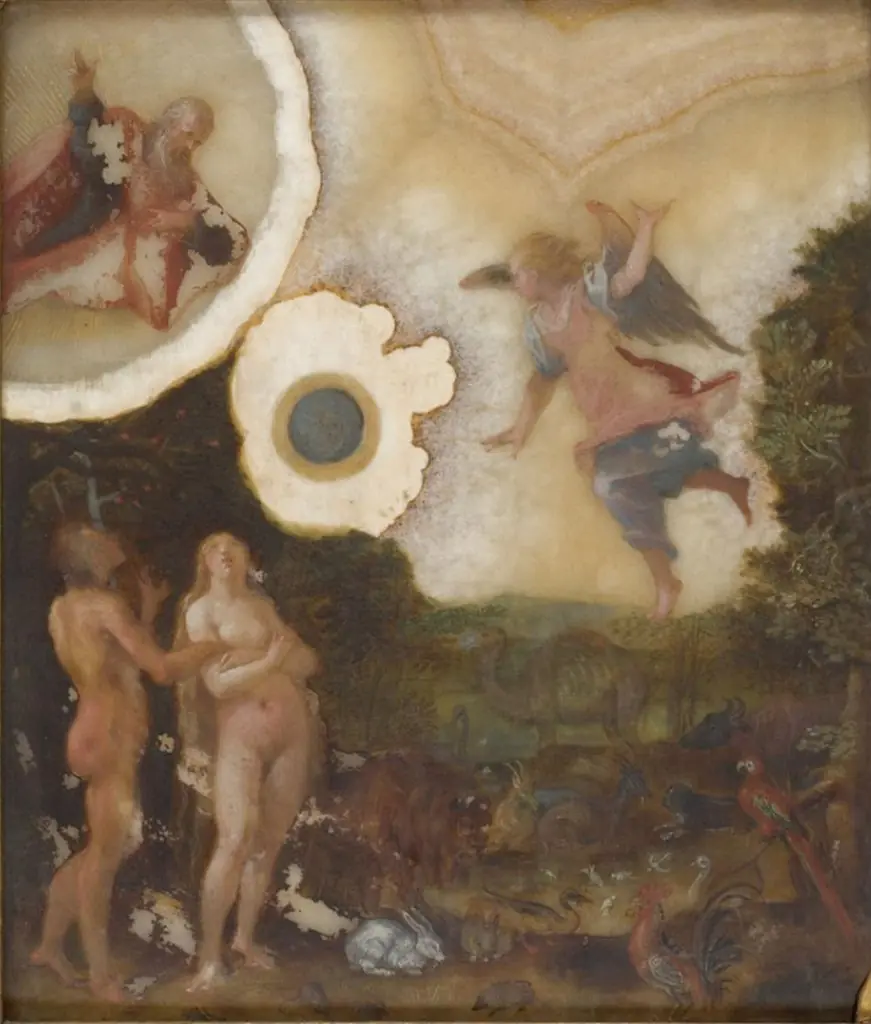 Expulsion from earthly Paradise.
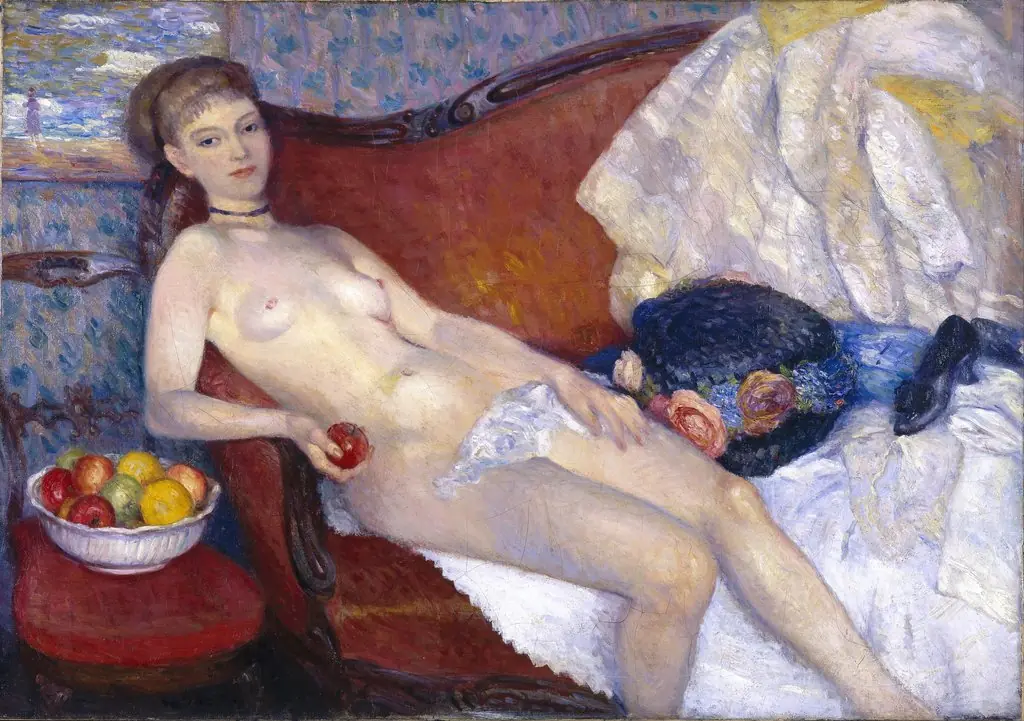 Nude with Apple
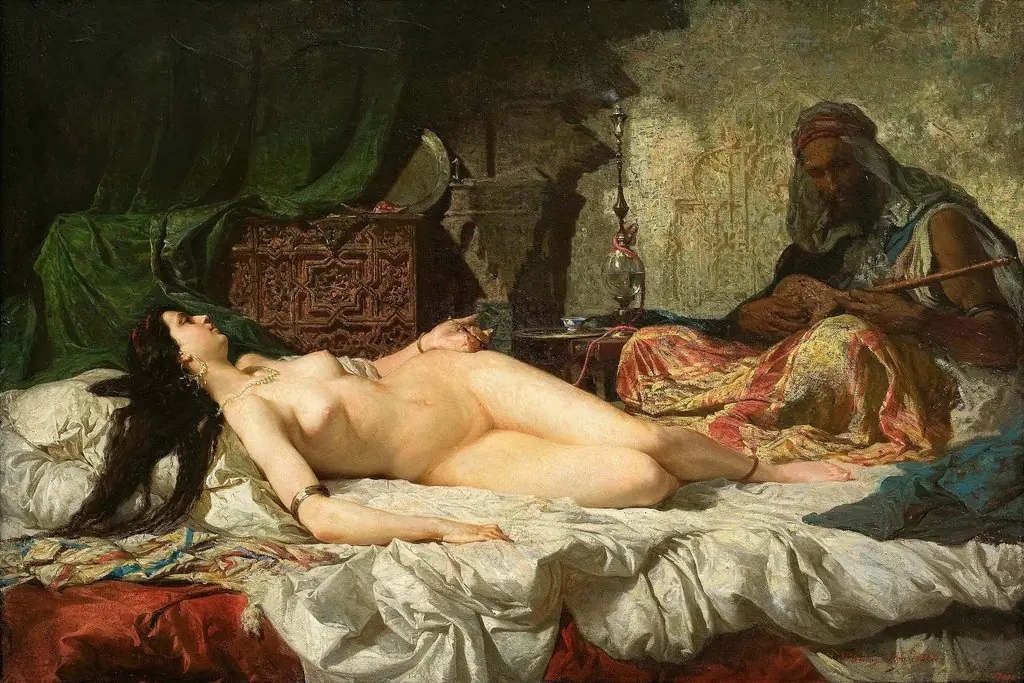 The Odalisque
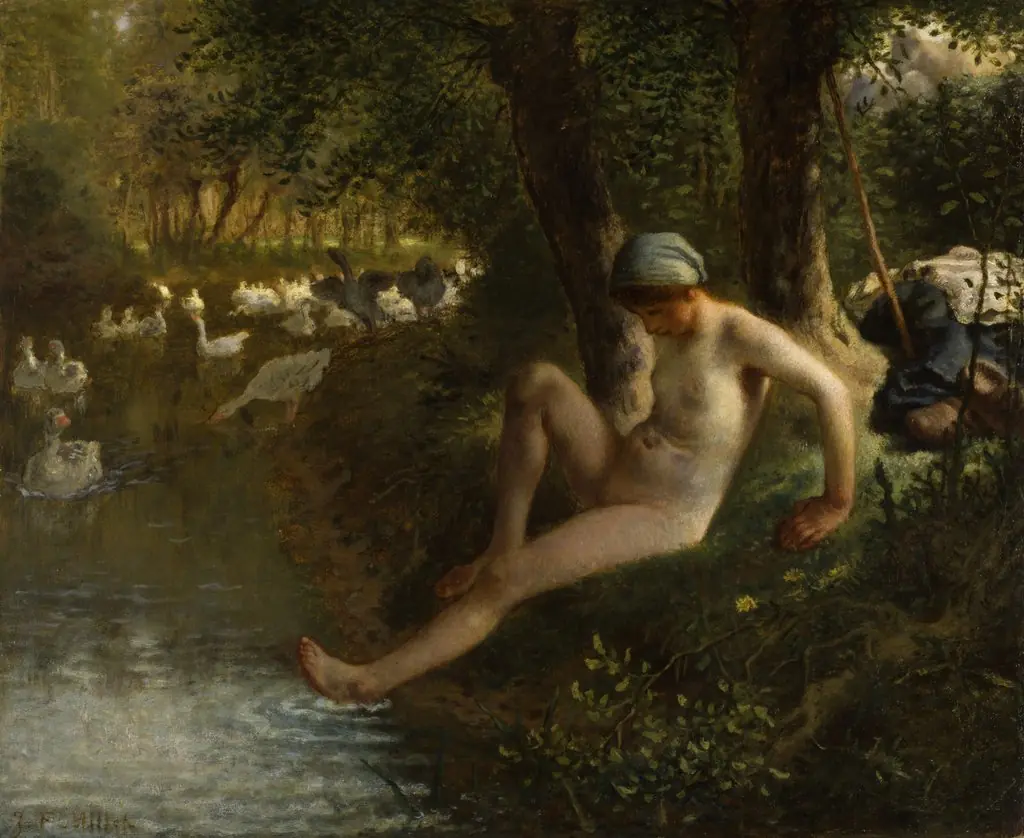 The Goose Girl
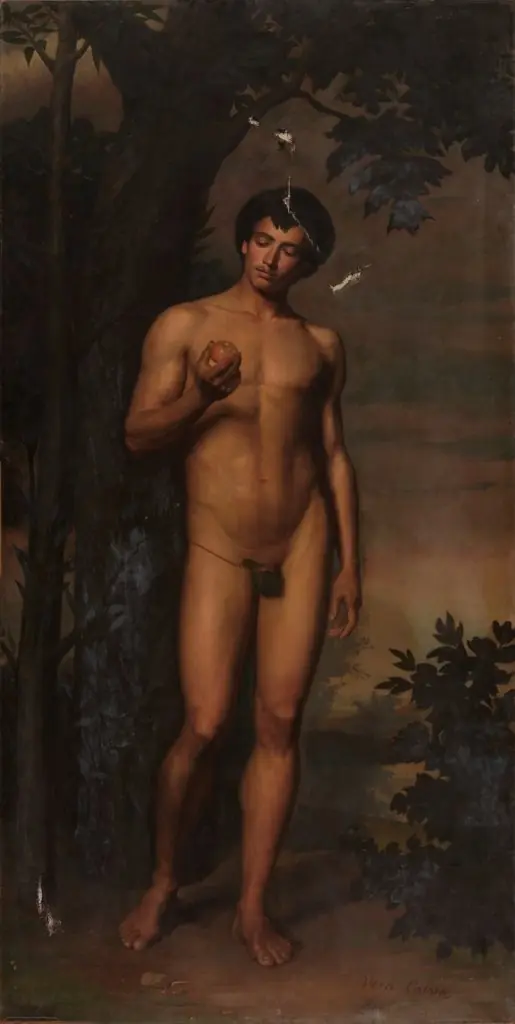 Adán antes de comer el fruto
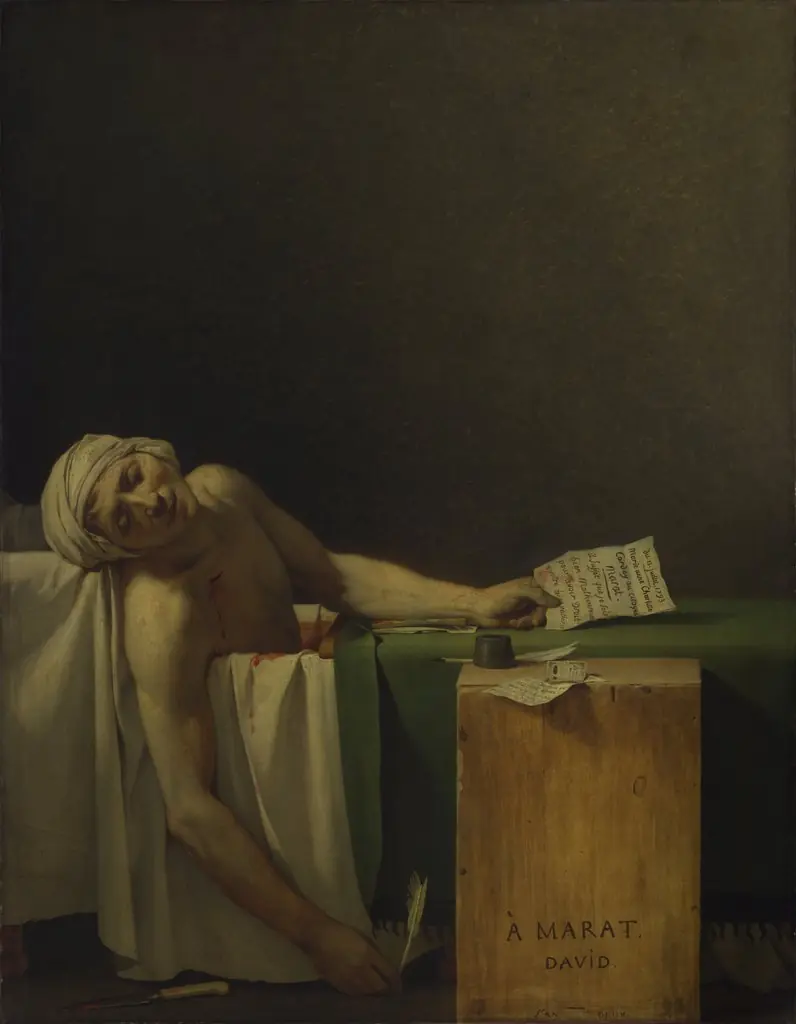 The Death of Marat
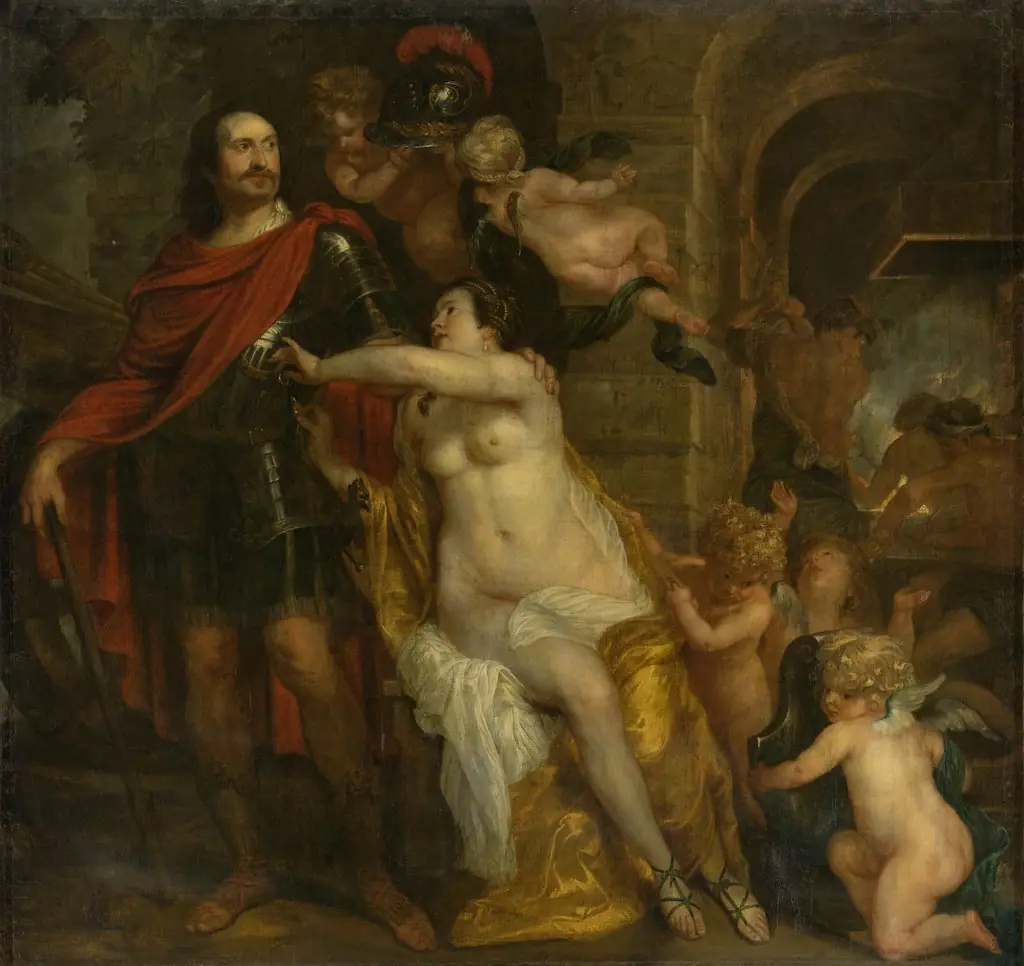 Allegorical depiction of Mars (Friedrich Wilhelm, elector of Brandenburg?) receiving the weapons of Venus (Louisa Henrietta, countess of Nassau?) and Vulcan
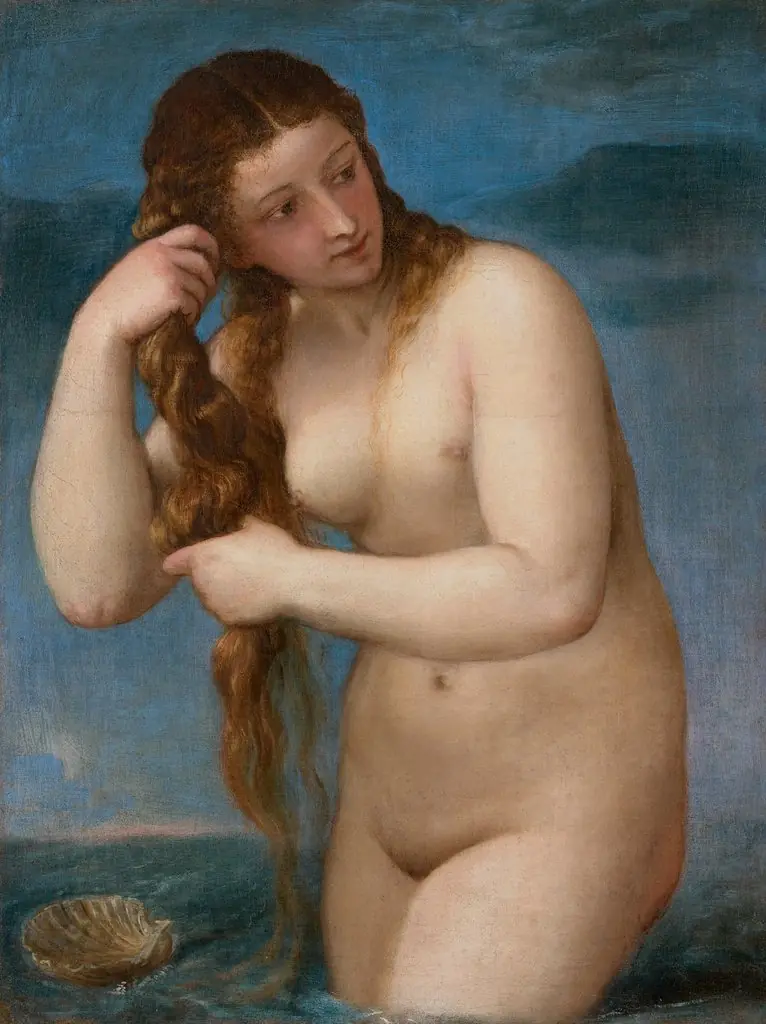 Venus Anadyomene
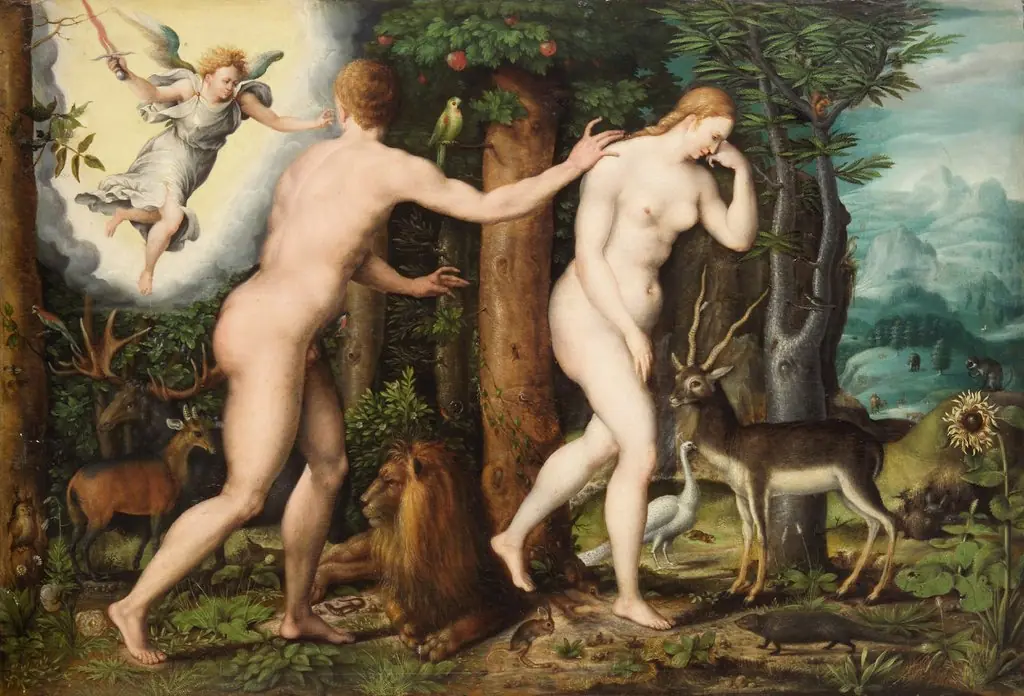 Vertreibung aus dem Paradies
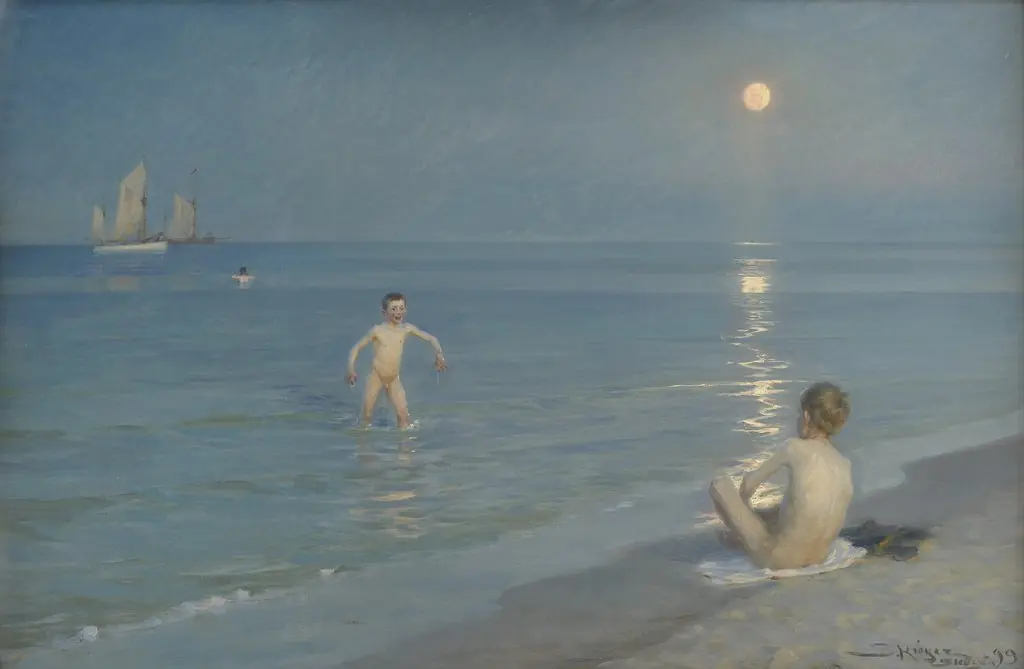 Boys Bathing at Skagen. Summer Evening
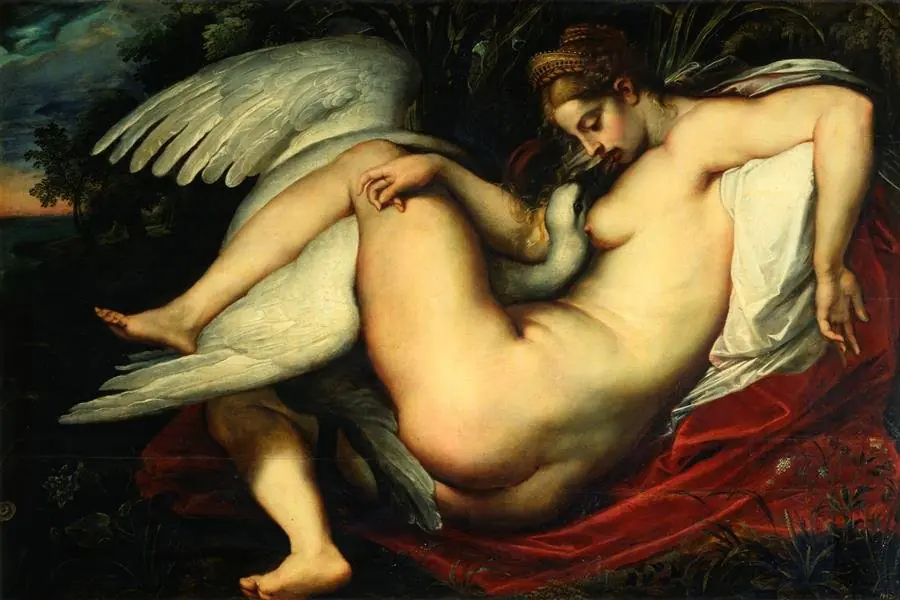 Leda and the swan
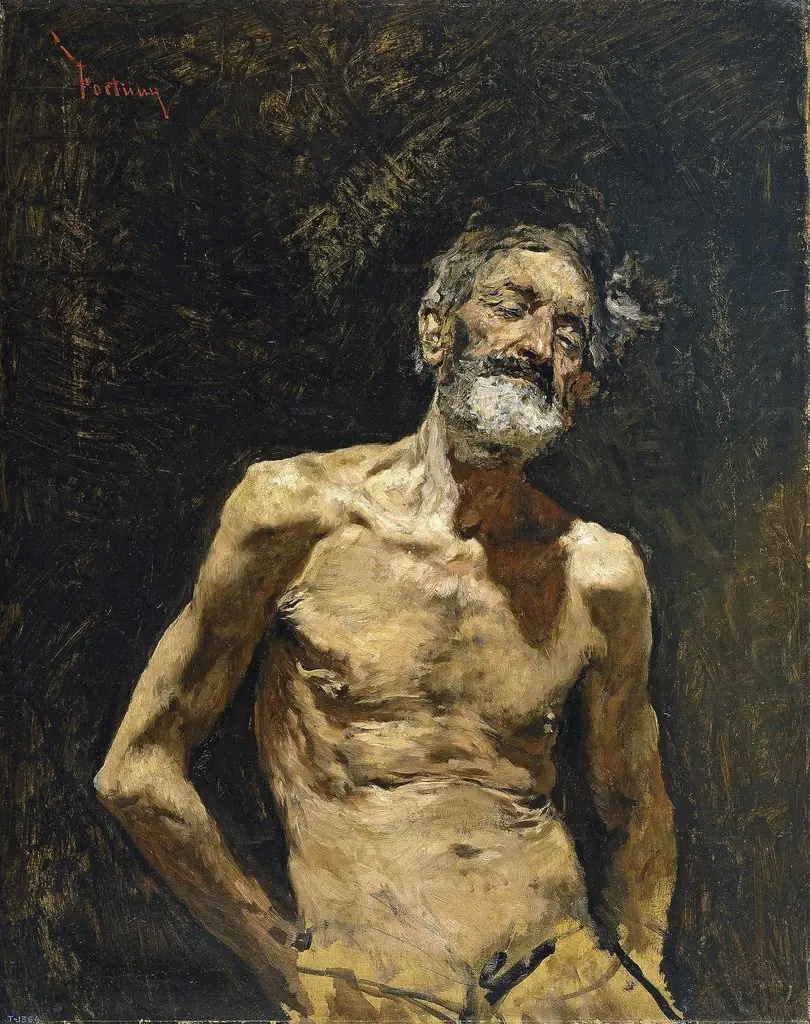 Nude Old Man in the Sun
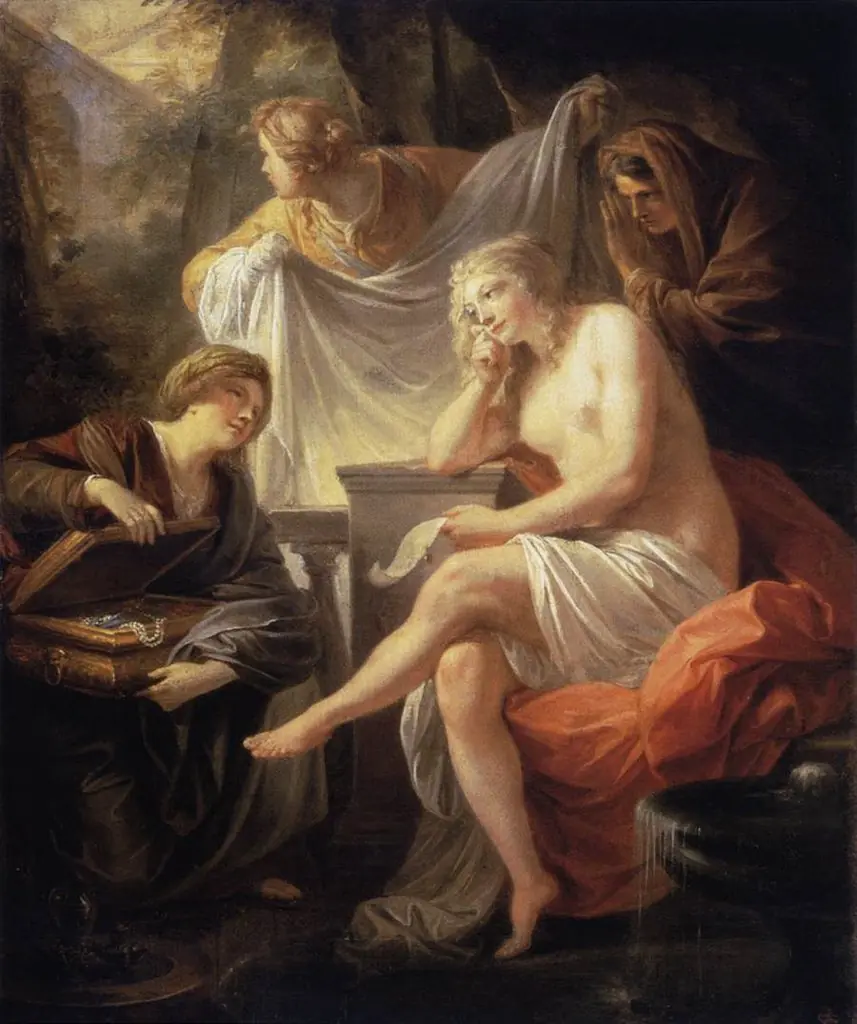 Bathsheba at her bath
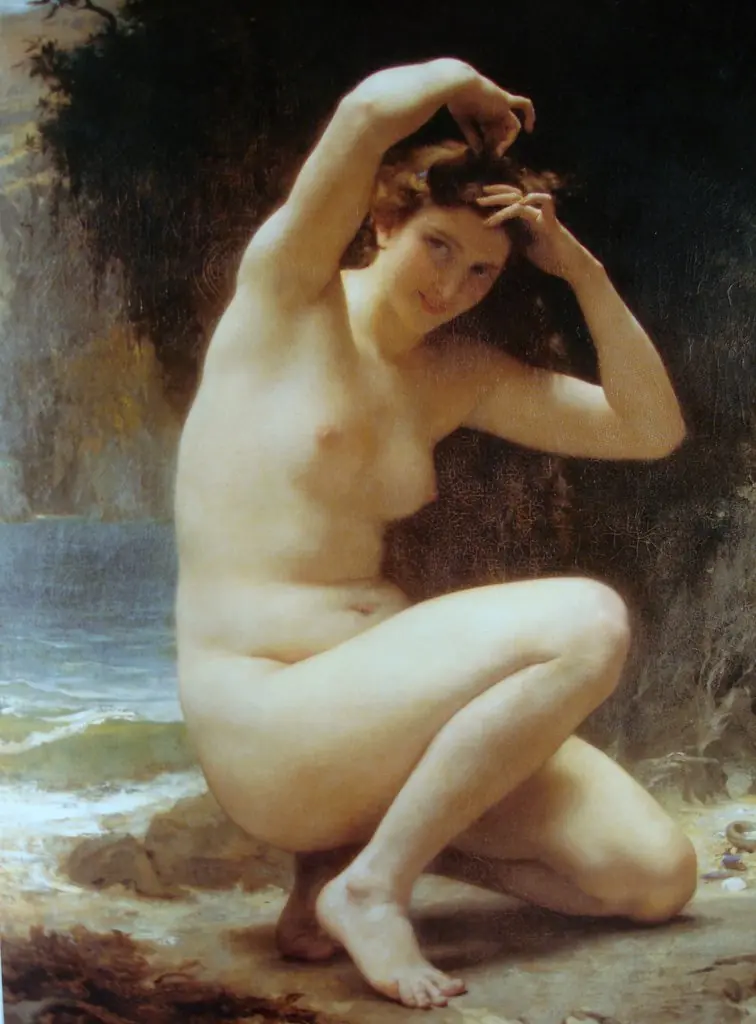 The toilette of Venus
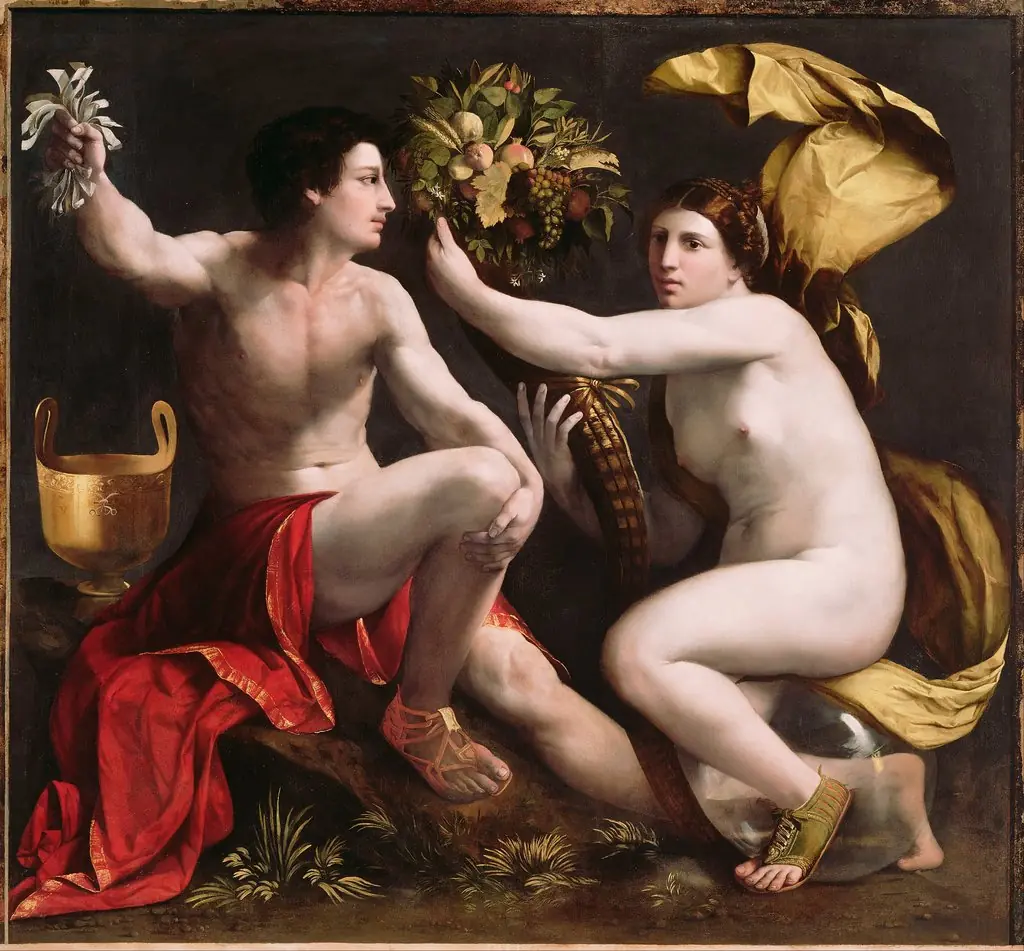 An Allegory of Fortune
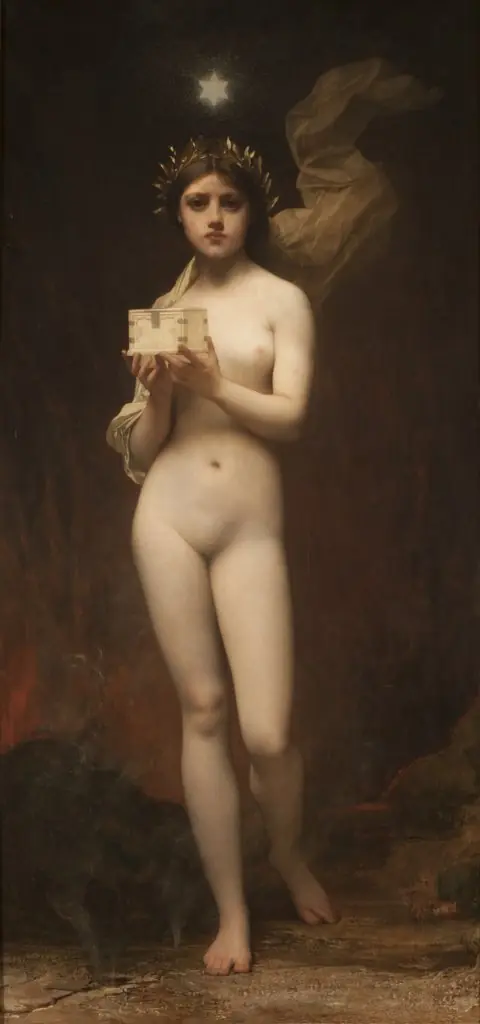 Pandora
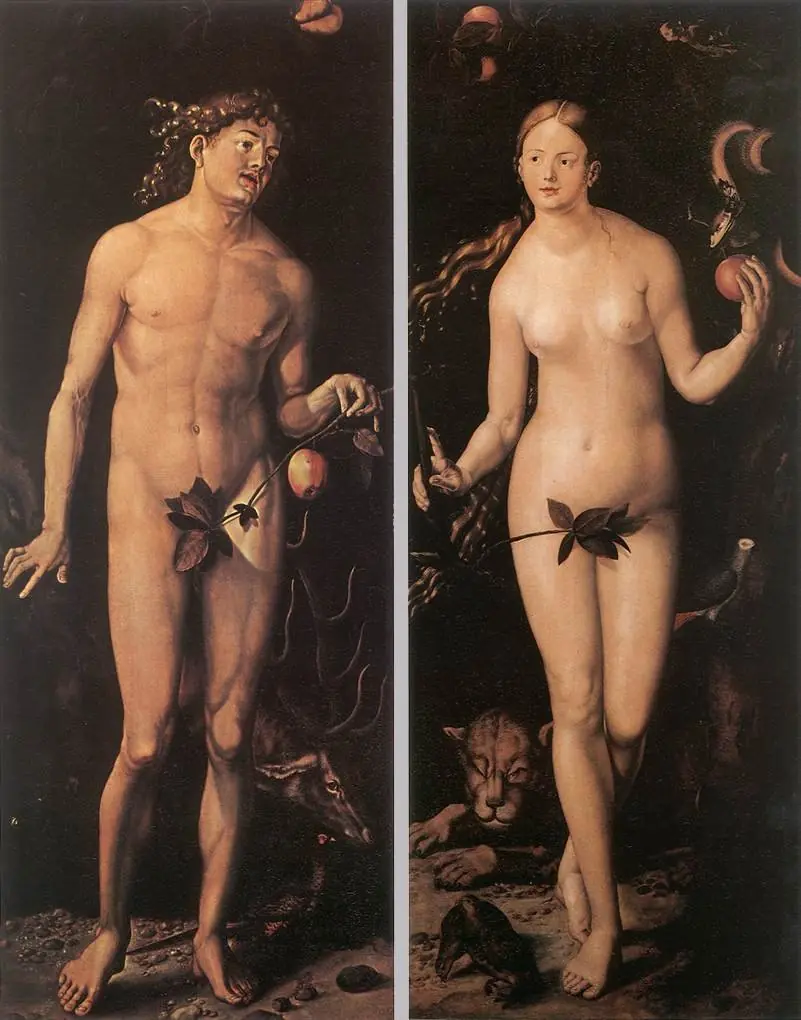 Adam and Eve
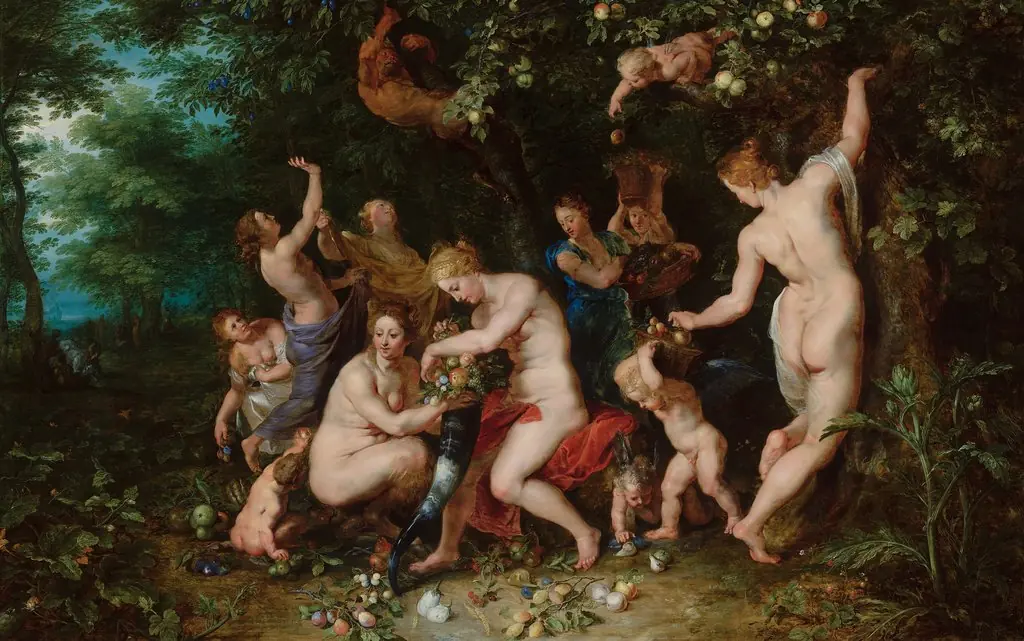 Nymphs filling the horn of plenty
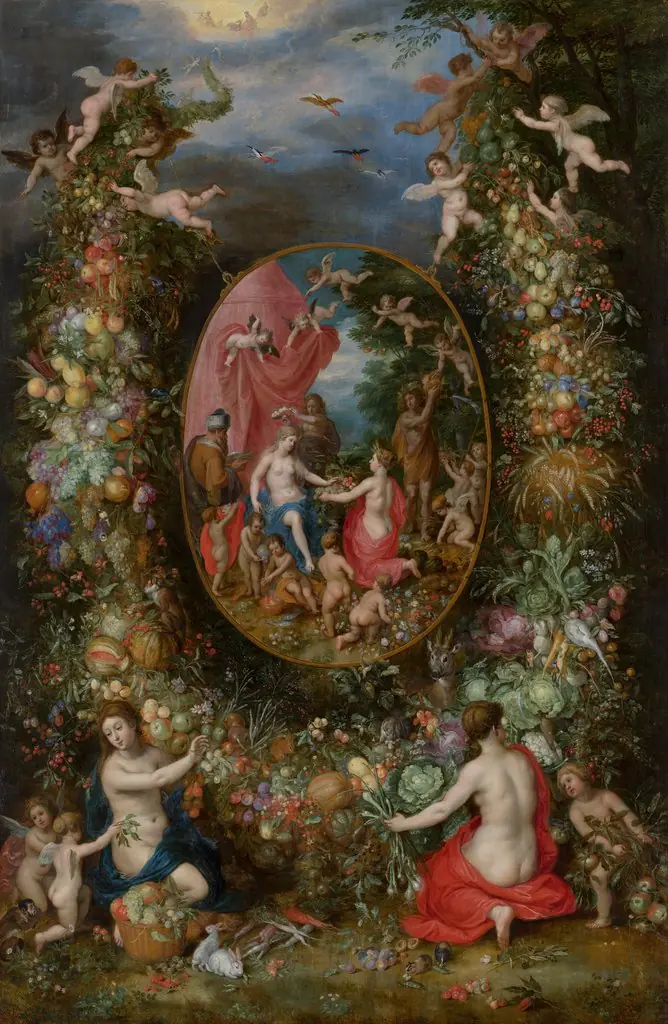 Garland of Flowers around an Allegory of Farming
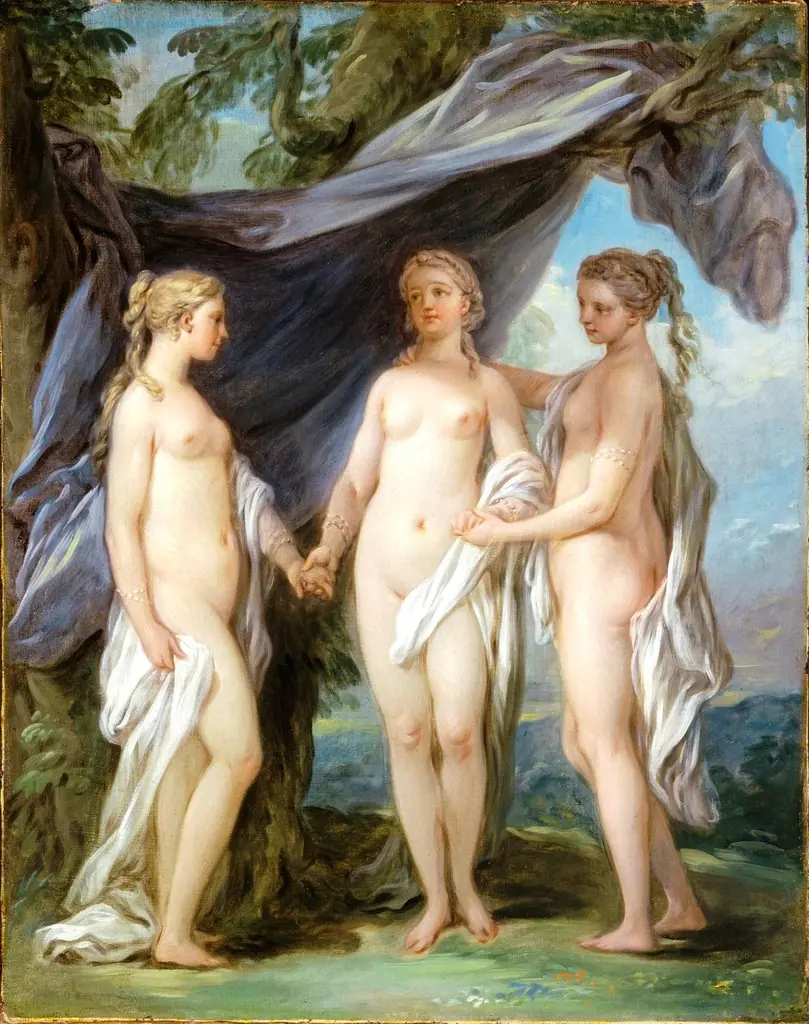 The Three Graces
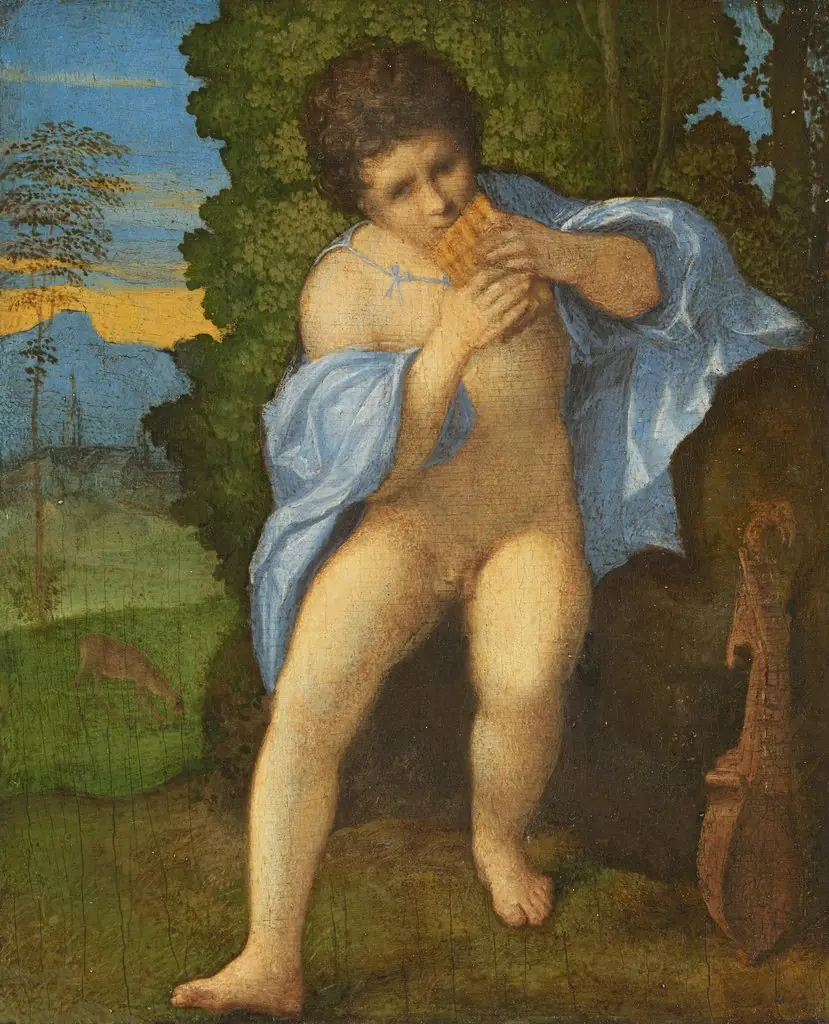 Daphnis
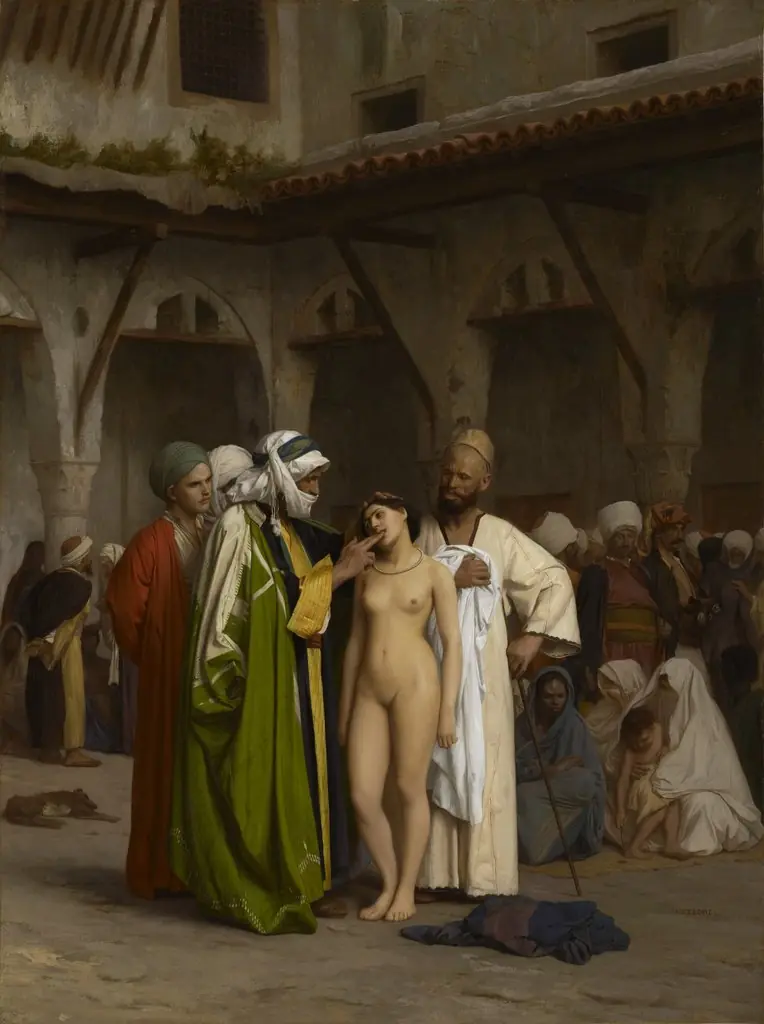 The Slave Market
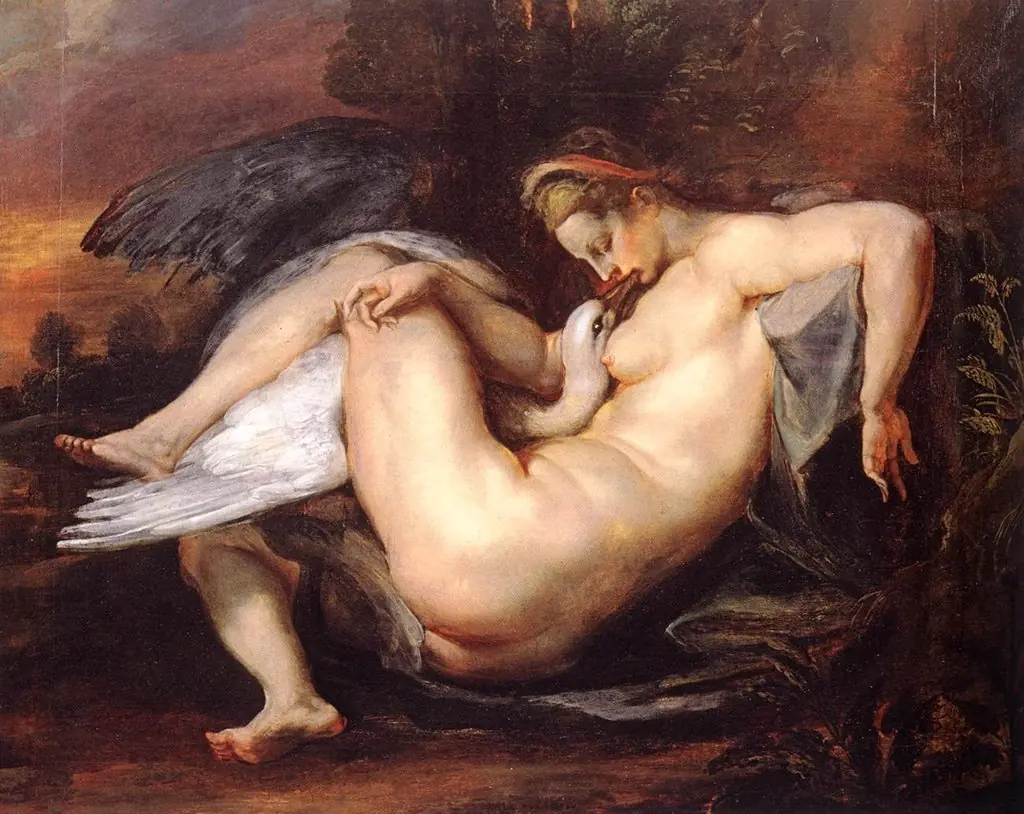 Leda and the Swan
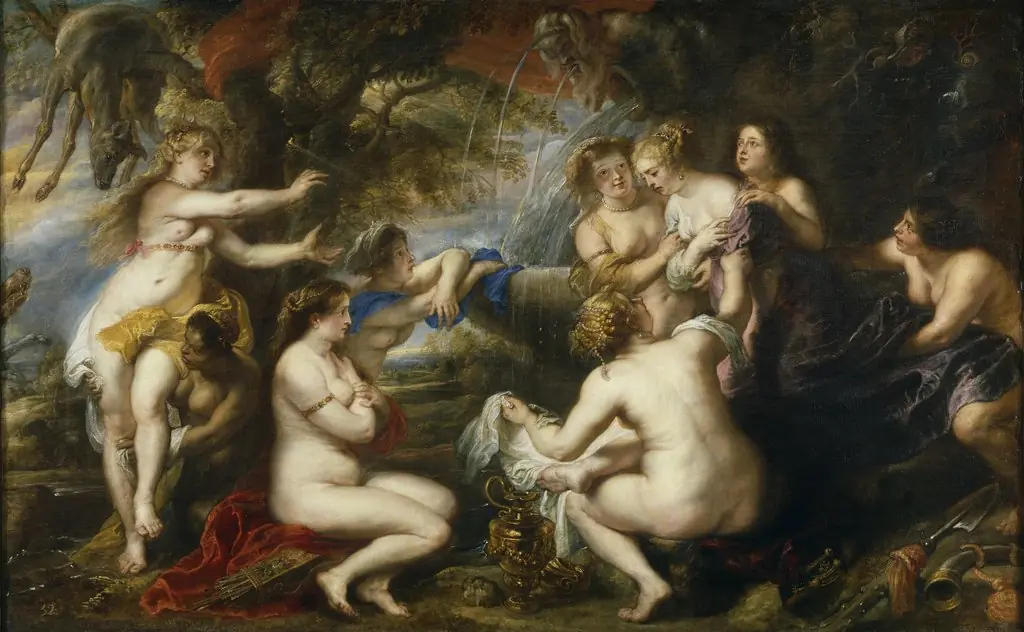 Diana and Callisto
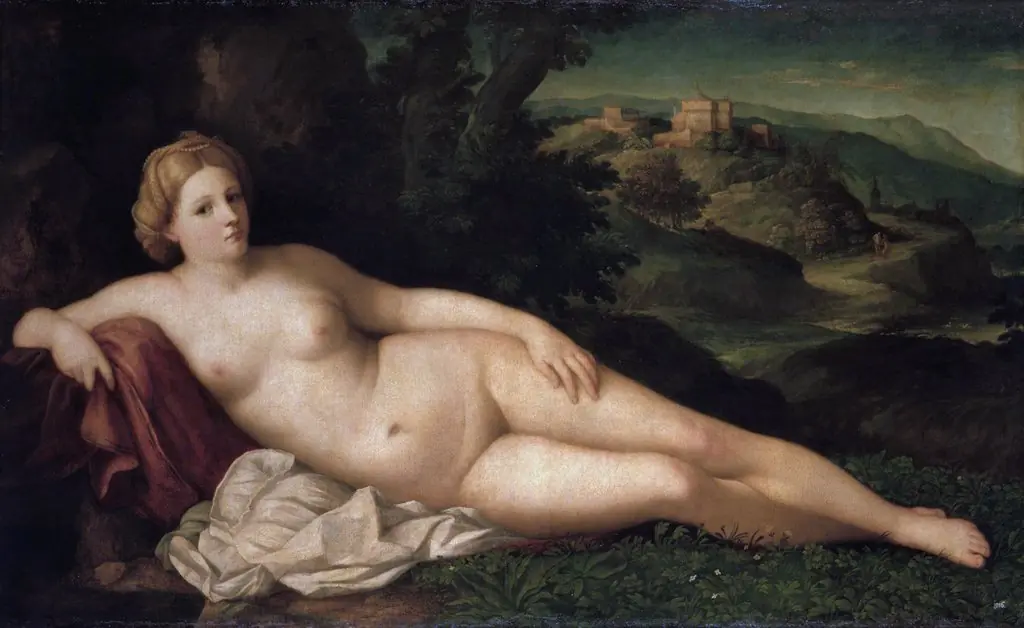 Resting Venus
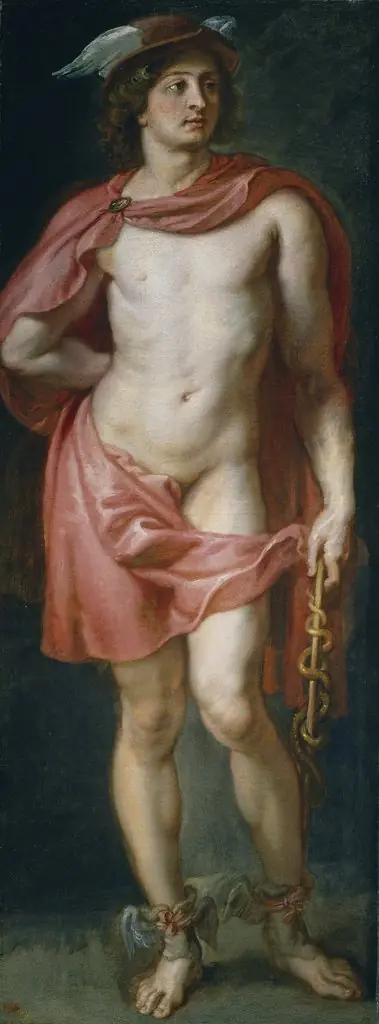 Mercury
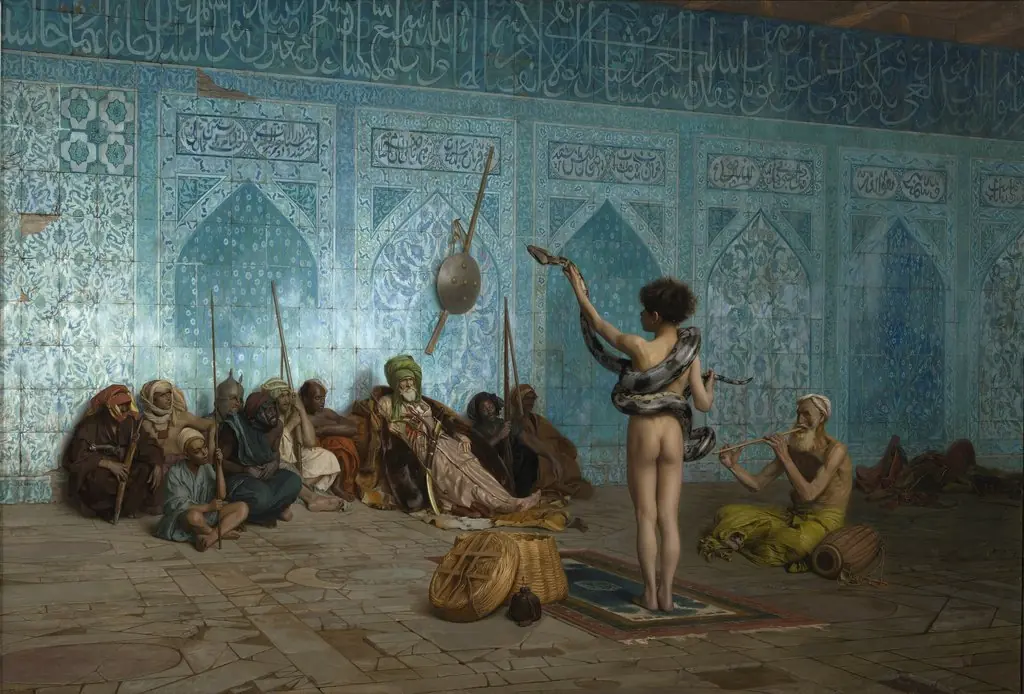 The Snake Charmer
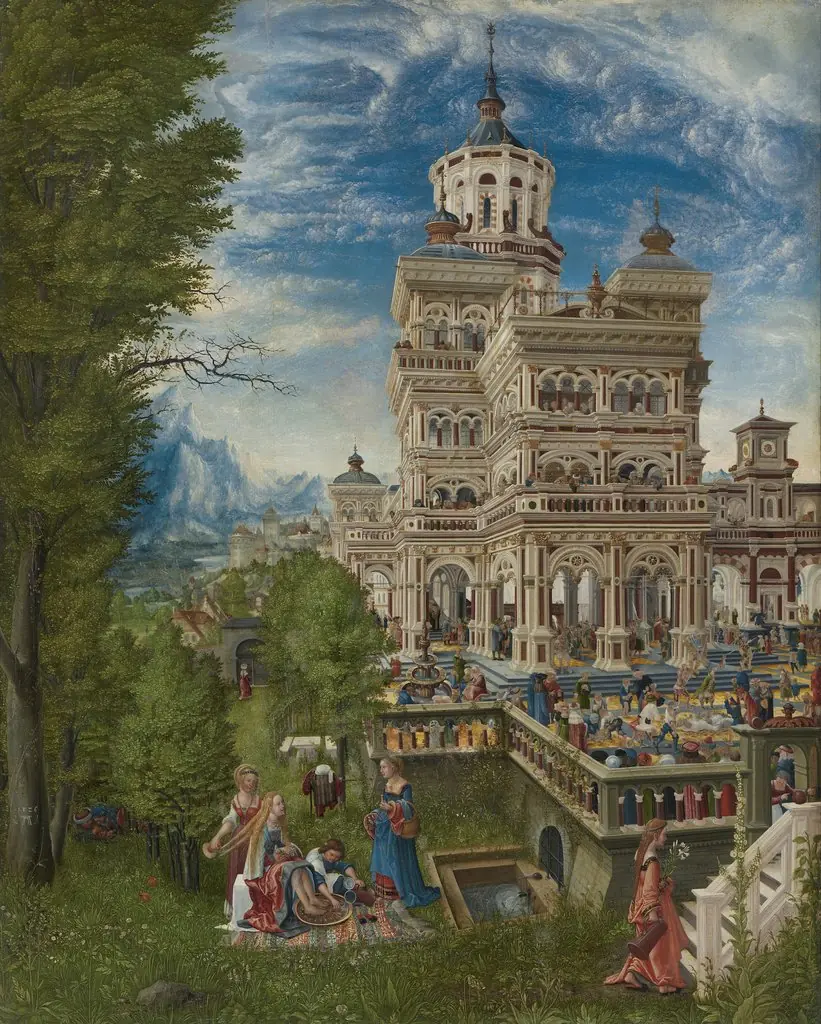 Susanna and the Elders
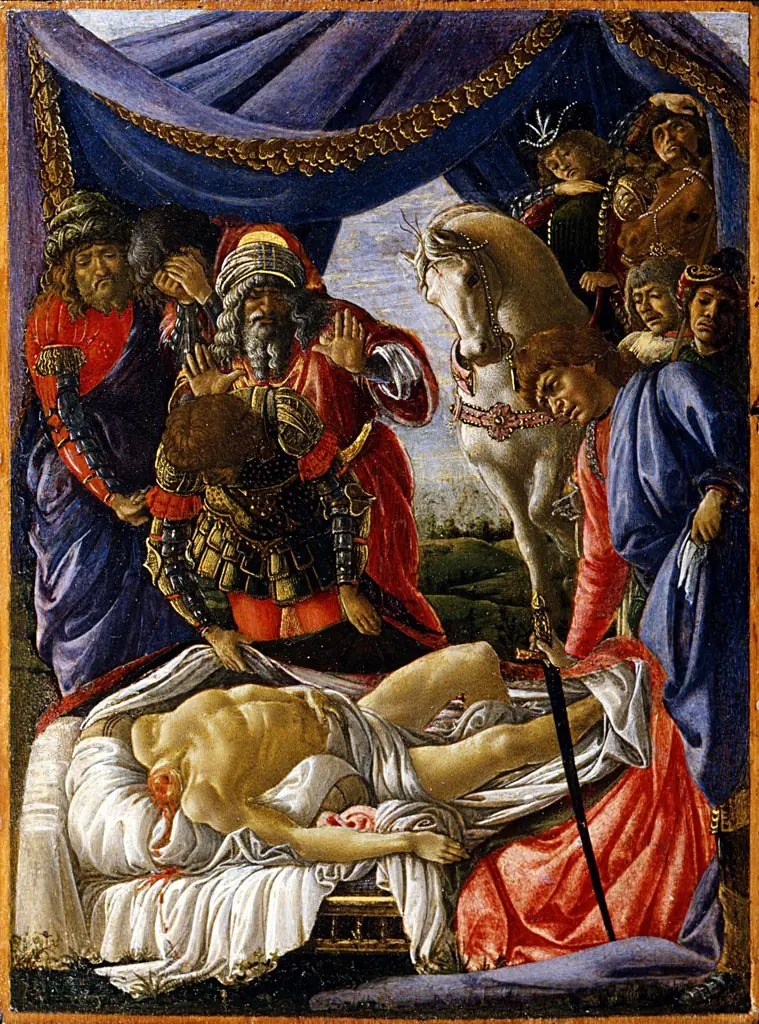 The Discovery of the Body of Holofernes
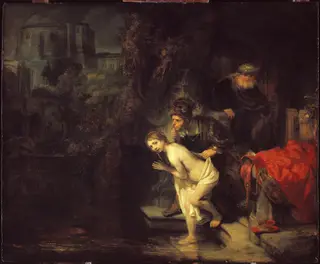 Susanna and the Elders
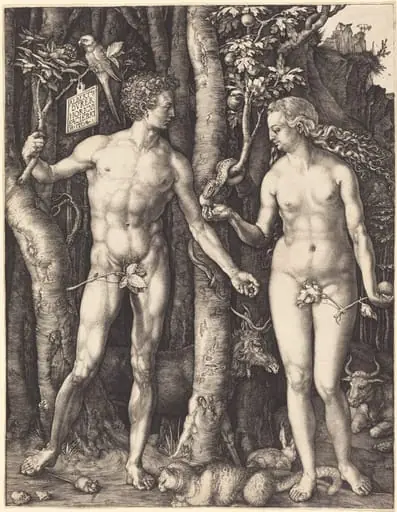 Adam and Eve
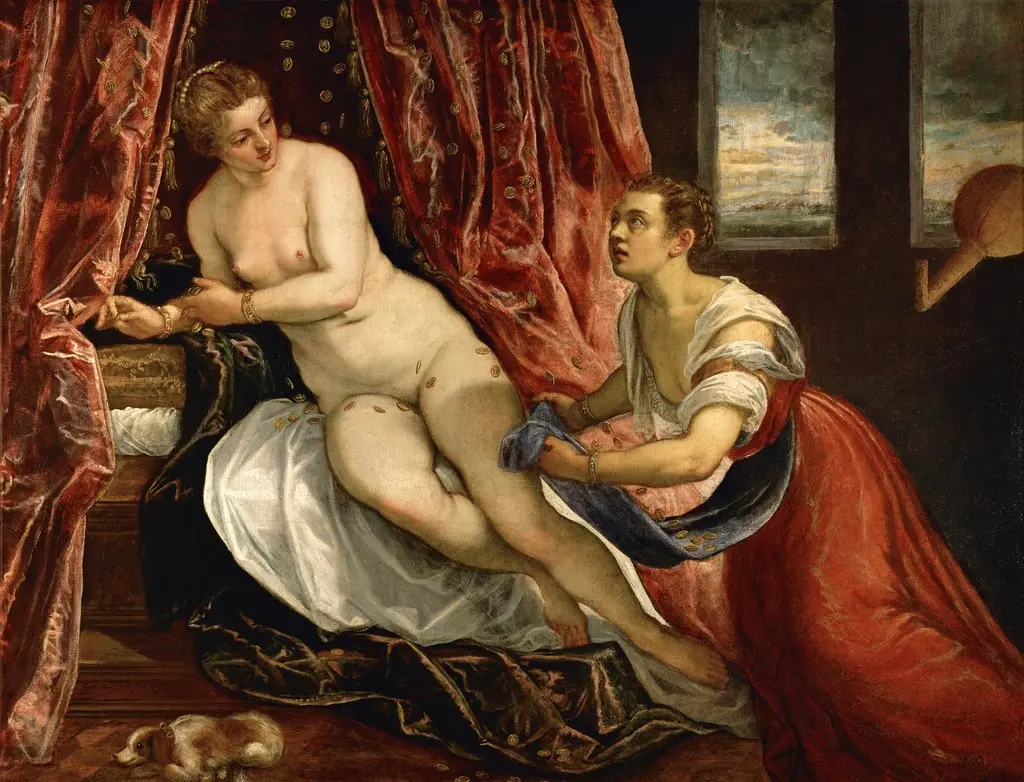 Danae
Danae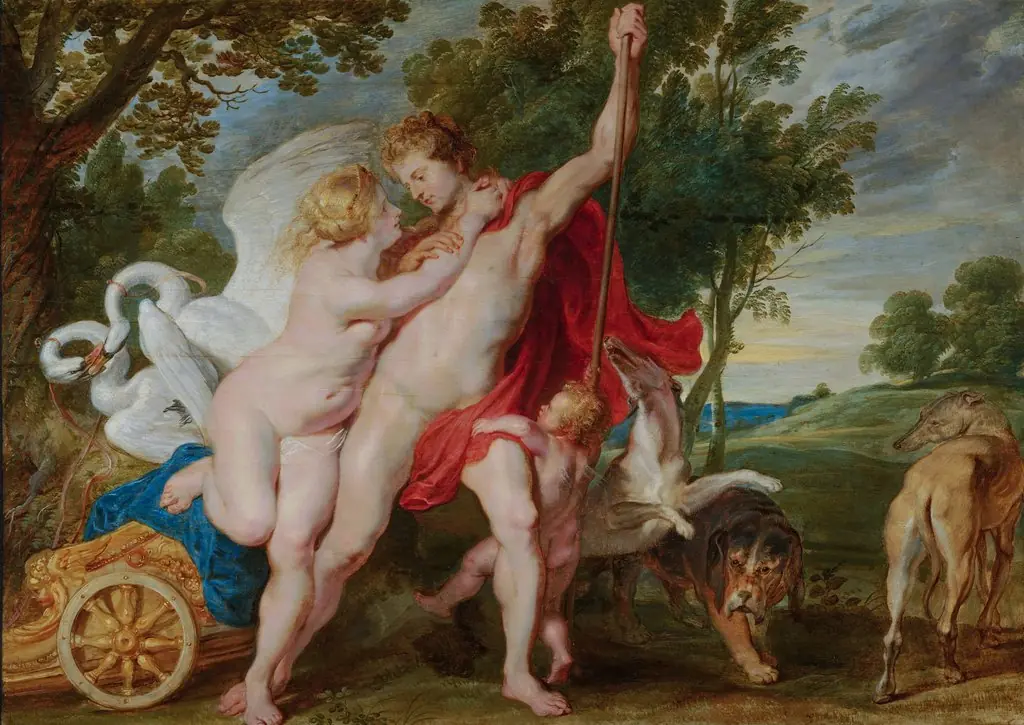 Venus trying to prevent Adonis from going hunting
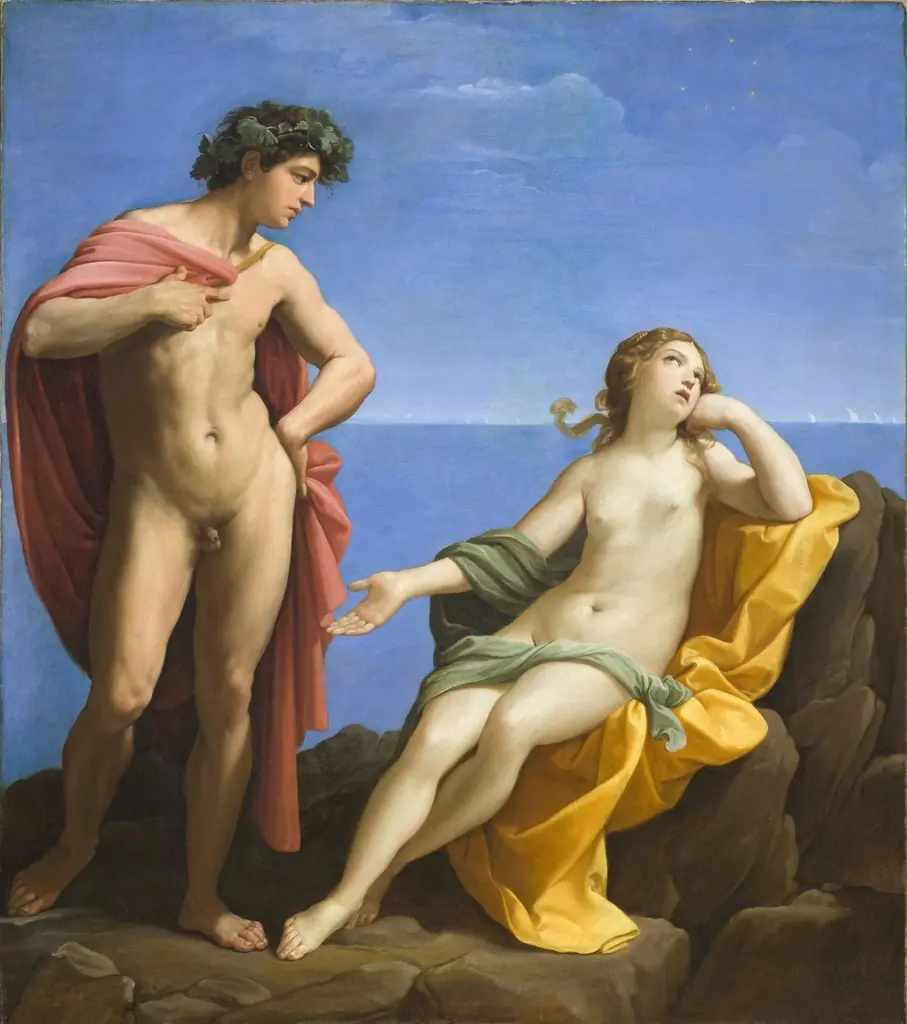 Bacchus and Ariadne
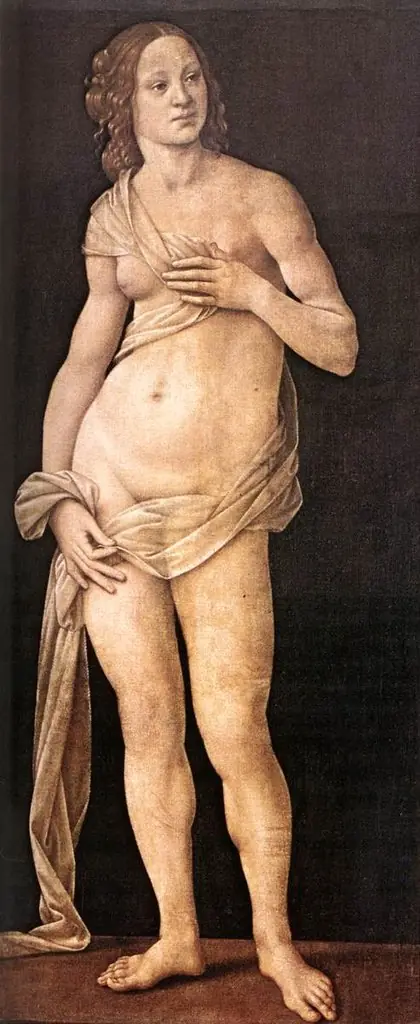 Venus
Venus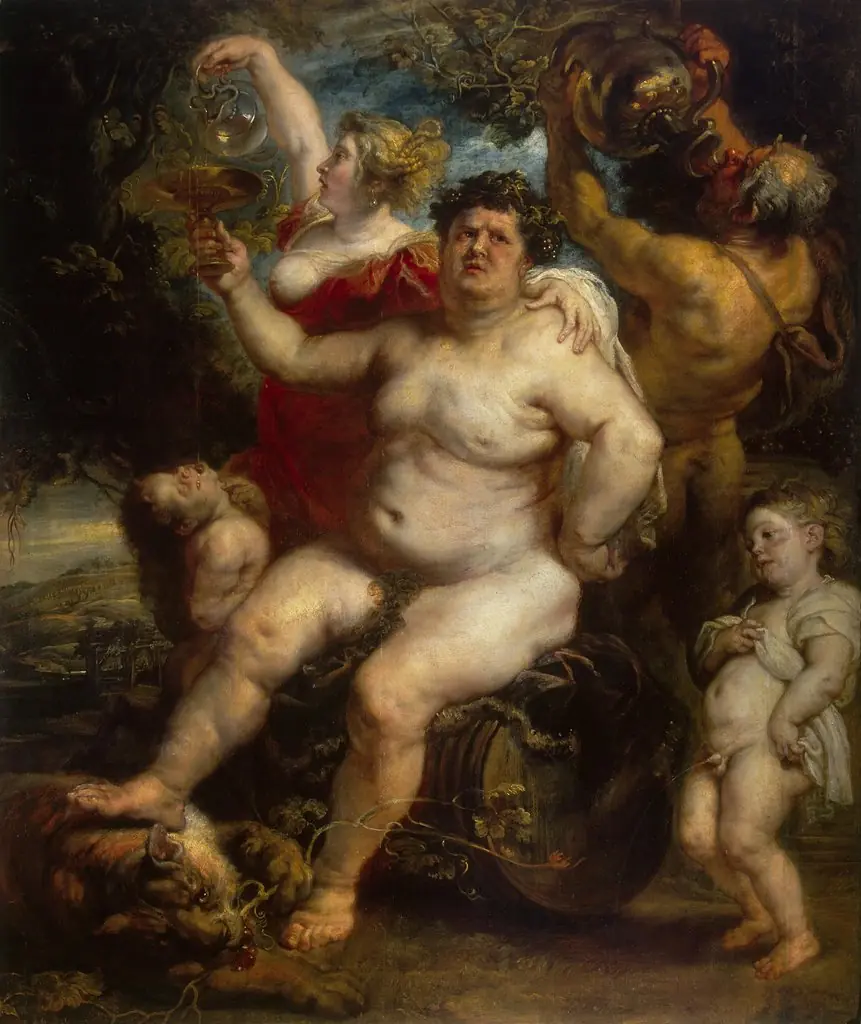 Bacchus
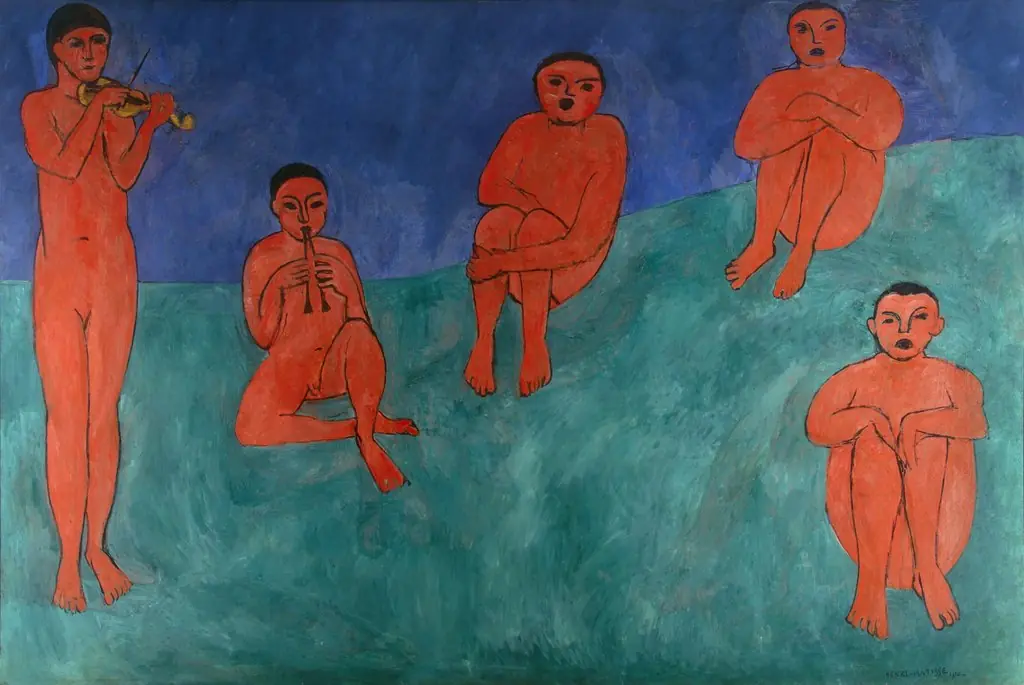 Music
Music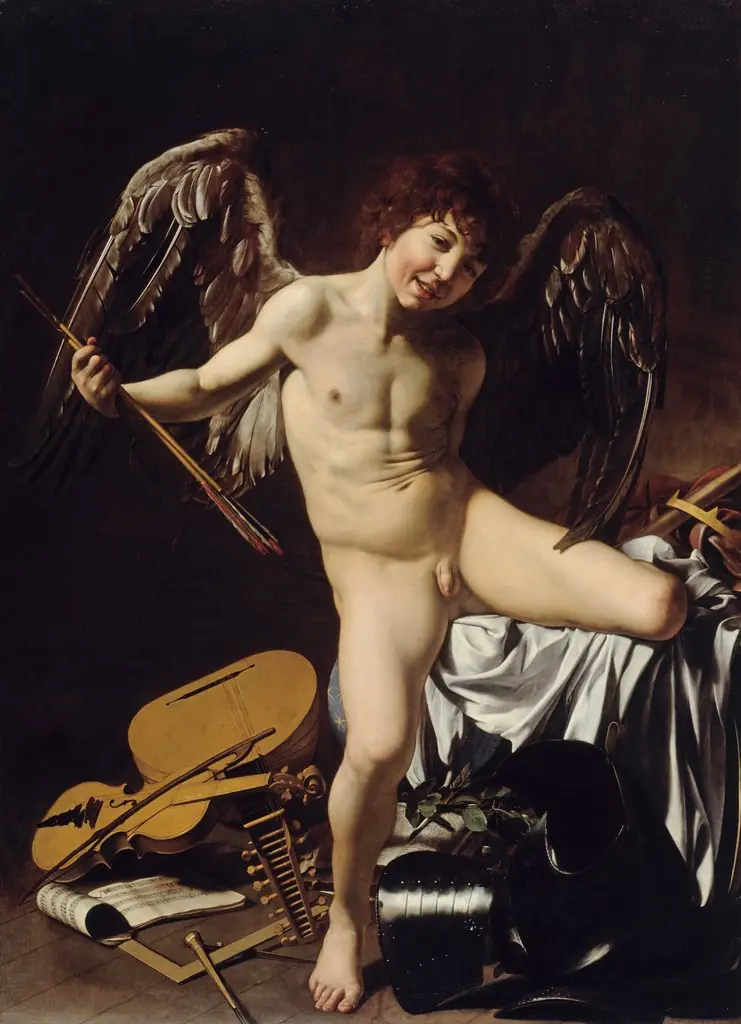 Amor Vincit Omnia
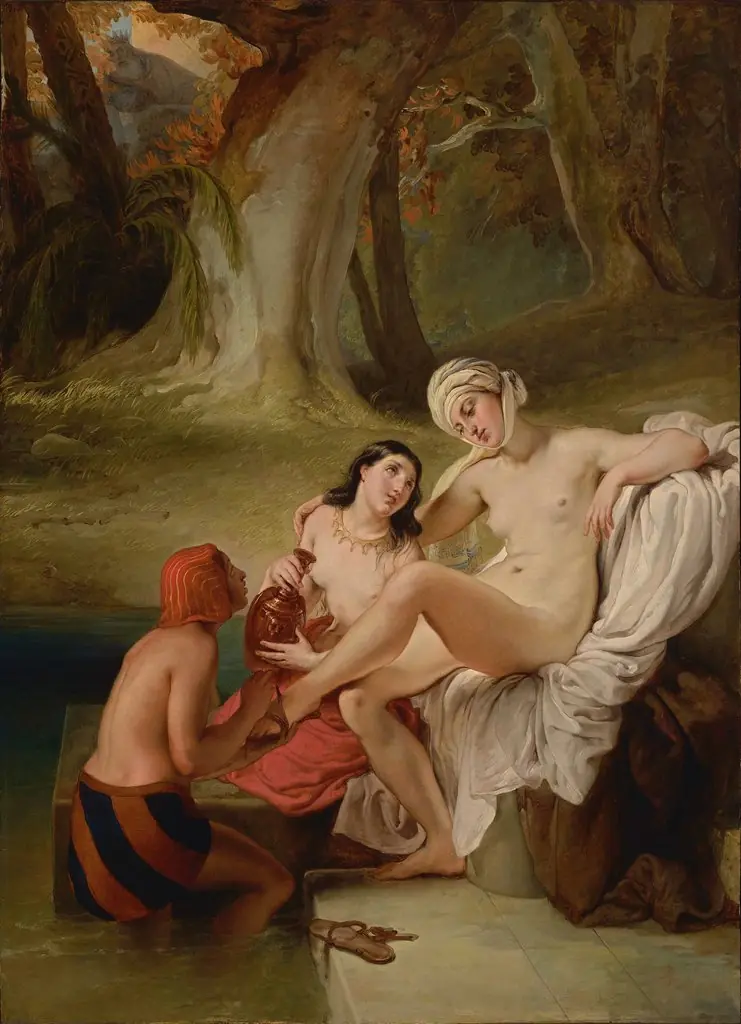 Bathsheba Bathing
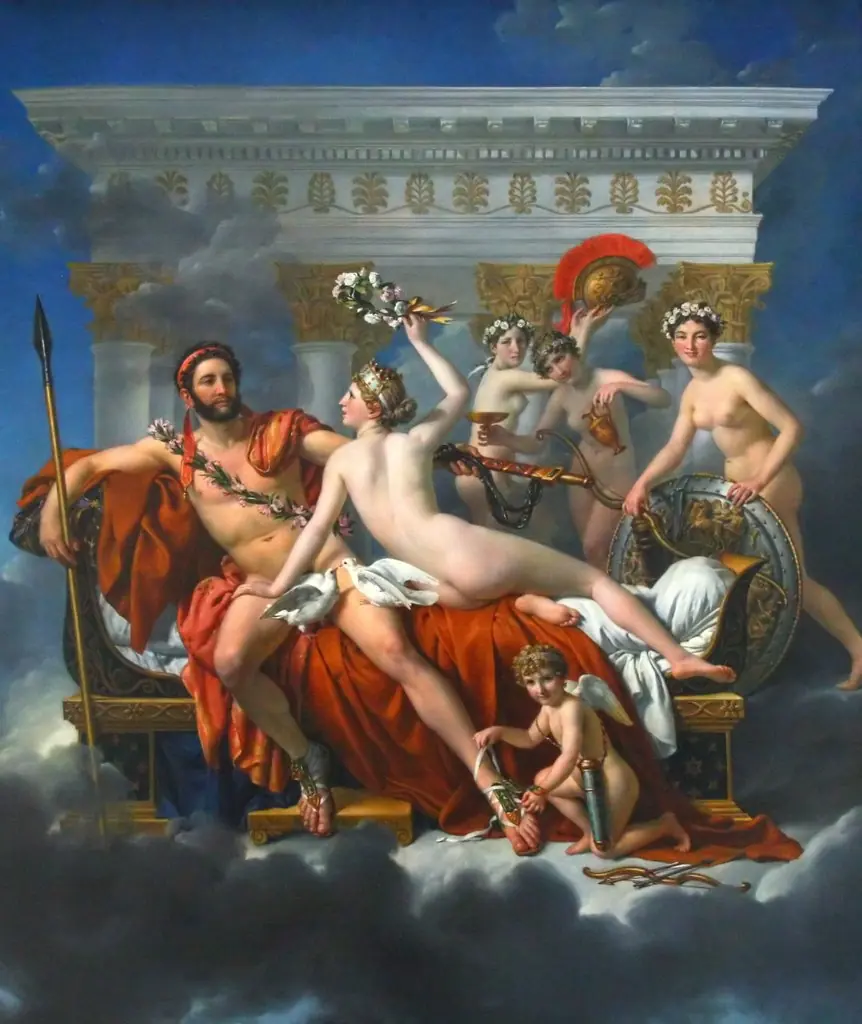 Mars Being Disarmed by Venus
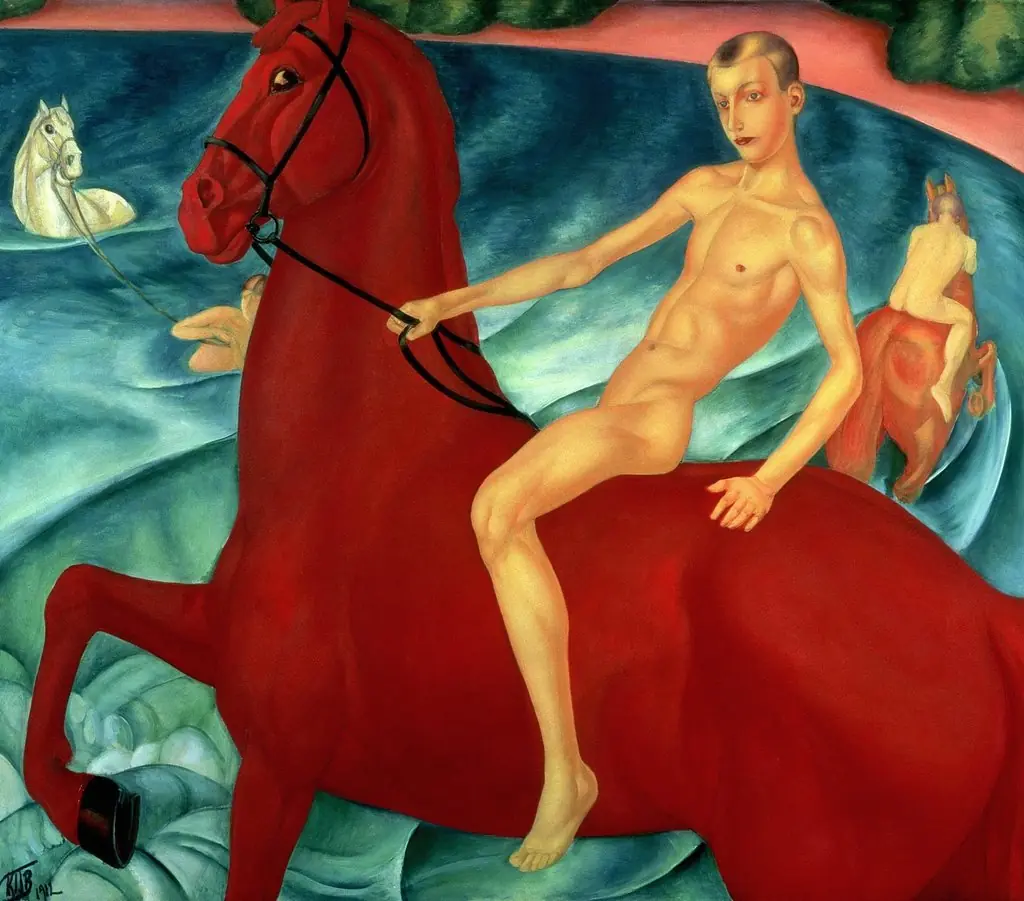 Bathing the Red Horse
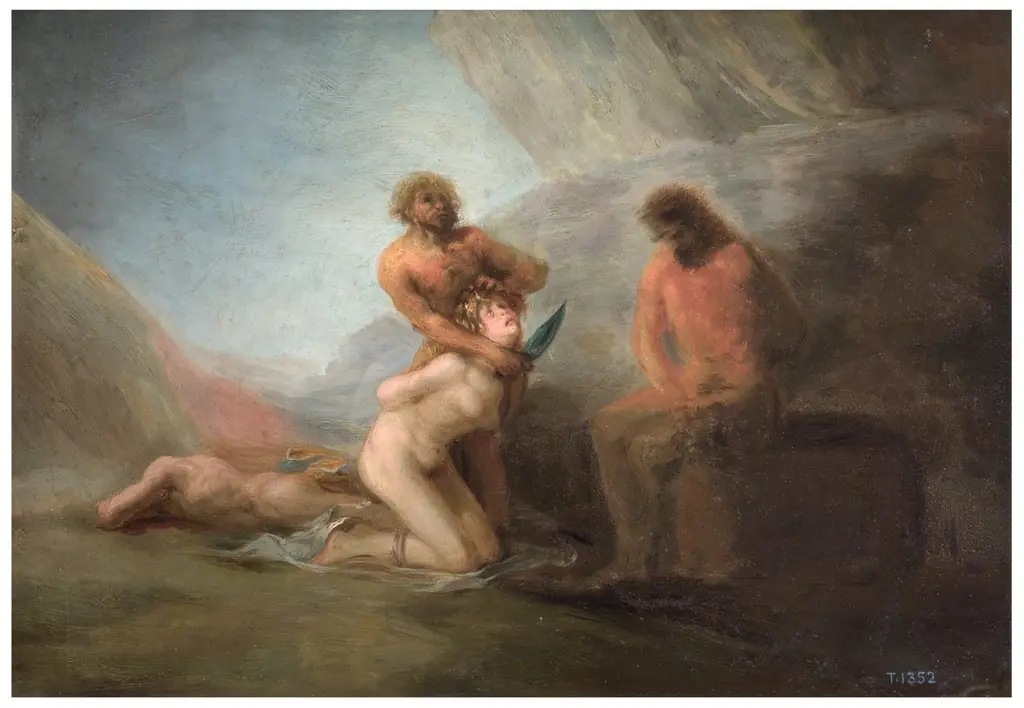 Throat-cutting
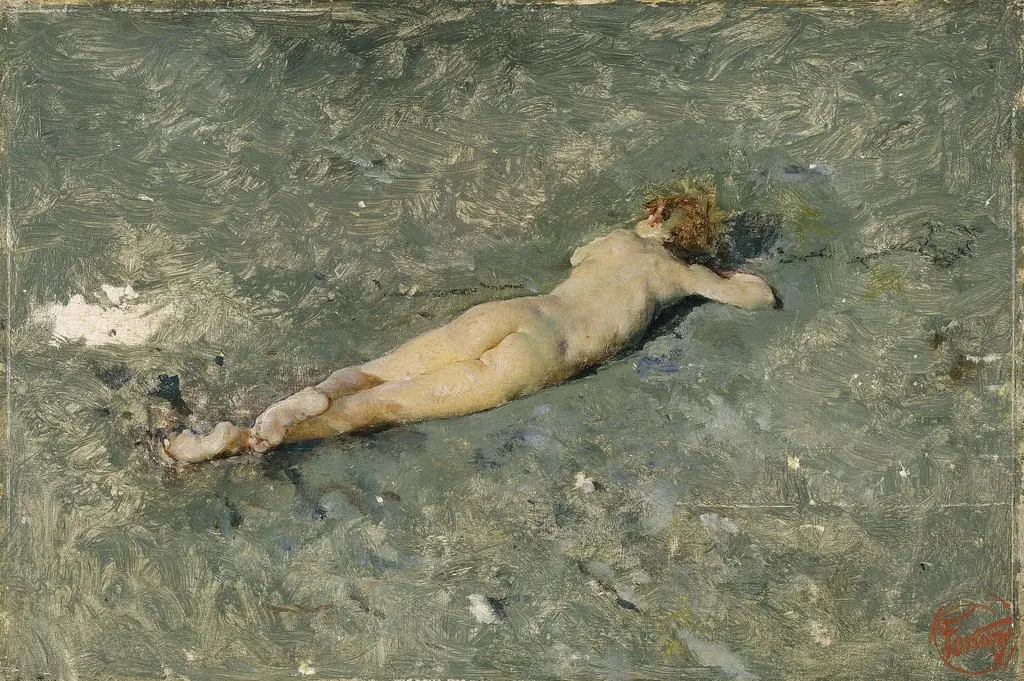 Nude Boy on the Beach at Portici
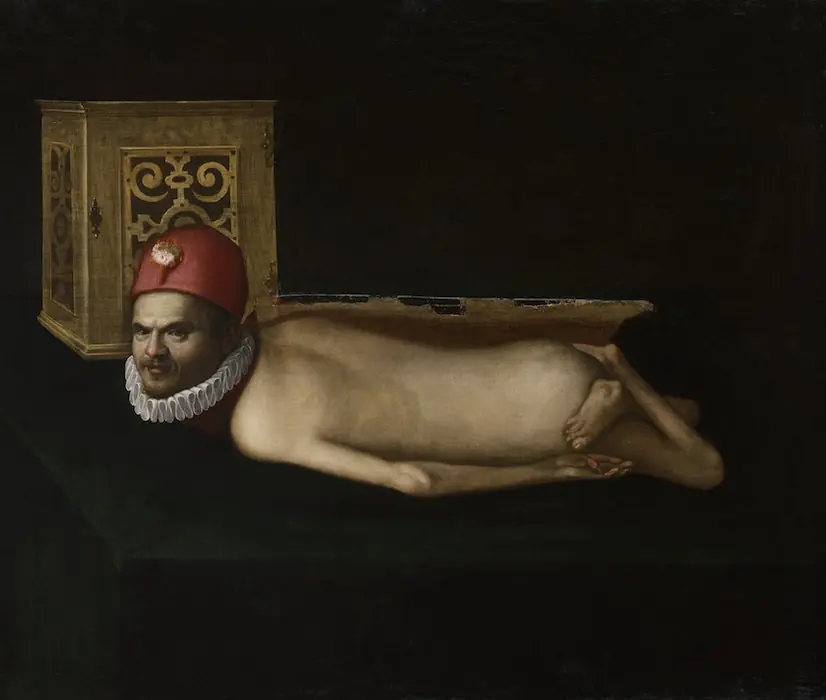 Portrait of a disabled man
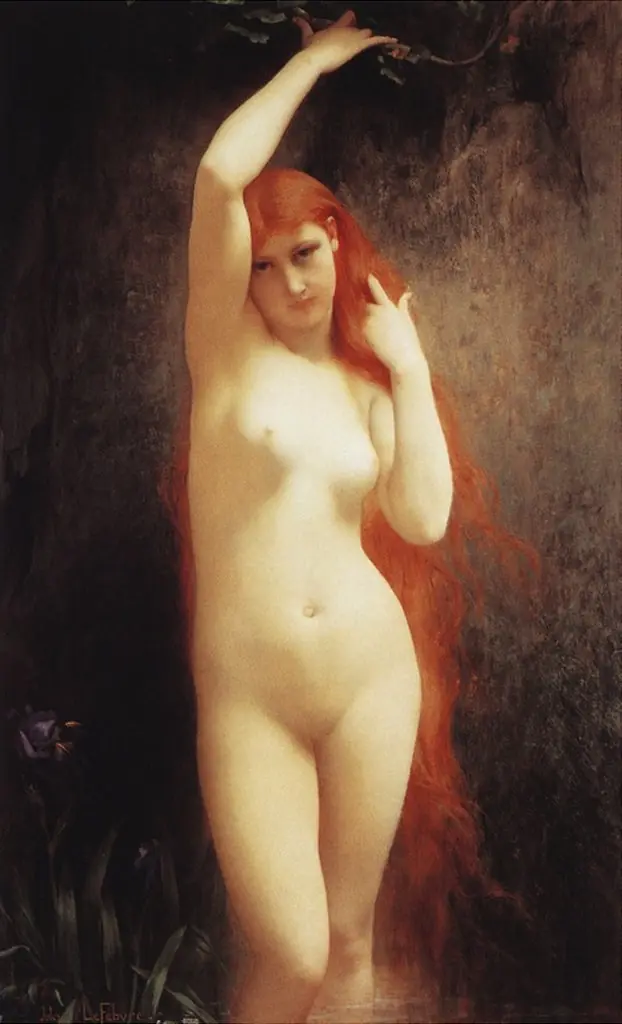 Ondine
 Nymphs Bathing
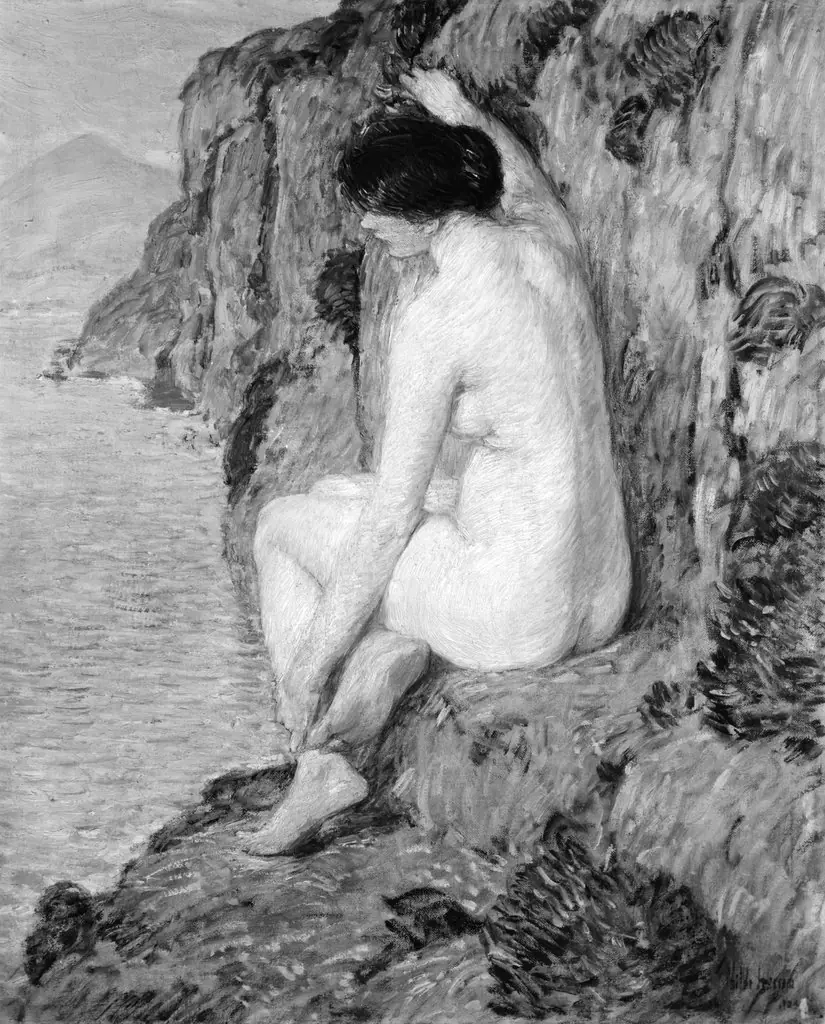 The Lorelei
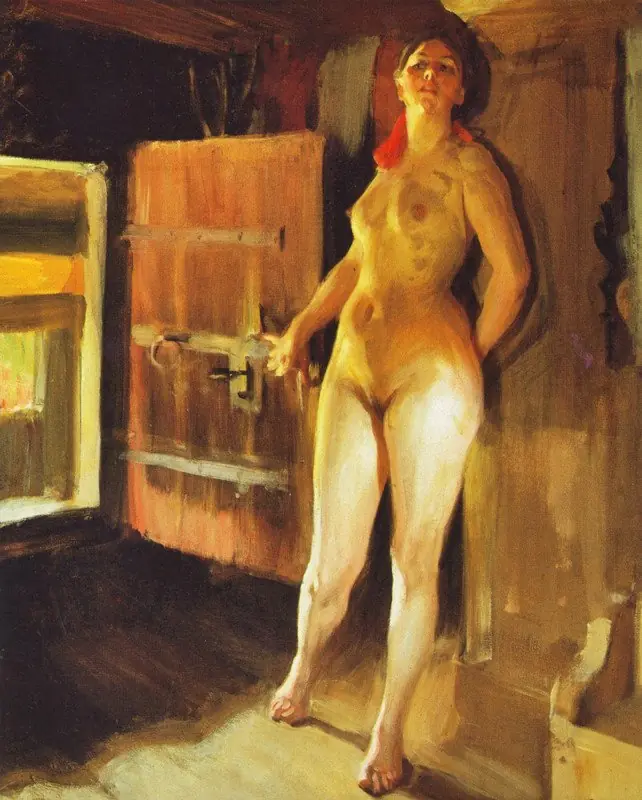 Girl in the Loft
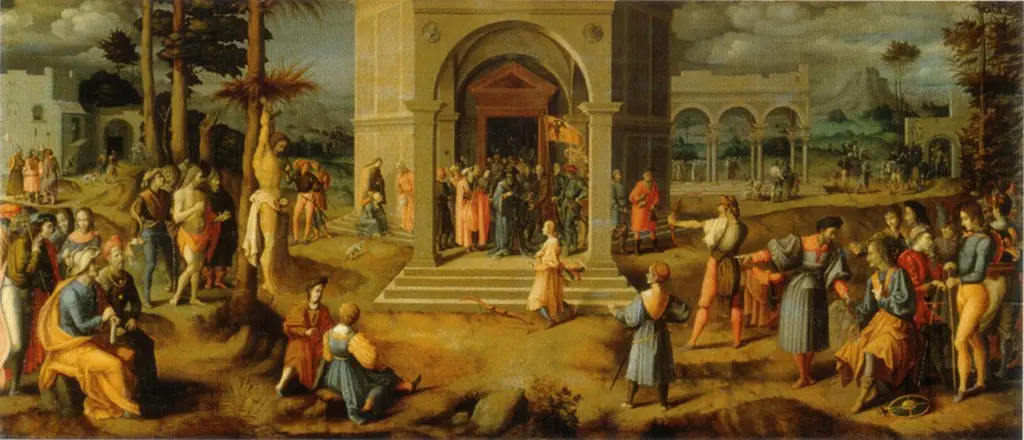 The Legend of the King's Sons
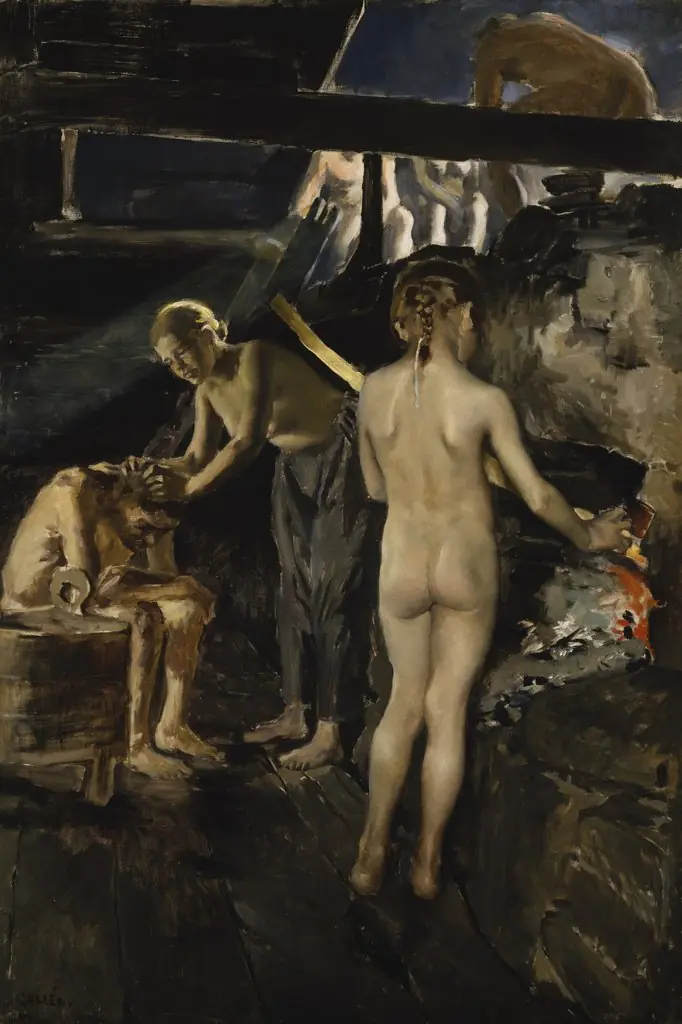 In the Sauna
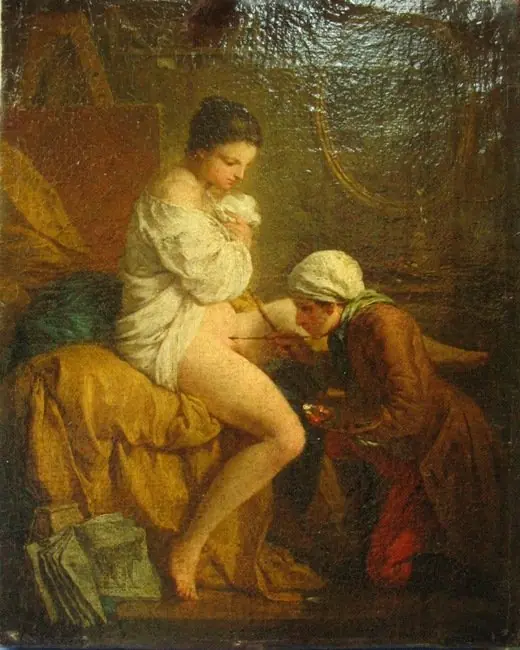 Scene from La Fontaine's Fable 'The Mare of Peasant Pierre'
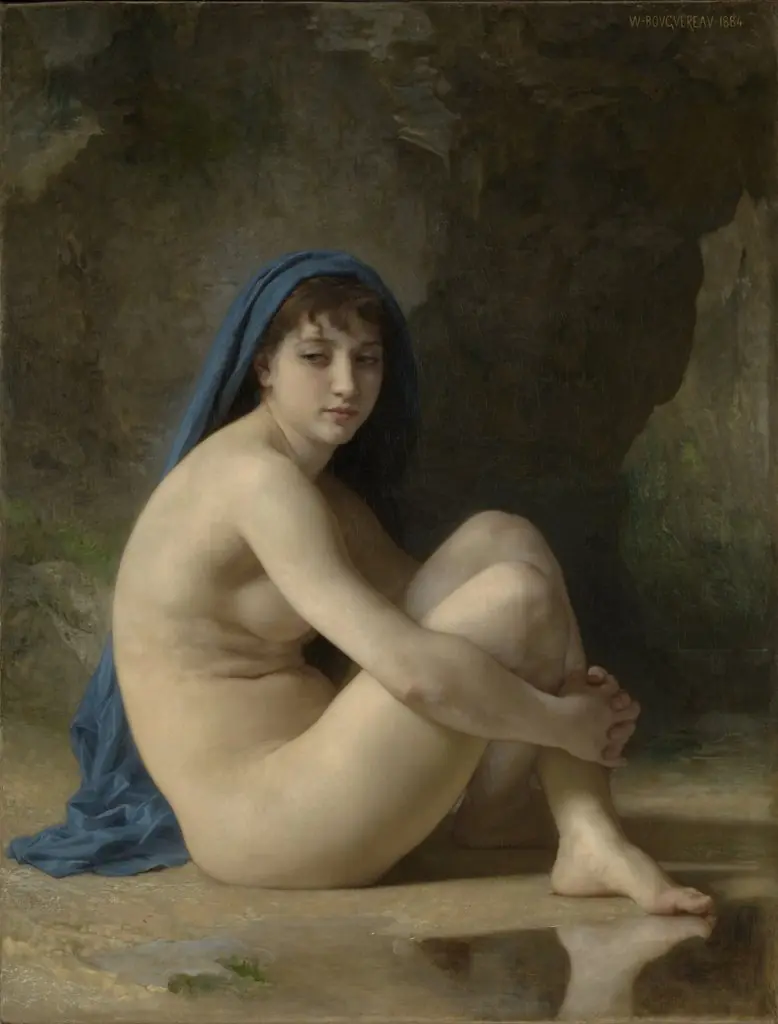 Seated Nude
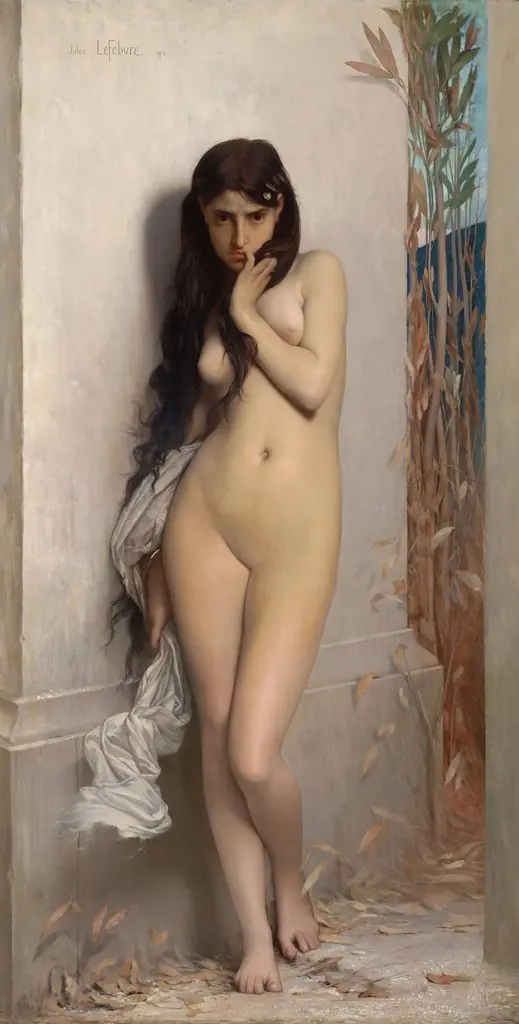 The Cicada
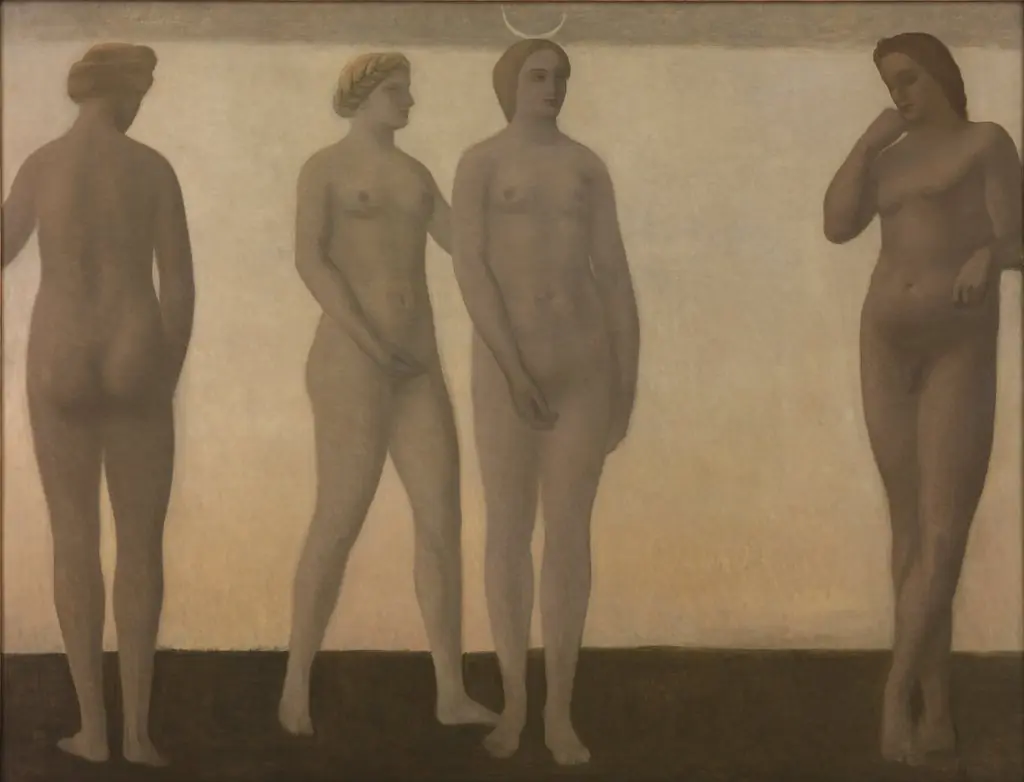 Artemis
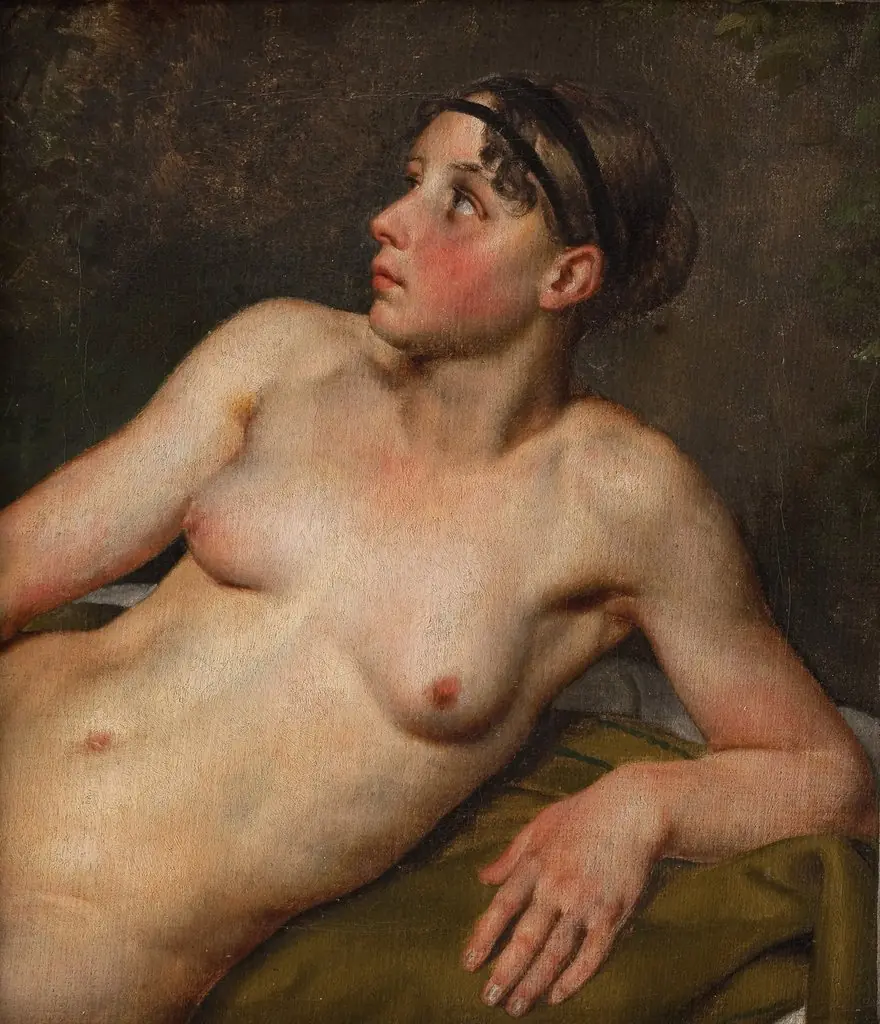 Reclining Female Nude
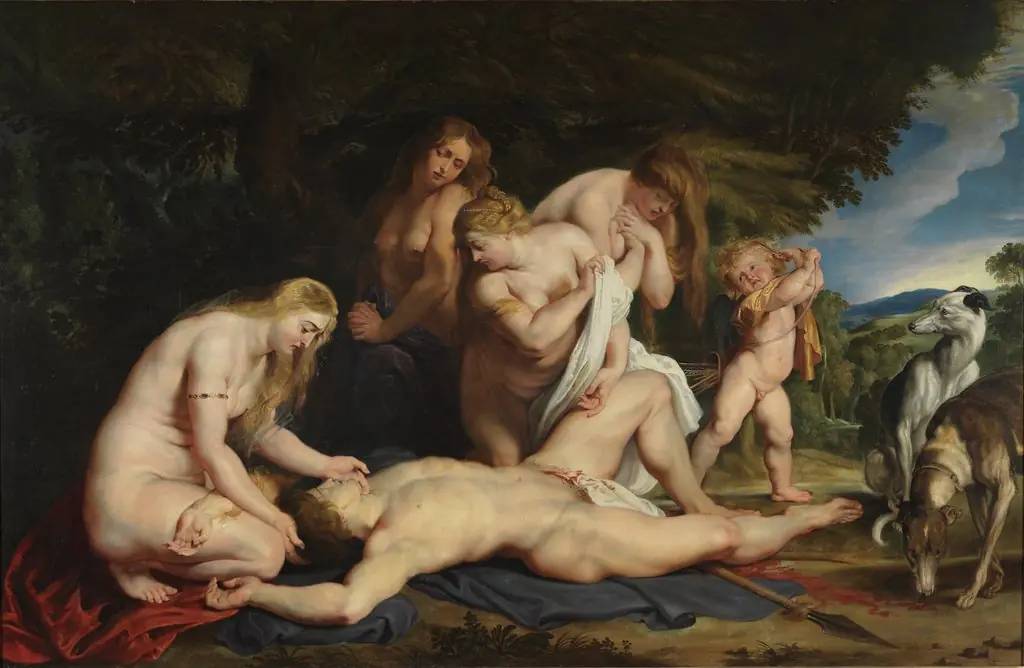 The Death of Adonis
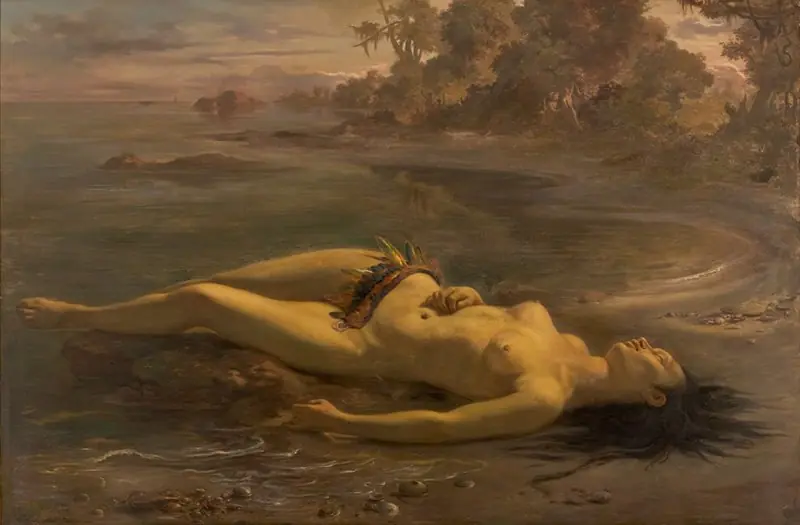 Moema
Moema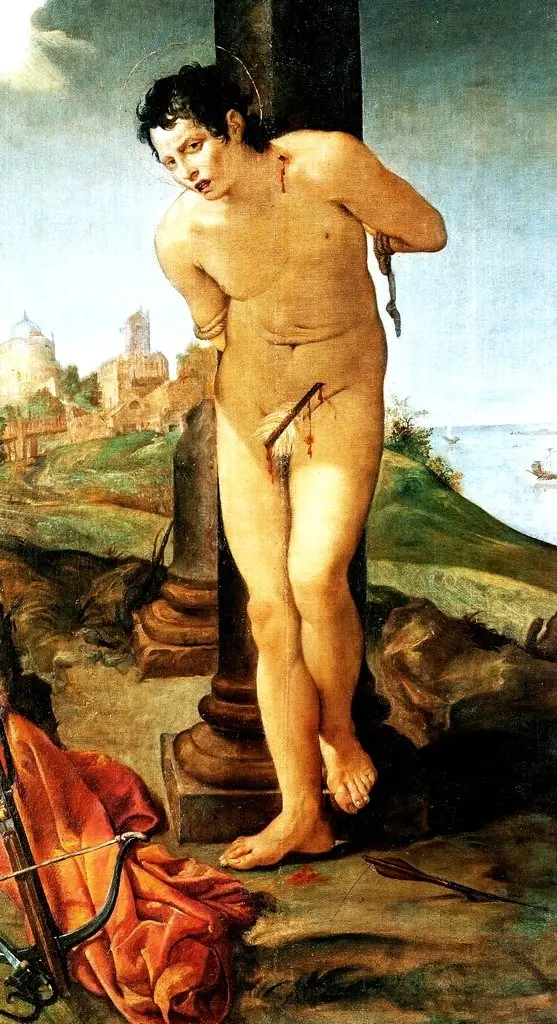 Saint Sebastian
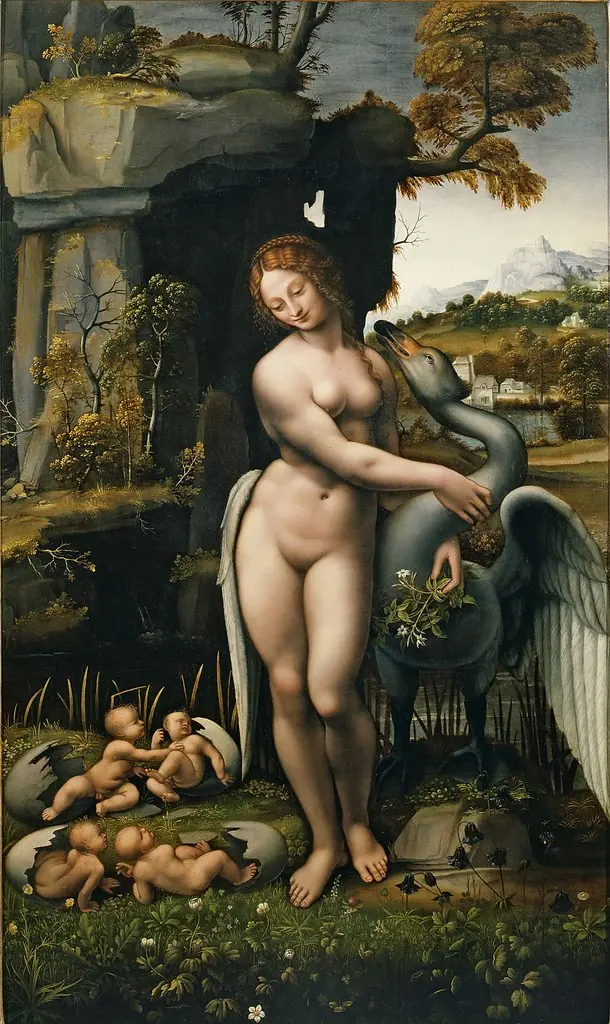 Leda and the Swan
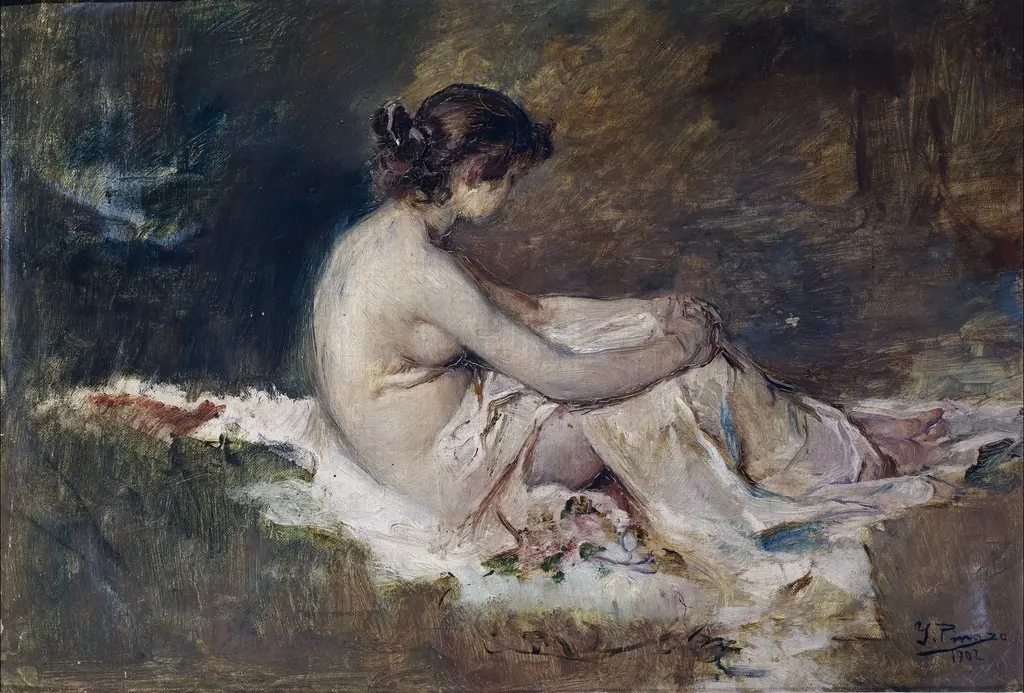 Female Nude
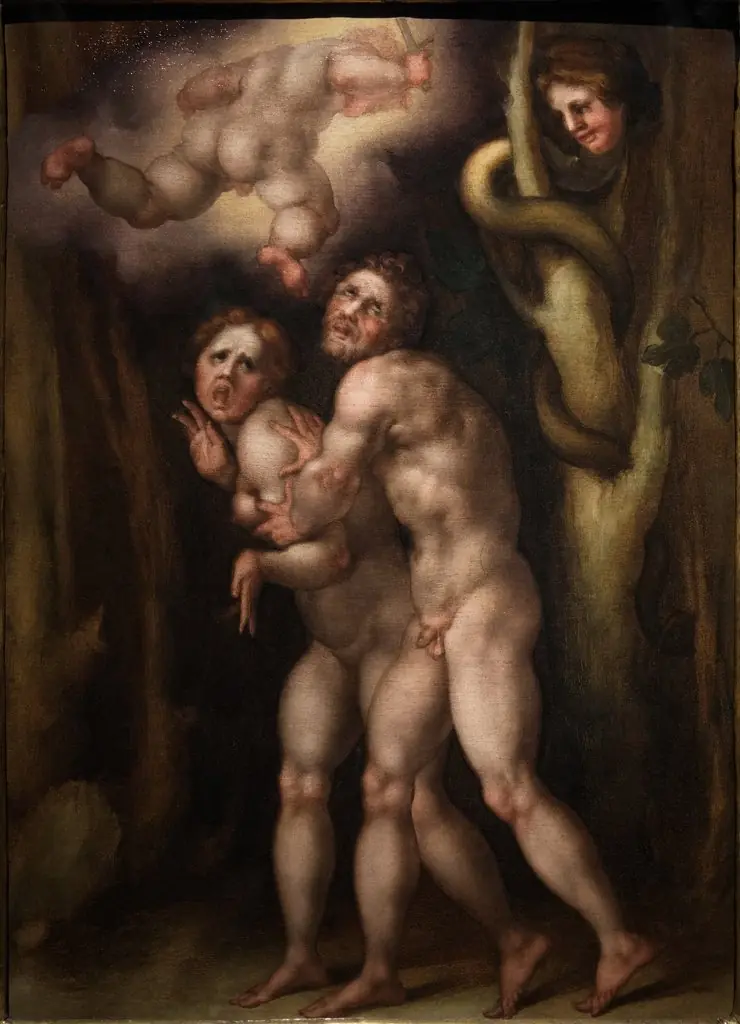 Expulsion of Adam and Eve
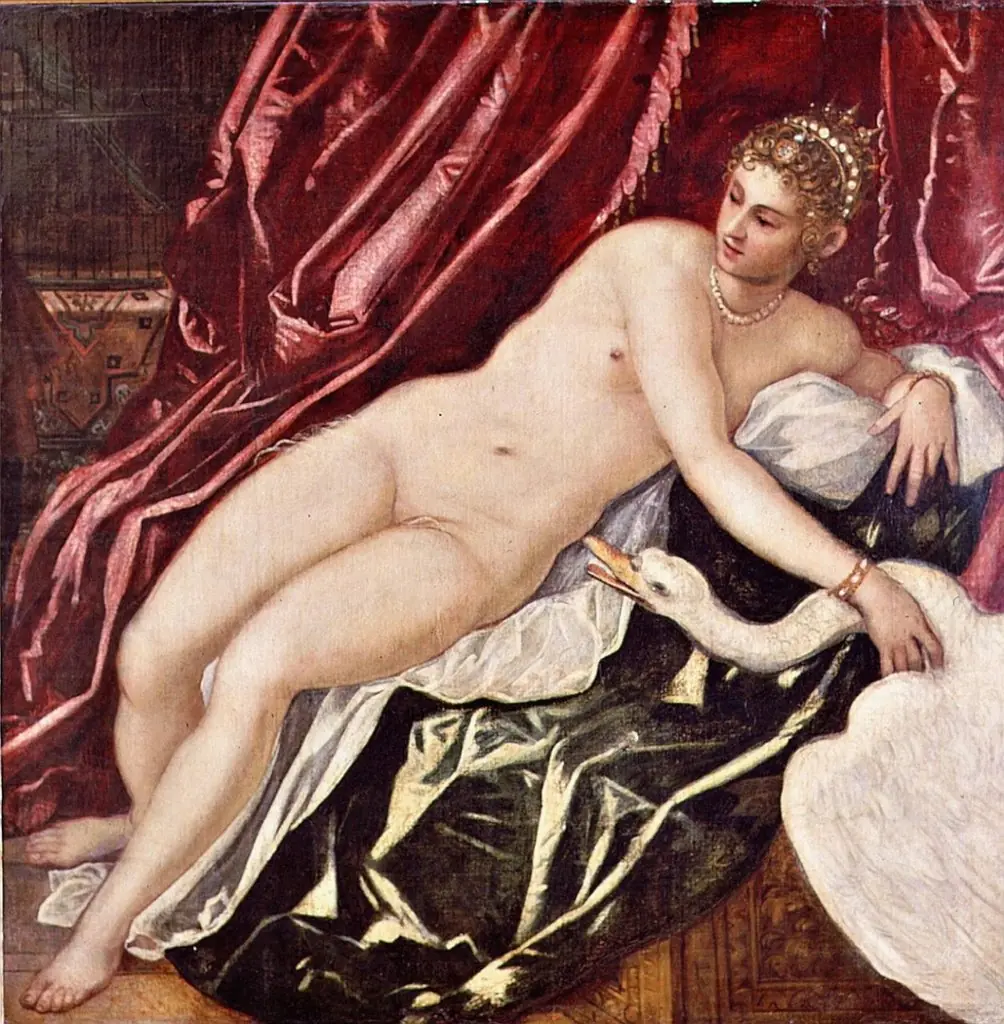 Leda and the Swan
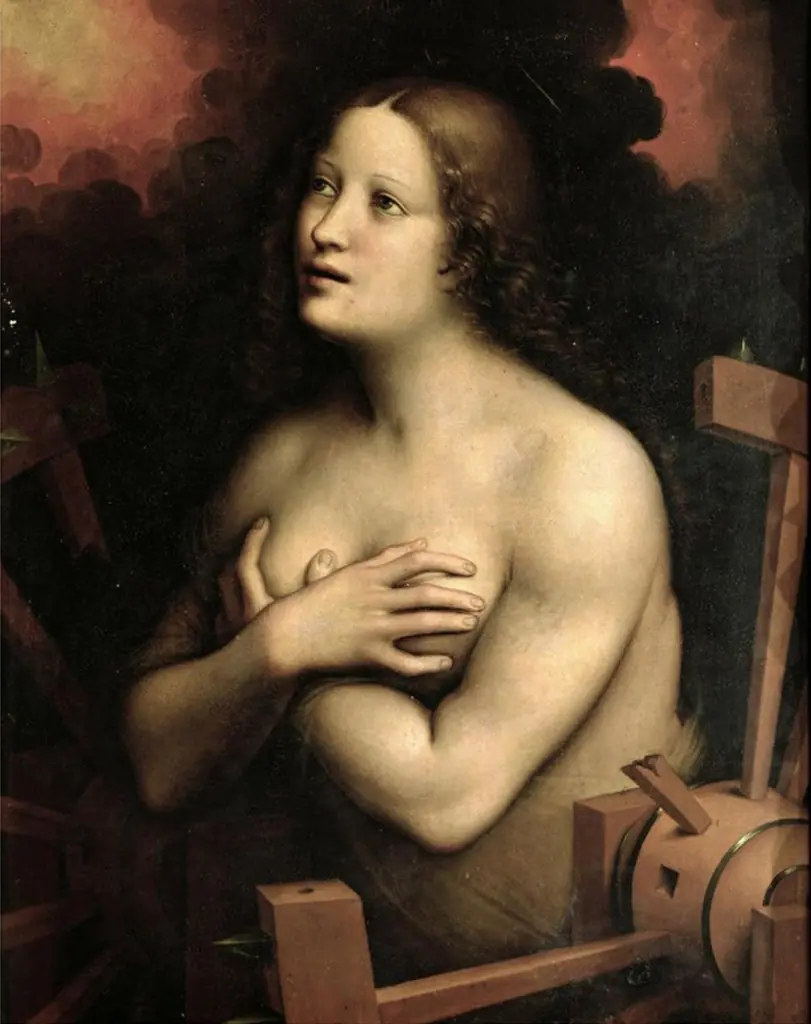 Saint Catherine of Alexandria
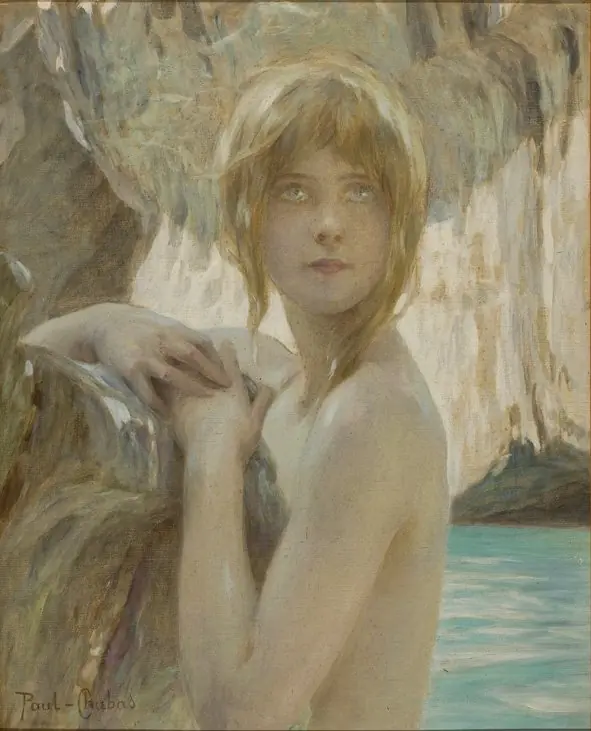 Blonde Nymph
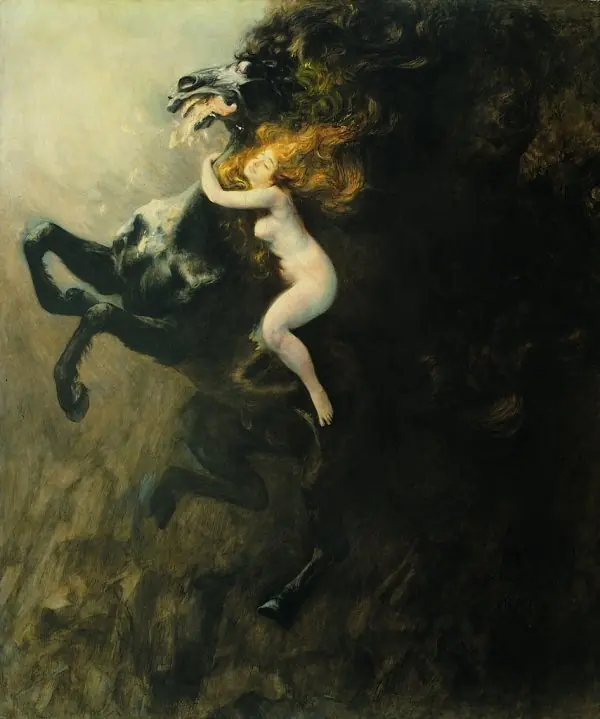 Frenzy of Exultations
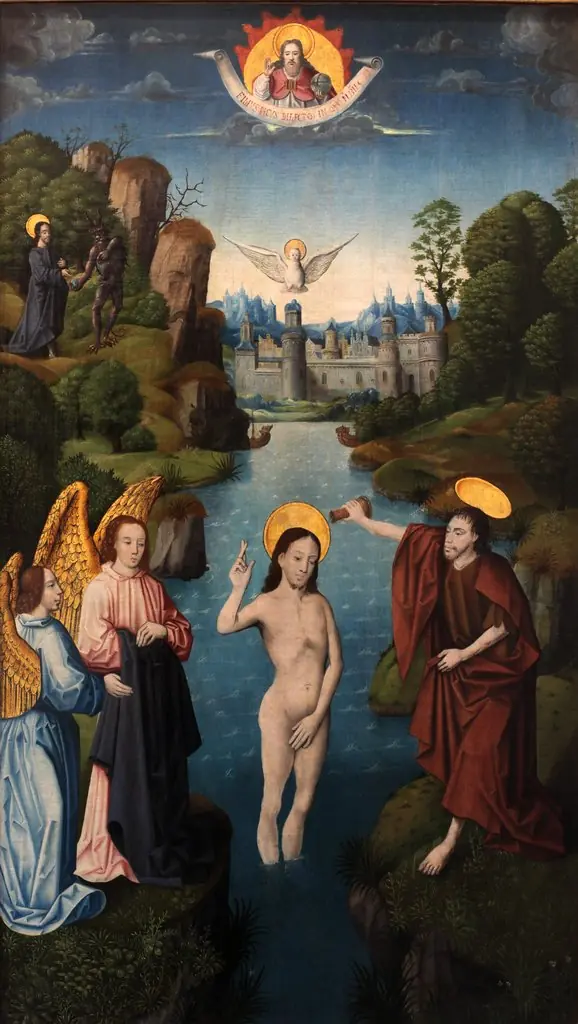 Le baptême du Christ
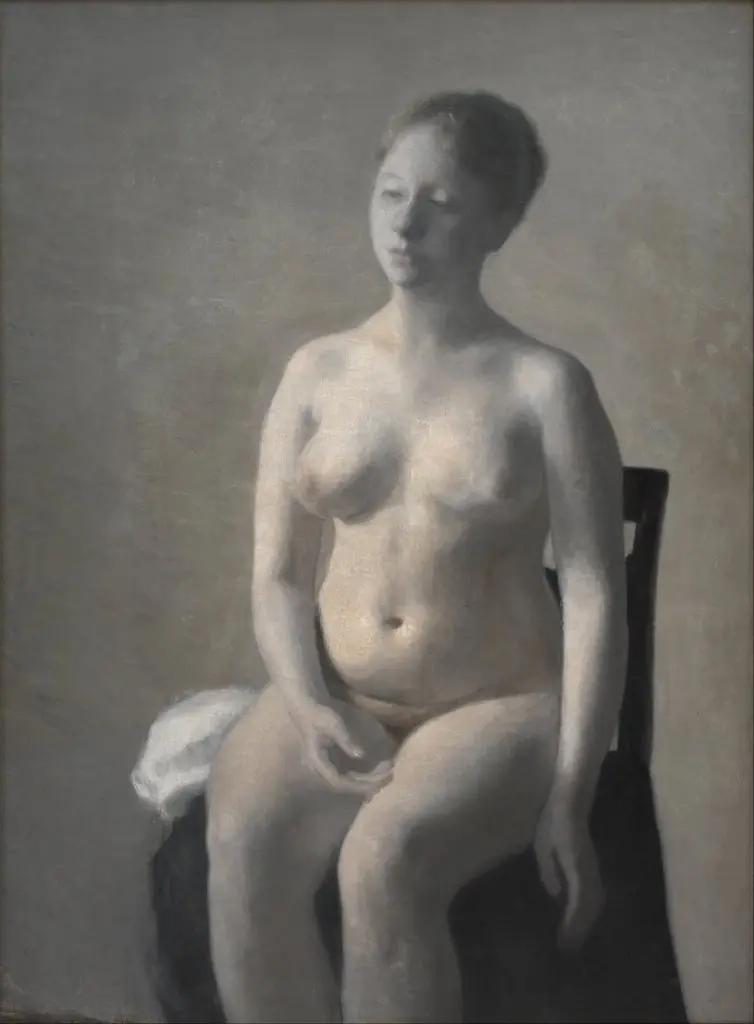 Seated Female Nude
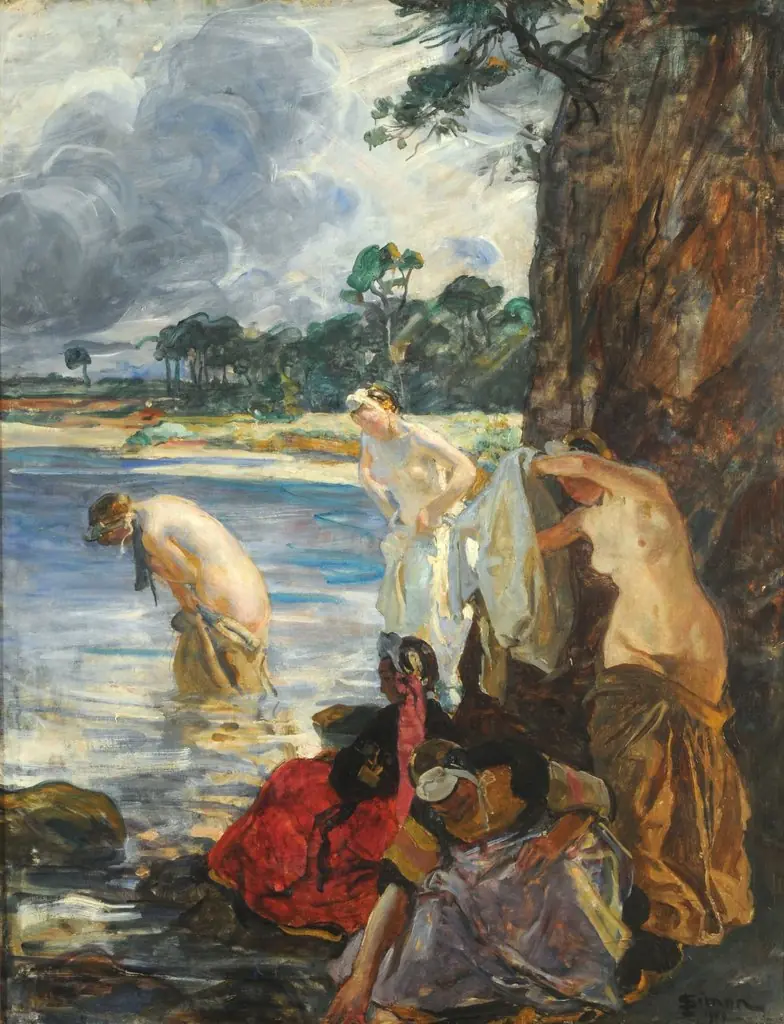 Bañistas
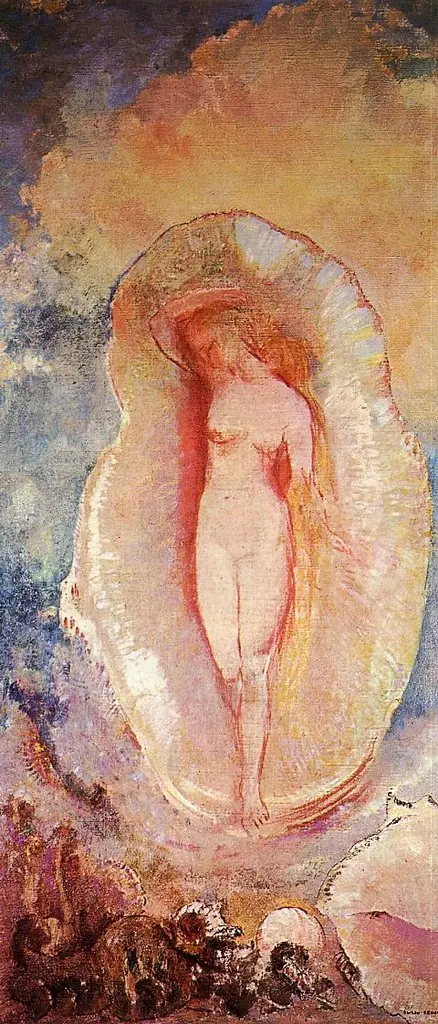 The Birth of Venus
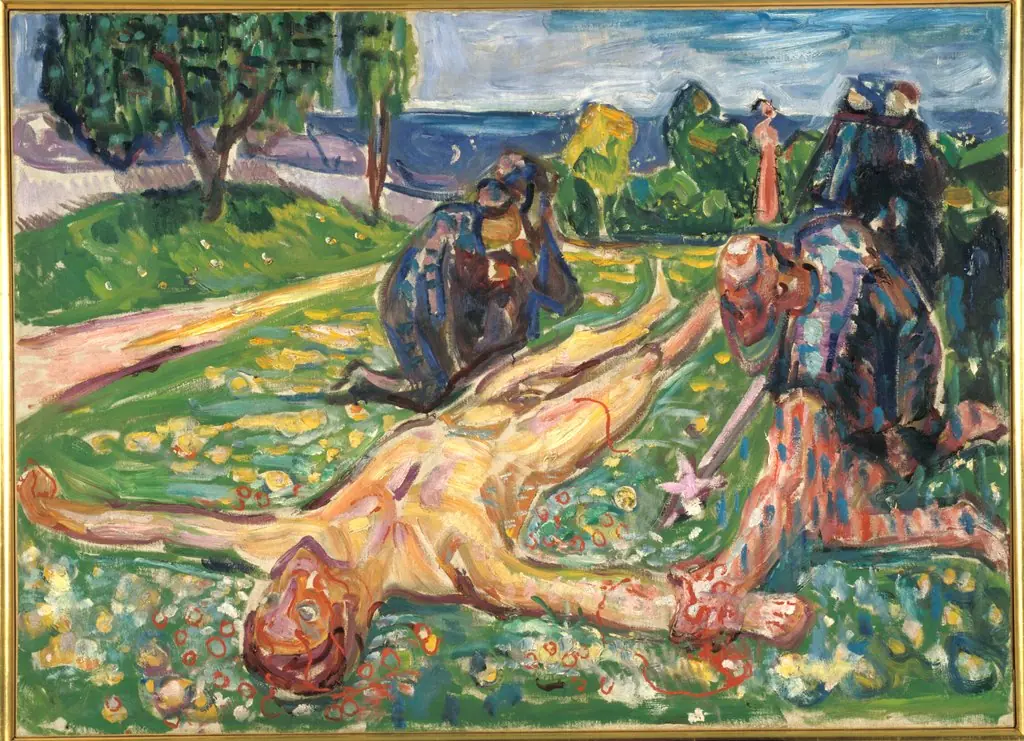 Sigurd Slembe
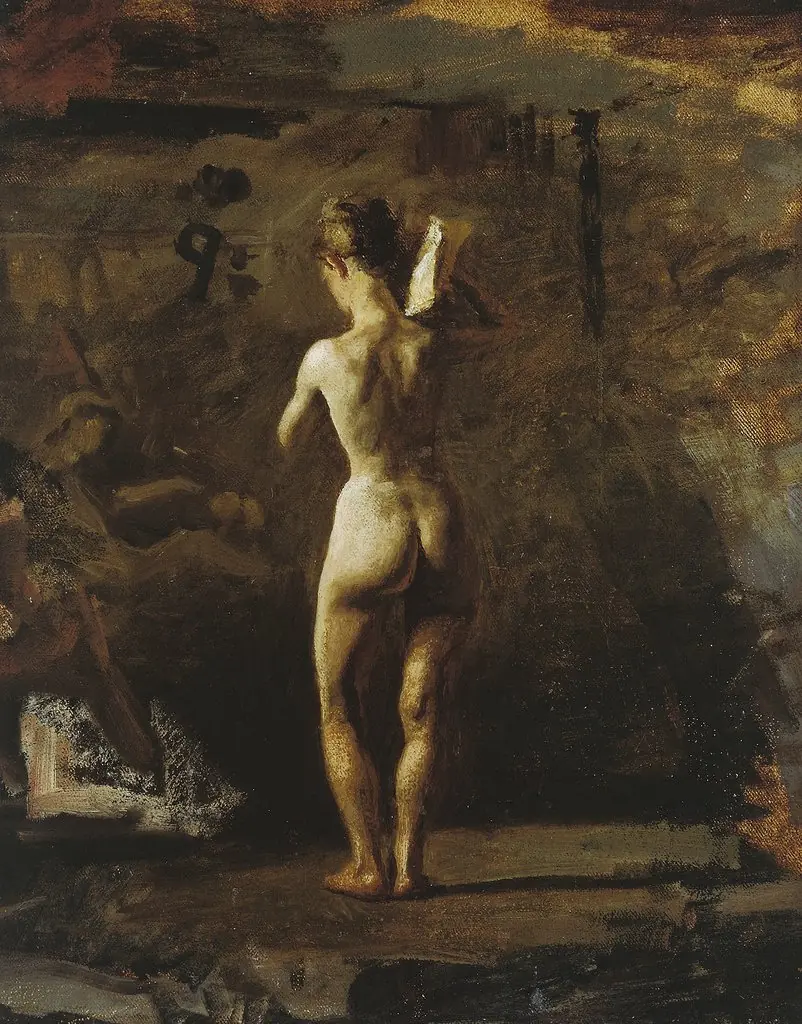 Study for "William Rush Carving His Allegorical Figure of the Schuylkill River"
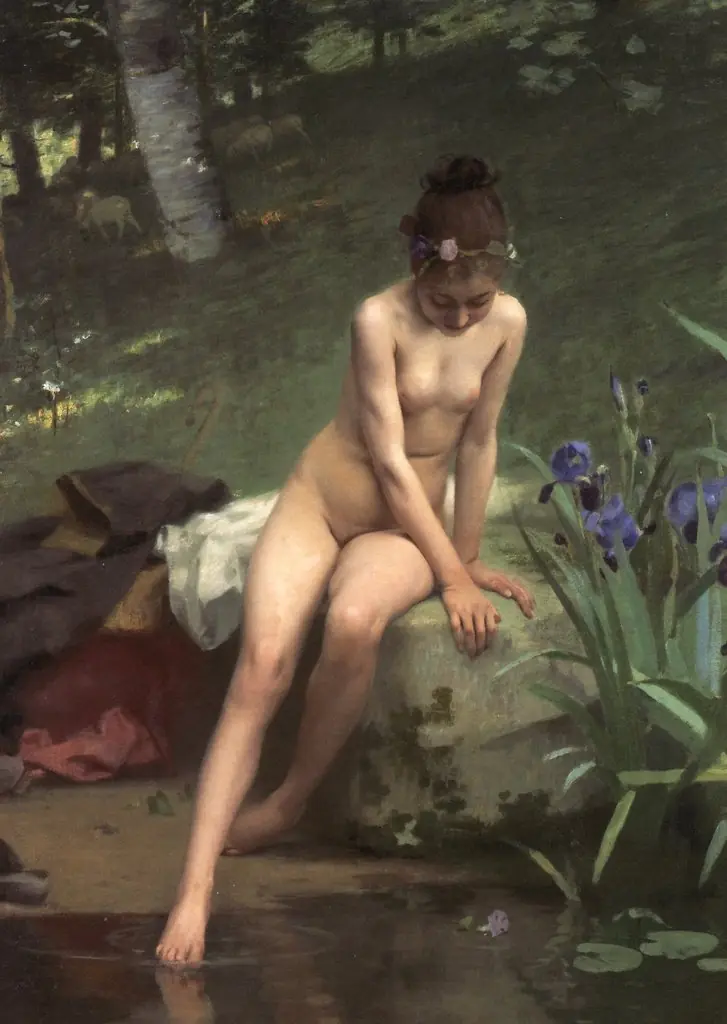 The Young Shepherdess
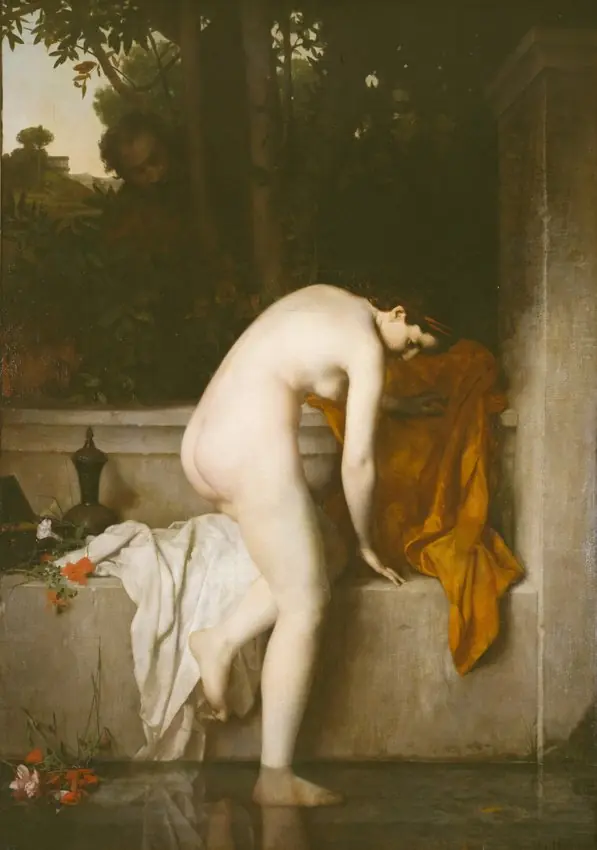 The Chaste Susannah
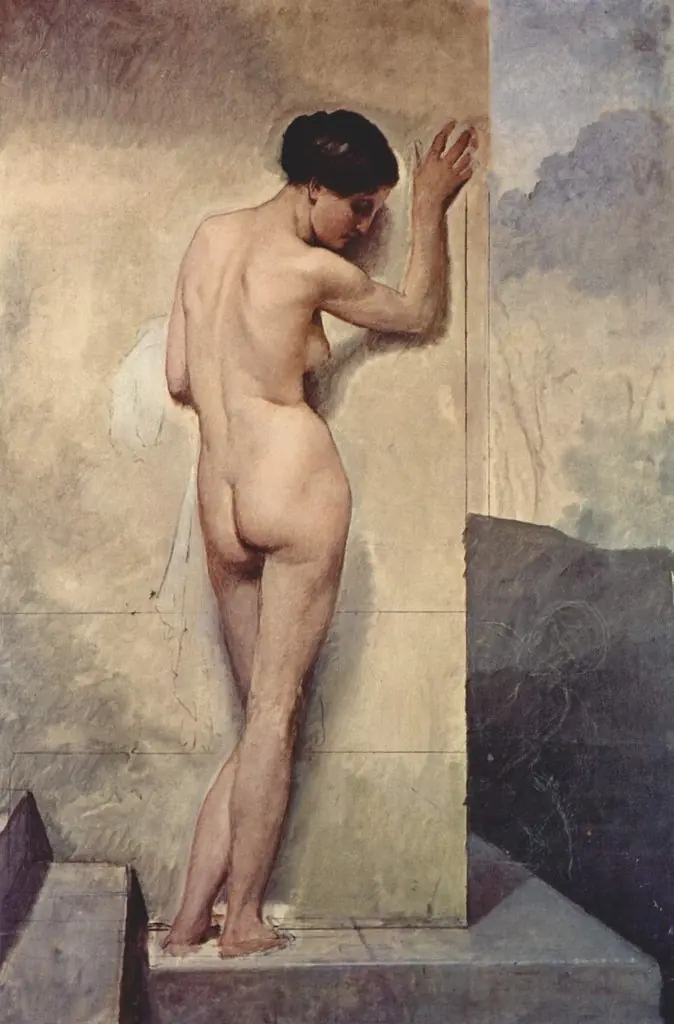 Female Nude
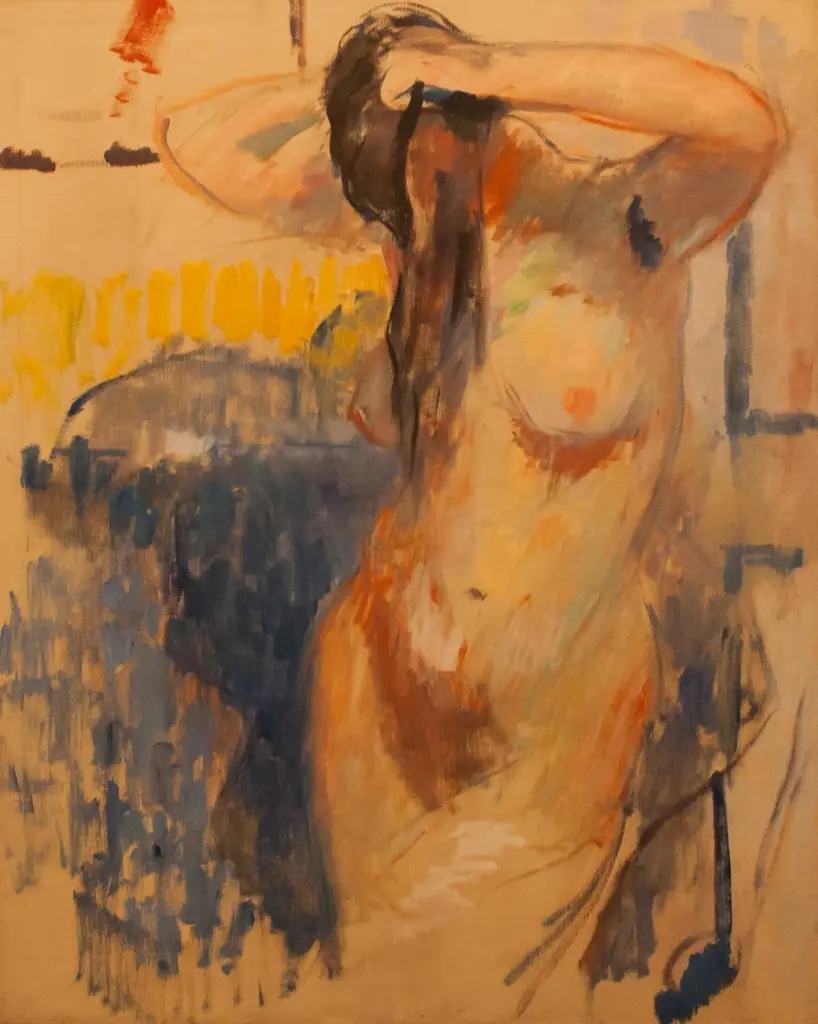 Nude Study
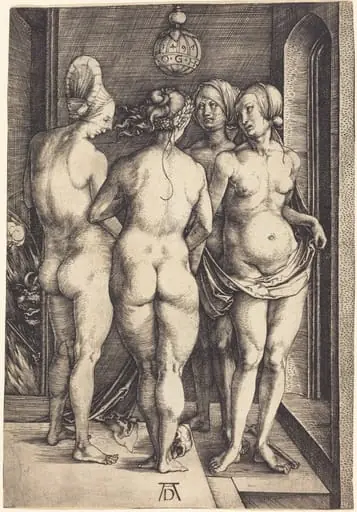 Four Naked Women
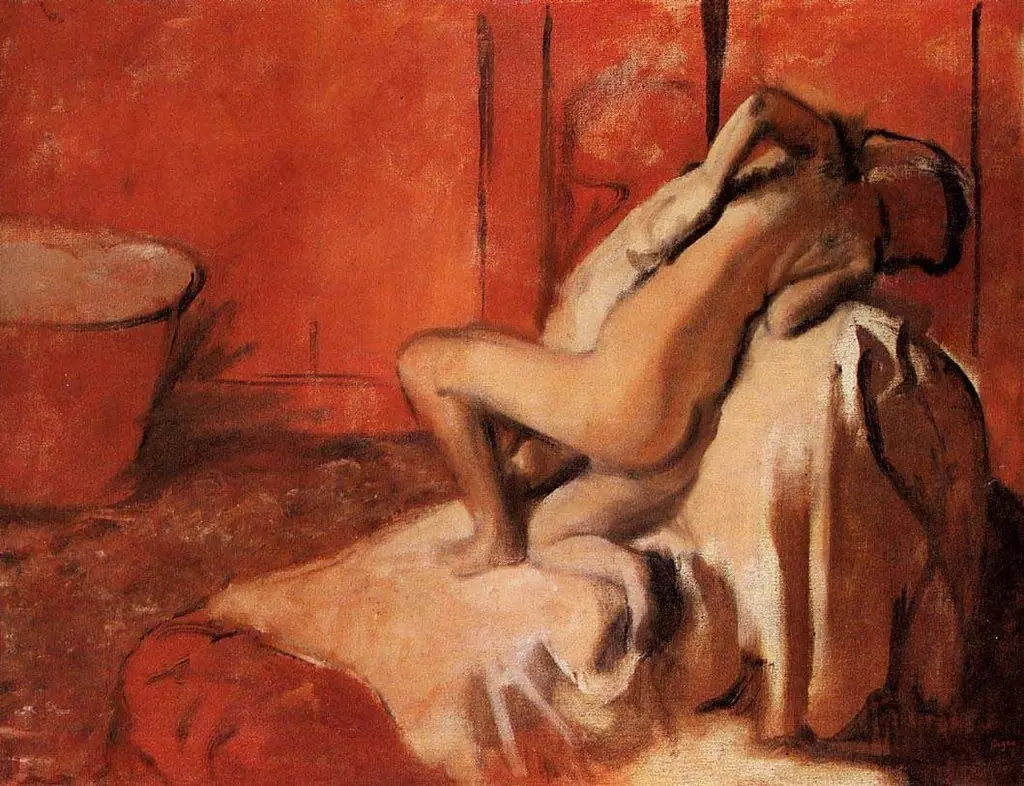 After the Bath (Woman Drying Herself)
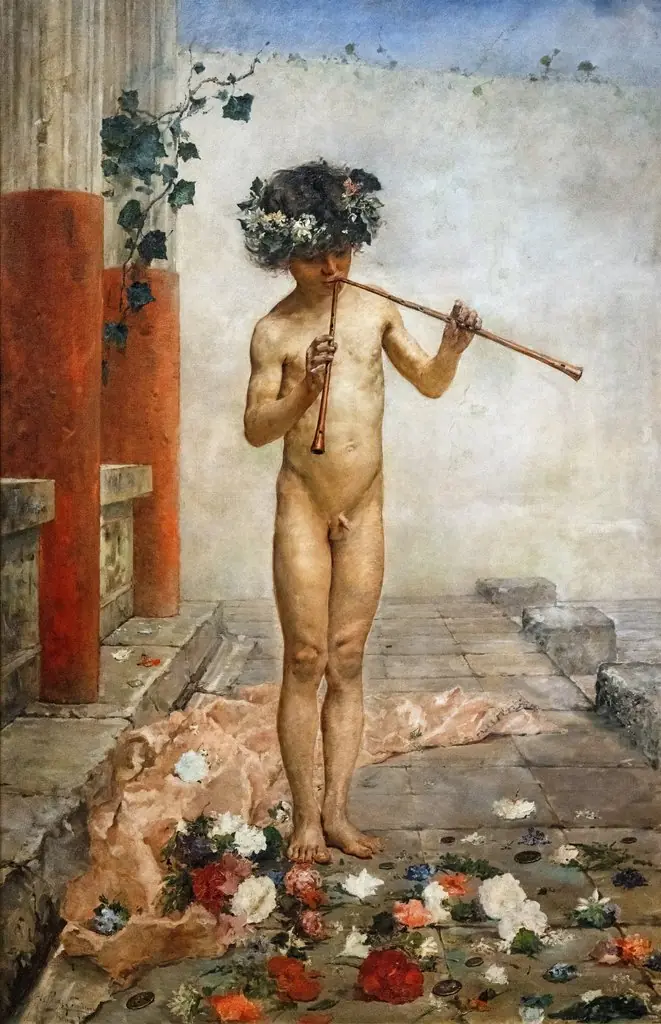 Pompeian Child
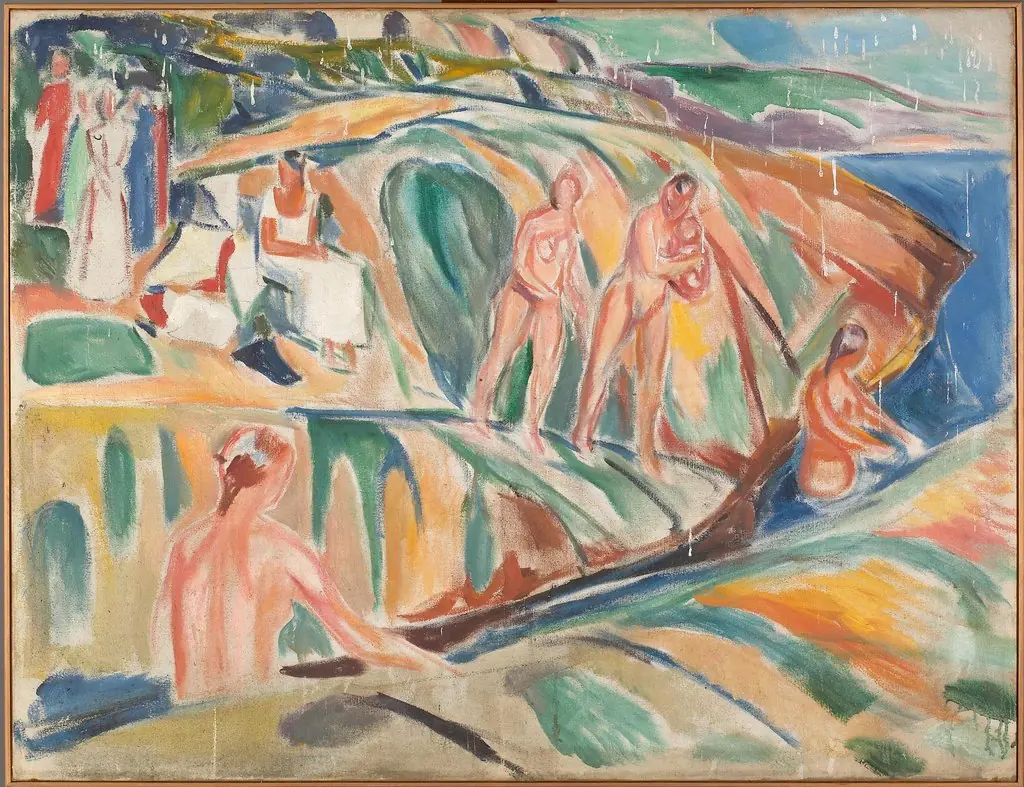 Sunbathing Women on Rocks
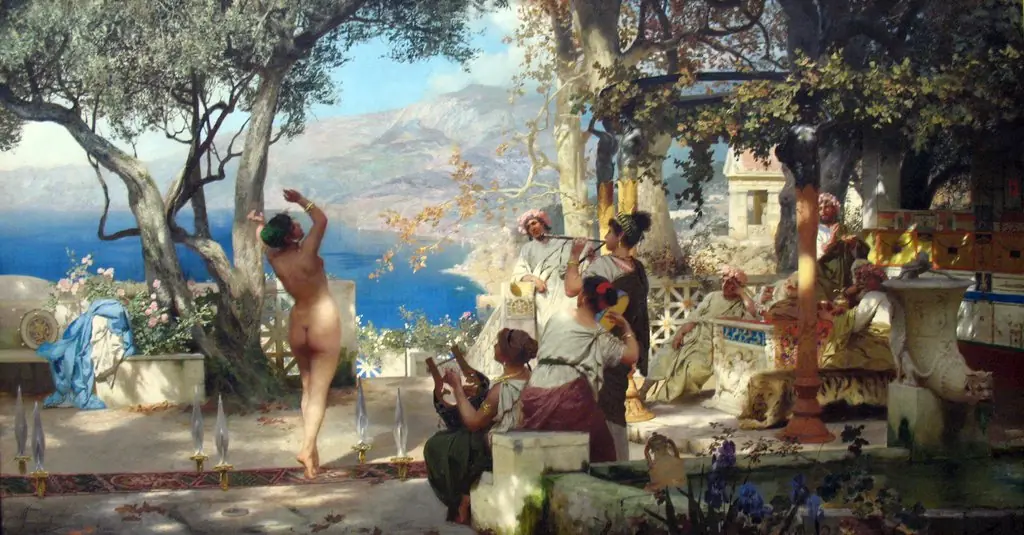 Dance amongst swords
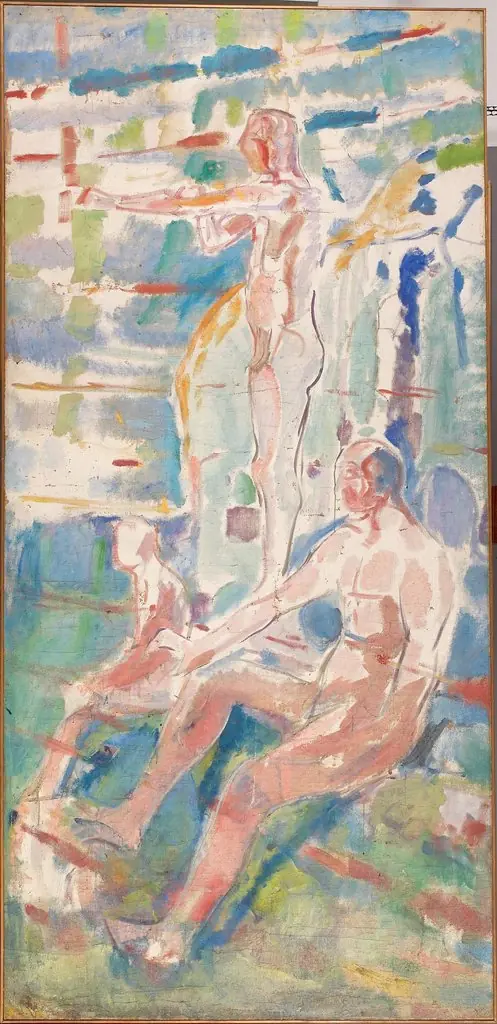 Men Turned towards the Sun
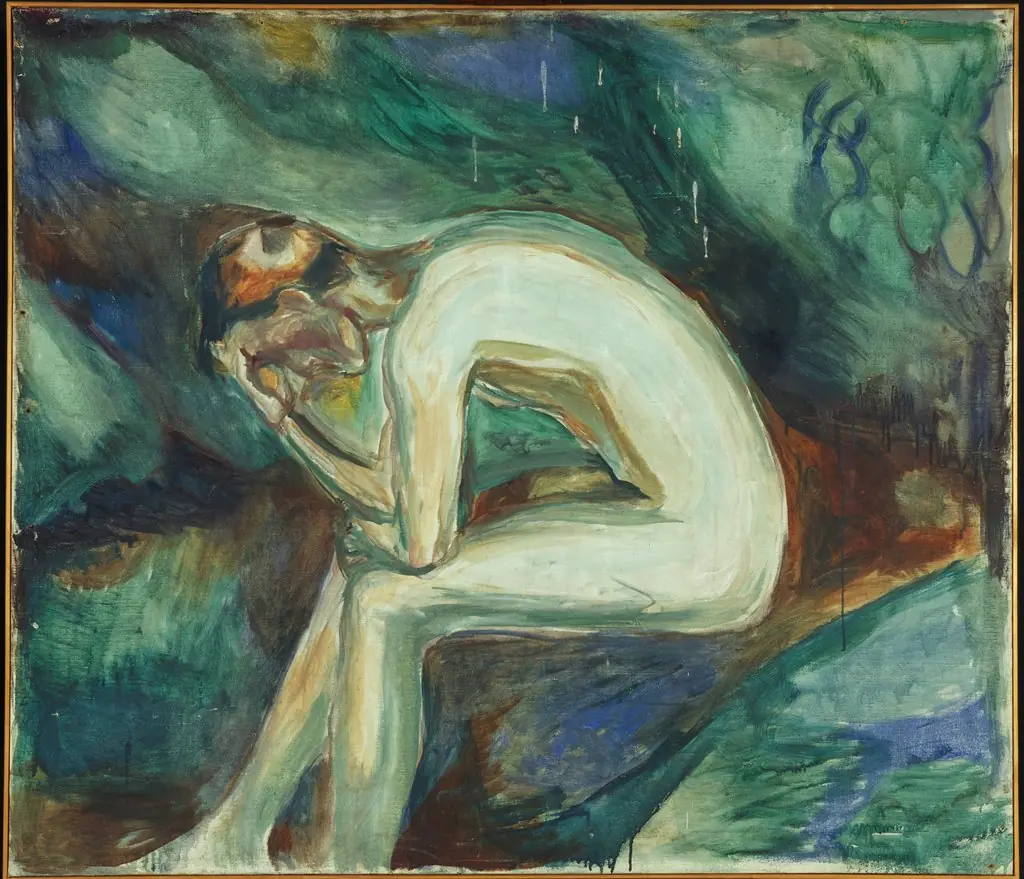 Seated Male Nude in the Forest
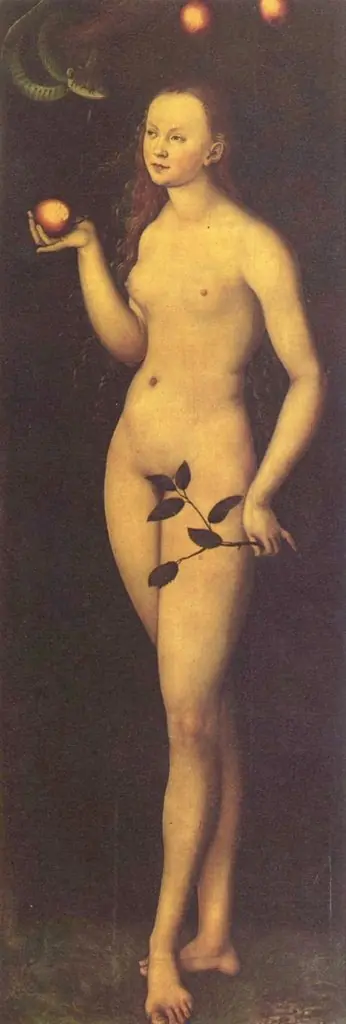 Eve
Eve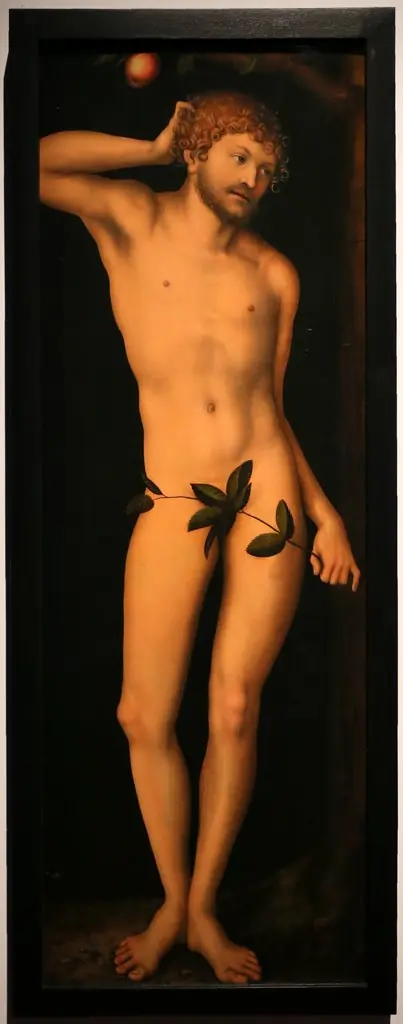 Adam
Adam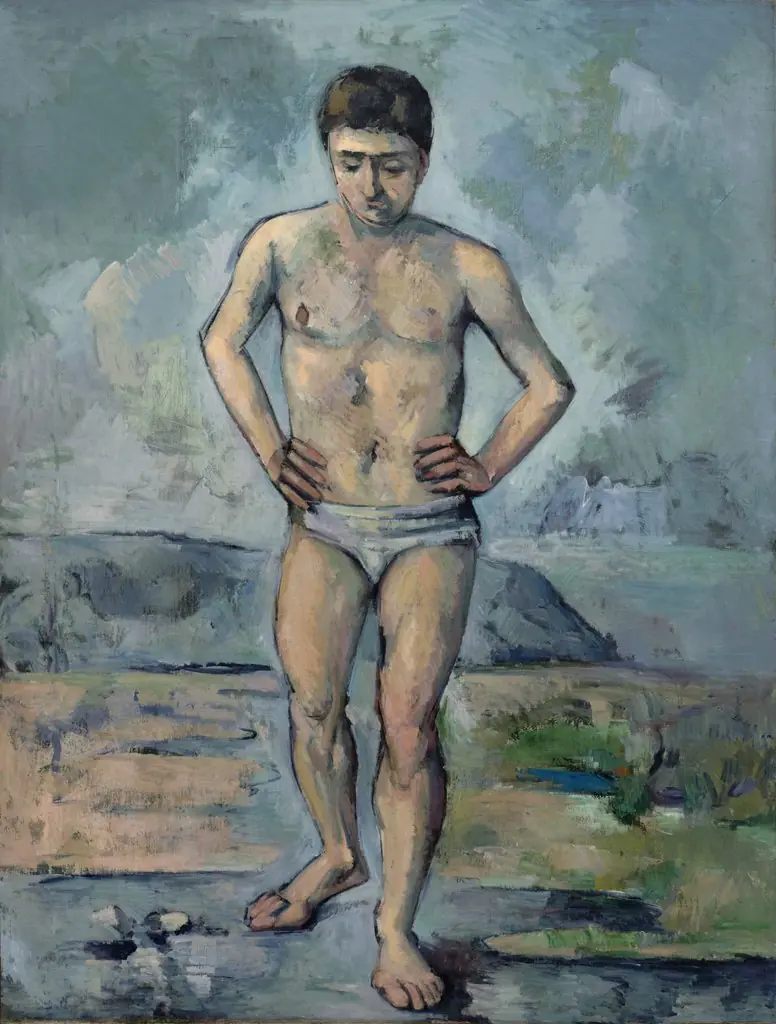 The Bather
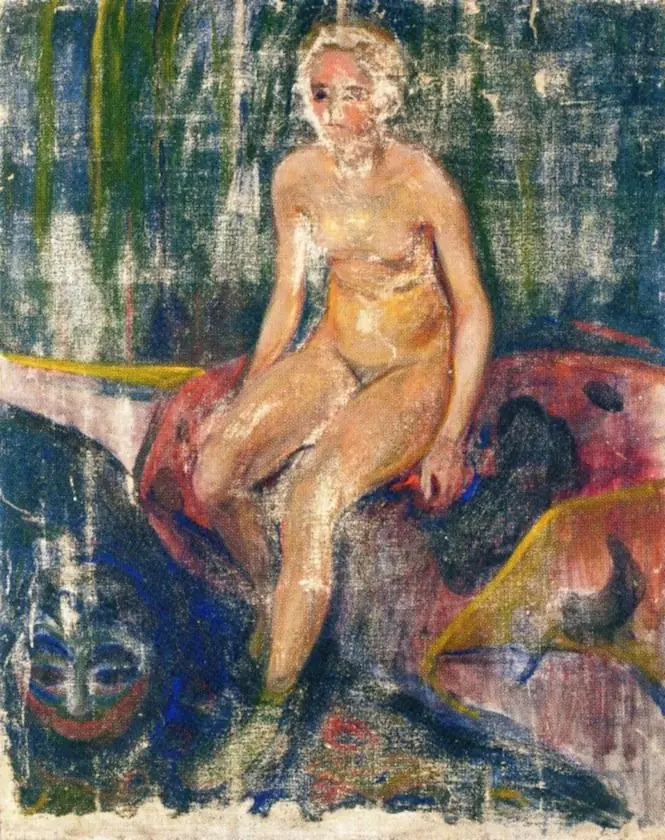 Seated Nude and Grotesque Masque
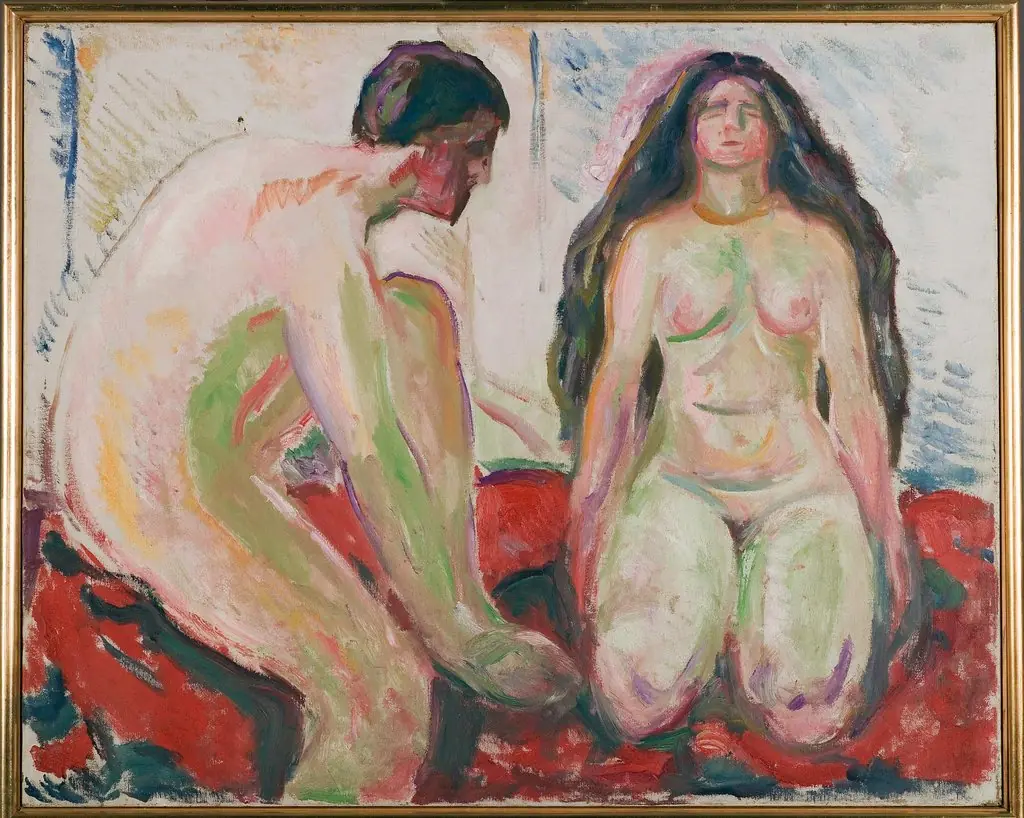 Naked Man and Woman
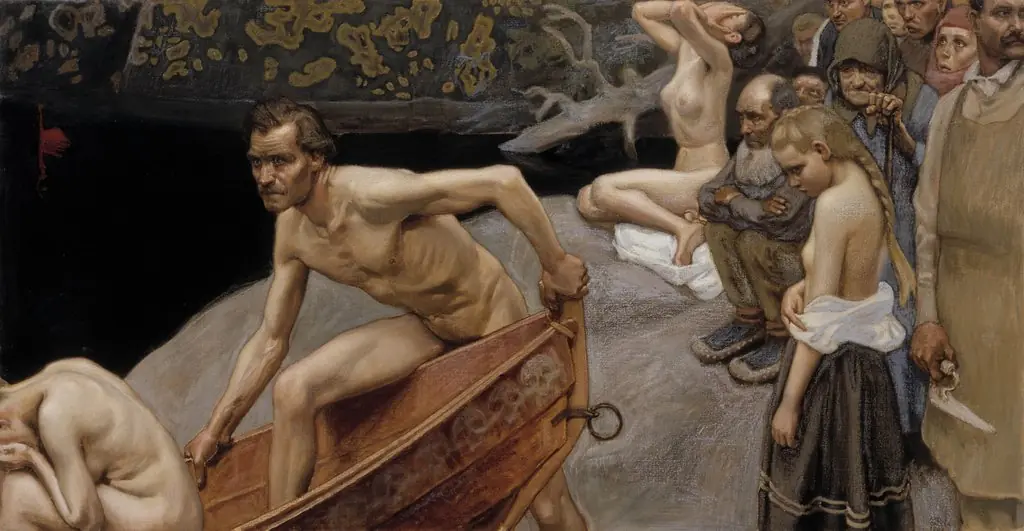 By the River of Tuonela, study for the Jusélius Mausoleum frescos
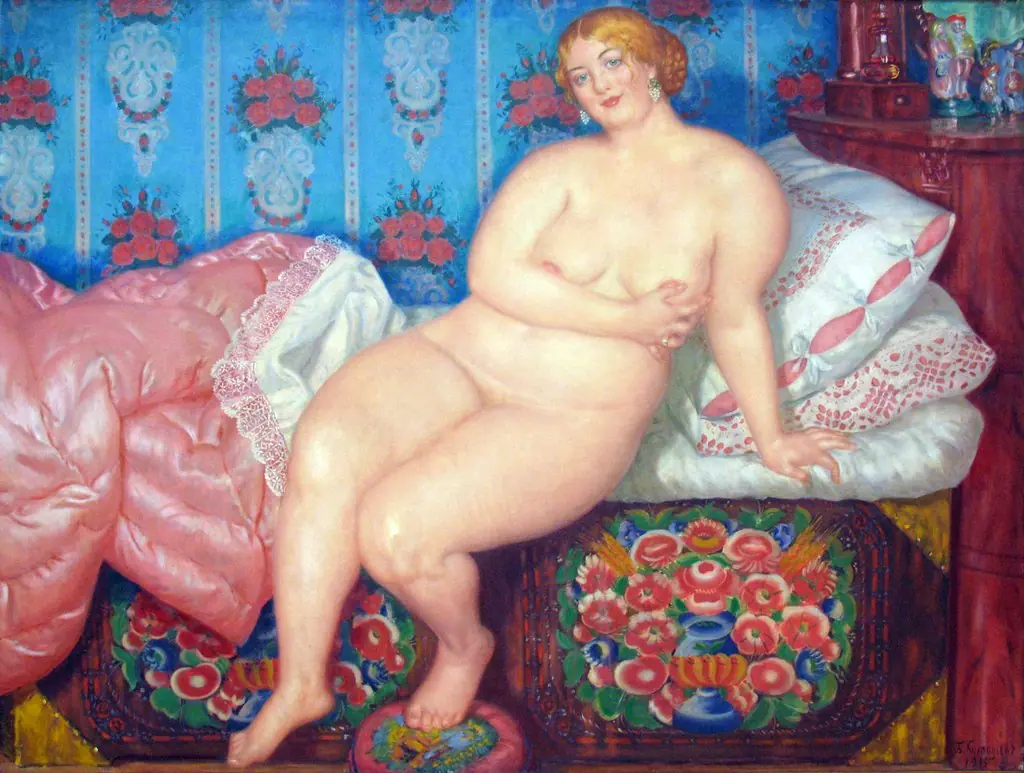 The Beauty
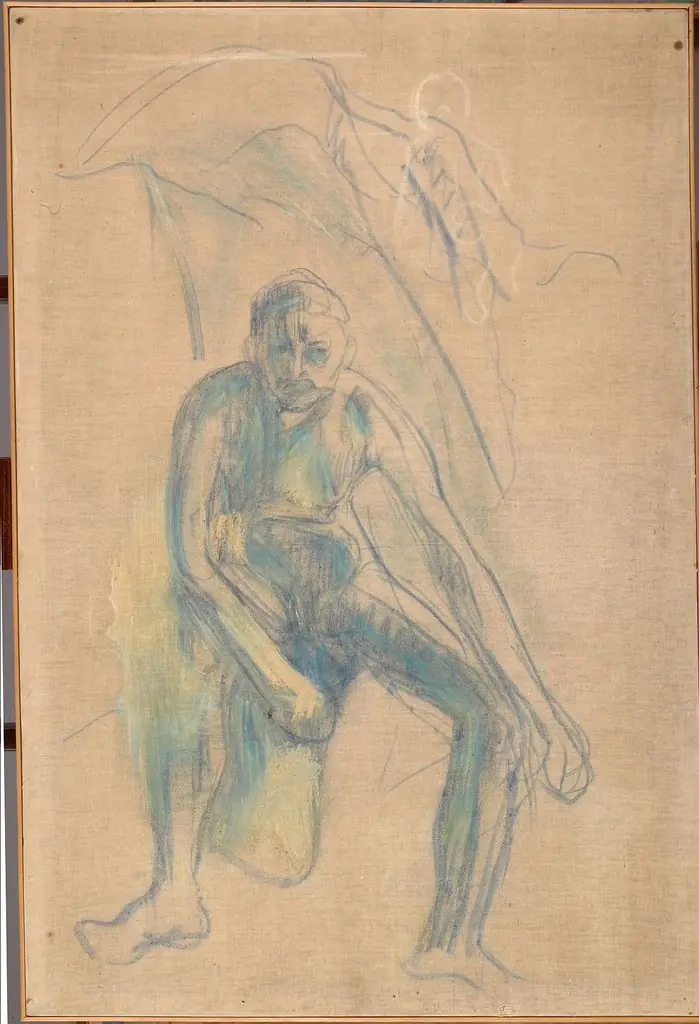 Seated Naked Man
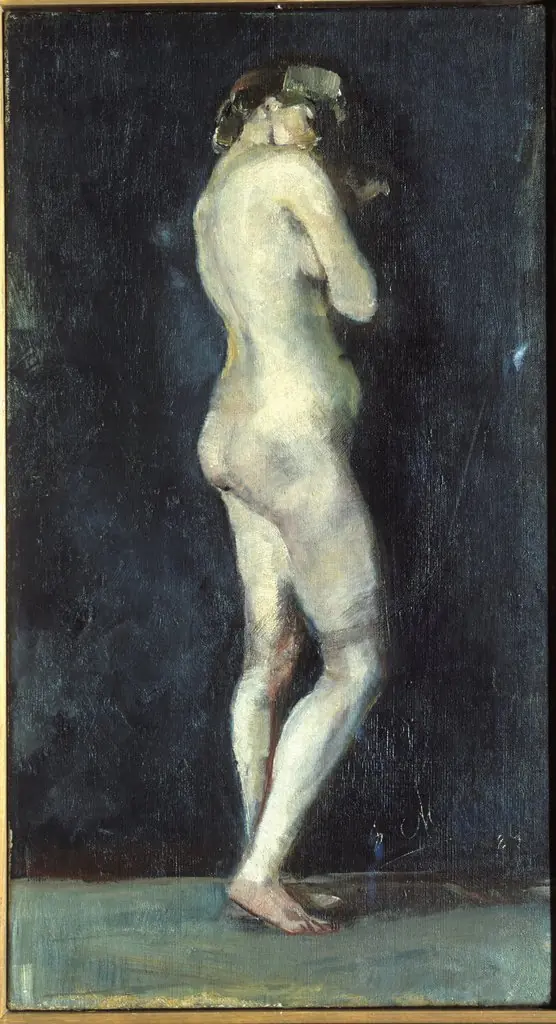 Standing Female Nude
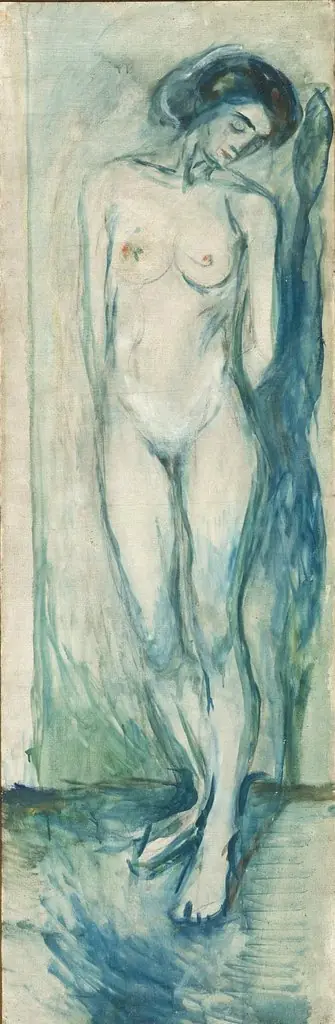 Krotkaja
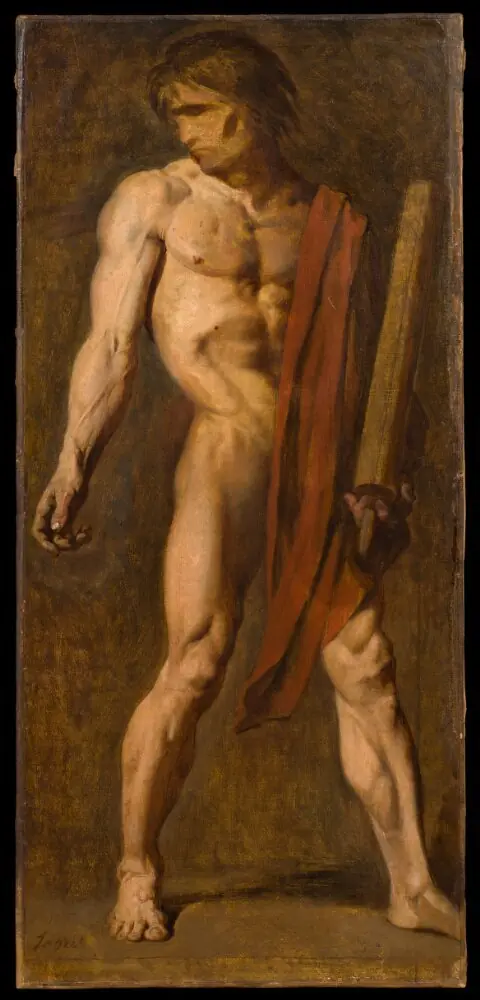 The Martyrdom of St Symphorian. Study
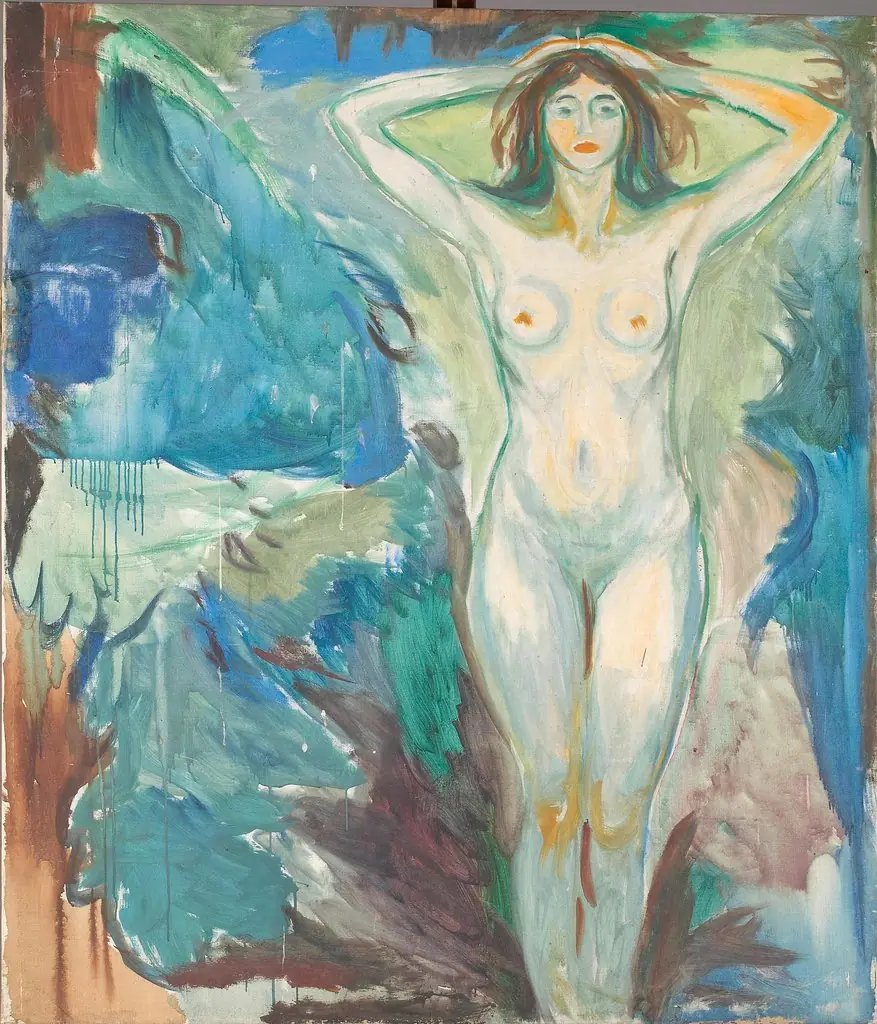 Standing Nude against Blue Background
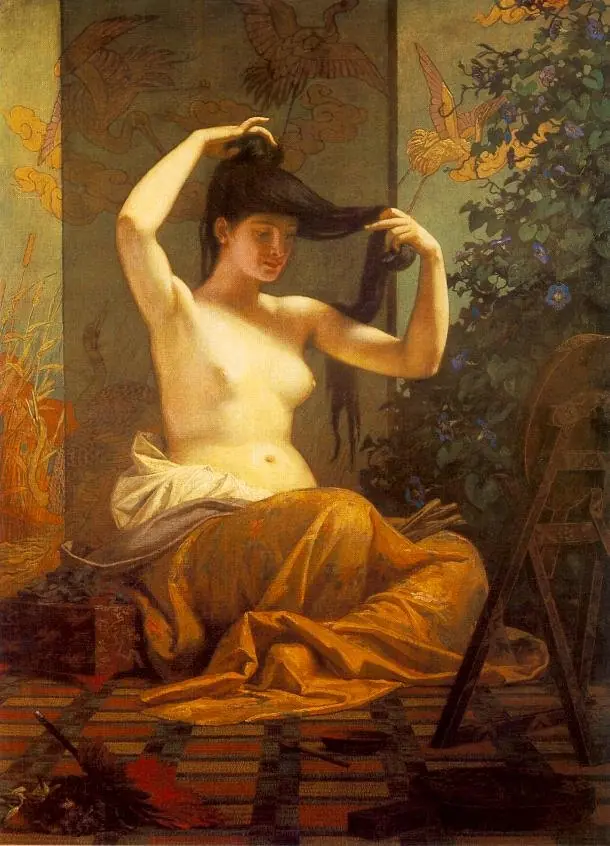 Japanese Woman
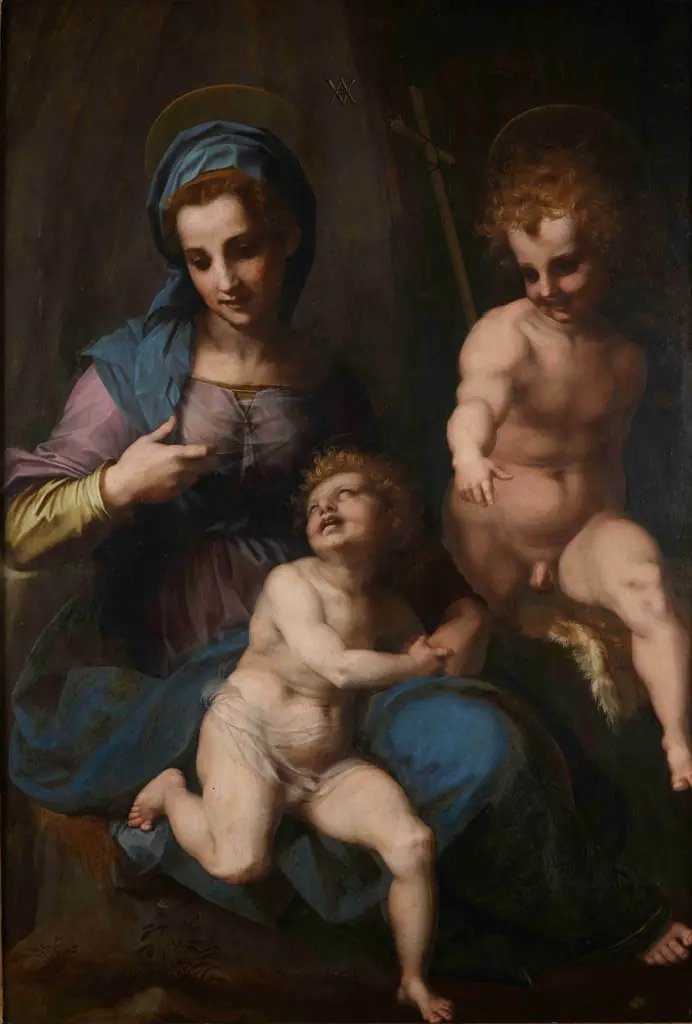 Madonna and Child with Young St John
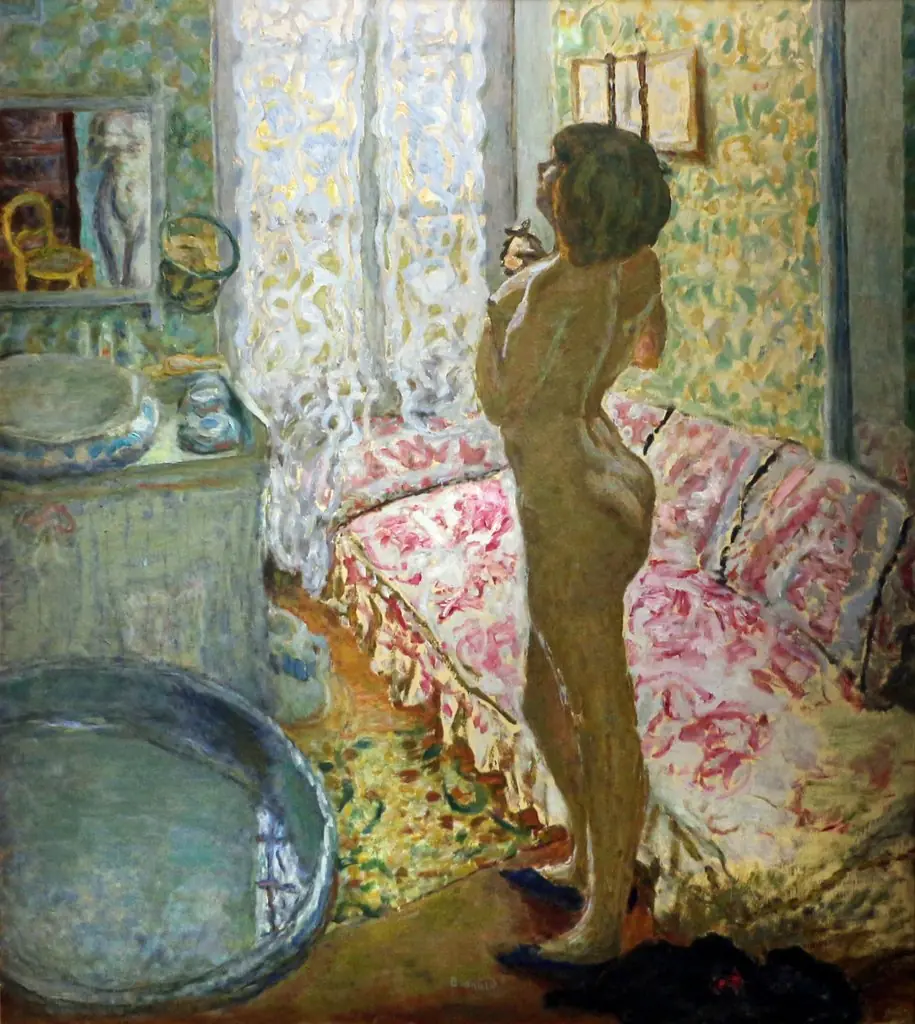 Nude against the light
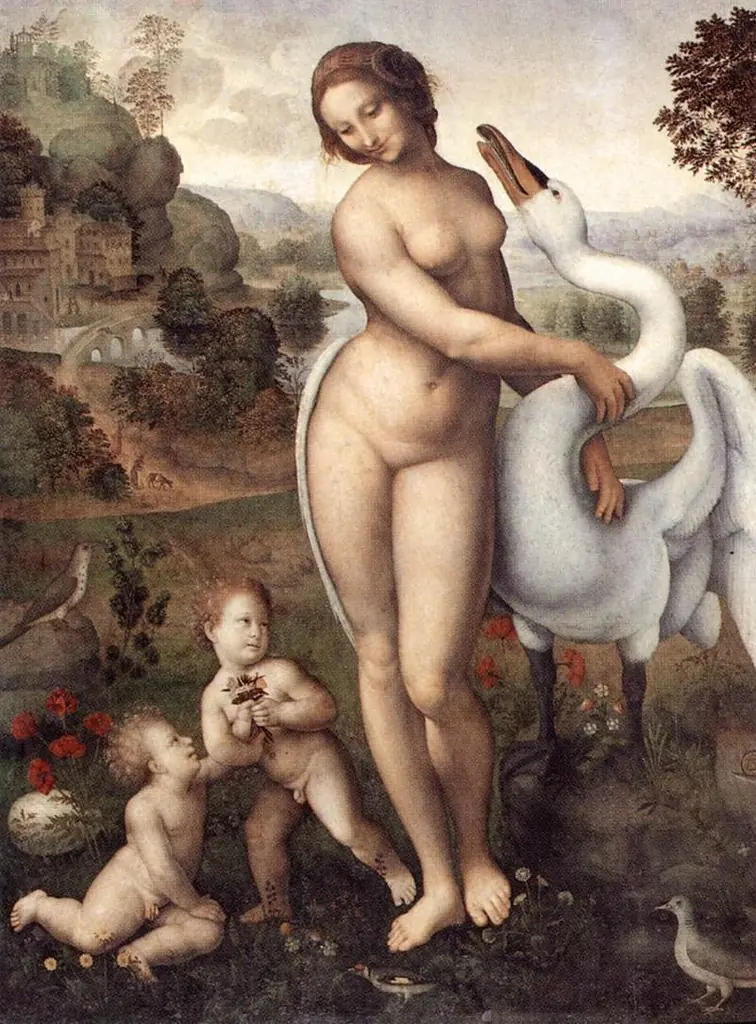 Leda and the Swan
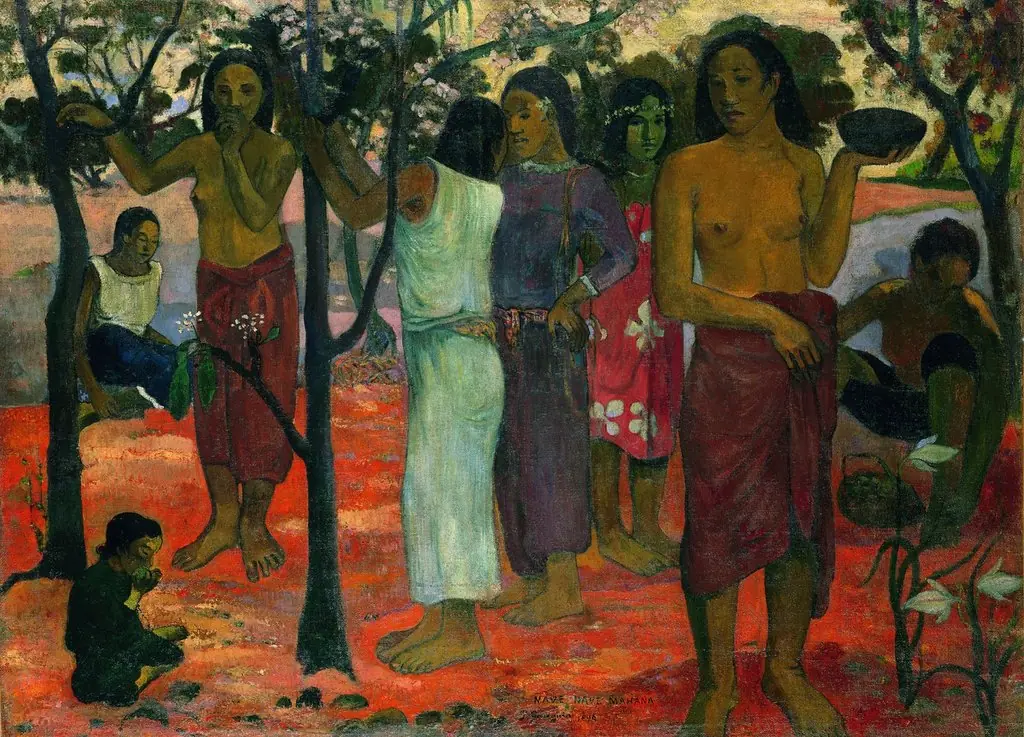 Nave Nave Mahana
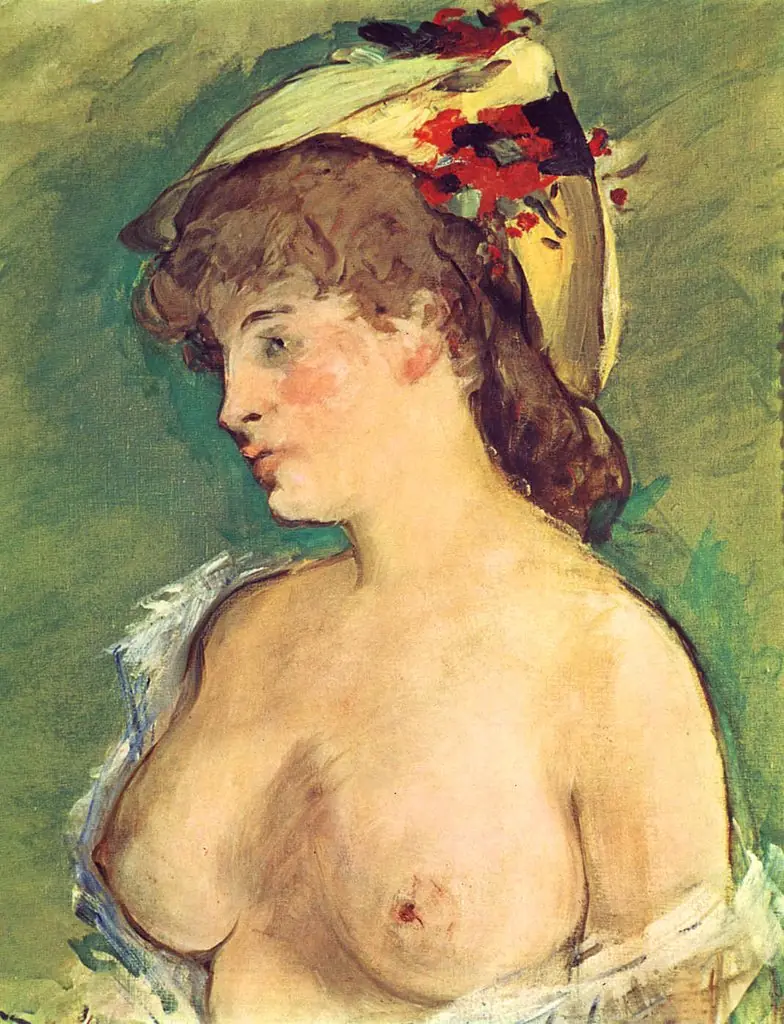 La Blonde aux seins nus
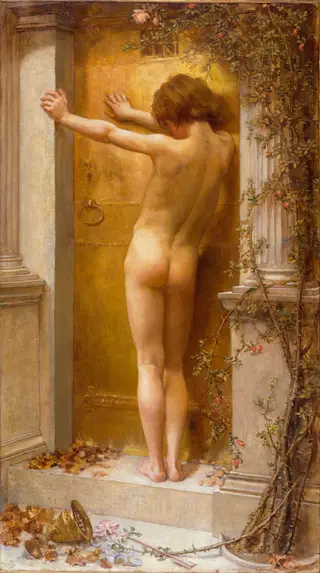 Love Locked Out
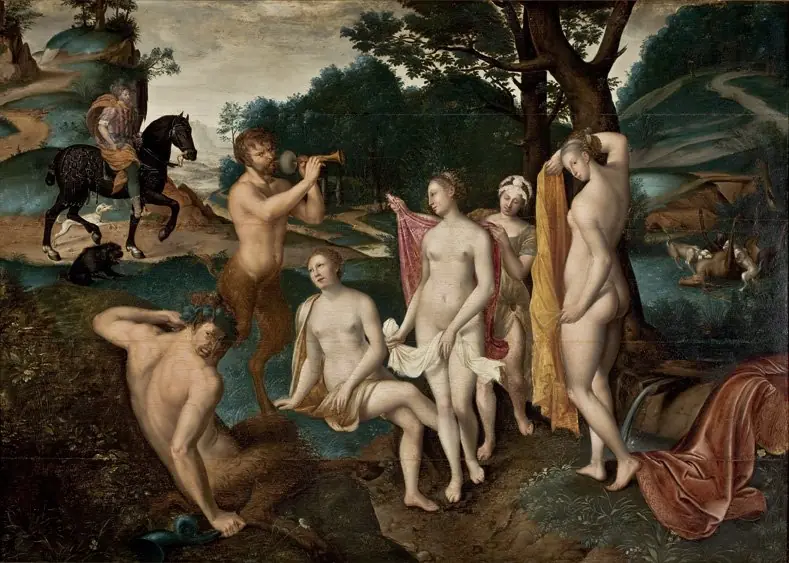 The Bath of Diana
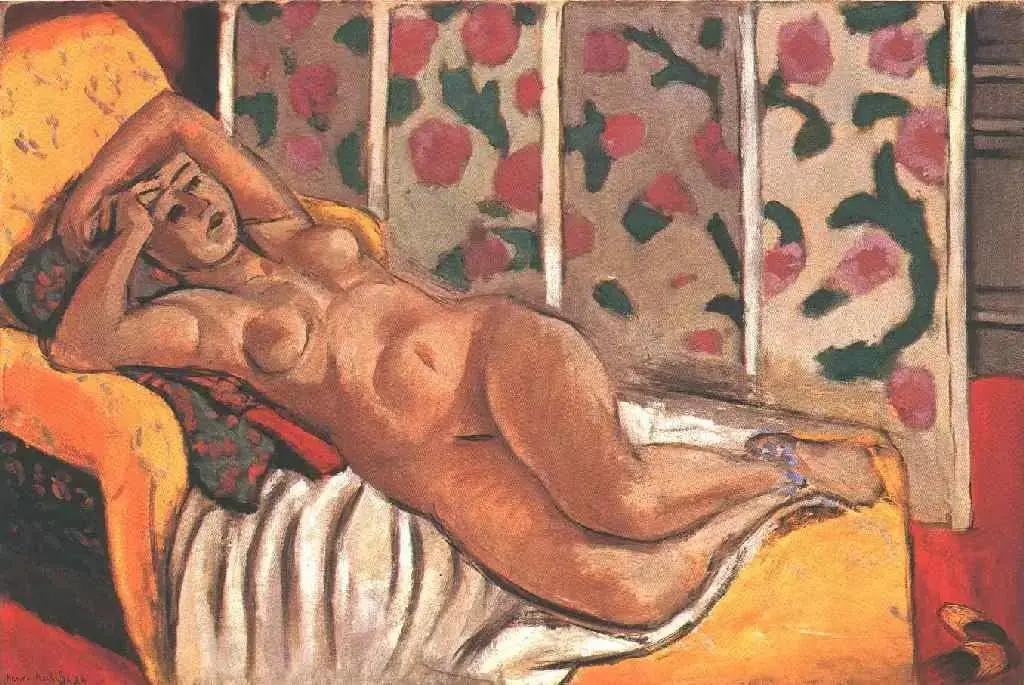 Yellow Odalisque
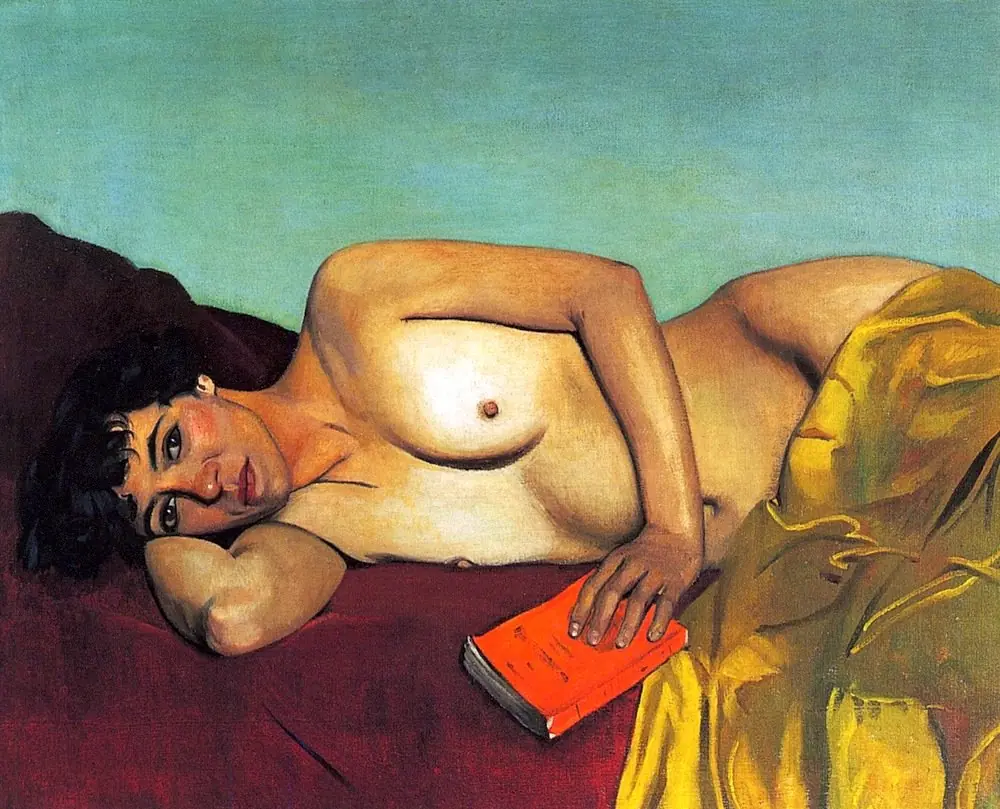 La lecture abandonnée
Frequently asked questions
What is Nudity?
Nudity is the state of being in which a human is without clothing.
How many Nudity works does Artifact World Gallery have?
Artifact World Gallery holds 200 public-domain Nudity works, all free to view and download.
Who are the key Nudity artists?
Key Nudity artists in the collection include Titian, Thomas Eakins and Paolo Veronese.
Where can I see Nudity works?
Nudity works in the collection are held by Museo del Prado, Metropolitan Museum of Art and Hermitage Museum.