Artwork
Bust of a Woman
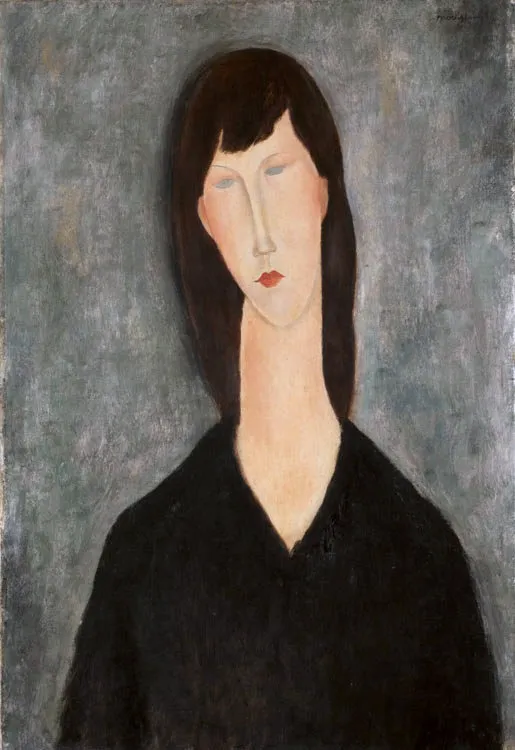
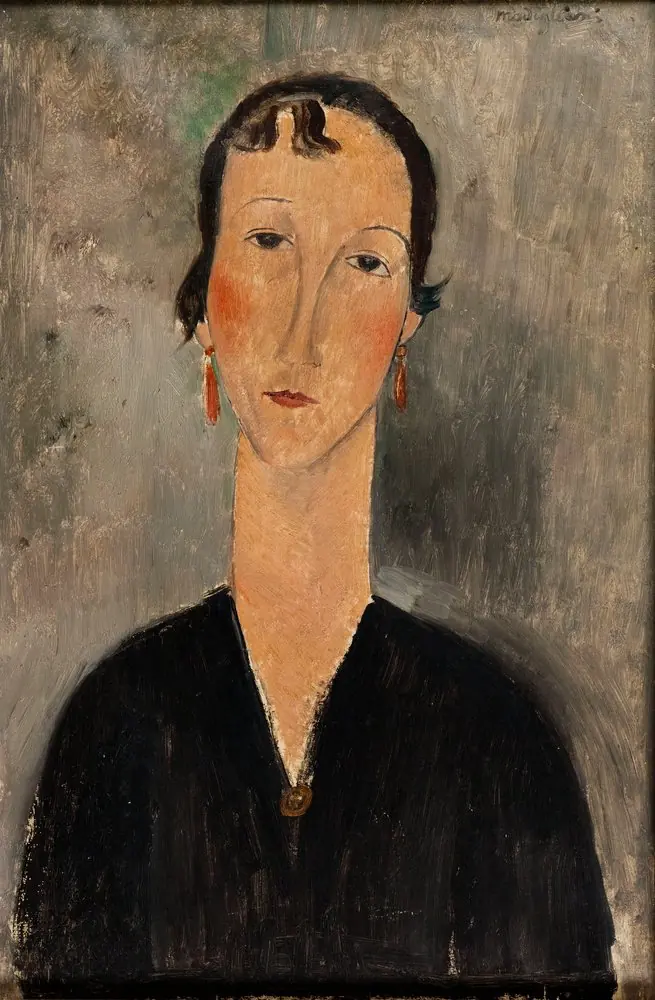
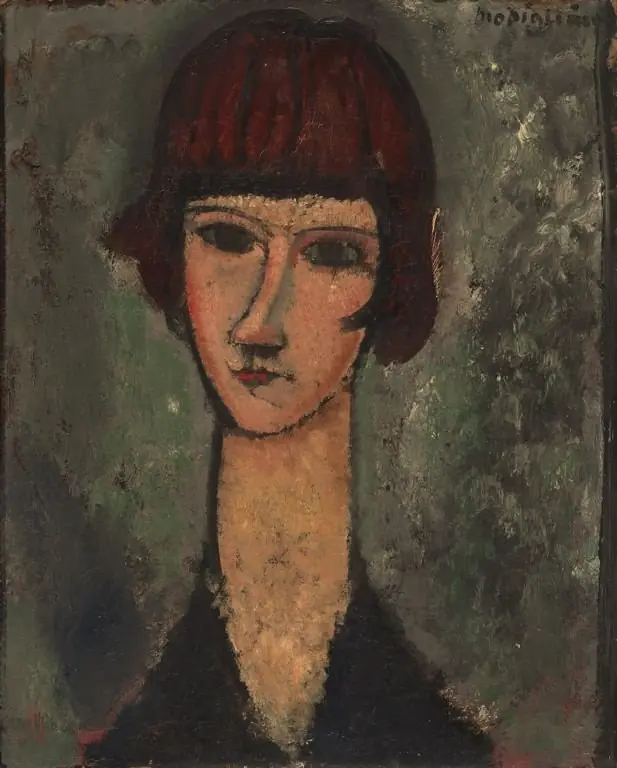
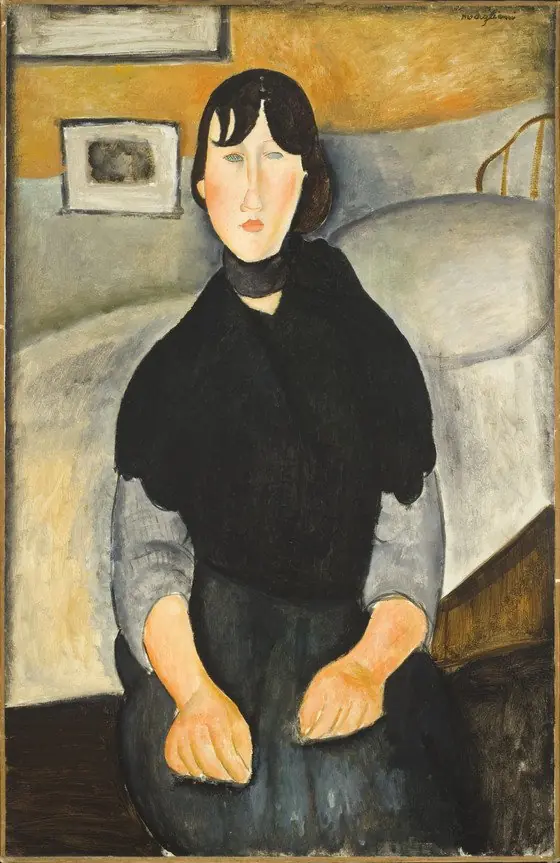
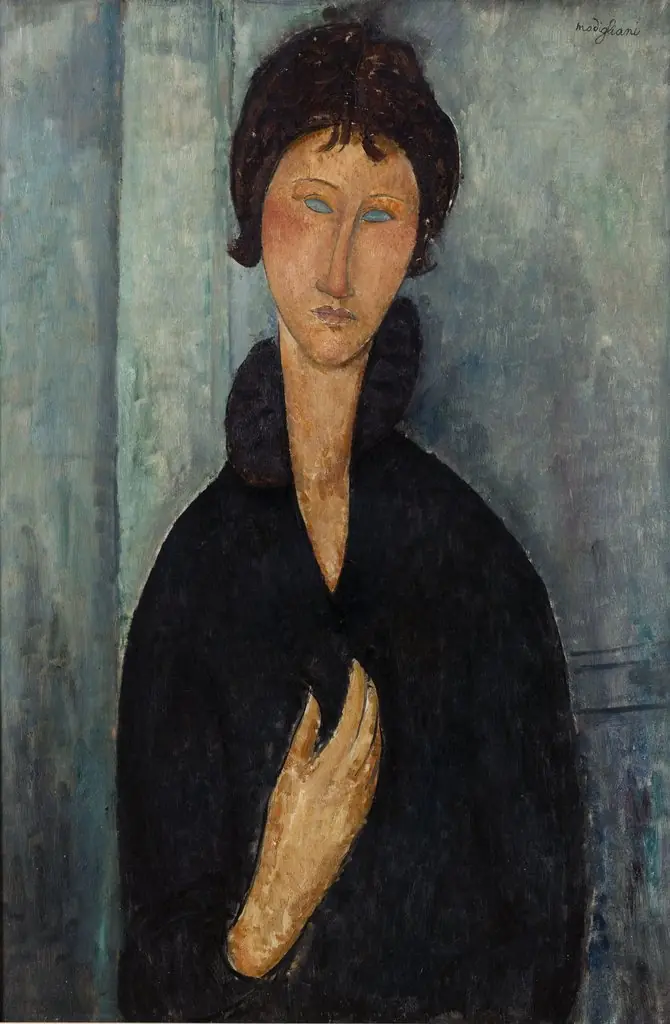
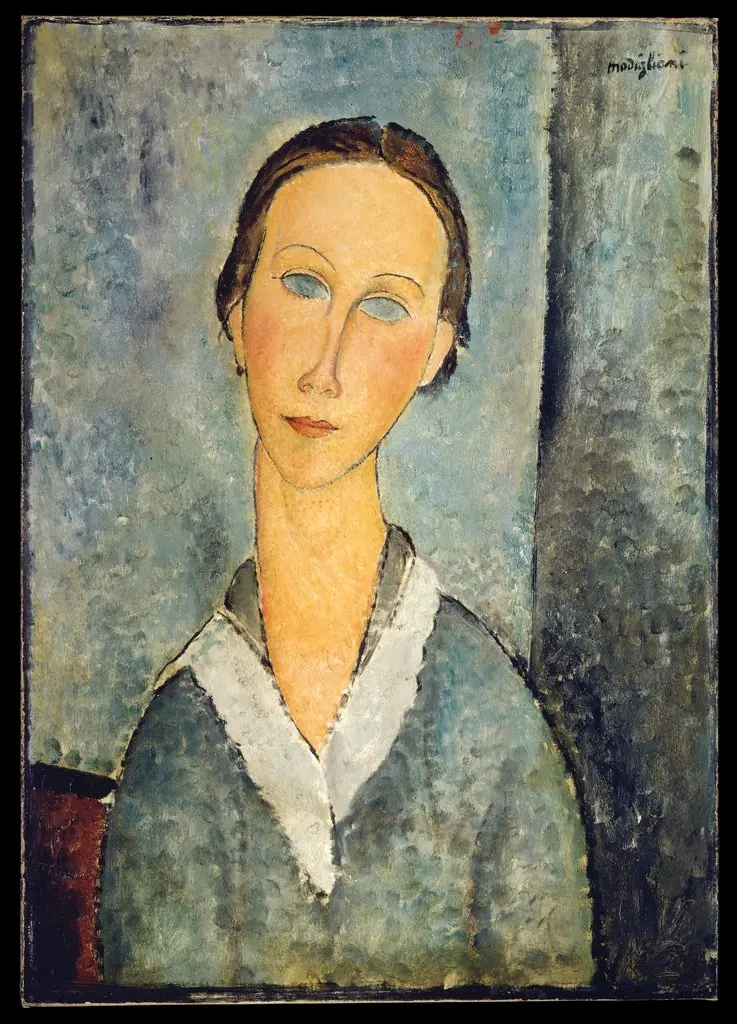
Bust of a Woman is an oil painting by Amedeo Modigliani. It is held in the collection of the National Museum of Fine Arts, Argentina.
About this work
Overview
The painting, titled Bust of a Woman, is an oil-on-canvas portrait by Amedeo Modigliani, created in the early 20th century.
The painting, titled Bust of a Woman, is an oil-on-canvas portrait by Amedeo Modigliani, created in the early 20th century. It resides in the National Museum of Fine Arts in Buenos Aires. The work exemplifies Modigliani’s signature approach to portraiture, emphasizing stylized forms and emotional restraint.
Though often associated with sculpture, his painted busts convey a similar sense of elongated volume and quiet presence.
Subject & Meaning
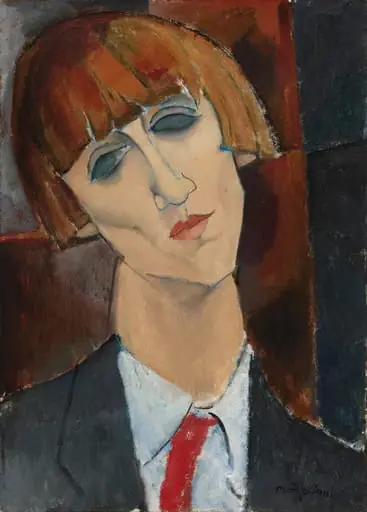
The subject is a woman depicted with closed eyes and a gently tilted head, suggesting introspection or serenity. Her elongated neck and simplified facial structure distance the image from naturalism, inviting contemplation rather than identification. The absence of a detailed background and the focus on her stillness reinforce a meditative quality, aligning with Modigliani’s interest in conveying inner life through form rather than narrative.
Technique & Style
Modigliani employs flat, unmodulated areas of color and strong, sinuous outlines to define the figure. The woman’s dark hair and black V-neck garment contrast with the muted grey background, creating a sense of spatial depth through tone rather than perspective. Facial features are reduced to minimal curves and lines, avoiding detail in favor of rhythmic abstraction, a hallmark of his modernist vocabulary.
History & Provenance
The painting entered the collection of the National Museum of Fine Arts in Buenos Aires in the 20th century, though its exact acquisition date is not widely documented. It was likely acquired during a period of growing international interest in Modigliani’s work following his death in 1920. The work’s presence in Argentina reflects the global reach of early modernist art beyond European centers.
Context
Created during Modigliani’s time in Paris, the portrait reflects his engagement with African sculpture, Cubist simplification, and Renaissance portraiture. Though he moved among avant-garde circles including Picasso and Brâncuși, his style remained distinct, neither fully abstract nor traditionally representational. This work belongs to a series of bust portraits he produced between 1915 and 1919, where form was distilled to evoke psychological presence.
Legacy
Modigliani’s bust portraits, including this one, influenced later 20th-century portrait traditions by prioritizing emotional resonance over realism. Their stylized elongation and serene stillness became emblematic of modernist portraiture. Though not widely exhibited, works like this continue to be studied for their quiet innovation and the way they reconcile classical dignity with modern abstraction.
Artist & collection

Artist
Amedeo Clemente Modigliani (US: ; Italian: ; 12 July 1884 – 24 January 1920) was an Italian painter and sculptor of the École de Paris who worked mainly in France.

Museum
National Museum of Fine Arts, Argentina
Continue through works from the same source collection.