Artwork
Innocence
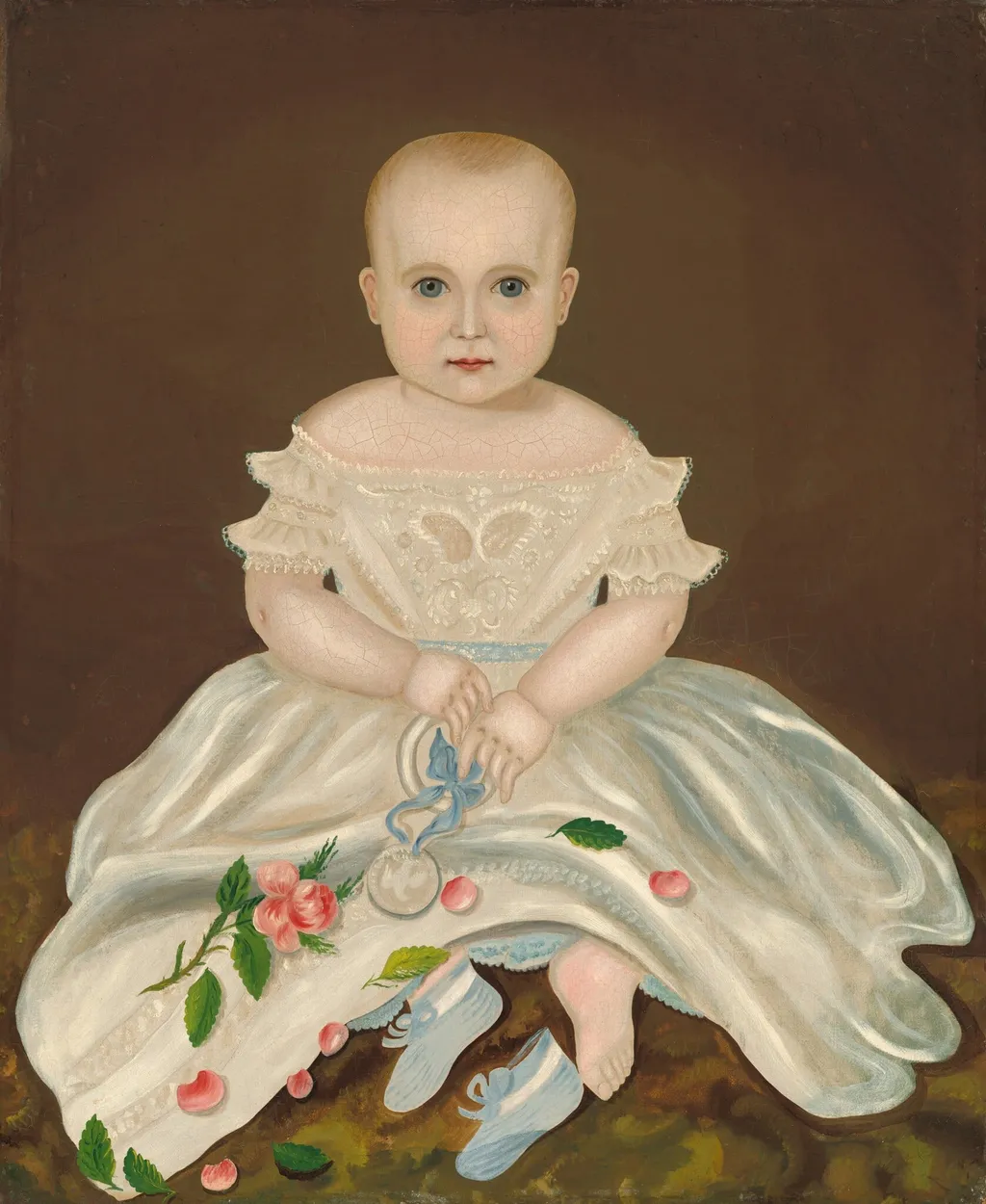
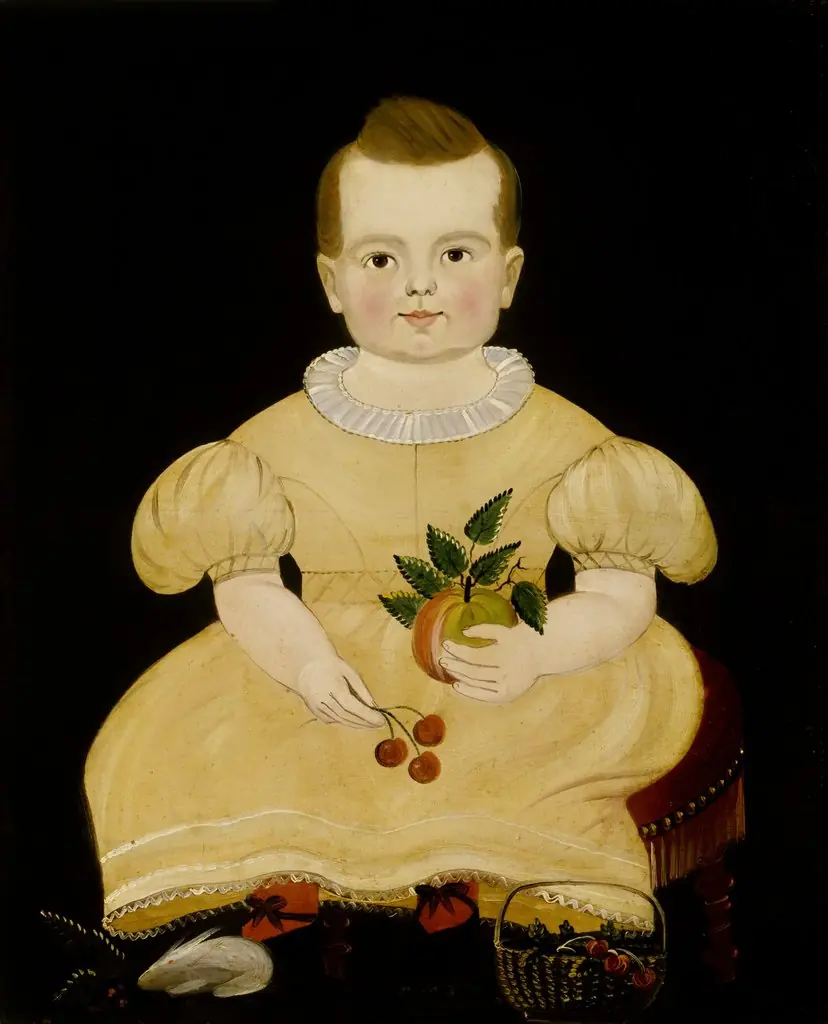
Innocence is an oil painting. It dates from 1830 and is held in the collection of the National Gallery of Art.
About this work
Technique & Style
Its formal qualities reflect a straightforward composition with muted tonal modeling characteristic of portrait conventions of the period.
The painting titled Innocence is an oil on canvas portrait dating to 1830. It measures 68.9 cm in height and 56.5 cm in width, a size typical of early American portraiture.
The work was created by an unidentified American artist of the 19th century and originally entered a private collection in New York City before passing through the Downtown Gallery in New York, then to Edgar William and Bernice Chrysler Garbisch, and finally to the National Gallery of Art in Washington, D.C., where it remains on view. Its formal qualities reflect a straightforward composition with muted tonal modeling characteristic of portrait conventions of the period.
History & Provenance
The painting Innocence, an oil on canvas dated to 1830, is attributed to an unidentified American artist of the nineteenth century. Its earliest known provenance places it in New York City before entering a private collection in Canaan, Connecticut, owned by a collector recorded only as Candler. In 1946 the work was sold to the Downtown Gallery in New York, and two years later acquired by Edgar William and Bernice Chrysler Garbisch.
Upon their deaths the Garbisch collection was bequeathed to the National Gallery of Art in Washington, D.C., where the painting remains.
Innocence entered the collection of the National Gallery of Art in Washington, D.C., in 1980 as part of the bequest from Edgar William and Bernice Chrysler Garbisch. Prior to this acquisition, the painting was sold by the Downtown Gallery in New York to the Garbisches in 1948. The work's earlier provenance includes a private collection in Canaan, Connecticut, belonging to an individual named Candler, from whom the Downtown Gallery purchased it in 1946.
The provided records do not list specific exhibition history for this artwork.
Overview
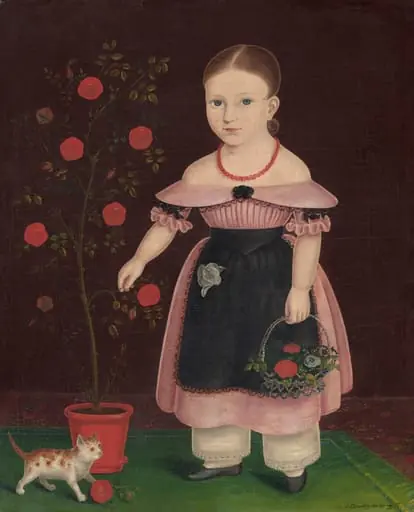
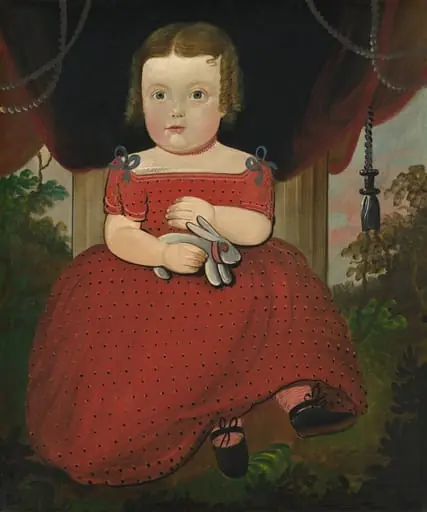
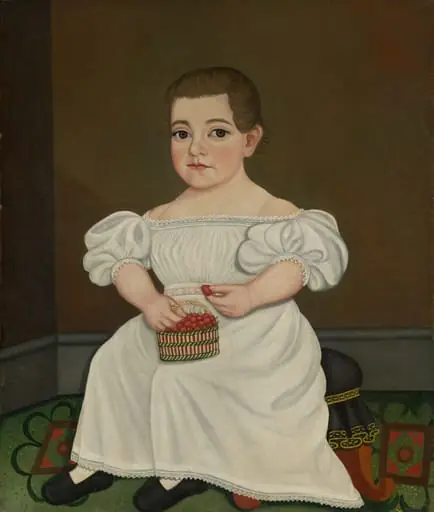
The painting titled Innocence is an oil on canvas portrait. It depicts a young girl whose direct gaze and unadorned appearance contribute to a sense of tranquility. The artist's approach emphasizes simplicity, aligning with contemporary artistic conventions for portraying youthful purity.
Subject & Meaning
The central figure, a young girl, is rendered in modest attire, looking directly at the viewer. Her serene expression and calm demeanor are central to the work's theme. This straightforward portrayal of a child, devoid of elaborate embellishment, was a conventional method during the period to visually articulate the concept of innocence.
Artist & collection