Artwork
Victory Parade
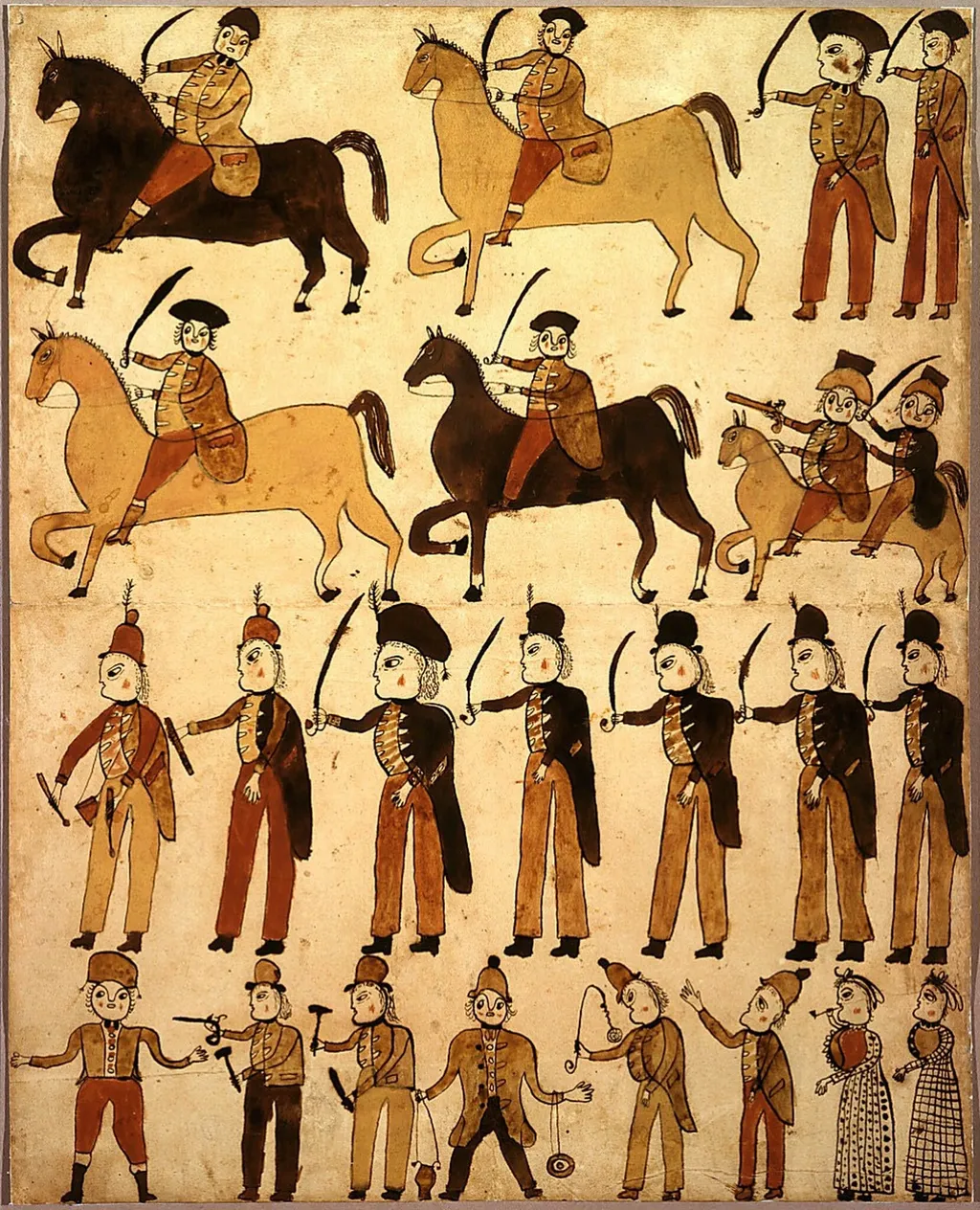
Victory Parade is an ink drawing by the Romanticist artist American 19th Century. It dates from 1801 and is held in the collection of the National Gallery of Art. The work is a pen‑and‑ink drawing enhanced with watercolor, depicting a bustling military procession.
About this work
Overview
The work is a pen‑and‑ink drawing enhanced with watercolor, depicting a bustling military procession. Mounted troops in red‑accented uniforms ride alongside foot soldiers arranged in orderly ranks, while a few women in long dresses observe from the periphery. The composition captures a moment of collective movement, with determined expressions on the men’s faces and horses caught in mid‑stride.
Subject & Meaning
The scene presents a celebratory march, likely commemorating a victory or national event, as suggested by the title. The presence of both cavalry and infantry underscores the breadth of the armed forces, while the onlookers, women in modest attire, suggest a civilian audience sharing in the triumph. The determined demeanor of the soldiers conveys discipline and pride.
Technique & Style
Executed in fine pen lines with selective watercolor washes, the drawing relies on a restrained palette of browns, reds, and black outlines. The watercolor is applied thinly, giving the background a muted, slightly yellowed tone that recedes behind the sharply rendered figures. The handling of line and color reflects Romantic sensibilities, emphasizing dynamic motion and emotional intensity.
Context
Created within the Romantic period, the work aligns with the era’s fascination with heroic subjects and dramatic, energetic compositions. Military parades were popular motifs for artists seeking to evoke national pride and the vigor of the age. The piece’s focus on collective action and vivid detail mirrors contemporary visual culture that celebrated martial prowess.
Legacy
While primarily a study rather than a large‑scale painting, the drawing illustrates the Romantic preoccupation with movement and emotion in historical scenes. It offers insight into how 19th‑century artists documented public ceremonies, contributing to the visual record of military pageantry that informs later historical and artistic scholarship.
Artist & collection

Artist
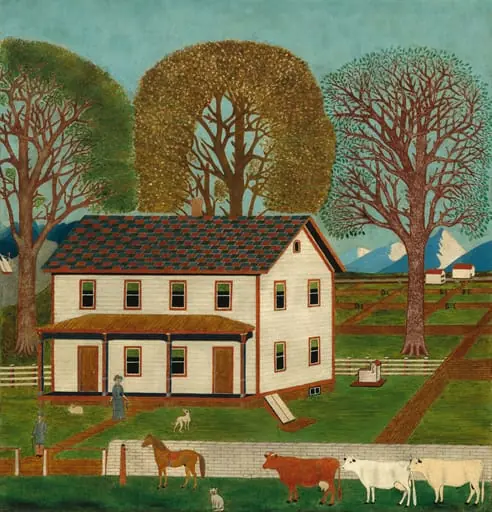
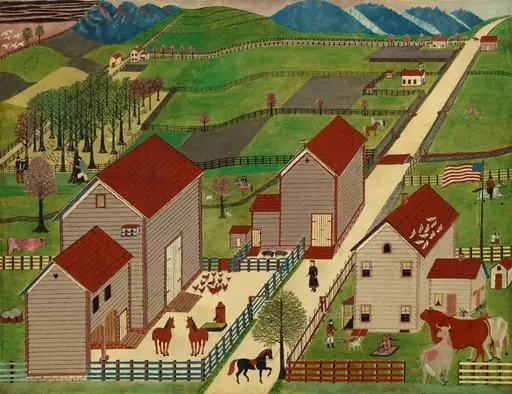
Scenes of everyday American life in the 1800s. Farmhouse in Mahantango Valley is a quiet, sunlit view of rural Pennsylvania; Boy and Girl shows two children standing close, faces turned outward. A small woodcut, The…

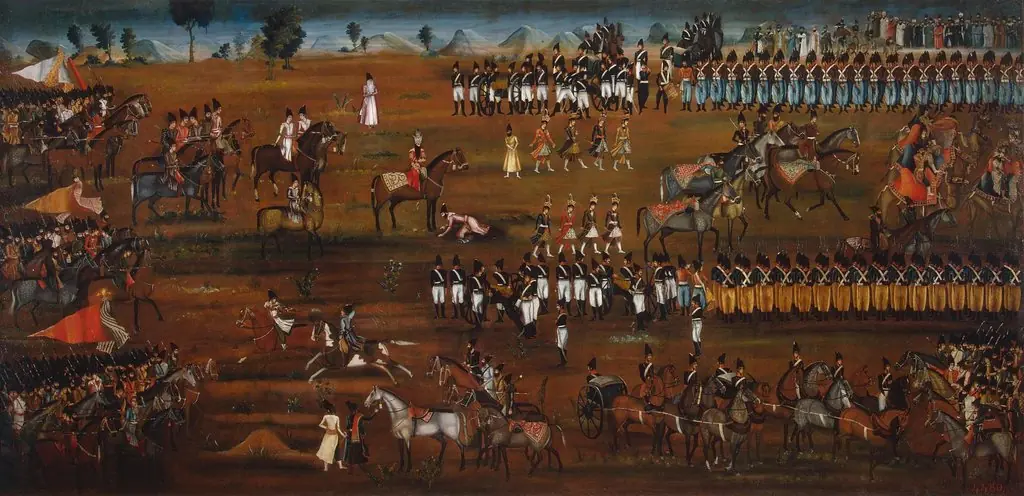
- Military Review with Fath Ali Shah and Abbas Mirza
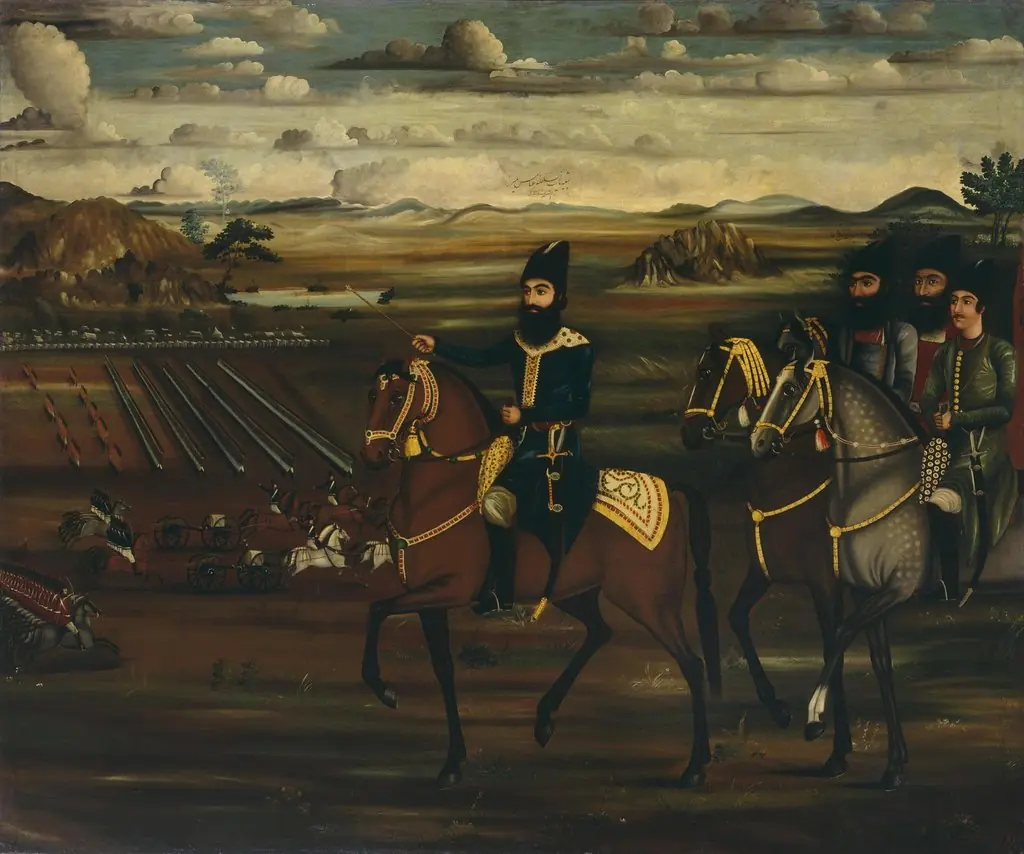 Military Review by Abbas Mirza
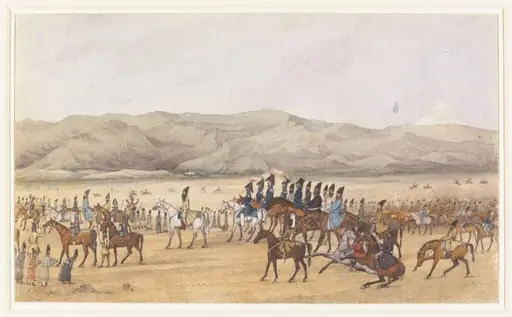 Istakball or public entry of H. R. H. Abbas Mirza at Tehran after the Campaign in Khorassan on the 15th. of June 1833
![A Pasha travelling with his escort[?], by Anonymous Greek artist](https://artifactworldgallery.com/img/anonymous-greek-artist--a-pasha-travelling-with-his-escort--01de32b8fcf30843-w320.webp) A Pasha travelling with his escort[?]
A Pasha travelling with his escort[?]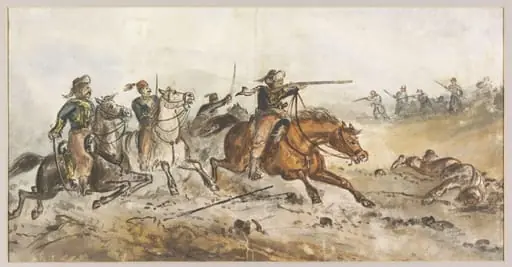 Turkish irregular cavalry charging Russian infantry
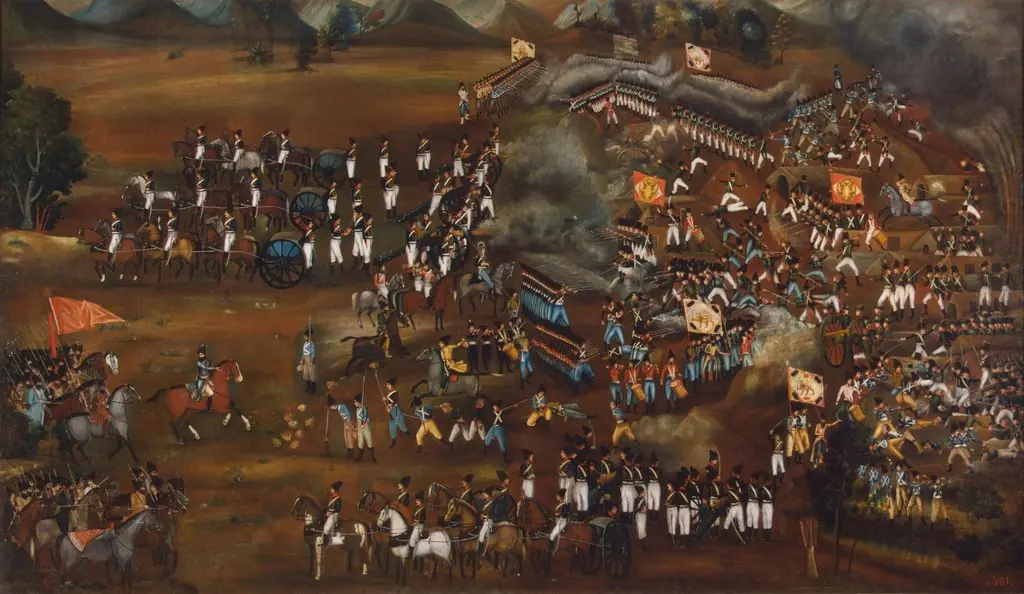 Battle Between Persians and Russians
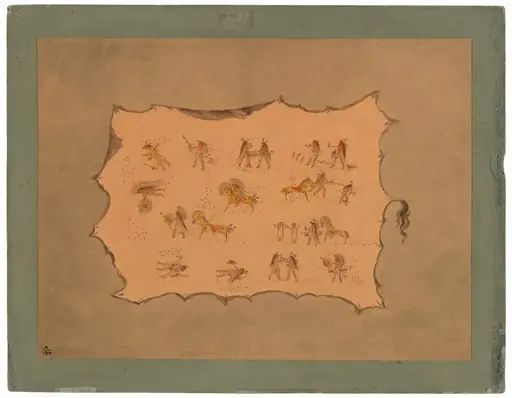 Facsimile of the Robe of Mah-to-toh-pa - Mandan
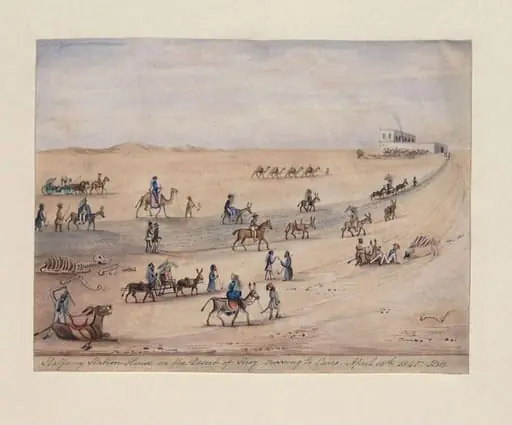 A halfway station house in the desert of Suez crossing to Cairo
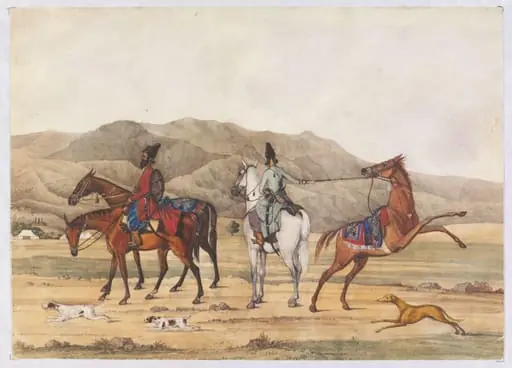 Arabians and Turkoman Horse the property of Sir J. C - - with Persians
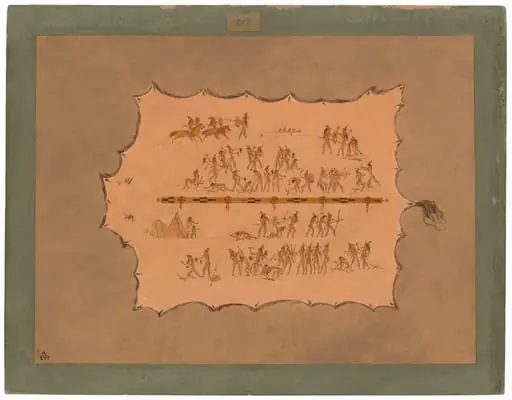 Facsimile of a Sioux Robe
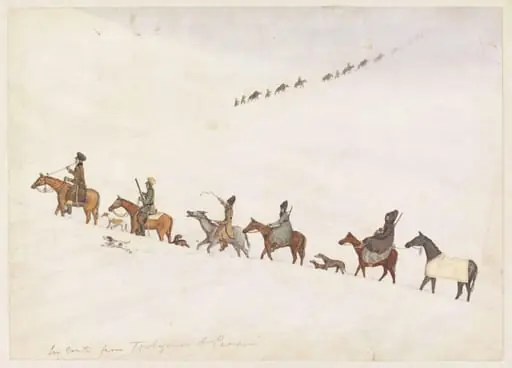 En Route, Trebizond to Persia
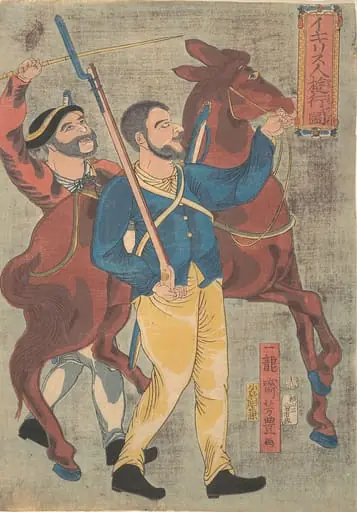 Igirisujin ryōkō no zu|Englishman Walking for Pleasure