Artwork
Eliab Metcalf (?)
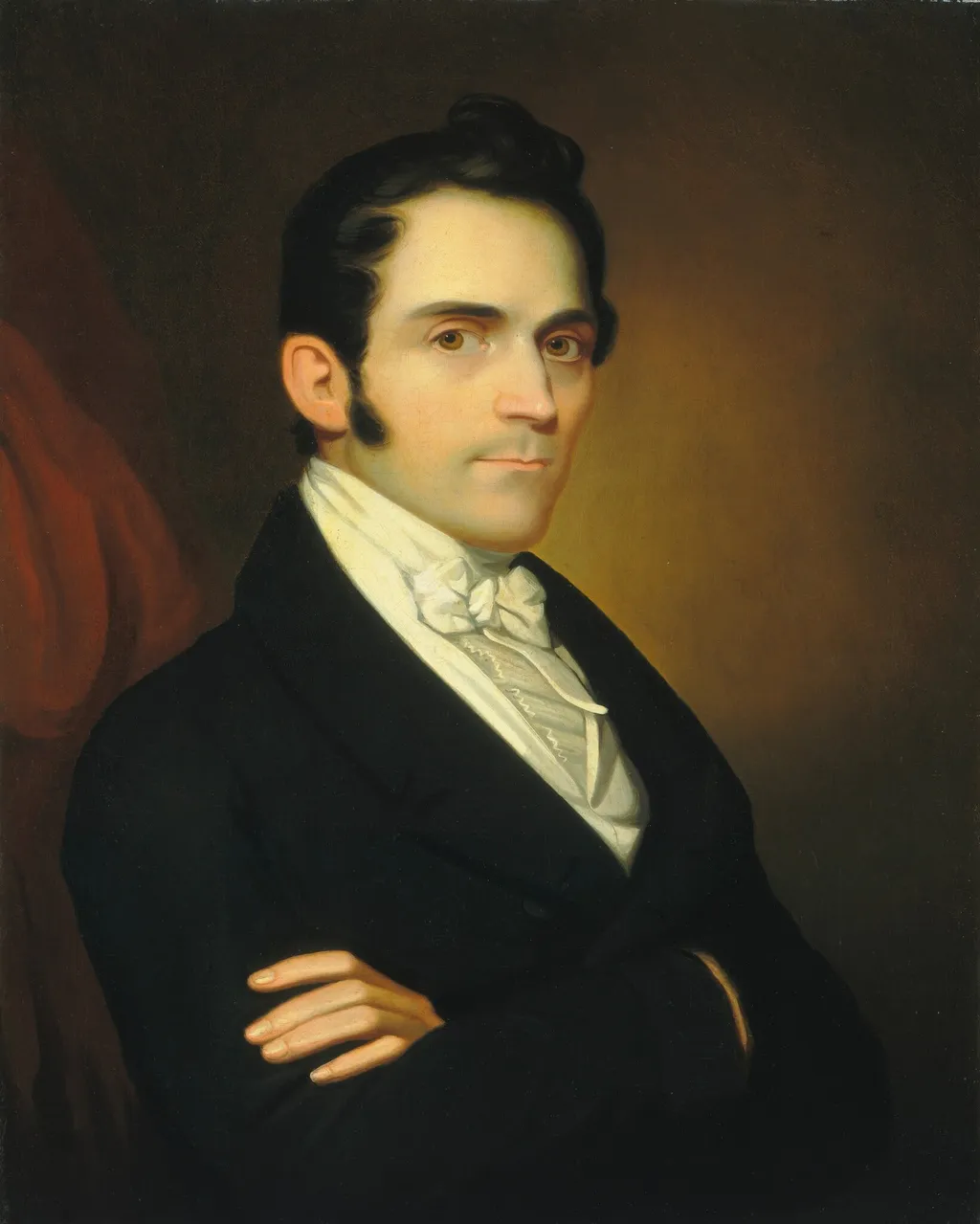
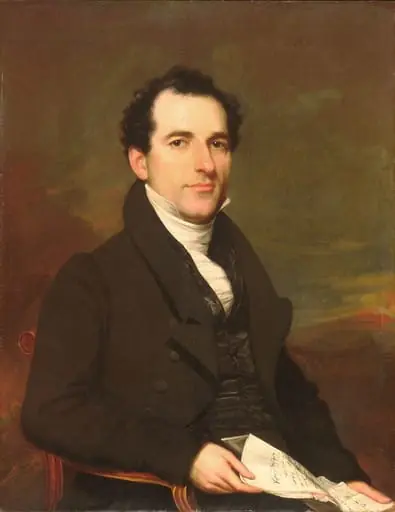
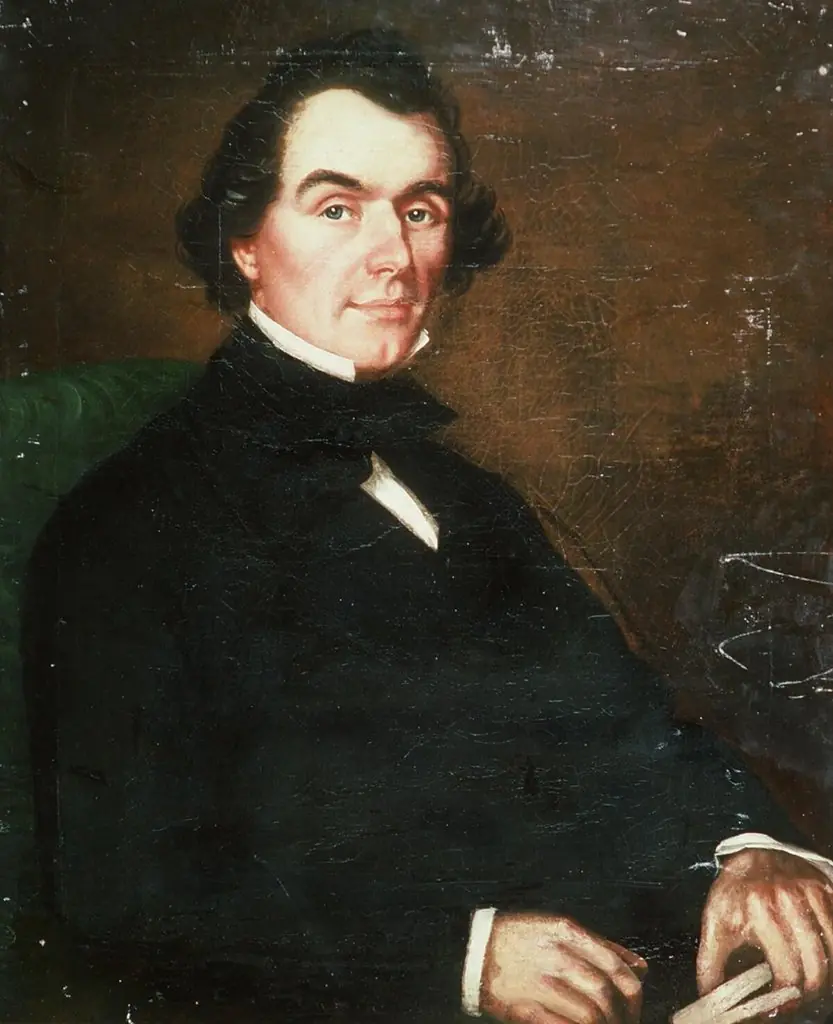
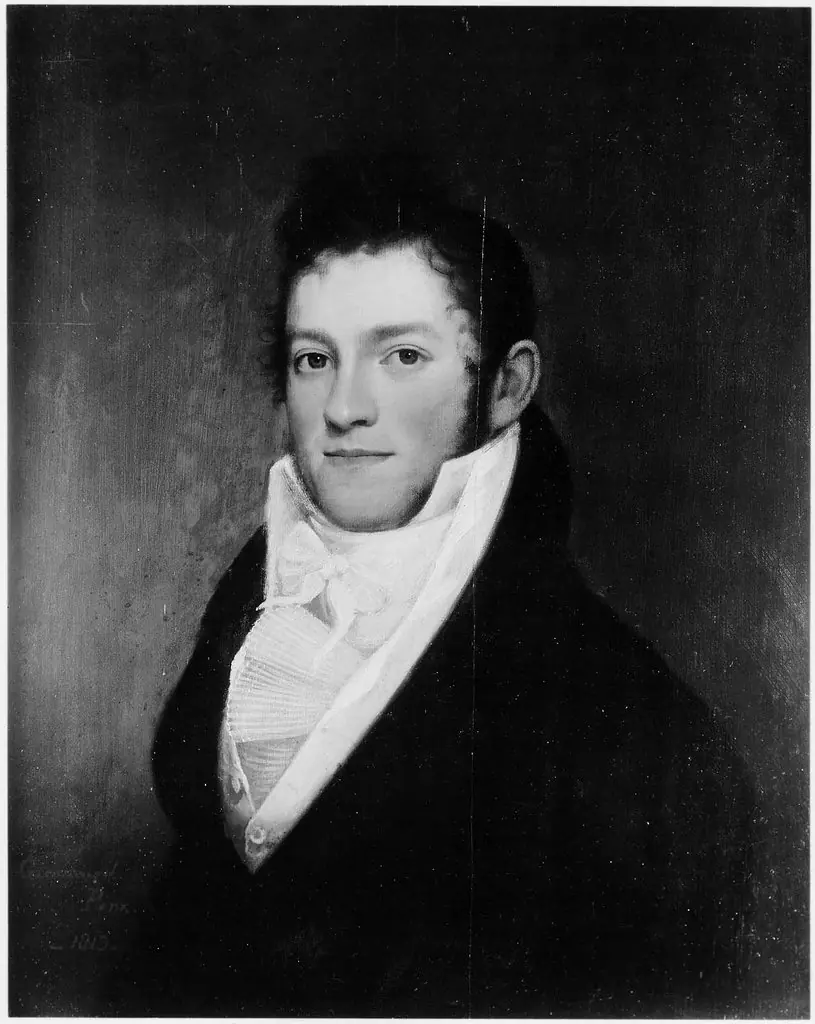
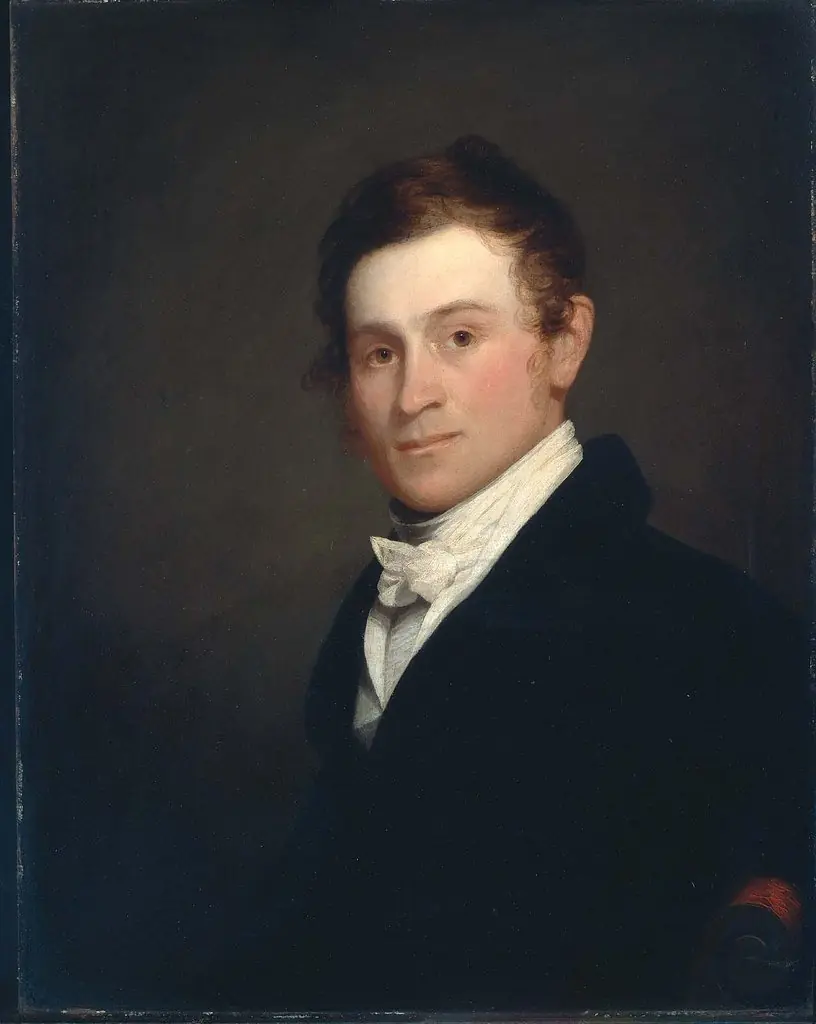
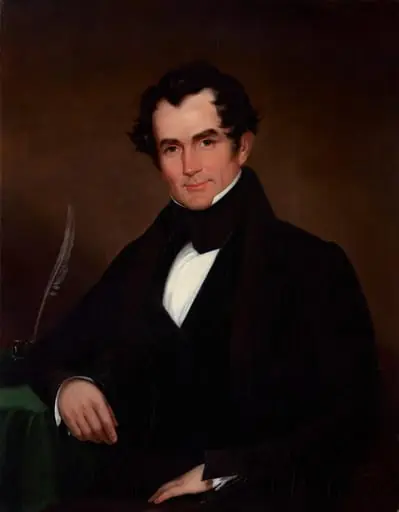
Eliab Metcalf (?) is an oil painting. It dates from 1815 and is held in the collection of the National Gallery of Art. This oil on canvas painting, tentatively titled Eliab Metcalf, depicts a seated male figure.
About this work
Technique & Style
Oil paint is applied to create a realistic likeness of Eliab Metcalf, reflecting the portrait genre prevalent in the period.
The painting is executed in oil on canvas, a standard support for 19th‑century American portraiture. The canvas measures about 68.1 cm in height by 53.5 cm in width, as recorded in the National Gallery of Art catalog. Oil paint is applied to create a realistic likeness of Eliab Metcalf, reflecting the portrait genre prevalent in the period.
The work belongs to the American school of the early 1800s and is part of the Andrew W. Mellon collection at the National Gallery of Art. No specific conservation concerns are documented in the available records.
History & Provenance
Executed in 1815, this oil-on-canvas portrait depicts Eliab Metcalf and was created by an unidentified American artist active during the nineteenth century. The work's documented ownership begins with Rose M. de Forest (Mrs. Augustus de Forest) of New York. On March 22, 1921, Thomas B. Clarke acquired the painting from de Forest.
Following Clarke's death, the portrait remained part of his estate until January 29, 1936, when it was sold through M. Knoedler & Co. of New York to the A. W. Mellon Educational and Charitable Trust in Pittsburgh. The trust subsequently donated the work to the National Gallery of Art in Washington, D.C., in 1947, where it entered the Andrew W. Mellon collection.
Context
The 1815 oil portrait of Eliab Metcalf, attributed to an unidentified American artist of the early nineteenth century, exemplifies the emergence of professional portraiture in the United States. Executed on canvas and measuring 68.1 × 53.5 cm, the work was originally owned by Rose M. de Forest and later acquired by Thomas B. Clarke, whose collection was dispersed through M. Knoedler & Co. to the A. W. Mellon Educational and Charitable Trust in 1947. The painting entered the National Gallery of Art as part of the Andrew W. Mellon collection, where it is catalogued as a portrait within the institution’s early American holdings.
Its provenance and stylistic characteristics illustrate the circulation of portraiture among elite New York families and underscore the development of a distinct American visual identity in the post‑Federal period.
Overview
This oil on canvas painting, tentatively titled Eliab Metcalf, depicts a seated male figure. The artist rendered the subject in period clothing, emphasizing the intricate details of his facial features and hands. The work presents a formal portrait, inviting contemplation of the sitter's character through its careful execution.
Subject & Meaning
The individual portrayed in the painting is believed to be Eliab Metcalf, though specific biographical details about him remain scarce. Despite the lack of extensive historical records, the artist's approach confers a sense of dignity and significance upon the sitter. His composed posture and direct gaze suggest a quiet demeanor, inviting viewers to consider his presence and importance within his time.
Artist & collection