Artwork
Johannes Angelius Werdenhagen
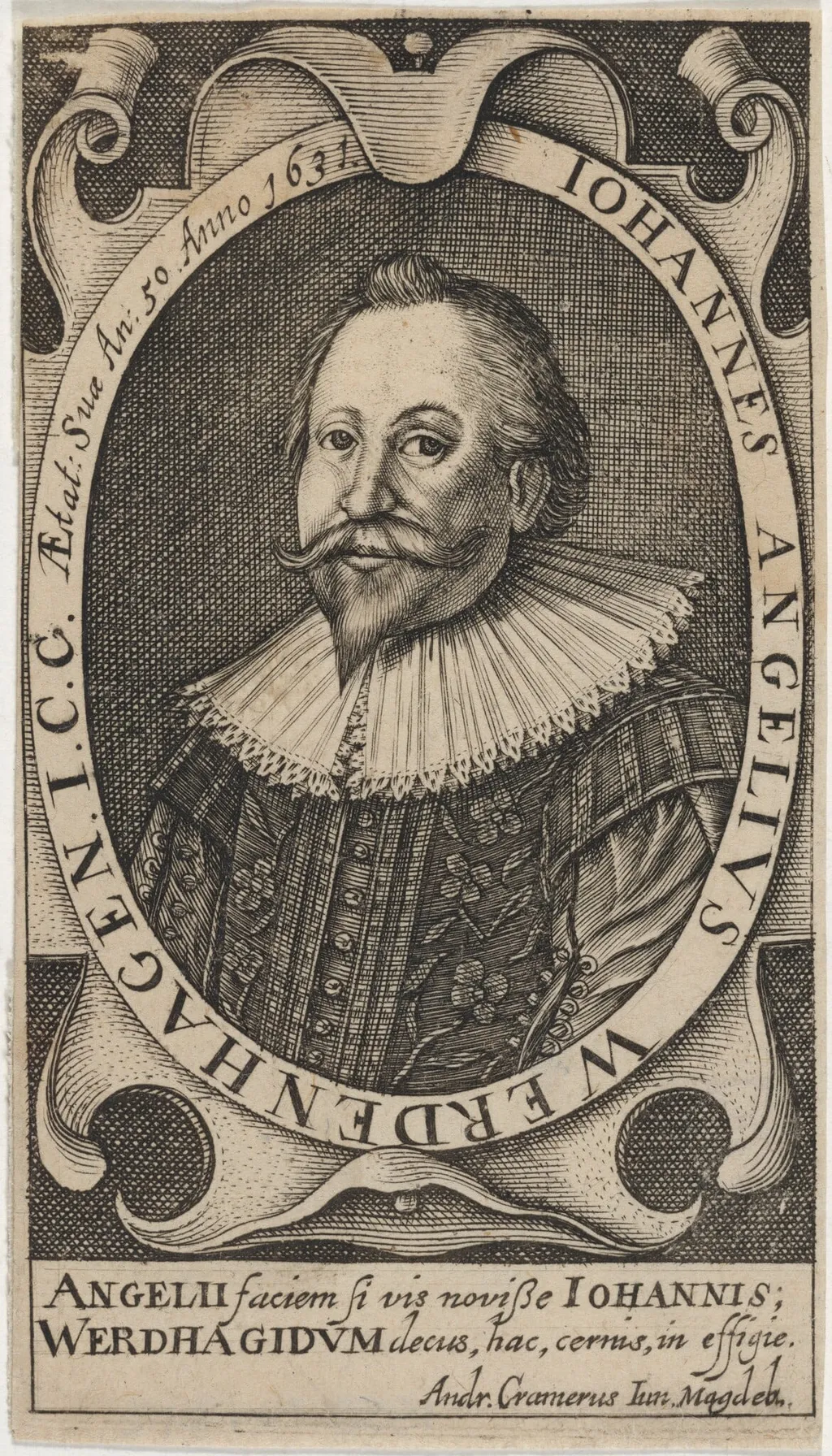
Johannes Angelius Werdenhagen is an ink print by the Baroque artist Andr. Cramerus Iun. Magdeb.. It dates from 1631 and is held in the collection of the National Gallery of Art.
About this work
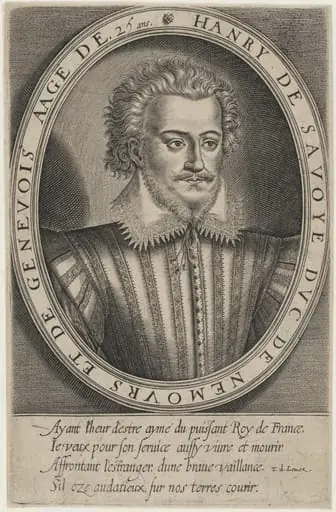
The background is plain, but the edges of the image are decorated with swirls and text in a fancy script.
This is a black-and-white portrait of a man with a thick mustache and ruffled collar. His hair is short, and he’s looking straight ahead with a serious expression. The background is plain, but the edges of the image are decorated with swirls and text in a fancy script.
The name at the bottom reads Johannes Angelius Werdenhagen, and the date 1631 is written at the top. The artist signed it as Andr. Cramerus Iun. Magdeb., which means this is an old print, not a painting.
If you like this style, check out engraving to see how artists carved these detailed images.
Overview
This 1631 engraving depicts Johannes Angelius Werdenhagen, a figure likely known in scholarly or civic circles of early 17th-century Germany. Executed by Andr. Cramerus Iun.
Magdeb., the work is a portrait printed from a metal plate, characteristic of the period’s printmaking traditions. The image is monochrome, with fine lines defining facial features and clothing, and includes decorative borders with ornamental scrollwork and inscriptions.
Subject & Meaning
The sitter, Johannes Angelius Werdenhagen, is portrayed with a composed, direct gaze and formal attire, suggesting his status as a learned or official individual. The absence of symbolic objects or elaborate settings emphasizes personal identity over narrative. The inclusion of his full name and the artist’s signature reinforces the print’s function as a documented likeness, possibly intended for circulation among peers or institutional records.
Technique & Style
The portrait was produced using engraving, a technique involving incised lines on a copper plate inked and pressed onto paper. Fine, controlled strokes model the face and ruffled collar, while the decorative border features intricate, hand-drawn flourishes typical of Baroque print frames. The artist’s signature, abbreviated as 'Andr. Cramerus Iun. Magdeb.', reflects common practice among German engravers of the time to denote origin and lineage.
History & Provenance
Created in 1631, the print originates from Magdeburg, a center of printing and engraving in northern Germany. While specific ownership history is unrecorded, such portraits were often produced for private collections or academic institutions. The presence of the artist’s full designation suggests a professional commission, likely tied to Werdenhagen’s social or professional standing within the region’s intellectual community.
Context
In the early 1600s, engraved portraits served as affordable means of disseminating likenesses of notable individuals, especially where painting was inaccessible. Magdeburg’s active print culture supported such works, linking local figures to broader networks of scholarship and civic identity. This engraving reflects the era’s emphasis on documentation and the growing role of print in preserving personal and institutional memory.
Legacy
As a surviving example of mid-17th-century German engraving, this work contributes to the study of portraiture in print. Though not widely reproduced or exhibited today, it remains a tangible artifact of how individuals of modest prominence were visually recorded before photography. Its preservation offers insight into the technical skill and social functions of printmakers in early modern Europe.
Artist & collection

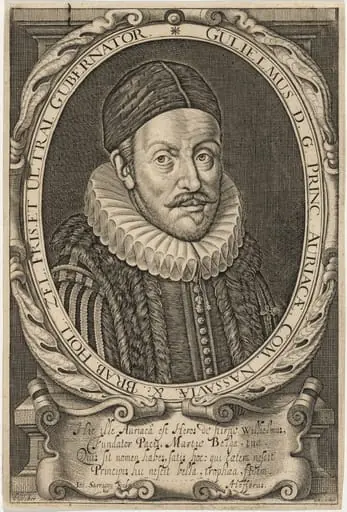 William I, Prince of Orange
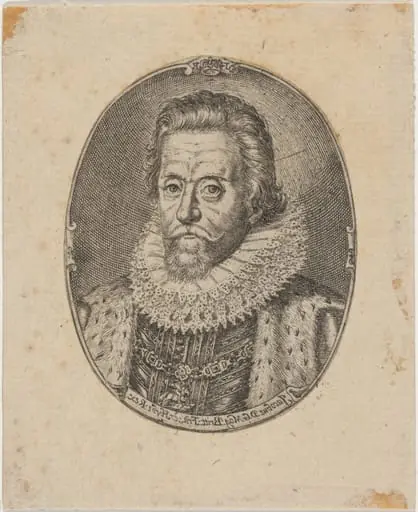 James I, King of England
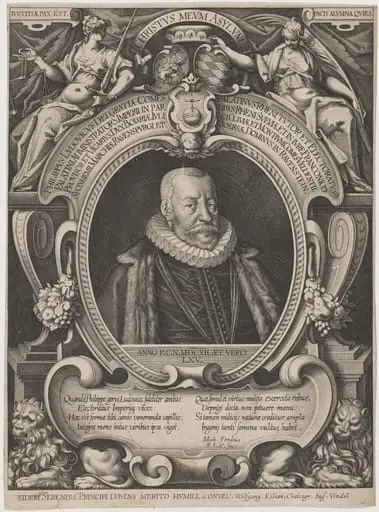 Philip Louis, Count Palatine
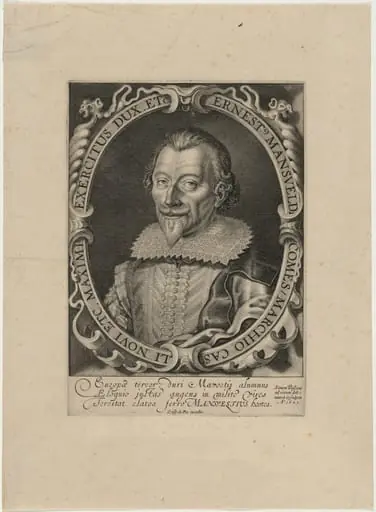 Ernest, Count of Mansfeld
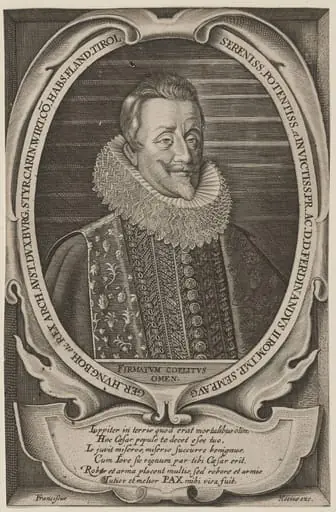 Ferdinand II, Roman Emperor
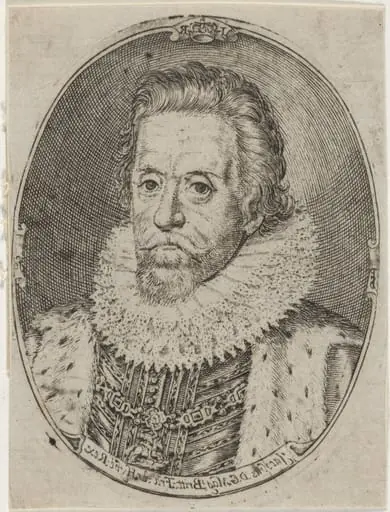 James I, King of England
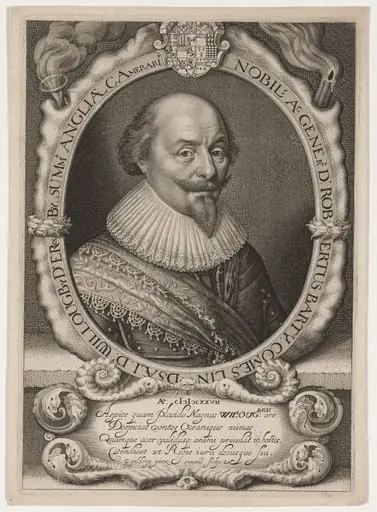 Robert Bertie, First Earl of Lindsey, Royalist, Fell at Edgehill
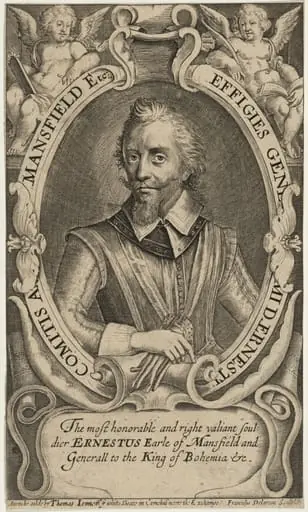 Ernestus Earle of Mansfield
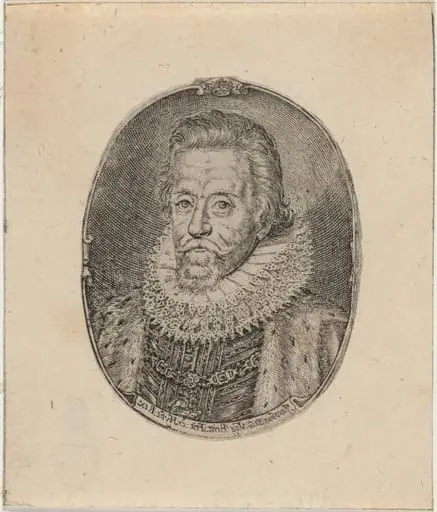 James I, King of England
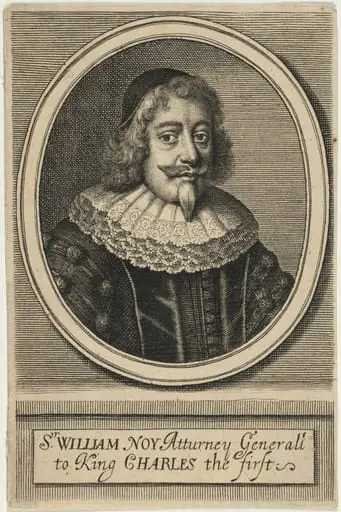 Sir William Noy
 Henry, Duke of Savoy, Nemours and Geneva
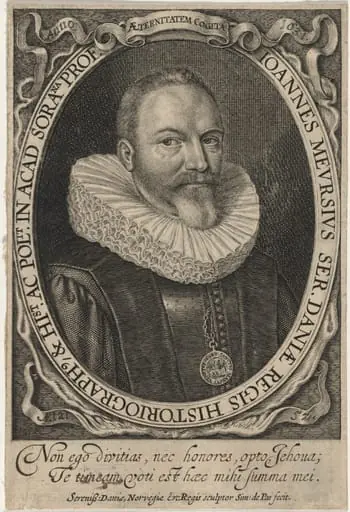
- Johannes Meursius, Historian