Artwork
Crucifixion
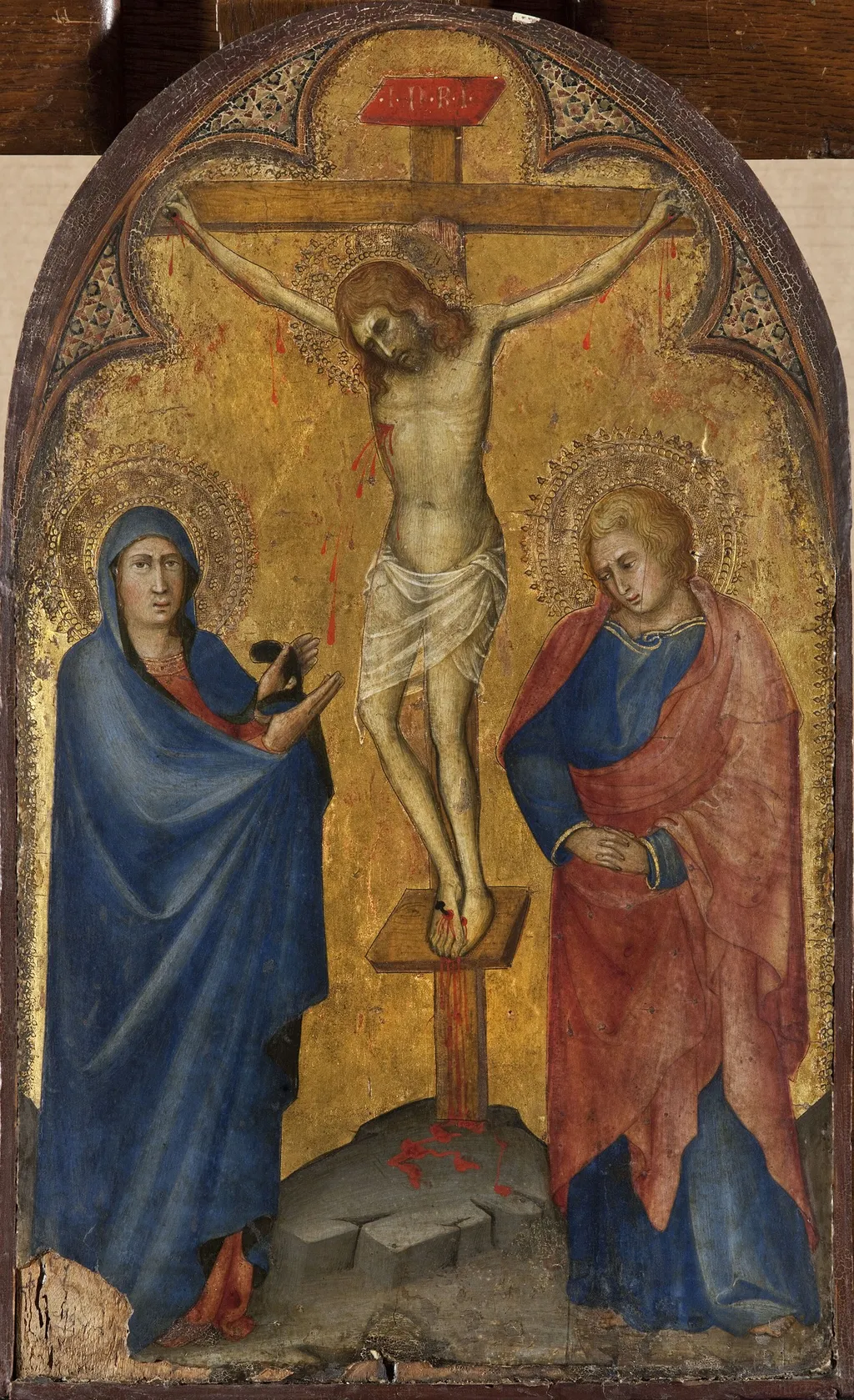
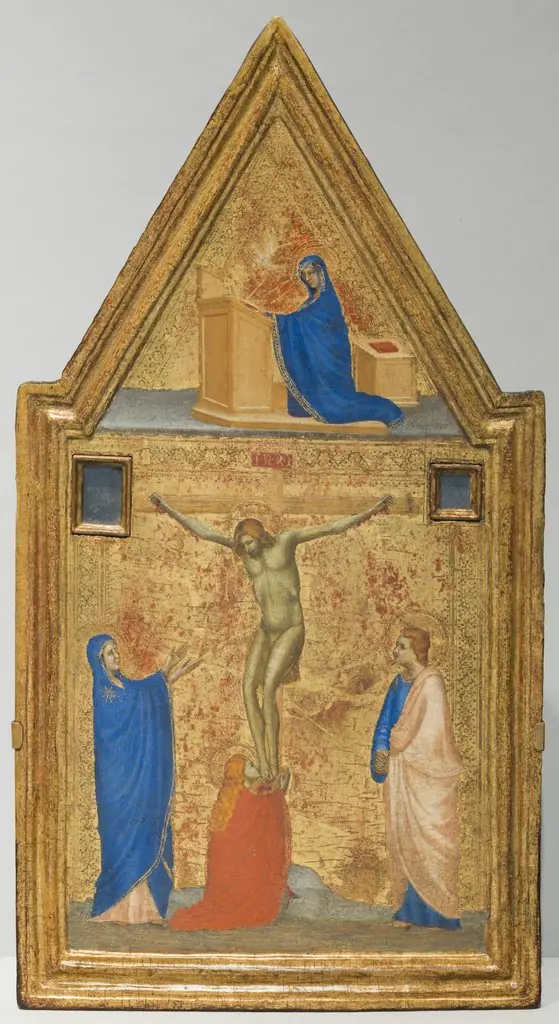
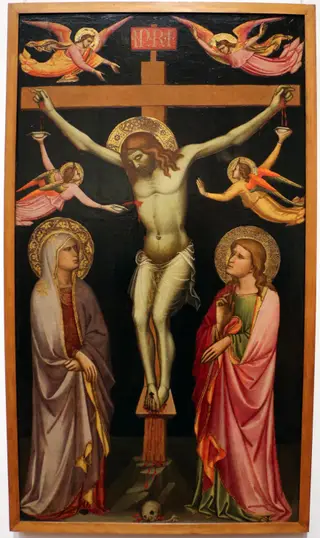
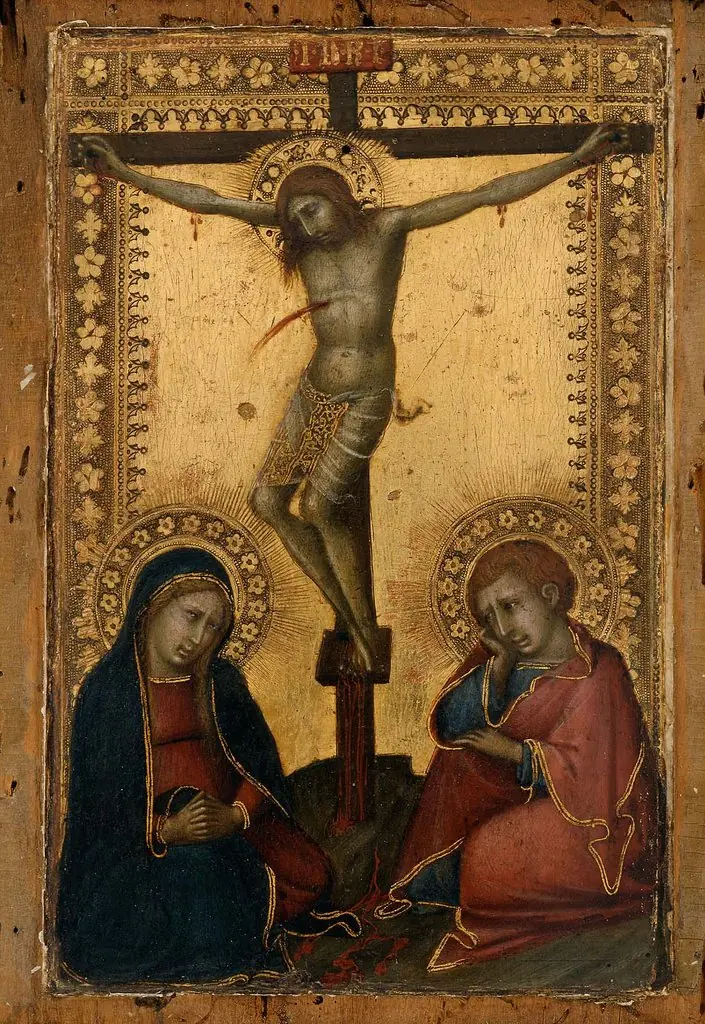
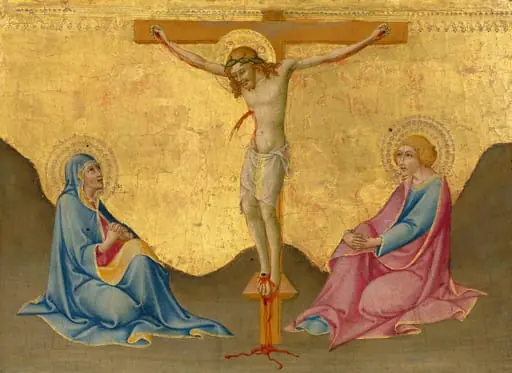
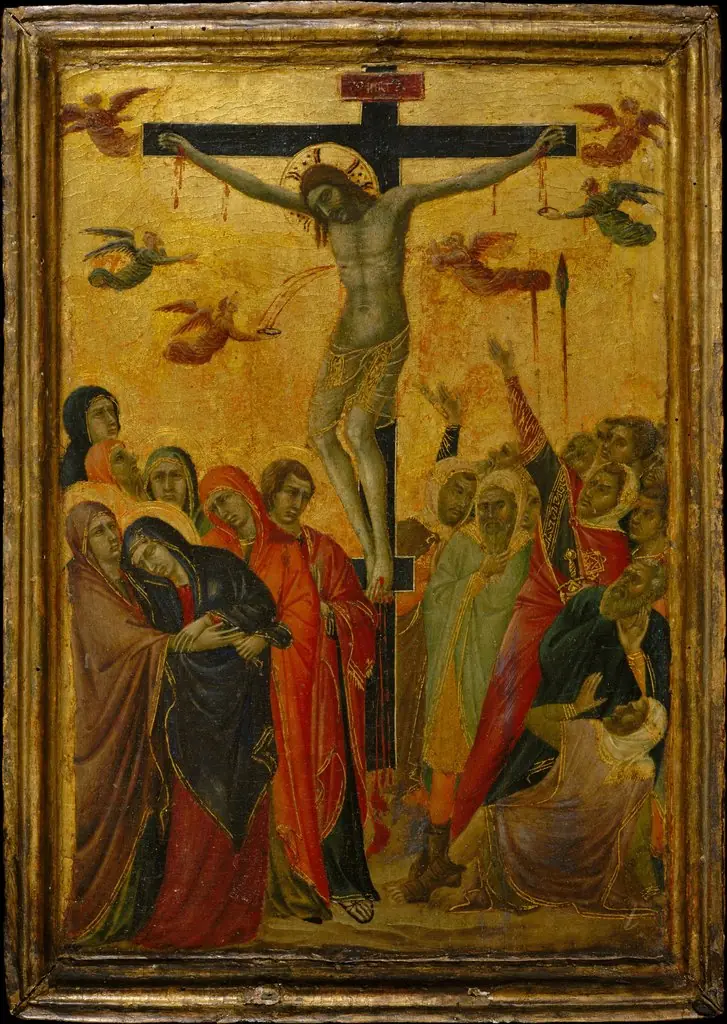
Crucifixion is a tempera painting by the Early Renaissance artist Andrea del Castagno. It dates from 1460 and is held in the collection of the National Museum in Warsaw.
About this work
Subject & Meaning
The painting depicts the Crucifixion of Jesus Christ, the central event of Christian salvation in which Christ was nailed to the cross.
The painting depicts the Crucifixion of Jesus Christ, the central event of Christian salvation in which Christ was nailed to the cross. As a work of religious art, it belongs to a long devotional tradition in which the Crucifixion scene served as a focal point for meditation on Christ's sacrifice and the promise of redemption.
The image centers on the figure of Jesus on the cross, the defining element of the iconography. By choosing this subject, Andrea del Castagno engaged with a theme that allowed artists to convey both human suffering and theological triumph simultaneously, making the work suitable for devotional contemplation.
Technique & Style
This religious painting, titled Crucifixion, is executed in tempera on a panel support. The work depicts the crucifixion of Jesus Christ as its central subject. Physically, the artwork measures 45.5 cm in height and 27.5 cm in width. It is currently held in the collection of the National Museum in Warsaw.
History & Provenance
The Crucifixion was painted by Andrea del Castagno and originally commissioned for the high altar of the church of Santa Maria della Misericordia in Padua. It remained in that location until the early nineteenth century, when it entered the collection of the National Museum in Warsaw, where it has been preserved ever since. The work is dated to the mid‑15th century, reflecting the artist’s mature period.
Its dimensions are 45.5 cm in height and 27.5 cm in width, and it is executed in tempera on panel.
The painting depicts the crucifixion of Jesus, showing the central figure of Christ alongside the two thieves and the mourning figures of the Virgin Mary and Saint John. The composition is typical of late‑Gothic religious art, emphasizing dramatic narrative and vivid coloration.
The provenance records indicate a continuous ownership chain from its original patrons to the National Museum in Warsaw, with no documented sales or transfers between these points.
Andrea del Castagno's tempera painting titled Crucifixion is held in the collection of the National Museum in Warsaw. The work, which depicts the crucifixion of Jesus Christ on a panel measuring 45.5 cm in height and 27.5 cm in width, is classified as religious art. While some cataloging references associate the creator with Andrea di Bartolo, the primary attribution within the source data links the piece to Andrea del Castagno. The specific inventory or accession number for this item is not provided in the available documentation.
Overview
This tempera painting, titled Crucifixion, is the work of Andrea del Castagno, created around 1460. It is a representation of the crucifixion of Jesus Christ and is currently housed at the National Museum in Warsaw.
Own this work as a print
Artist & collection

Artist
Andrea del Castagno had a quick, sharp career in 15th-century Florence. He wasn’t the most famous painter of his time, but he stood out for his bold, almost sculptural figures that looked ready to step off the wall. His…