Artwork
Apollo and Daphne
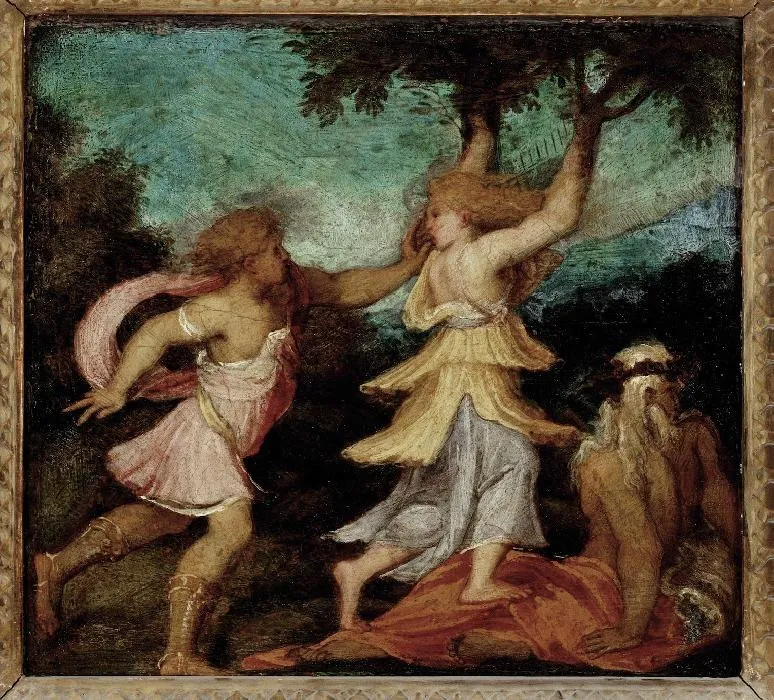
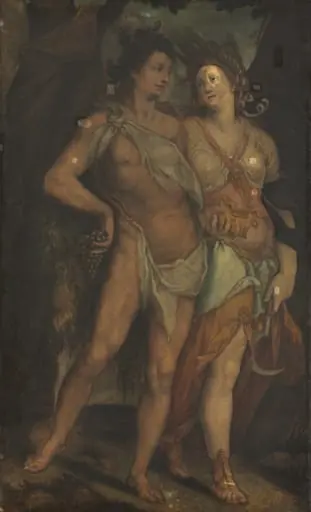
Apollo and Daphne is an unspecified painting by the Mannerist artist Andrea Schiavone. It dates from 1544 and is held in the collection of the Kunsthistorisches Museum.
About this work
History & Provenance
No specific details regarding the original commission or the circumstances of its creation beyond the date of execution are provided in the available records.
Andrea Schiavone executed the mythological painting Apollo and Daphne in 1544. The work entered the collection of Archduke Leopold Wilhelm of Austria, establishing an early provenance linked to the Habsburg dynasty. It currently resides in the Kunsthistorisches Museum, where it remains part of the institution's holdings.
No specific details regarding the original commission or the circumstances of its creation beyond the date of execution are provided in the available records.
Apollo and Daphne is held in the Kunsthistorisches Museum, where it is recorded under its inventory number. Its provenance traces back to Archduke Leopold Wilhelm of Austria, who transferred the work to the museum. The painting has been part of the museum’s exhibition schedule, appearing in displays of mythological works.
Context
Andrea Schiavone's 1544 painting Apollo and Daphne, depicting the mythological chase of Apollo and Daphne, is housed in the Kunsthistorisches Museum. It was originally part of Archduke Leopold Wilhelm of Austria's collection before entering the museum's permanent holdings. The work is recognized as a significant example of 16th-century mythological painting within the broader context of Venetian Renaissance art and the evolution of narrative painting in the Cinquecento.
Overview
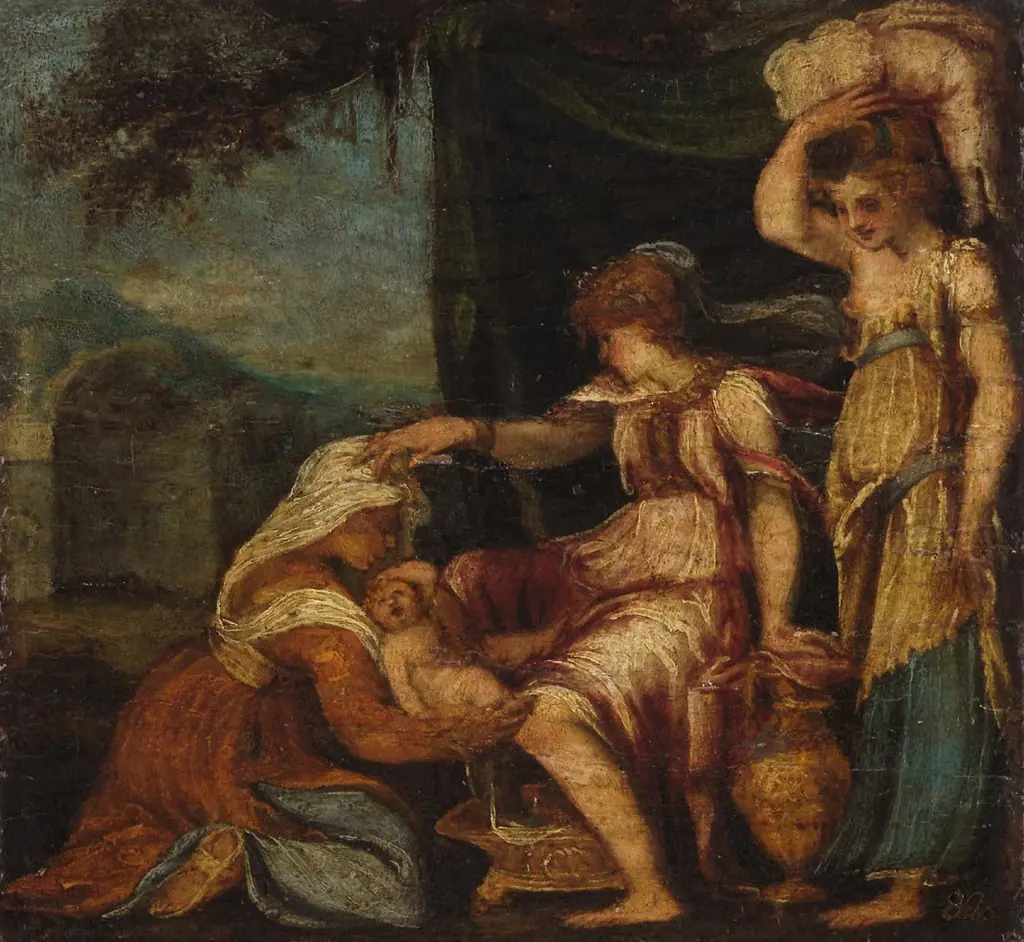
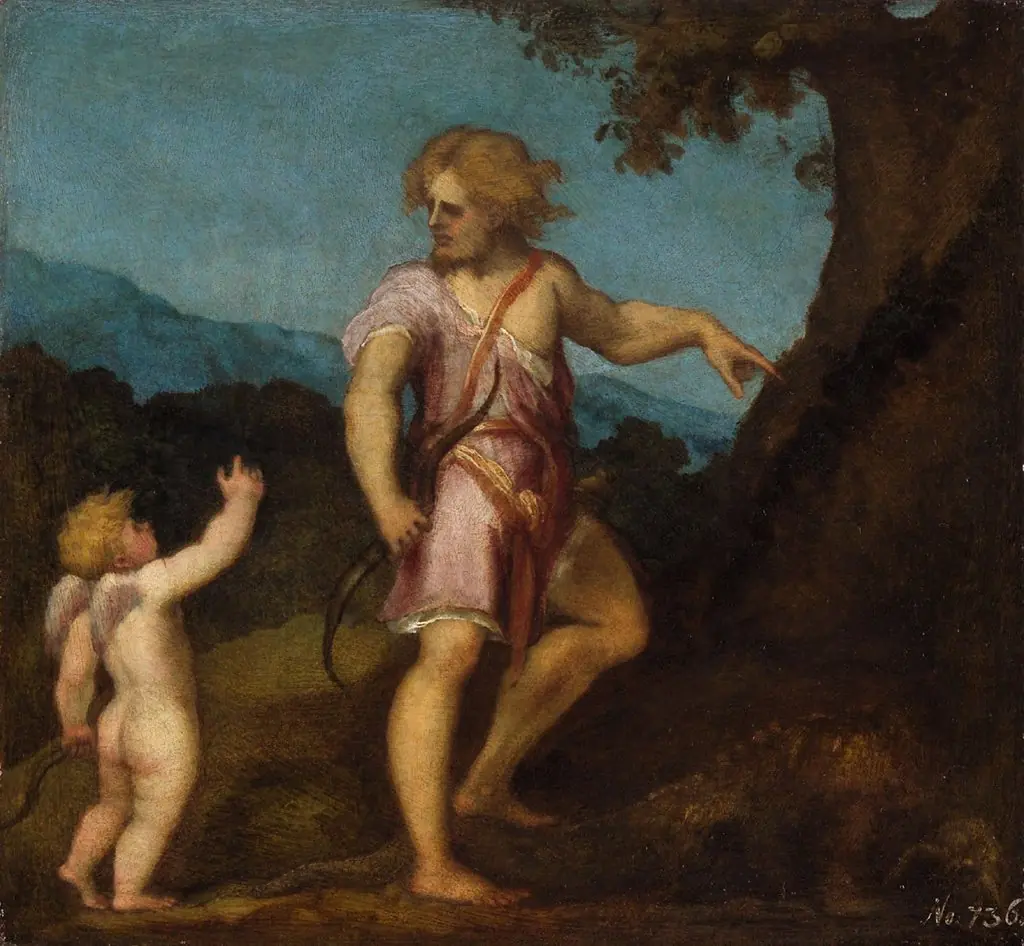
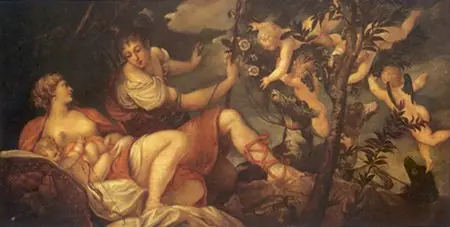
Andrea Schiavone’s Apollo and Daphne (1544) portrays the climactic moment of Ovid’s myth in which the god Apollo pursues the nymph Daphne. Executed in a Mannerist idiom, the canvas captures the tension of chase through exaggerated poses and a compressed spatial setting, emphasizing the narrative’s dramatic climax.
Subject & Meaning
The work visualizes the transformation myth: Apollo, armed with a bow, reaches for Daphne as she flees, her hand grasping a tree branch that will soon become her arboreal form. The juxtaposition of the male figure’s forward thrust and the female figure’s retreat underscores themes of desire, resistance, and metamorphosis.
Technique & Style
Schiavone employs a muted chiaroscuro to model the figures against a dark, atmospheric backdrop tinged with green and blue. Soft, flowing brushstrokes render the pink tunic and yellow dress, imparting a sense of motion. The composition reflects Mannerist elongation and tension while echoing Venetian coloristic influences, particularly those of Titian.
Artist & collection
Artist
Andrea Meldolla (Croatian: Andrija Medulić), also known as Andrea Schiavone or Andrea lo Schiavone, literally "Andrew the Slav", (c.