Movement
Venetian Renaissance
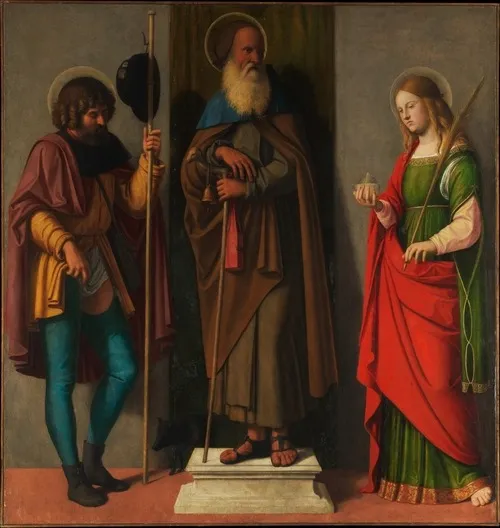
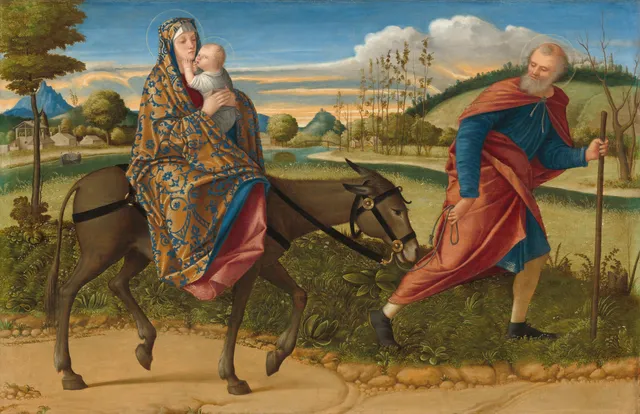
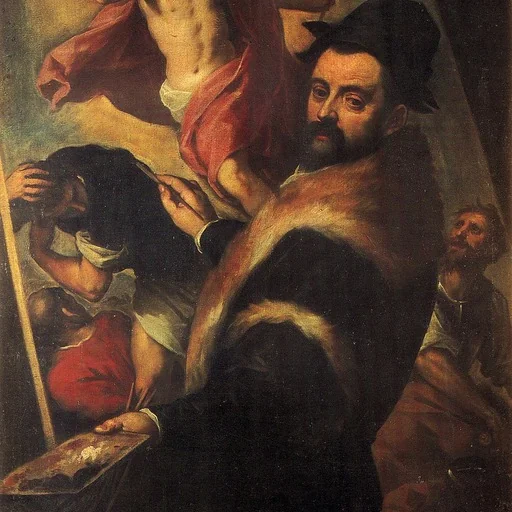
Venetian Renaissance is an art movement. The gallery holds 99 works in this movement, including works by Titian, Jacopo Tintoretto and Palma il Giovane. Browse Venetian Renaissance paintings, portraits, pictures and artworks from the world's public-domain museum collections.
The Venetian Renaissance was the distinctive school of painting that flourished in the Republic of Venice from the later fifteenth through the sixteenth century, the artistic flowering of one of Europe's wealthiest maritime states. Enriched by trade with the Levant and intensely aware of its own splendour, Venice cultivated an art of sensory abundance rather than the intellectual rigour prized in Florence. The damp, salt-laden air of the lagoon made fresco impractical, and Venetian painters embraced oil paint on canvas and panel—a medium pioneered locally by Giovanni Bellini, widely regarded as the founding father of the school, whose luminous Madonnas and atmospheric altarpieces such as the San Zaccaria Altarpiece (1505) established its serene, light-filled idiom.
The defining principle of the school was colorito—the primacy of colour and the modelling of form through tone and light rather than through the firm contour drawing, or disegno, that Florentine theorists championed. Venetian masters let colour and light flow across forms, softening their boundaries and rendering flesh, fabric, and foliage with almost palpable texture. They worked freely with pliable canvas, which encouraged looser, more expressive brushwork, and Bellini, Giorgione, and Titian famously ground glass into their pigments to heighten the reflection of light.
From Bellini's workshop emerged Giorgione, whose poetic, enigmatic landscapes such as The Tempest (c. 1508) gave the school its pastoral, dreamlike strain, and Titian, the towering genius whose Assumption of the Virgin (1515–18), installed in the Frari in May 1518, announced a new dynamism and chromatic power. The later sixteenth century brought Tintoretto, with his dramatic light and vertiginous compositions, and the opulent Paolo Veronese. Alongside them worked narrative painters like Vittore Carpaccio—represented in our collection by The Flight into Egypt and The Meditation on the Passion—and altarpiece masters such as Giovanni Battista Cima da Conegliano.
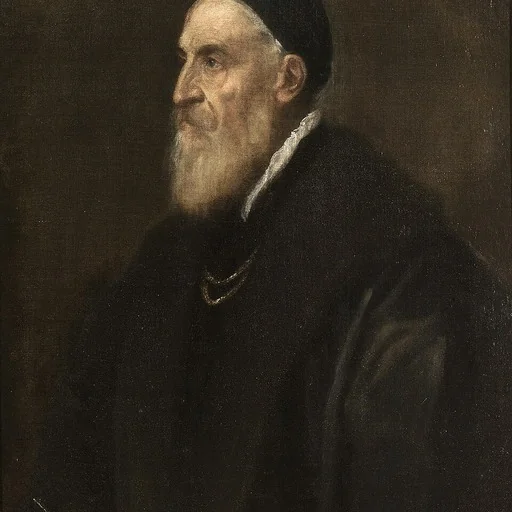
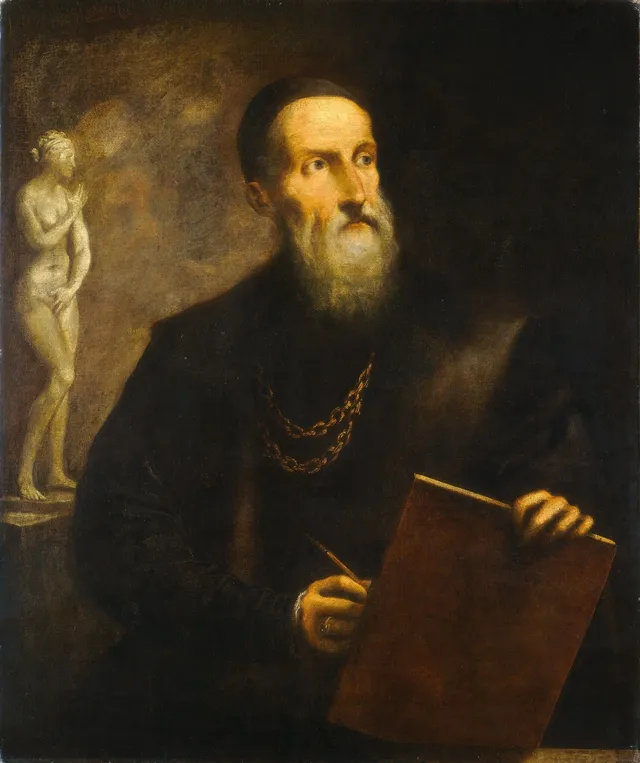
The school's legacy was immense. Its liberation of colour and brushwork reshaped European painting, directly informing the Baroque masters Rubens, Van Dyck, Velázquez, and Rembrandt, and reaching forward to Delacroix and the Impressionists. Within Venice the tradition persisted through followers like Pietro della Vecchia, whose Imaginary Self-Portrait of Titian we hold, binding the Renaissance achievement to the Baroque age it helped inaugurate.
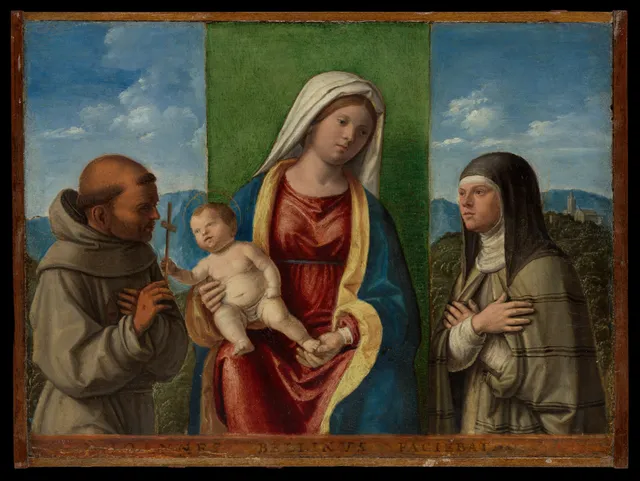
Key artists
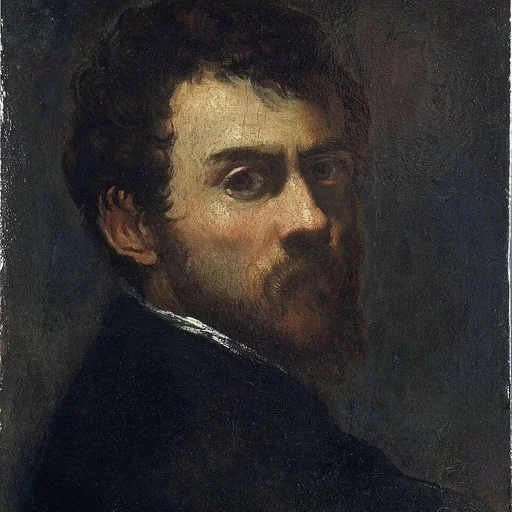
Works
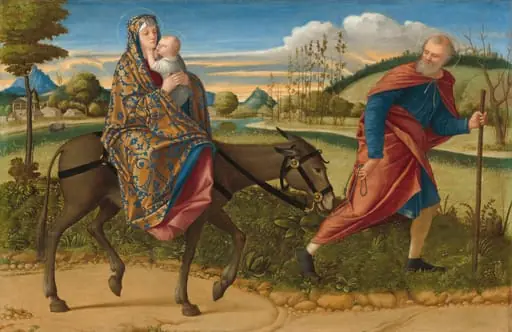 The Flight into Egypt
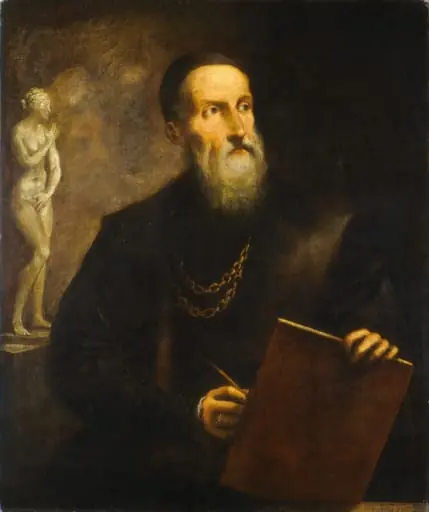 Imaginary Self-Portrait of Titian
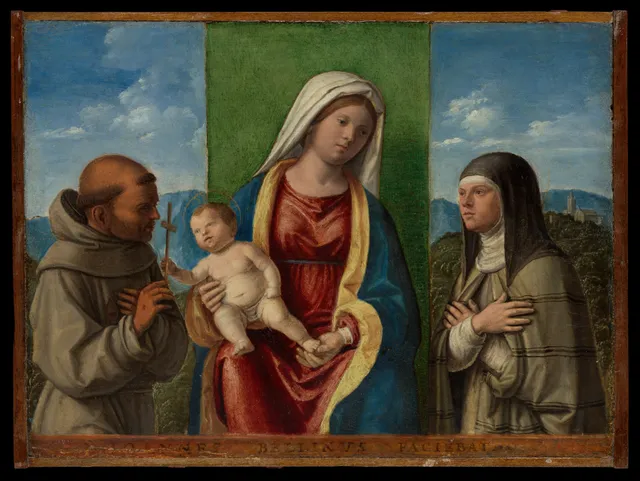
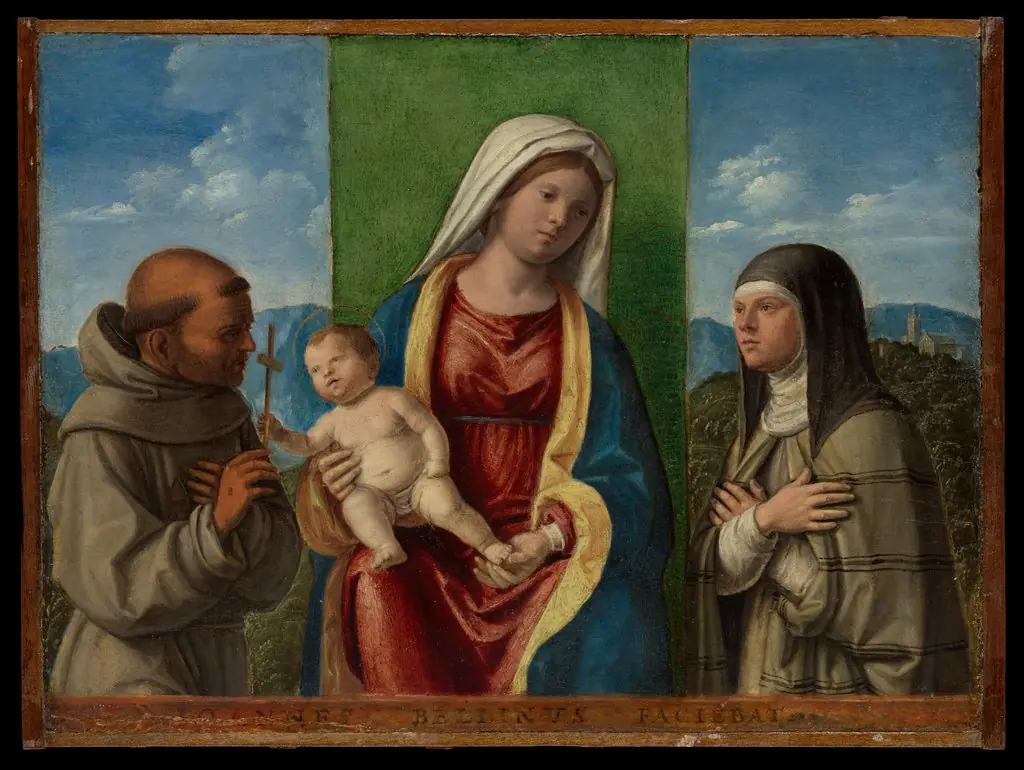 Madonna and Child with Saints Francis and Clare
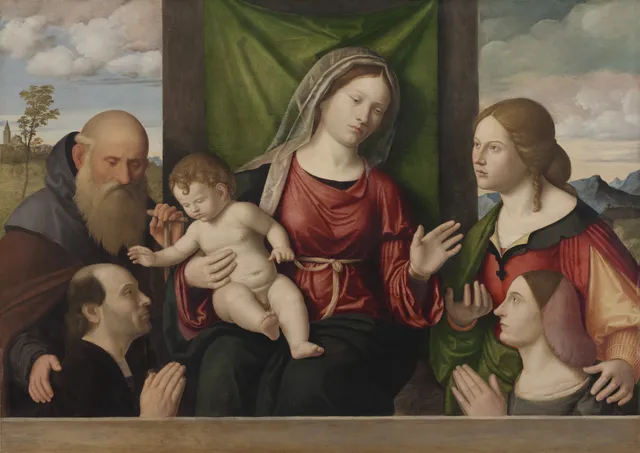
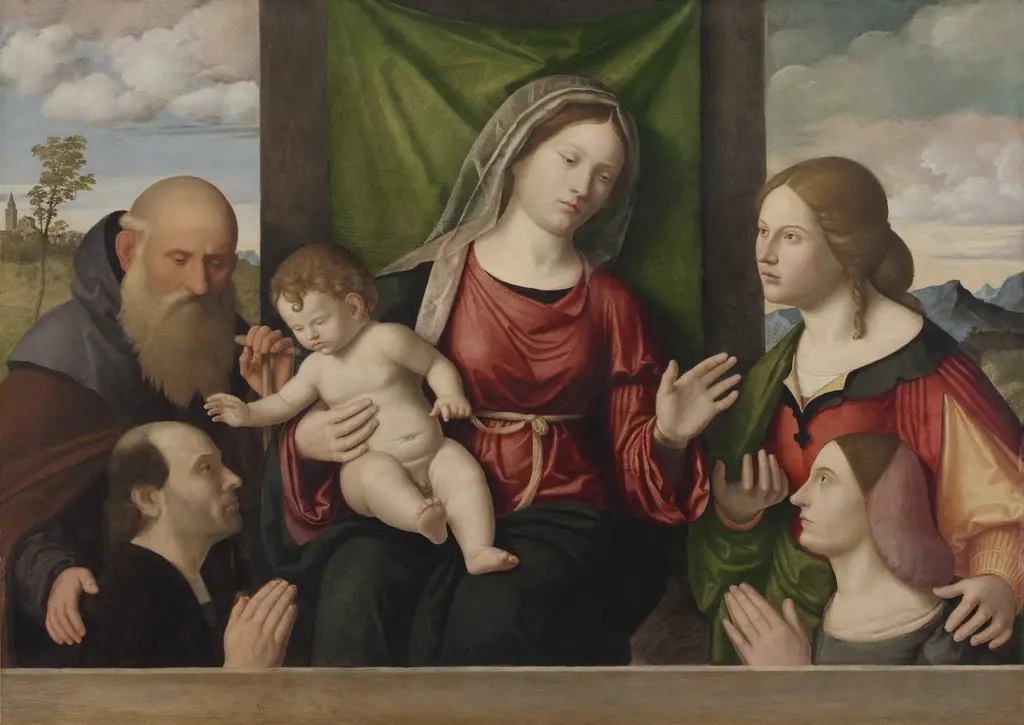 Virgin and Child with Saints and Donors
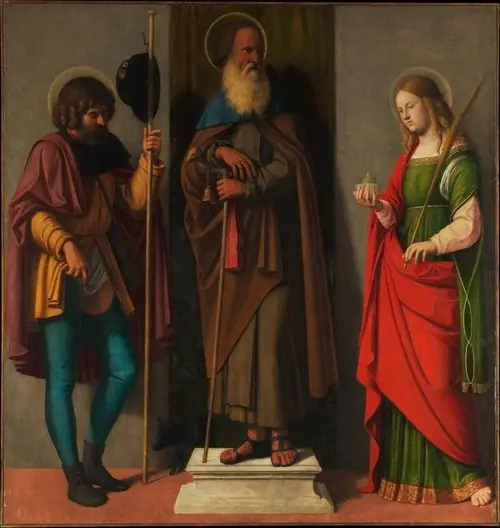 Saints Roch, Anthony Abbot and Lucy
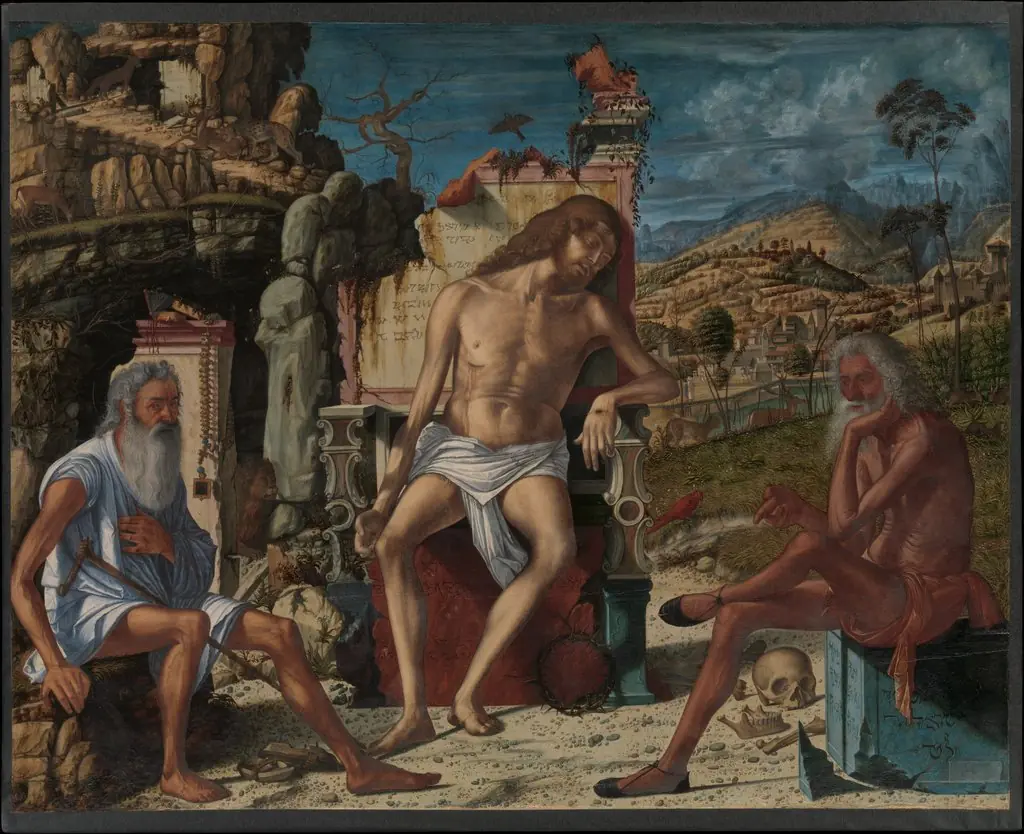 The Meditation on the Passion
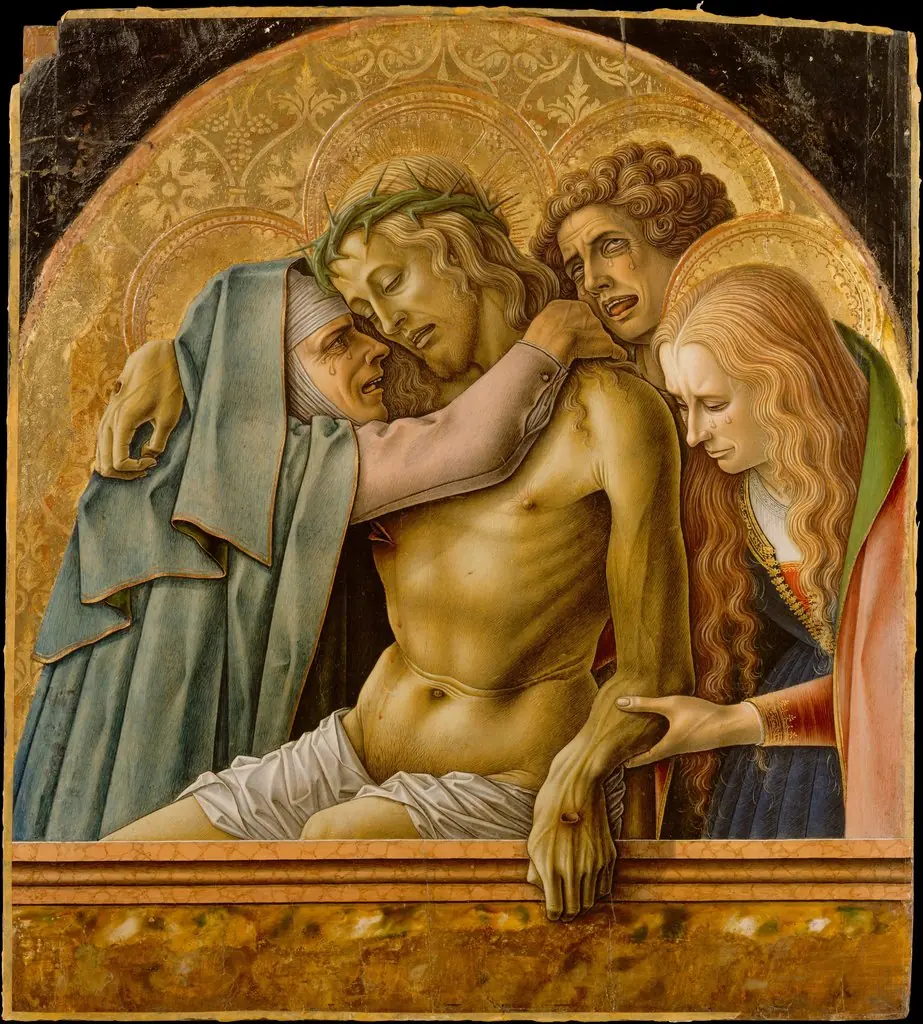 Pietà
Pietà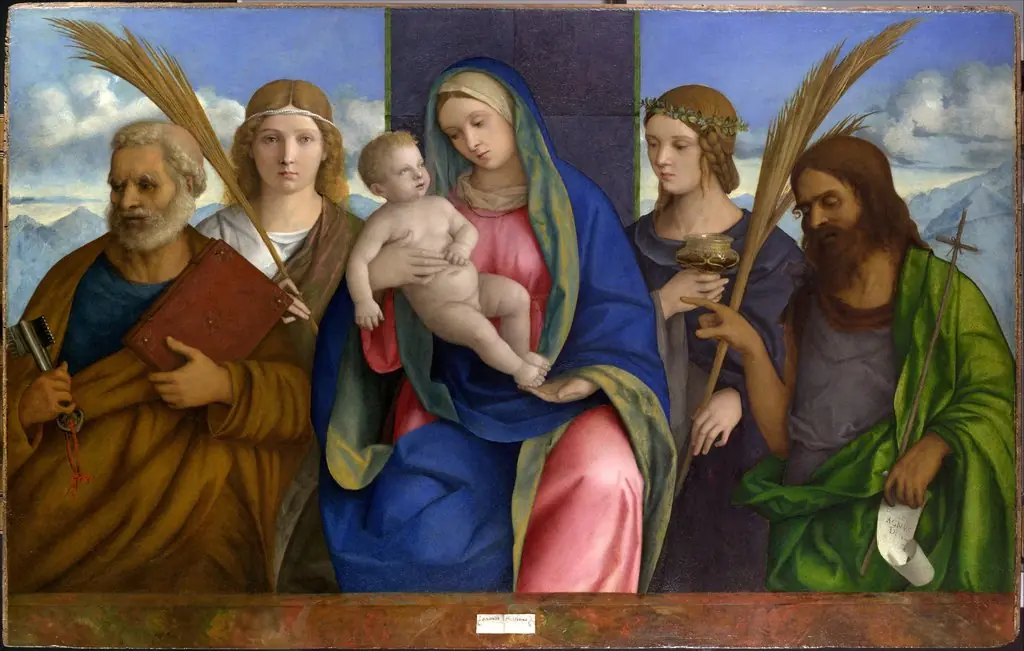 Madonna and Child with Saints
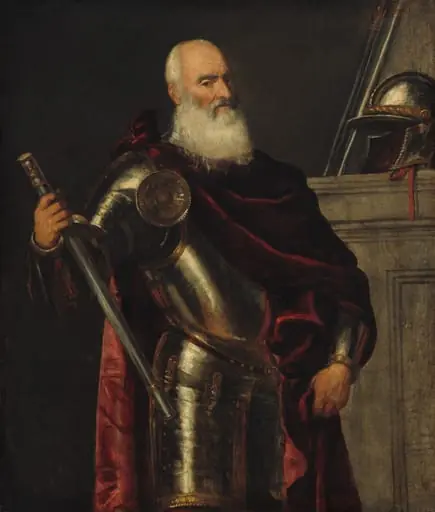 Vincenzo Cappello
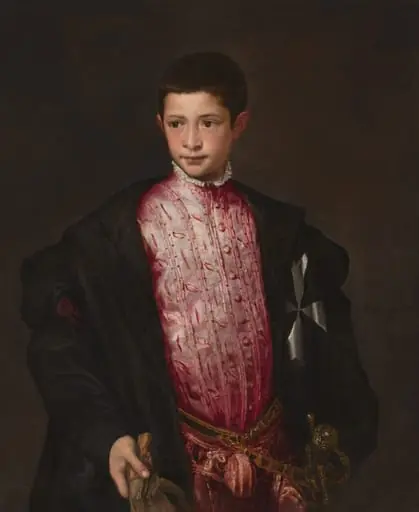 Ranuccio Farnese
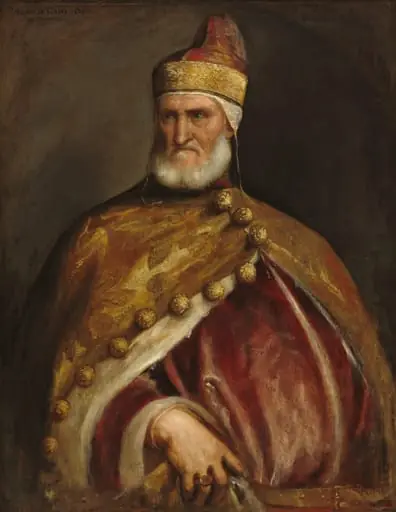 Doge Andrea Gritti
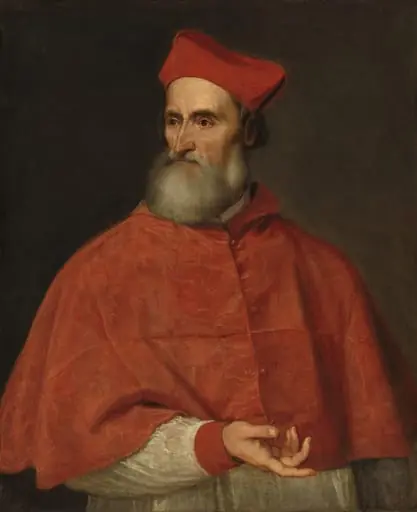 Cardinal Pietro Bembo
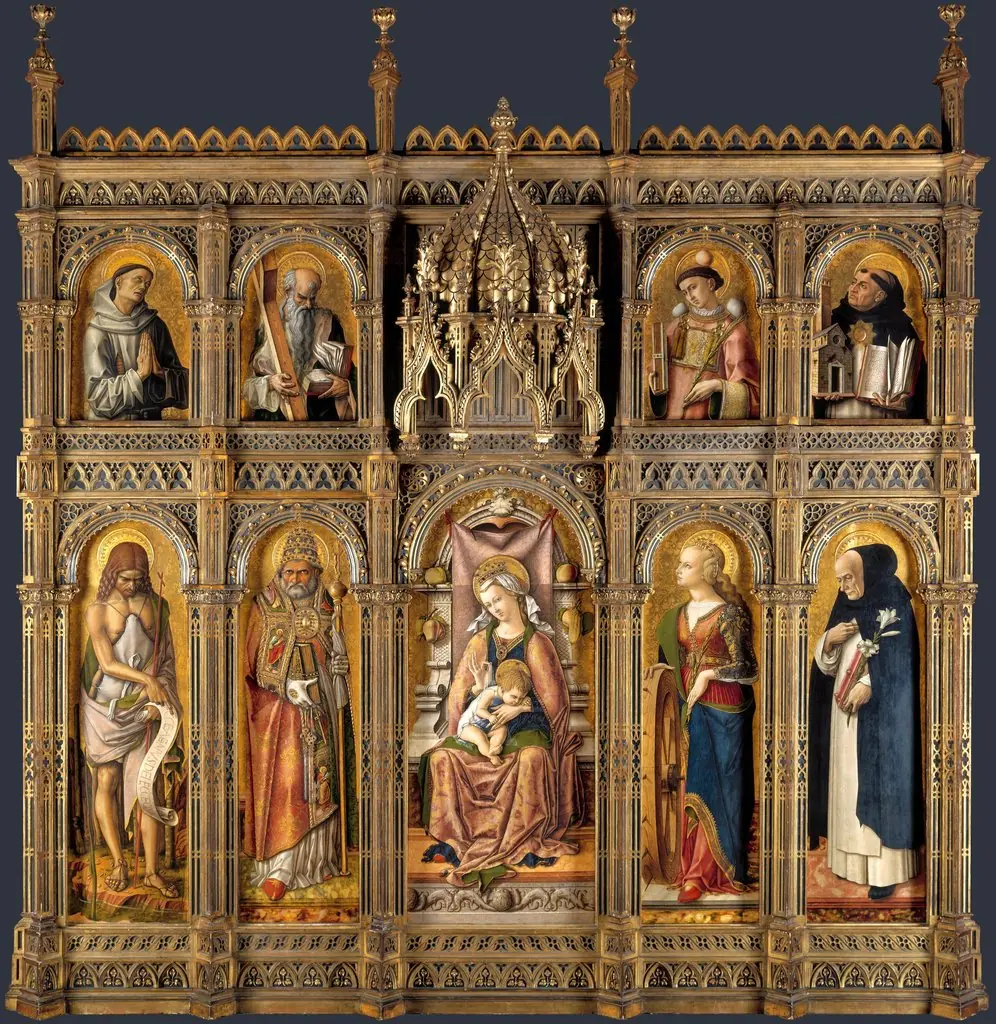 Demidoff Altarpiece
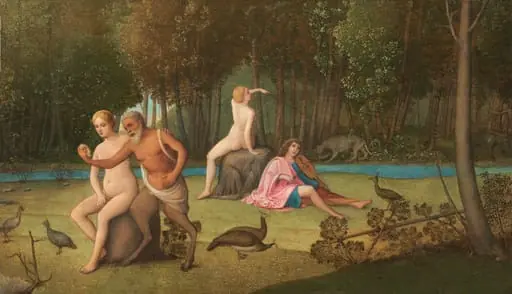 Orpheus
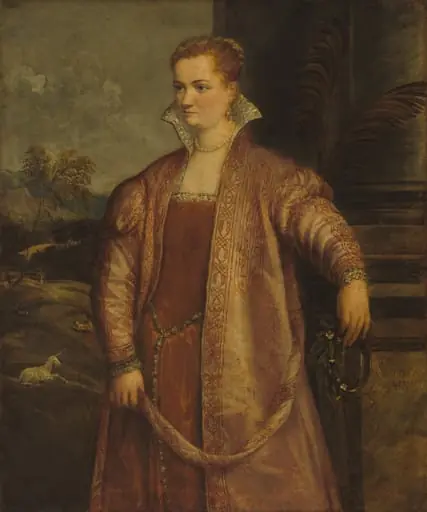 Irene di Spilimbergo
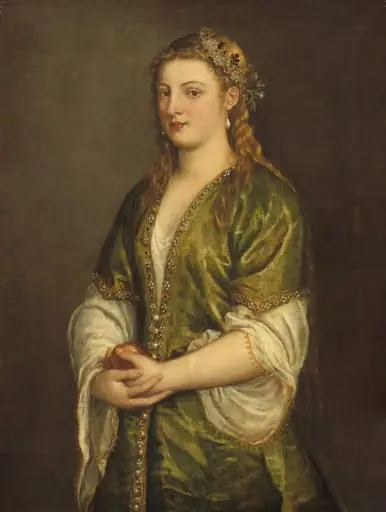 Woman Holding an Apple
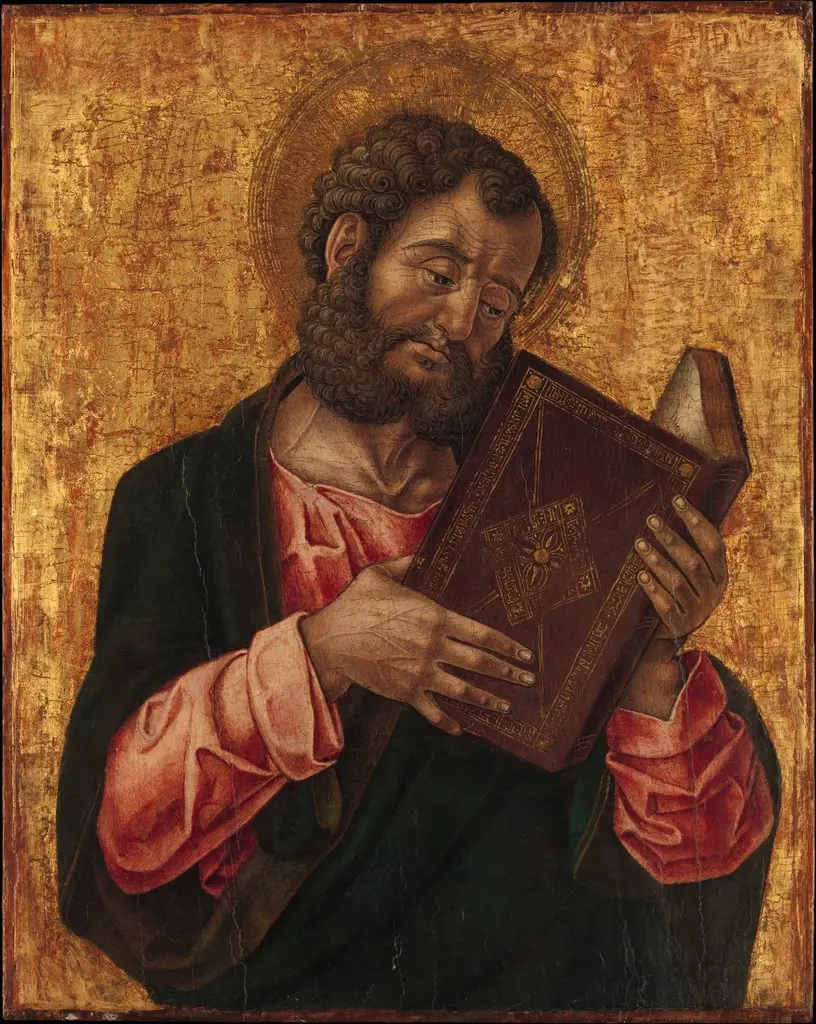 A Saint (Mark?) Reading
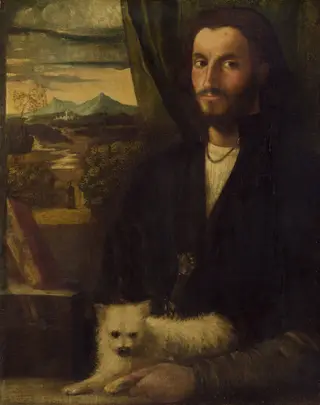 Portrait of a Man with a Dog
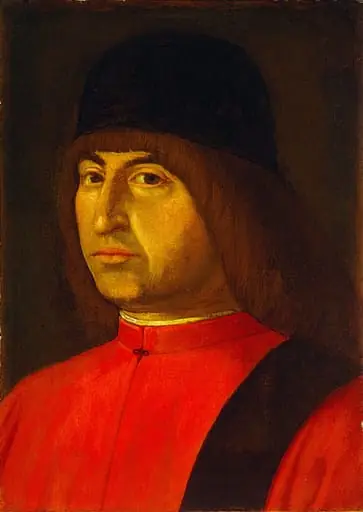 Portrait of a Man
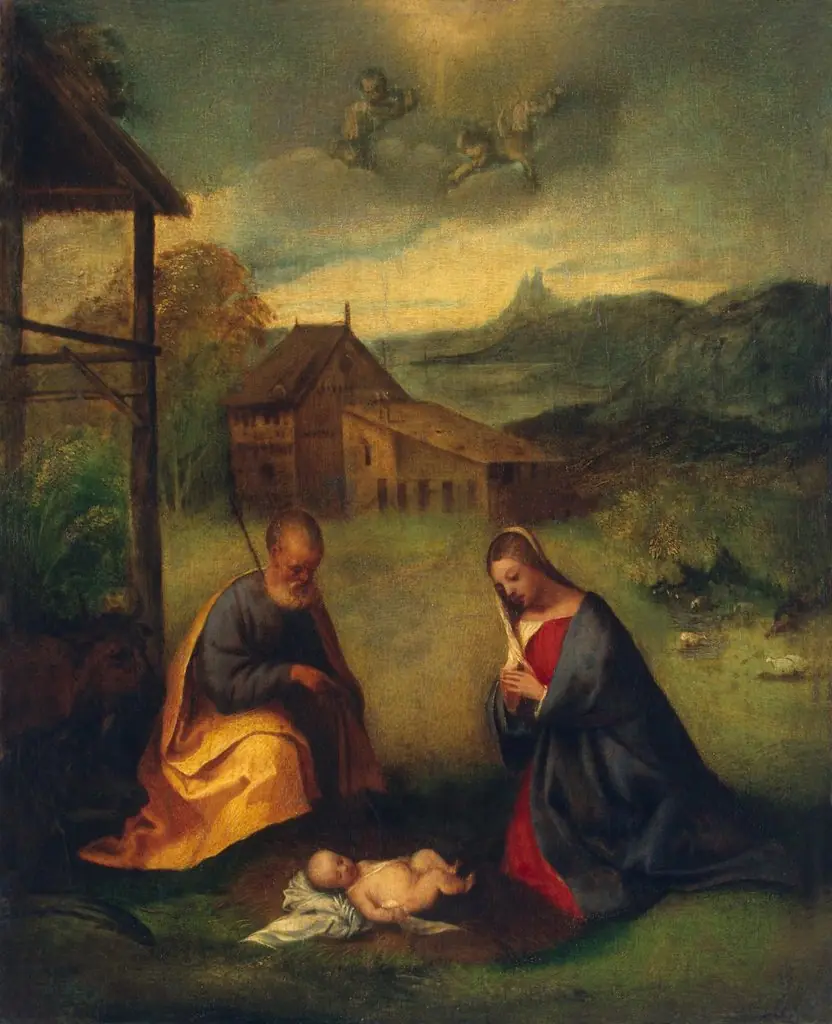 Adoration of the Christ Child
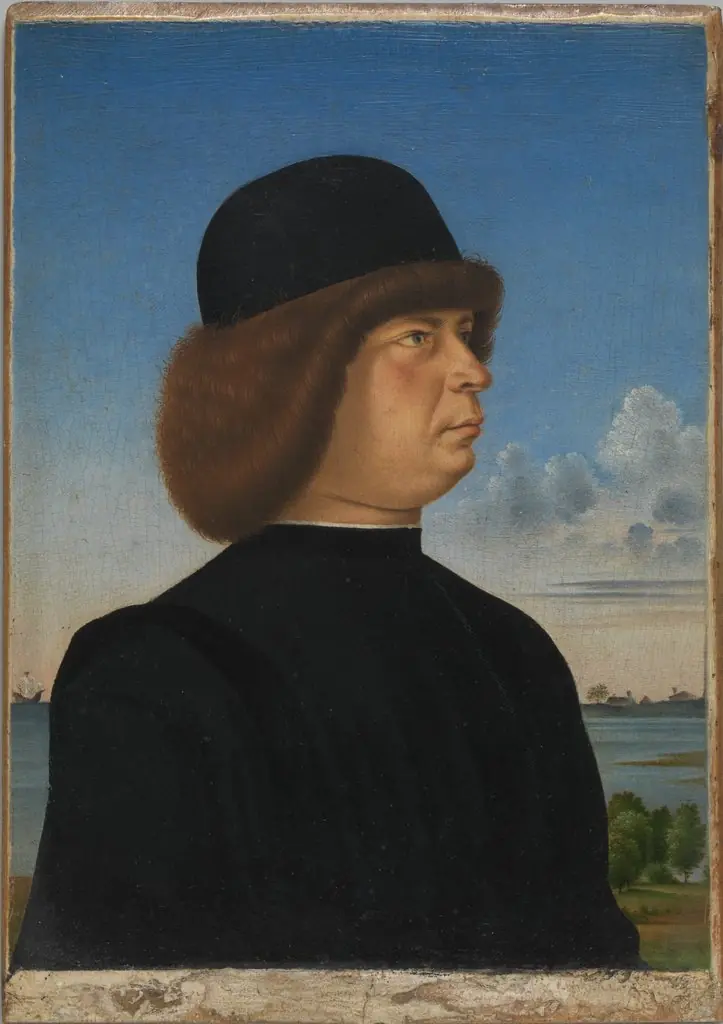 Portrait of Alvise Contarini(?); (verso) A Tethered Roebuck
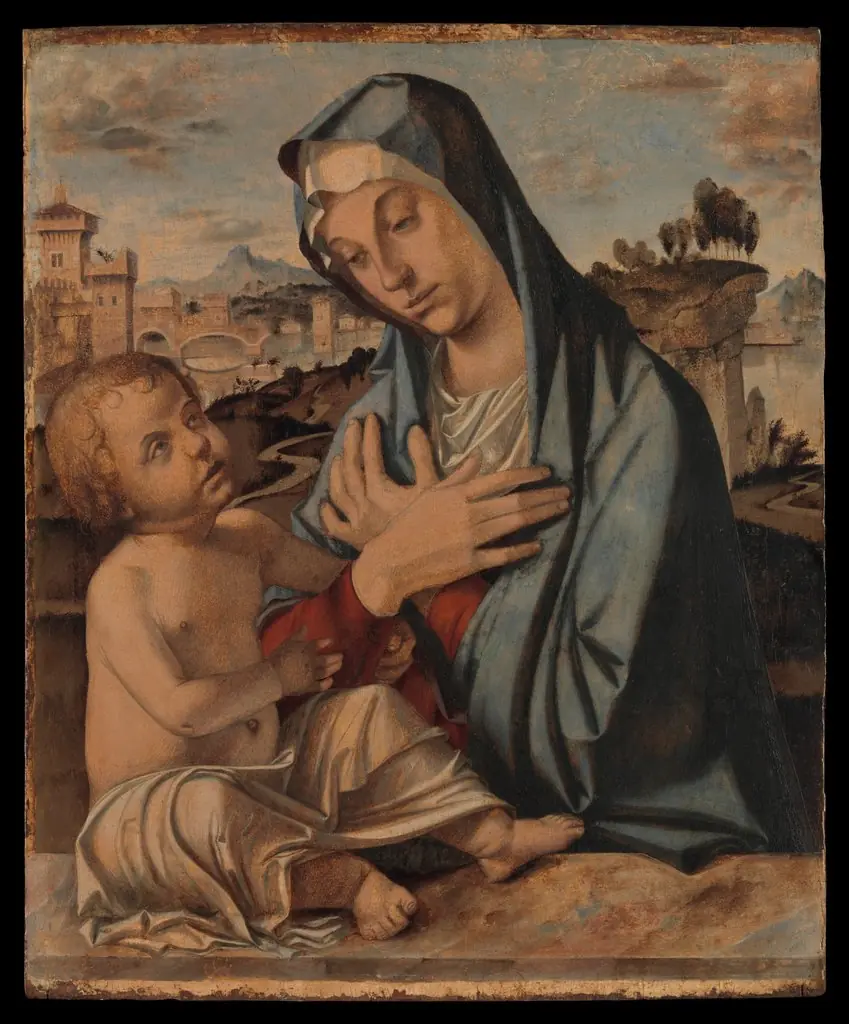 Madonna Adoring the Child
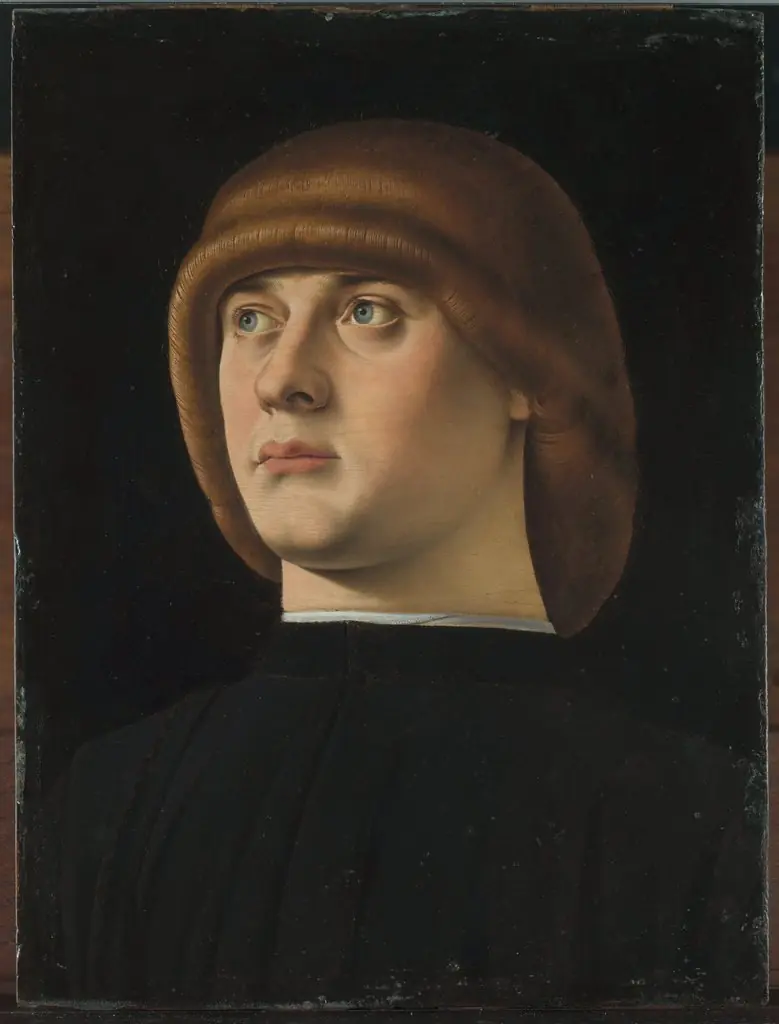 Portrait of a Young Man
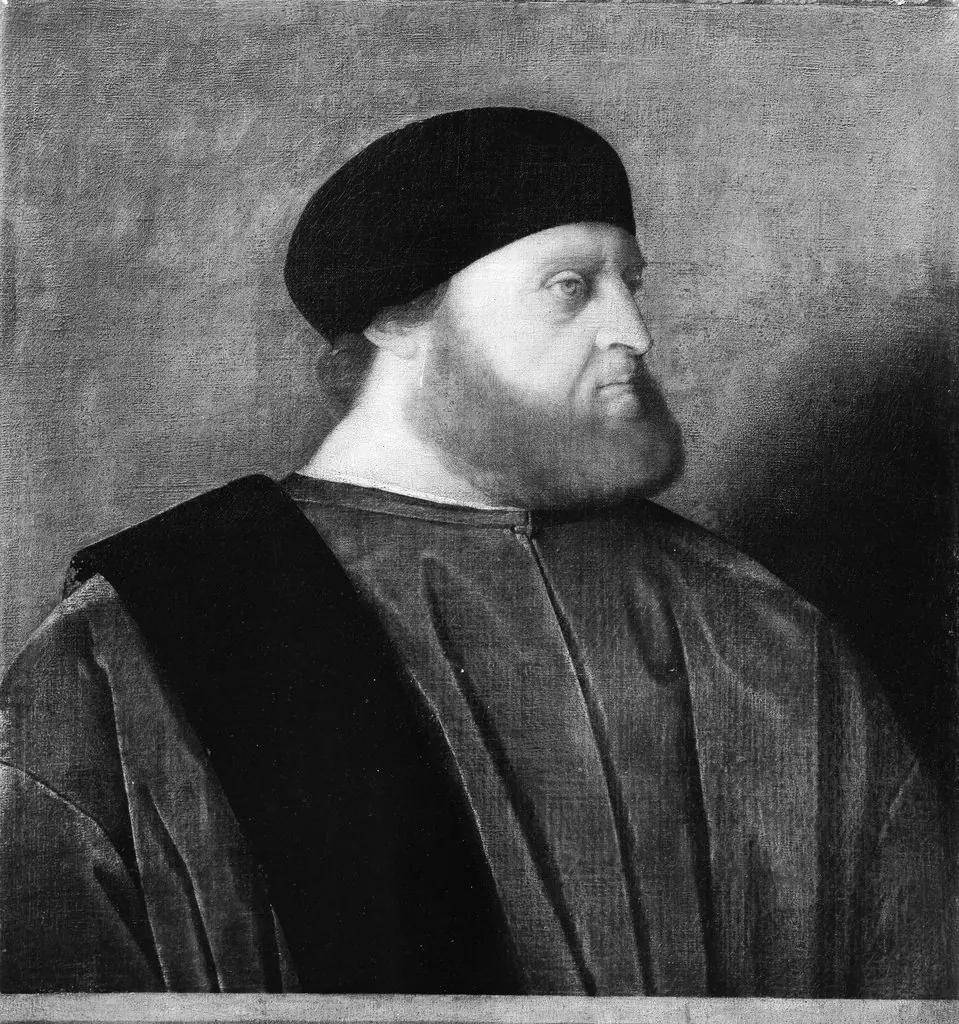 Portrait of a Venetian Senator
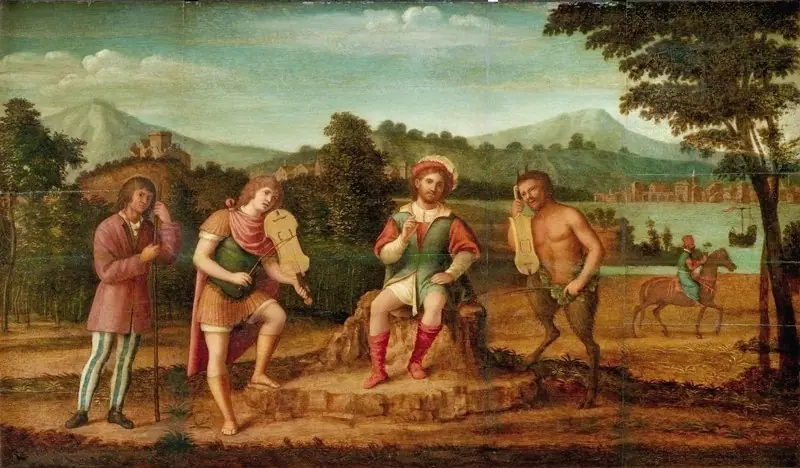 The Judgement of Midas. The Musical Contest between Apollo and Marsyas
 A Concert
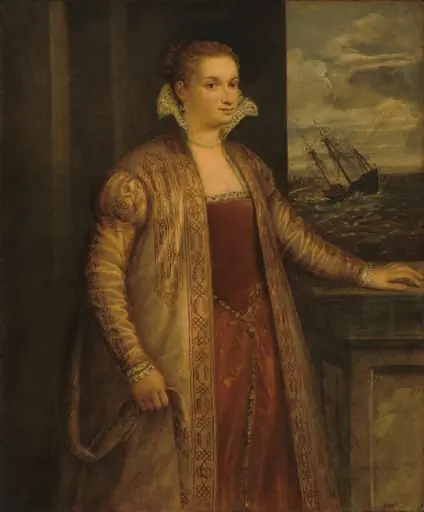 Emilia di Spilimbergo
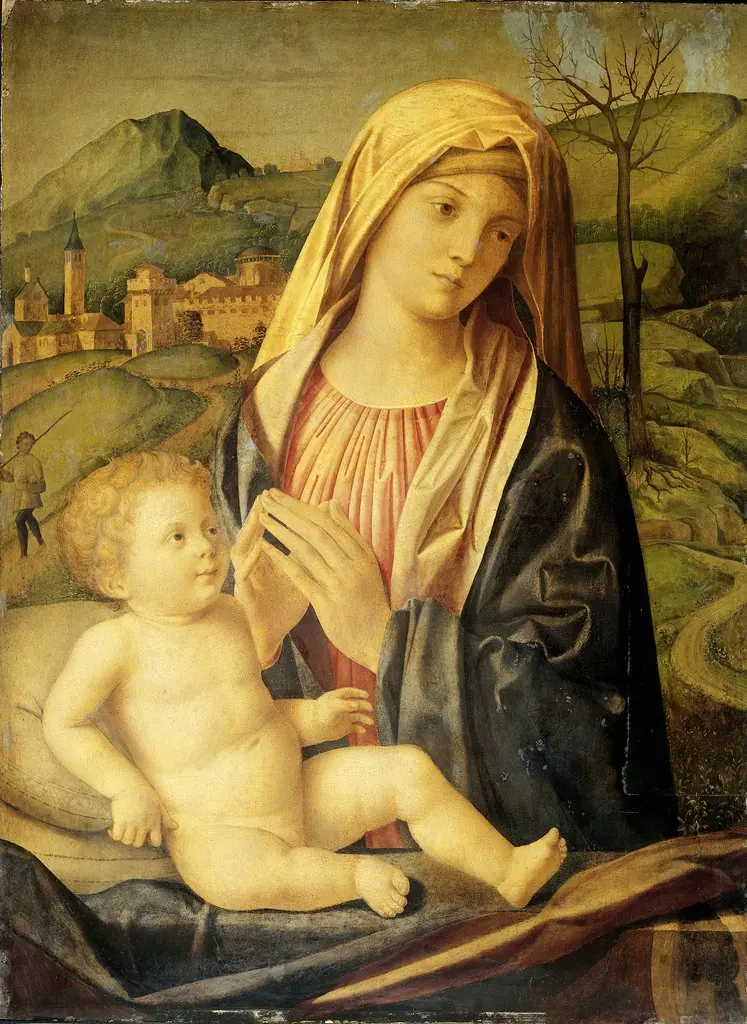 Mary and Christ child
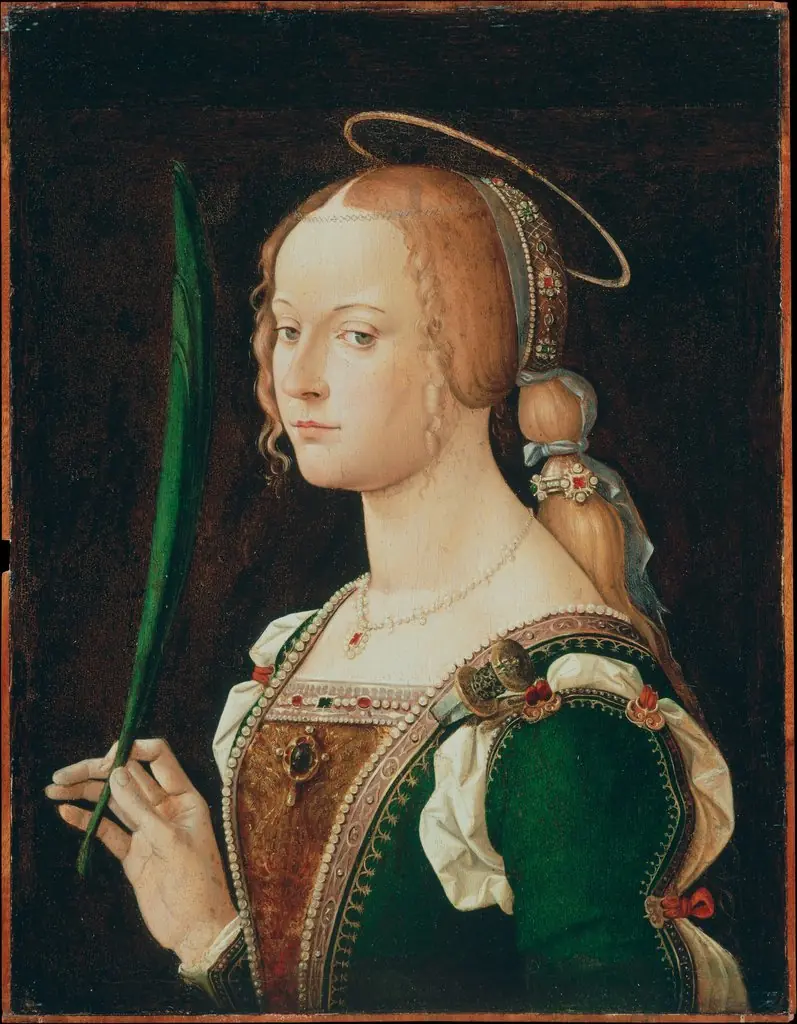 Saint Justina of Padua
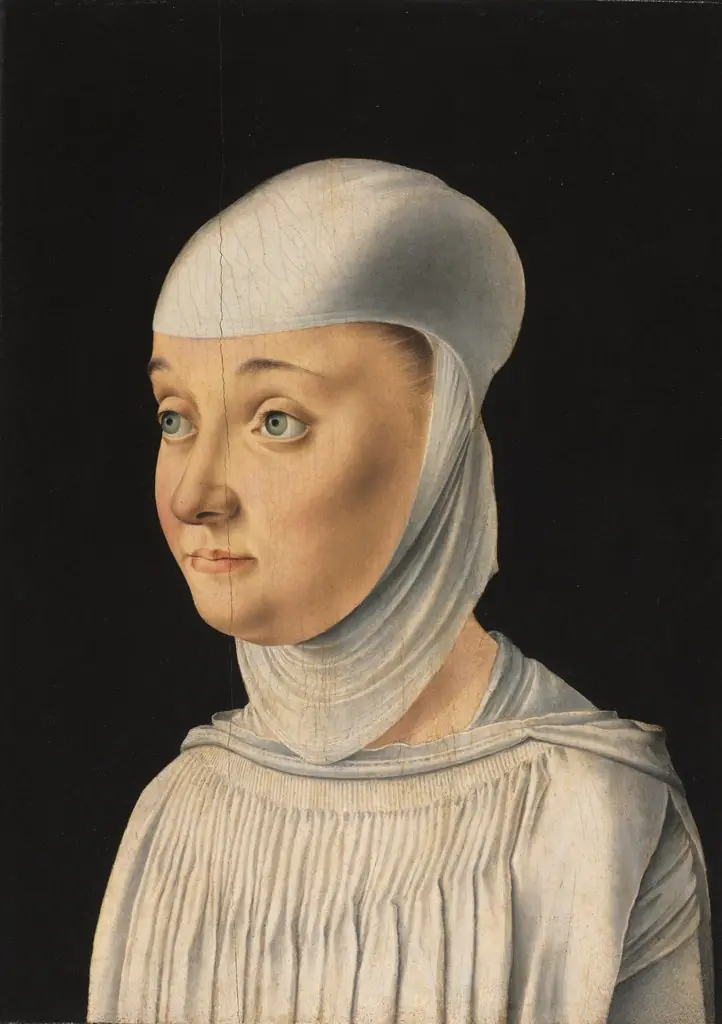 Portrait of a Woman, Possibly a Novice of San Secondo
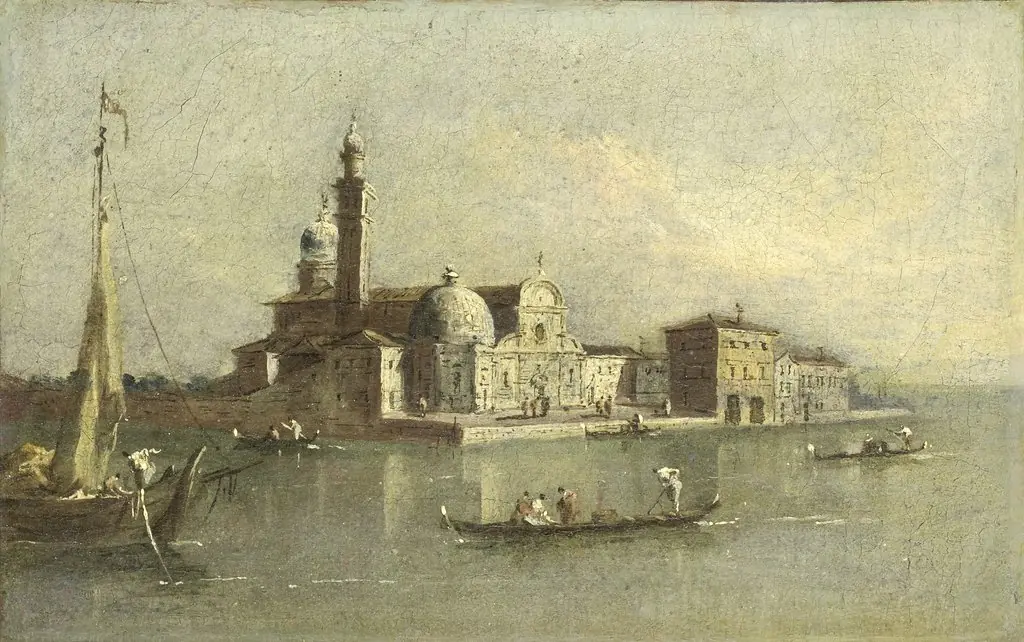 View of the Isola di San Michele in Venice
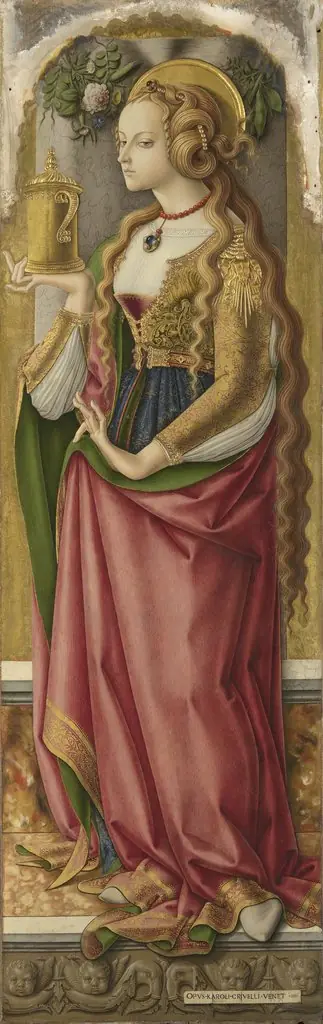 Mary Magdalen
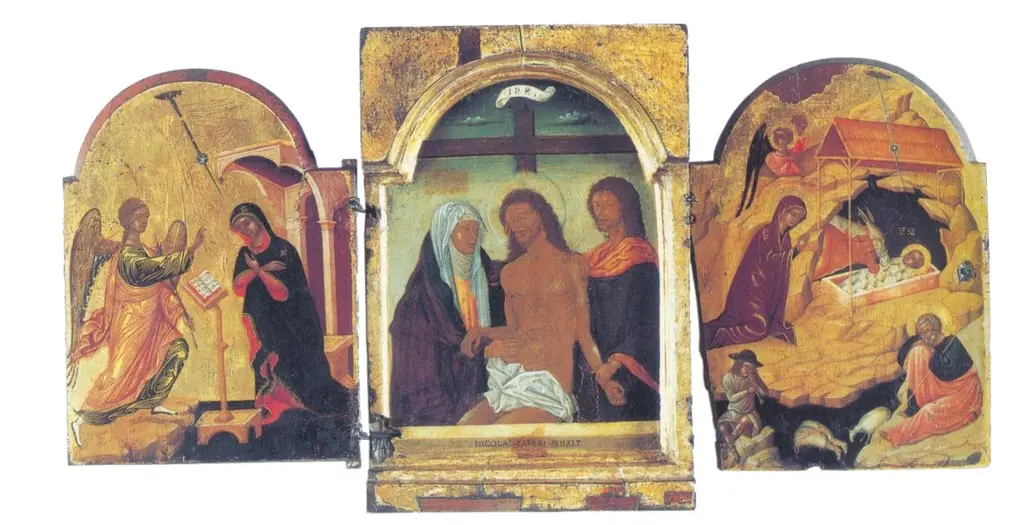 Triptych Pieta (Tzafouris)
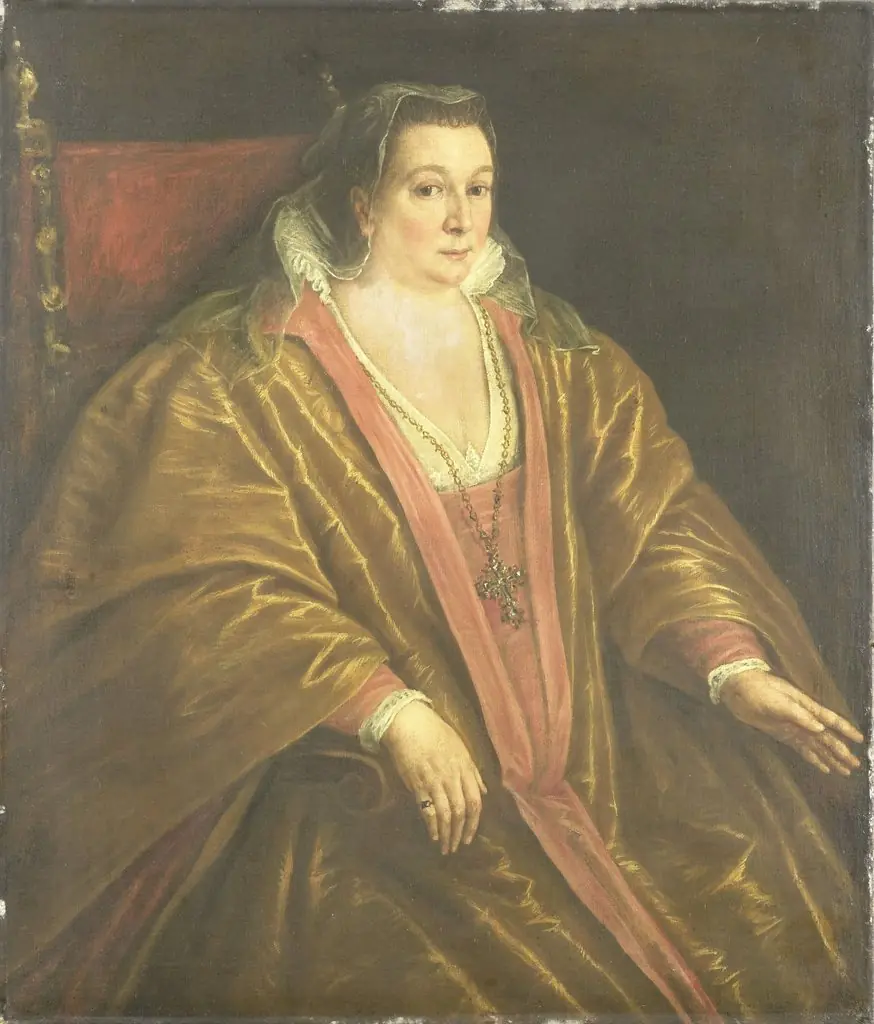 Portrait of a Woman, probably Morosina Morosini, Wife of Marino Grimani, the Doge of Venice
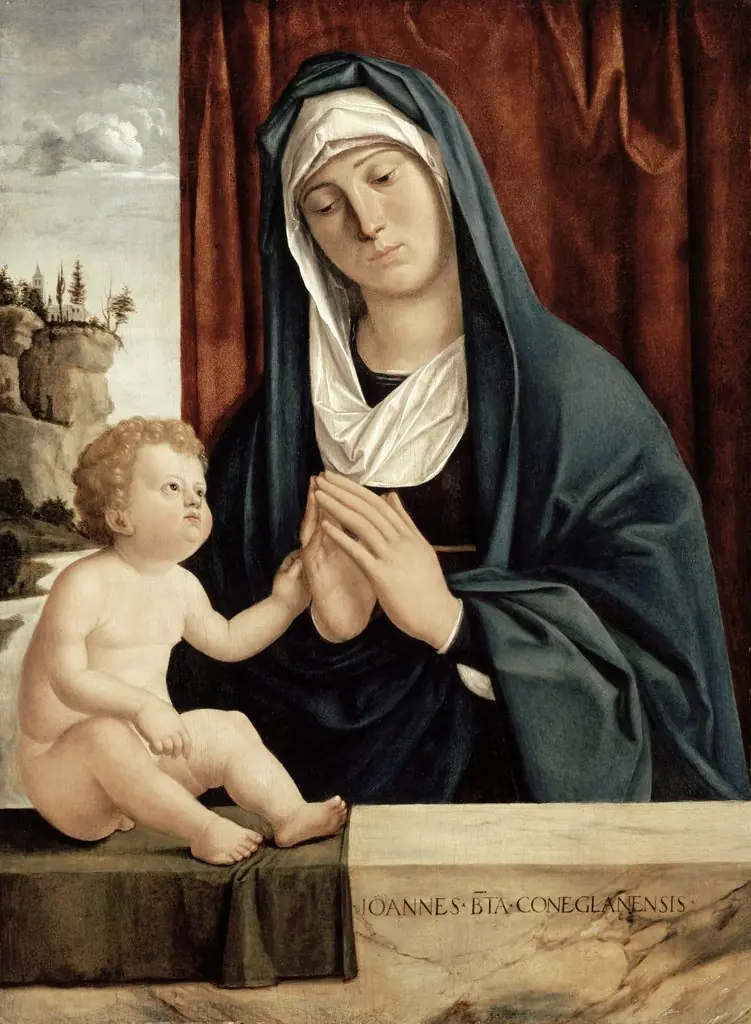 Madonna and Child
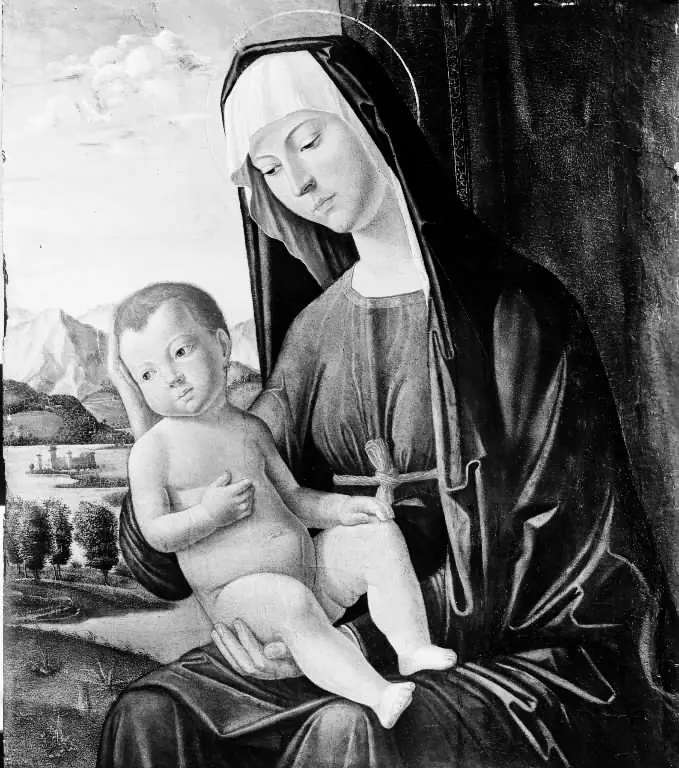 Madonna and Child
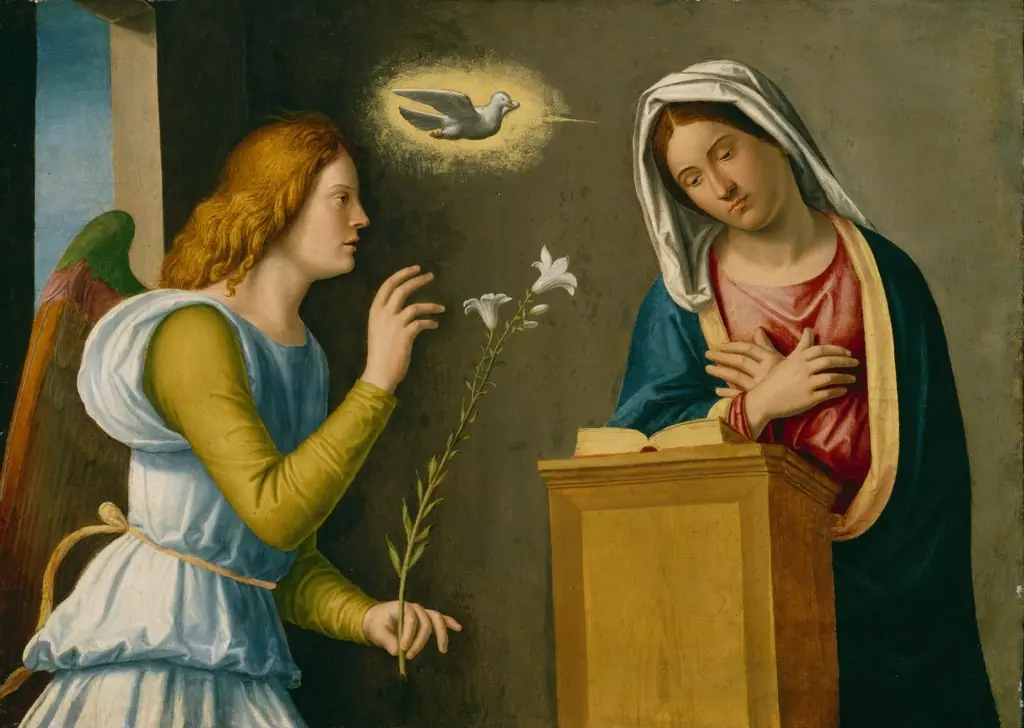 The Annunciation
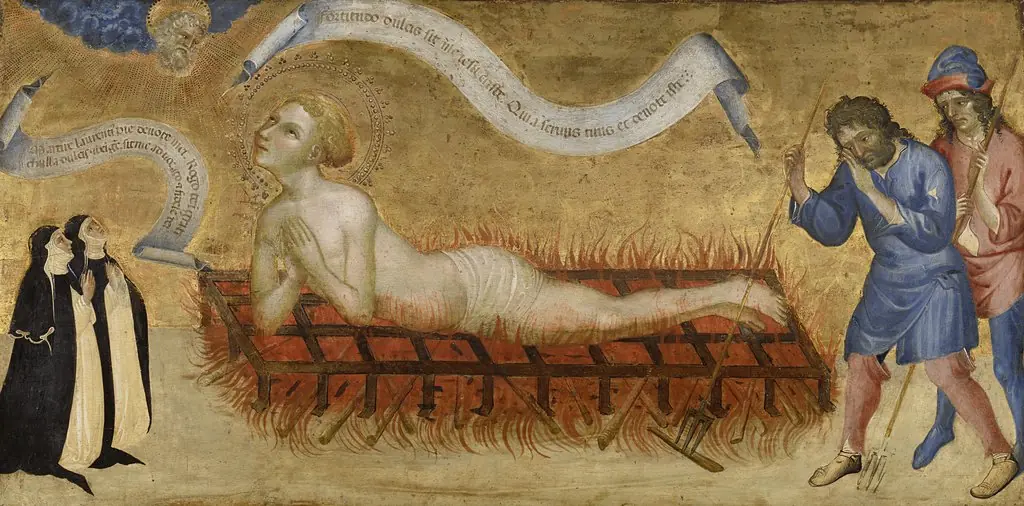 Martyrdom of Saint Lawrence, with Two Benedictine Nuns
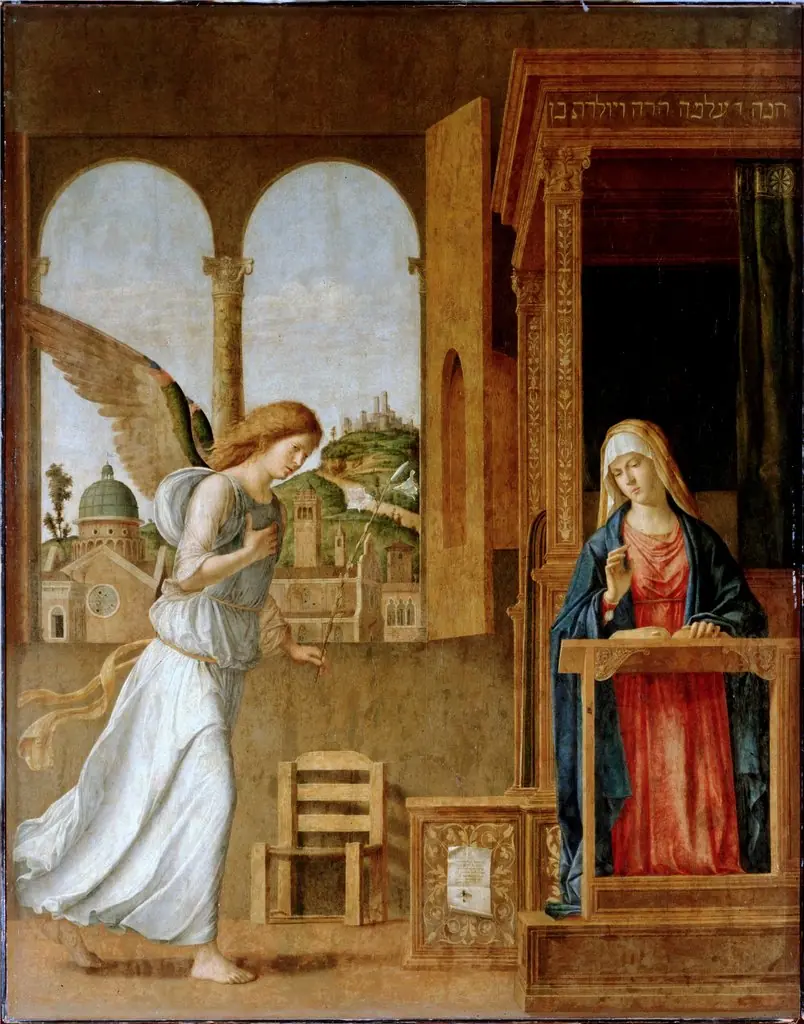 Annunciation
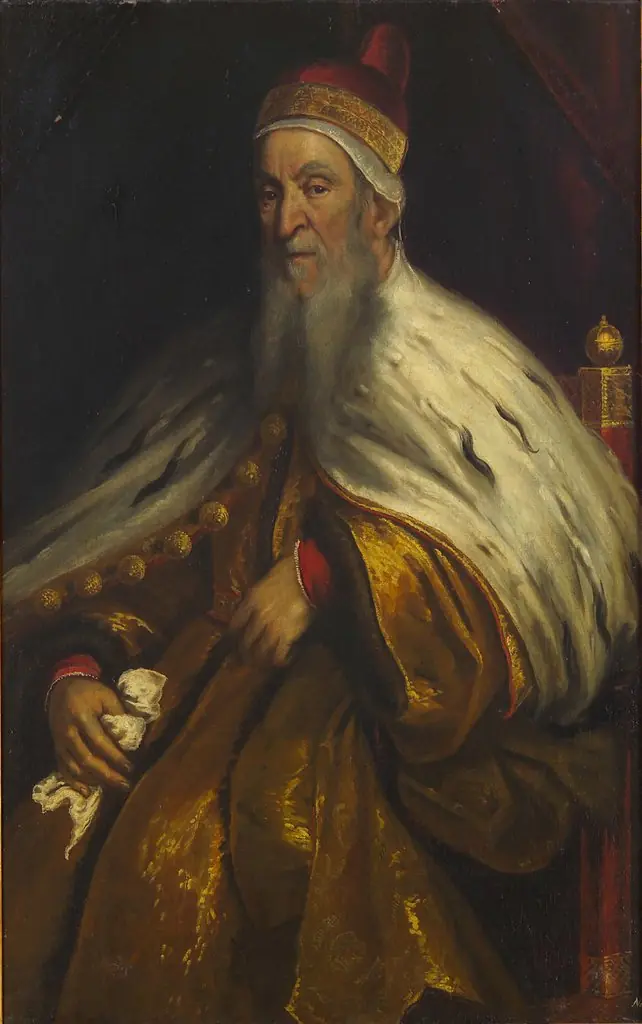 Portrait of Niccolo da Ponte (1491-1585), Doge of Venice
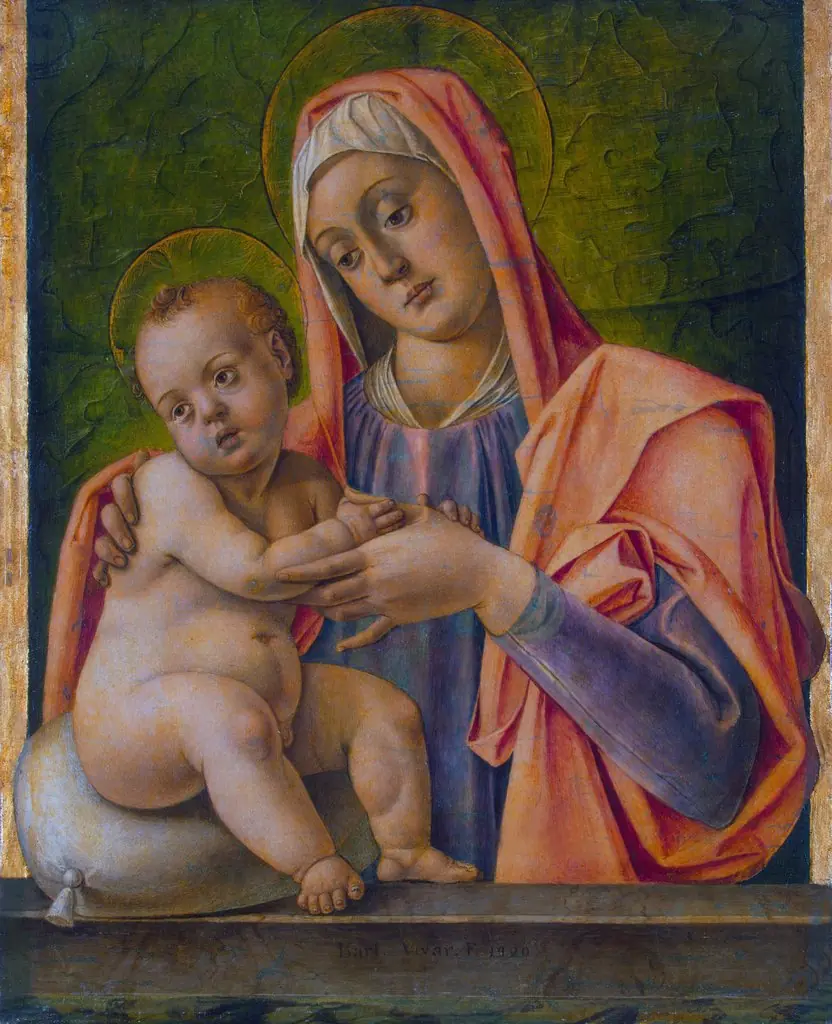 Madonna and Child in a Window
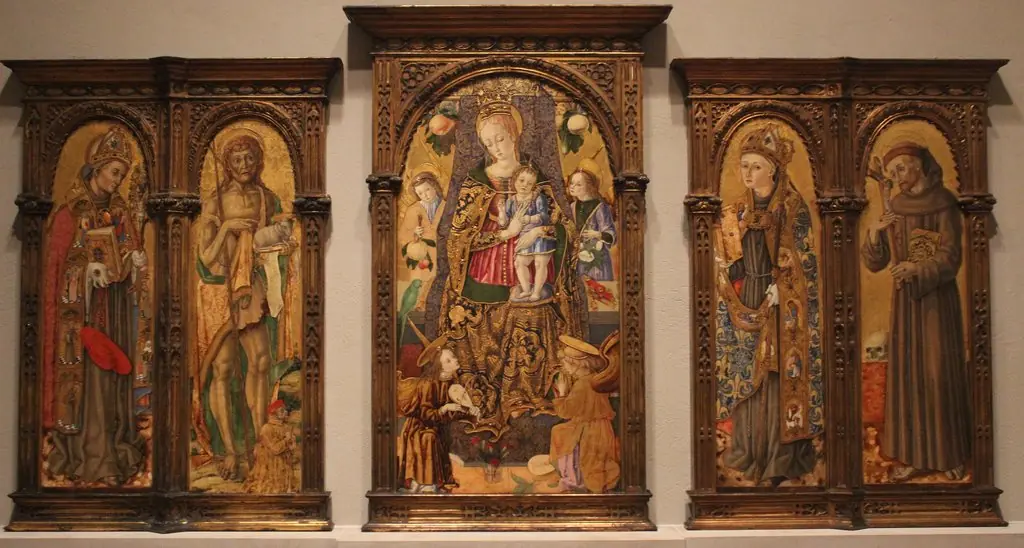 Enthroned Virgin and Child, with Angels and Saints Bonaventure, John the Baptist, Louis of Toulouse, and Francis of Assisi
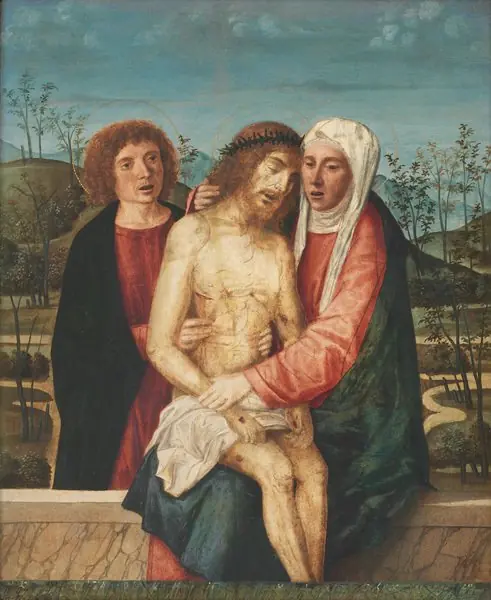 Pietà with Virgin and St. John
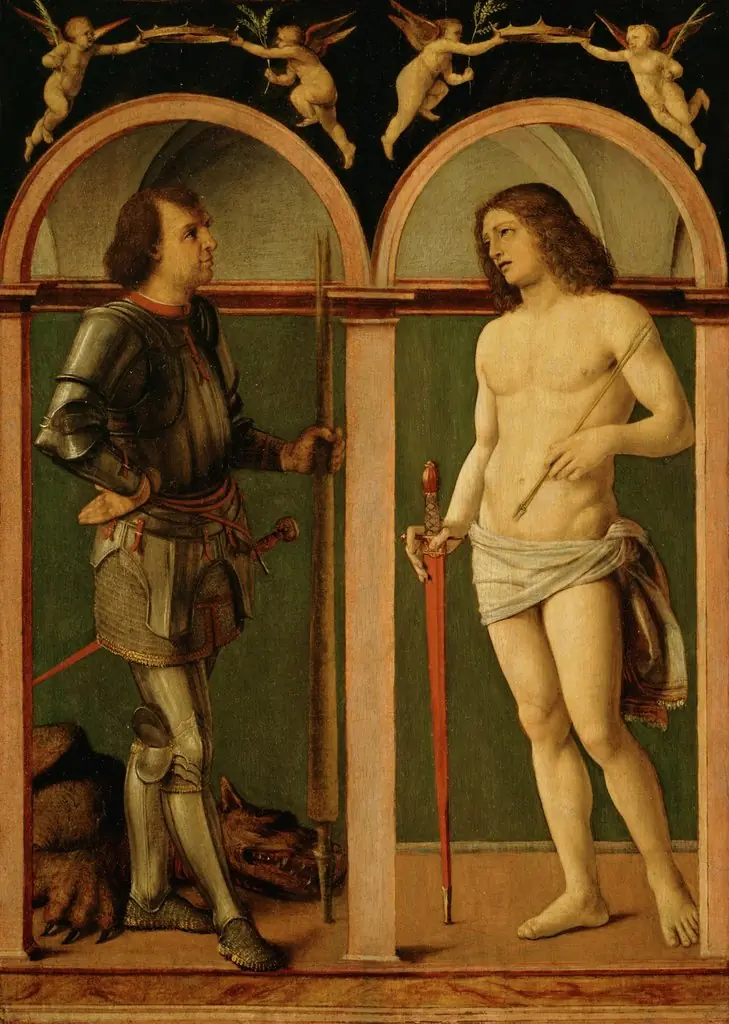 Saint George and Saint Sebastian
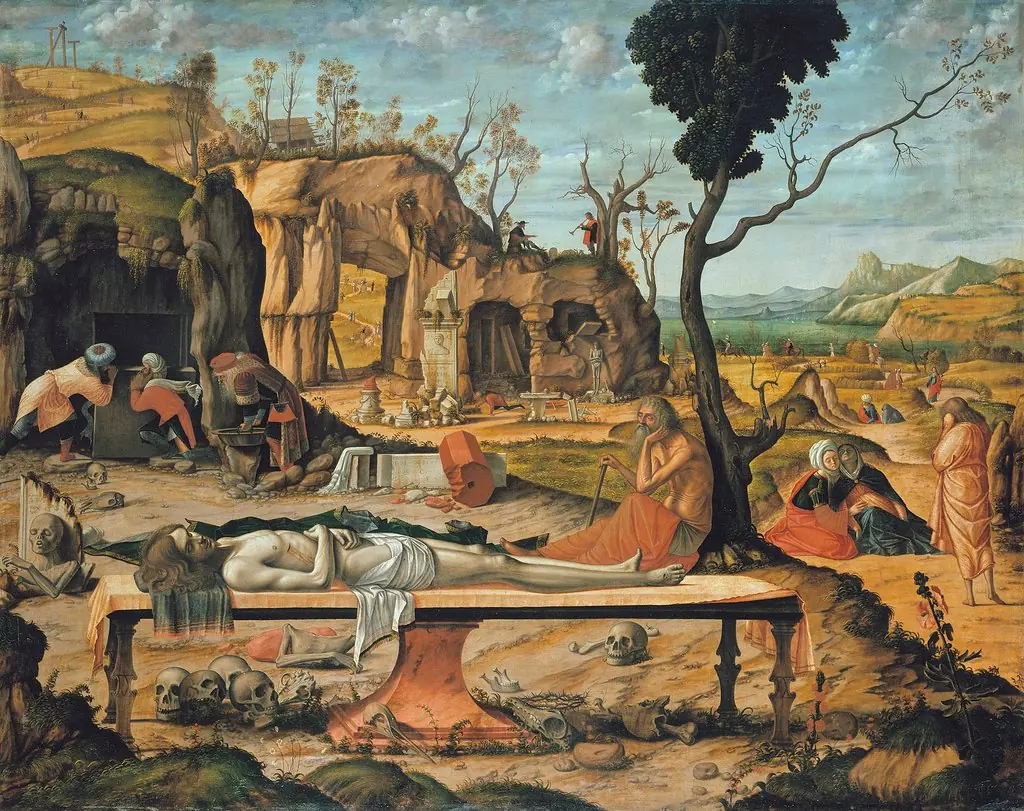 Preparation of Christ's Tomb
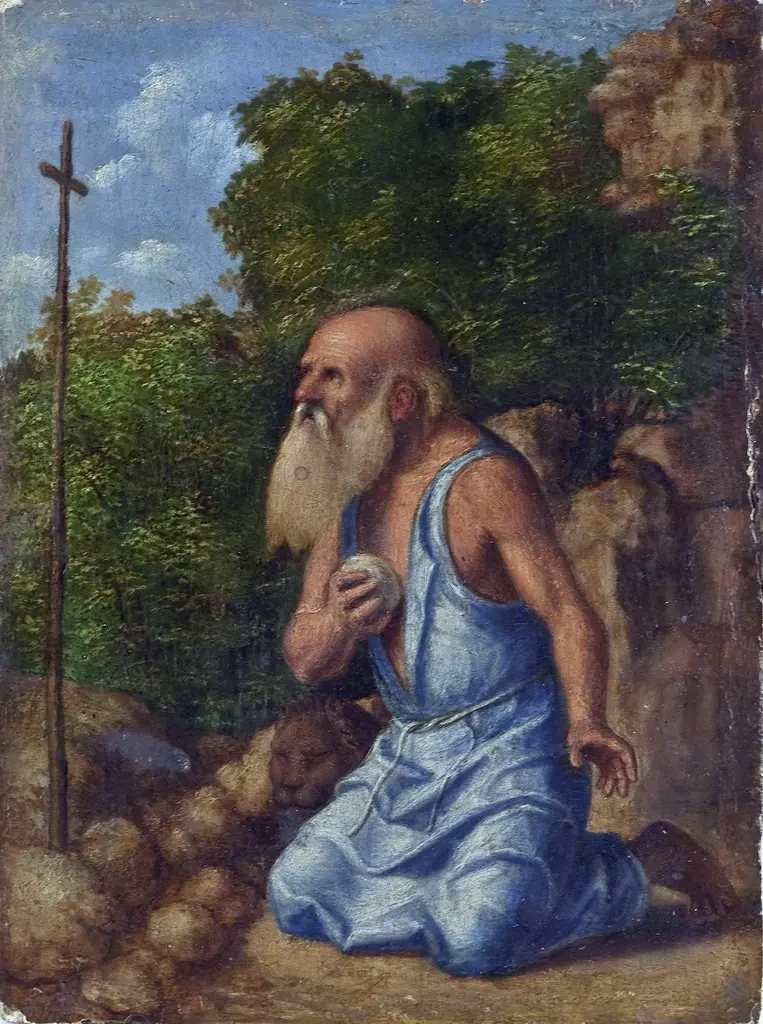 St Jerome in the Desert
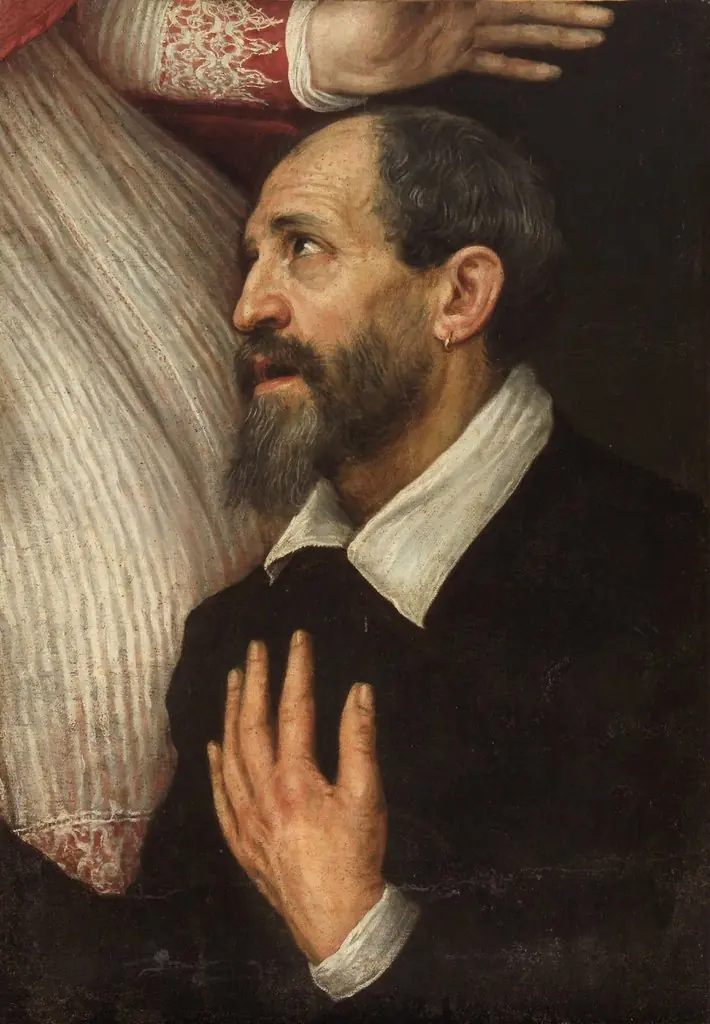 Stifterbildnis
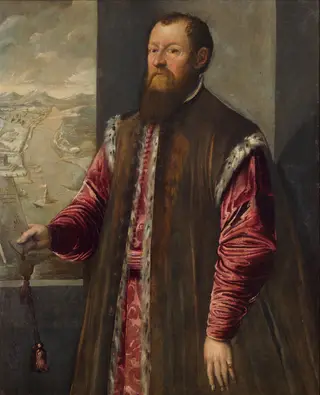 Portrait of Marcantonio Barbaro (1518-1595) as ambassador to Constantinople
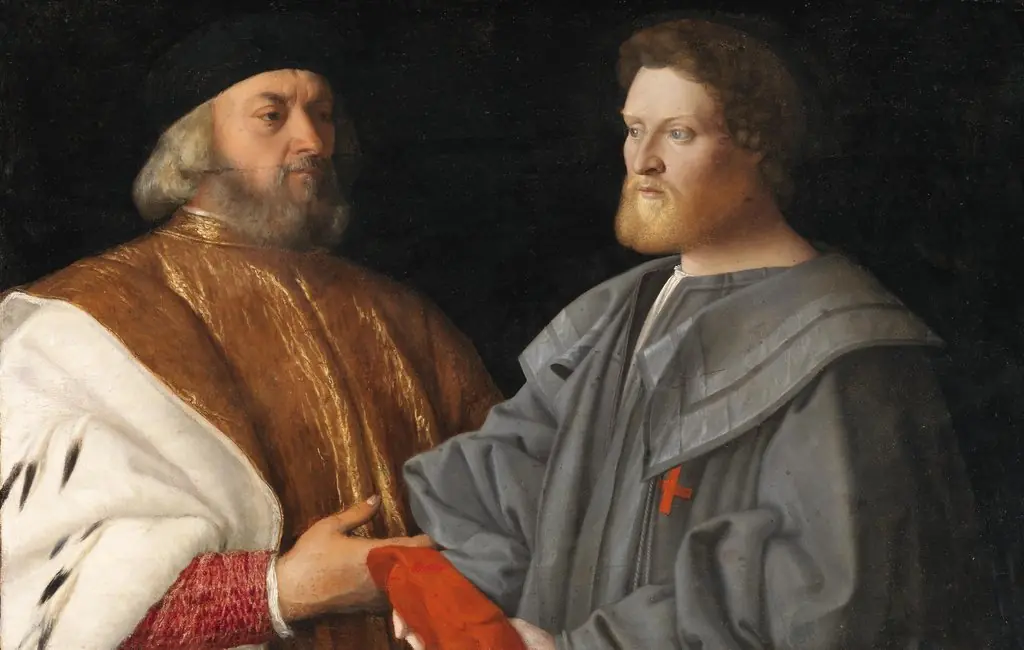 Giorgio Cornaro (1452-1527) and his son Francesco Cornaro (1478-1543)
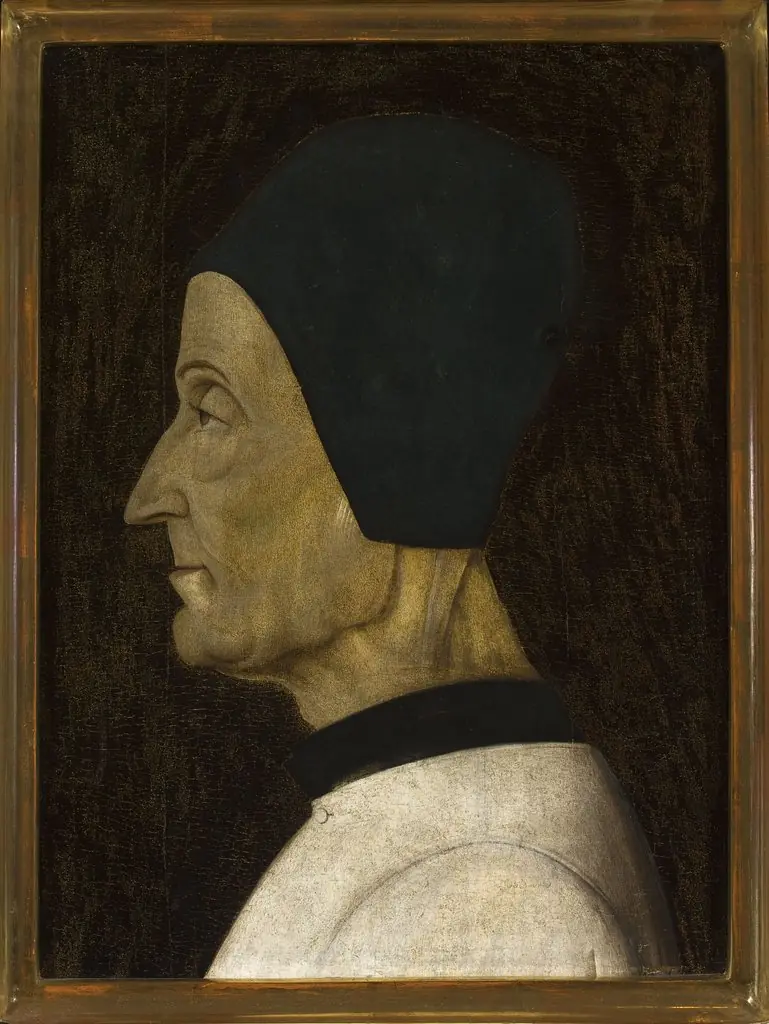 Portrait of Lorenzo Giustiniani
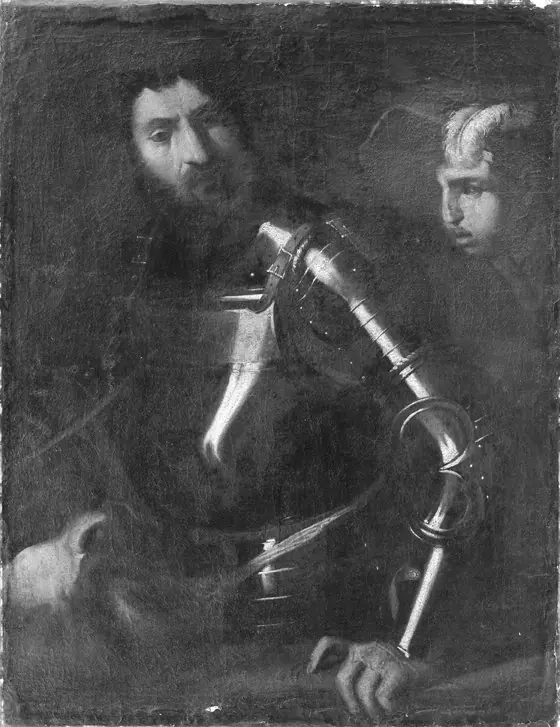 David
David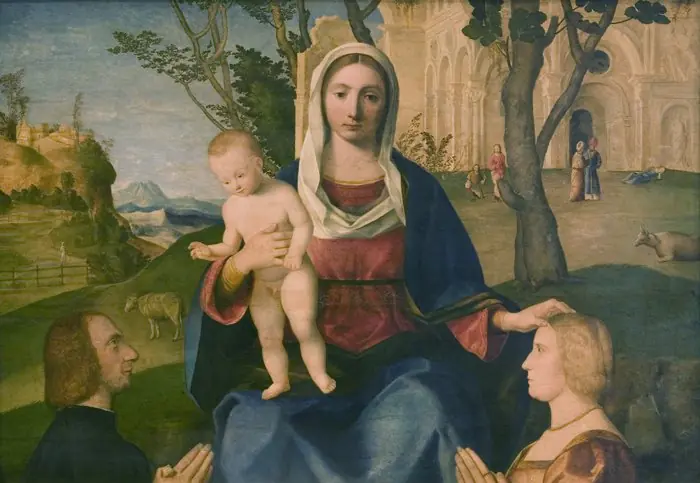 The Virgin and Child with a Male and a Female Donor
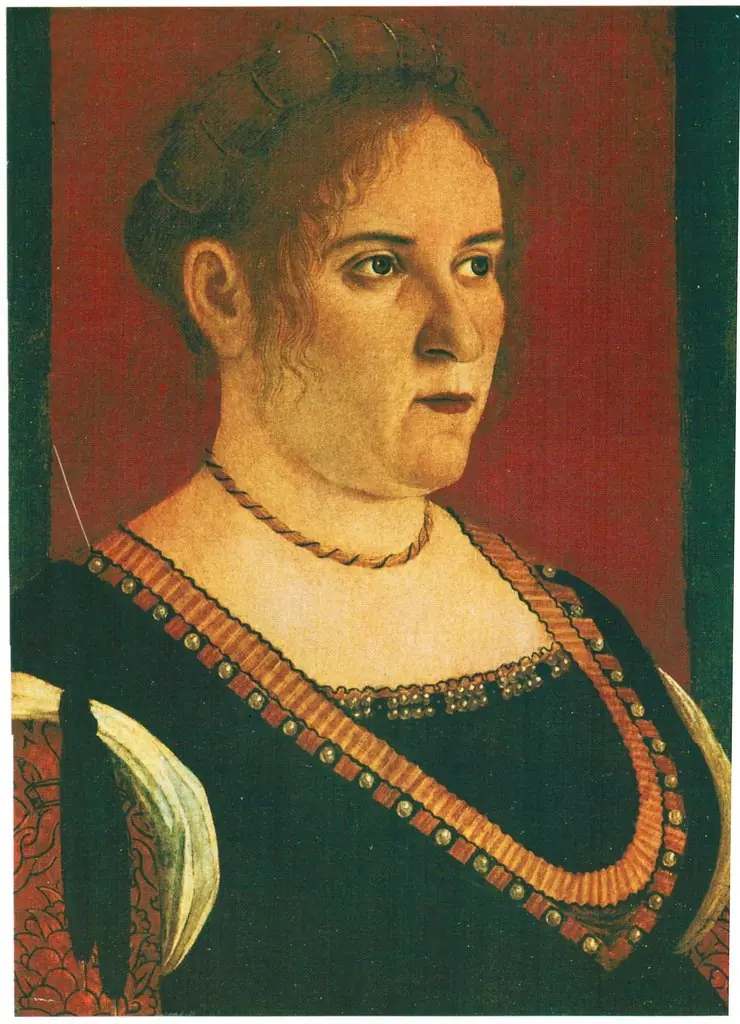 Portrait of a Woman
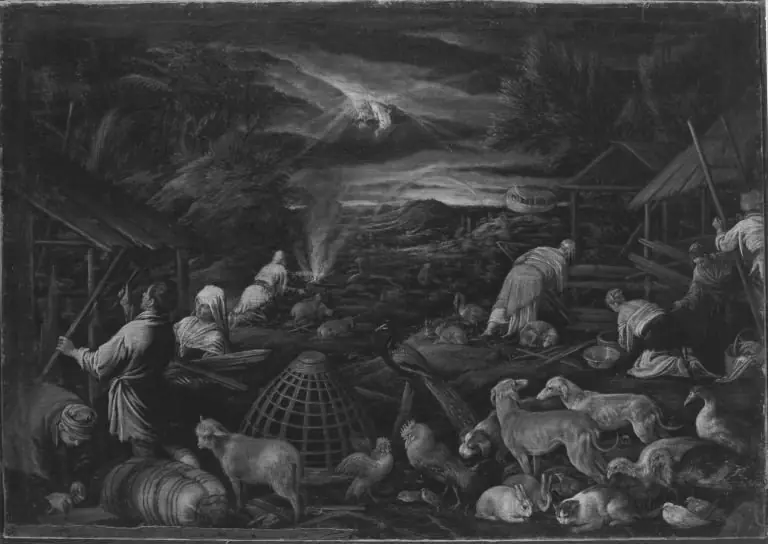 Noahs Dankopfer (Werkstatt)
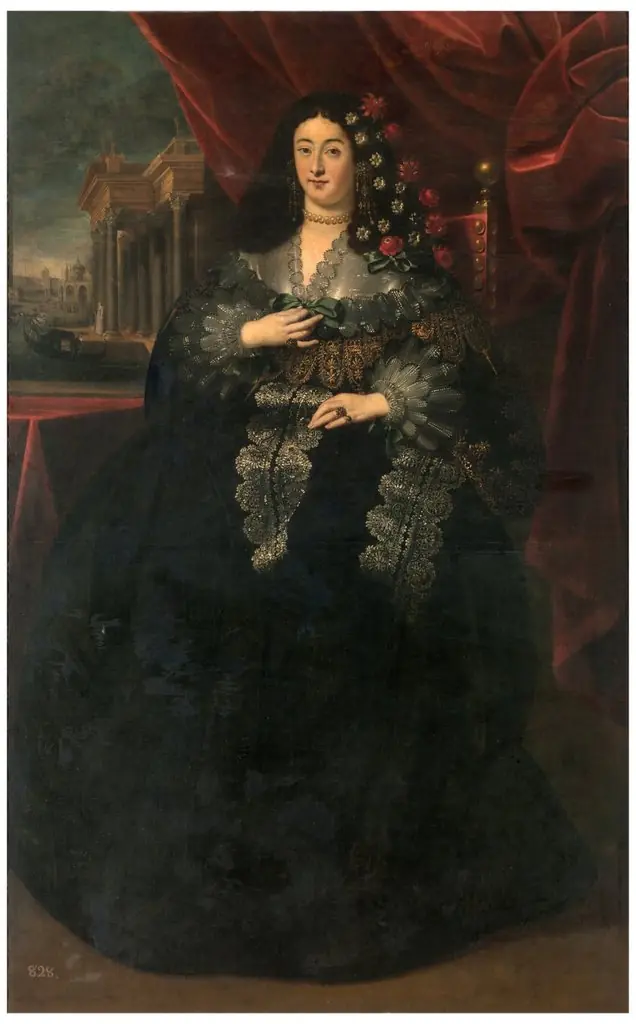 Venetian Lady
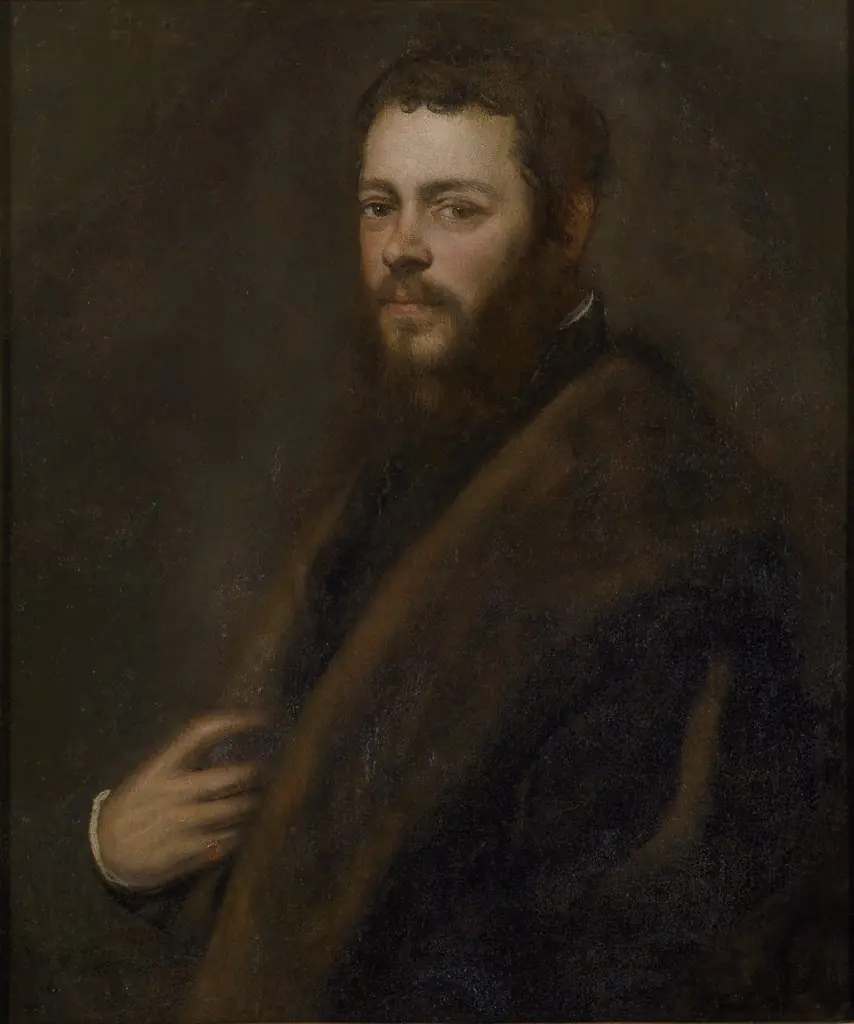 A Venetian Patrician
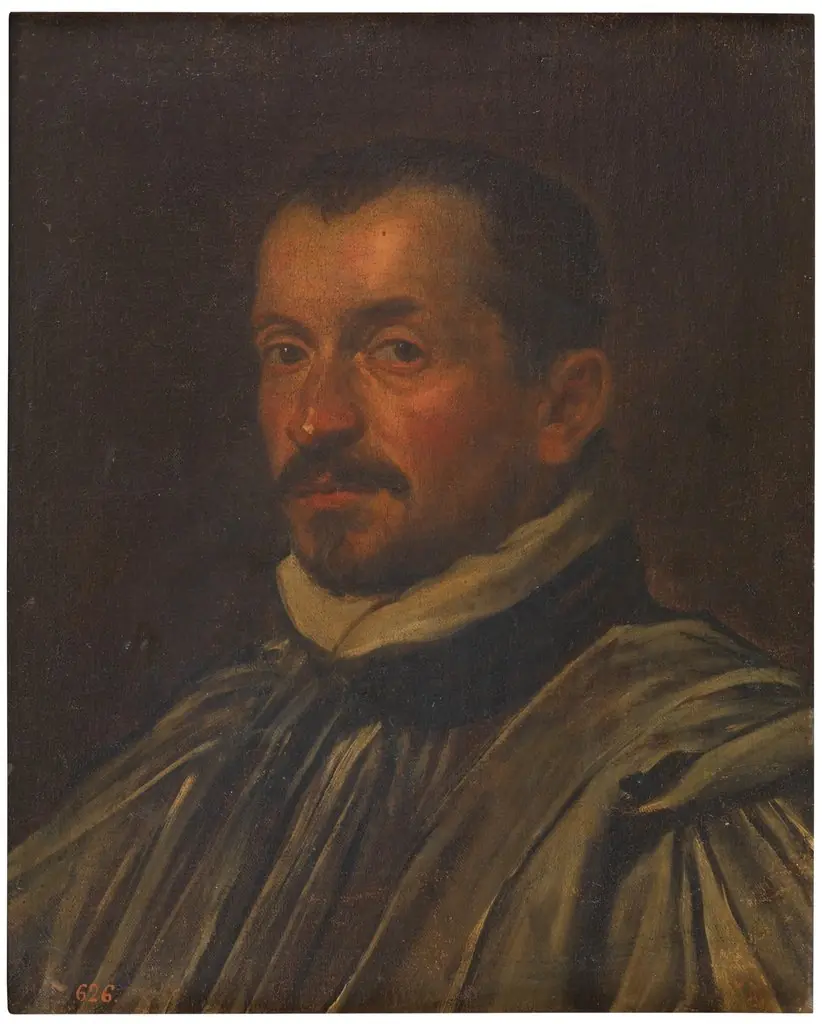 A Venetian Magistrate
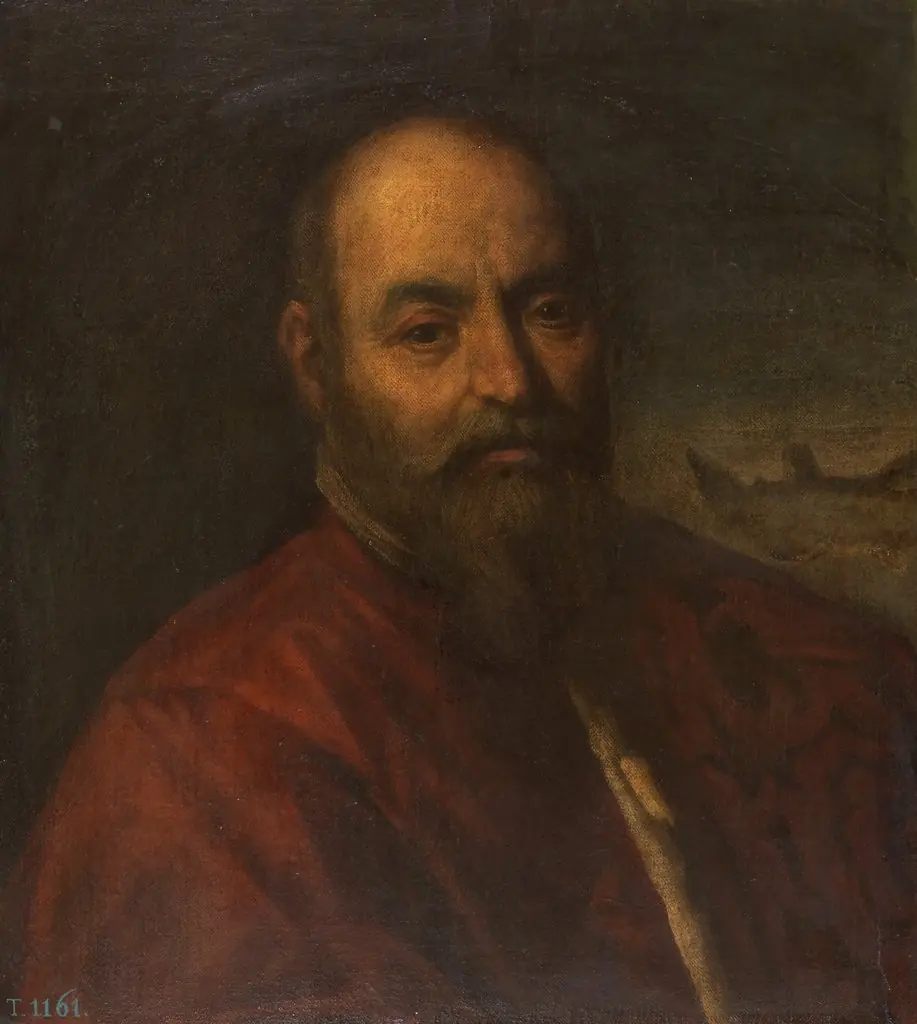 A Venetian Senator
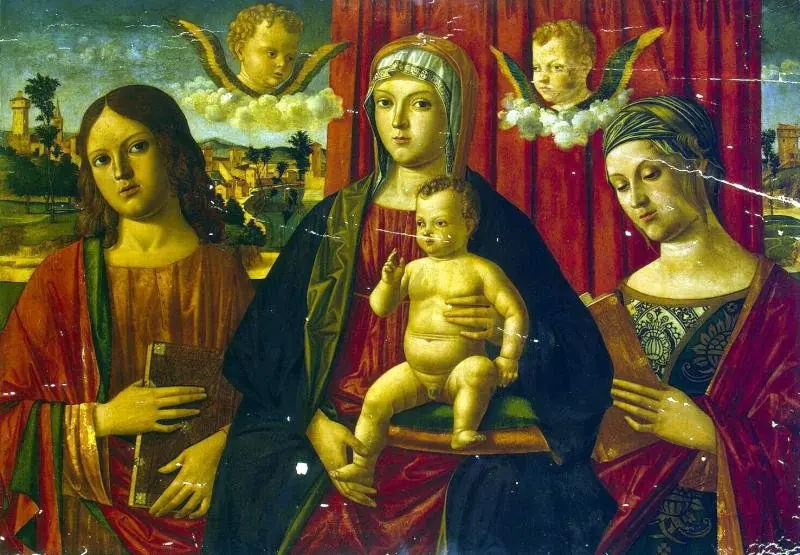 Madonna and Child with St John the Evangelist and Unknown Saint
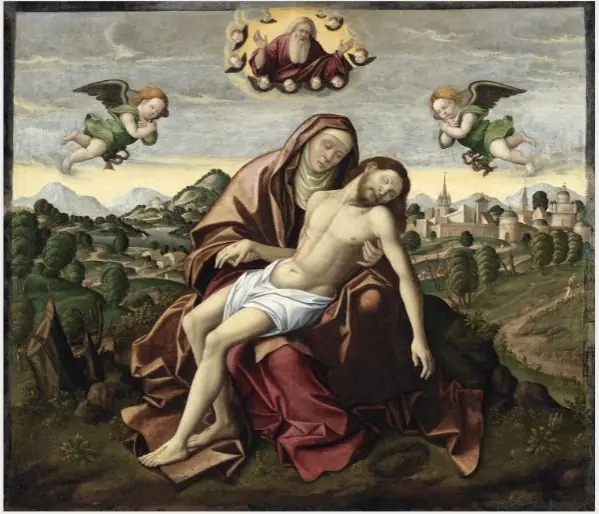 The Pietà
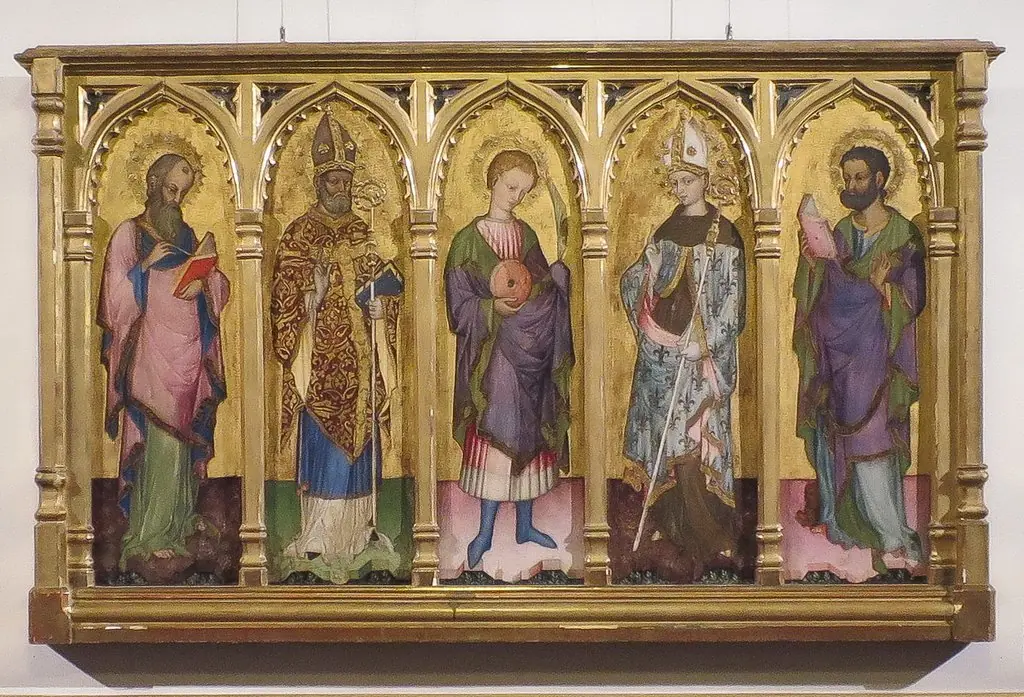 St Matthew the Evangelist (?), St Dujam, St Anastasius, St Louis of Toulouse and St Mark the Evangelist
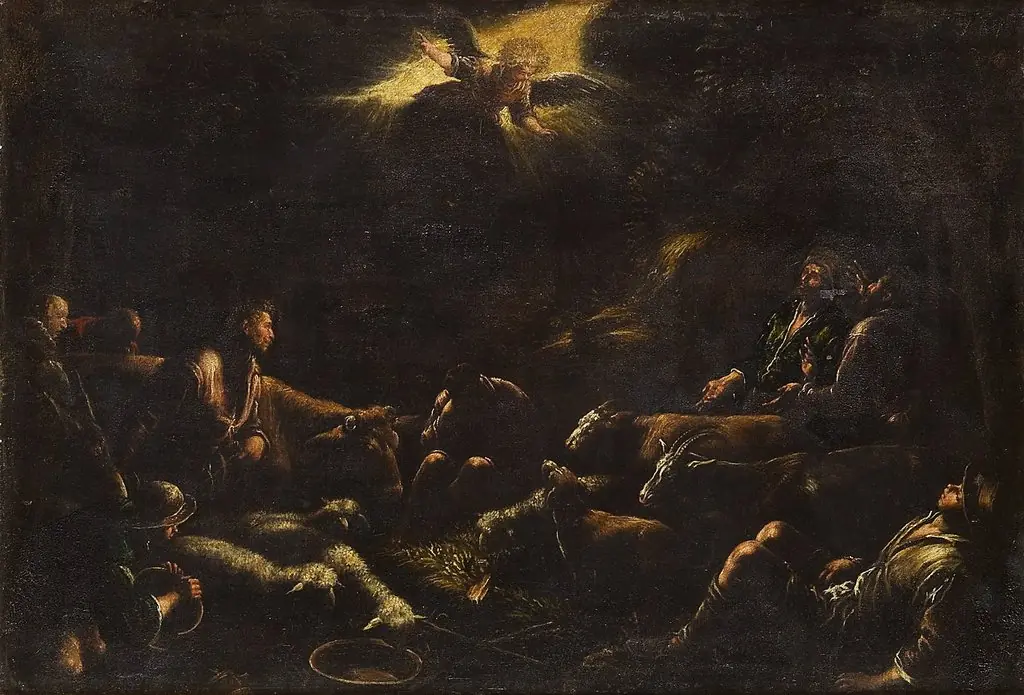 Verkündigung an die Hirten
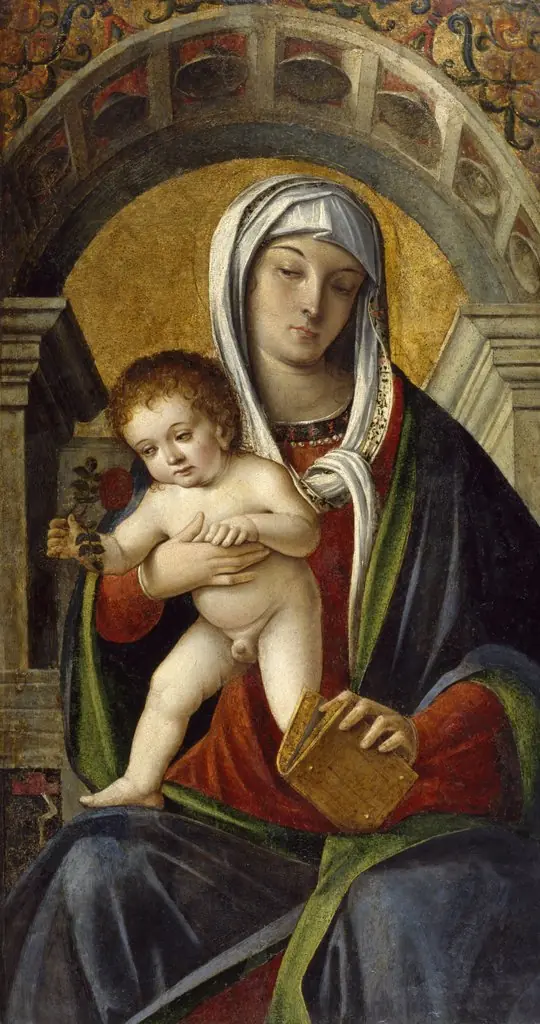 Triptych with Madonna and Child Enthroned Between the Archangel Michael and Saint Peter
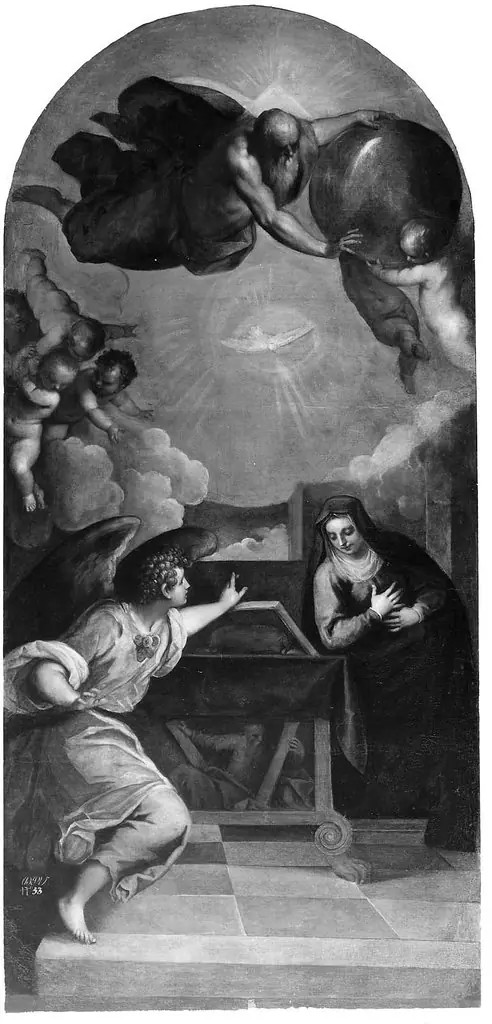 The Annunciation with God the Father
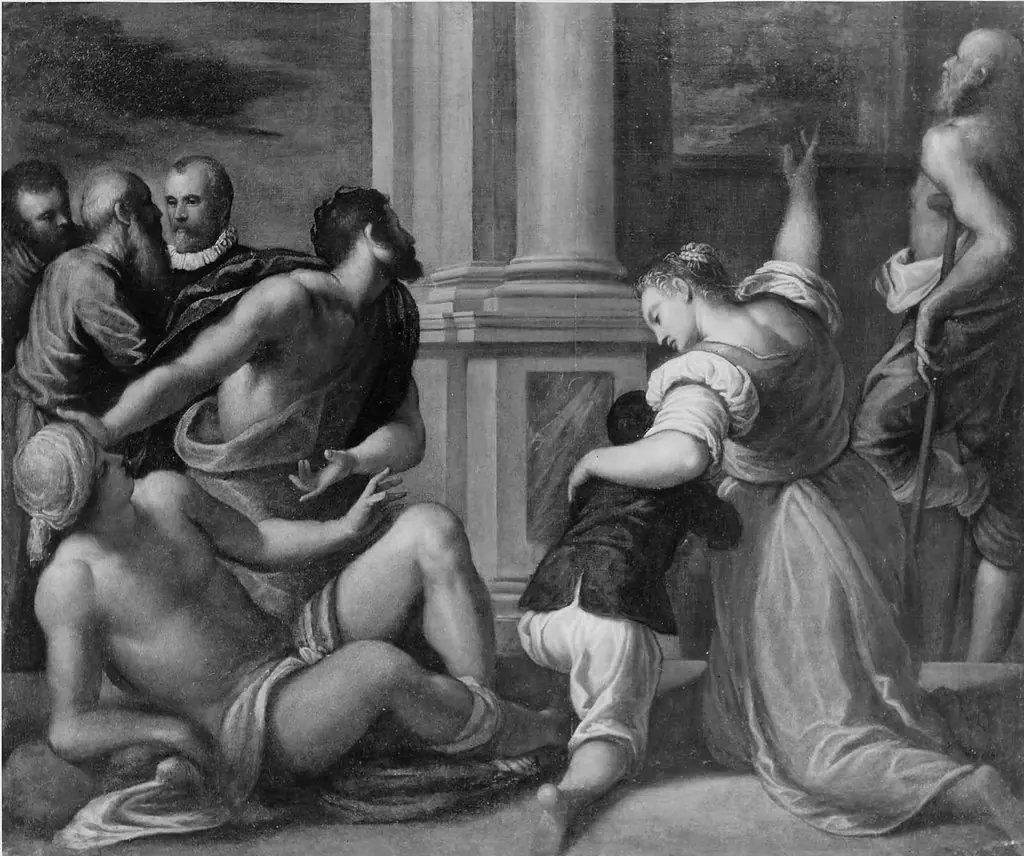 Healing in the Temple
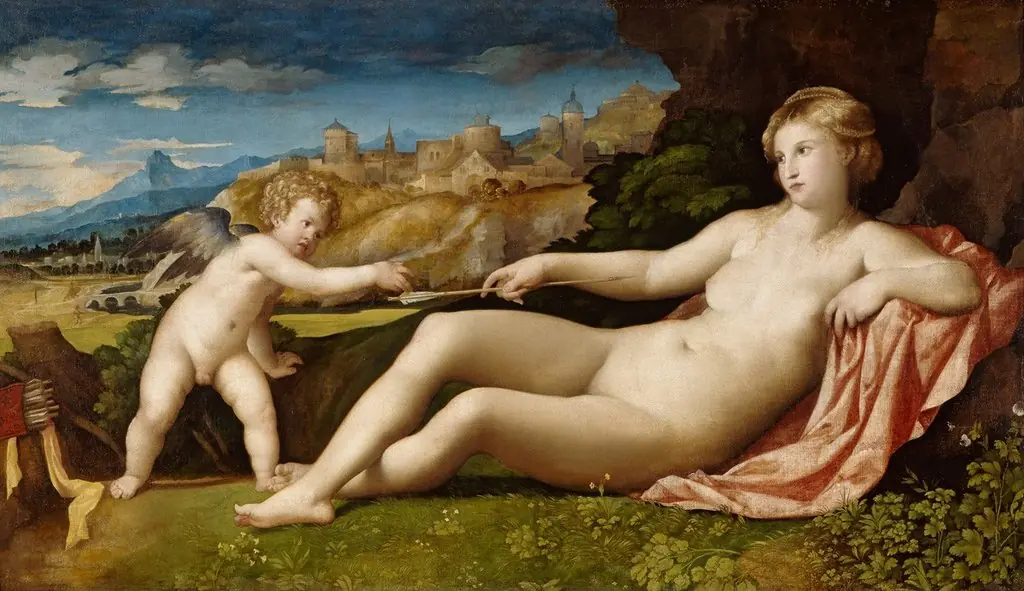 Venus and Cupid
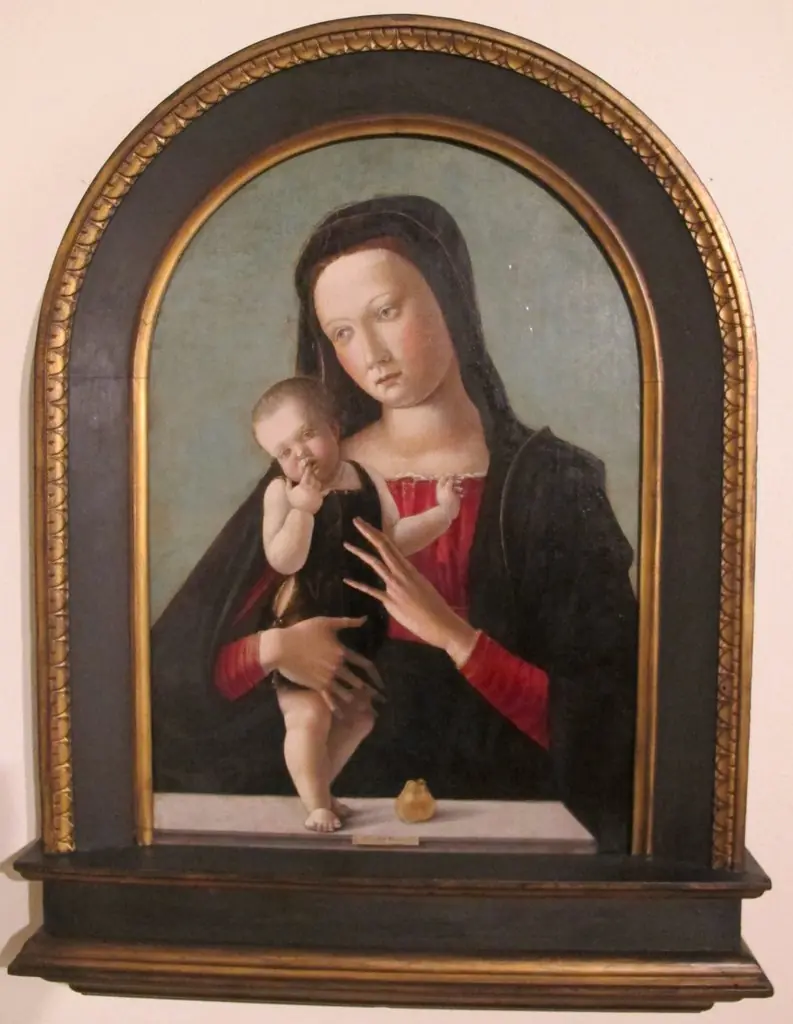 Virgin and Child
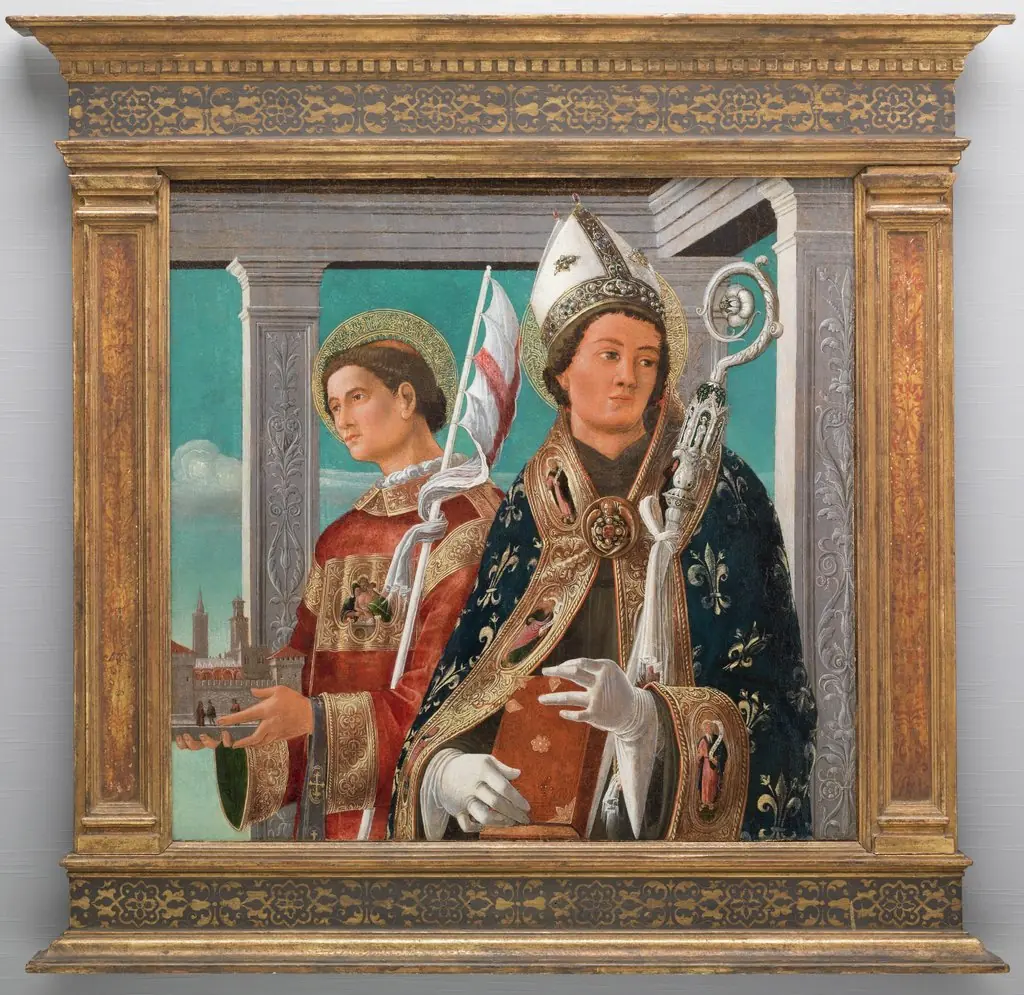 Saints Daniel of Padua and Louis of Toulouse
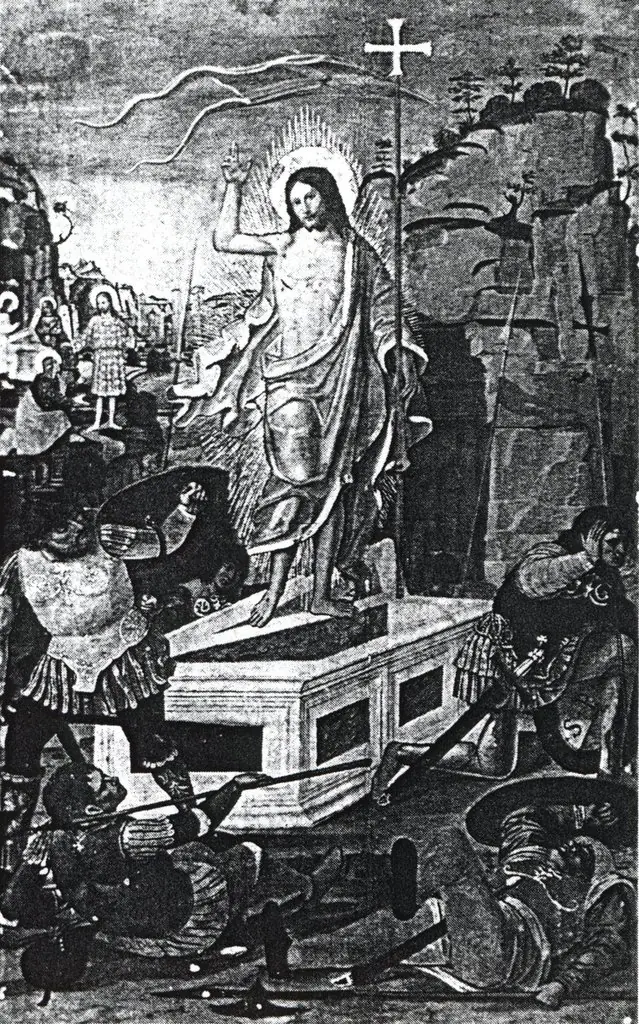 Resurrection of Christ
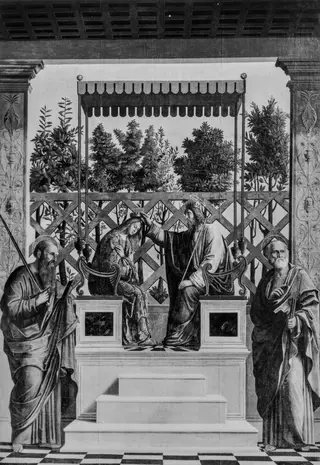 Coronation of Mary
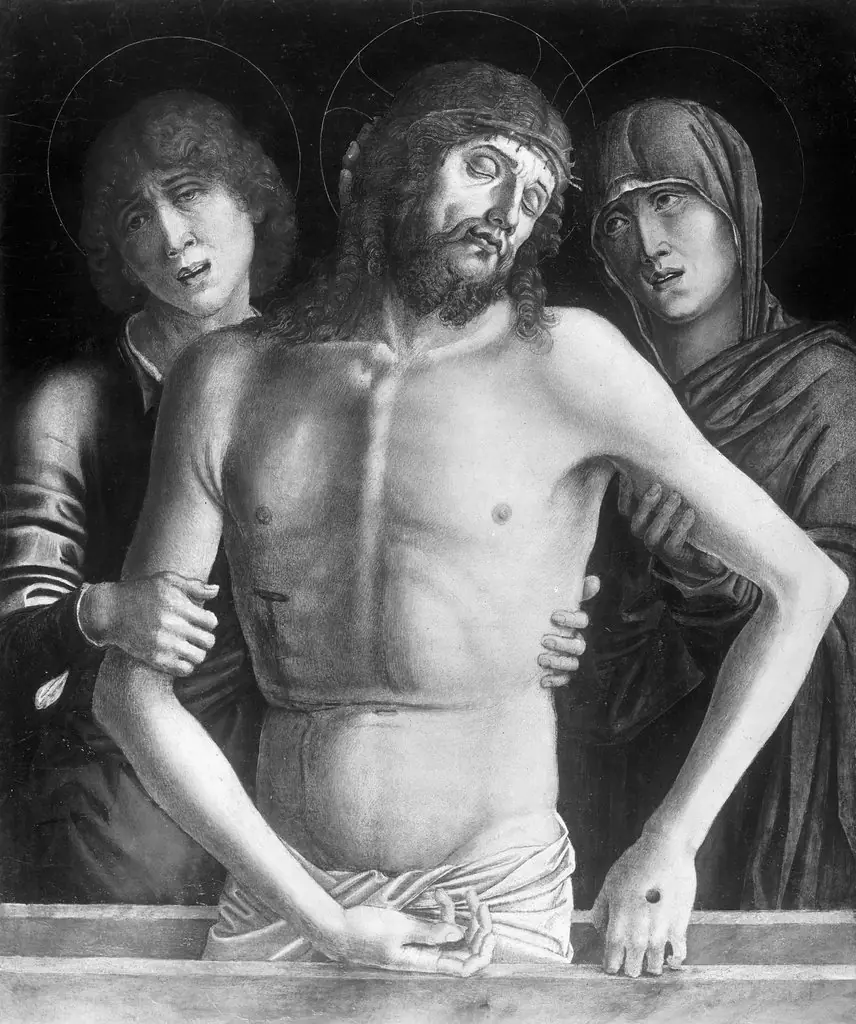 Lamentation of Christ
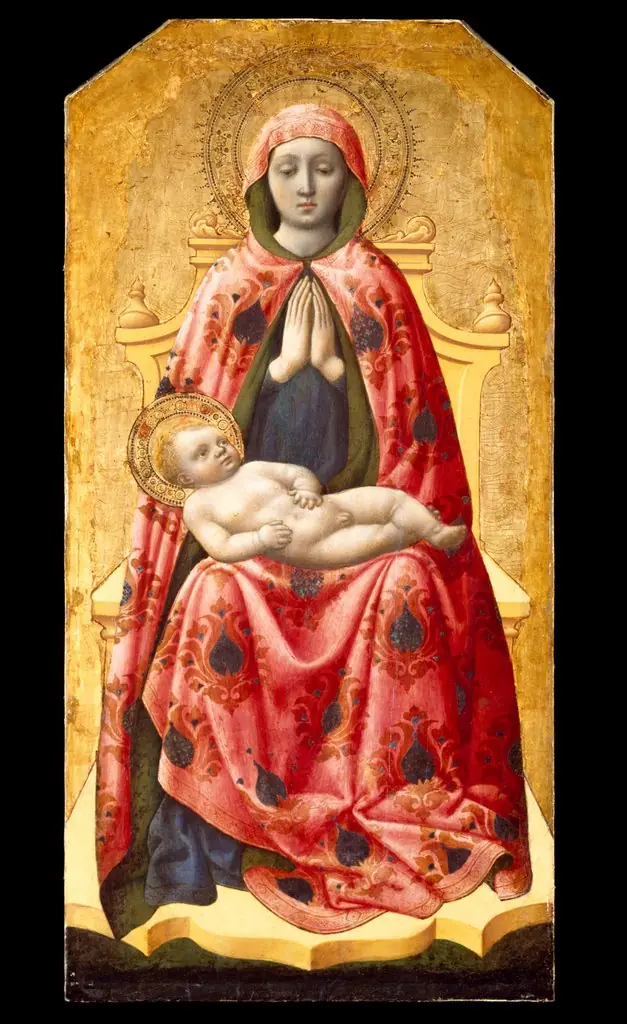 Virgin and Child
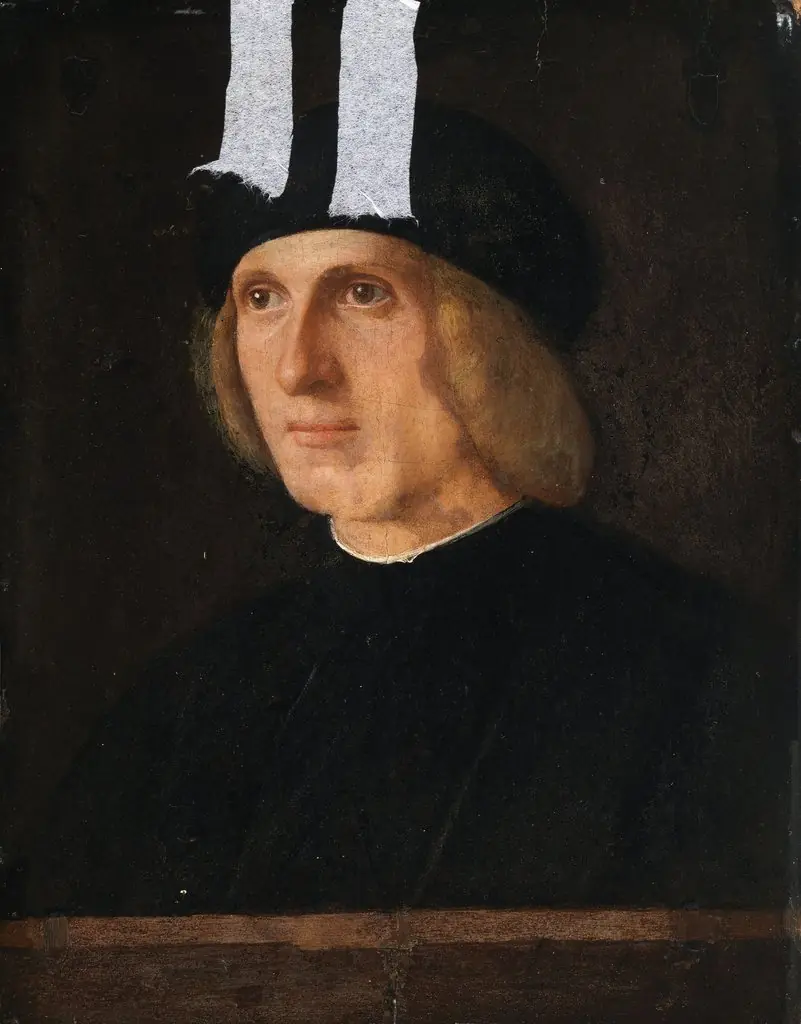 Head of a Gentleman
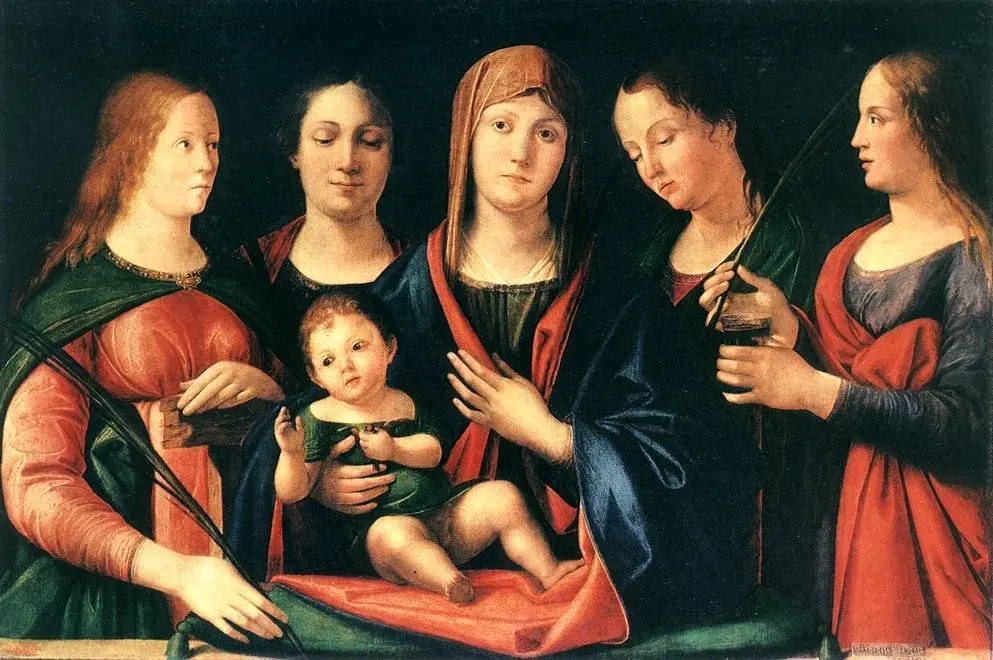 Mary and Child with Sts Mary Magdalene and Catherine
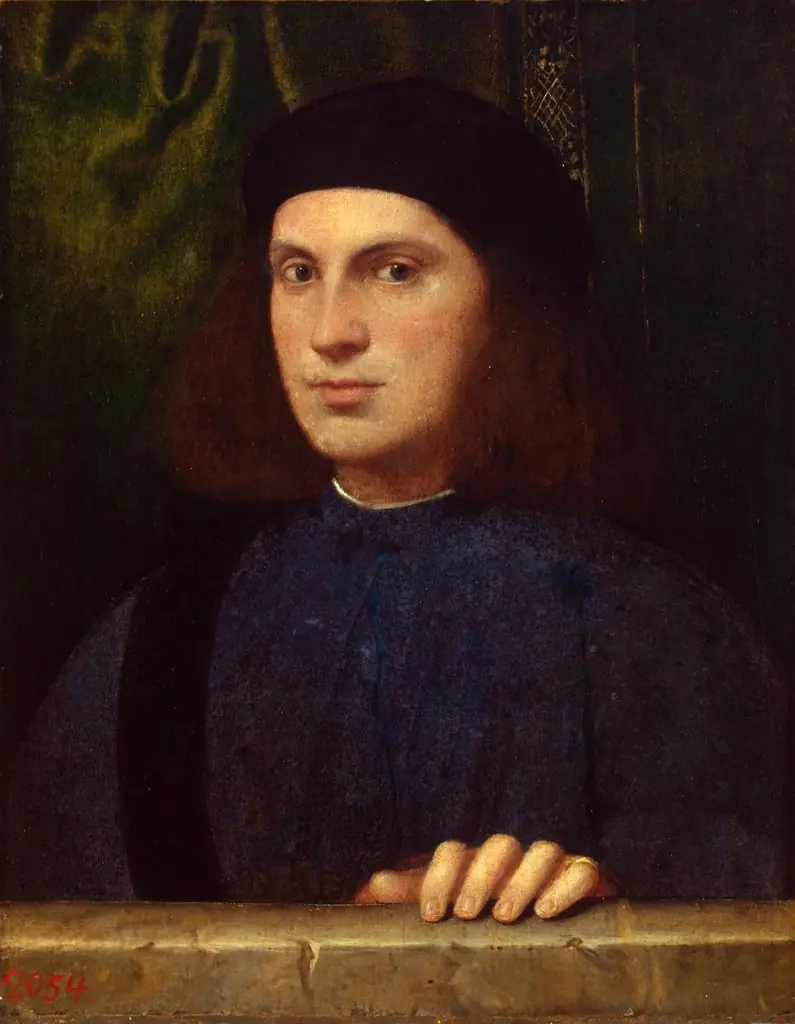 Portrait of a Young Man
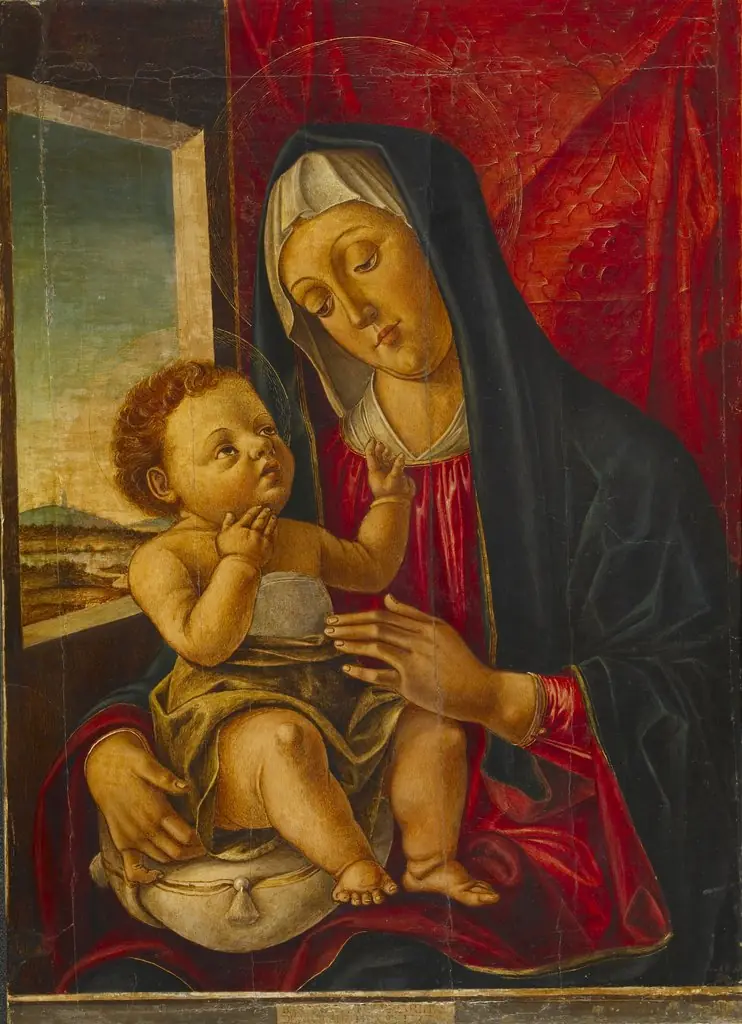 Madonna and Child
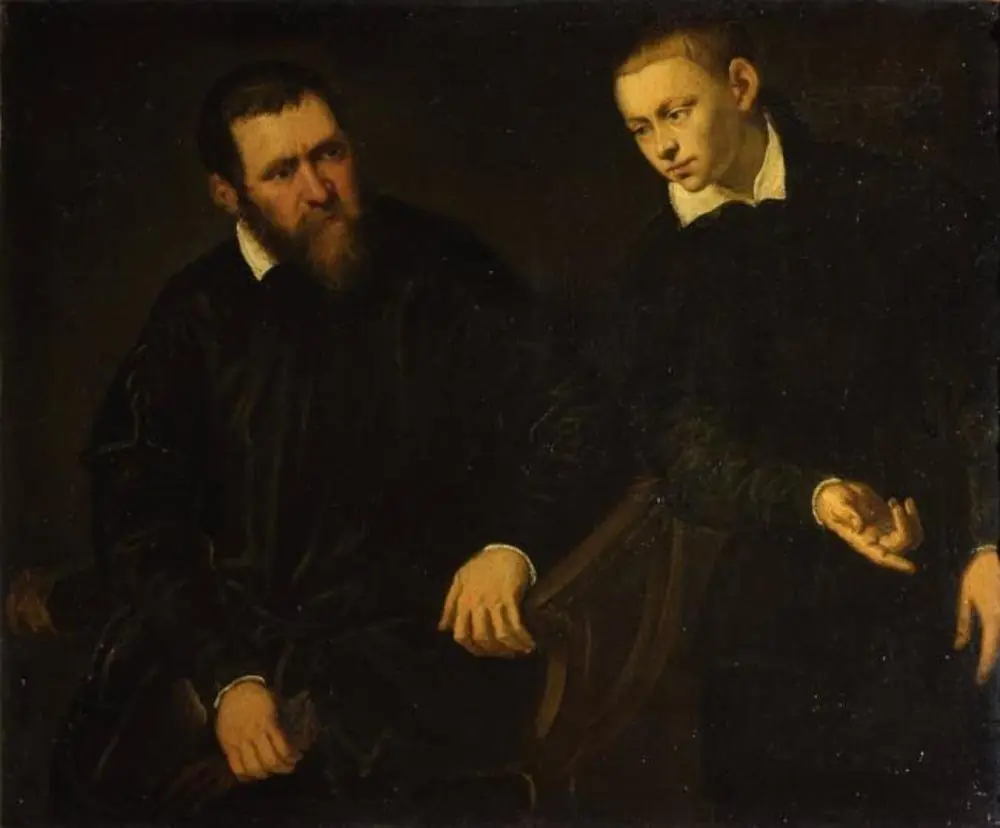 Self-portrait with Jacopo Strada (1507-1588)
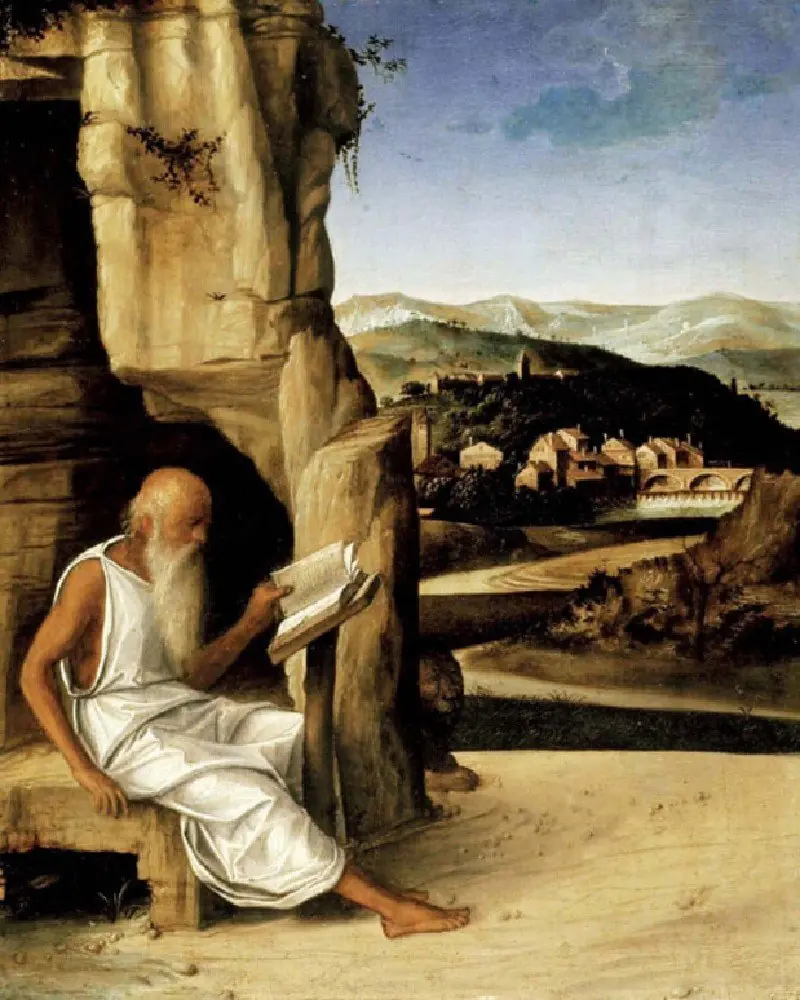 St Jerome reading in a Landscape
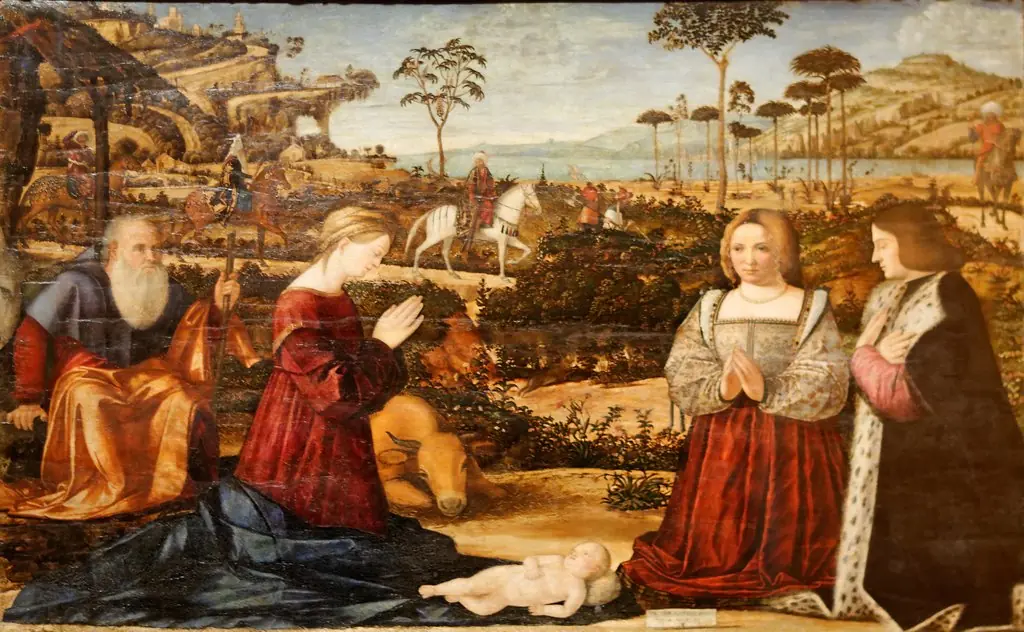 Holy Family and Donors
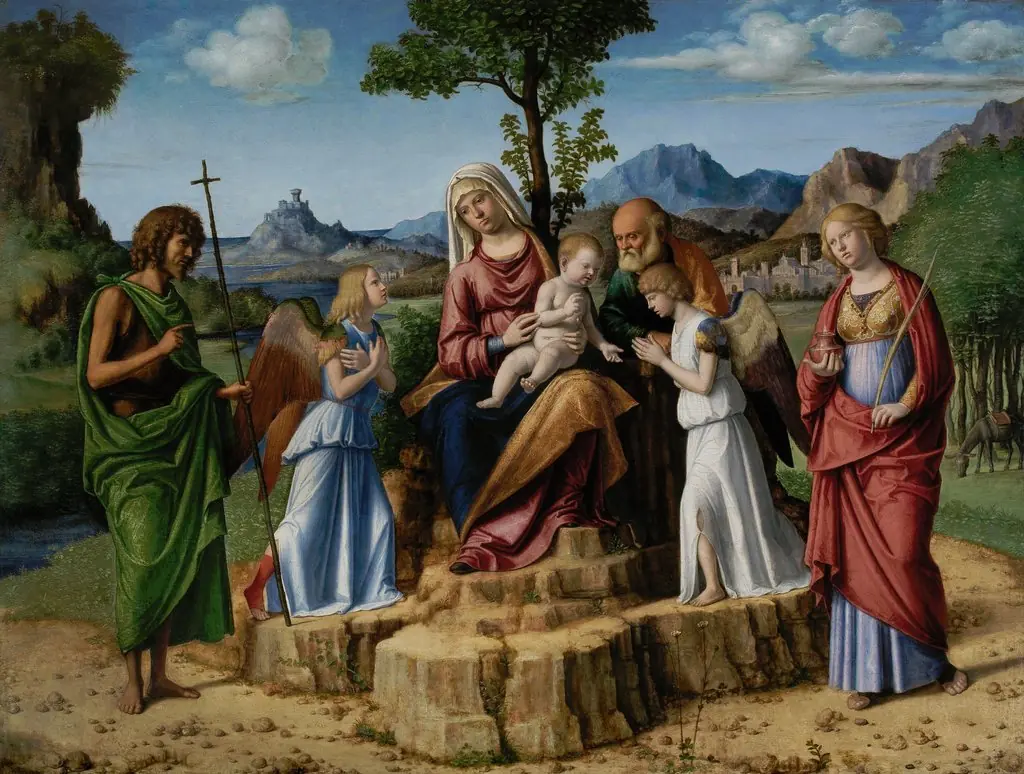 Rest on the Flight into Egypt
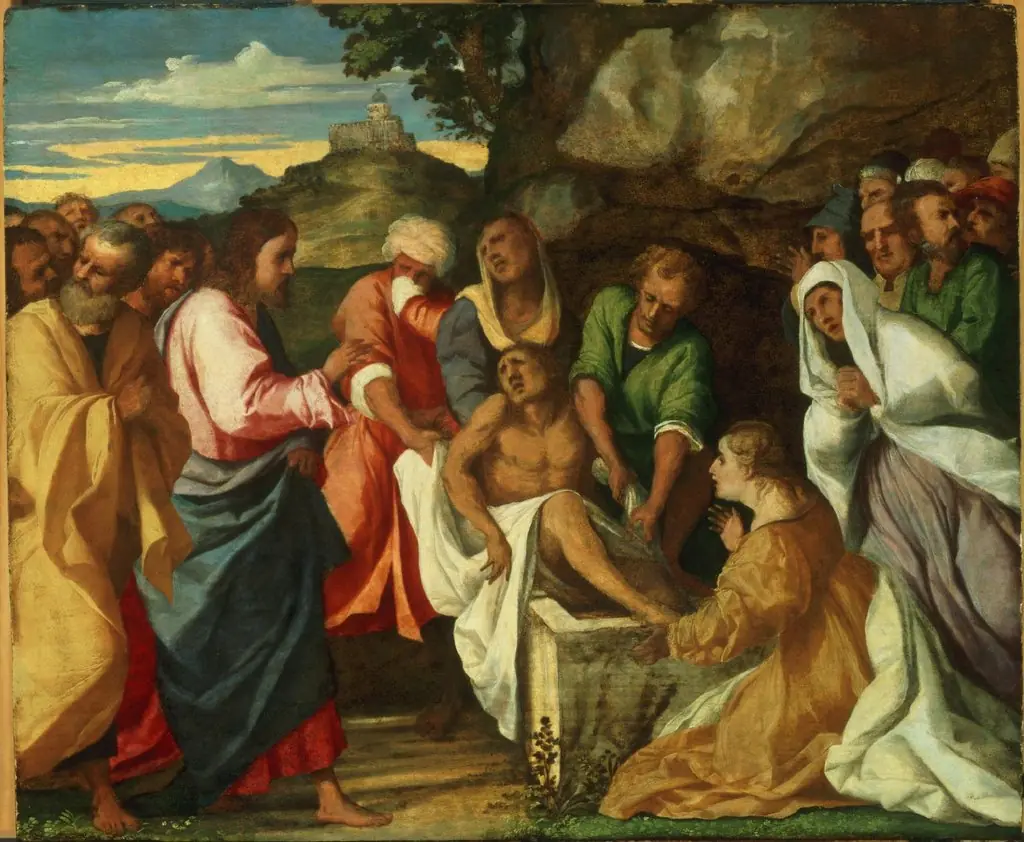 The Raising of Lazarus
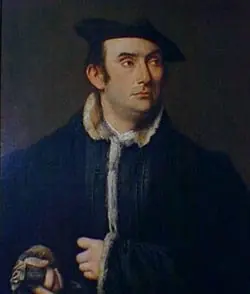 Retrato de un magistrado
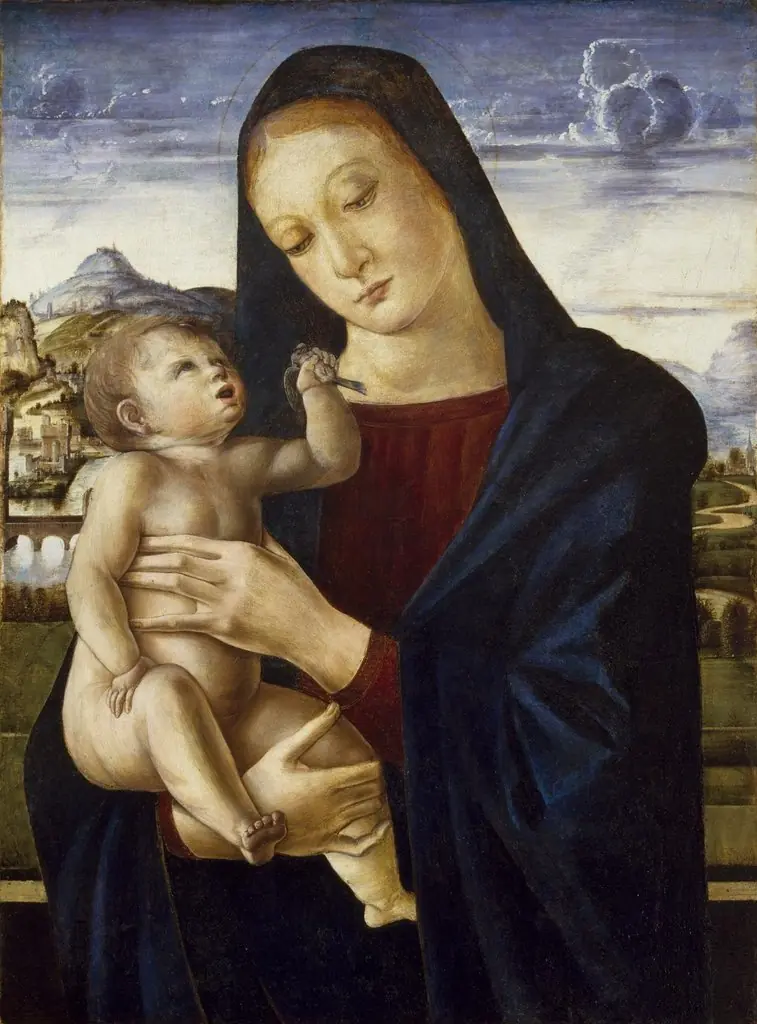 Virgin and Child
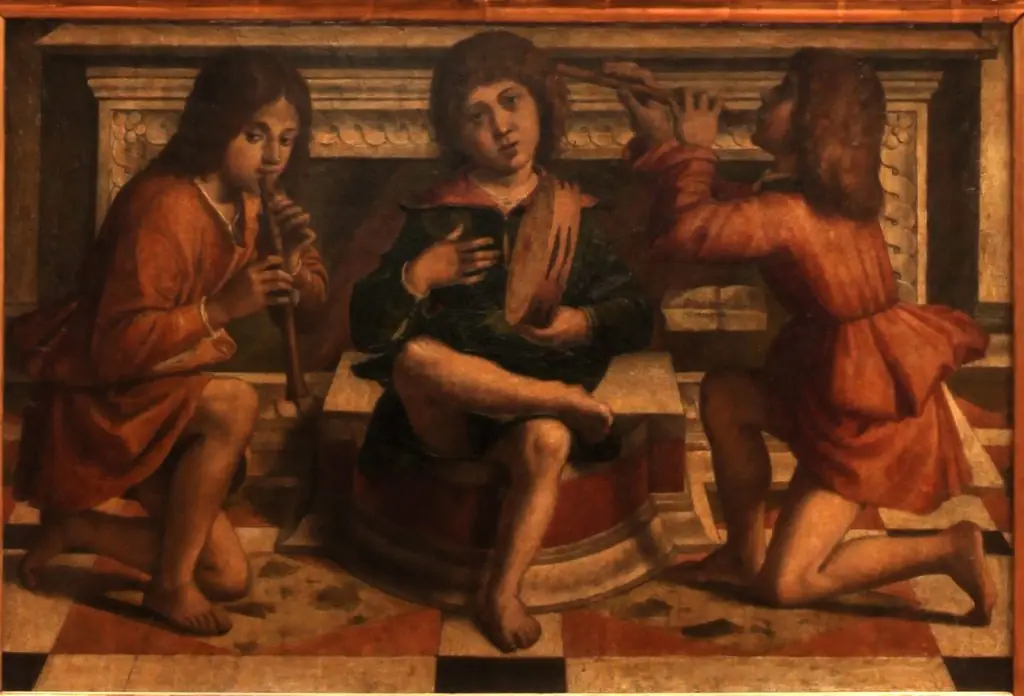 Trois anges musiciens
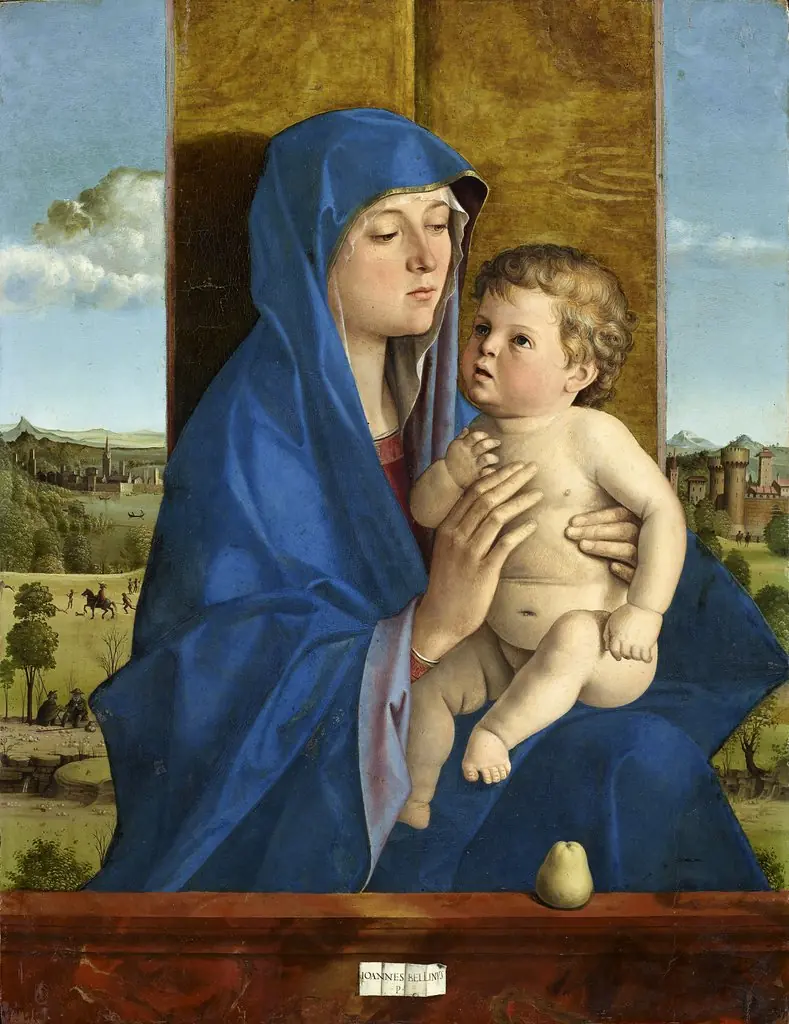 Alzano Madonna
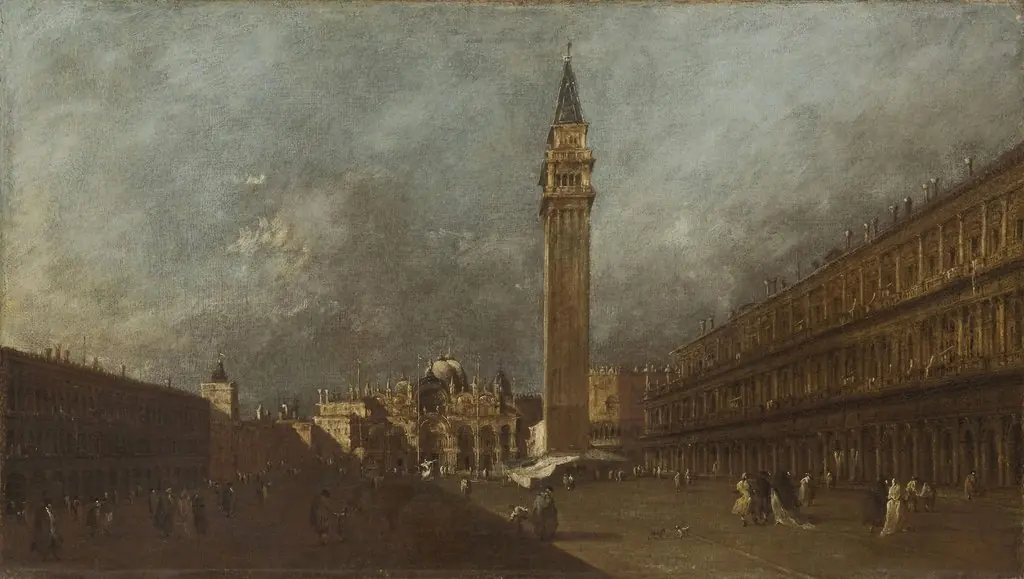 Piazza San Marco
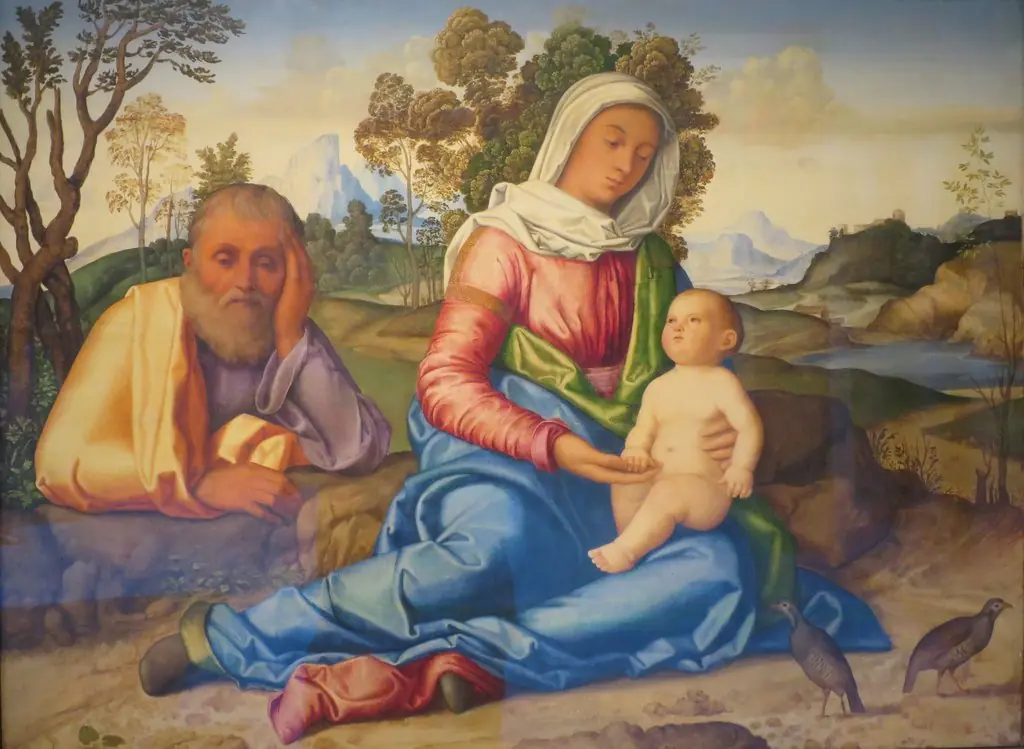 The Rest on the Flight into Egypt
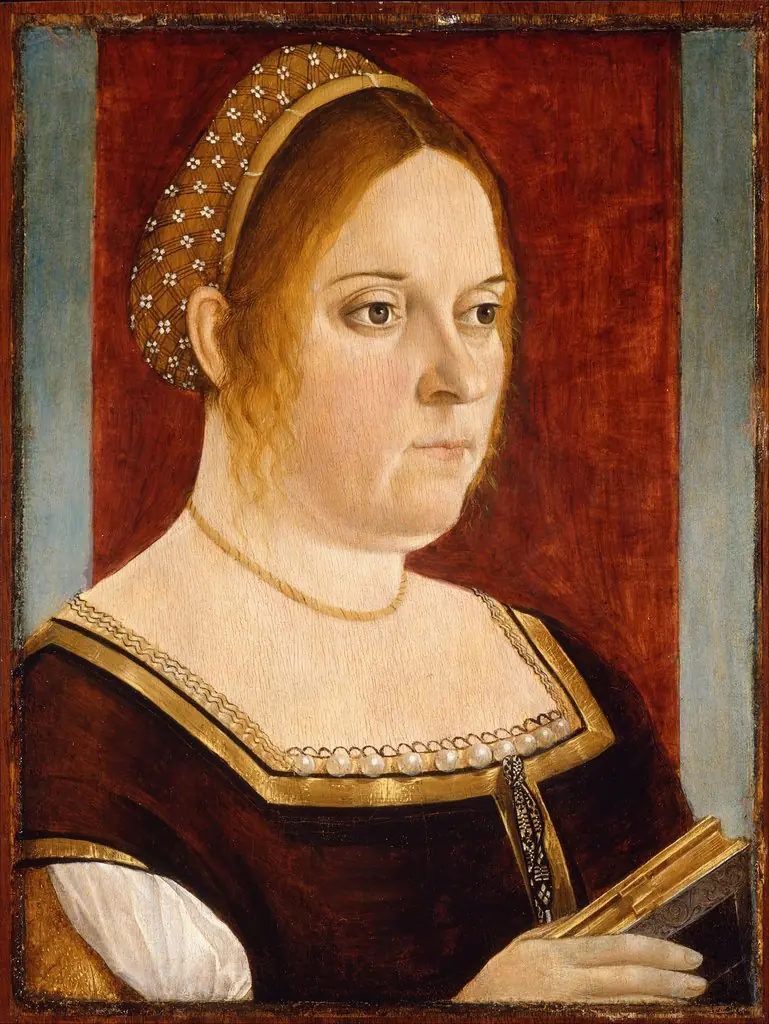 Portrait of a Woman
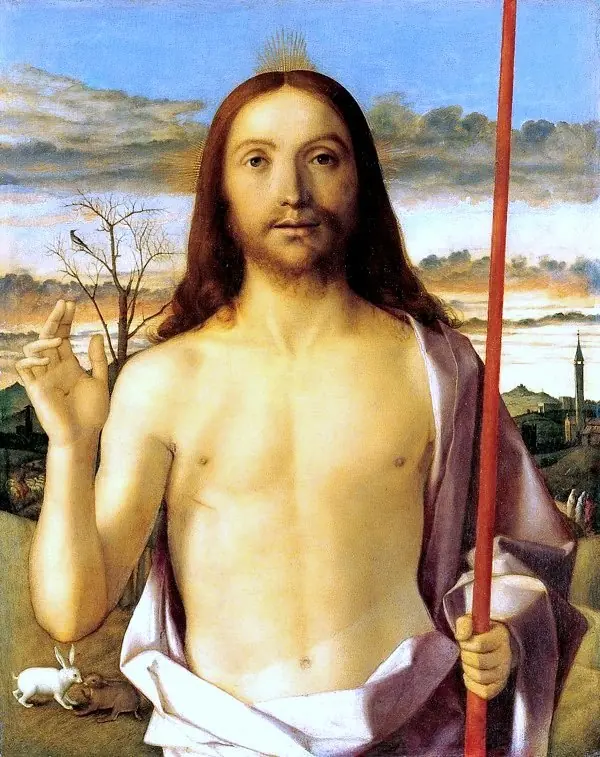 Christ Blessing
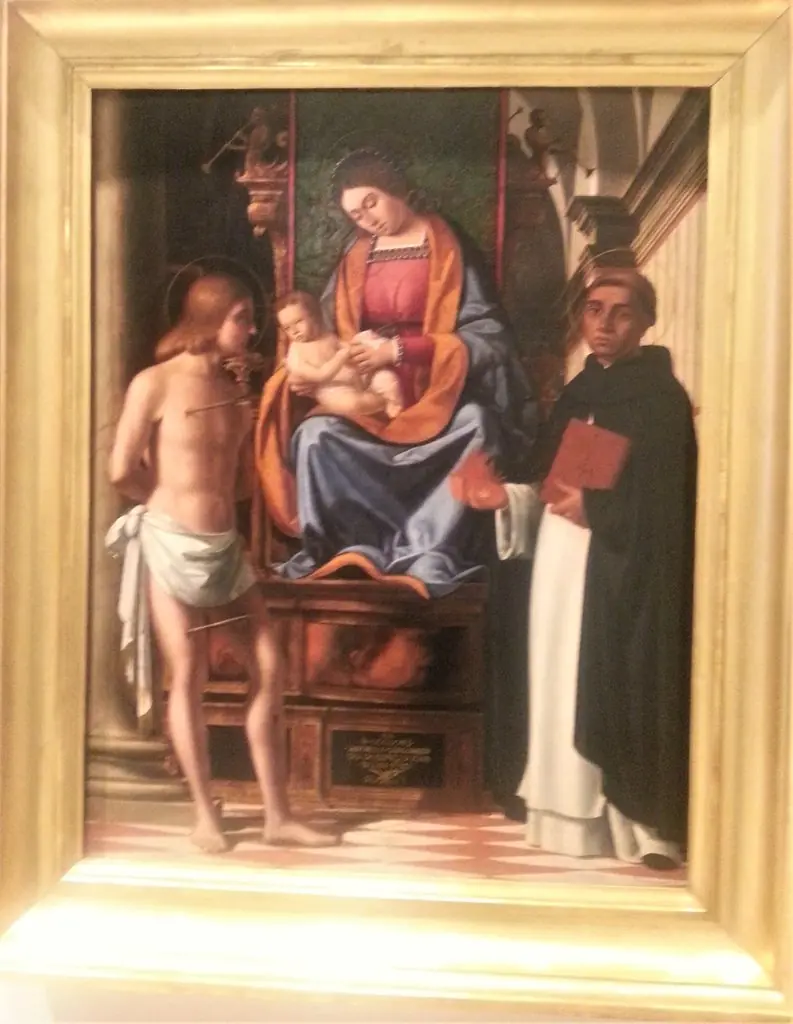 Madonna and Child enthroned between Saints Sebastian and Vincenzo Ferrer
 Madonna in trono col Bambino
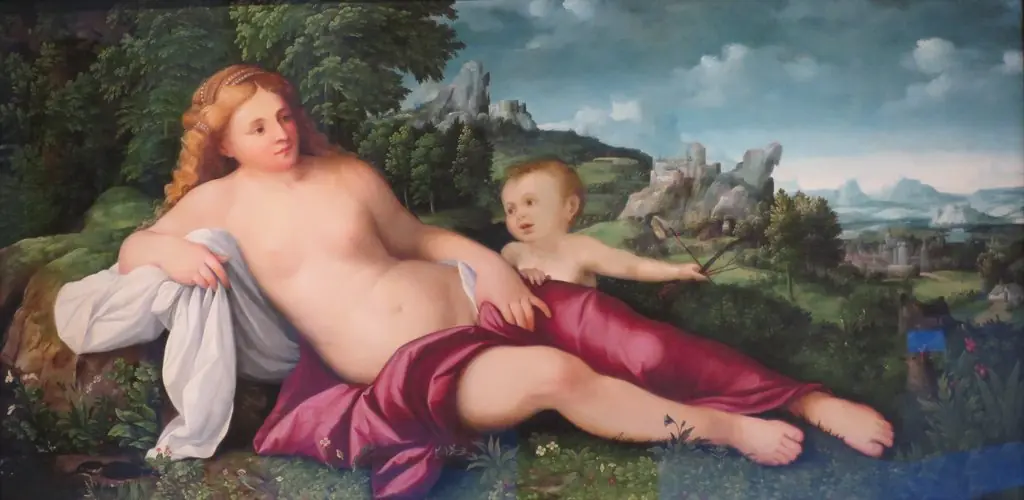 Venus and Cupid in a Landscape
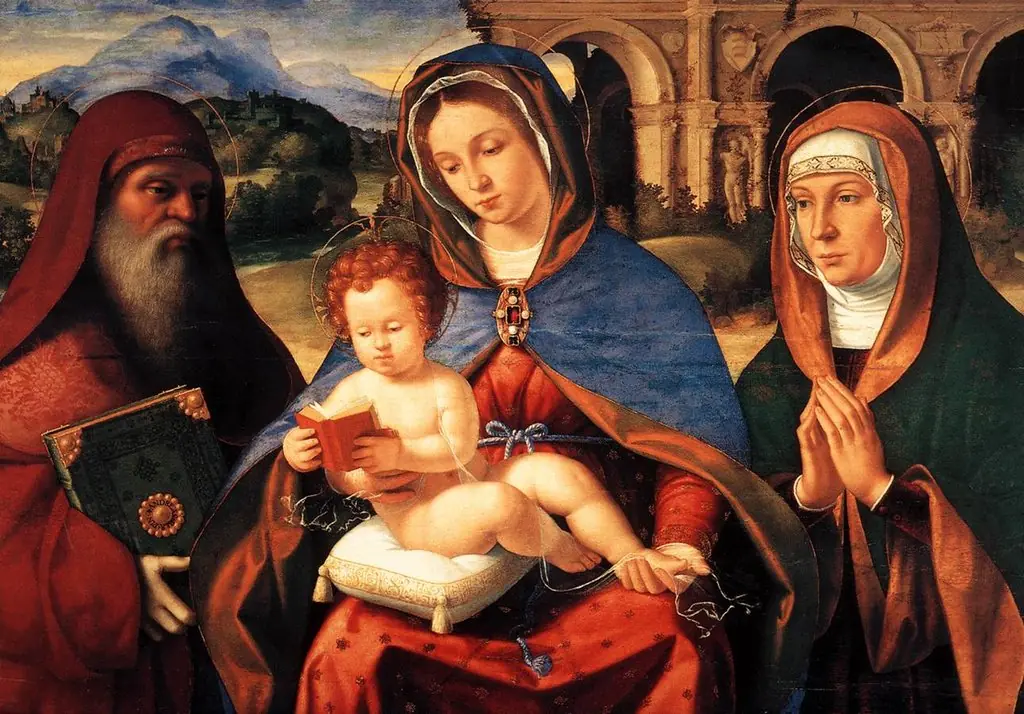 Madonna Baglioni
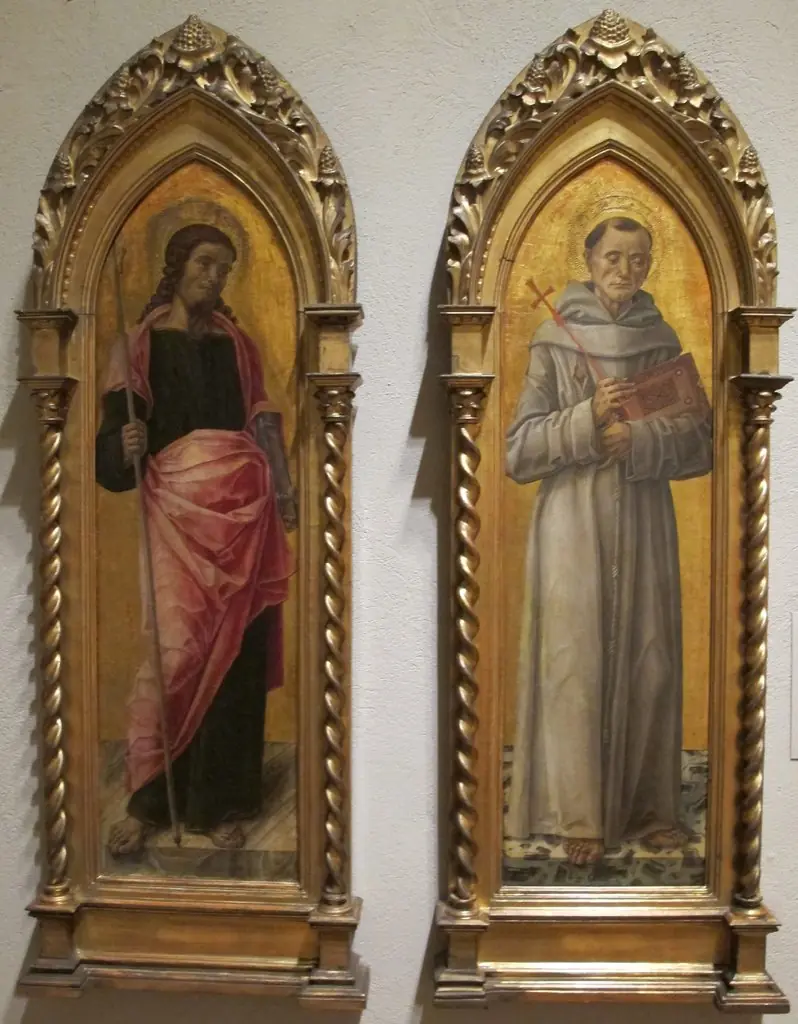 Saints James and Francis
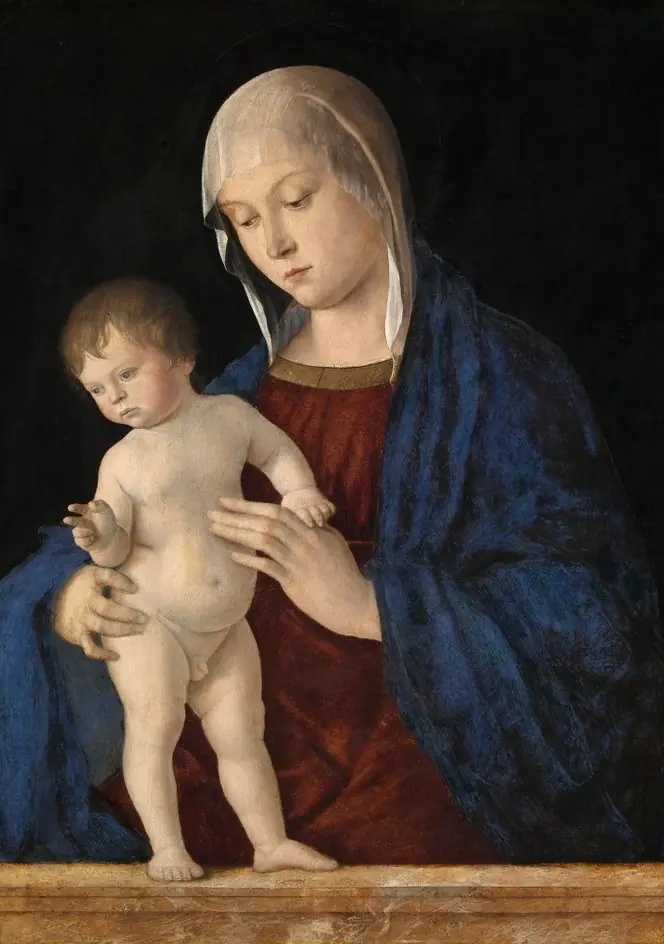 Virgin and Child
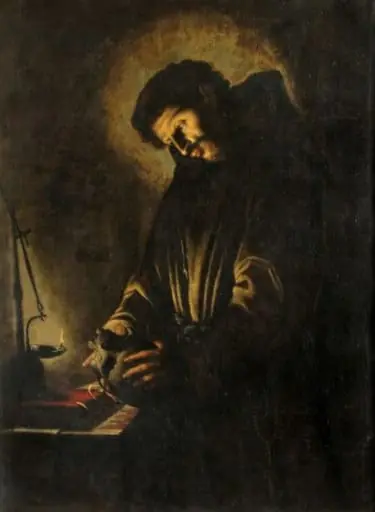 Sf. Francisc
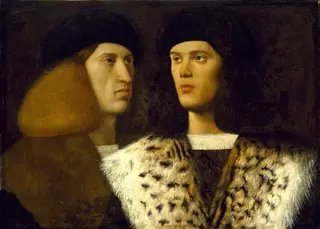 Portrait of Two Young Men
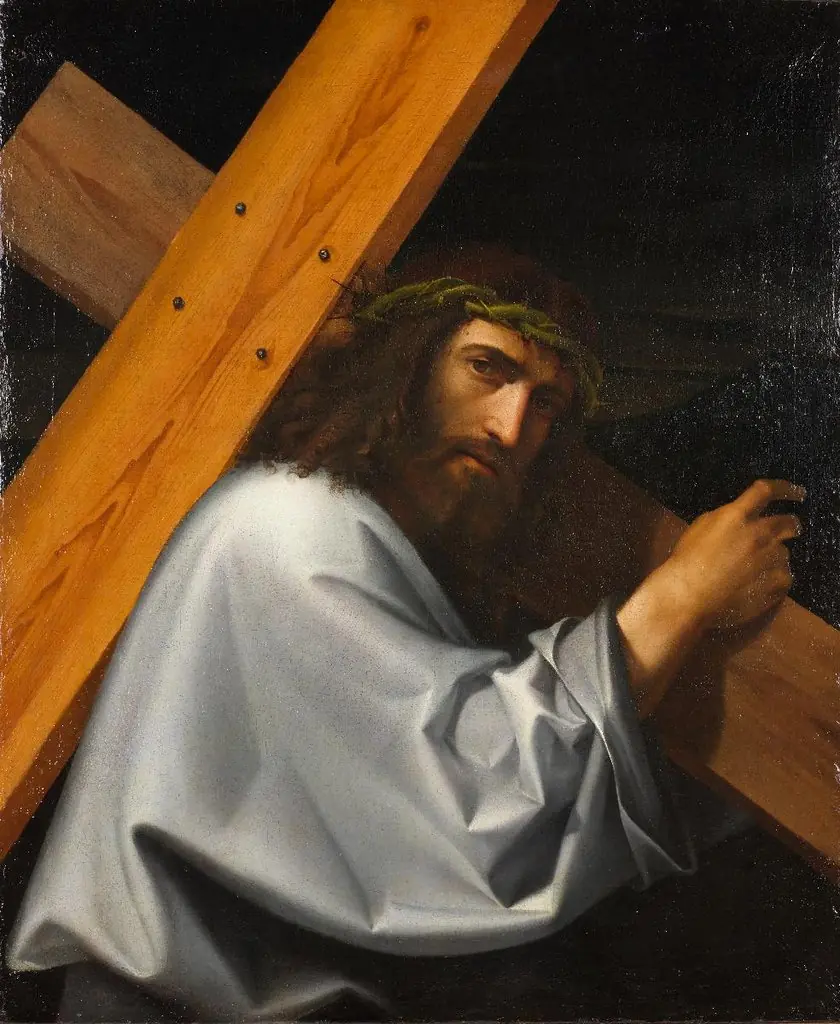 Cristo portacroce
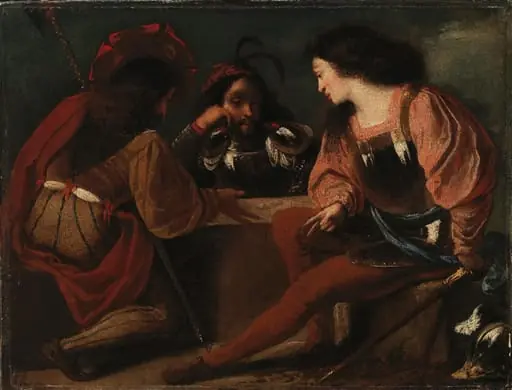 Nopanpelaajat
Frequently asked questions
What is Venetian Renaissance?
Venetian Renaissance is an art movement. The distinctive Renaissance tradition centered on Venice, characterized by sumptuous color, atmospheric light, and sensuous paint handling rather than Florentine linearity.
How many Venetian Renaissance works does Artifact World Gallery have?
Artifact World Gallery holds 99 public-domain Venetian Renaissance works, all free to view and download.
Who are the key Venetian Renaissance artists?
Key Venetian Renaissance artists in the collection include Titian, Jacopo Tintoretto and Palma il Giovane.
Where can I see Venetian Renaissance works?
Venetian Renaissance works in the collection are held by National Gallery of Art, Metropolitan Museum of Art and Hermitage Museum.