Artwork
Adoration of the Shepherds
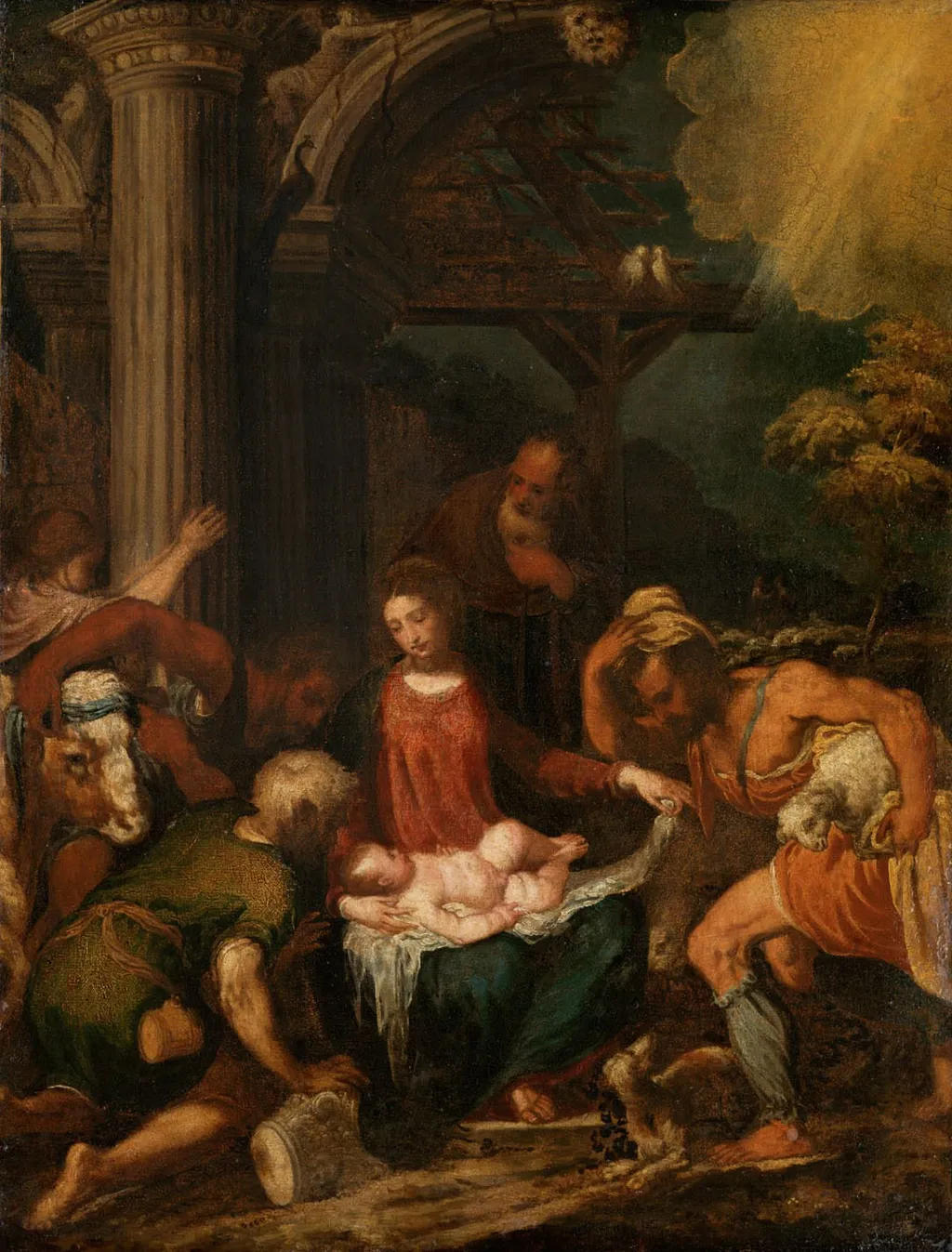
Adoration of the Shepherds is an unspecified painting by the Mannerist artist Andrea Schiavone. It dates from 1560 and is held in the collection of the Kunsthistorisches Museum.
About this work
Subject & Meaning
The subject matter is explicitly identified as the adoration of the shepherds, with the infant Christ serving as the focal point of the scene.
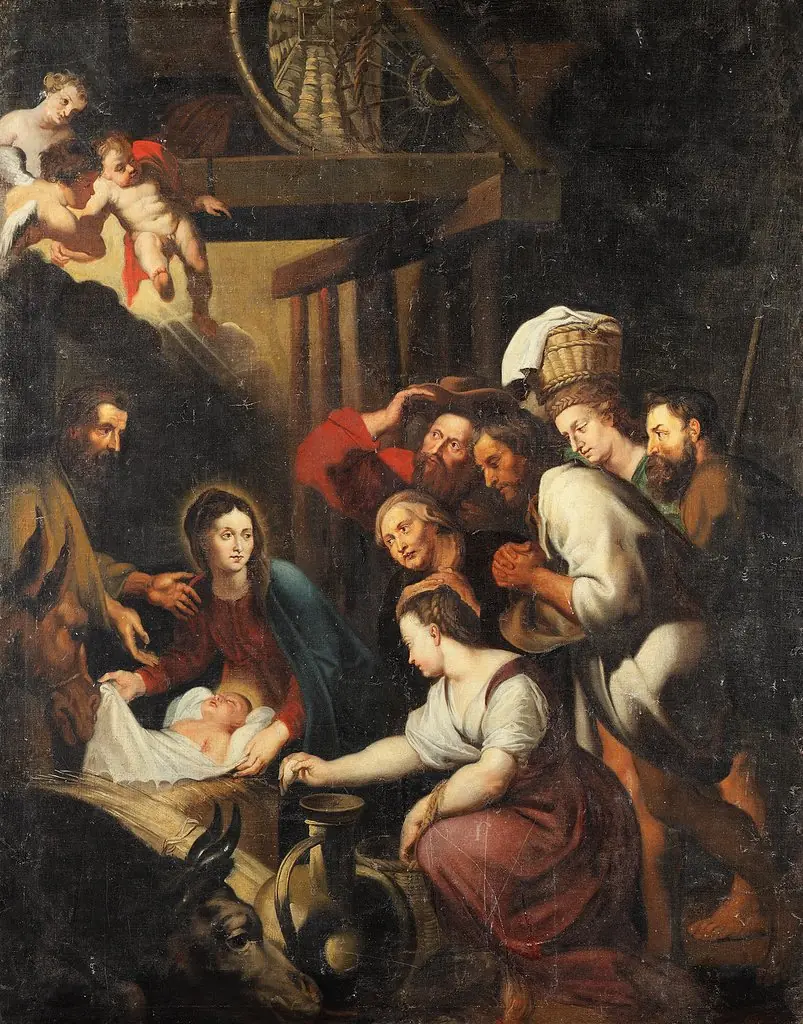
Andrea Schiavone's 1560 painting depicts the Adoration of the Shepherds, a religious narrative centered on the Christ Child. As a work of religious art, the composition illustrates the biblical event where shepherds visit and worship the newborn Jesus. The subject matter is explicitly identified as the adoration of the shepherds, with the infant Christ serving as the focal point of the scene.
This iconography represents the revelation of the Messiah to the humble, marking a key moment in Christian tradition.
History & Provenance
Andrea Schiavone created the religious painting Adoration of the Shepherds in 1560. The work measures 100 cm in height and 76 cm in width. Its ownership history begins with Bartolomeo della Nave, who held the piece before it entered the collection of Archduke Leopold Wilhelm of Austria. The painting subsequently became part of the holdings of the Kunsthistorisches Museum, where it remains located today.
Overview
Created in 1560, the Adoration of the Shepherds is a religious canvas by Andrea Schiavone, a Dalmatian-born painter active in Venice. The composition presents the infant Christ surrounded by shepherds who kneel and gaze upon him, set within an interior suggested by classical columns and arches. The work is part of the Kunsthistorisches Museum’s holdings.
Technique & Style
Schiavone employs pronounced chiaroscuro, allowing light to model the bodies and create a sense of three‑dimensionality. The handling of form reflects Mannerist tendencies, elongated poses and elegant gestures, while the colour palette and atmospheric effects reveal the influence of Venetian masters such as Titian.
Context
During the mid‑16th century, Venetian art was dominated by rich colour and sensuous light, yet Mannerist experimentation introduced heightened elegance and complexity. Schiavone’s work exemplifies this hybrid, merging the dramatic lighting of the Venetian school with the stylised composition characteristic of Mannerism, situating the piece within the broader transition toward the late Renaissance.
Artist & collection
Artist
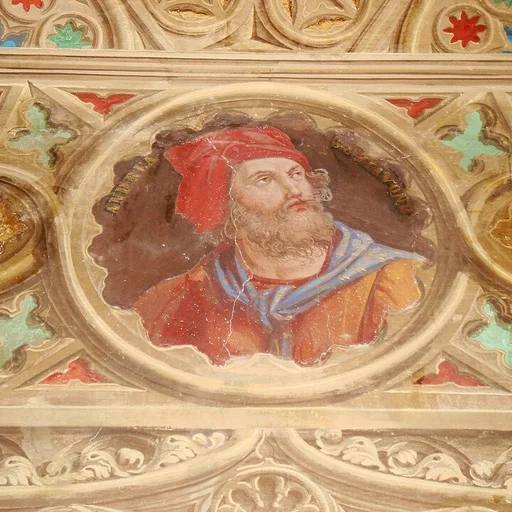
Andrea Meldolla (Croatian: Andrija Medulić), also known as Andrea Schiavone or Andrea lo Schiavone, literally "Andrew the Slav", (c.

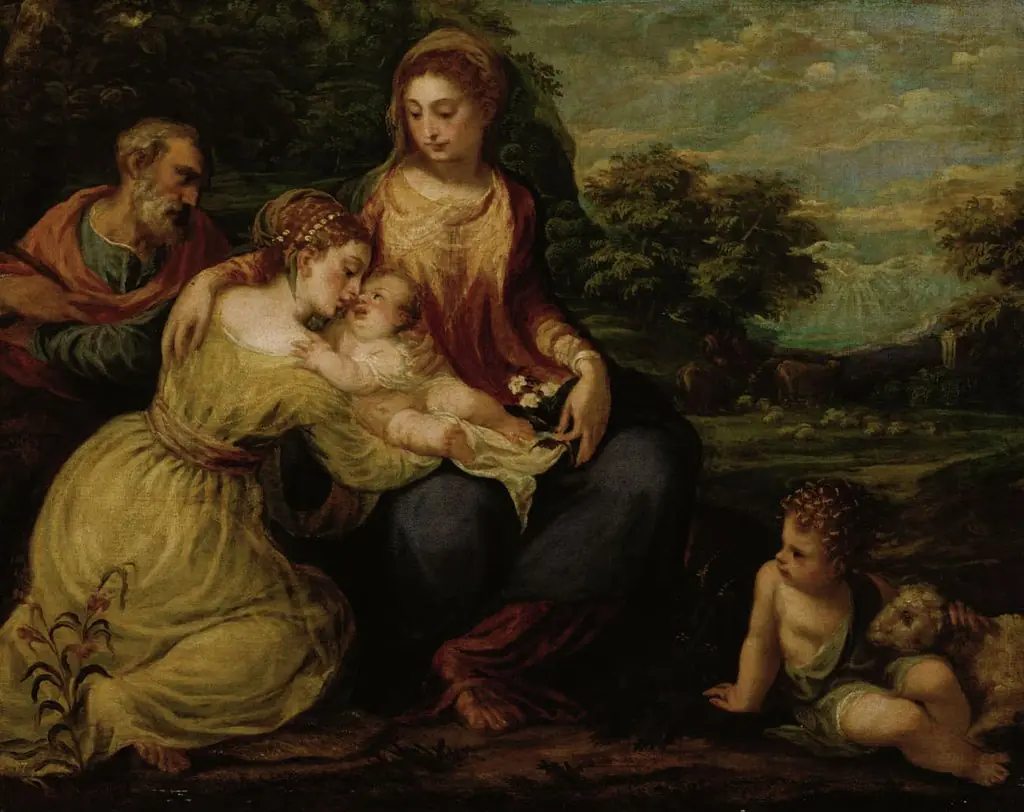
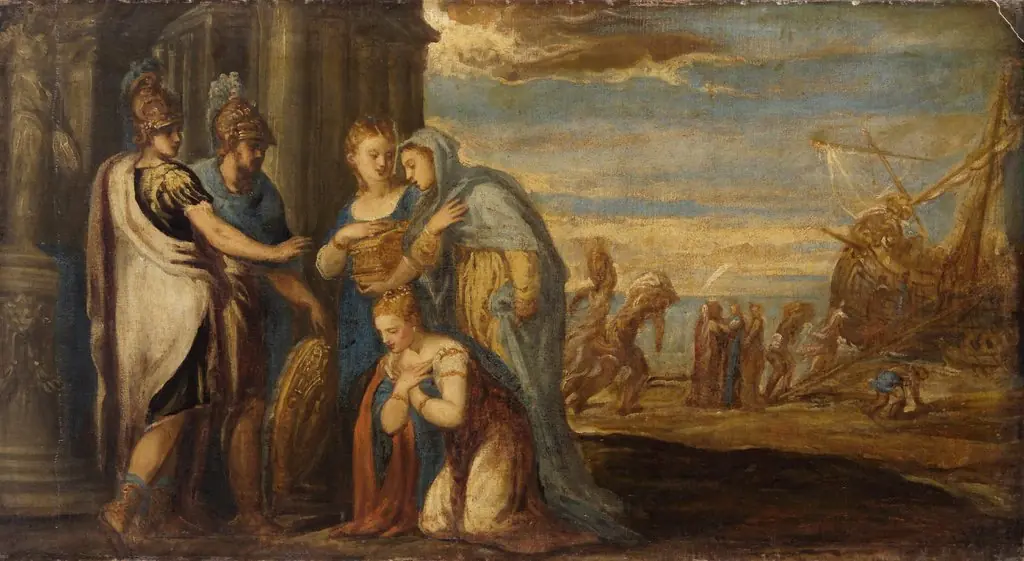
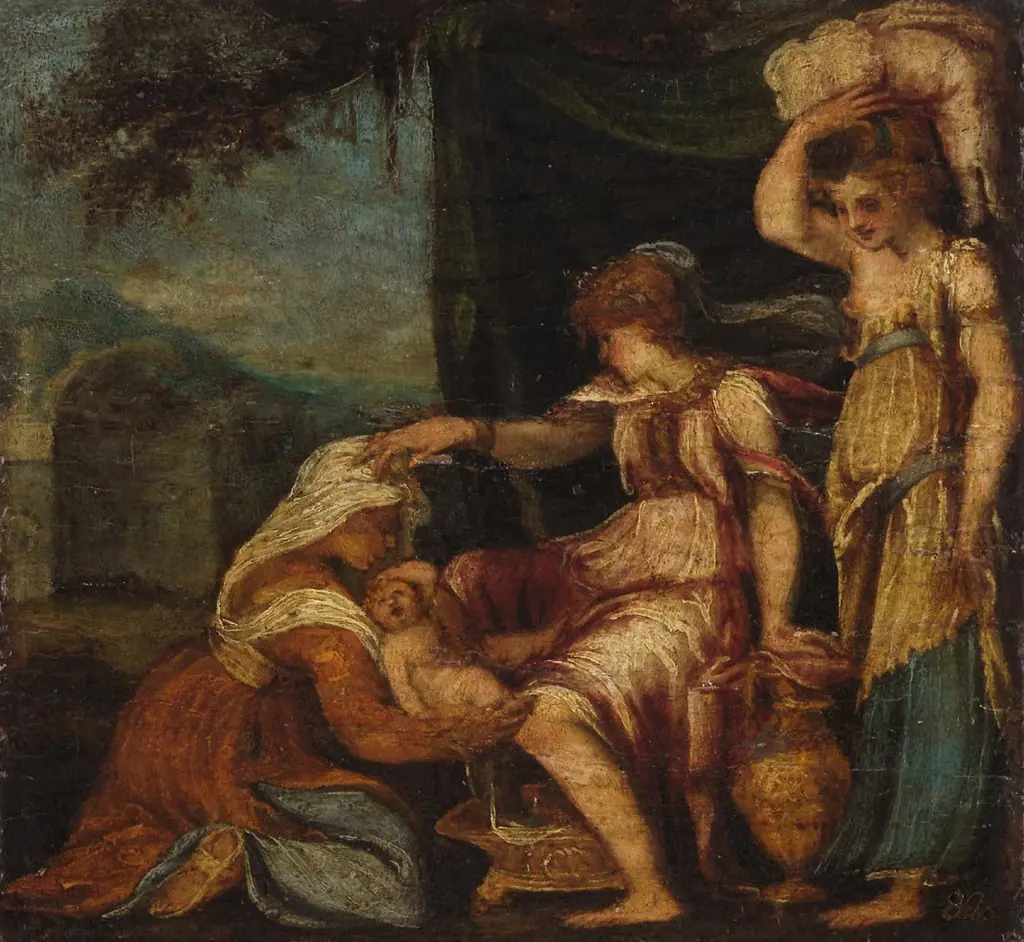
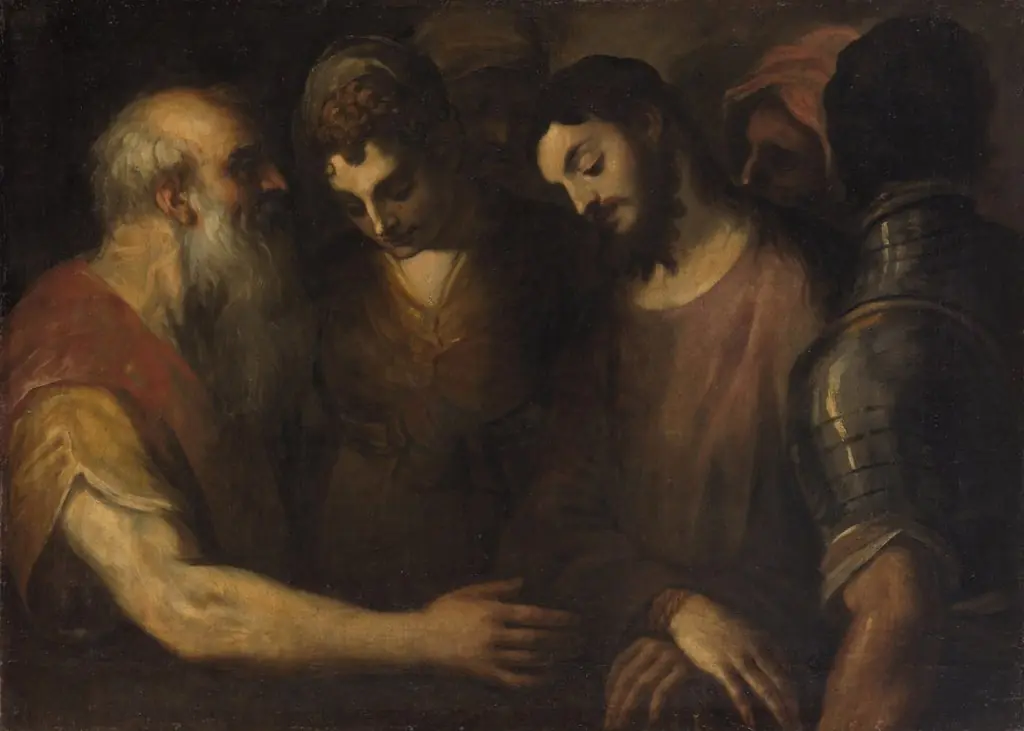
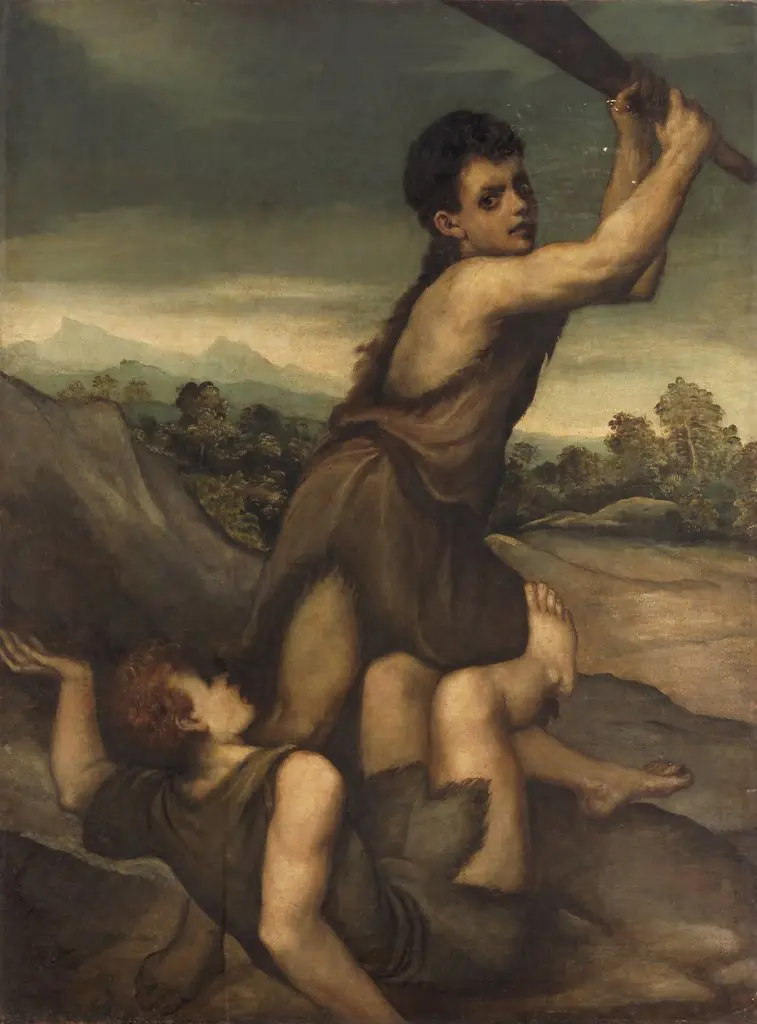
- Adoration of the Shepherds
 Adoration of the Shepherds
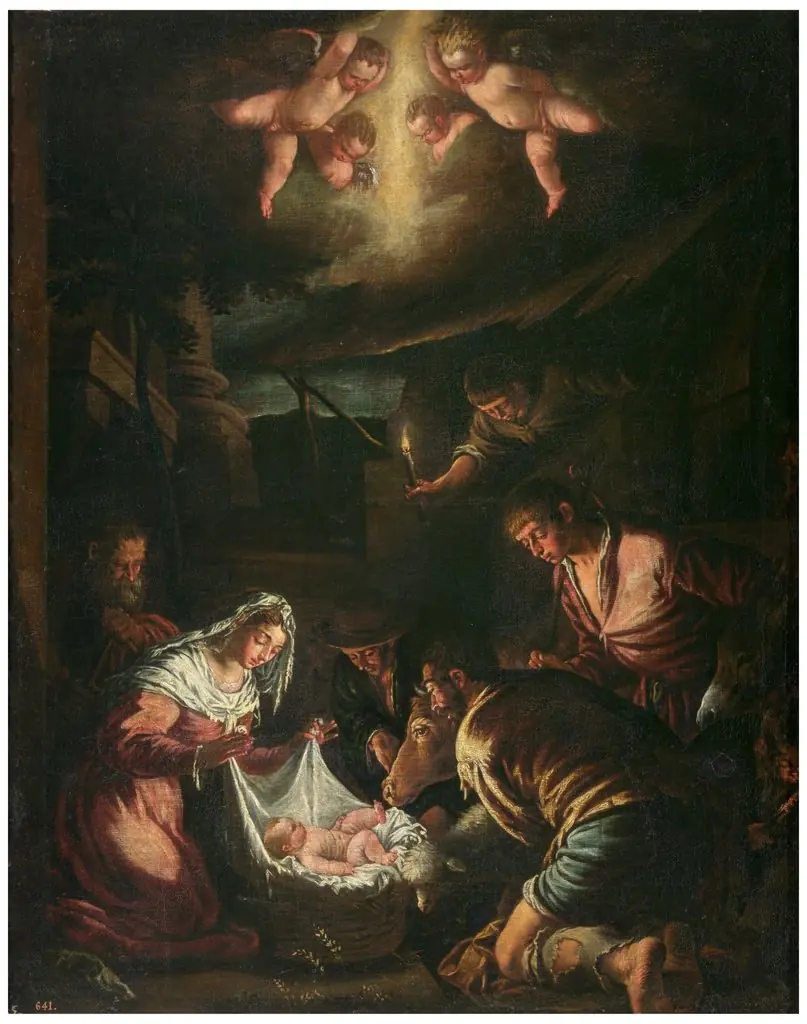 Adoration of the Shepherds
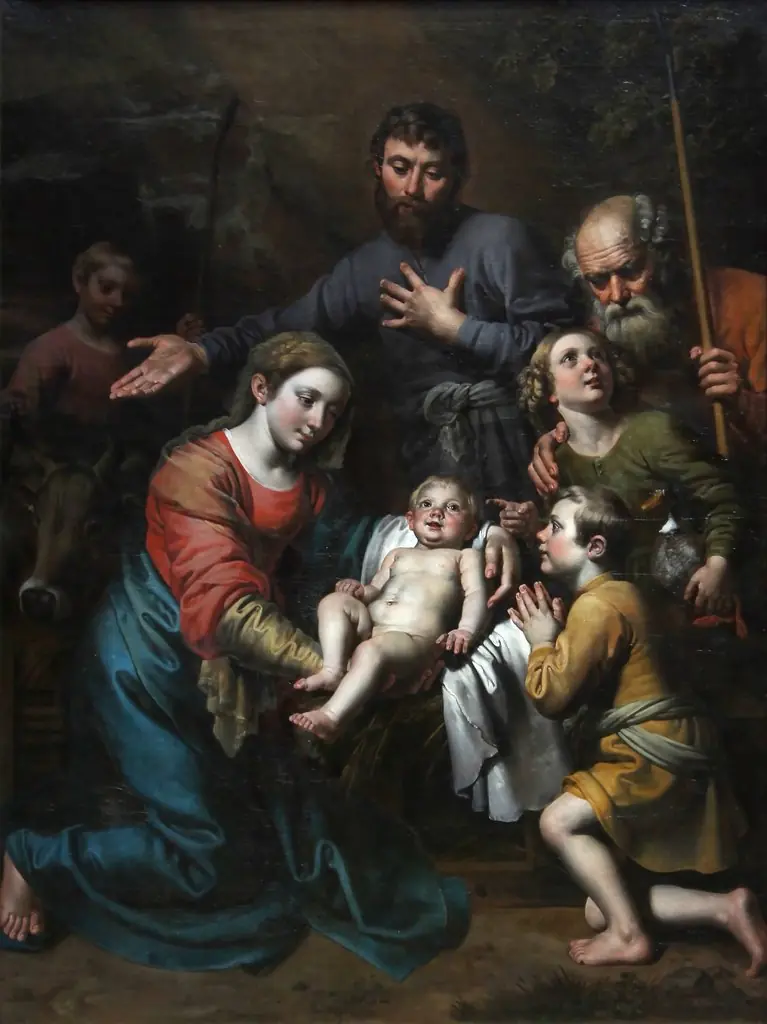 Adoration of the Shepherds
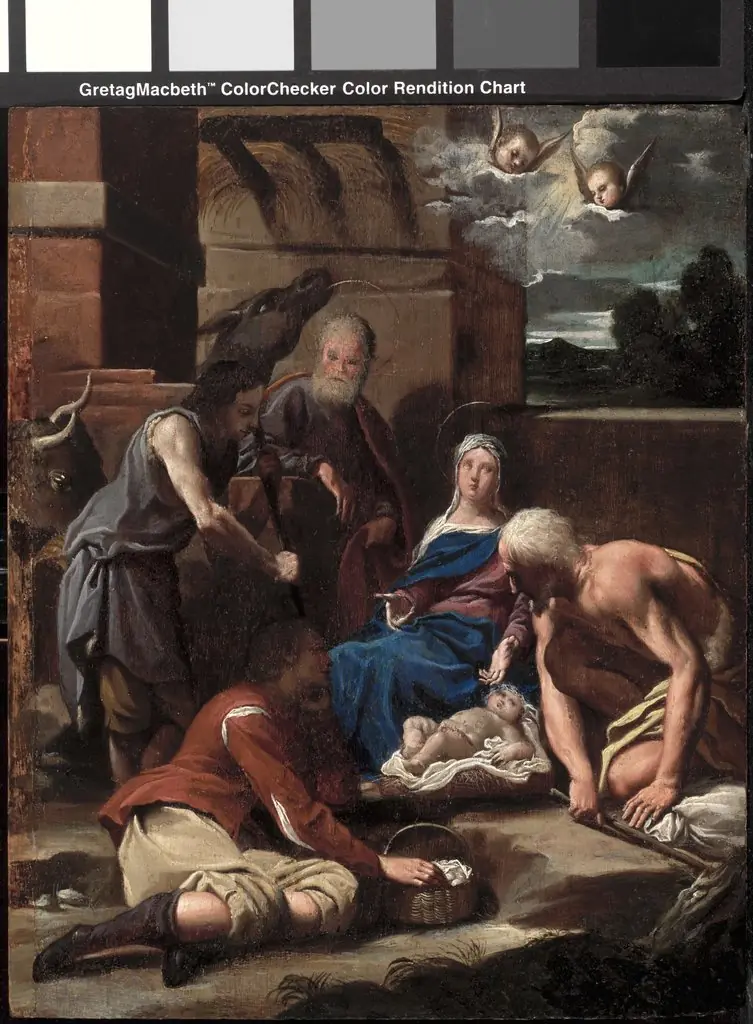 Adoration of the Shepherds
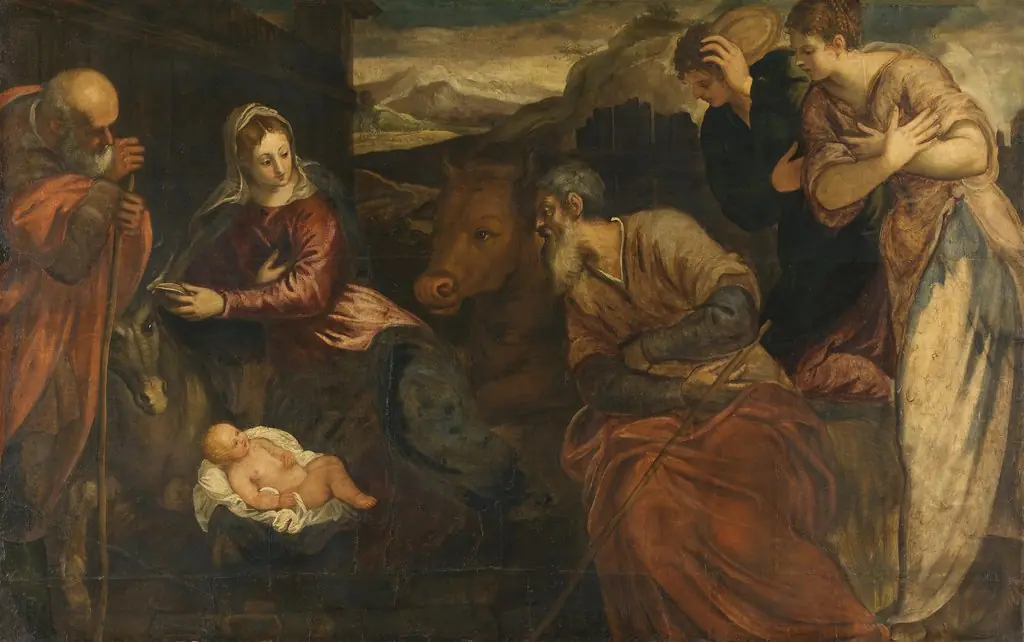 Adoration of the Shepherds
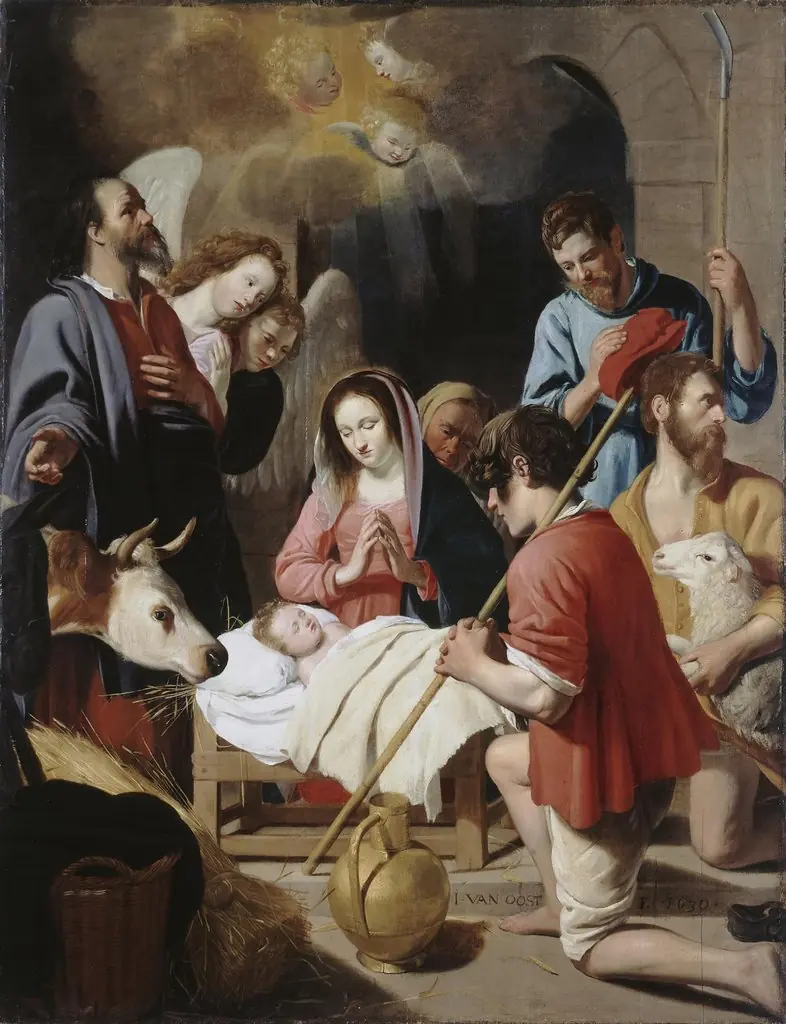 Adoration of the Shepherds
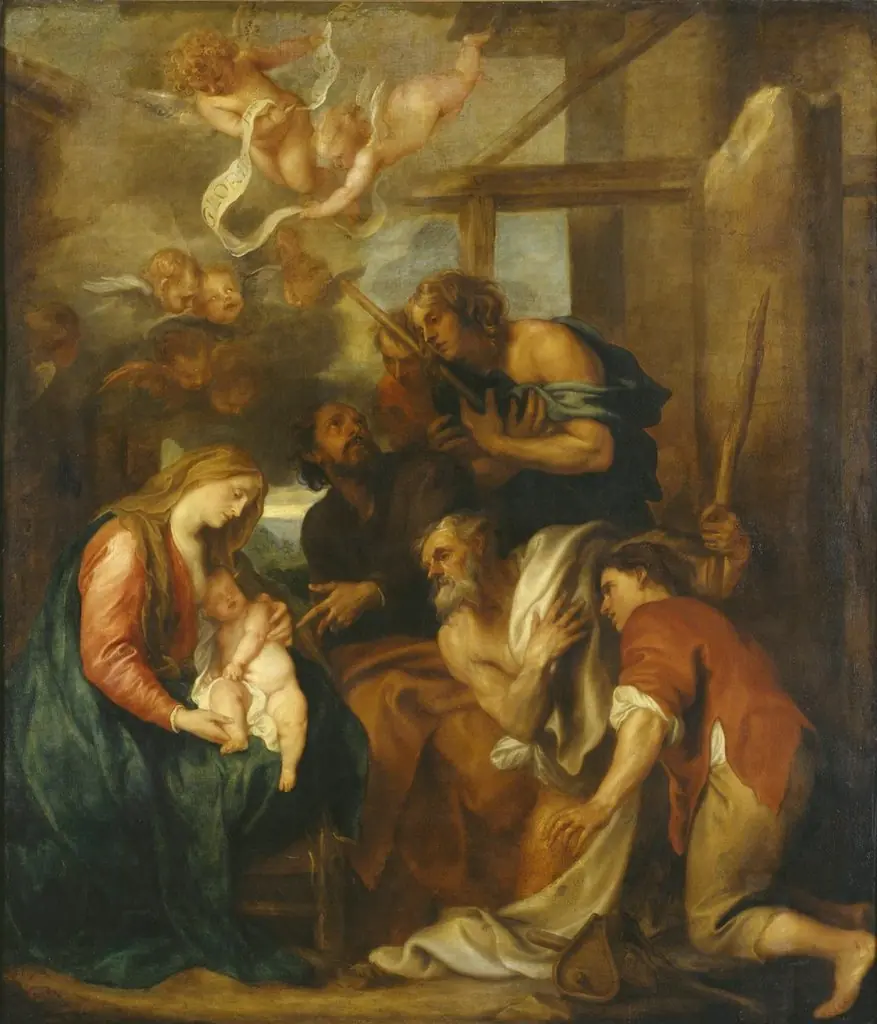 Adoration of the Shepherds
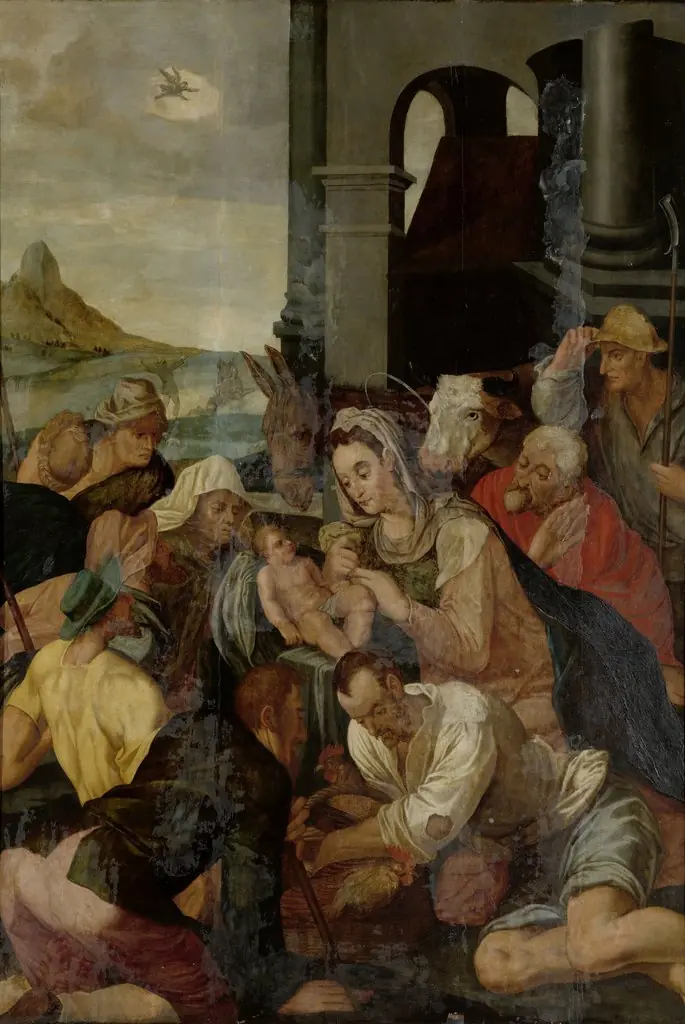 Adoration of the Shepherds
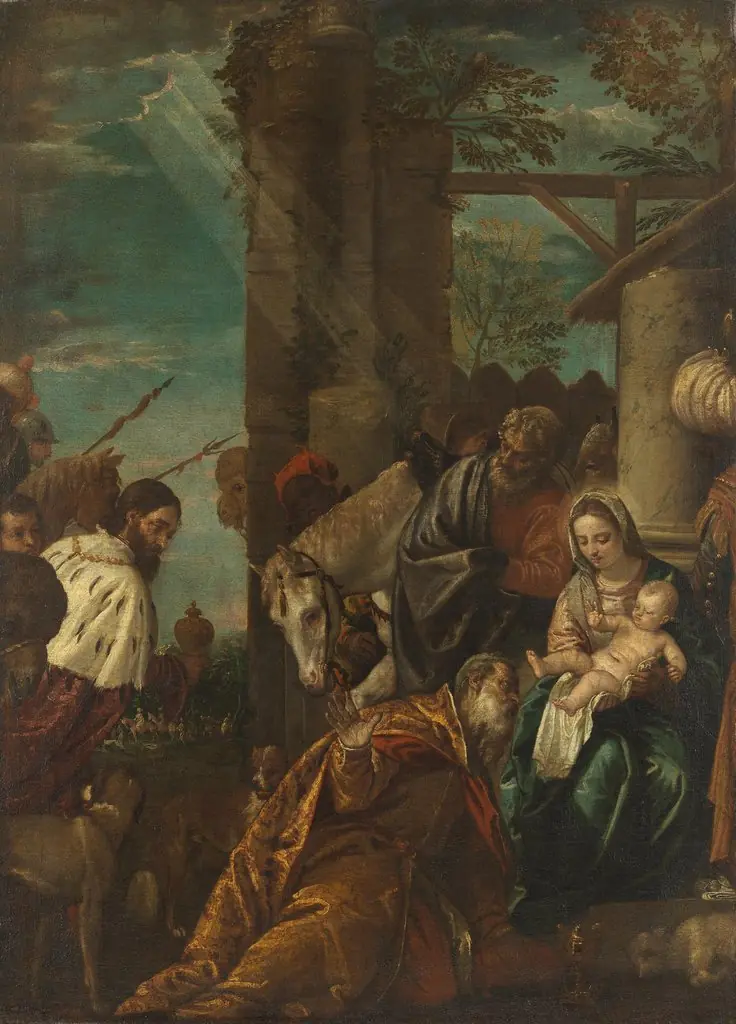 Die Anbetung der Könige
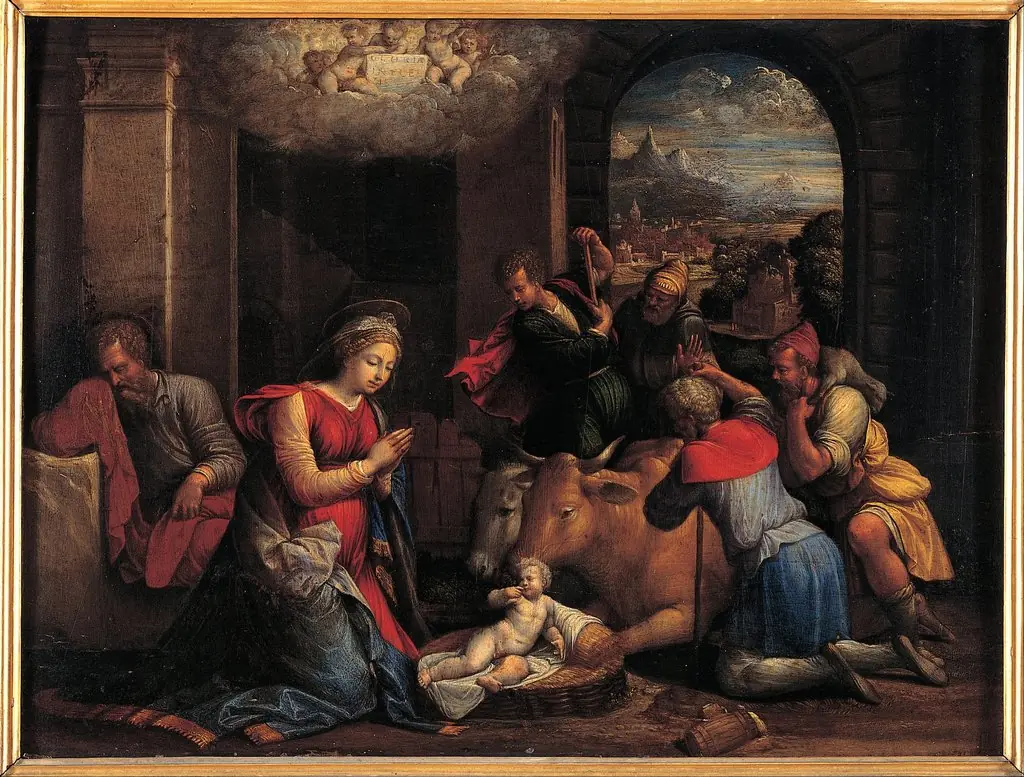
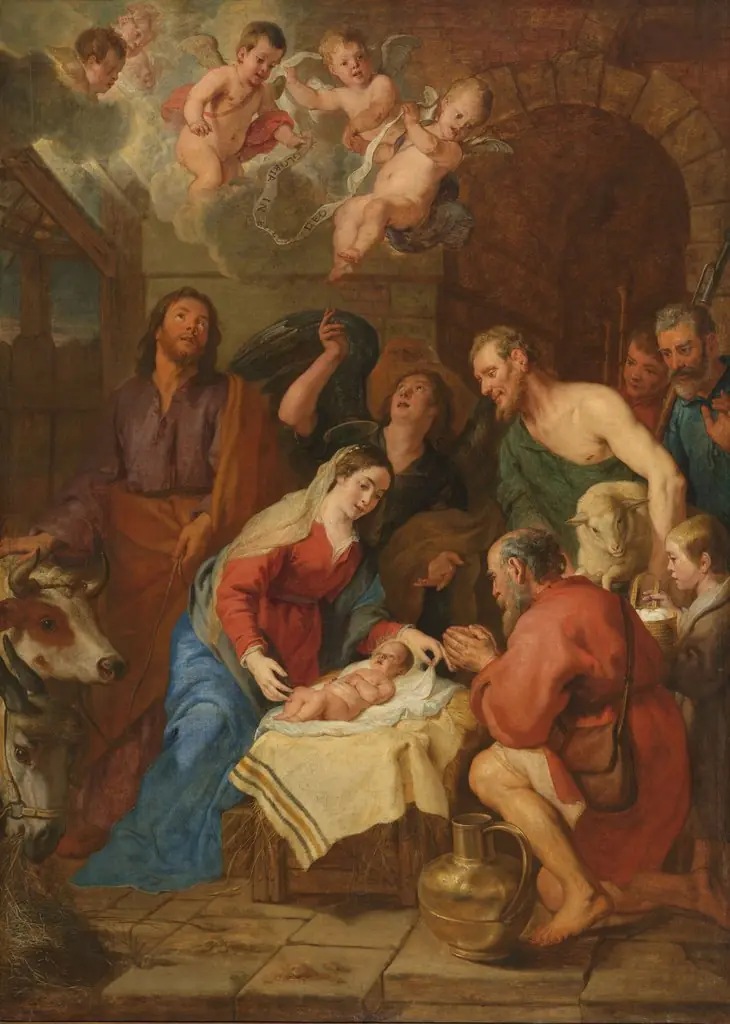 The adoration of the shepherds
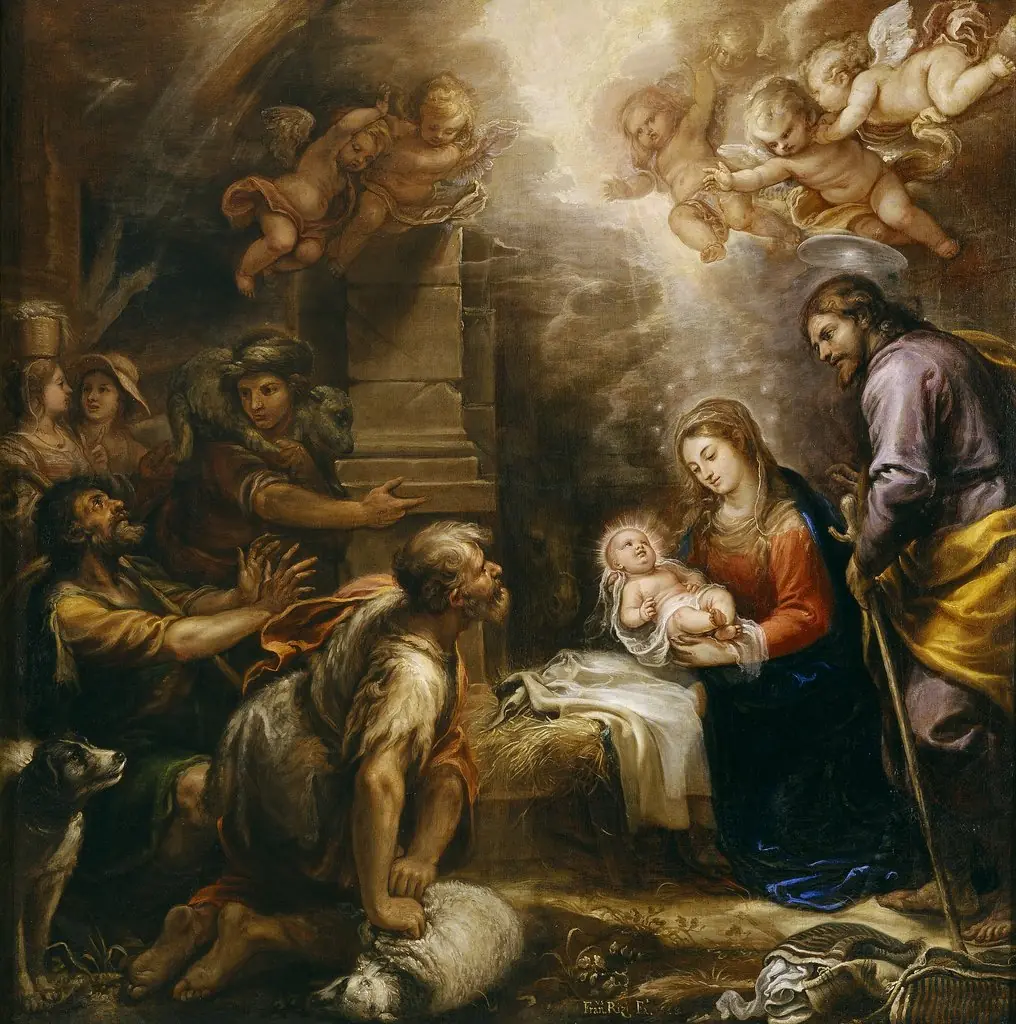 The Adoration of the Shepherds