Artwork
George Weaver
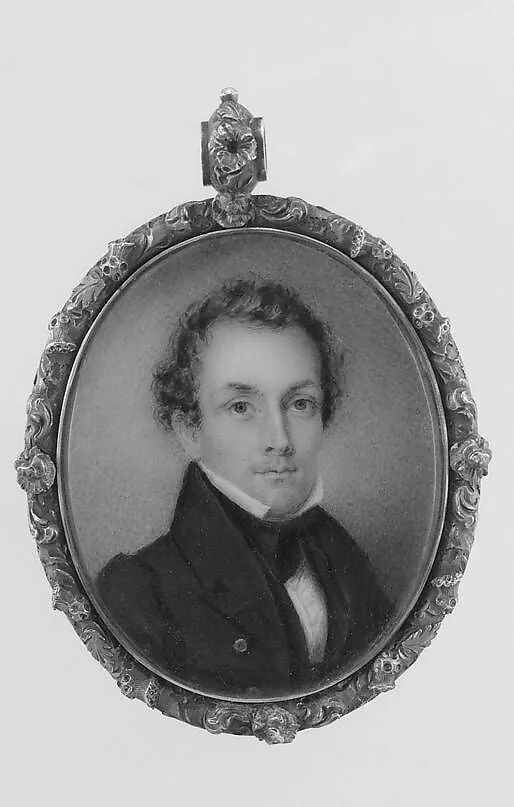
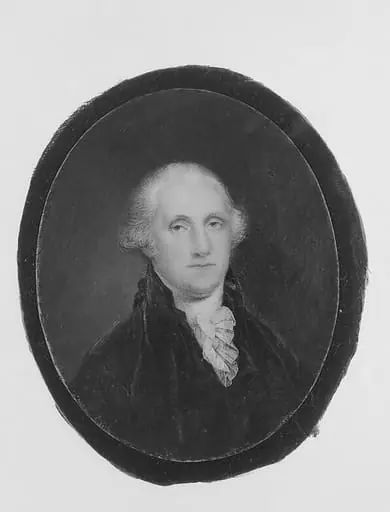
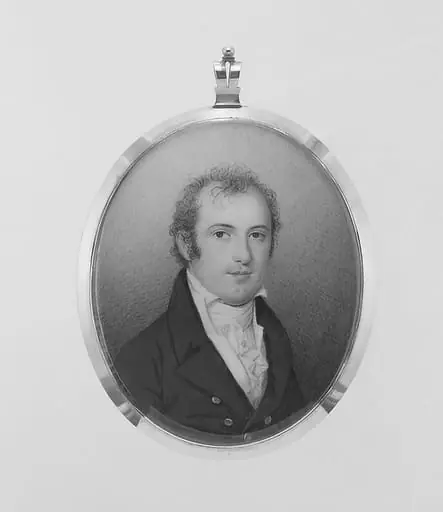
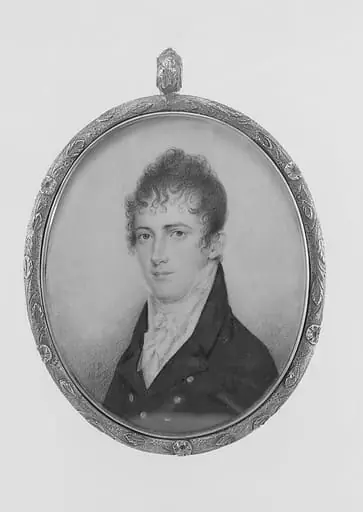
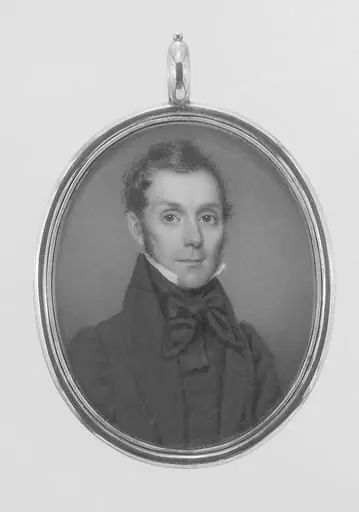
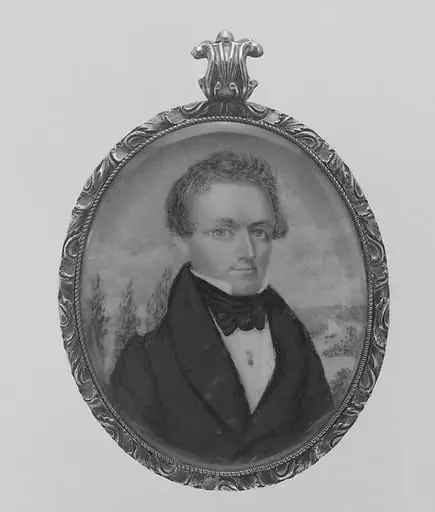
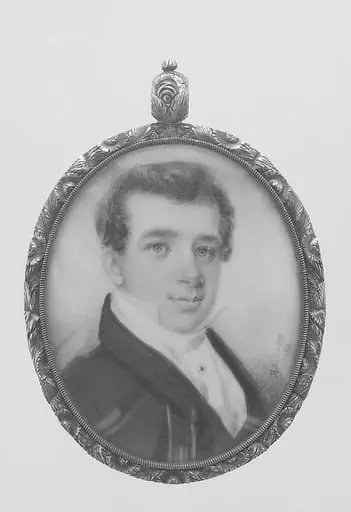
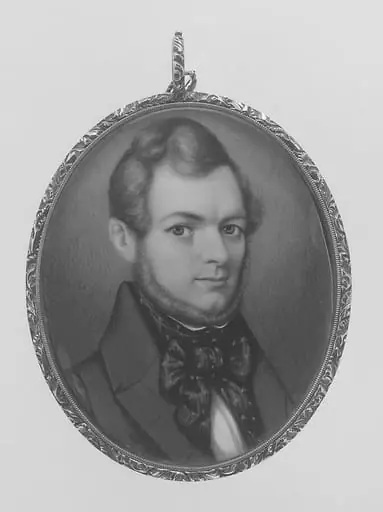
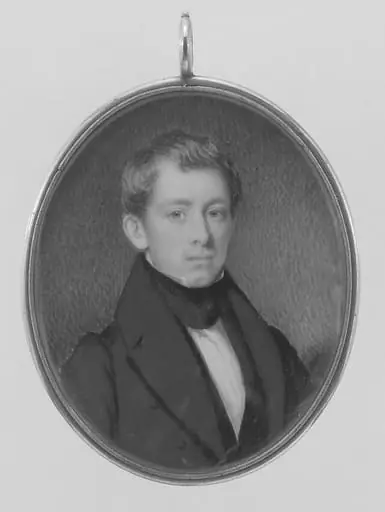
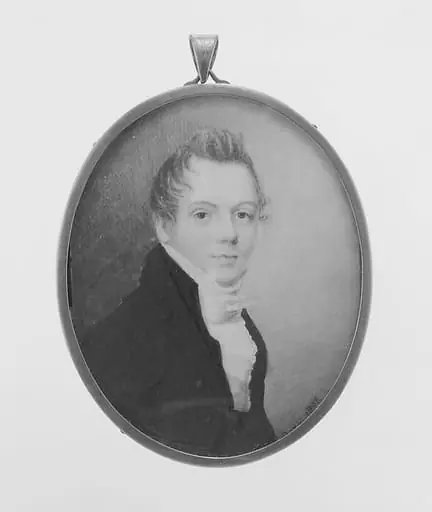
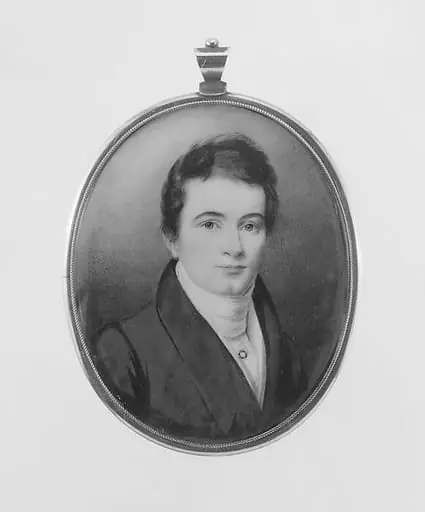
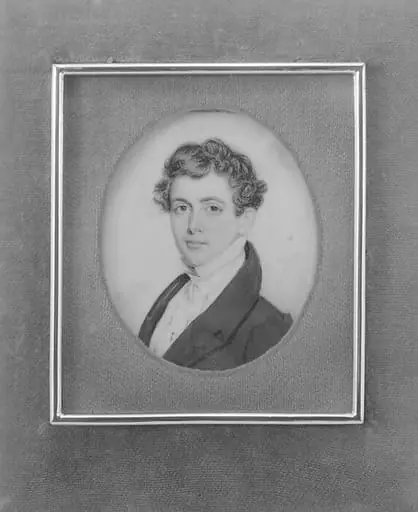
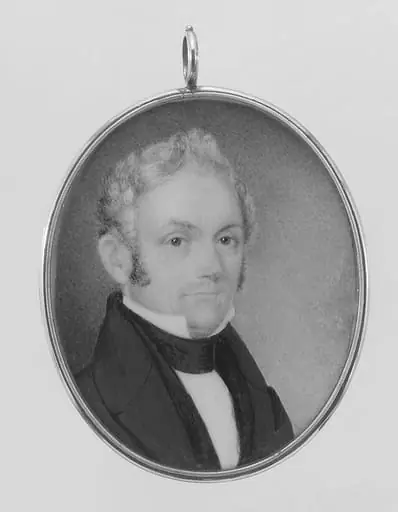
George Weaver is a watercolor painting by the American Folk Art artist Anna Claypoole Peale. It dates from 1833 and is held in the collection of the Metropolitan Museum of Art.
About this work
If you like these tiny portraits, look up the subject: men, portraits, american, man, portrait.
A man in a dark coat looks straight at you, his face lit softly. Tiny brushstrokes build his features on a piece of ivory no bigger than a playing card.
This is a miniature portrait, small enough to carry in a locket or pocket. In 1833, people used these like photos: keepsakes of loved ones. Anna Claypoole Peale painted many, but this one feels quiet, like a private moment.
If you like these tiny portraits, look up the subject: men, portraits, american, man, portrait.
Technique & Style
Executed in 1833, the miniature employs watercolor on ivory, a common support for early American portrait miniatures. The artist rendered fine facial features and costume details with delicate, stippled brushwork and subtle glazes, exploiting the translucency of ivory to achieve luminous skin tones. Handling is precise and controlled, with minute hatching and cross-hatching used to model form, reflecting the period’s emphasis on lifelike likeness and refinement. No later conservation notes are cited, suggesting the work remains in its original condition.
History & Provenance
The watercolor portrait of George Weaver, created by Anna Claypoole Peale in 1833, is held in the collection of the Metropolitan Museum of Art. Classified within The American Wing, the work is executed in watercolor on ivory and measures 5.8 by 4.8 inches. While the museum holds the piece, the provided sources do not specify a unique inventory or accession number for this object.
Furthermore, the available documentation outlines the artwork's creation date, medium, dimensions, and current location but contains no information regarding a specific exhibition history or past display records.
Overview
Anna Claypoole Peale created this watercolor-on-ivory portrait of George Weaver in 1833. This miniature, representative of American folk art, captures a man in a direct, frontal gaze. Peale was known for her skill in this delicate medium, producing numerous small-scale likenesses. The work reflects the period's demand for intimate, portable images, serving as personal mementos for loved ones.
Context
In the early 19th century, miniature portraits like George Weaver served a function similar to modern photographs. These small, often pocket-sized images were cherished as personal keepsakes, allowing individuals to carry likenesses of family or friends. Anna Claypoole Peale was a prolific practitioner of this art form, creating many such intimate works that offered a private connection to the depicted subject.
Artist & collection

Artist
Anna Claypoole Peale (March 6, 1791 – December 25, 1878) was an American painter who specialized in portrait miniatures on ivory and still lifes.