Artwork
Fête Champêtre
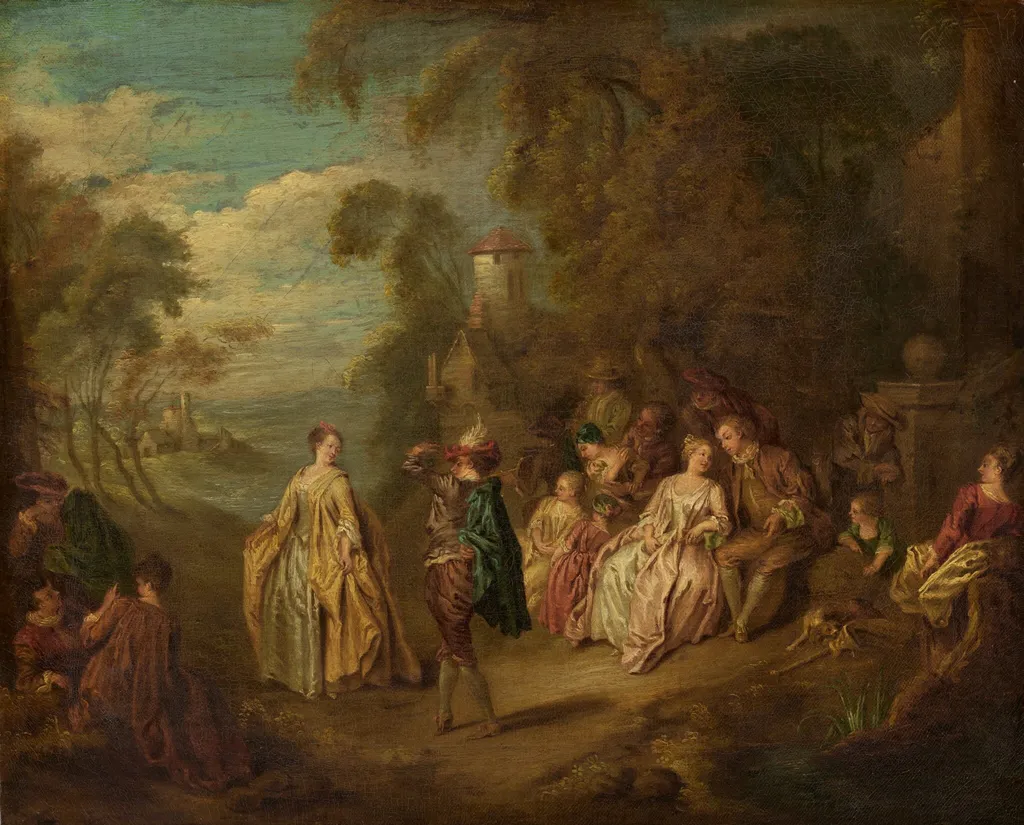
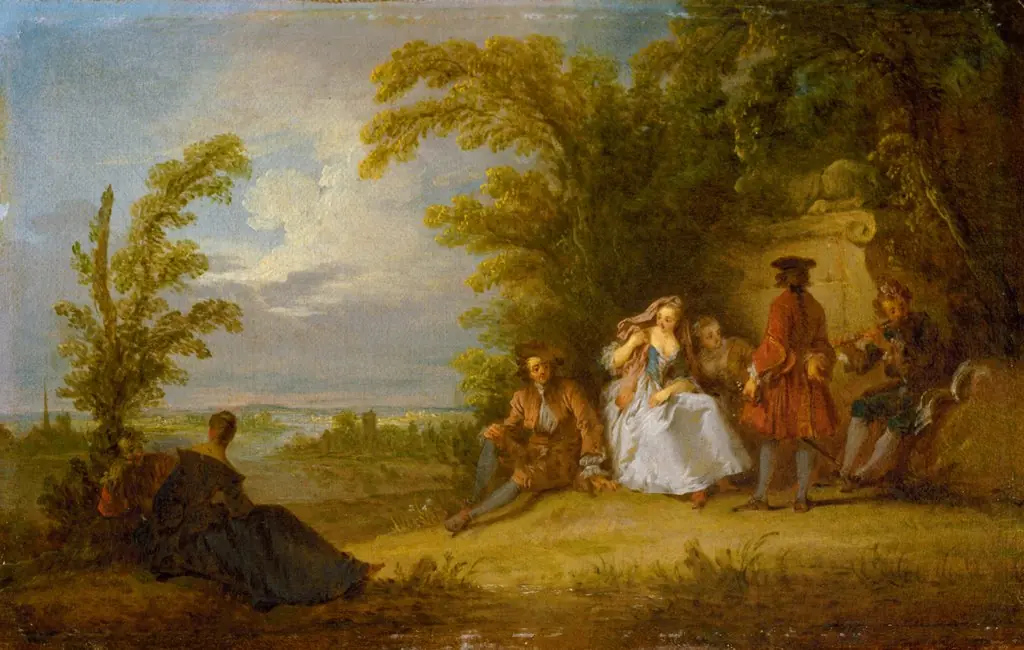
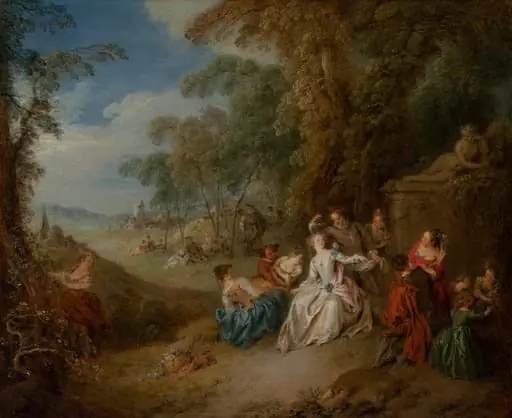
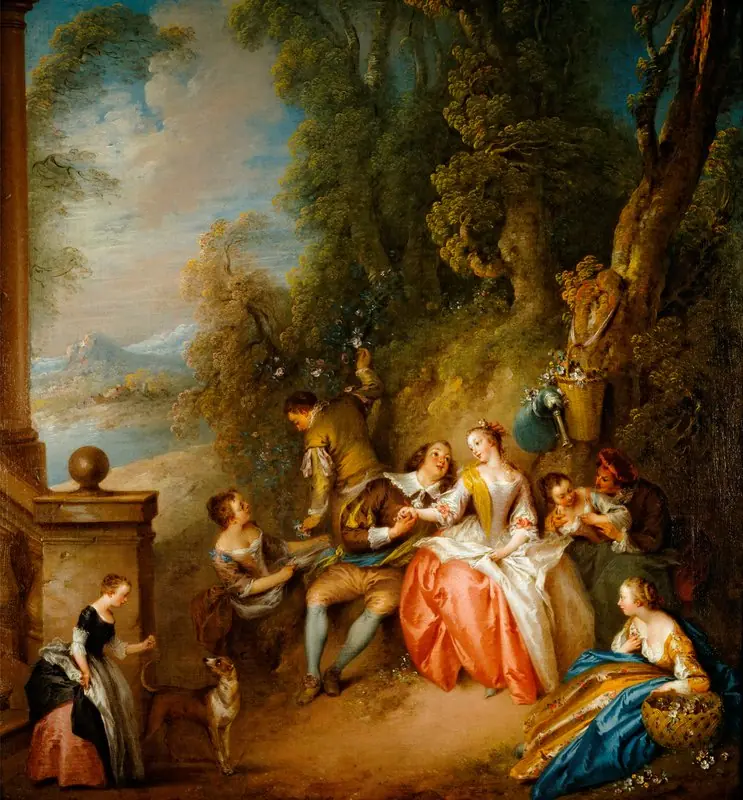
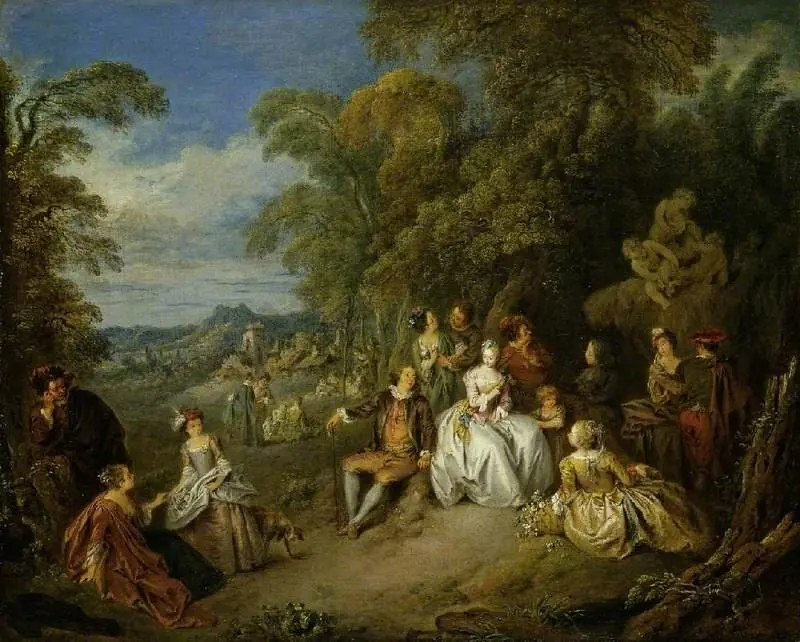
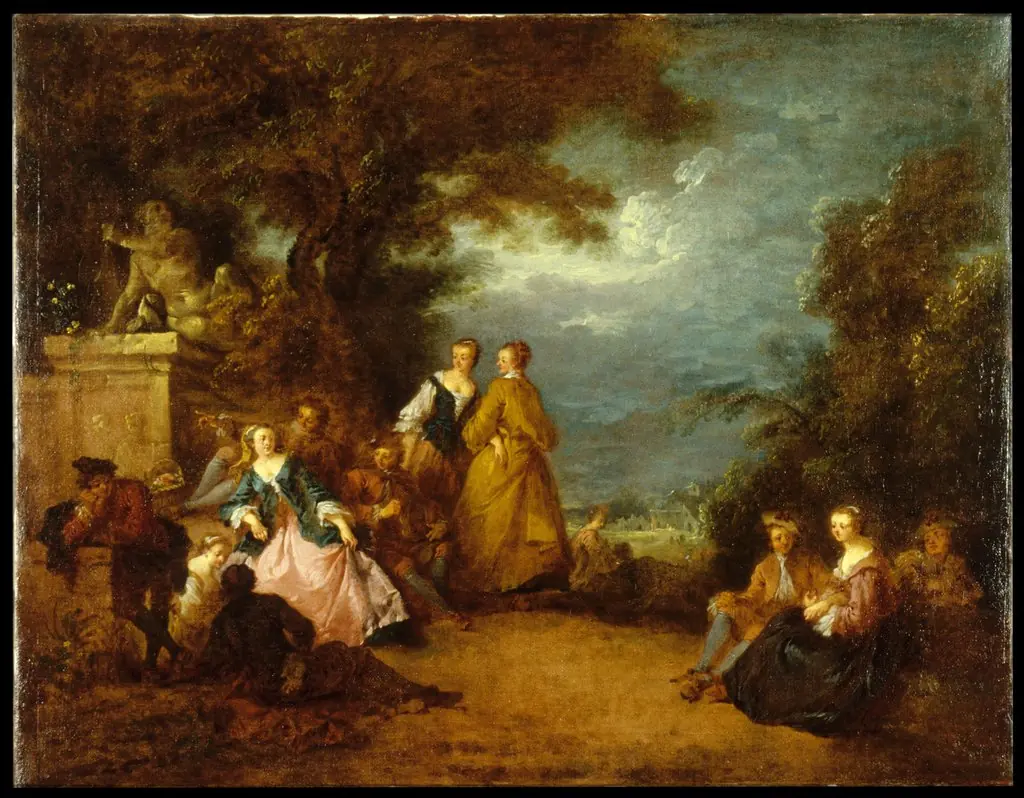
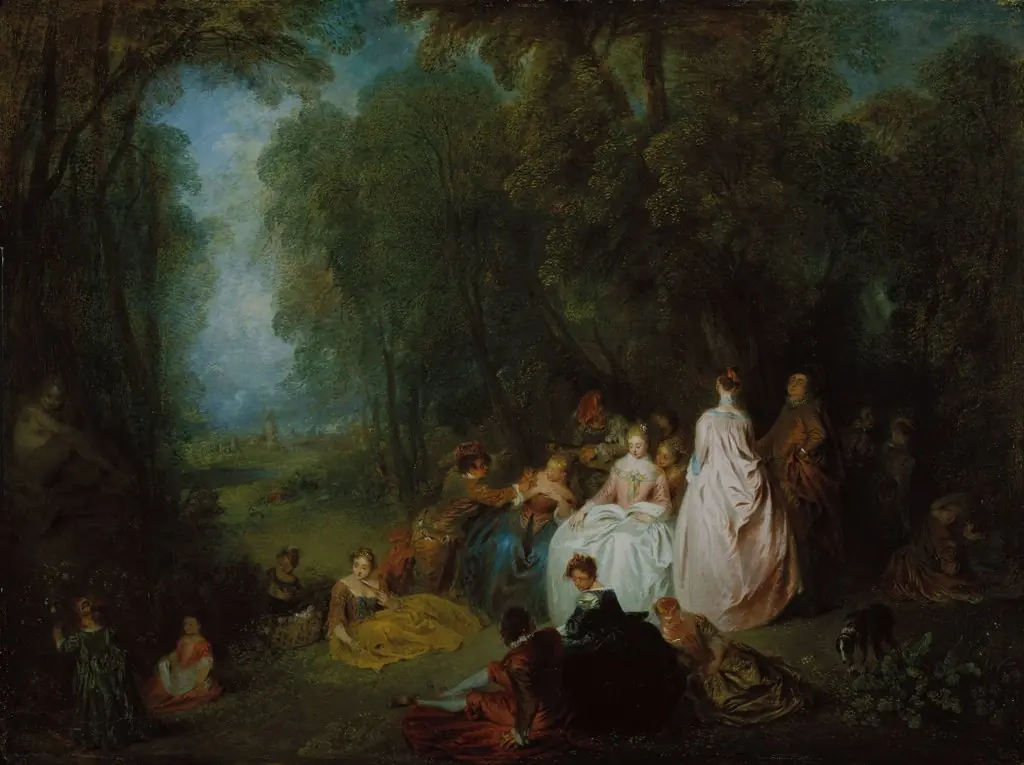
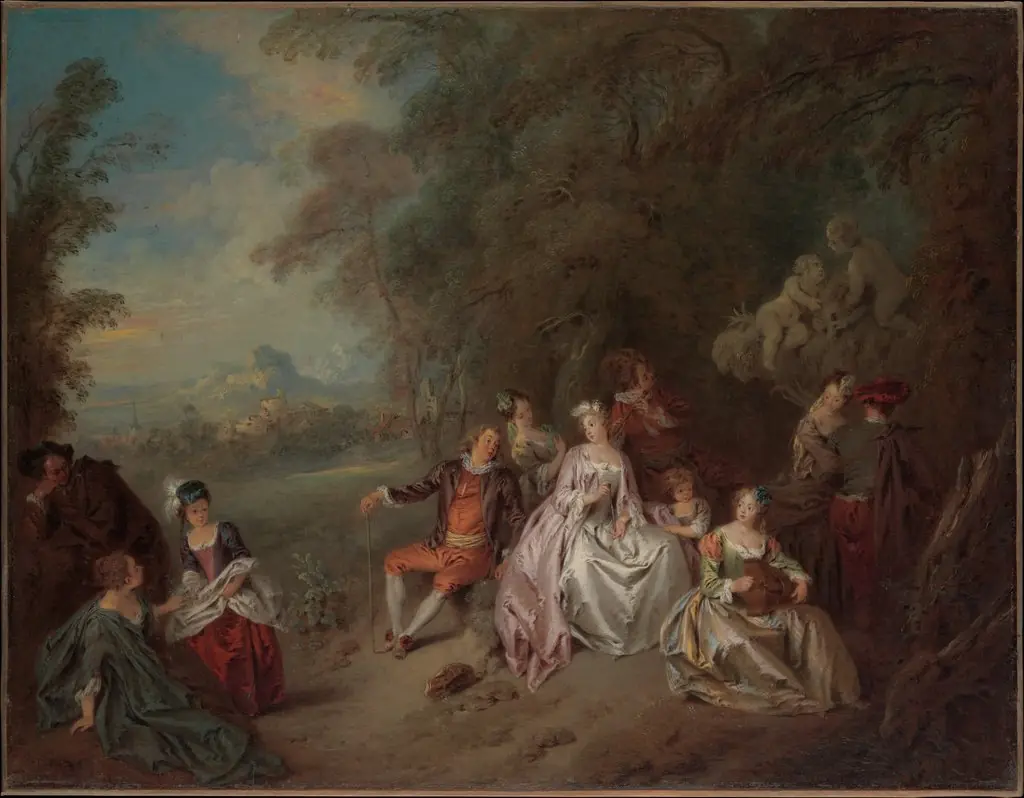
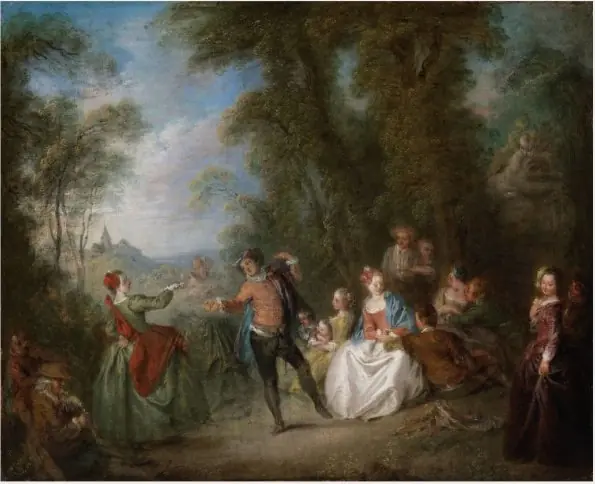
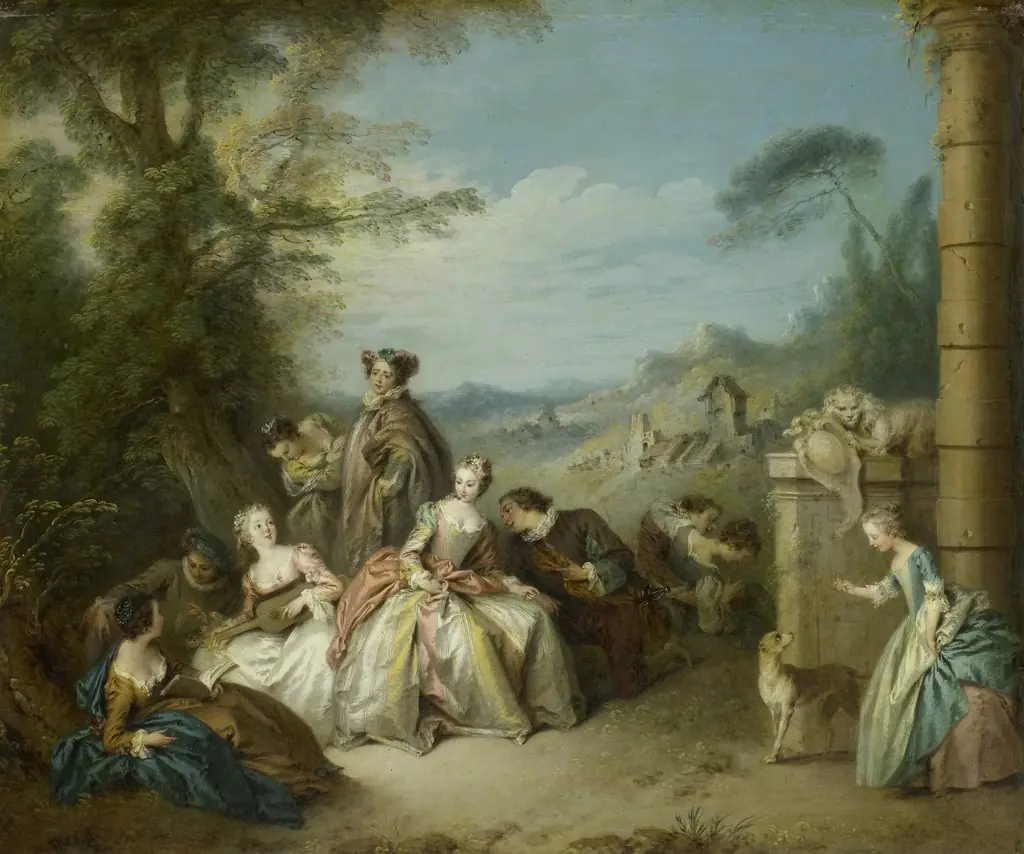
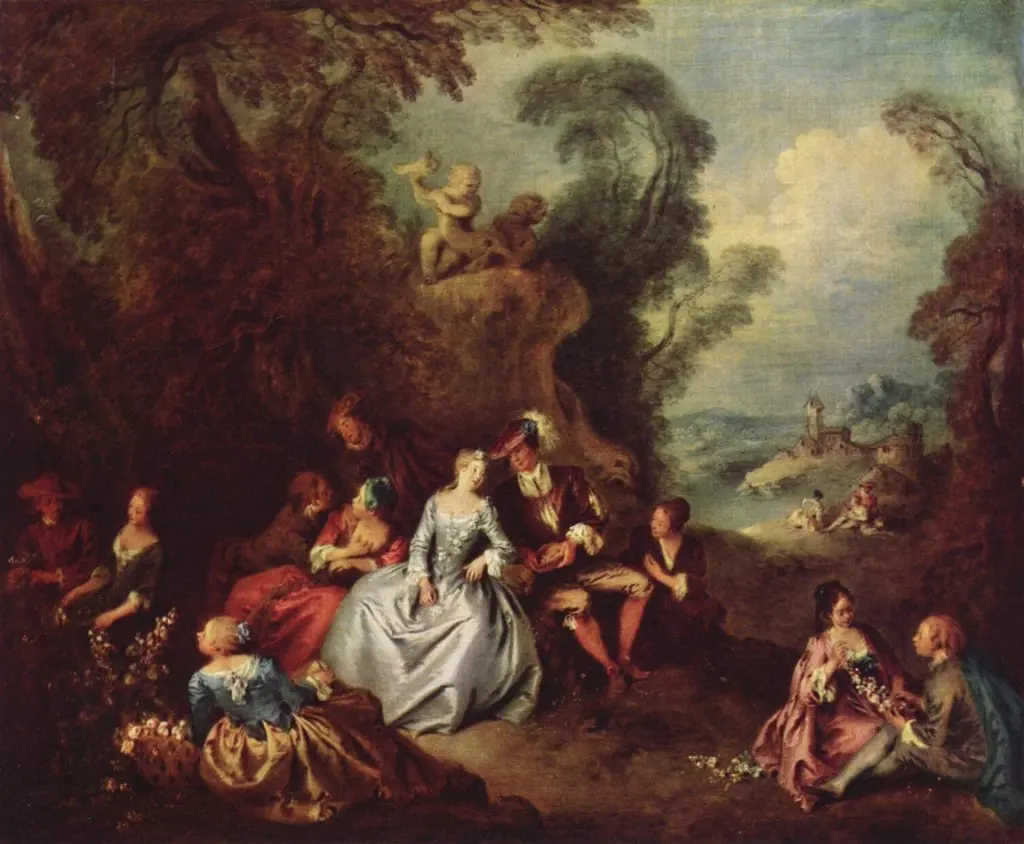
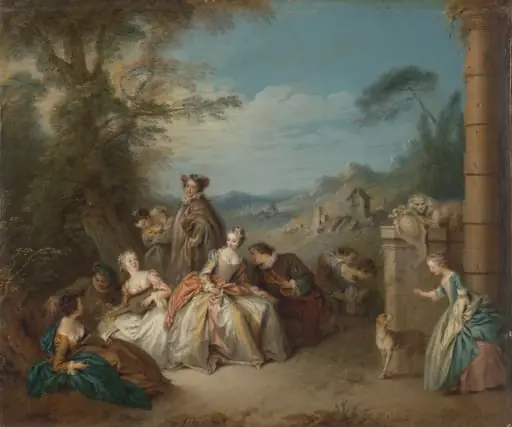
Fête Champêtre is an oil painting by the Baroque artist After Jean Baptiste Joseph Pater. It is held in the collection of the National Gallery of Art. The canvas depicts an animated countryside fête, populated by figures dressed in attire reminiscent of the eighteenth century.
About this work
Technique & Style
The work is attributed to an anonymous artist, though some classifications associate it with Jean-Baptiste Joseph Pater.
Executed in oil on canvas, this genre scene measures 38.1 by 47 centimeters. The work is attributed to an anonymous artist, though some classifications associate it with Jean-Baptiste Joseph Pater. Stylistically, the painting depicts a festive outdoor gathering, consistent with the fête champêtre tradition.
The physical support is a standard woven canvas, prepared for oil application. While the exact century of creation remains debated between the eighteenth and nineteenth centuries, the material composition and dimensions are well-documented through its tenure in the National Gallery of Art collection.
History & Provenance
Created in the 18th or 19th century by an unknown artist, possibly Jean-Baptiste Joseph Pater, this oil on canvas was once held by Baron de Beurnonville in Paris. The work subsequently entered the collection of Eugene Fischhof, also of Paris, and was sold at the Galerie Georges Petit on June 14, 1913. By October 1927, the painting was in the possession of Dr. Curt Benedict and Co. in Berlin, where it received an expertise from W. Bode; it notably did not appear in the firm's forced liquidation sales during the 1930s.
The piece was later acquired by William R. Timken of New York. Upon his death in 1949, ownership passed to his widow, Lillian Guyer Timken, who bequeathed the work to the National Gallery of Art in Washington, D.C., in 1960.
The painting Fête Champêtre is held by the National Gallery of Art in Washington, D.C., where it was received as a bequest from Lillian Guyer Timken in 1960. It entered the Timken collection through William R. Timken, who likely acquired it from Dr. Curt Benedict and Co. in Berlin by 1927. Prior to its arrival in the United States, the work was owned by Eugene Fischhof of Paris, appearing in his sale at Galerie Georges Petit on June 14, 1913, as lot number 39.
Earlier provenance traces back to the Baron de Beurnonville in Paris, though the specific family member is unidentified due to multiple family sales in the late 19th and early 20th centuries. The work does not appear in records of the 1935 or 1937 liquidation sales of Berlin art firms organized by Graupe.
Legacy
The painting’s later influence and reputation stem from its documented provenance and scholarly attention. It entered the collection of William R. Timken and passed by inheritance to his widow before being bequeathed to the National Gallery of Art in 1960 [1]. The work’s attribution to Jean-Baptiste Joseph Pater was recognized in cataloguing records, contributing to discussions of 18th-century French genre scenes [2].
Its survival through turbulent 20th-century European sales, including Nazi-era liquidations, underscores its historical trajectory, though it did not appear in those dispersal events [1]. The painting remains part of the National Gallery’s collection, where it is studied as an example of Rococo-inspired pastoral imagery.
Overview
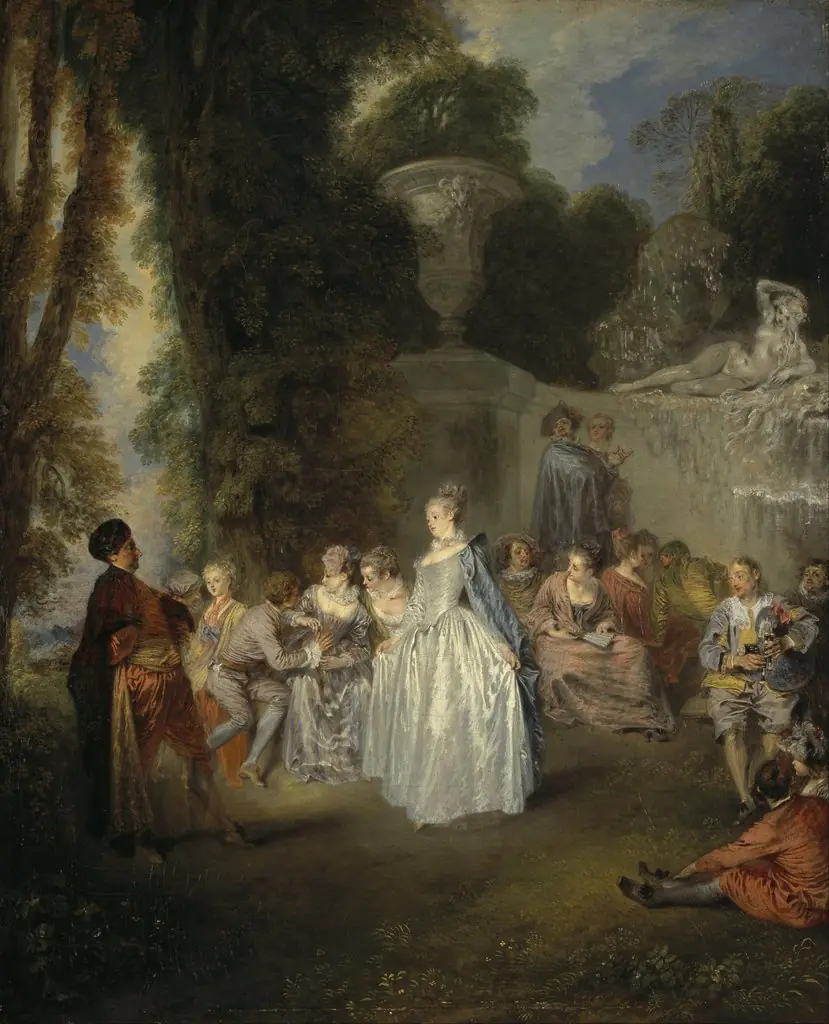
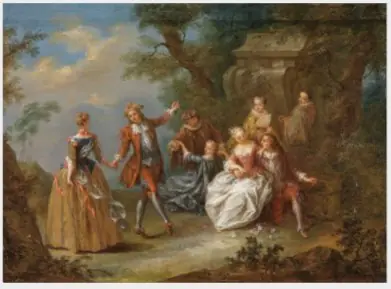
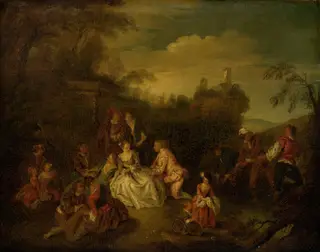
The canvas depicts an animated countryside fête, populated by figures dressed in attire reminiscent of the eighteenth century. Men in broad-brimmed hats and women in flowing gowns mingle amid a loosely arranged gathering, some seated on the grass, others standing. A modest building and a stand of trees frame the scene, while the overall composition conveys a convivial atmosphere through lively color and dynamic lighting.
Subject & Meaning
The work presents a pastoral celebration, emphasizing social interaction and leisure in an idyllic setting. The participants appear engaged in conversation and shared enjoyment, suggesting themes of communal harmony and the pleasures of outdoor recreation. The inclusion of contemporary dress links the scene to the cultural fashions of its time, reinforcing the notion of a fashionable yet rustic pastime.
Context
Painted in the tradition of 18th‑century genre scenes, the piece reflects the period’s fascination with bucolic gatherings and the idealization of rural life. Such compositions were popular among patrons who favored depictions of refined leisure, often serving as visual narratives of genteel behavior within an imagined countryside.
Artist & collection

Artist
After Jean Baptiste Joseph Pater
After Jean Baptiste Joseph Pater (1695–1736) was a French artist.