Artwork
Francis Bacon, Viscount Saint Alban
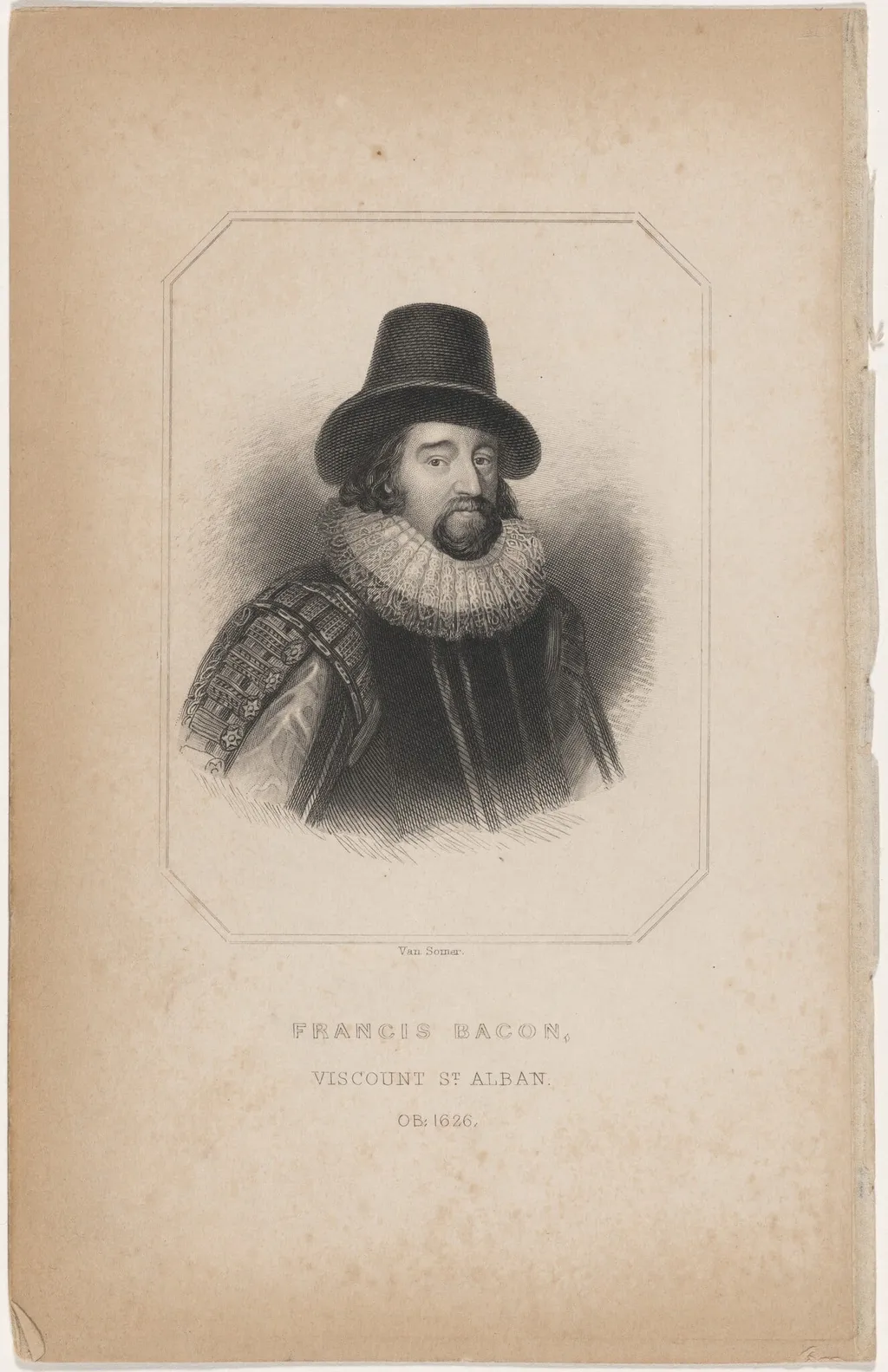
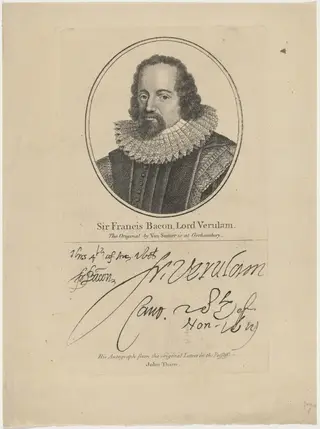
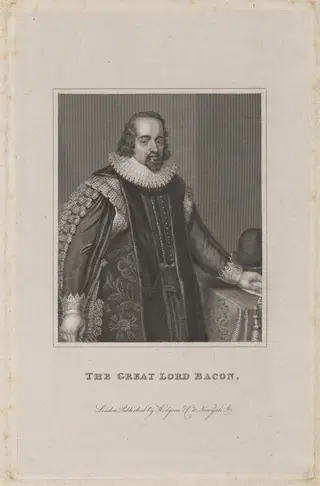
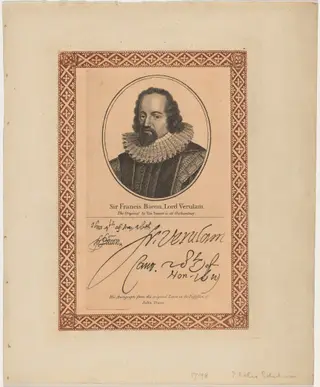
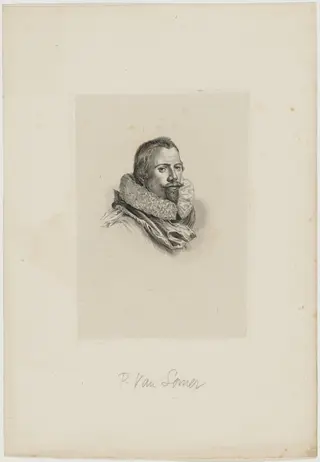
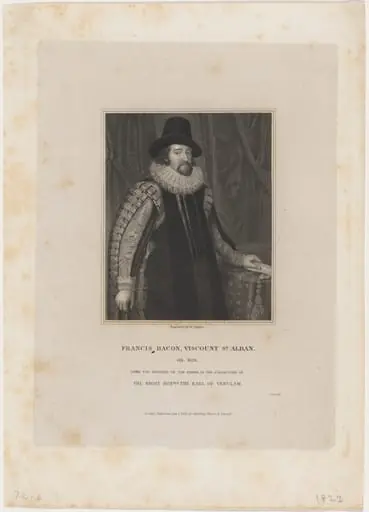
Francis Bacon, Viscount Saint Alban is an ink print by after Paulus van Somer I. It dates from 1850 and is held in the collection of the National Gallery of Art.
About this work
Overview
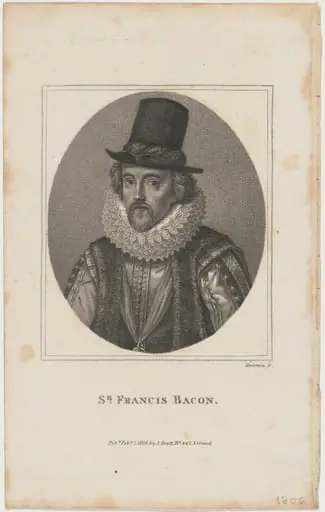
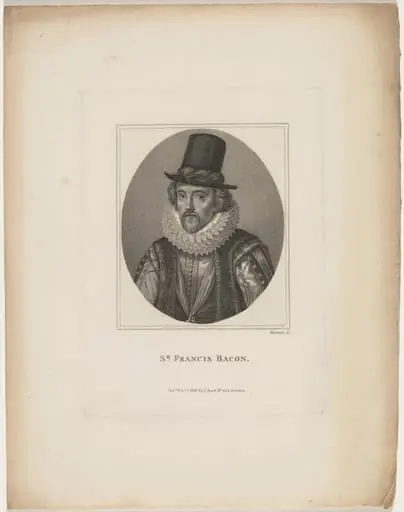
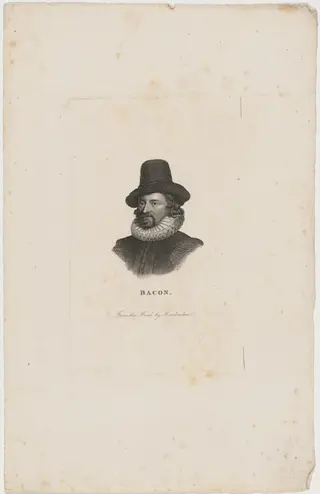
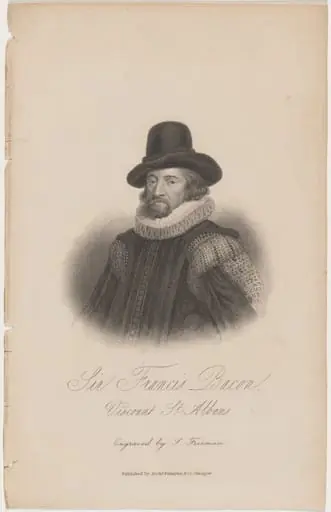
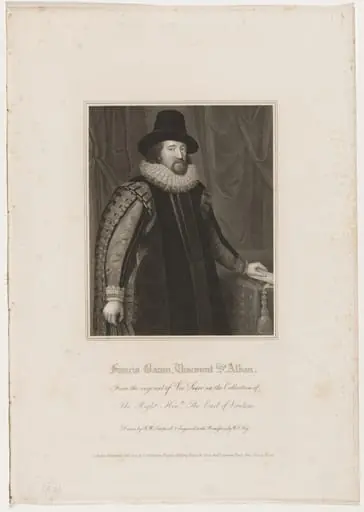
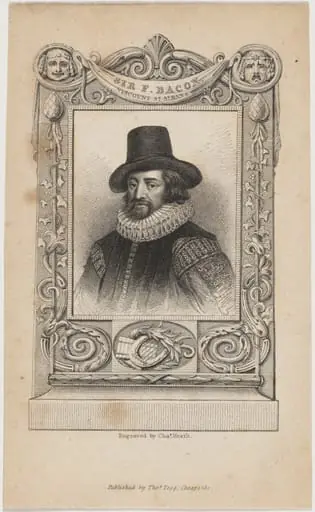
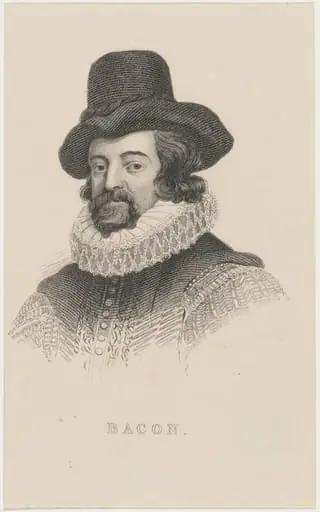
This black-and-white engraving depicts Francis Bacon, Viscount Saint Alban, rendered in the detailed linear style typical of post-Renaissance printmaking. Though Bacon lived in the early 17th century, the print itself dates from a later period, reflecting a retrospective effort to visualize historical figures through the conventions of 18th- or 19th-century reproductive techniques.
Subject & Meaning
The ruffled collar, patterned sleeve, and wide-brimmed hat signal his status, while the thick beard and furrowed brow suggest intellectual gravity.
The portrait presents Bacon as a learned statesman and philosopher, distinguished by his formal attire and solemn expression. The ruffled collar, patterned sleeve, and wide-brimmed hat signal his status, while the thick beard and furrowed brow suggest intellectual gravity. The image functions less as a likeness and more as a symbolic representation of authority and erudition, shaped by later cultural memory.
Technique & Style
Fine, controlled lines and cross-hatching define the texture of fabric, skin, and hair, demonstrating the engraver’s skill in mimicking tonal variation without color. The shading emphasizes facial wrinkles and the sheen of silk, while the rigid composition and flat background reflect the conventions of portrait engraving used for disseminating images of notable figures before photography.
History & Provenance
The print was likely produced centuries after Bacon’s death, as part of a broader trend to create standardized portraits of historical luminaries for educational or decorative use. It does not derive from a contemporary likeness but instead draws on earlier painted portraits or textual descriptions, making it a reinterpretation rather than a direct record.
Context
During the 18th and 19th centuries, engraved portraits of philosophers and statesmen became common in books and collections, serving to reinforce national and intellectual heritage. Bacon, as a foundational figure in empirical science and political thought, was frequently depicted in this manner, his image standardized to align with Enlightenment ideals of reason and authority.
Legacy
This engraving exemplifies how historical figures were visually reconstructed in later eras, often prioritizing symbolic representation over accuracy. It remains a useful artifact for understanding how Bacon’s public persona was cultivated and transmitted through print culture, long after his death.
Artist & collection
Artist