Artwork
Paulus van Somer I
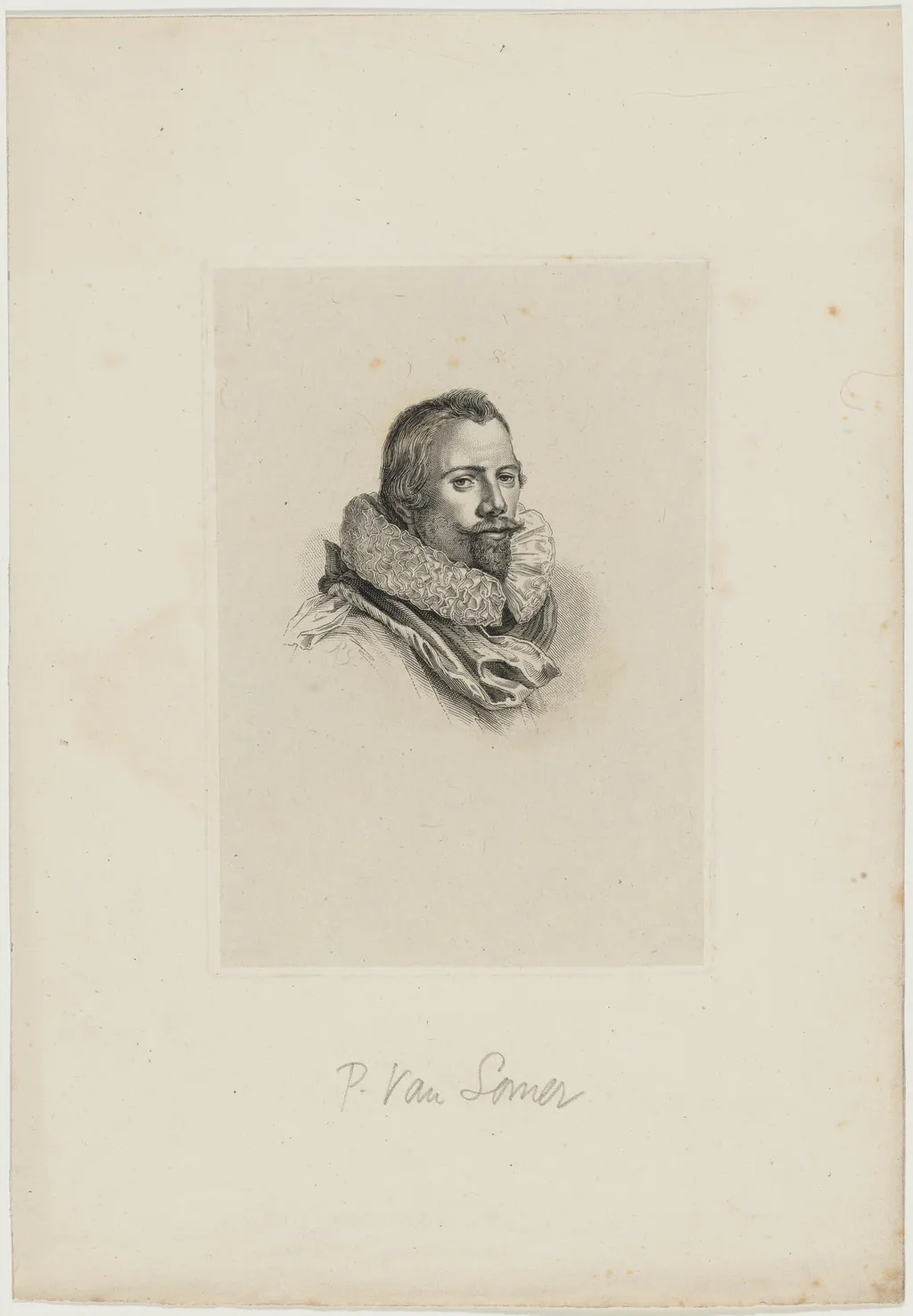
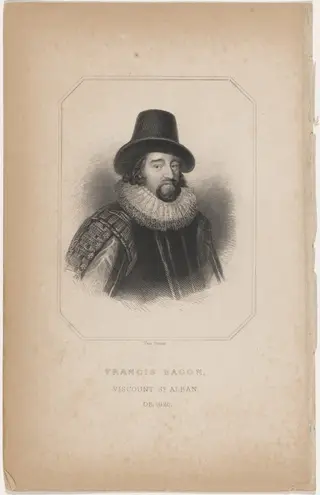
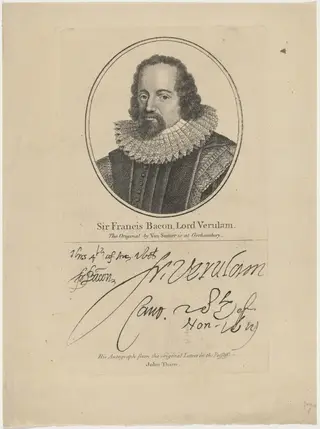
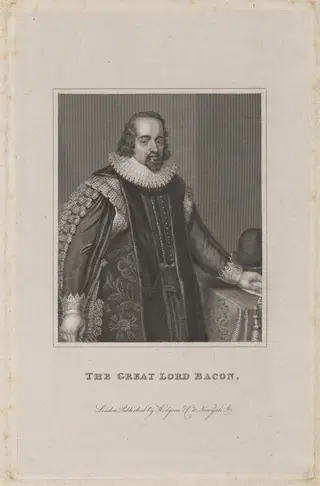
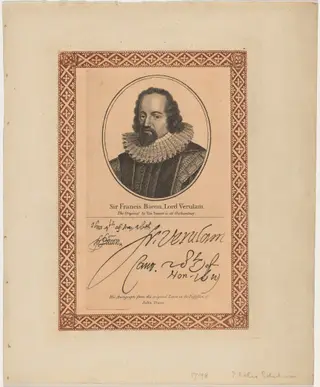
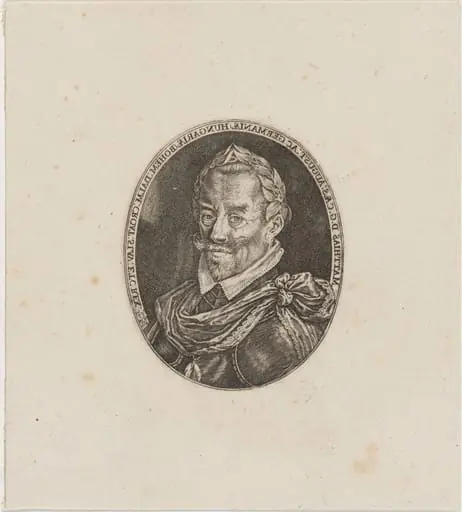
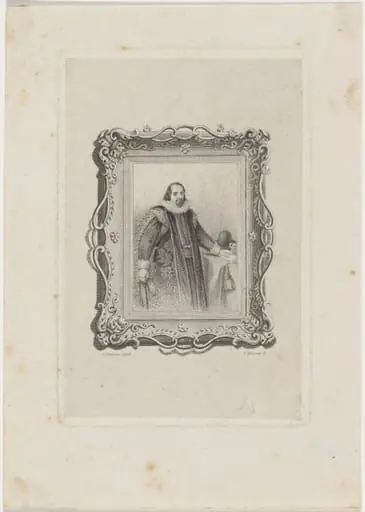
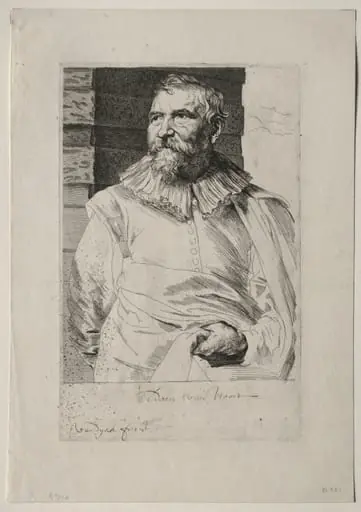
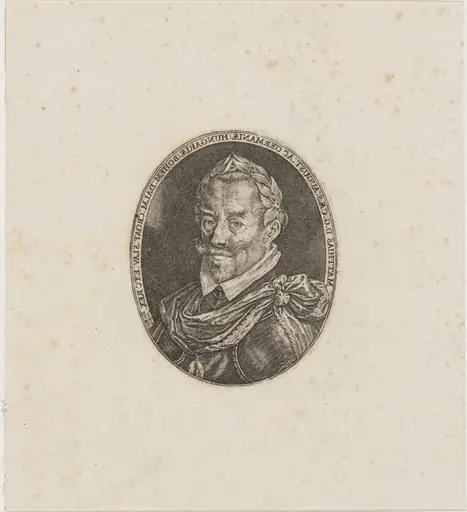
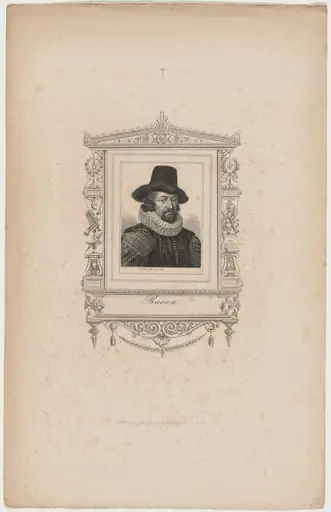
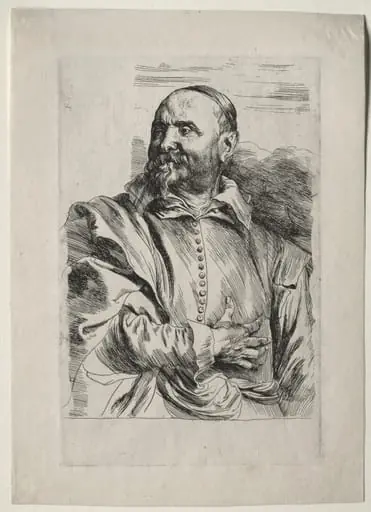
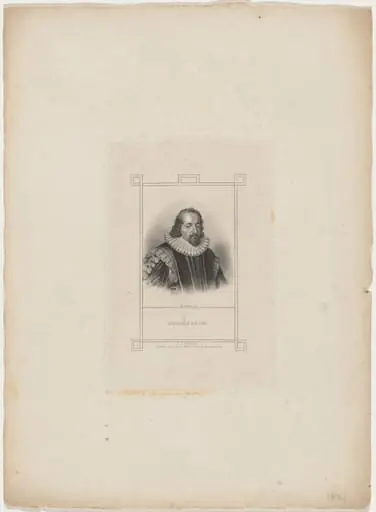
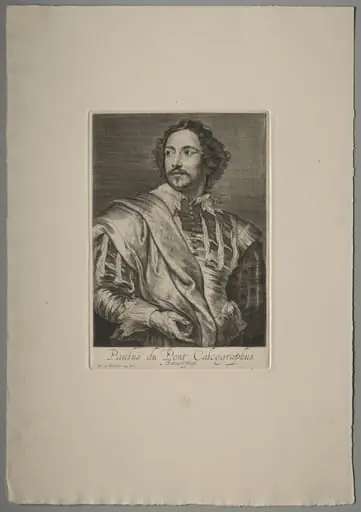
Paulus van Somer I is an ink print by after Paulus van Somer I. It dates from 1850 and is held in the collection of the National Gallery of Art. This black-and-white engraving depicts a man with a mustache and tightly curled hair, dressed in a high, ruffled collar.
About this work
Overview
This black-and-white engraving depicts a man with a mustache and tightly curled hair, dressed in a high, ruffled collar.
This black-and-white engraving depicts a man with a mustache and tightly curled hair, dressed in a high, ruffled collar. His hand rests gently on his chest, suggesting a composed, introspective posture. The image is rendered entirely through fine, etched lines that create texture and depth without shading.
The signature 'P. Van Somer' appears at the base, though it remains unclear whether it identifies the artist or the sitter. The paper shows signs of age, with faint brown discoloration along the margins.
Subject & Meaning
The figure’s formal attire and restrained gesture indicate a person of social standing, likely a gentleman or minor noble of the early 17th century. The hand placed over the chest may imply sincerity or devotion, common in portraiture of the period. No additional symbols or background elements are present, focusing attention entirely on the individual’s presence. The lack of context invites interpretation centered on personal dignity rather than status or occupation.
Technique & Style
The image was produced using engraving, a method involving incised lines on a metal plate inked and pressed onto paper. Fine, controlled strokes build form and texture, particularly in the hair and lace collar, where density of lines mimics volume and light. The absence of tone or wash emphasizes line as the sole carrier of detail. The result is a crisp, intimate likeness characteristic of Northern European printmaking traditions of the time.
History & Provenance
The print is attributed to Paulus van Somer I, a Flemish artist active in England during the early 1600s, known for portrait engravings. While the identity of the sitter is unconfirmed, van Somer frequently worked for court circles and aristocratic patrons. The paper’s discoloration suggests it has been stored or displayed under less-than-ideal conditions over centuries. No documented ownership history is available beyond its association with van Somer’s known oeuvre.
Context
Engraved portraits like this were widely circulated among the educated elite as affordable alternatives to painted likenesses. They served both commemorative and social functions, often exchanged as tokens or collected in albums. Van Somer’s work reflects the transnational nature of artistic practice in early modern Europe, blending Flemish technique with English patronage demands. Such prints helped standardize visual representations of status across class boundaries.
Legacy
This engraving exemplifies the quiet precision of pre-industrial portraiture, where craftsmanship replaced color to convey character. Though overshadowed by larger painted commissions, works like this sustained the tradition of linear portraiture into the 18th century. Van Somer’s prints remain valuable for understanding how identity was visually constructed outside royal courts, offering insight into the material culture of early modern gentlemanly self-presentation.
Artist & collection
Artist