Artwork
Study of an Old Man
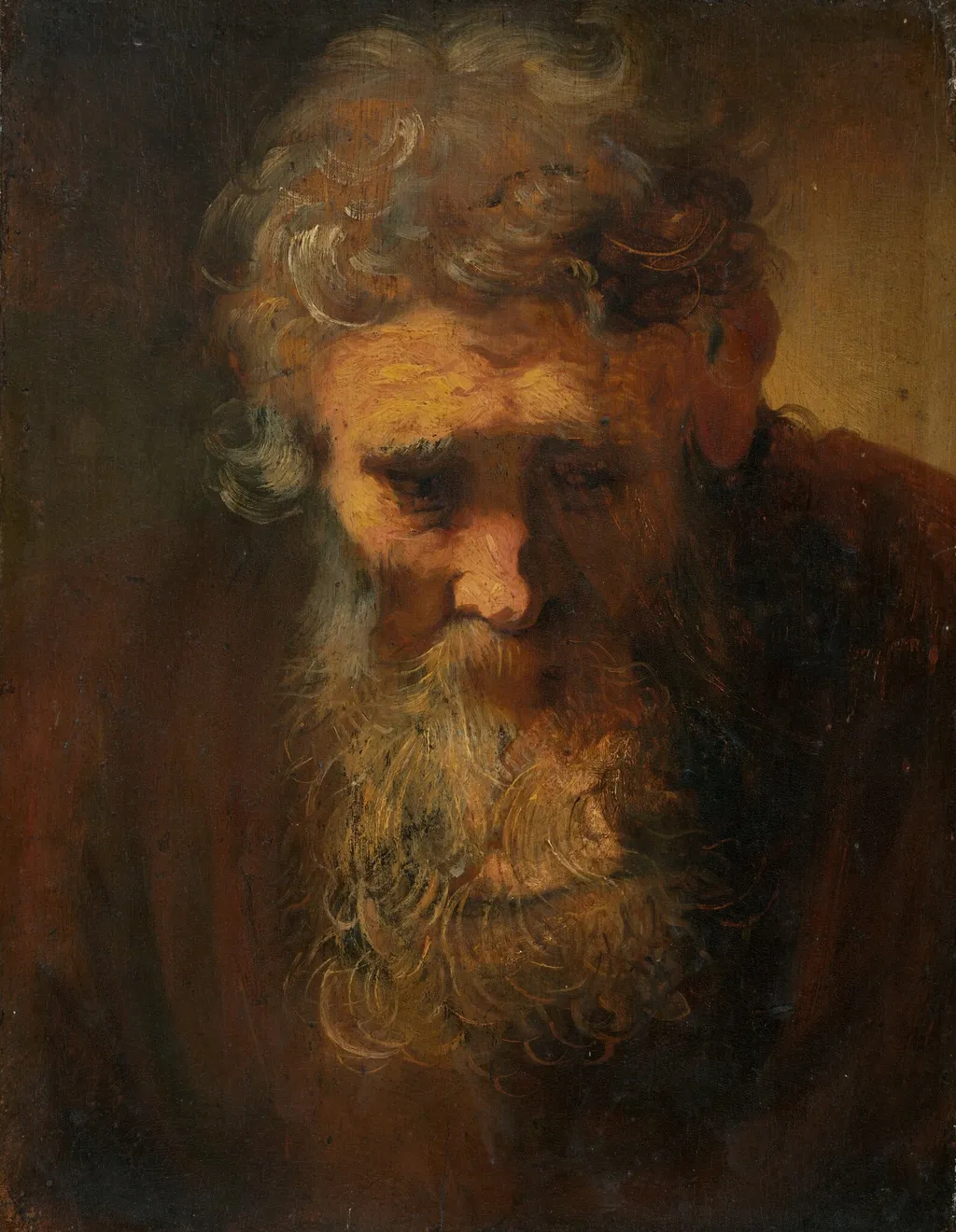
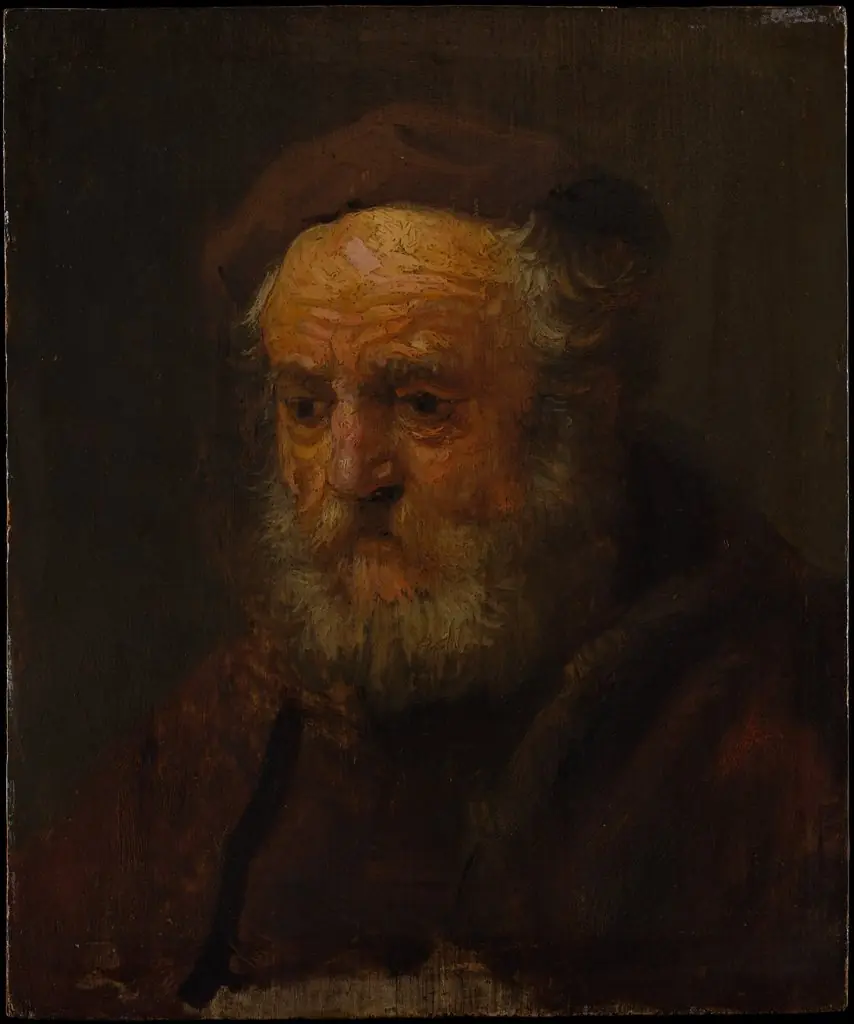
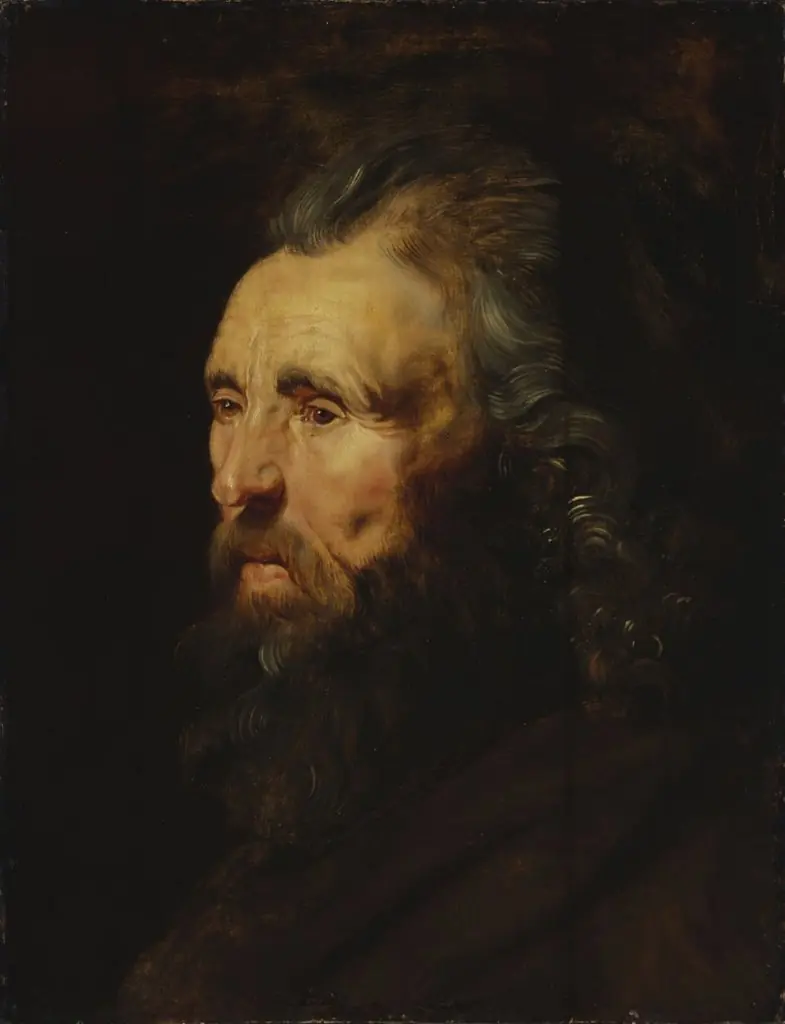
Study of an Old Man is an oil painting by the Baroque artist Follower of Rembrandt van Rijn. It is held in the collection of the National Gallery of Art.
About this work
Subject & Meaning
While attributed variously to an anonymous artist or Rembrandt van Rijn, the subject functions as a character study exploring age and human expression.
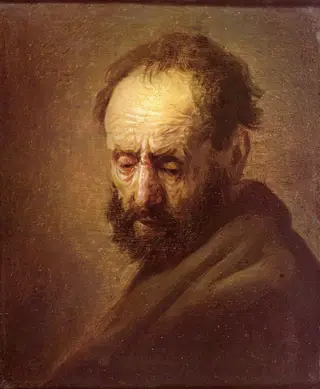
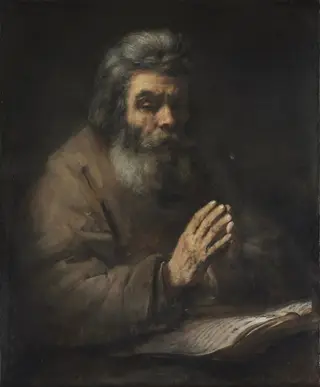
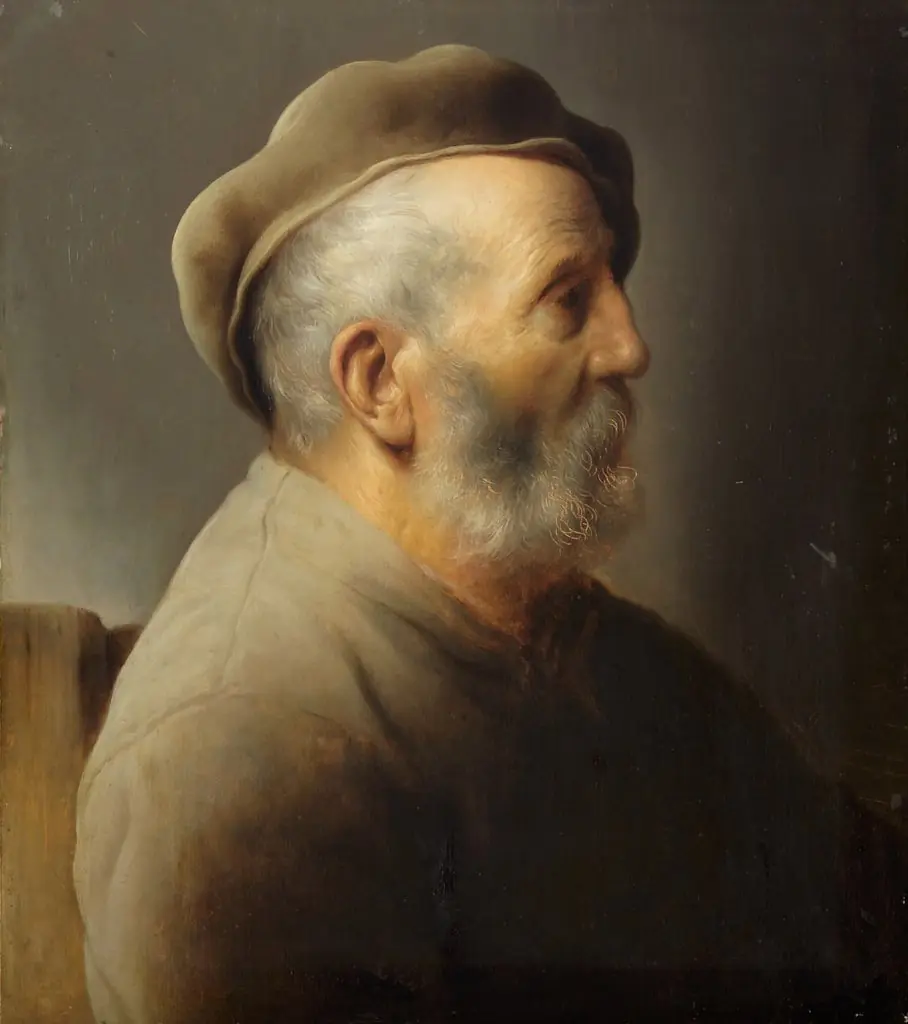
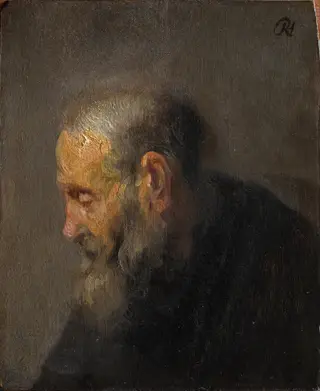
The work depicts a bearded man, classified within the genre of a tronie, which typically focuses on the expression or character of a head rather than a specific portrait sitter. Created around 1670, the painting presents a close-up study of an elderly male figure, emphasizing facial features and the texture of the beard. While attributed variously to an anonymous artist or Rembrandt van Rijn, the subject functions as a character study exploring age and human expression.
The iconography centers on the raw, unidealized representation of an old man, a common theme in Dutch Golden Age art that often conveyed moral or philosophical reflections on mortality and the passage of time without relying on specific historical or biblical narratives.
Technique & Style
Study of an Old Man is executed in oil paint on a wooden panel support, measuring 28 centimeters in height and 21.5 centimeters in width. Created in 1670, the work is classified as a tronie, a genre focusing on character studies rather than formal portraiture. The painting depicts a bearded man, utilizing the oil medium to render the textures of the face and facial hair.
While the artist is listed as anonymous in some records, the piece is historically associated with the circle of Rembrandt van Rijn. The physical condition of the panel and paint layers has been preserved within the National Gallery of Art collection since its acquisition in 1942, maintaining the original technical execution of the late 17th-century Dutch school.
History & Provenance
Created in 1670, the oil-on-panel painting Study of an Old Man is attributed to an anonymous artist, though some records associate it with Rembrandt van Rijn. The work's documented ownership begins with the London dealers Dowdeswell and Dowdeswell, from whom it was sold in 1905 to Peter A.B. Widener for his Lynnewood Hall collection in Elkins Park, Pennsylvania. Upon Widener's death, the painting passed to his son, Joseph E. Widener, through inheritance by power of appointment.
Joseph E. Widener subsequently gifted the artwork to the National Gallery of Art in Washington, D.C., in 1942, where it remains part of the permanent collection. The piece is classified as a tronie depicting a bearded man.
Legacy
Study of an Old Man entered the National Gallery of Art via the 1942 bequest of Peter A. B. Widener, whose collection was donated to the museum. Its presence in the museum’s holdings, recorded in Widener collection records, has enabled scholars to study the painting as a representative example of 17th‑century Dutch portraiture and, according to its cataloguing entry, to classify it as a tronie. This sustained scholarly attention and public display have helped establish the work’s reputation as an important, though anonymous, piece within the corpus of Dutch Golden Age art.
Overview
"Study of an Old Man" is an oil painting on panel depicting an elderly man. The artist presents a direct portrait, focusing on the subject's aged features and long beard. The work emphasizes the man's simple attire and a gaze that meets the viewer, highlighting the detailed rendering of his experienced face. This piece serves as a focused examination of an individual's appearance.
Artist & collection
Artist
Follower of Rembrandt van Rijn
Follower of Rembrandt van Rijn (1606–1669) was a Dutch artist.