Artwork
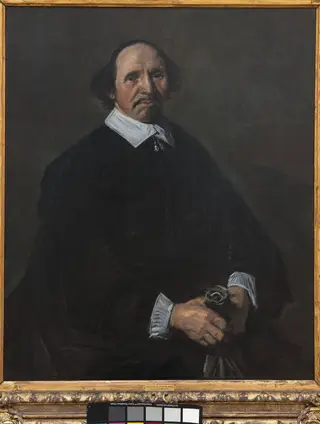
Portrait of a man
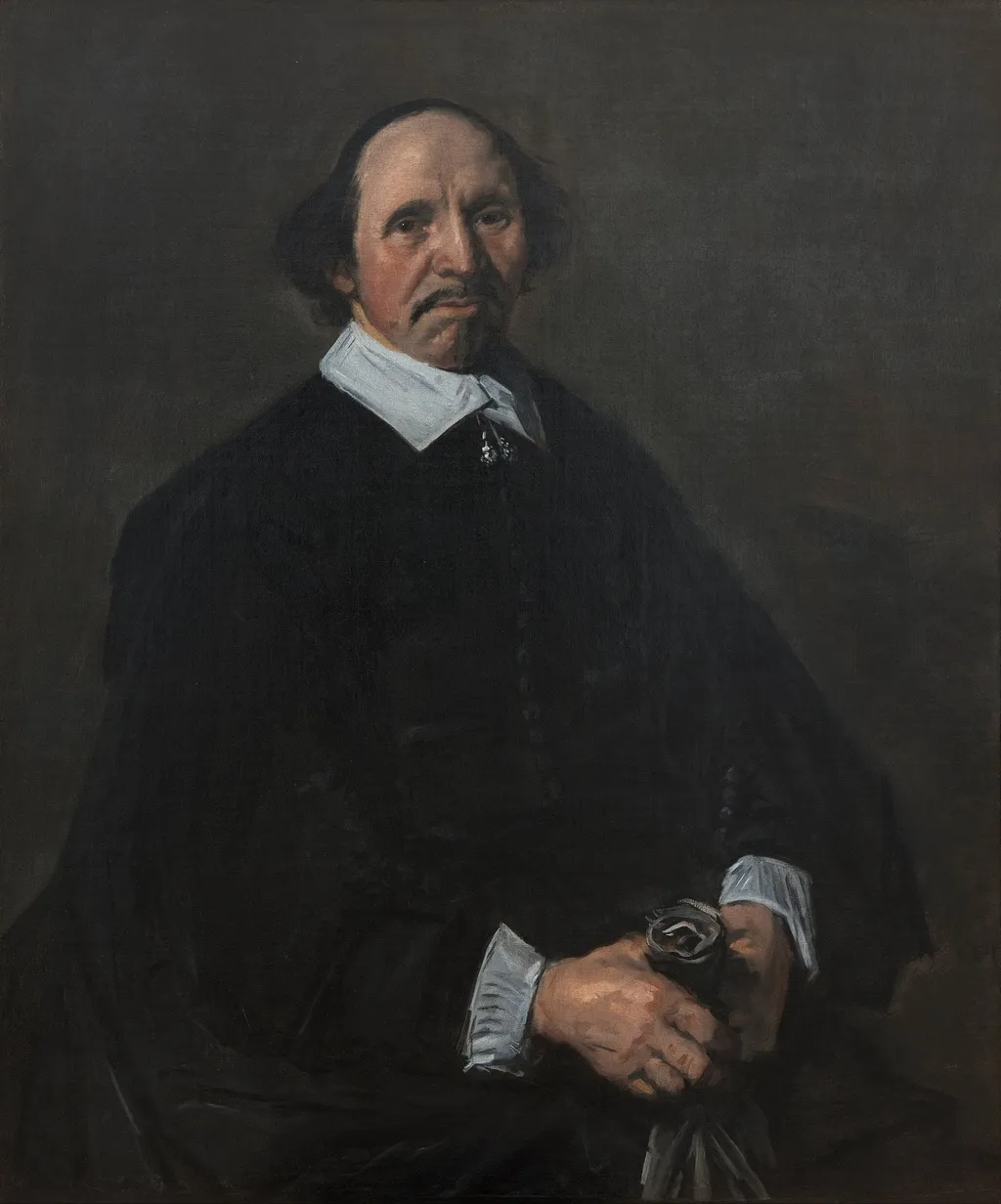
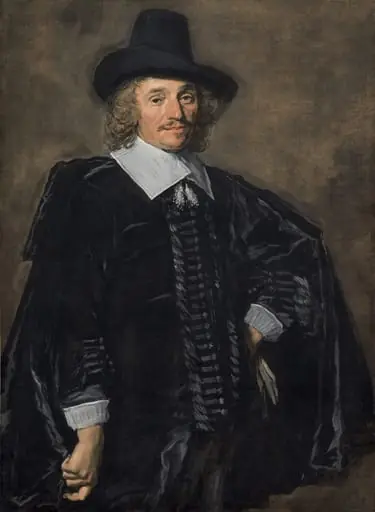
Portrait of a man is an oil painting by the Baroque artist Frans Hals. It dates from 1650 and is held in the collection of the Statens Museum for Kunst.
About this work
Subject & Meaning
It belongs to the Bode Museum's collection and was previously owned by Barthold Suermondt, underscoring its historical provenance.
The portrait shows a man holding a glove, a detail that may symbolize status or marital intent within Baroque portraiture. Created by Frans Hals in 1650 in Haarlem, the work reflects the artistic conventions of Dutch Golden Age portraiture, emphasizing individual character and social identity. It belongs to the Bode Museum's collection and was previously owned by Barthold Suermondt, underscoring its historical provenance.
Technique & Style
Created in 1650, this portrait is executed in oil paint on a canvas support. The work measures 104 cm in height and 84.5 cm in width, depicting a male subject holding a glove. Stylistically, the painting is associated with the Baroque movement and is attributed to Frans Hals, though some scholarship suggests it may originate from his workshop. The handling of the medium reflects the artist's characteristic approach to portraiture within the Haarlem school.
History & Provenance
The painting is dated to circa 1650 based on stylistic and technical analysis of the work by Frans Hals.
It was formerly in the collection of Barthold Suermondt before entering the holdings of the Bode Museum. It later moved to the Statens Museum for Kunst, where it is currently located.
Overview
Created around 1650, this oil portrait is attributed to Frans Hals the Elder, a prominent figure of the Dutch Golden Age. The work shows a solitary male sitter, rendered with the brisk realism characteristic of Hals’s output in Haarlem. It is part of the collection of Denmark’s Statens Museum for Kunst.
Own this work as a print
Artist & collection
Artist
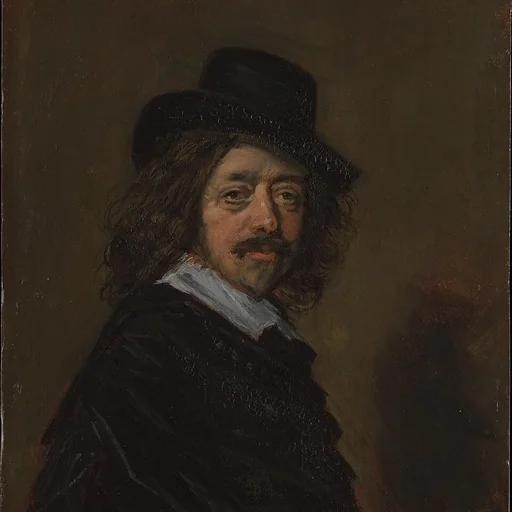
Frans Hals the Elder (UK: US:; Dutch:; c. 1582 – 26 August 1666) was a Dutch Golden Age painter. He lived and worked in Haarlem, a city in which the local authority of the day frowned on religious painting in places of…

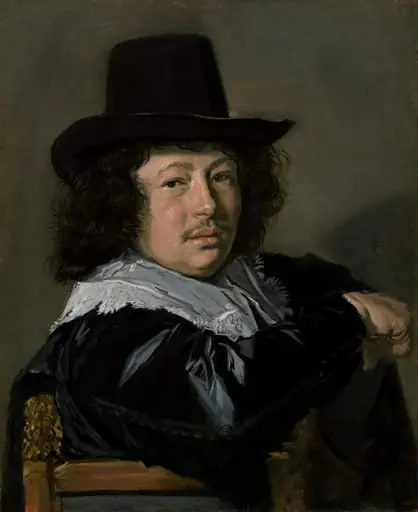
 Portrait of a Man
 Portrait of a Gentleman
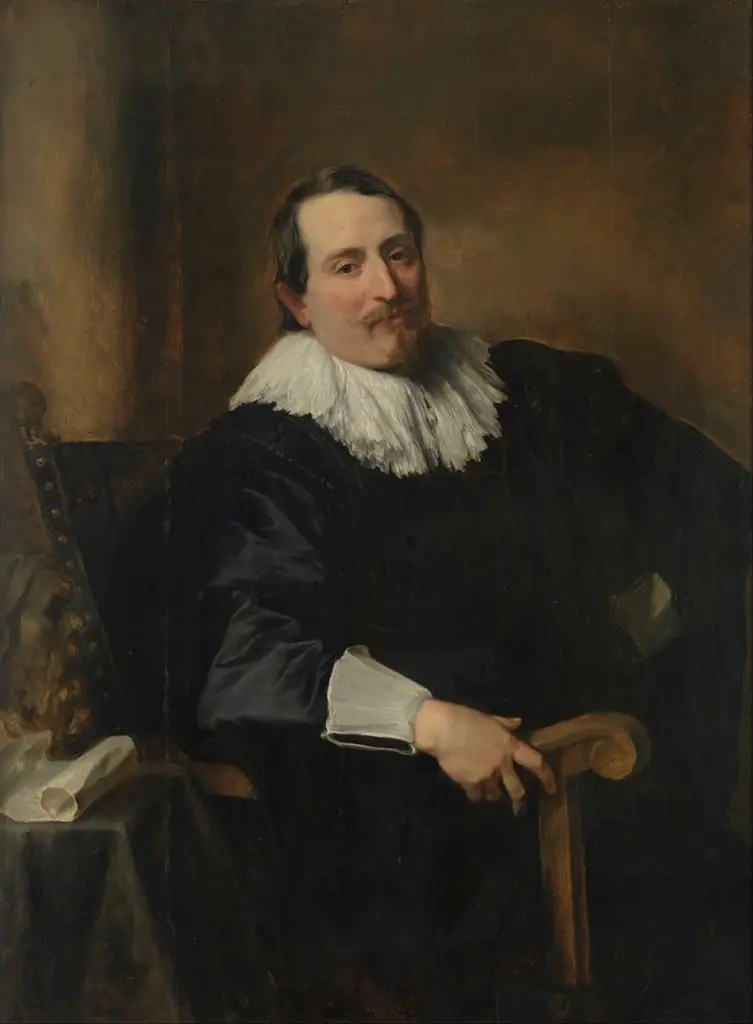 Portrait of the painter Theodor Rombouts
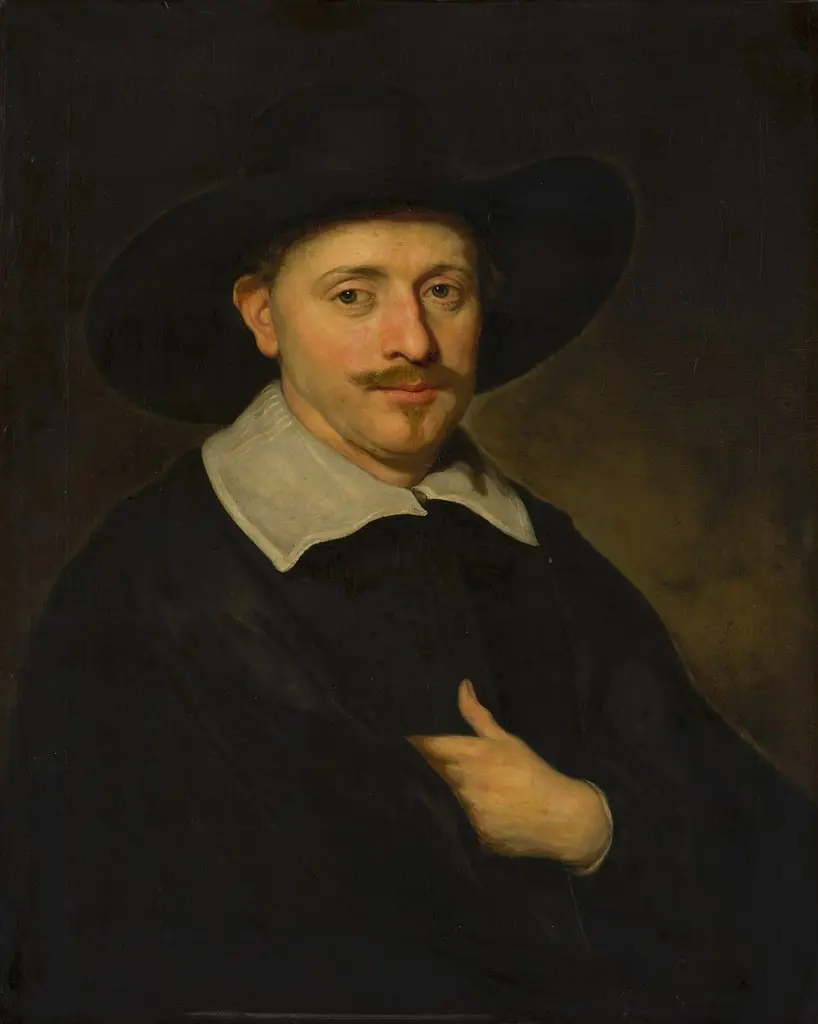 Portrait of a man
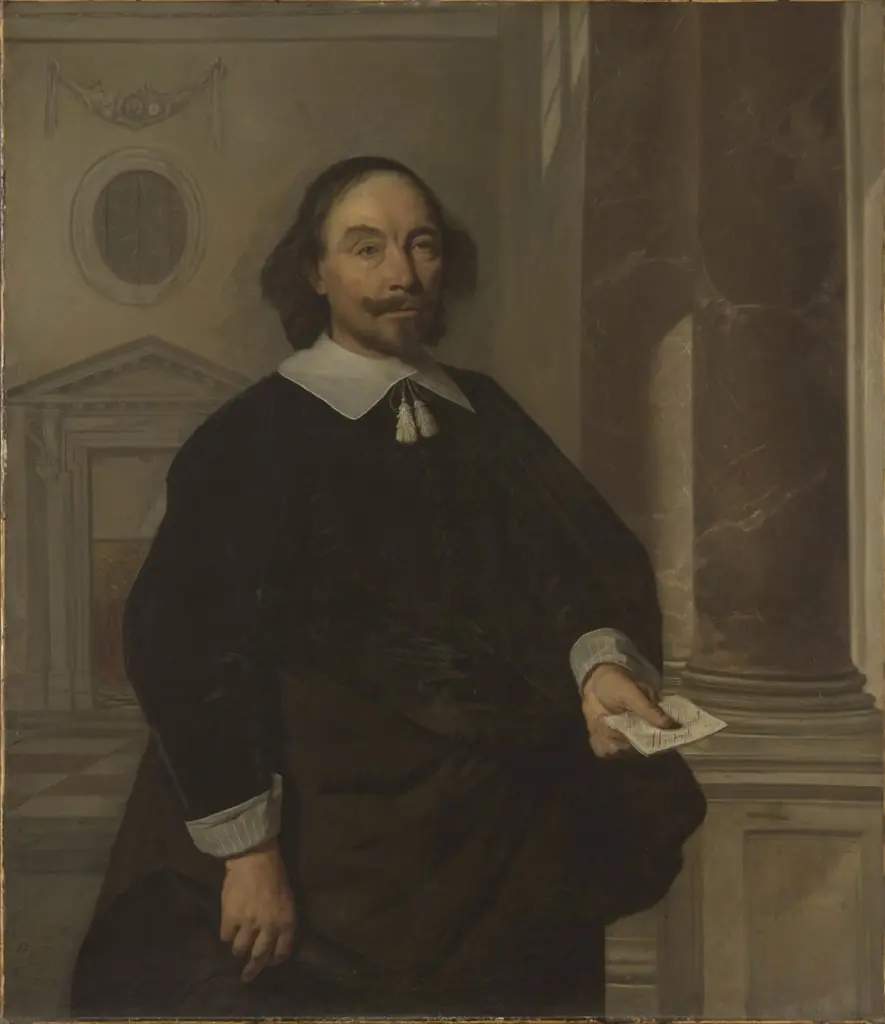 Portrait of Michiel Heusch
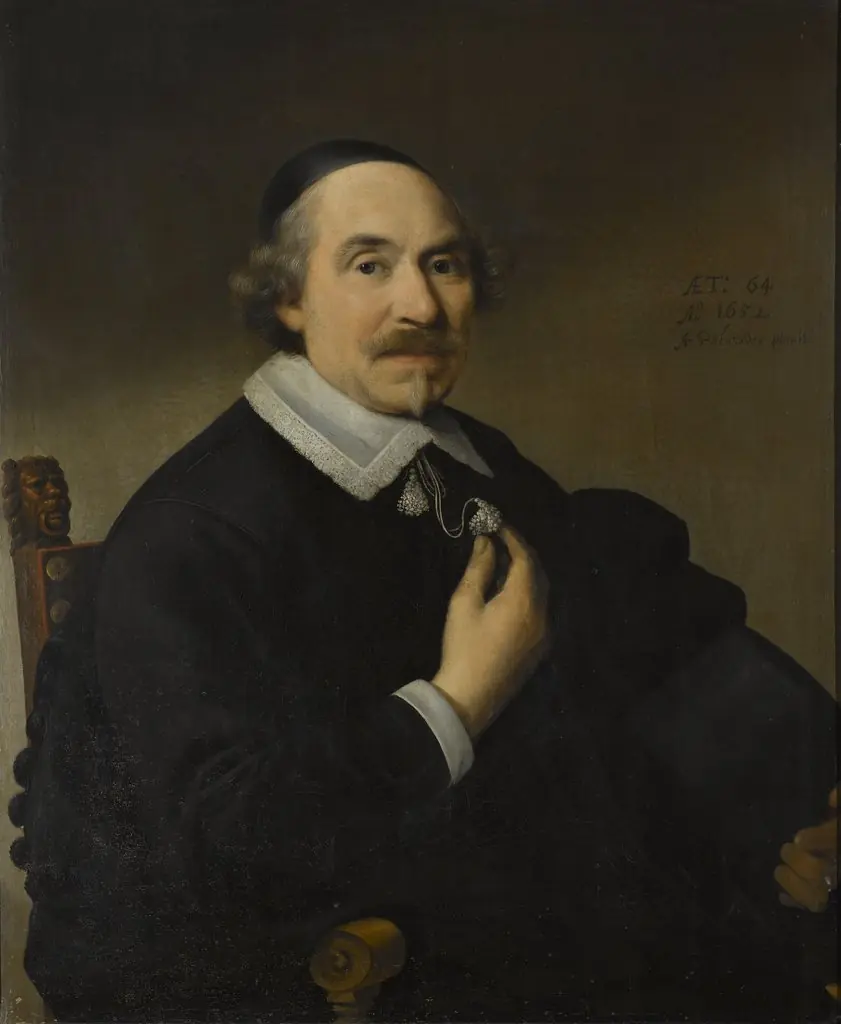 Portrait of a man, probably Pieter Anthonisz van Bronckhorst (1588-1661)
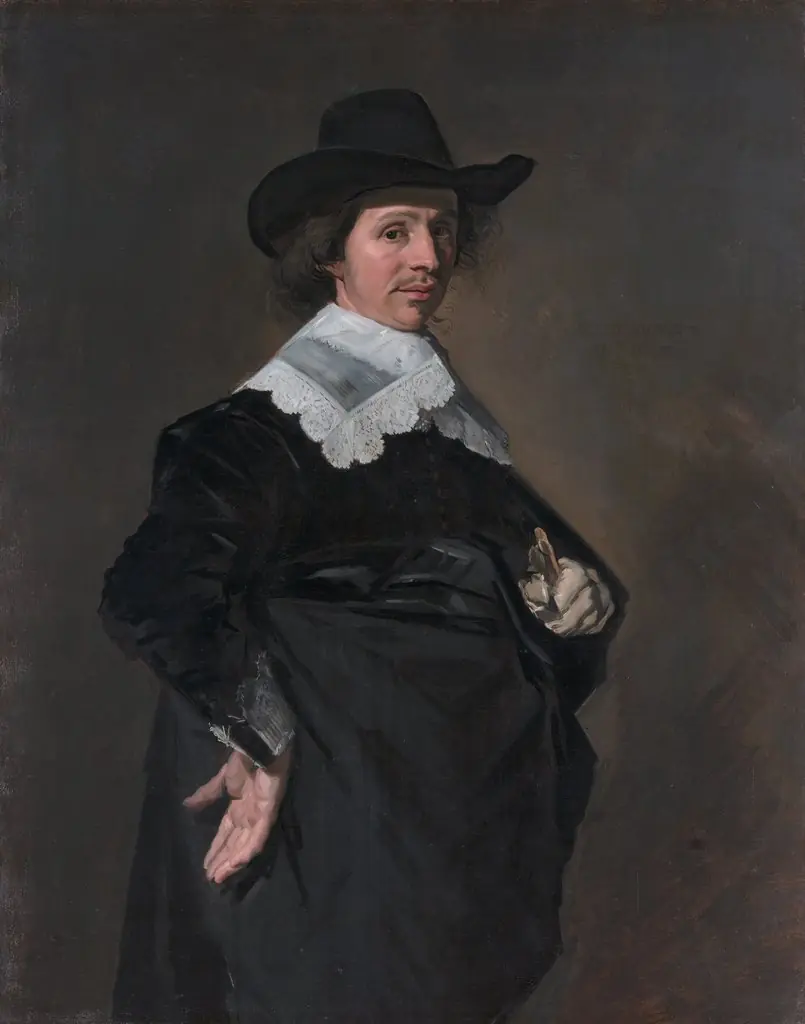 Portrait of Paulus Verschuur
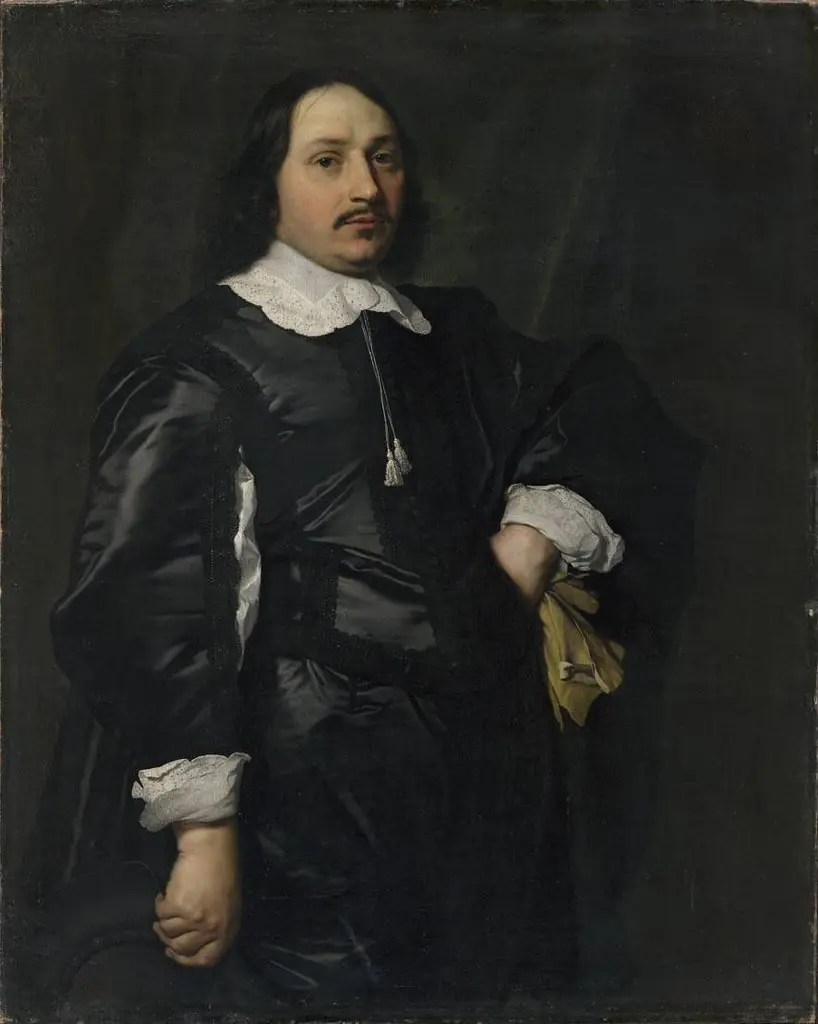 Portrait of a Man in Black
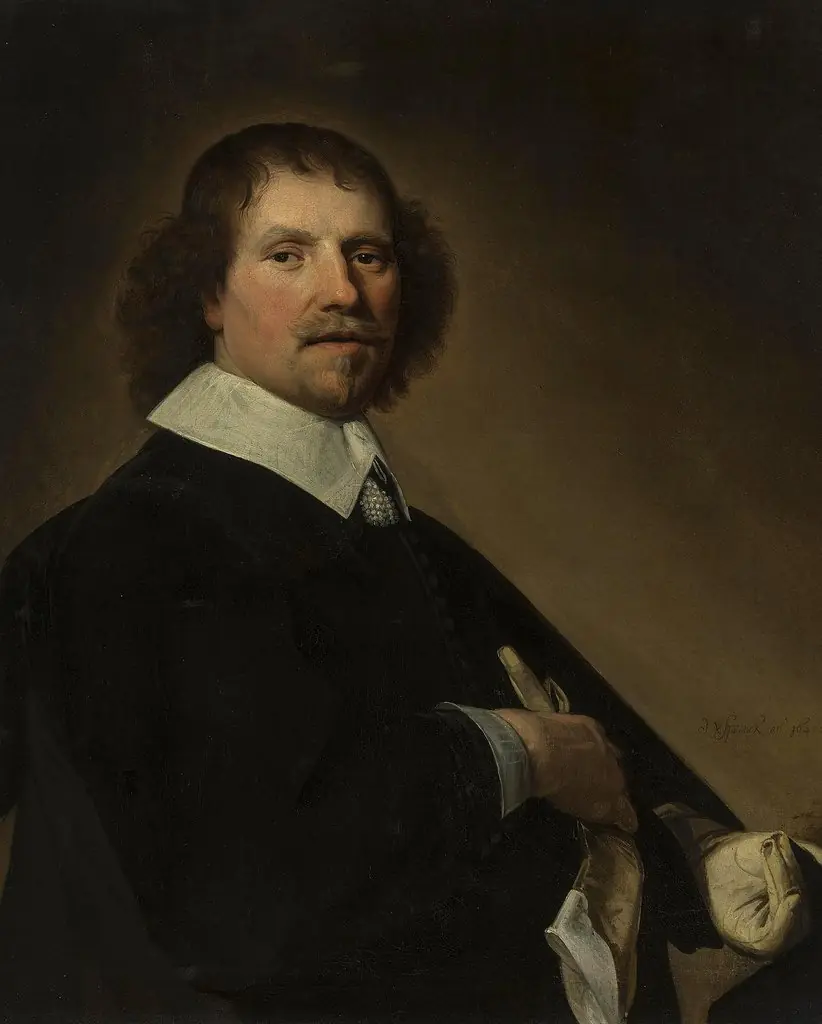 Portrait of a Man
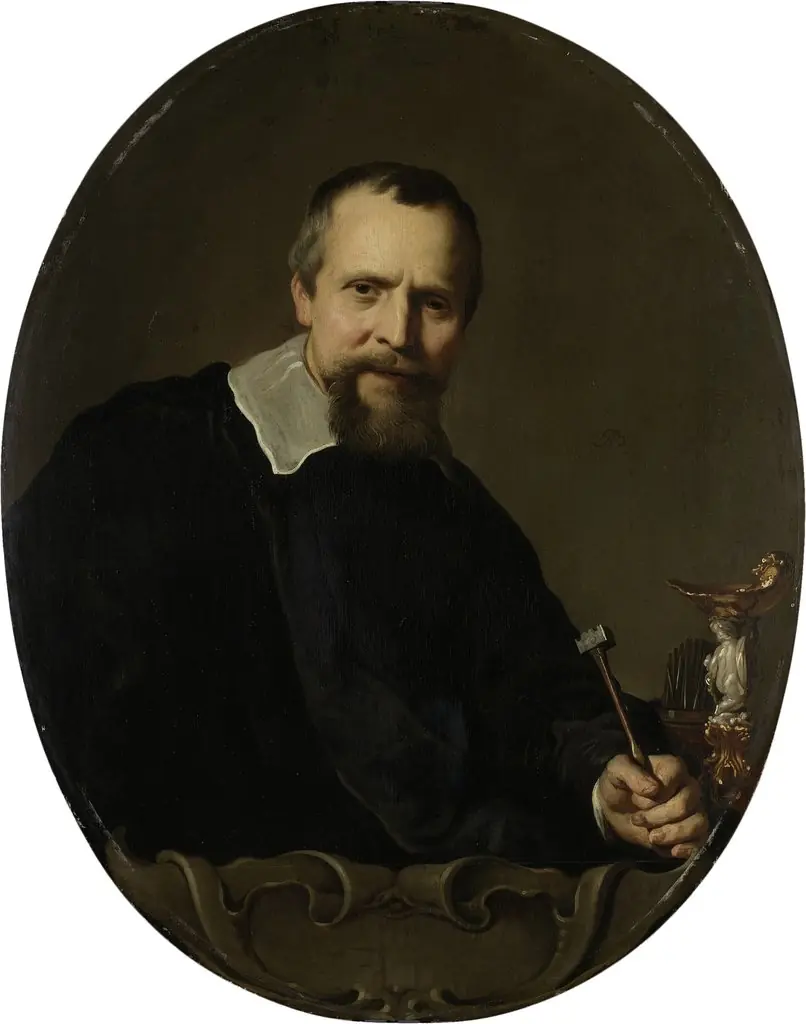 Jan Lutma (1584/85-1669). Amsterdam silversmith
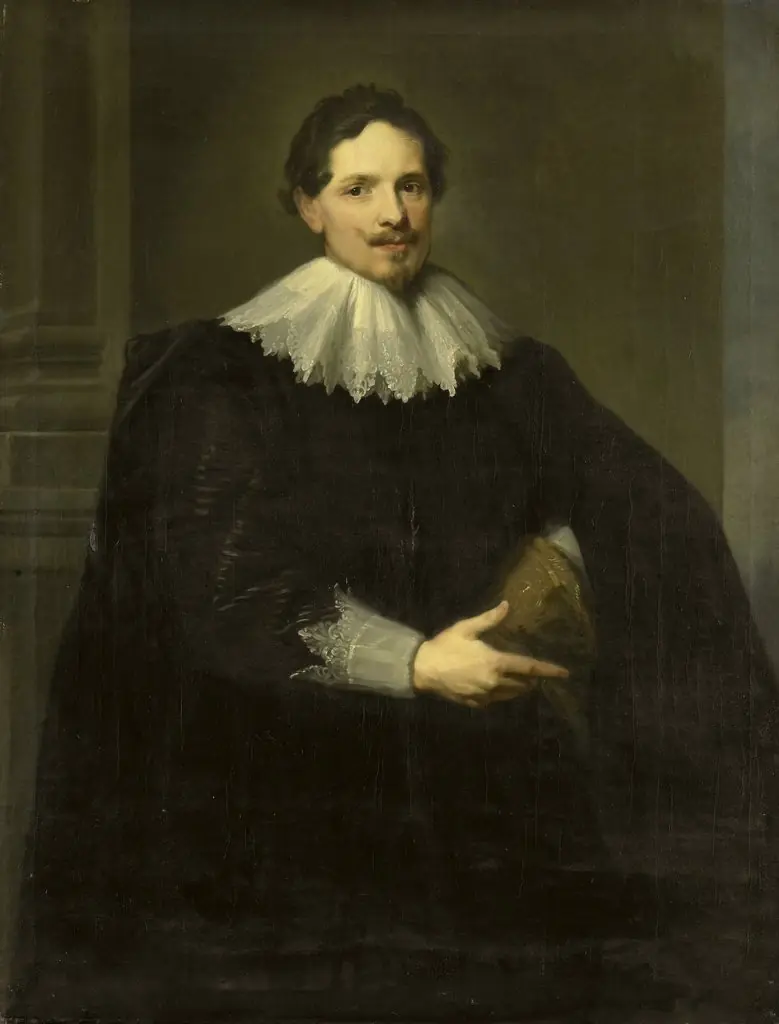 Sebastiaan Leerse, Antwerp Merchant
- Portrait of a Man