Artwork
Jan de Hooghe (1608-82). Father-in-law of the painter Ludolf Bakhuysen
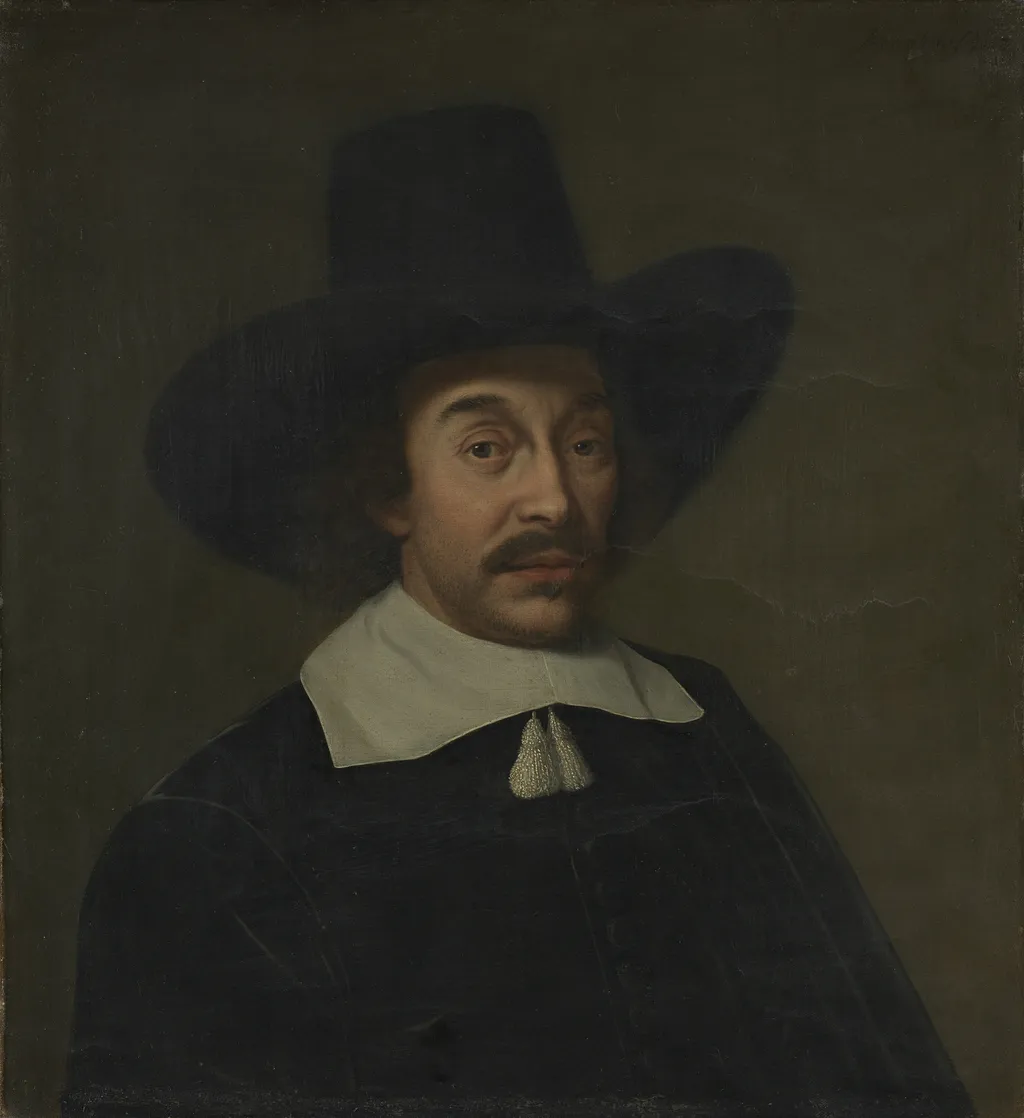
Jan de Hooghe (1608-82). Father-in-law of the painter Ludolf Bakhuysen is an oil painting by the Dutch Golden Age artist Paulus Hennekyn. It dates from 1658 and is held in the collection of the Rijksmuseum.
About this work
He is dressed in dark attire, including a hat and a white collar, which suggests he may have been a member of the upper class or a professional.
The painting is a portrait of a man, likely from the 17th century. He is dressed in dark attire, including a hat and a white collar, which suggests he may have been a member of the upper class or a professional. The background of the painting is dark and muted, which helps to focus attention on the subject.
The man's facial expression is serious and introspective, with a hint of kindness in his eyes. His hair is dark and neatly trimmed, and he has a well-groomed beard. The overall effect of the painting is one of dignity and respectability.
This painting is reminiscent of the work of artists who used chiaroscuro, a technique that uses strong contrasts between light and dark to create a sense of volume and depth.
Subject & Meaning
The work shows Jan de Hooghe, a 17th-century figure who was the father-in-law of painter Ludolf Bakhuysen. It is a portrait created in 1658 by Paulus Hennekyn, depicting de Hooghe as an individual of his time.
The painting is part of the Rijksmuseum collection and was owned by Mietje van den Brink.
Paulus Hennekyn painted this full-length portrait in oil on canvas, measuring 66.5 cm in height and 61 cm in width. It is classified as a portrait and is housed at the Rijksmuseum in Amsterdam.
Technique & Style
The work is an oil painting created on canvas, measuring 66.5 cm in height by 61 cm in width, and was completed in 1658.
The surface features thin, blended brushwork that models facial features with subtle tonal transitions, while the handling of light emphasizes the sitter’s expression through chiaroscuro effects.
The composition presents a straightforward frontal pose, rendered with restrained detail that underscores the portrait’s formal clarity and the artist’s focus on material presence.
Overview
This 1658 oil portrait, housed at the Rijksmuseum, depicts Jan de Hooghe (1608-82), father-in-law of the painter Ludolf Bakhuysen, in a somber yet dignified manner.
History & Provenance
Created by Paulus Hennekyn in 1658, the portrait is now part of the Rijksmuseum's collection, with its provenance tracing back through the family connections of its subject, notably to Ludolf Bakhuysen.
Context
The work reflects 17th-century Dutch portraiture traditions, where the depiction of character and social status was paramount, often achieved through meticulous attire and expressive, yet restrained, facial expressions.
Legacy
While not widely renowned beyond its familial and historical context, the portrait provides insight into 17th-century Dutch societal values and the enduring influence of chiaroscuro in portraiture of the time.
Own this work as a print
Artist & collection

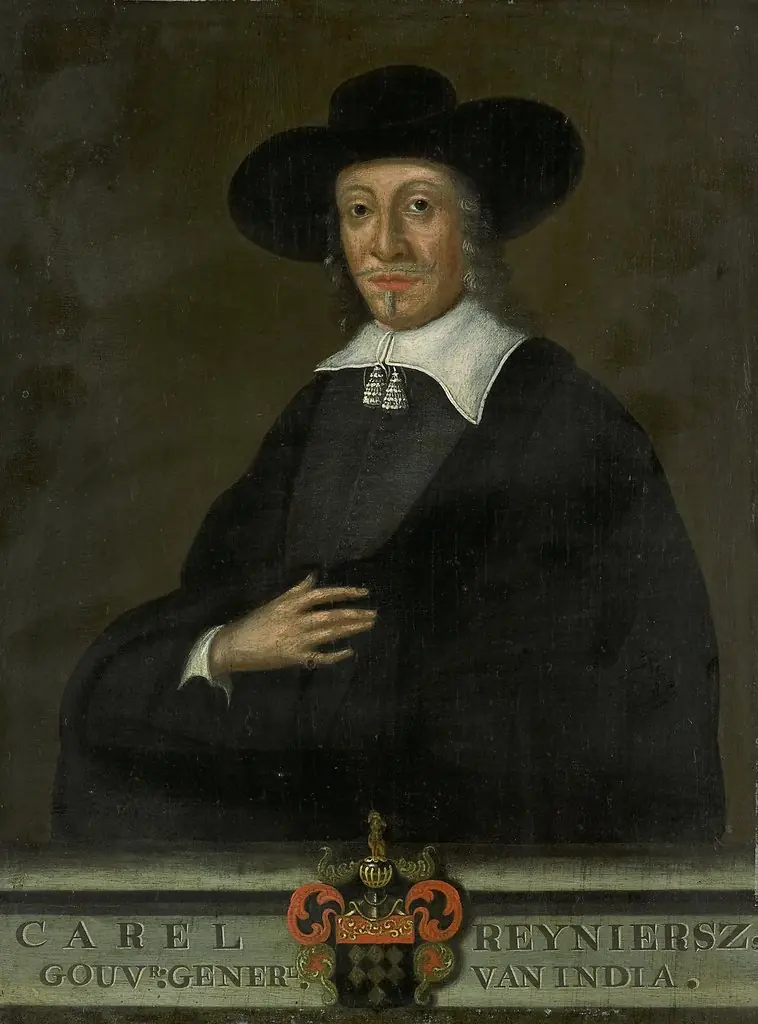 Copy after portrait of Karel Reyniersz (1604-1653), Governor-General of the Dutch East Indies
![Portrait of a Gentleman [possibly Jacob van Campen], by Thomas de Keyser](https://artifactworldgallery.com/img/thomas-de-keyser--portrait-of-a-gentleman-possibly-jacob-van-campen--d0c829ca95efaf31-w320.webp) Portrait of a Gentleman [possibly Jacob van Campen]
Portrait of a Gentleman [possibly Jacob van Campen]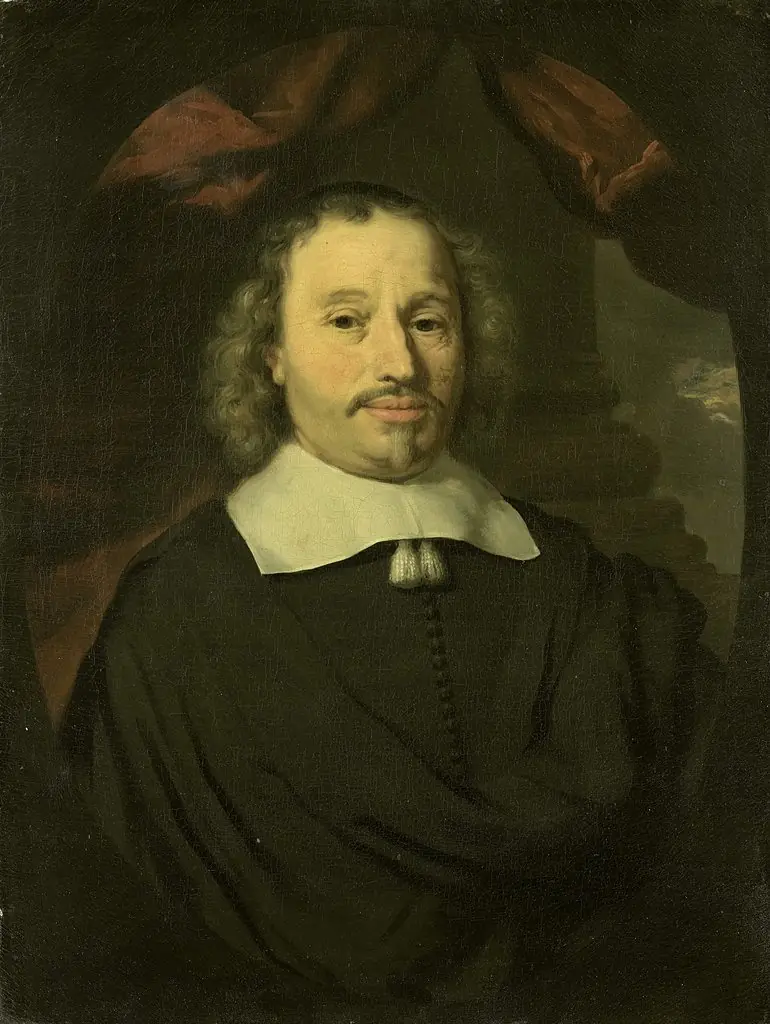 Portrait of Hendrick Wijnands (1601/2 - 76), grocer of Amsterdam
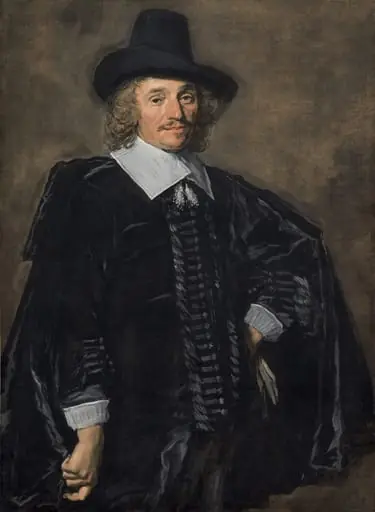 Portrait of a Gentleman
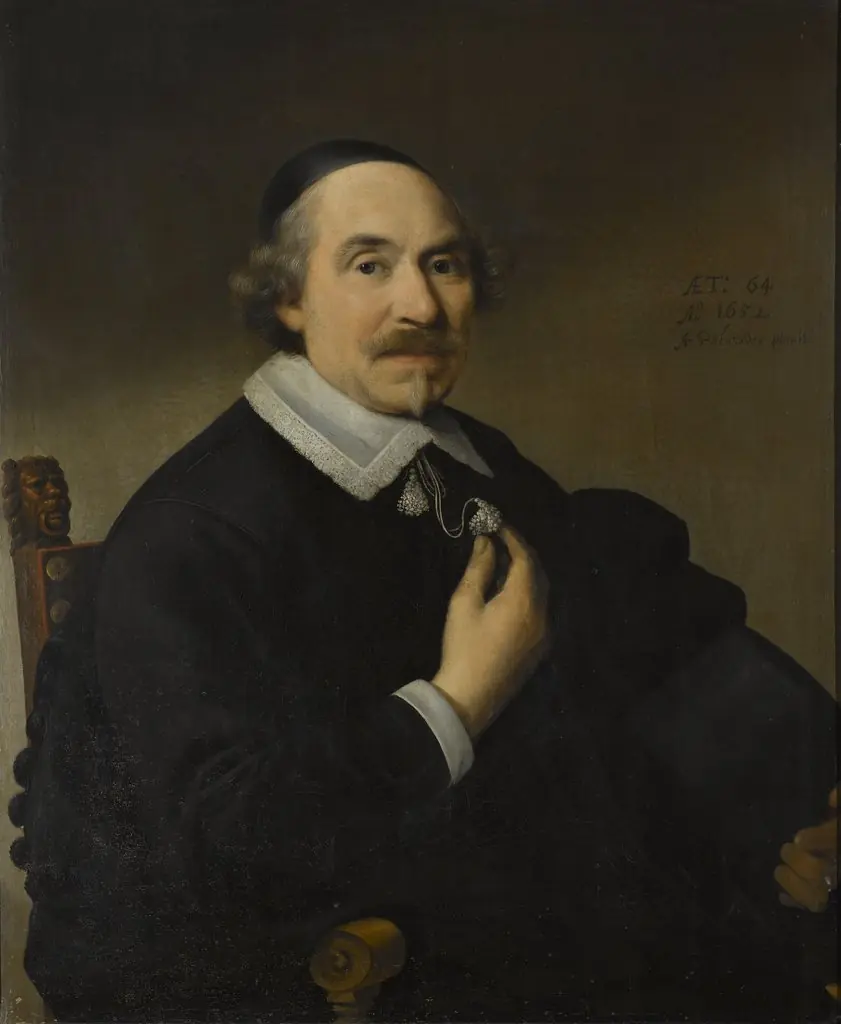 Portrait of a man, probably Pieter Anthonisz van Bronckhorst (1588-1661)
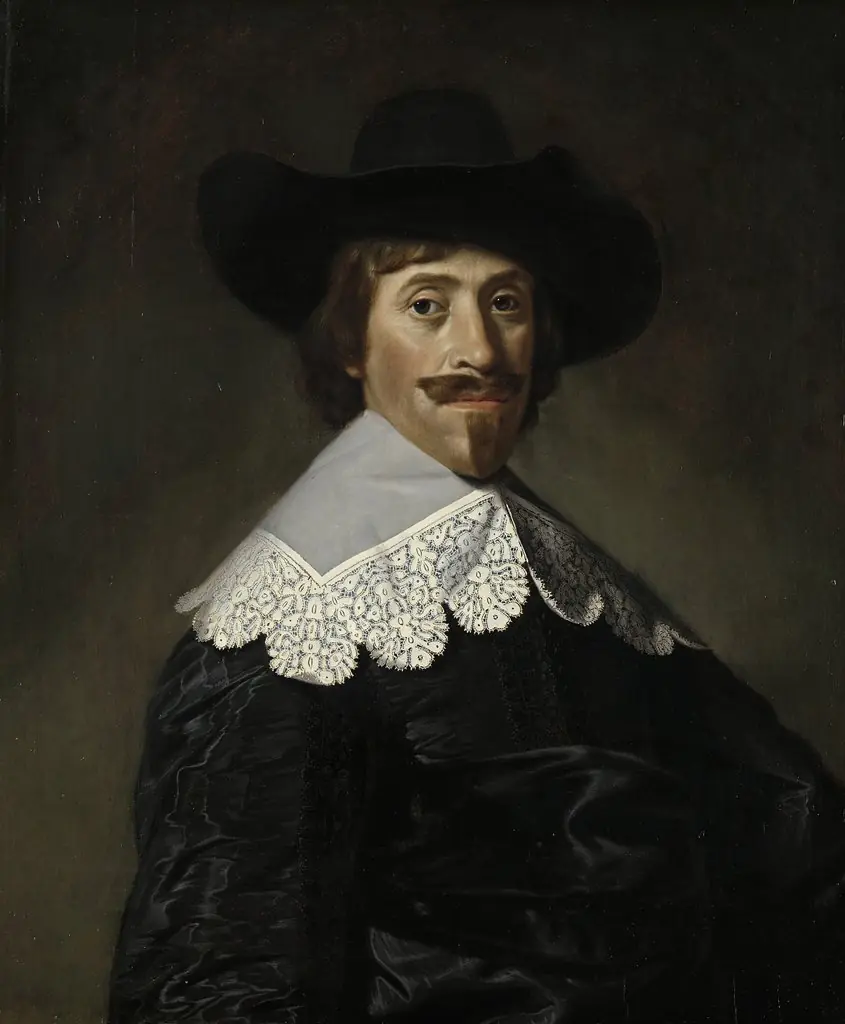 Frederik Dircksz Alewijn (1603-65). Alderman and councillor of Amsterdam
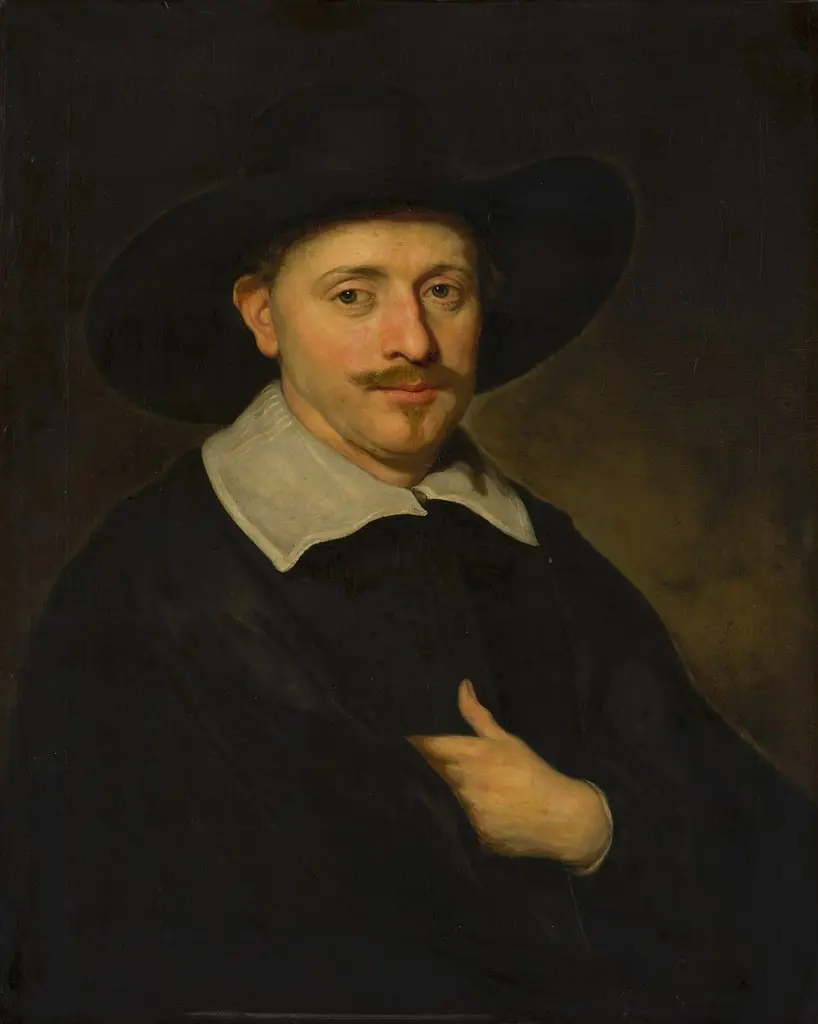 Portrait of a man
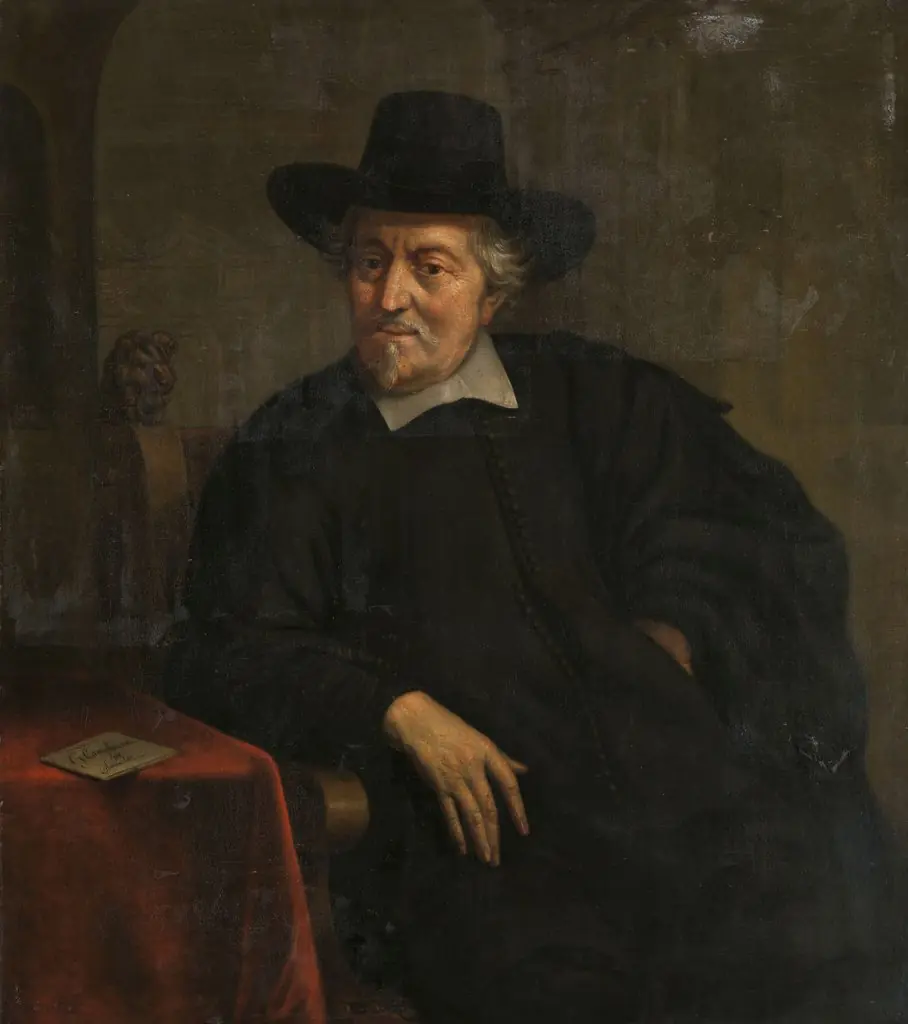 Self portrait?
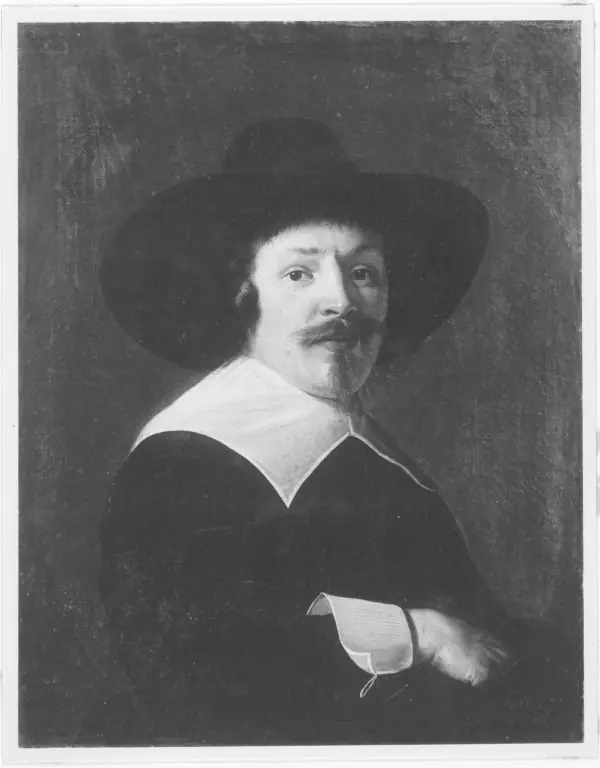 Bildnis eines Mannes (Art des)
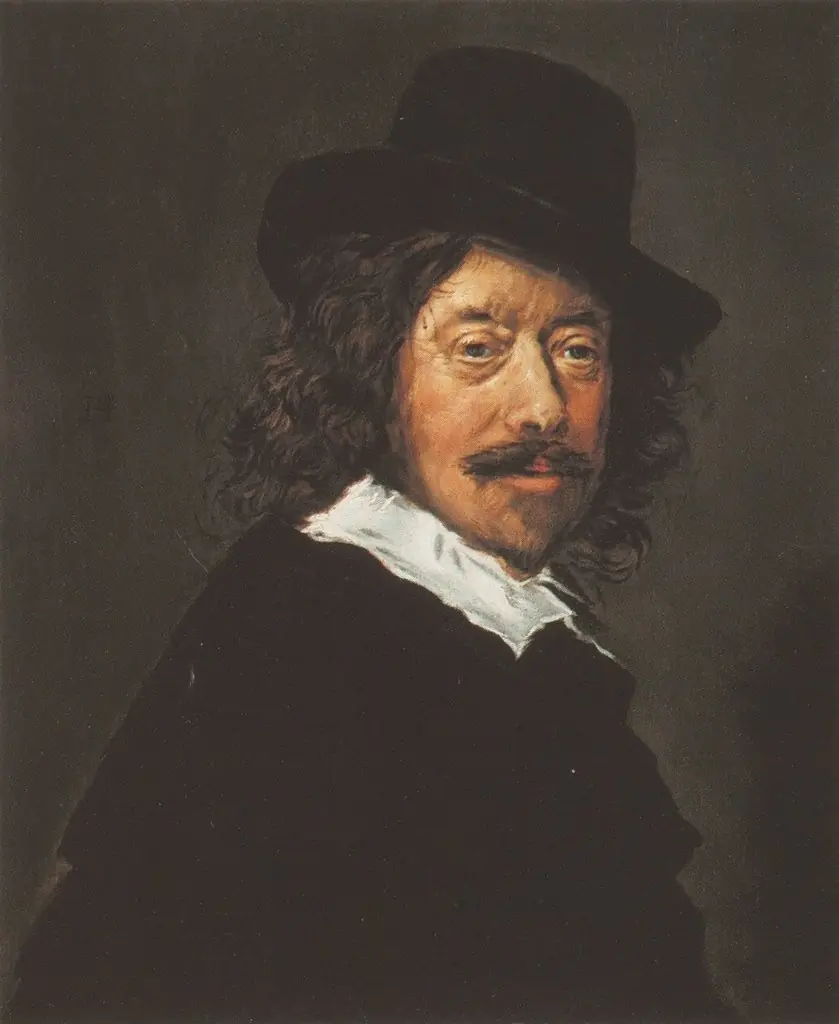 Portrait of Frans Hals
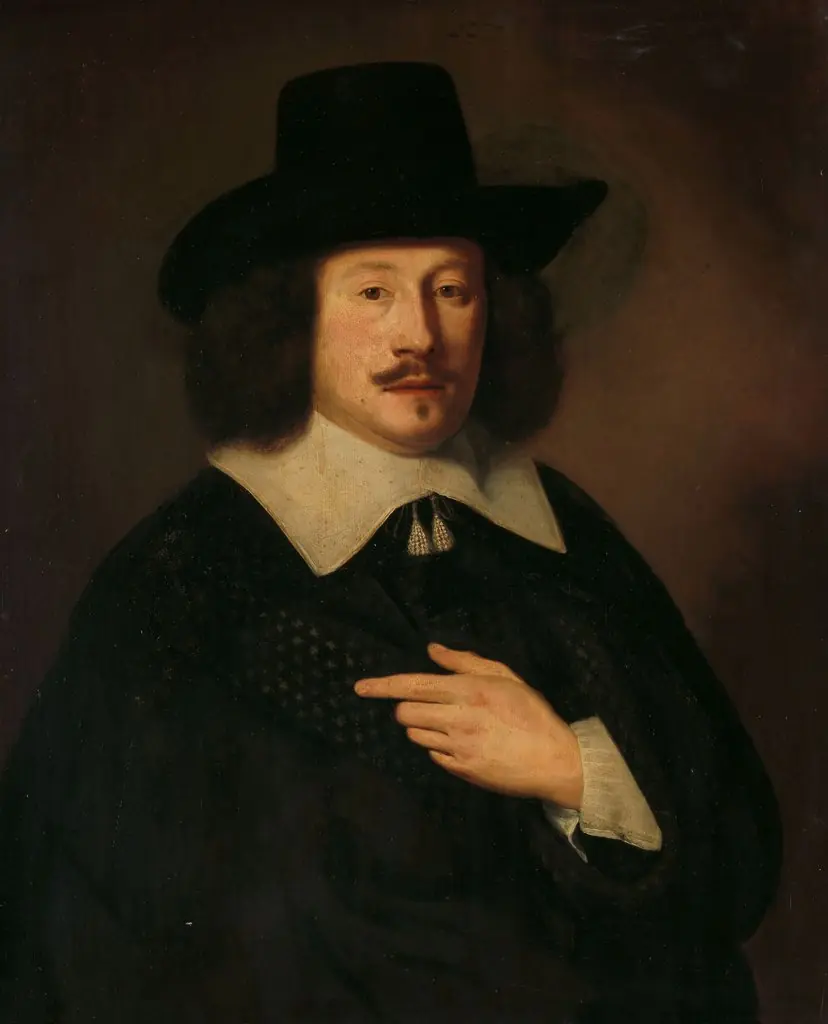 Portrait of a man
- Portrait of a Man, possibly Jan de Hooghe (1608-1682)