Artwork
Saint Cecilia
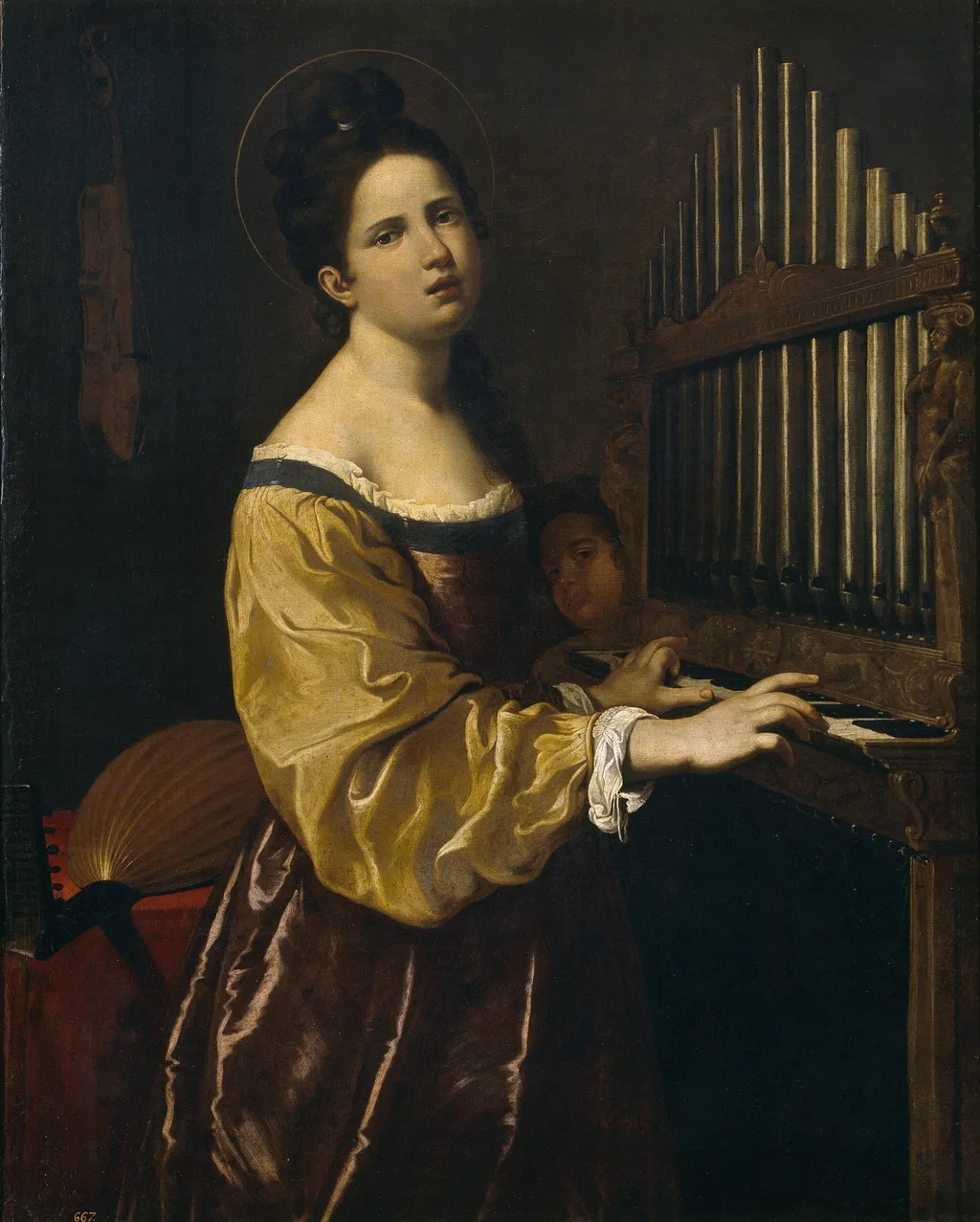
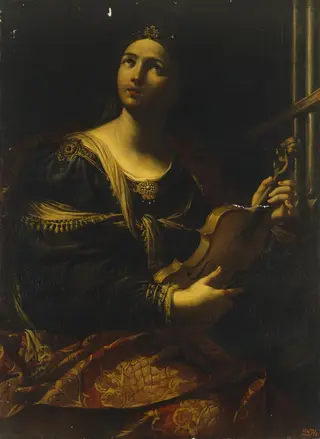
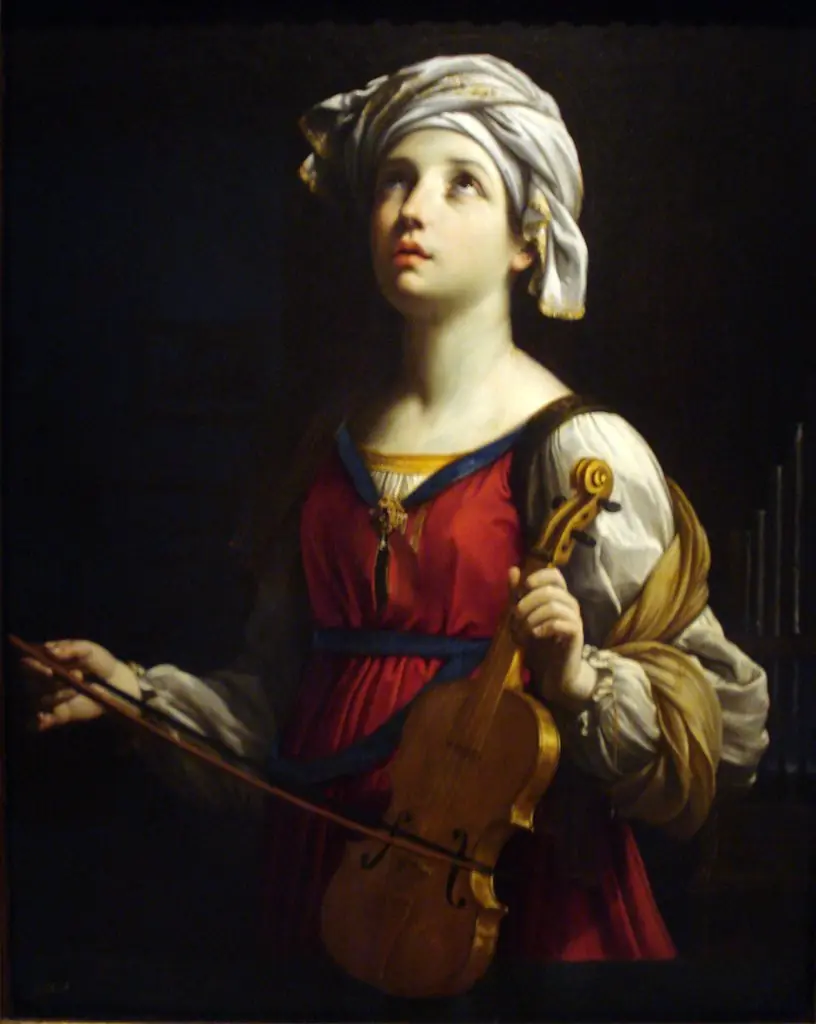
Saint Cecilia is an oil painting by the Early Baroque Italian artist Antiveduto Grammatica. It dates from 1611 and is held in the collection of the Museo del Prado.
About this work
Subject & Meaning
The depiction draws on established iconography linking Saint Cecilia to music, reinforcing her role as a patron of musicians and a model of pious resilience.
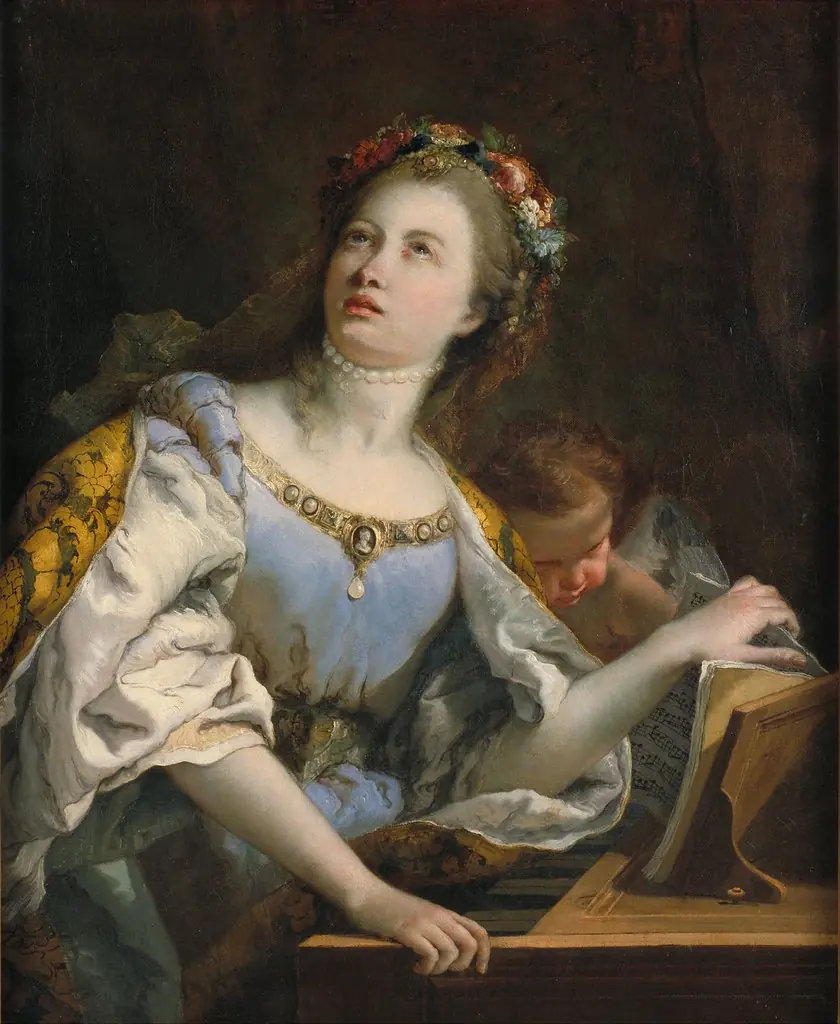
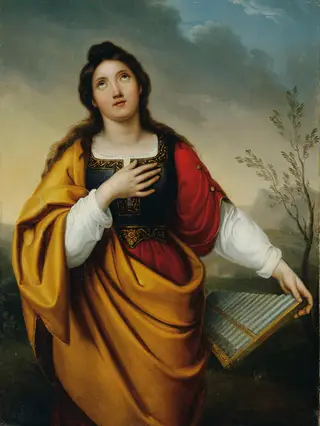
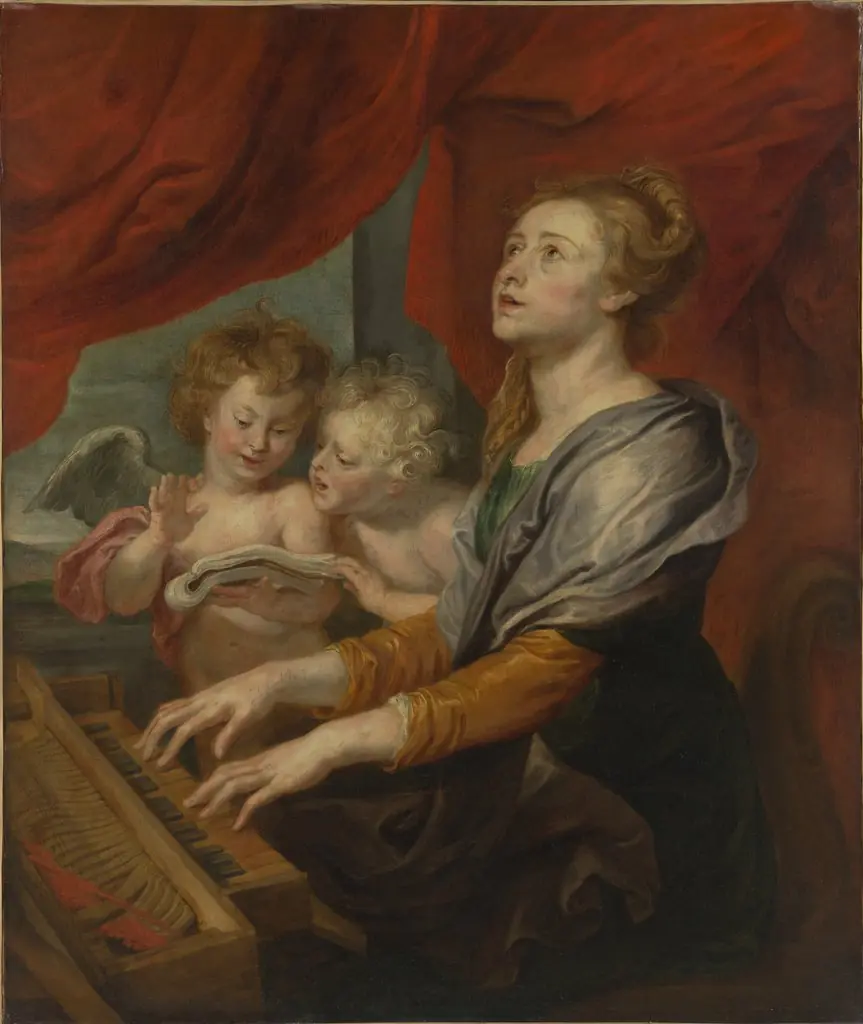
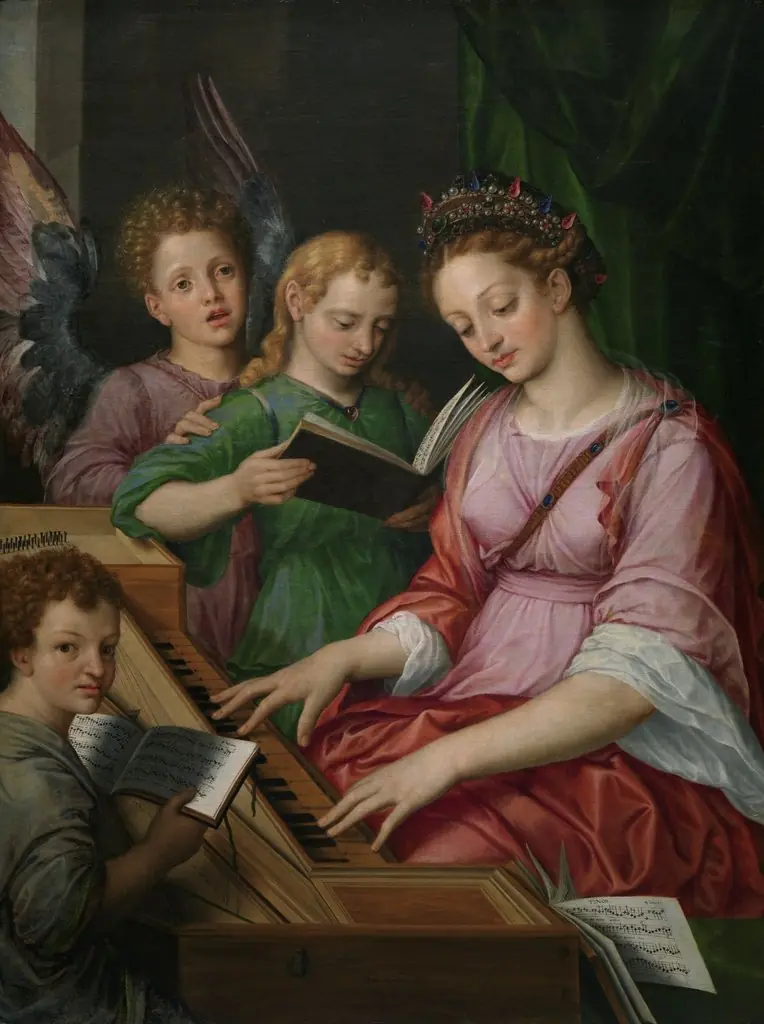
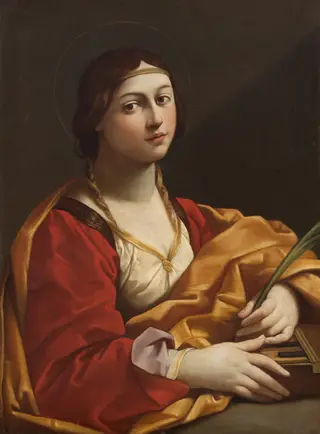
The painting portrays Saint Cecilia holding a musical instrument, traditionally a lute or violin, symbolizing her association with music and sacred harmony. Her serene expression and modest attire emphasize devotion and martyrdom, embodying the unity of faith and artistic expression. The work reflects Counter-Reformation ideals of spiritual resonance through the senses, aligning with the Council of Trent's emphasis on art as a conduit for divine contemplation.
The depiction draws on established iconography linking Saint Cecilia to music, reinforcing her role as a patron of musicians and a model of pious resilience. Her presence in the Museo del Prado collection underscores the painting's significance within Spanish religious art, where such symbolic narratives were curated to inspire devotional engagement.
Technique & Style
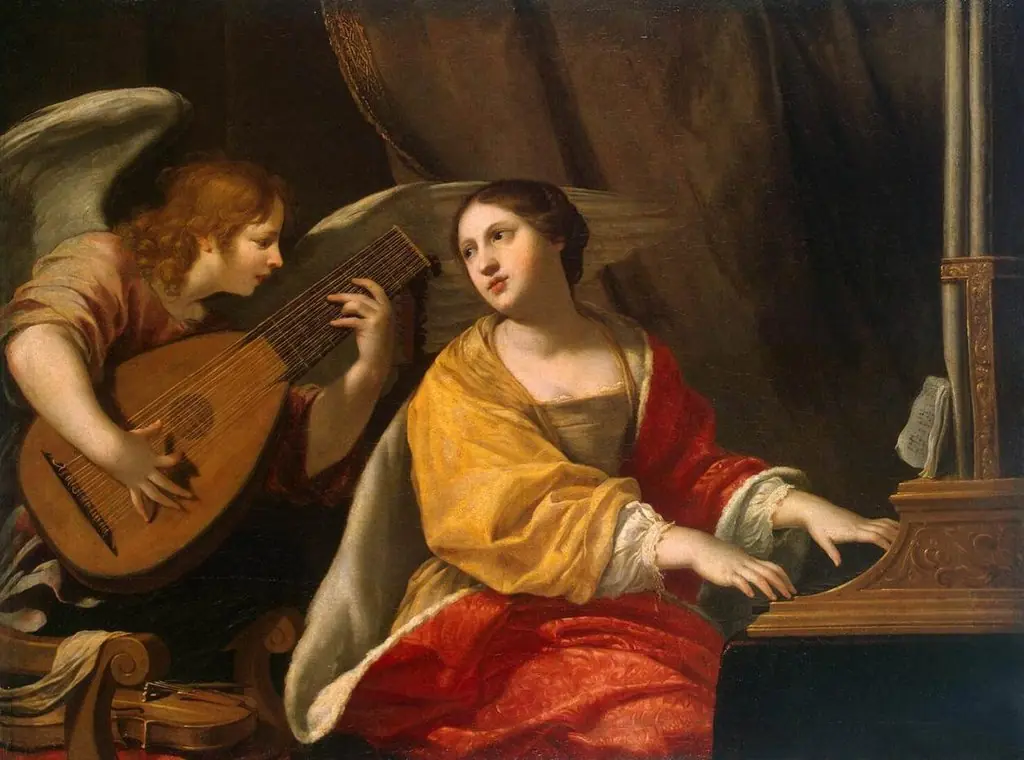
Antiveduto Grammatica executed Saint Cecilia in oil paint on a canvas support. The artwork measures 128 cm in height by 100 cm in width. As a religious painting, the composition formally centers on its main subject, Saint Cecilia, who is depicted alongside a lute and a violin. The work was created in 1611 and is held in the collection of the Museo del Prado.
History & Provenance
The work is held in the collection of the Museo del Prado, Madrid, where it is inventoried as oil on canvas with dimensions of 128 × 100 cm.
It was exhibited at the Museo del Prado in 1700 as part of the museum’s holdings of religious paintings by Antiveduto Grammatica.
Overview
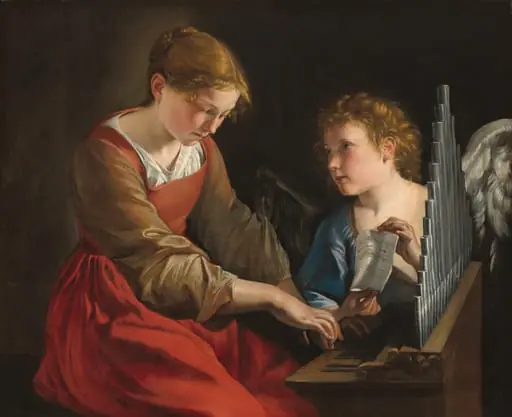
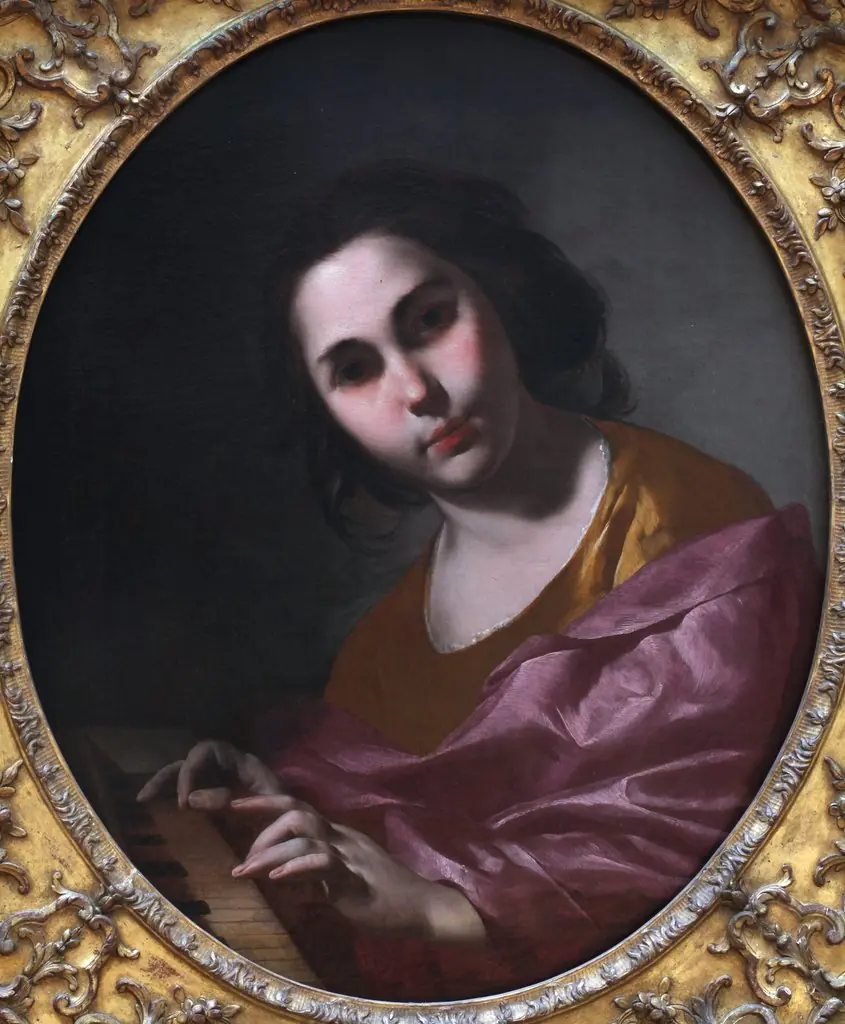
Antivedoto Grammatica’s 1611 oil painting titled Saint Cecilia presents the early‑Baroque saint in a dim interior, illuminated by a soft light that isolates her figure. The composition centers on a woman in a yellow dress, her hands poised over a small table as she engages with a lute, while a violin rests nearby. A child watches from the side, and organ‑like pipes line the background wall.
Context
Created during the transition from Mannerism to Baroque, the painting reflects the period’s growing interest in dramatic lighting and emotional immediacy. Grammatica’s focus on a single, contemplative figure aligns with contemporary religious art that sought to inspire personal devotion through accessible, humanized saints.
Own this work as a print
Artist & collection

Artist
Antiveduto Grammatica (December 1569 – April 1626) was a proto-Baroque Italian painter, active near Rome.