Artwork
Saint Cecilia
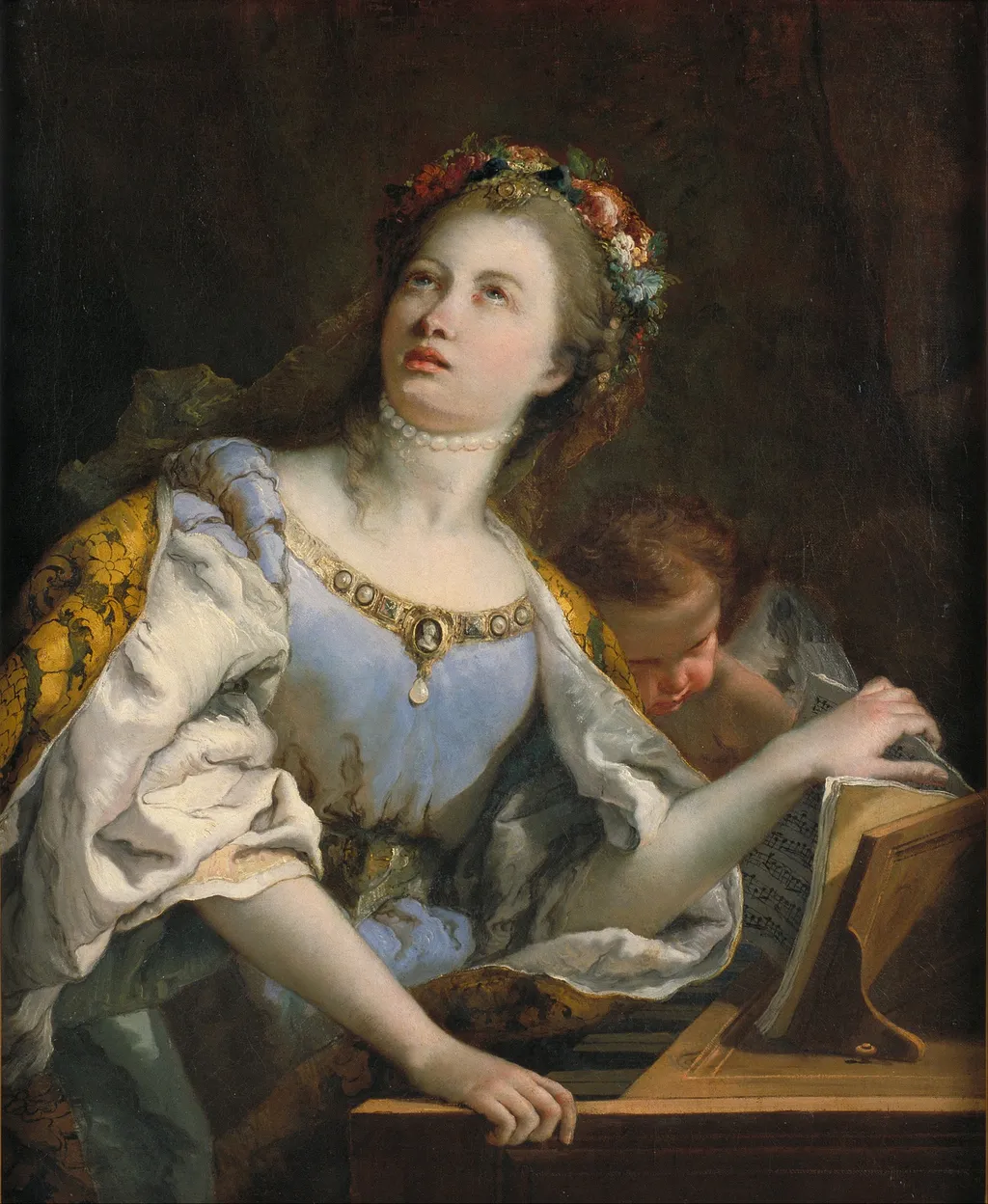
Saint Cecilia is an oil painting by the Rococo painting artist Giovanni Battista Tiepolo. It dates from 1750 and is held in the collection of the Museu Nacional d'Art de Catalunya.
About this work
Overview
This painting reflects the artist's mastery in blending religious devotion with theatrical elegance, a hallmark of his career during the mid-18th century.
Giovanni Battista Tiepolo's 'Saint Cecilia', painted in 1750, depicts the patron saint of music in a moment of divine inspiration. The composition centers on the saint seated at a harpsichord, her gaze directed upward toward a celestial light source, signifying her connection to the heavens. She is dressed in a white gown with a blue bodice and a gold belt, wearing a floral crown that identifies her martyrdom and purity.
A small angel hovers behind her, holding a sheet of music, reinforcing the theme of sacred harmony. Executed in oil paint, the work exemplifies Tiepolo's mature Venetian style, characterized by luminous color, dynamic movement, and a lightness of touch that defines his Rococo period. This painting reflects the artist's mastery in blending religious devotion with theatrical elegance, a hallmark of his career during the mid-18th century.
The work stands as a significant example of Tiepolo's ability to infuse traditional religious iconography with a sense of ethereal grace and visual splendor, capturing the spiritual intensity of the Counter-Reformation era through a distinctly Venetian lens.
Subject & Meaning
The composition shows a young woman seated at a harpsichord, her gaze lifted upward, suggesting a spiritual contemplation. She is dressed in a white gown with a blue bodice, a gold belt, and a floral crown, while a diminutive angel behind her holds a fragment of sheet music, reinforcing her patronage of musicians.
Technique & Style
Tiepolo employs a pronounced chiaroscuro, setting the illuminated figure against a deep, dark background. This contrast enhances the three‑dimensionality of the figure and the instrument, while the delicate handling of light on the fabrics and the angel’s wings reflects the artist’s late‑Baroque sensibility.
History & Provenance
Created in the mid‑18th century, the painting entered the Museu Nacional d’Art de Catalunya’s holdings in the 20th century, though the exact path of acquisition is not recorded in the available sources.
Context
Saint Cecilia, venerated as the patron saint of music, was a frequent subject for Baroque artists who sought to combine devotional themes with the era’s love of theatricality. Tiepolo’s rendition aligns with this tradition, integrating a musical instrument and celestial figure to convey both piety and artistic patronage.
Own this work as a print
Artist & collection

Artist
Giovanni Battista Tiepolo, also known as Giambattista Tiepolo, was an Italian painter and printmaker from the Republic of Venice who painted in the Rococo style, considered an important member of the 18th-century Venetian school.



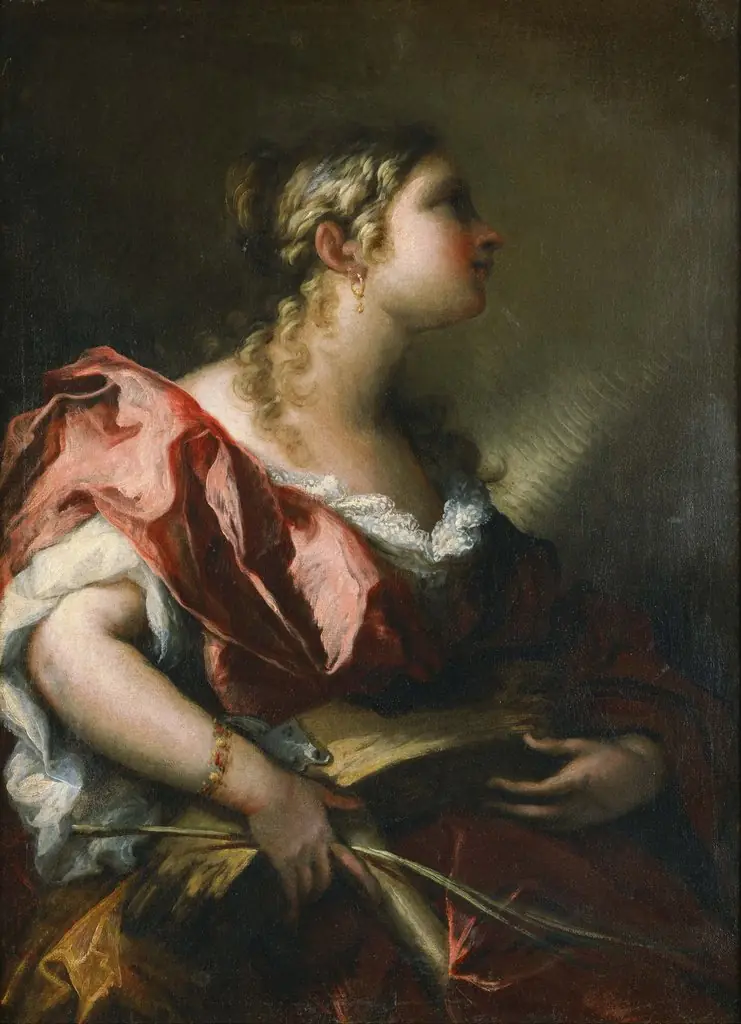 Saint Catherine of Alexandria
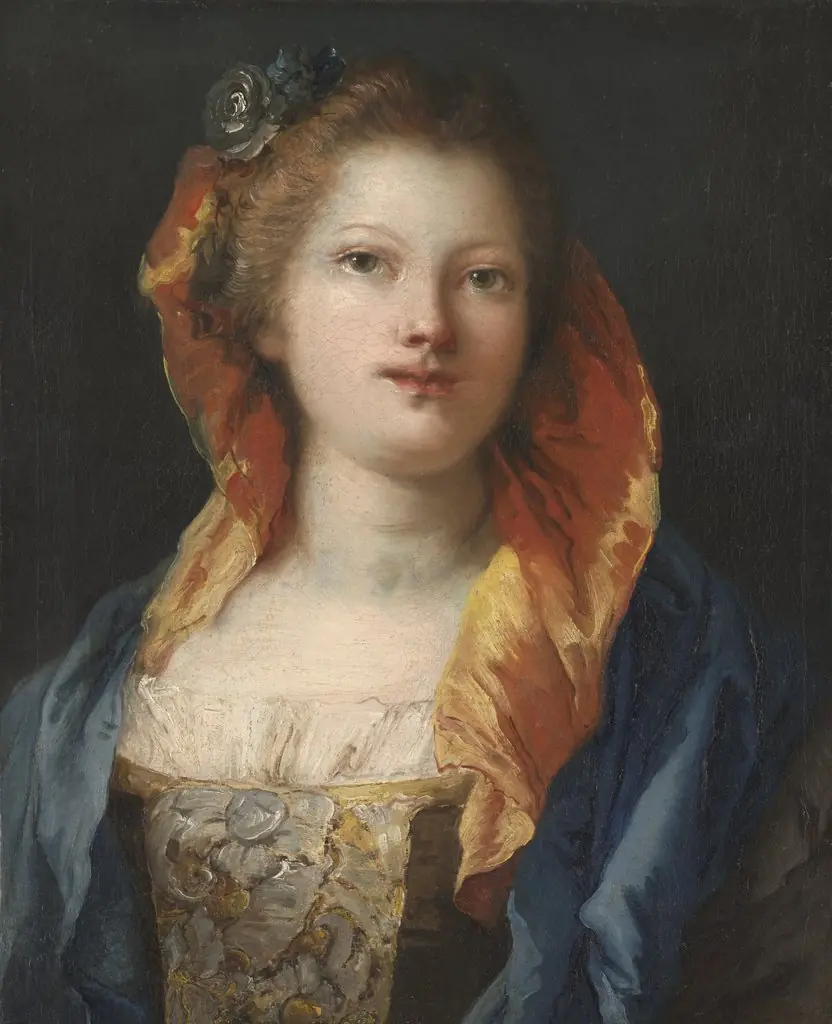 Portrait of a Woman
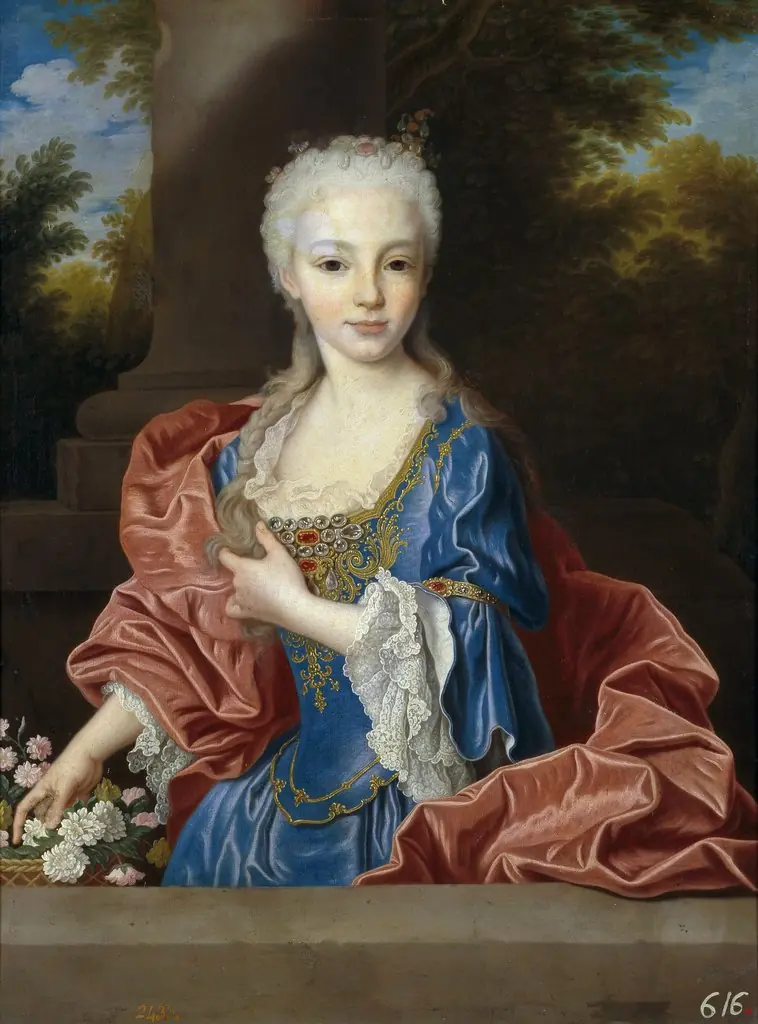 María Ana Victoria de Borbón
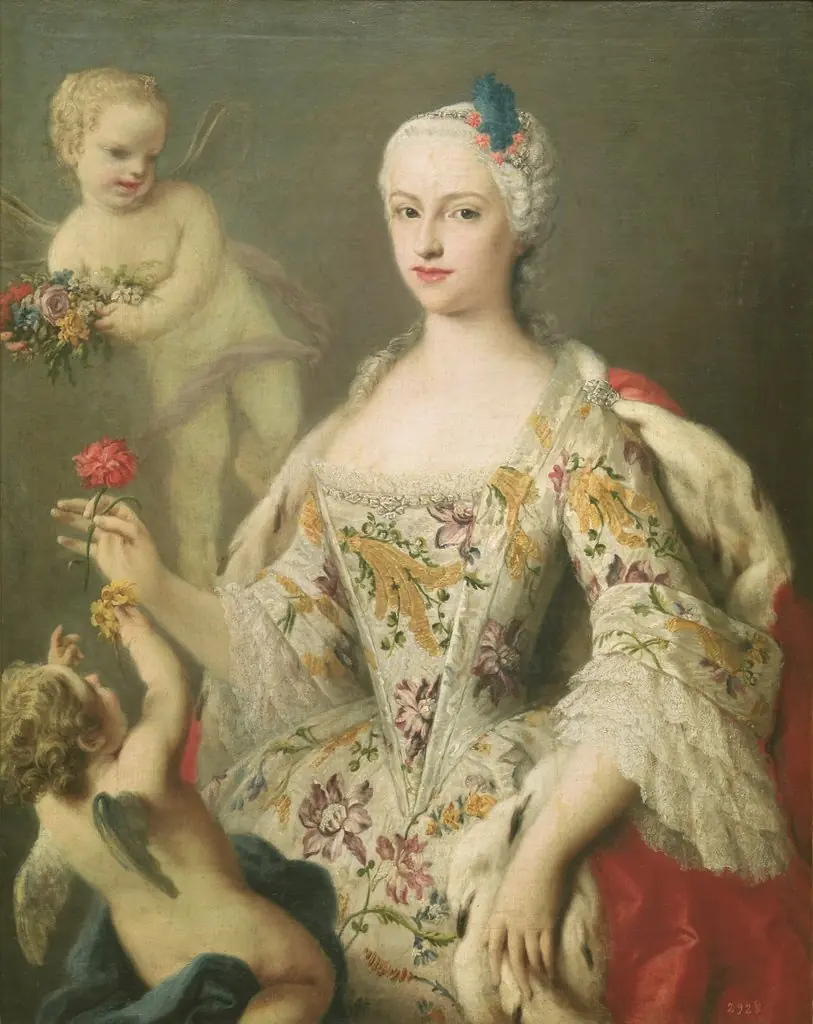 The Infanta María Antonia Fernanda, Daughter of Philip V
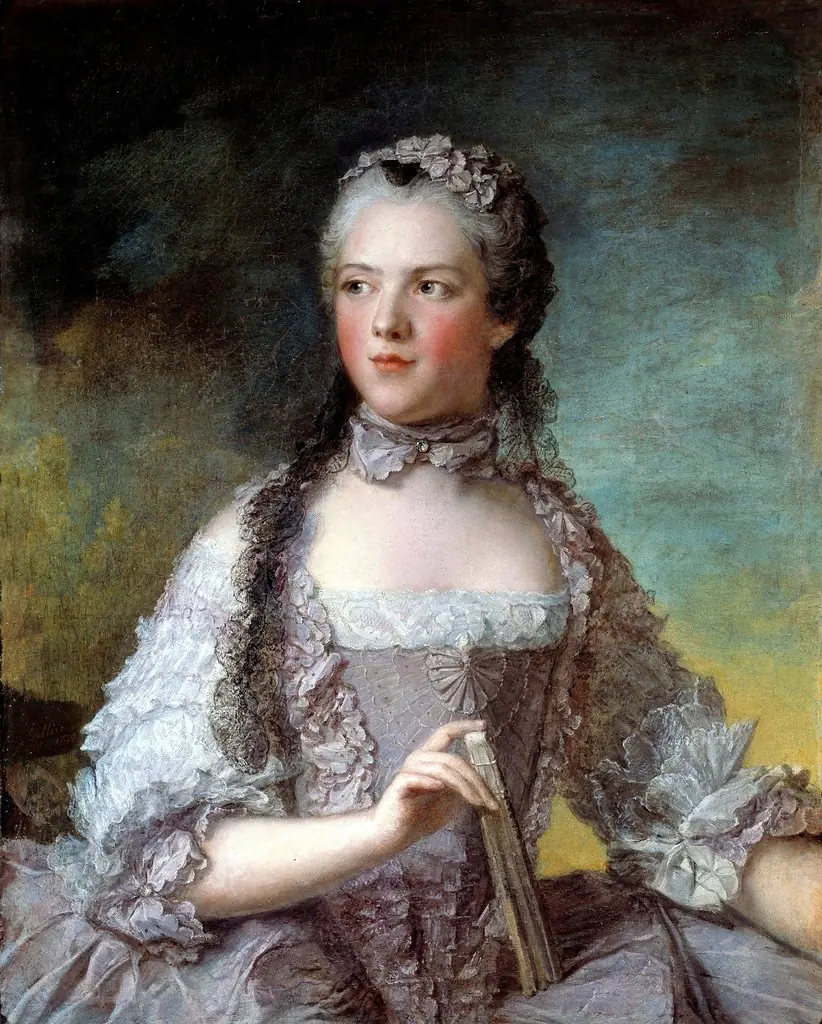 Madame Adélaïde de France (1732–1800), daughter of Louis XV
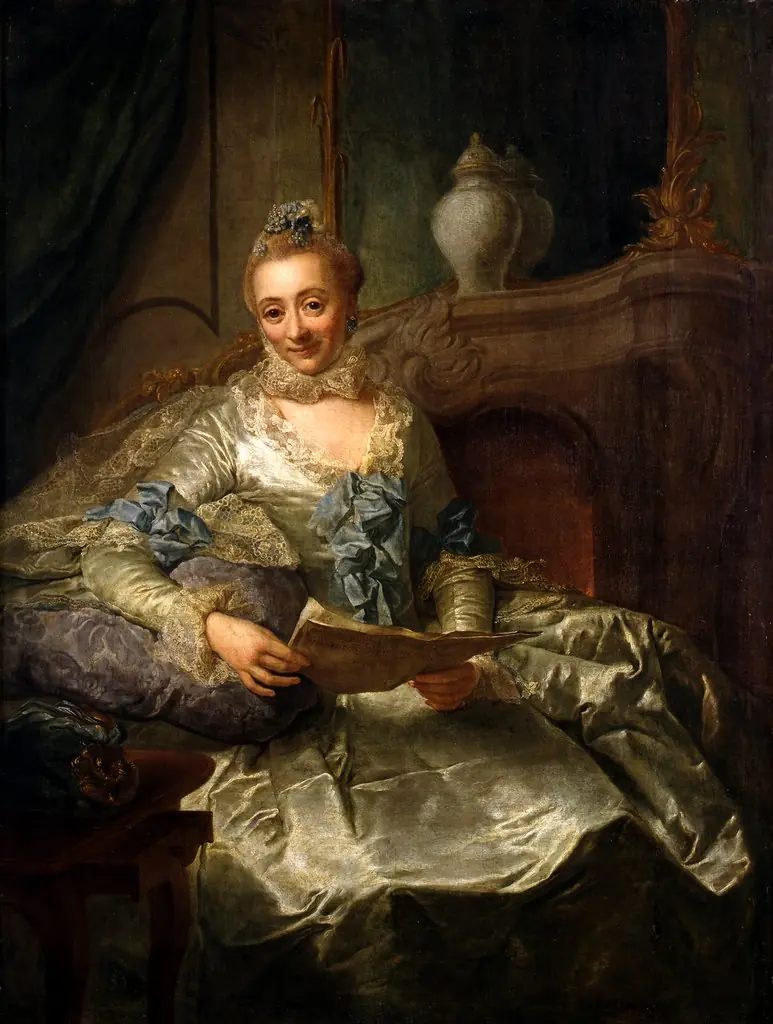 Chamber Councilor Sophie Elisabeth Giese, born von Schwerin
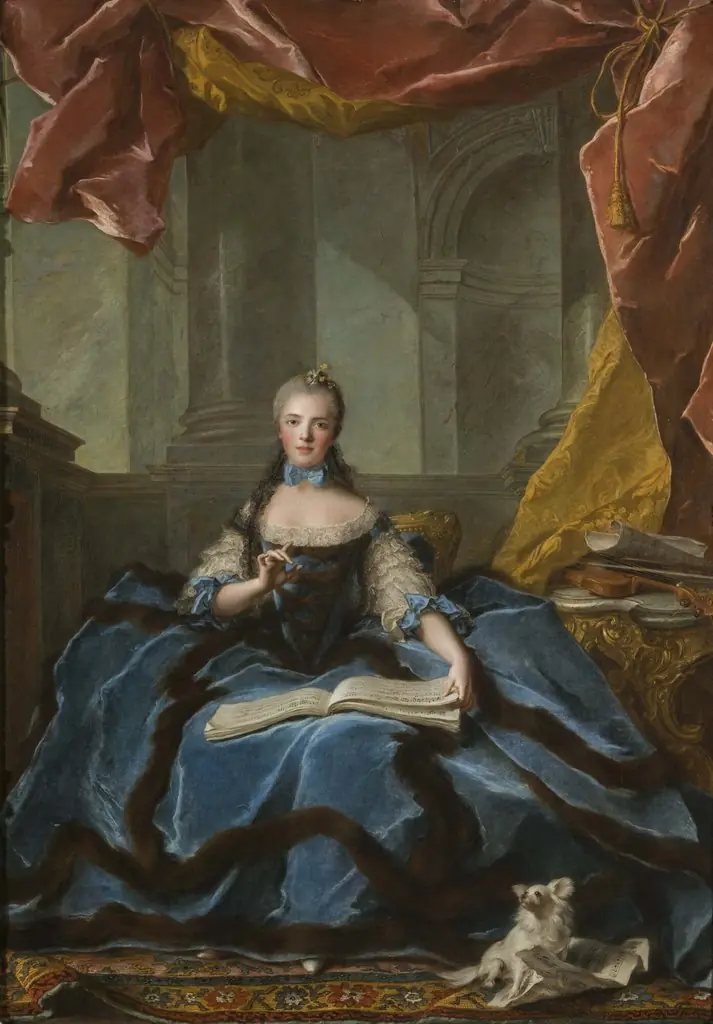 Marie-Adélaïde of France, known as Madame Adélaïde
 The Cumaean Sibyl