Artwork
Luis III duque de Borbón
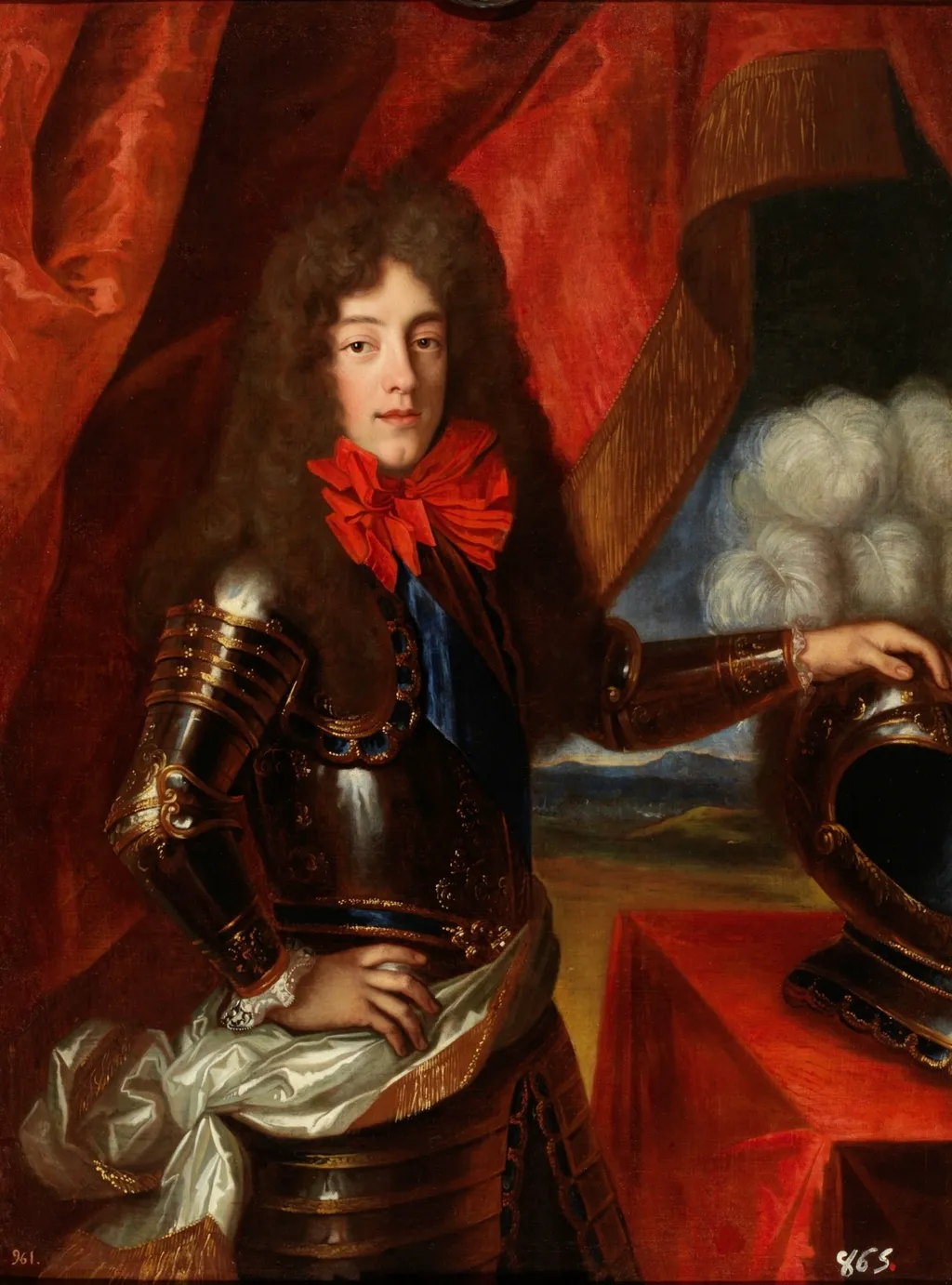
Luis III duque de Borbón is an oil painting by the Rococo painting artist Unknown. It dates from 1693 and is held in the collection of the Museo del Prado. The oil painting depicts a formally dressed aristocrat, identified as Luis III, Duke of Bourbon.
About this work
Subject & Meaning
Rendered in oil on panel, the work captures the sitter’s dignified presence through conventional portraiture, emphasizing authority and lineage.
The painting portrays Louis, Prince of Condé, a prominent figure of the Spanish Bourbon dynasty. Rendered in oil on panel, the work captures the sitter’s dignified presence through conventional portraiture, emphasizing authority and lineage. The composition aligns with 17th‑century portrait conventions, using attire and posture to convey status rather than narrative symbolism.
As part of the Museo del Prado collection, the piece underscores the cultural significance of Bourbon representation in Spanish art.
The iconography reflects the political prominence of the Condé branch within the Spanish monarchy, with the sitter’s gestures and clothing serving as visual affirmations of noble heritage.
Technique & Style
The work is executed in oil paint on a wooden panel, a format documented in the source. It measures 117 by 87.5 in the units specified. The painting depicts Louis, Prince of Condé, and is classified as a portrait within the portrait genre. Its creation in 1685 aligns with the dated record.
History & Provenance
The painting was created in 1685, executed in oil on panel, and depicts Louis, Prince of Condé. It is held in the collection of the Museo del Prado, where it remains located. No further details regarding its commission, prior ownership, or chain of custody are documented in the available sources.
Measured at 117 cm in height and 87.5 cm in width, the work is classified as a portrait and attributed to an anonymous artist.
Overview
The oil painting depicts a formally dressed aristocrat, identified as Luis III, Duke of Bourbon. He is seated upright in an upholstered chair, wearing elaborate red-embroidered attire, a blue sash across his chest, and a full suit of gilded armor. A dark red drapery forms the backdrop, while a secondary, older figure in period wig is faintly visible in shadow behind the duke.
Context
Portraits of high-ranking nobles like the Duke of Bourbon were commonly commissioned to assert status and allegiance within the complex hierarchy of the French court. The elaborate armor and sumptuous clothing reflect contemporary fashions and the martial responsibilities associated with ducal titles during the era.
Artist & collection









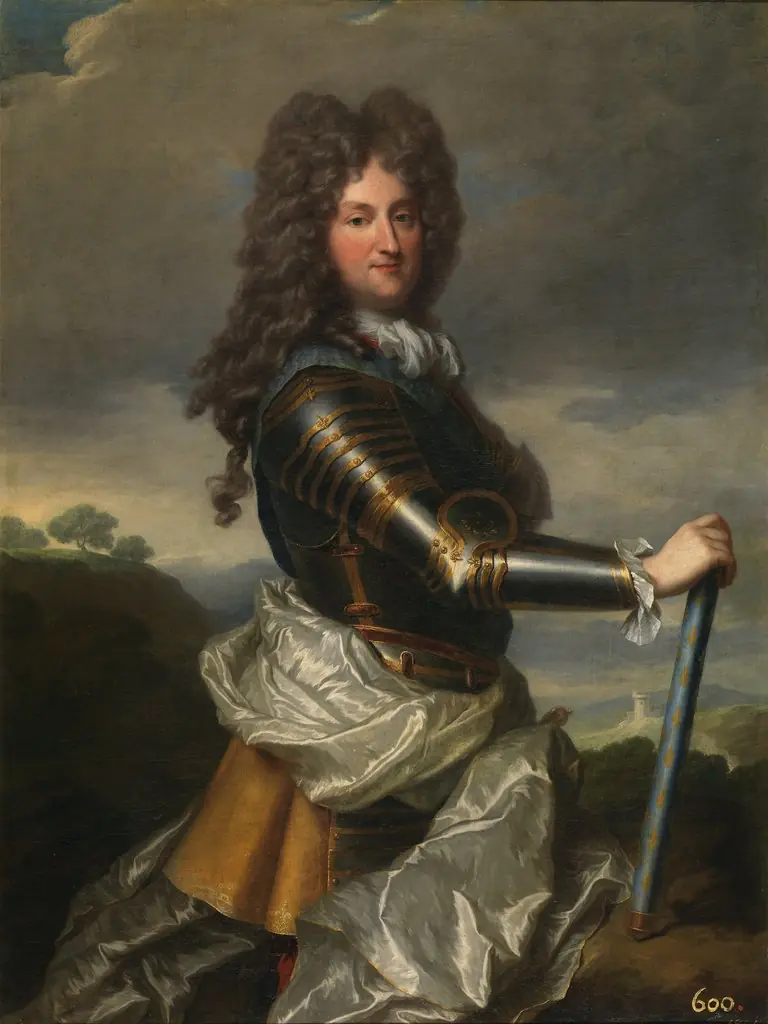
- Felipe de Orléans regente de Francia
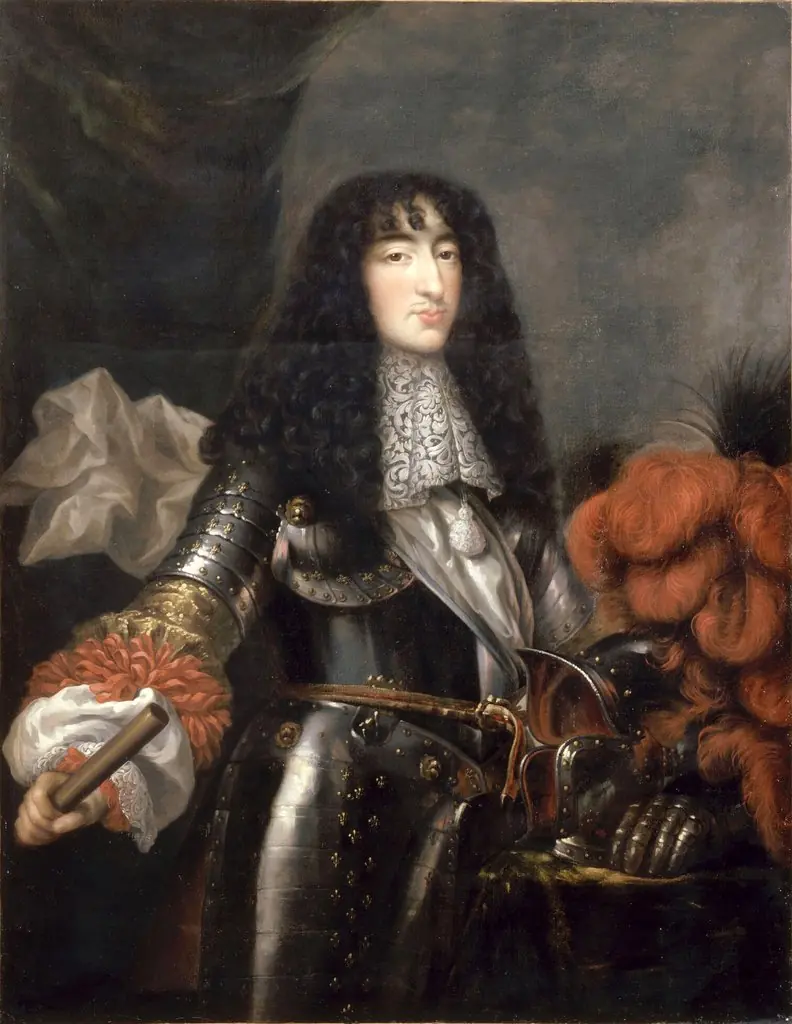 Philippe of France, Duke of Orleans
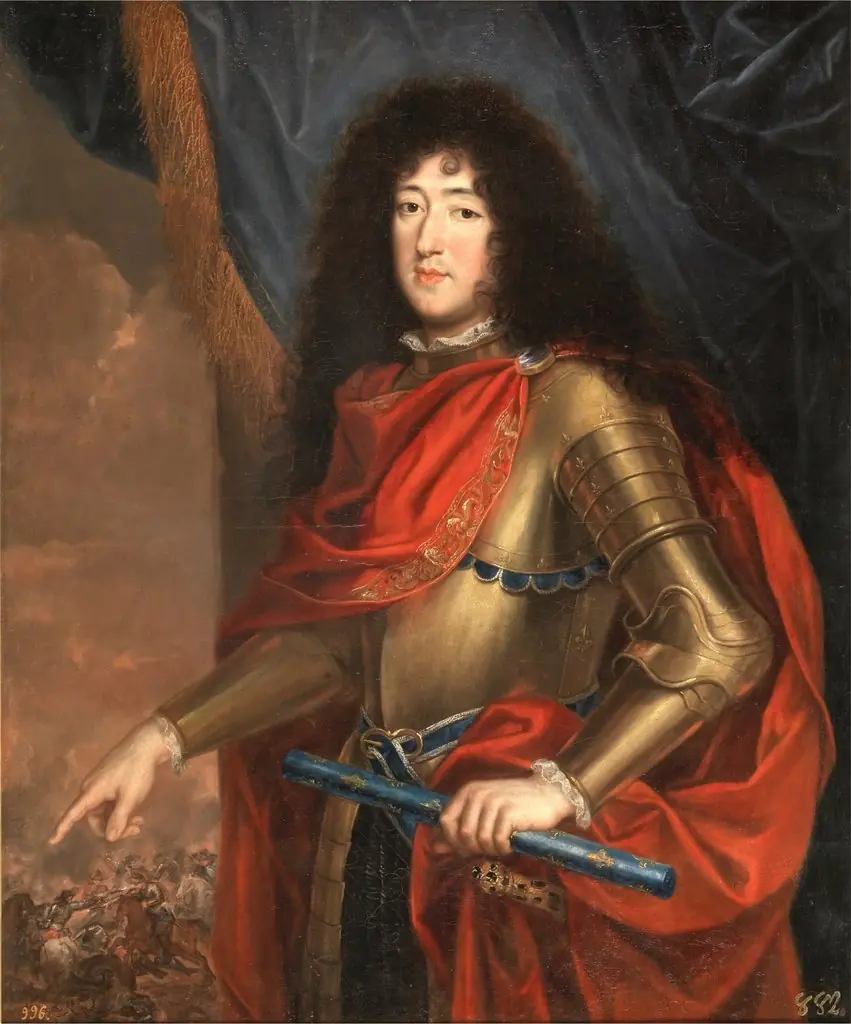 Phillip of France, I Duke of Orléans
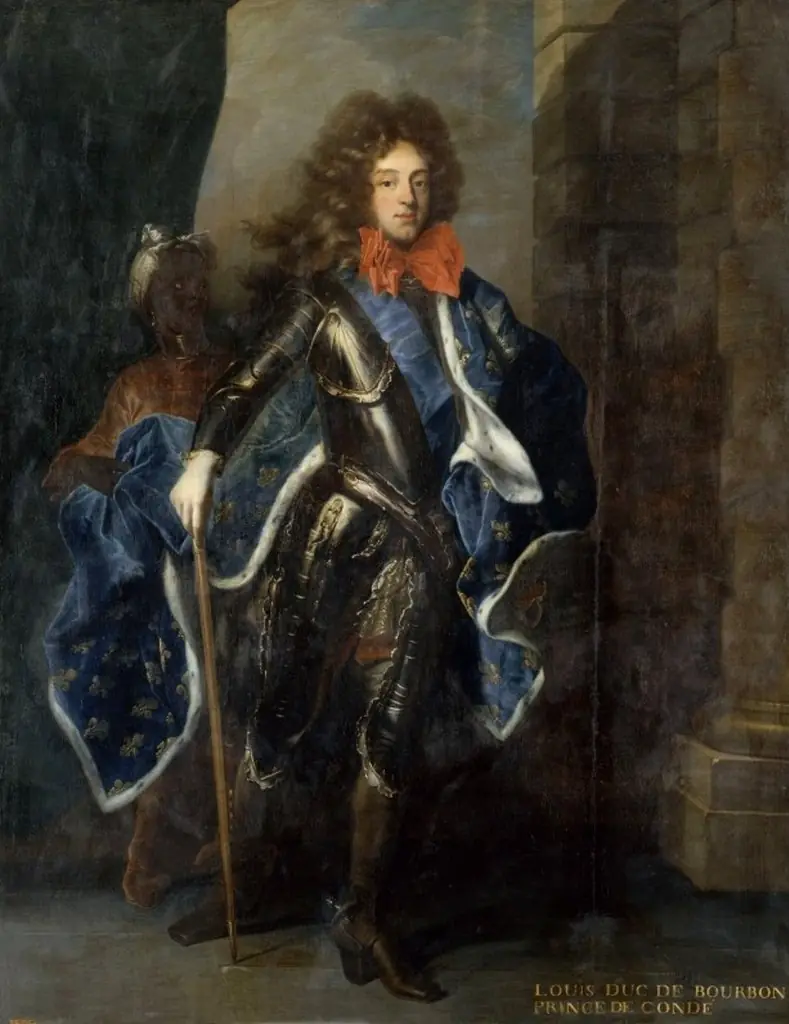 Portrait de Louis III. de Bourbon, prince de Condé (1668–1710)
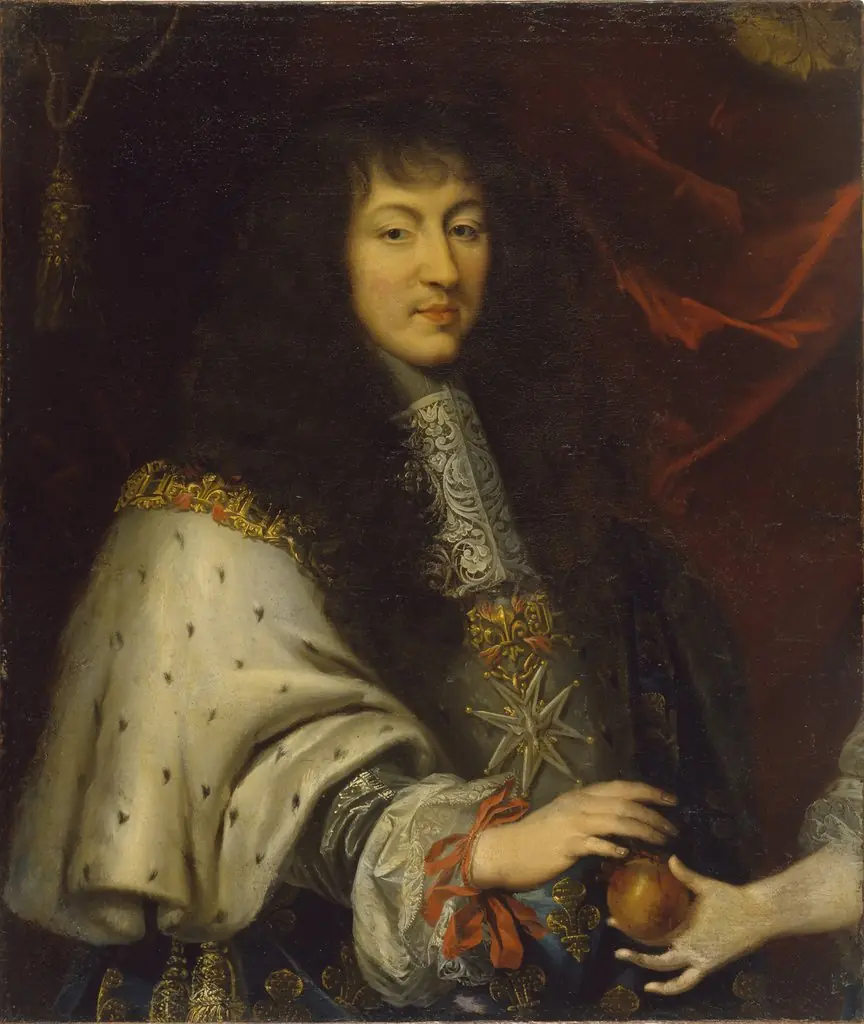 Half-length Portrait of Louis XIV (1638-1715)
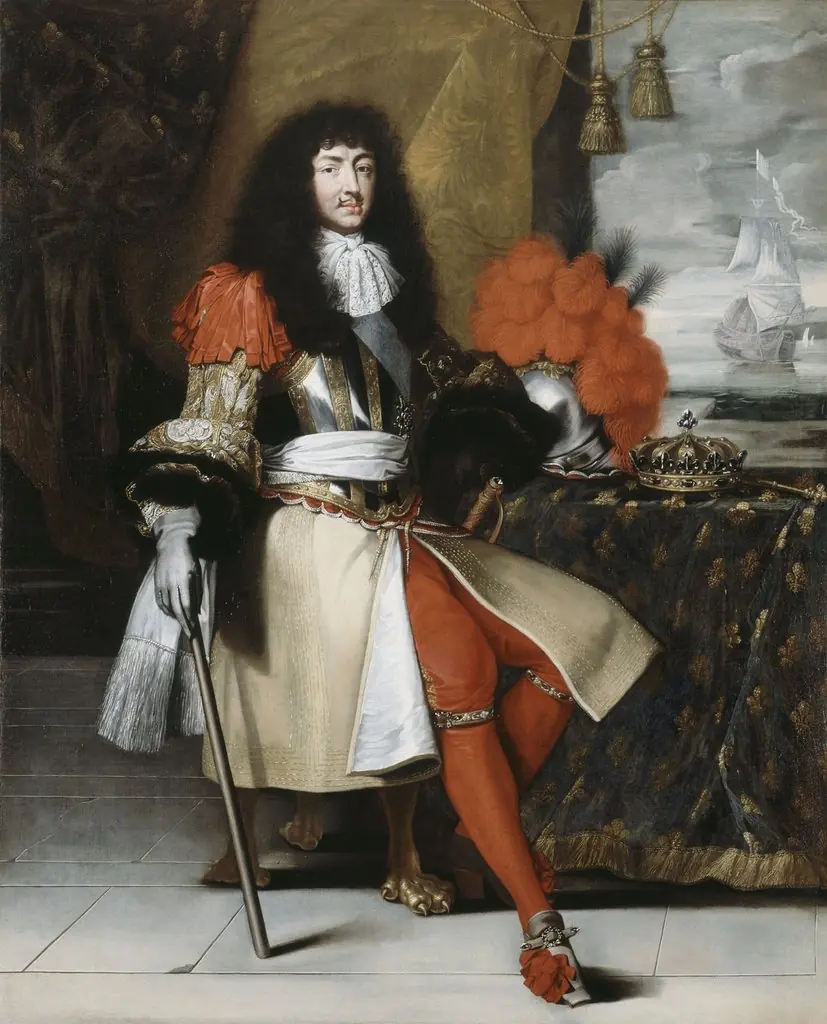 Portrait of Louis XIV of France
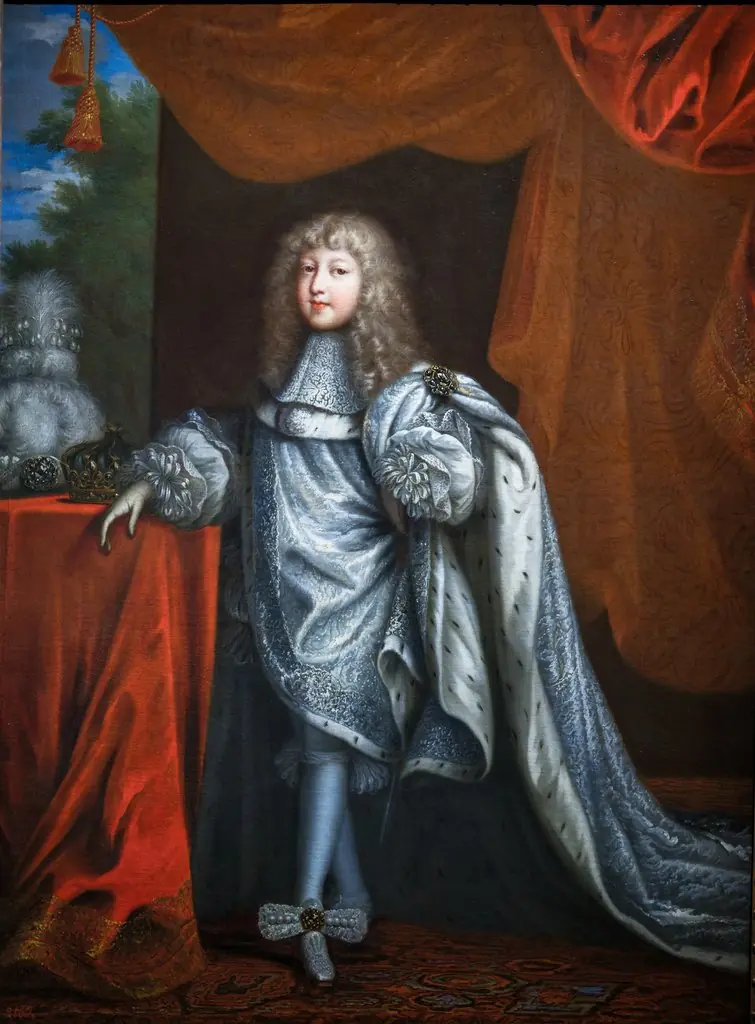 Louis of France, the Grand Dauphin
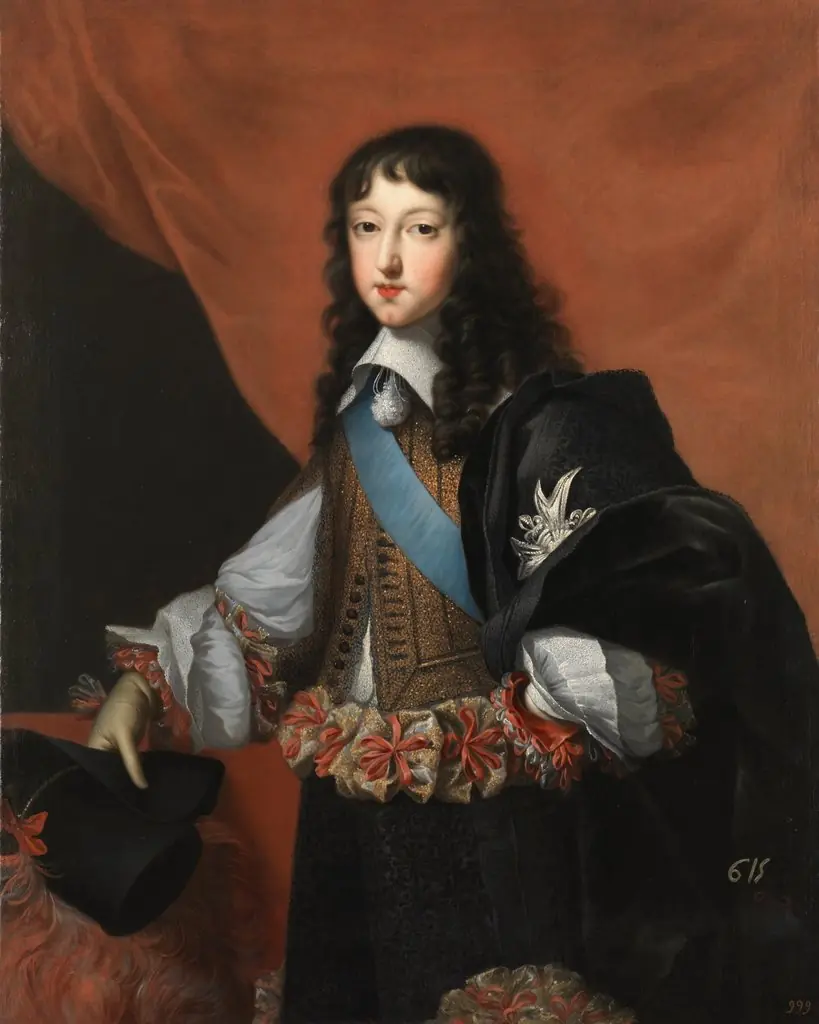 Phillip of France I Duke of Orléans
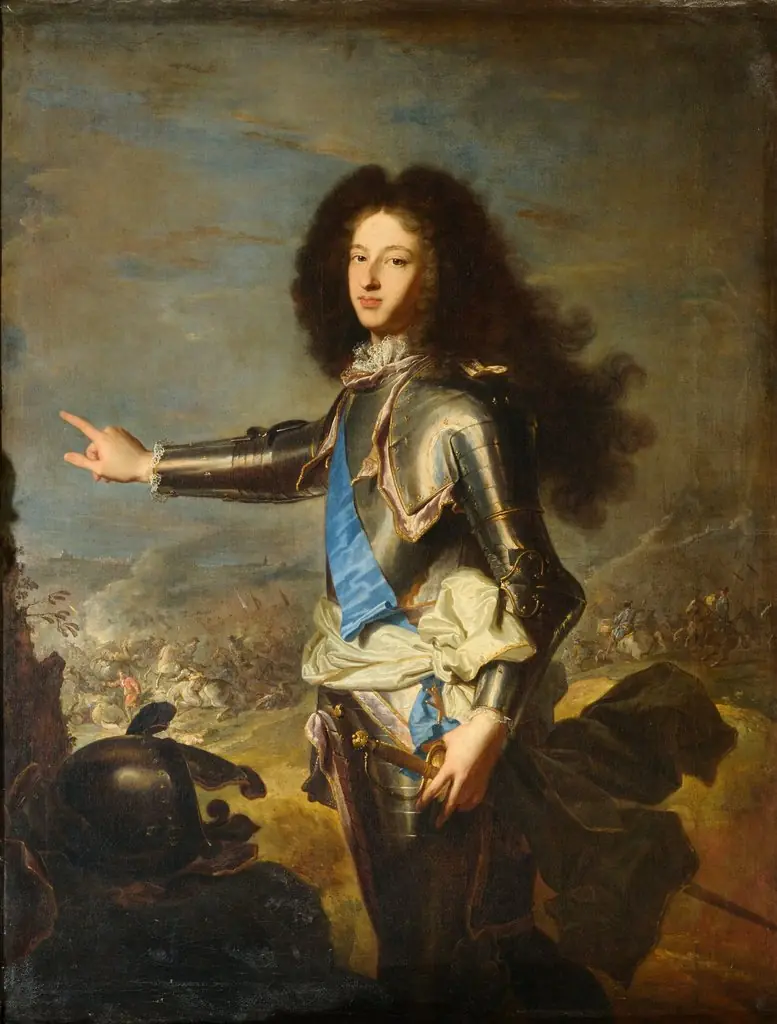 Louis de France, Duke of Burgundy
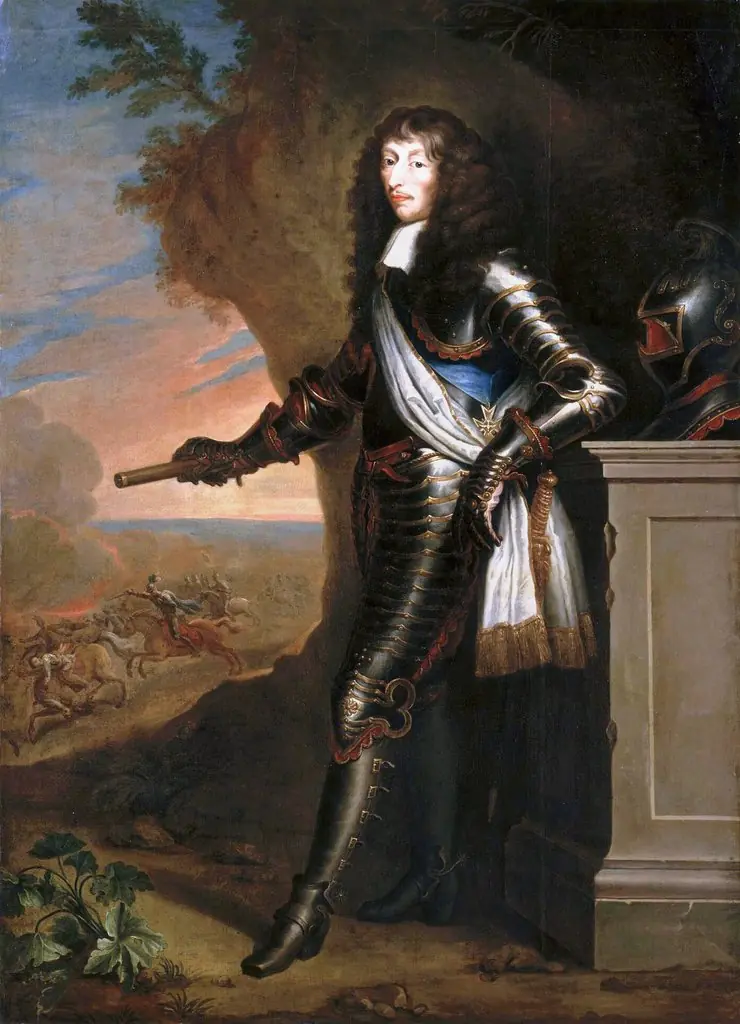 Portrait of Louis de Bourbon, Prince of Condé (1621-1686)
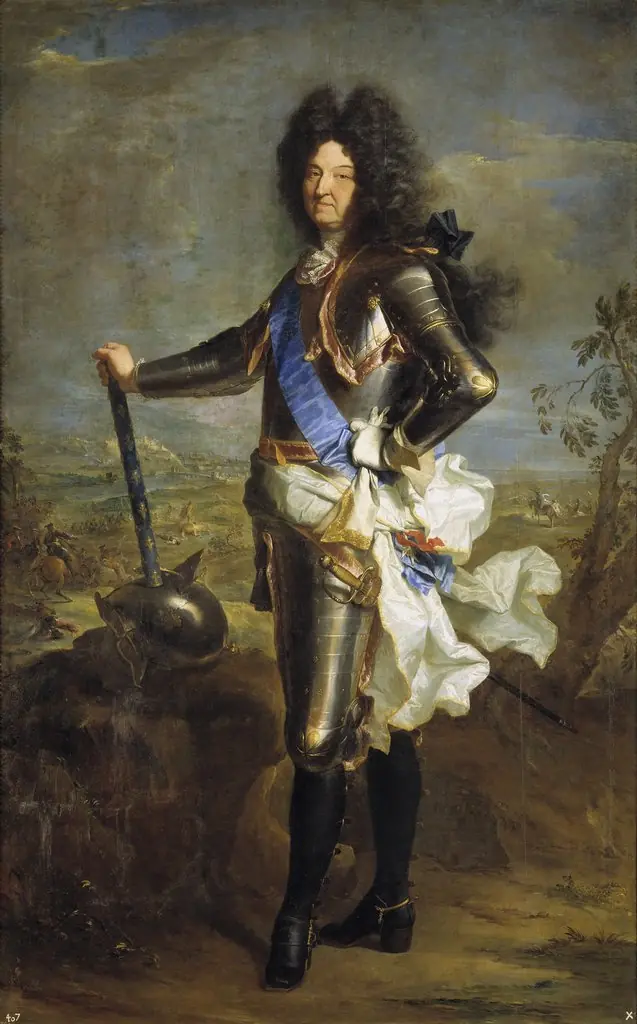 Louis XIV
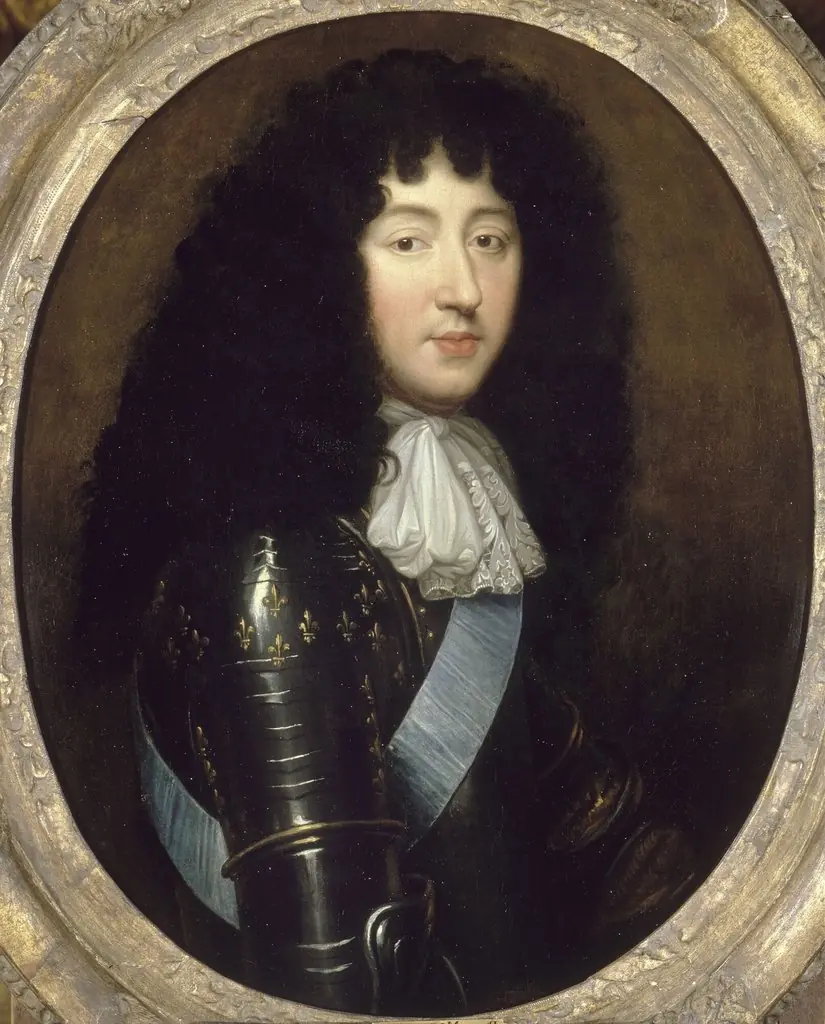 Philippe of France, Duke of Orleans