Artwork
Philippe of France, Duke of Orleans
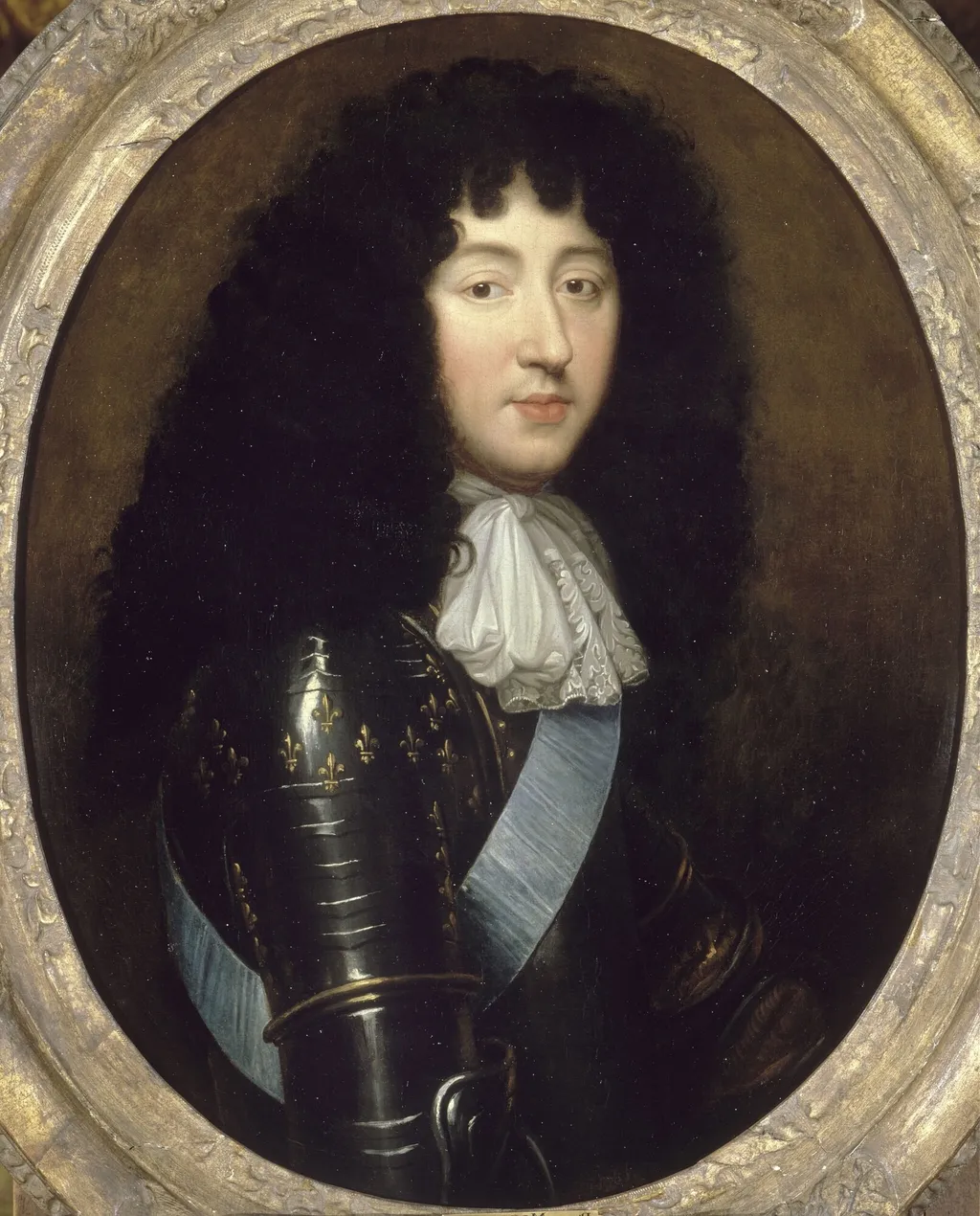
Philippe of France, Duke of Orleans is an oil painting by Pierre Mignard I. It dates from 1662 and is held in the collection of the Palace of Versailles.
About this work
Overview
Philippe of France, Duke of Orleans is an oil-on-canvas portrait by Pierre Mignard I (Troyes 1612, Paris 1695), painted circa the 17th century.
Philippe of France, Duke of Orleans is an oil-on-canvas portrait by Pierre Mignard I (Troyes 1612, Paris 1695), painted circa the 17th century. The work depicts Philippe I, Duke of Orléans (1640-1701), younger son of Louis XIII and Anne of Austria and brother of Louis XIV. Measuring 73 by 58 centimetres according to museum records, or alternatively reported as 105 by 86 centimetres in other sources, the painting is held in the collection of the Museum of the History of France at the Palace of Versailles, where it is inventoried as MV 8368. As a formal court portrait by one of the leading French painters of the age, the work exemplifies the visual culture of aristocratic power under the Bourbon monarchy and contributes to our understanding of how the king's immediate family was presented to posterity.
Subject & Meaning
The sitter is Philippe of France, known at court simply as Monsieur, the traditional style for the younger brother of the reigning king. He is shown wearing a polished armor breastplate decorated with gold fleur-de-lis motifs, a wide white lace cravat, and a pale blue sash draped diagonally across the chest. The fleur-de-lis identifies him unequivocally as a prince of France, while the blue sash signifies his membership in the Order of the Holy Spirit, the highest chivalric order of the French crown. A dark helmet rests at the lower edge of the composition, reinforcing the martial theme. The long, dark, curling hair that falls past his shoulders was characteristic of aristocratic fashion of the period and contributed to an impression of cultivated status. The bust-length format, the muted dark-brown background devoid of setting, and the sitter's measured forward gaze all direct attention toward the symbolic attributes of rank. The armor is ceremonial rather than practical, its polished surface reflecting light to highlight the subject's position as a figure of power and military significance without suggesting actual battlefield engagement. The overall effect is of a carefully constructed persona embodying ideals of nobility, military prowess, and dynastic authority within the conventions of French court portraiture.
Technique & Style
Mignard executed the portrait in oil on canvas, working with a smooth and controlled brushwork that pays careful attention to the sheen of metal and the delicate texture of lace. Light falls from the left, illuminating the face, cravat, and the reflective surfaces of the armor, while the palette is dominated by blacks, deep browns, silvery blues, and the white of the cravat. The restrained emotional expression and formal pose are consistent with the conventions of Baroque court portraiture, where dignity and authority took precedence over psychological intimacy. The oval format, contained within an ornate carved frame with a silvered or gilded finish, was a common presentation mode for elite portraits of this era. The polished finish and meticulous rendering of textures, from the metallic reflections to the intricate lace, demonstrate Mignard's technical mastery and his ability to convey material luxury as a marker of social standing.
History & Provenance
The painting's provenance includes the Royal Collection, where it was documented at the Palacio Real Nuevo in Madrid in 1747, listed among the pinturas modernas in the primera alcoba as number 401. It subsequently entered the collection of the Museum of Museum of the History of France at the Palace of Versailles, where it remains today. The work is inventoried as MV 8368 and is credited to Mignard by the Joconde database of the French Ministry of Culture. No extensive exhibition history is recorded for this specific canvas. The portrait forms part of a broader series of royal portraits linked to the dynasty of Maria Luisa of Orléans, reflecting its role in dynastic commemoration and marriage diplomacy.
Context
Pierre Mignard was one of the preeminent portraitists of the French Baroque, rivalling Charles Le Brun for royal favour and eventually succeeding him as Premier peintre du Roi in 1690. Mignard's court portraits played a significant role in constructing and disseminating the image of the Bourbon dynasty both within France and internationally. The portrait of Philippe of France belongs to this official production, though it is distinct from the large-scale equestrian portrait of Philippe's son, Philippe II, Duke of Orléans, which Mignard painted in 1693 and which hangs in the Oeil-de-boeuf at Versailles. That later equestrian work, measuring 300 by 261 centimetres, employed a Roman disguise and classical equestrian typology originally reserved for the king, a privilege Louis XIV granted specifically for his nephew. The existence of workshop variants and the Madrid provenance of the bust-length portrait indicate the international circulation of Mignard's imagery and the demand for representations of the French royal family across European courts.
Legacy
The portrait continues to serve as a key visual document for understanding the representation of the French royal family in the age of Louis XIV. Its presence in the collections at Versailles ensures its accessibility to scholars and the public, while its reproduction and dissemination through museum databases and photographic archives has extended its reach beyond the physical gallery. The work stands alongside Mignard's other portraits of the Orléans family in illustrating how painting functioned as an instrument of dynastic politics, creating and preserving the image of a cadet branch of the Bourbon house that would itself produce a regent of France. The ceremonial armor, the Order of the Holy Spirit, and the fleur-de-lis motifs all remain legible symbols of the institutional and hereditary power that the portrait was designed to proclaim.
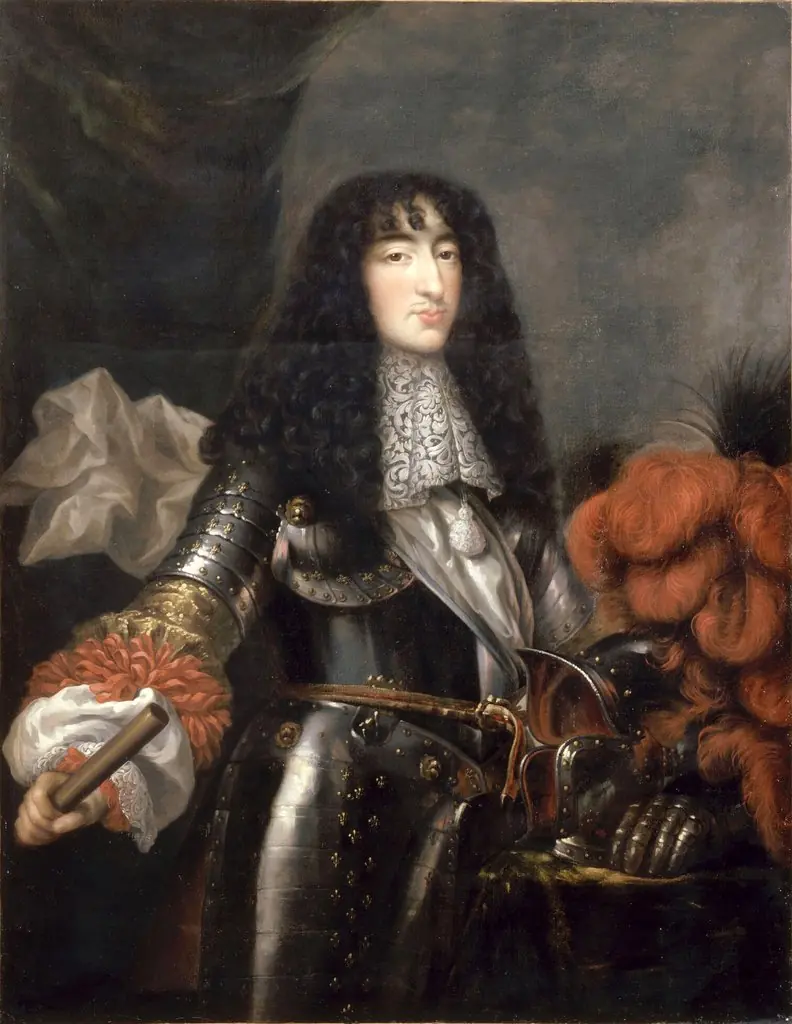
Own this work as a print
Artist & collection
Artist
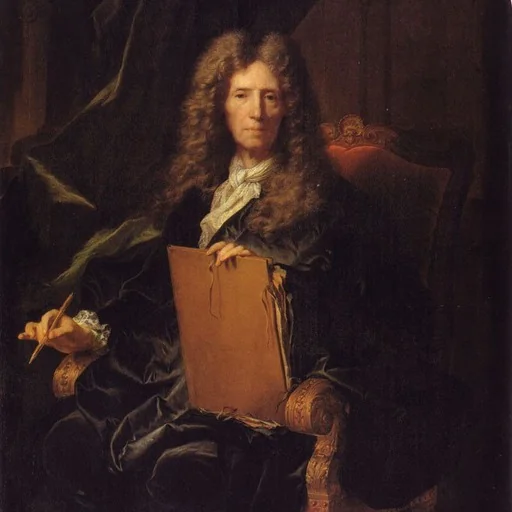
Pierre Mignard or Pierre Mignard I (French pronunciation:; 17 November 1612 – 30 May 1695), called "Mignard le Romain" to distinguish him from his brother Nicolas Mignard, was a French painter known for his religious and mythological…

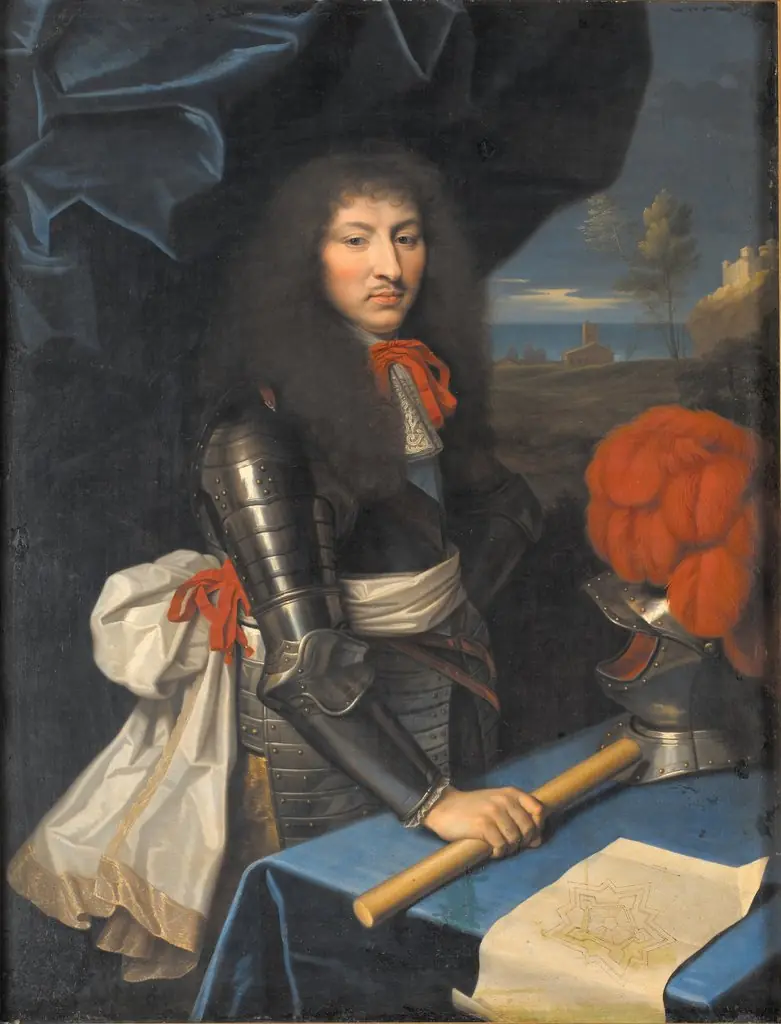
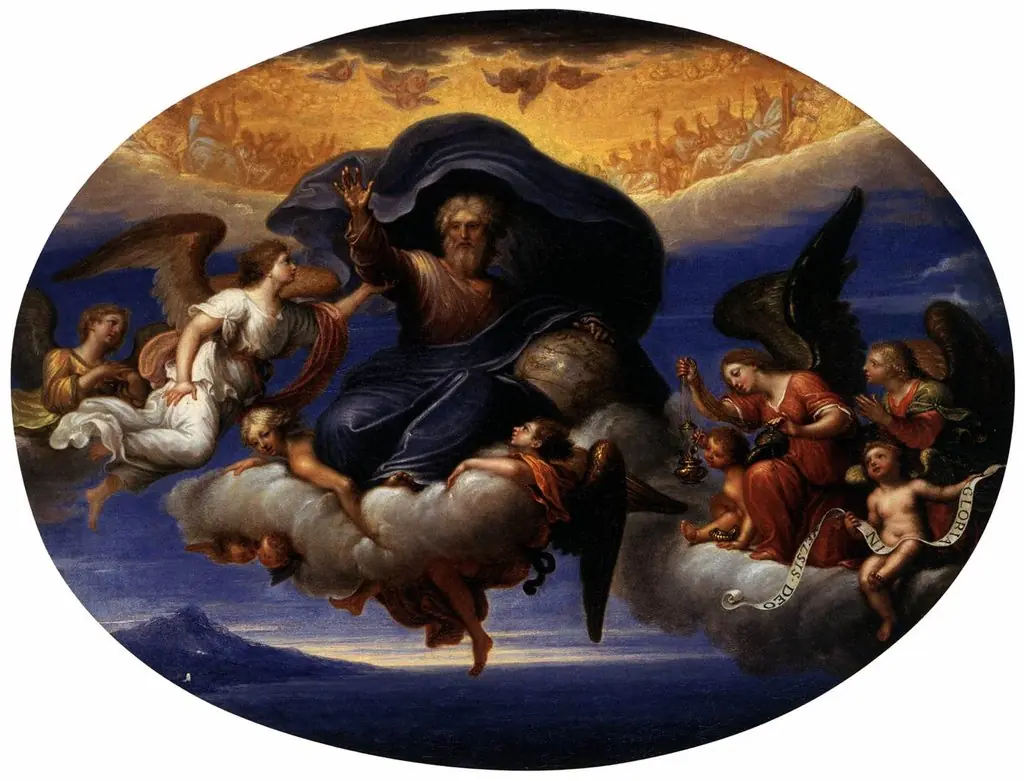
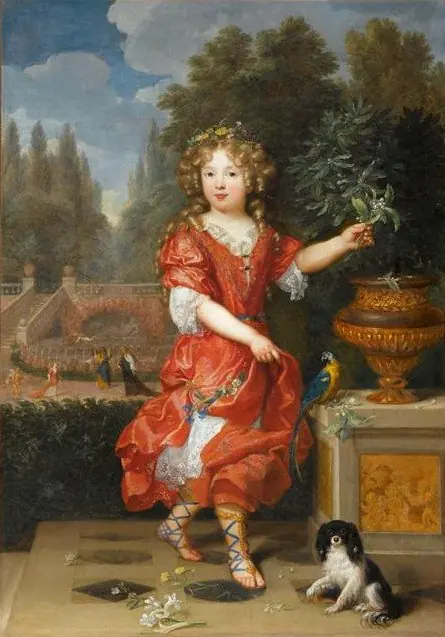
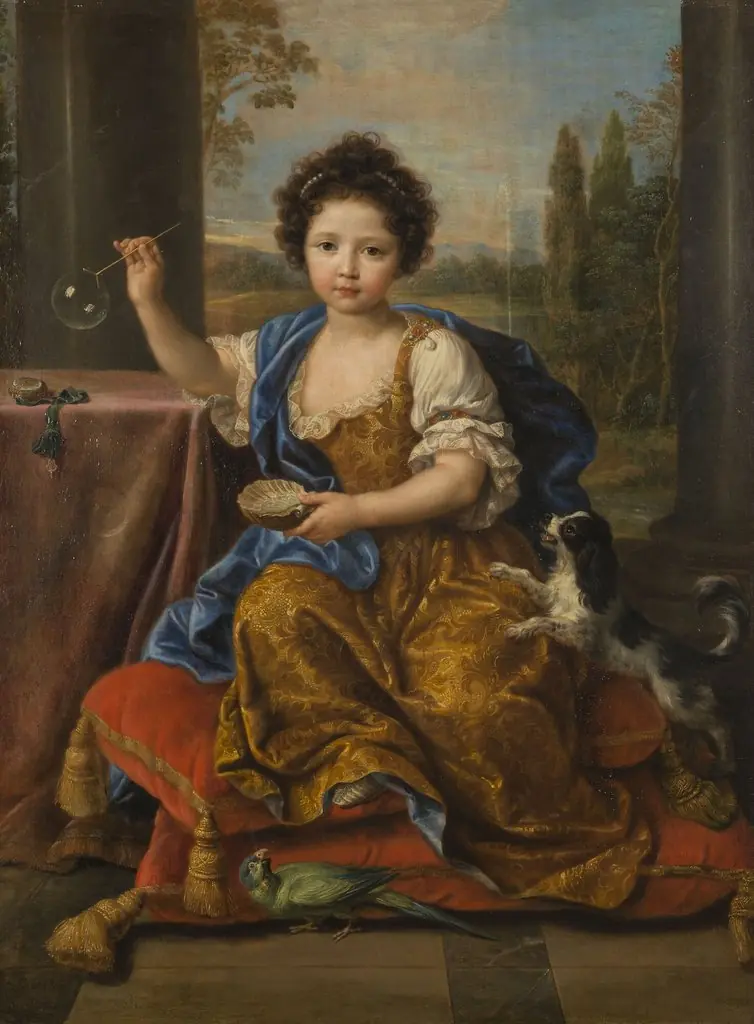
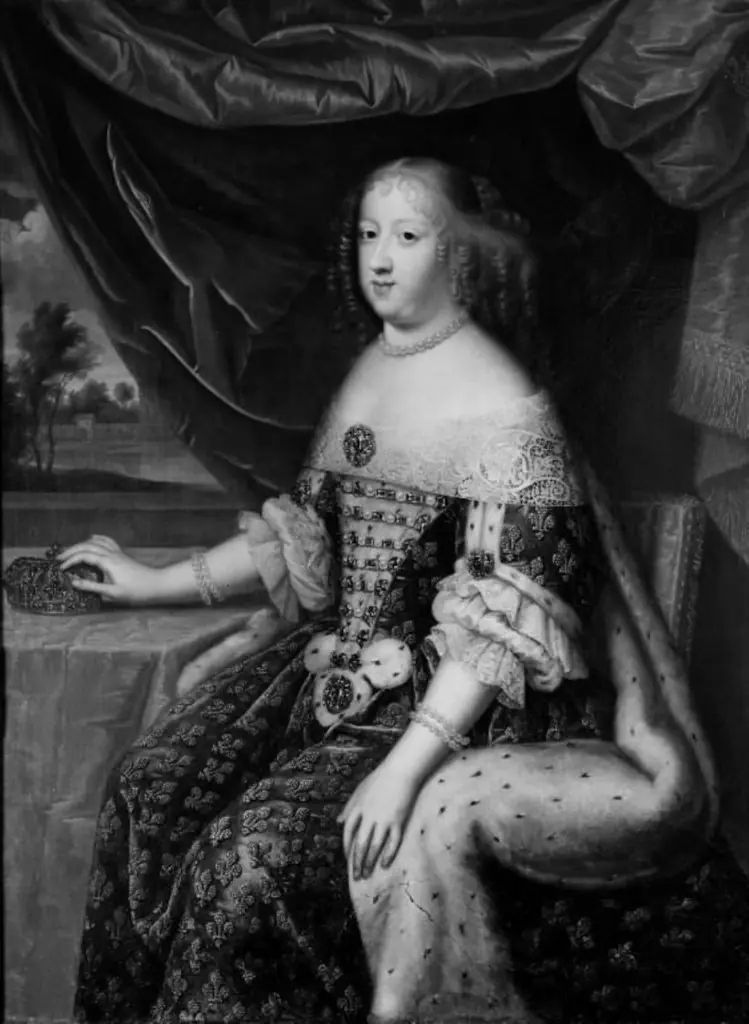
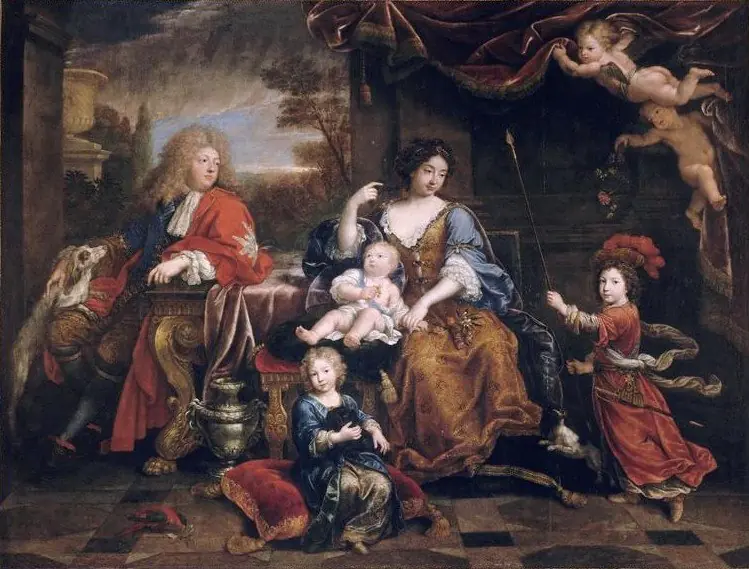
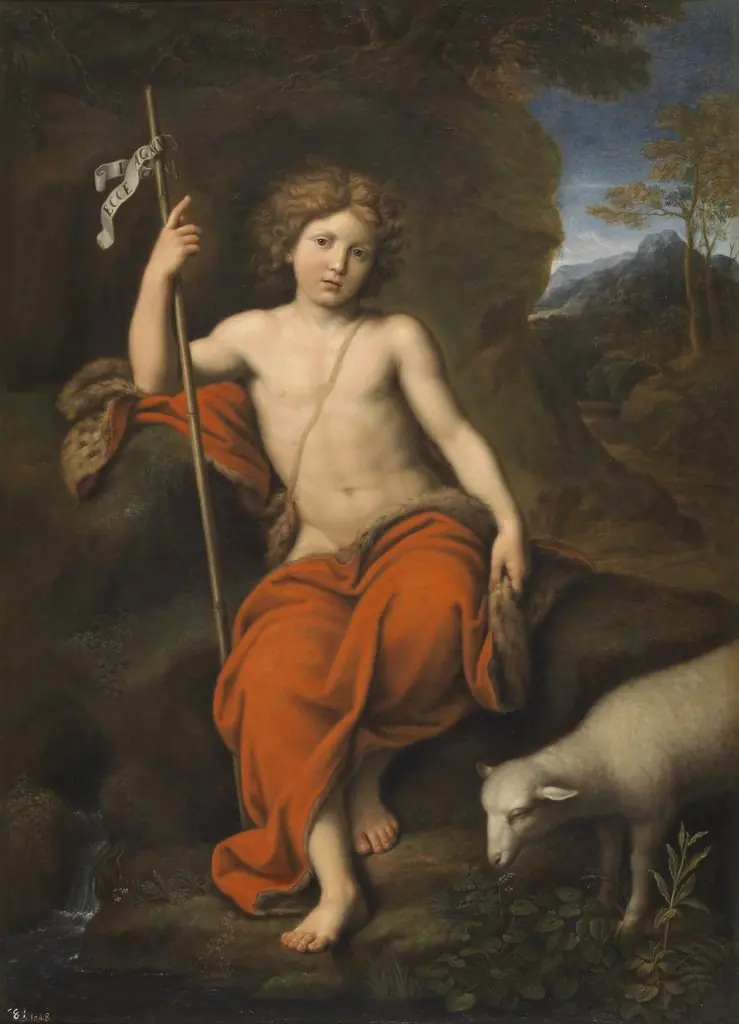
- Philippe of France, Duke of Orleans
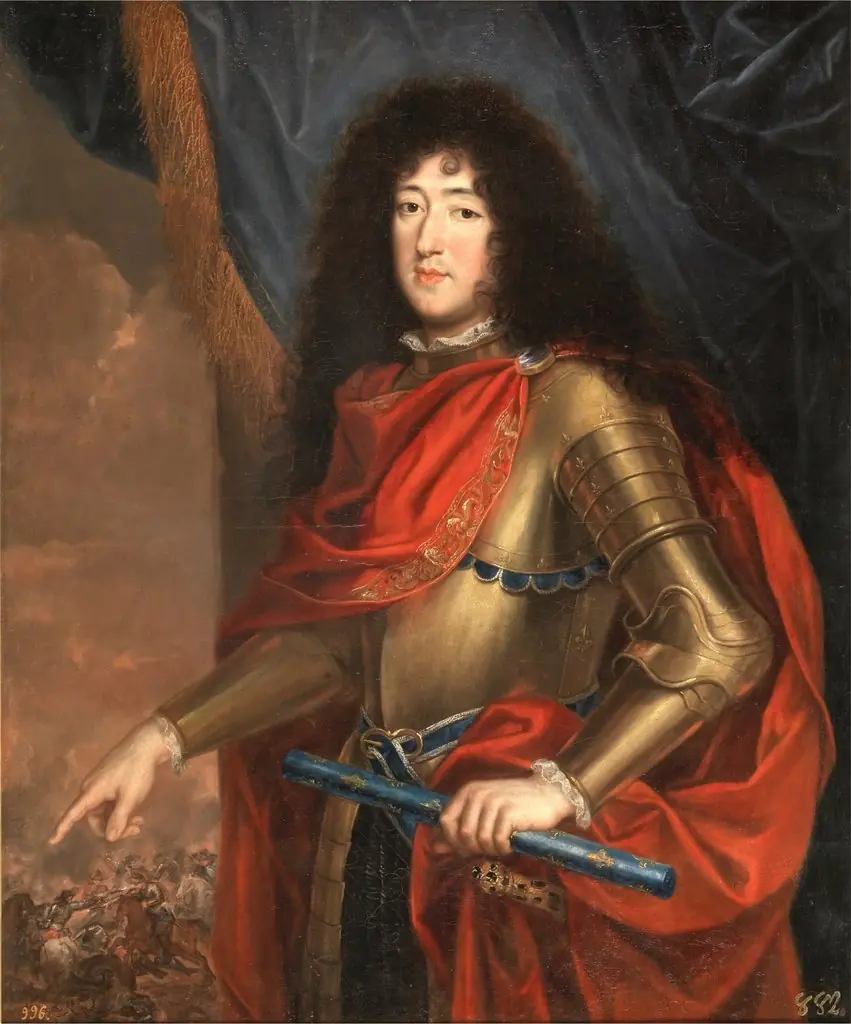 Phillip of France, I Duke of Orléans
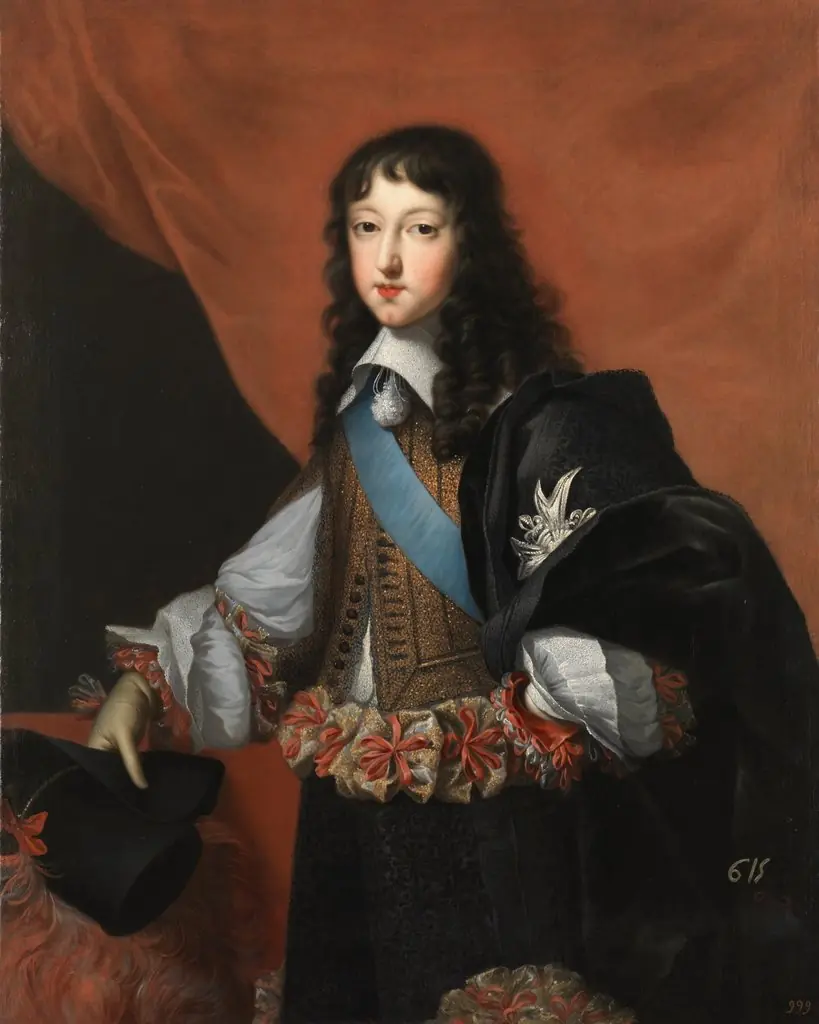 Phillip of France I Duke of Orléans
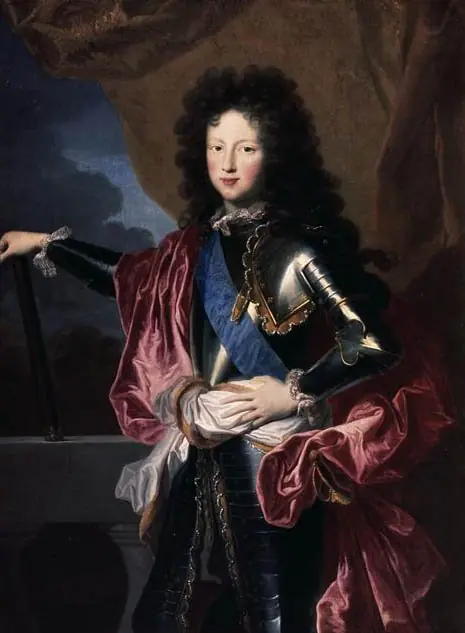 Portrait of Philippe II of Orléans (1674–1723), future regent of France
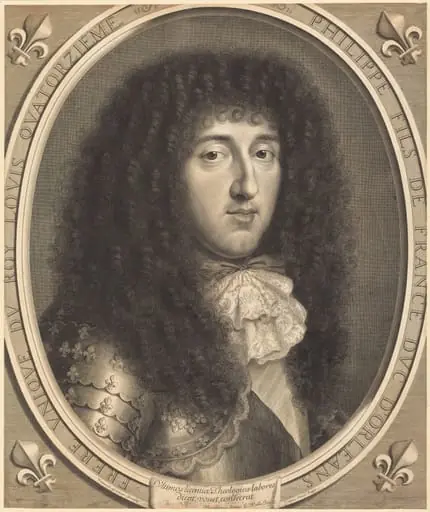 Philippe, Duc d'Orléans
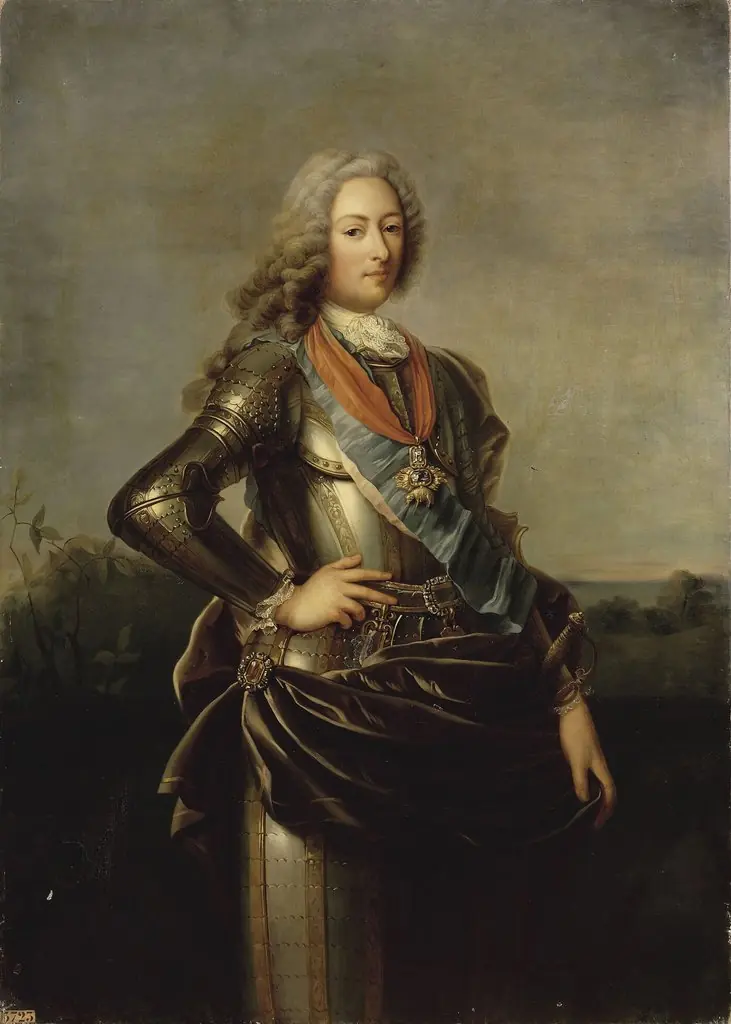 Louis of Orleans, Duke of Orleans
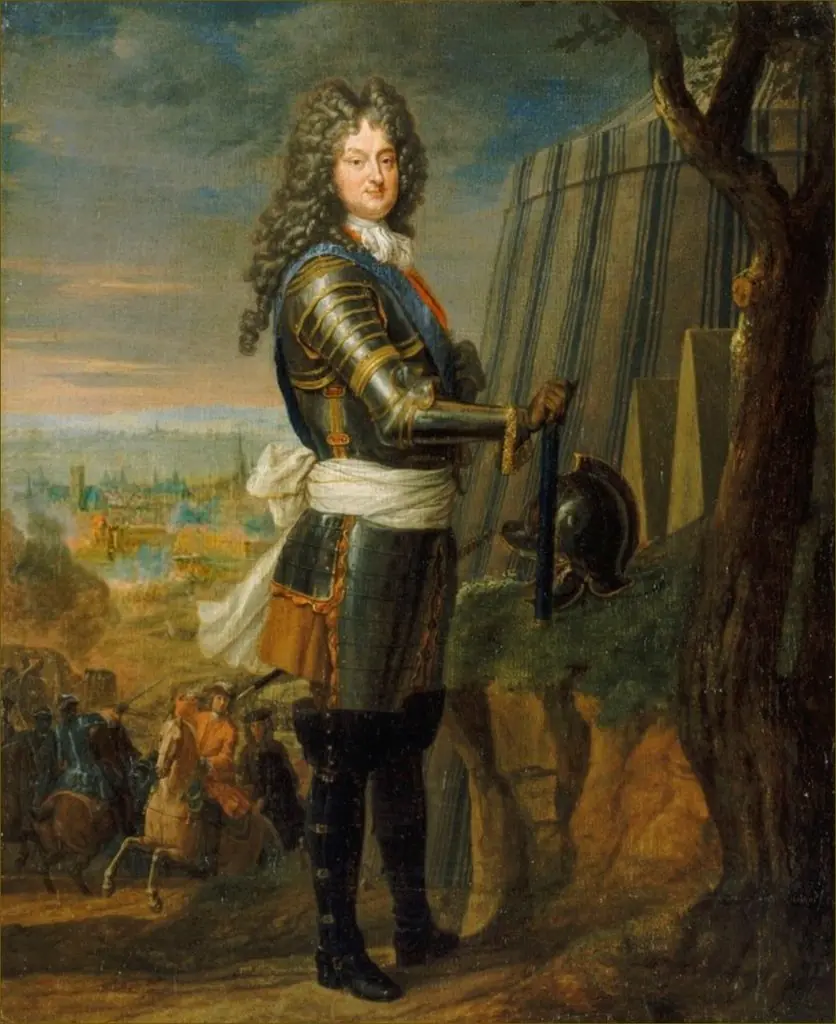 The Régent of France, Philippe d'Orléans (1674-1723)
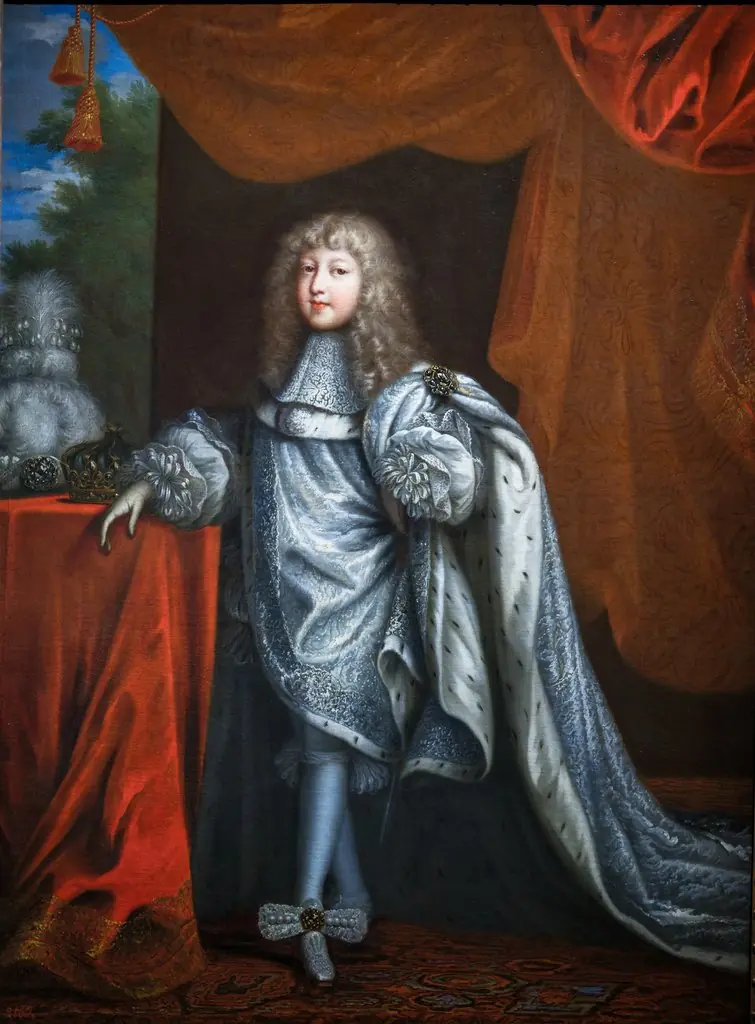 Louis of France, the Grand Dauphin