Artwork
Window
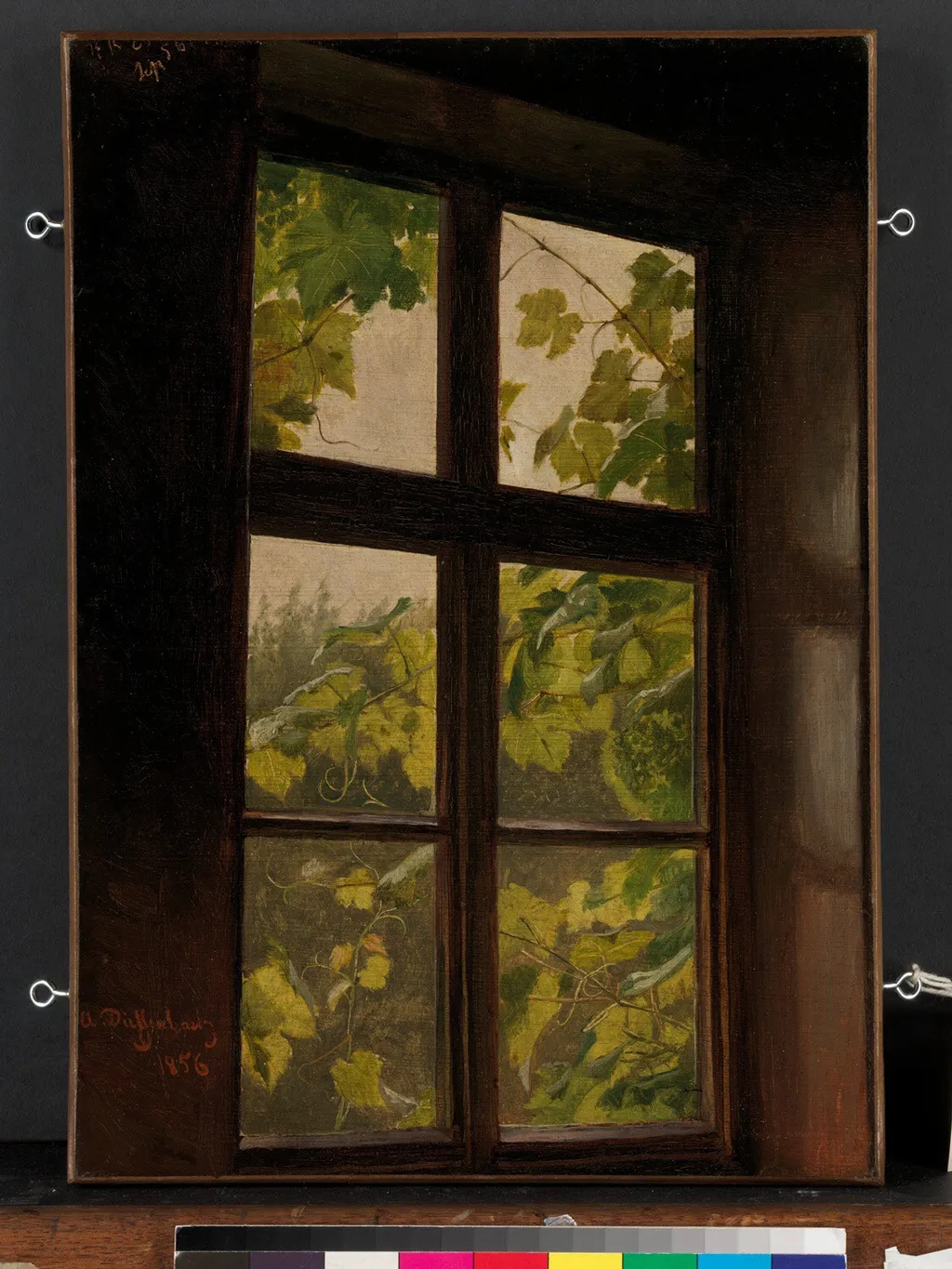
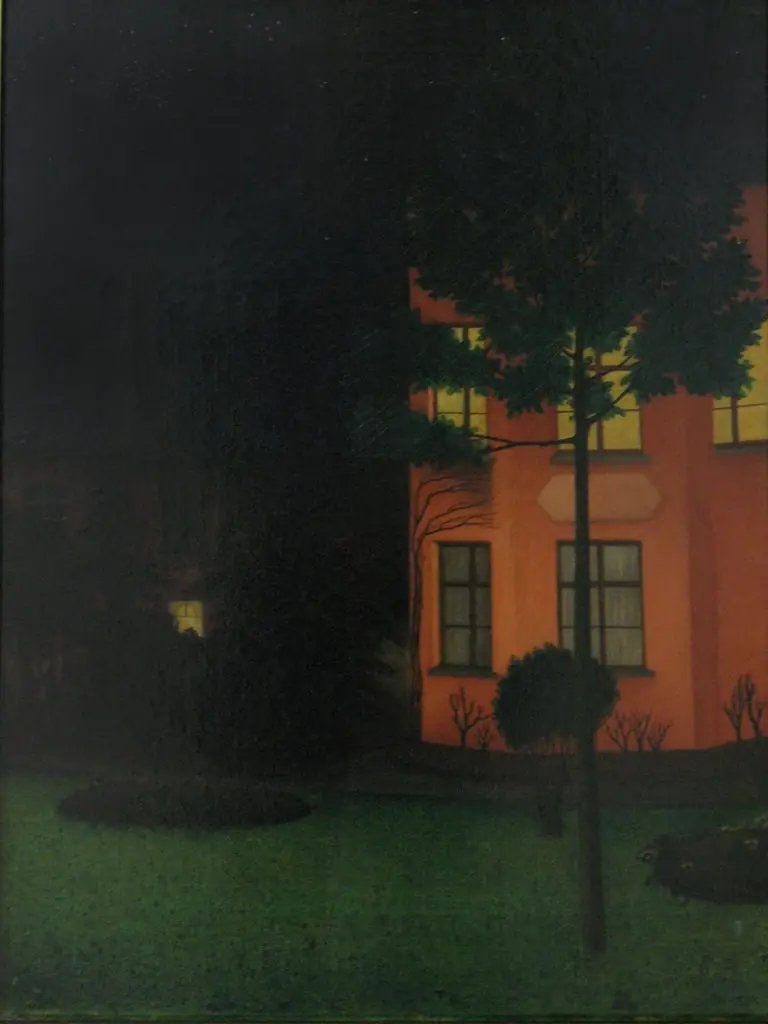
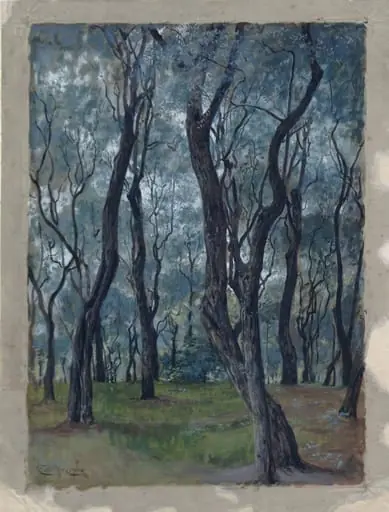
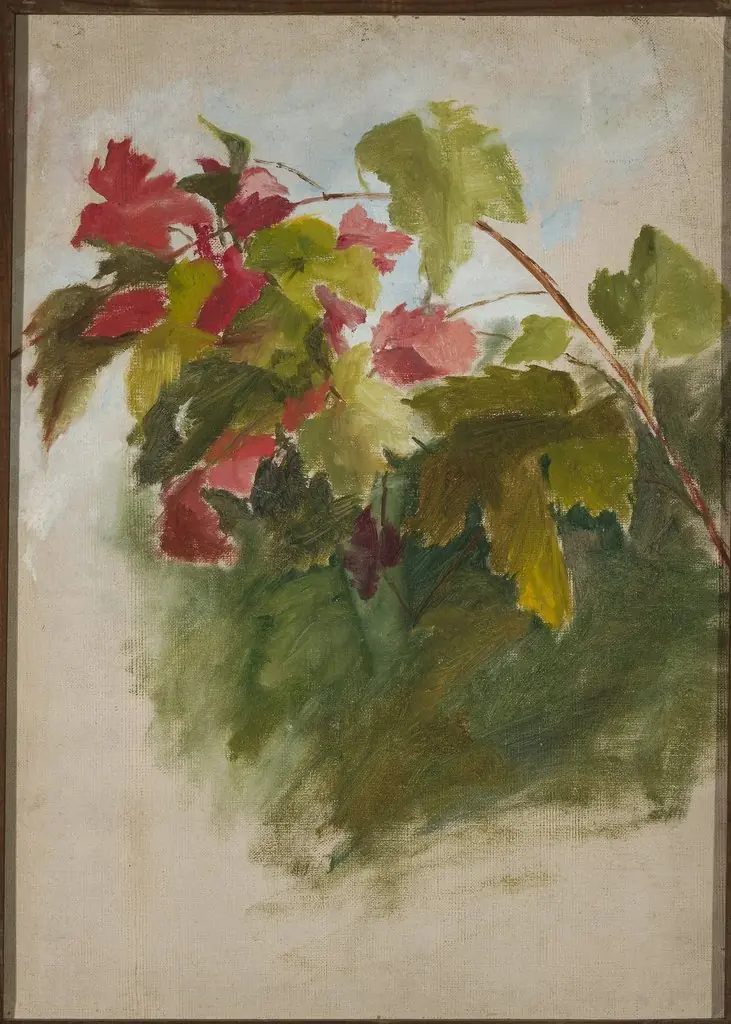
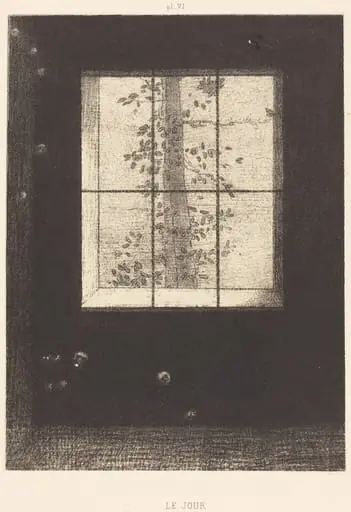
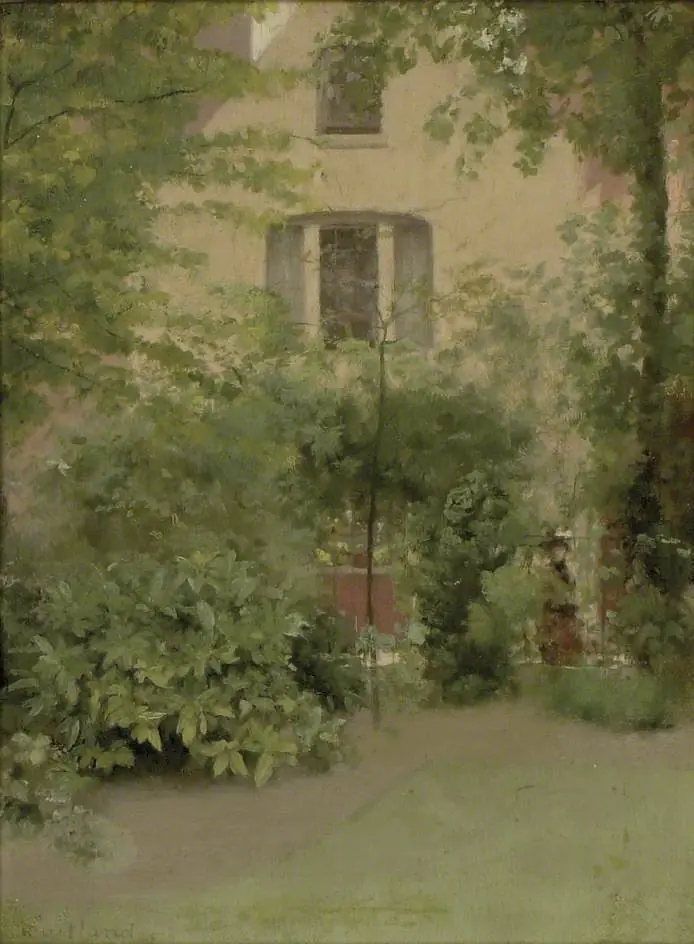
Window is an unspecified painting by the Biedermeier artist Anton Dieffenbach. It dates from 1856 and is held in the collection of the Metropolitan Museum of Art.
About this work
Each square looks like it’s framed by a window pane, with green and yellow leaves on a neutral background.
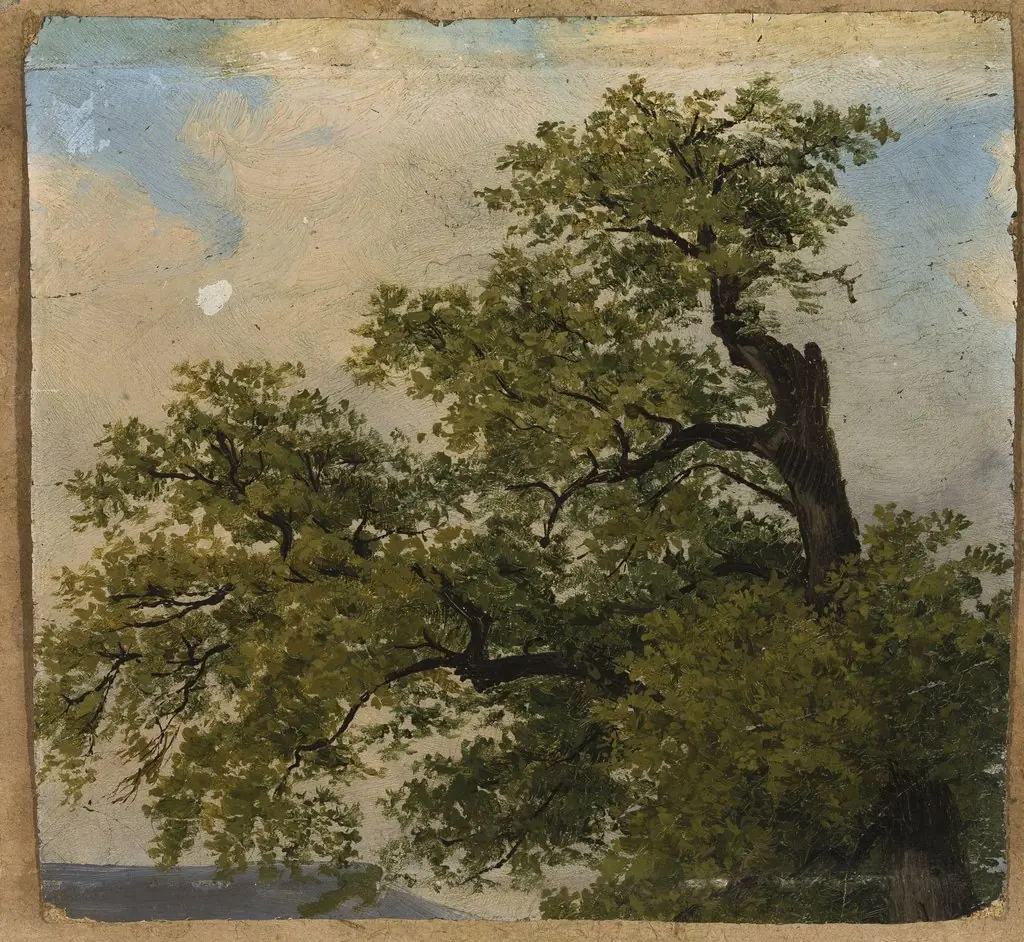
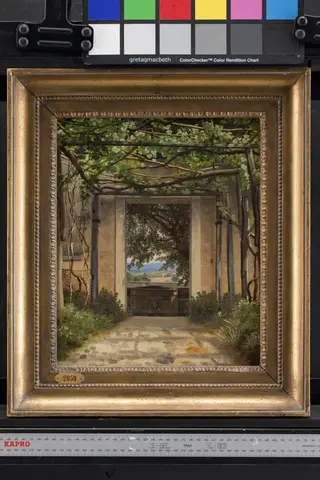
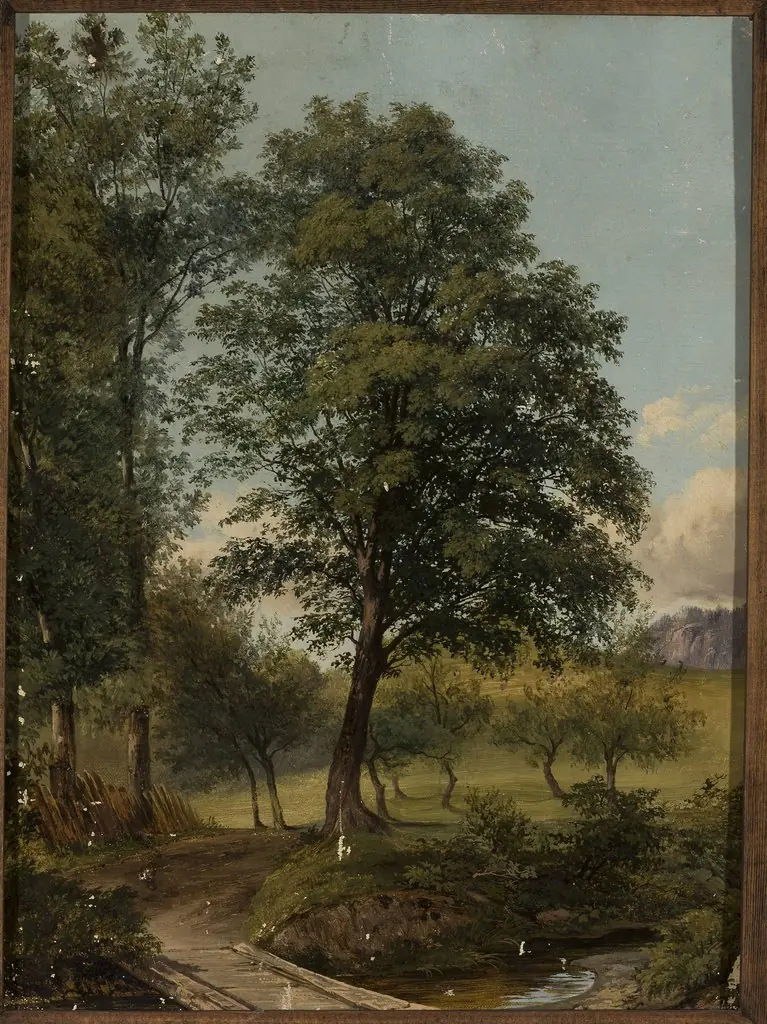
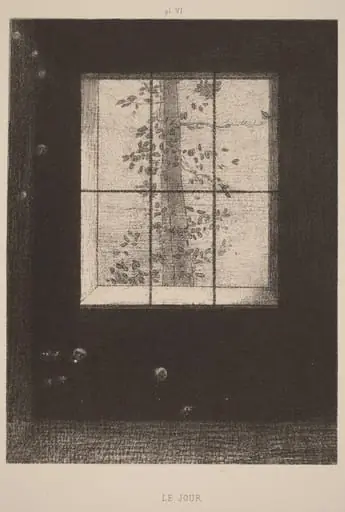
This painting shows six small scenes of leaves and branches arranged in two rows of three. Each square looks like it’s framed by a window pane, with green and yellow leaves on a neutral background. The colors are soft, and the brushstrokes are light and quick, almost like sketches.
The artist signed it in the corner with the year 1856. The leaves change slightly from one square to the next, but they all feel like they’re seen through glass.
Next, check out window paintings to see how artists use them as a quiet way to show nature.
Subject & Meaning
The painting depicts a single architectural window, serving as the primary and sole subject of the composition. Created by Anton Dieffenbach in 1856, the work focuses entirely on this structural element without including additional figures or narrative scenes. The title explicitly identifies the object portrayed, establishing the window as the central iconographic feature of the piece.
While the specific symbolism or deeper representational meaning is not detailed in the available records, the work is defined by its direct representation of the window itself.
Technique & Style
Created in 1856 by Anton Dieffenbach, Window is an oil painting executed on a canvas support. The work depicts a window, reflecting the artist's focus on architectural interior subjects. Physically, the painting measures 36.5 cm in height and 25.1 cm in width.
It is currently held in the collection of the Metropolitan Museum of Art. The piece is classified as a painting from the mid-19th century.
History & Provenance
The painting was created in 1856 by Anton Dieffenbach, as documented in primary records and the work's entry in the Metropolitan Museum of Art collection. It was commissioned as an independent artwork rather than as part of a larger series or decorative scheme. The painting remains in the Metropolitan Museum of Art, where it has been housed since its acquisition, forming part of the museum's permanent collection of 19th-century European works.
Measured at 36.5 cm in height and 25.1 cm in width, the work depicts a simple interior with a window, reflecting Dieffenbach's interest in domestic genre scenes. Its provenance is straightforward, with no evidence of private ownership prior to institutional acquisition, and it was likely commissioned directly by the artist or through a commercial channel common for independent painters of the period in Germany.
Window is held in the collection of the Metropolitan Museum of Art, where it is catalogued under accession or inventory number 32902. The work was created in 1856 by Anton Dieffenbach and has been part of the museum's holdings since its acquisition. It was included in the exhibition "Nineteenth-Century American Painting" at the Metropolitan Museum of Art, which ran from January 15, 2005, to March 27, 2005.
Overview
Anton Dieffenbach’s 1856 oil painting Window presents a series of six miniature botanical studies arranged in two rows of three. Each vignette is bounded by a thin, pane‑like frame, suggesting the view through a window. The composition is rendered in muted greens and yellows against a neutral ground, with swift, sketch‑like brushwork that emphasizes immediacy over detail.
Context
During the mid‑19th century, German Biedermeier painters often used windows as a compositional device to frame interior or exterior vistas, symbolizing a private, contemplative space. Dieffenbach’s Window follows this tradition, employing the window motif not to depict a room but to present a series of natural studies within a domestic frame.
Artist & collection

Artist
Anton Heinrich Dieffenbach (4 February 1831 – 29 November 1914) was a German landscape and genre painter; noted for his portrayals of children.