Artwork
Die Heilige Familie
Die Heilige Familie is an unspecified painting by the Rococo painting artist Anton Joseph von Prenner. It dates from 1722 and is held in the collection of the Bavarian State Painting Collections.
About this work
Subject & Meaning
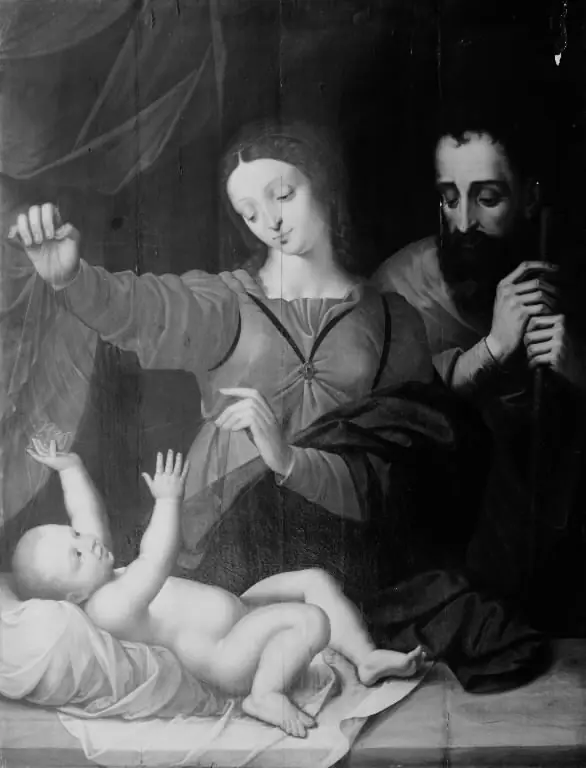
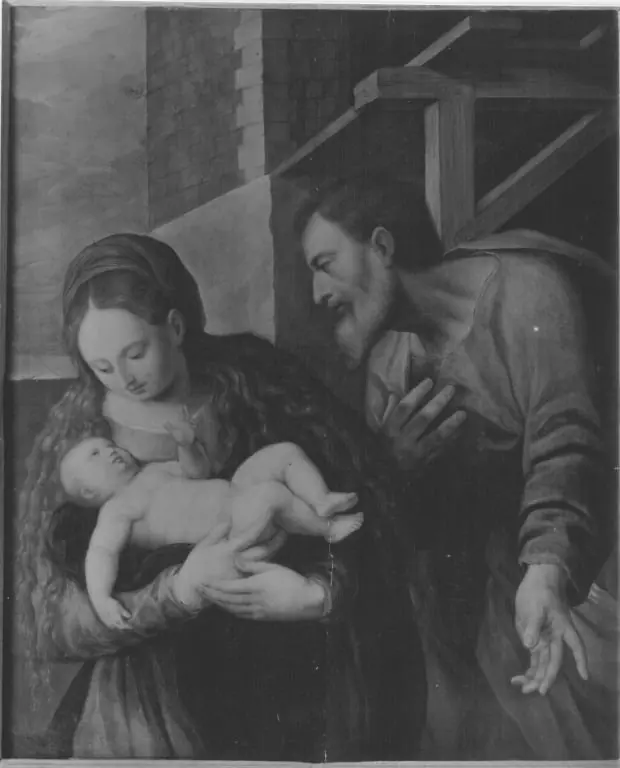
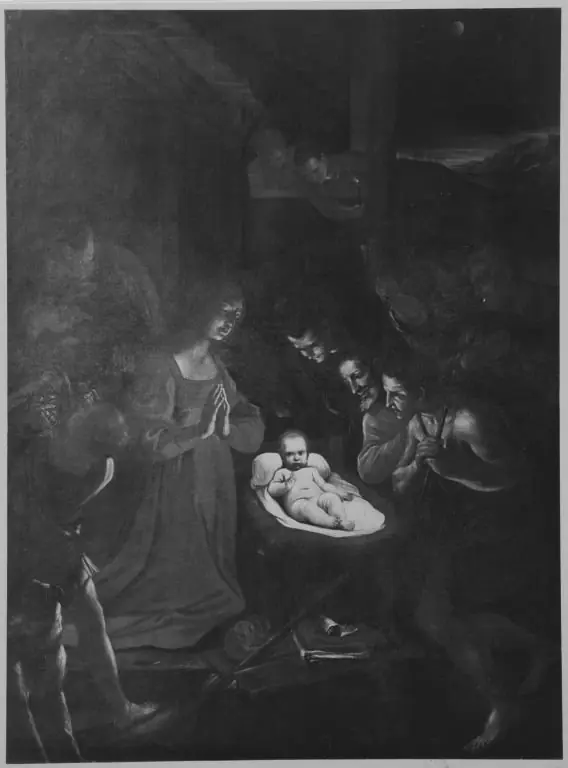
Mary is shown seated, holding the Christ Child on her lap, while Joseph stands at left holding a lily, a traditional symbol of purity and innocence.
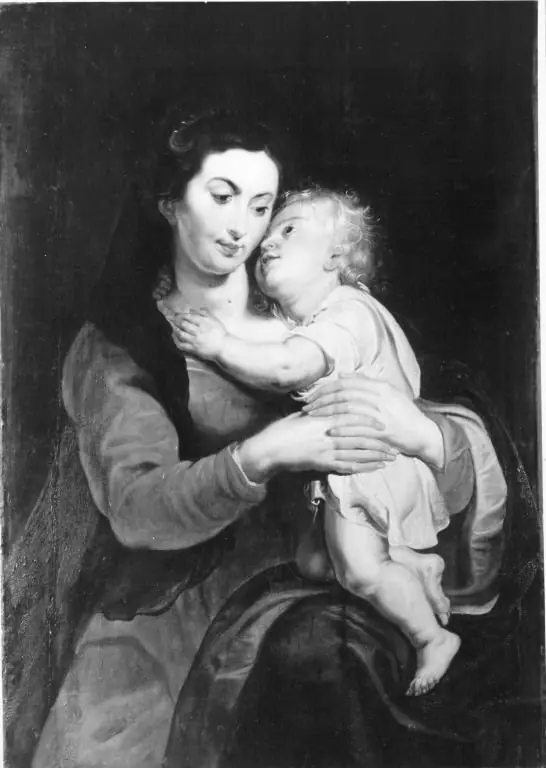
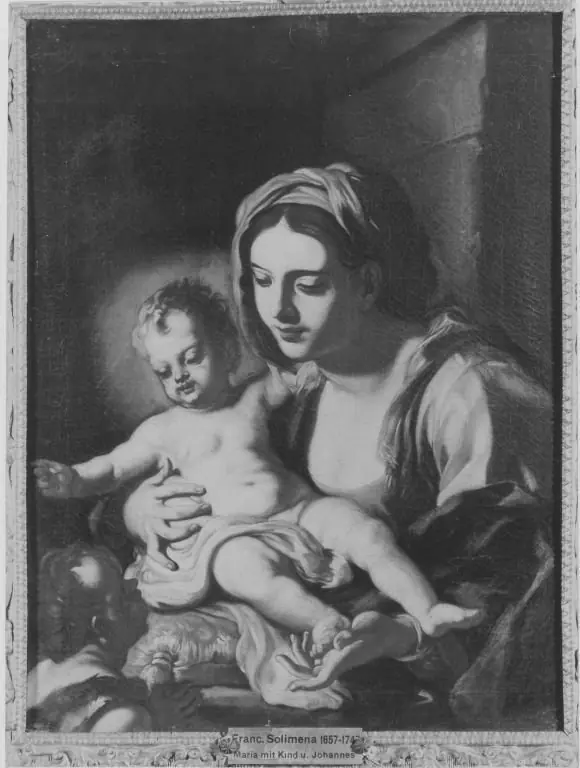
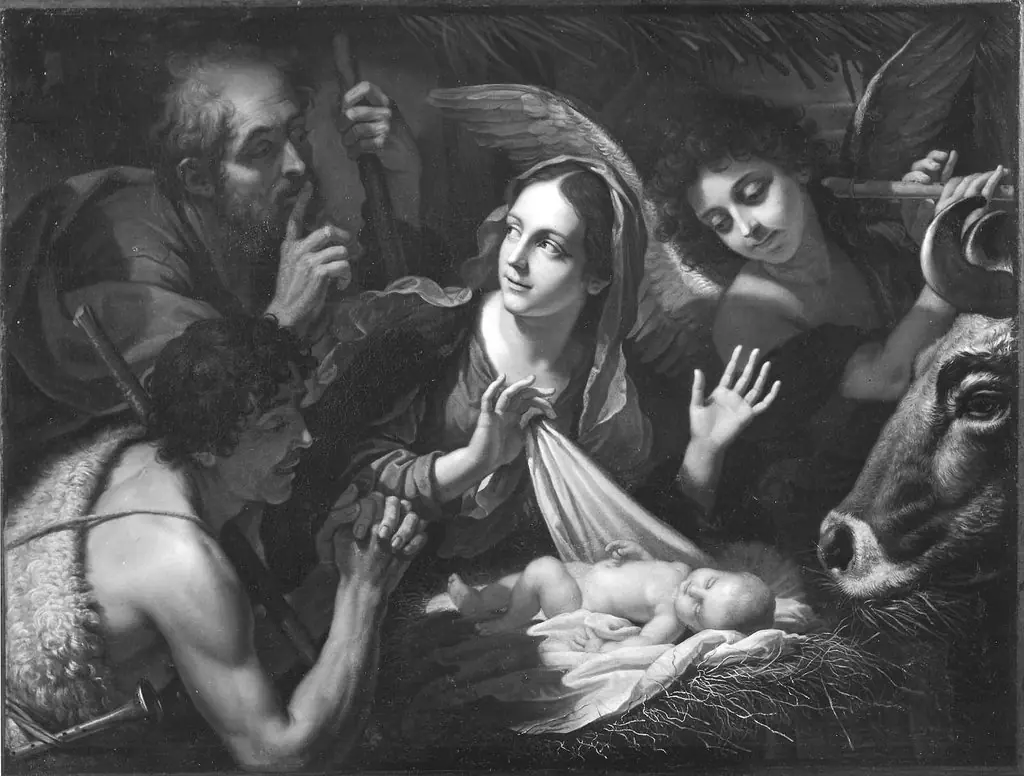
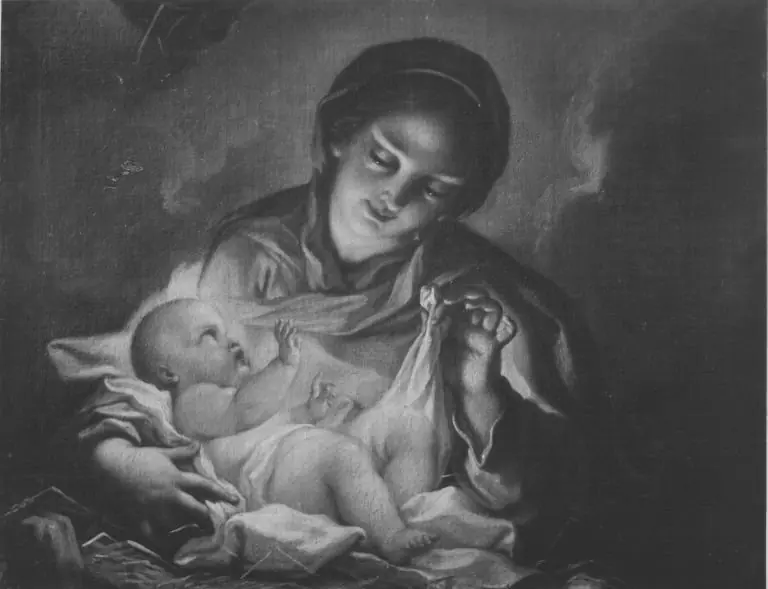
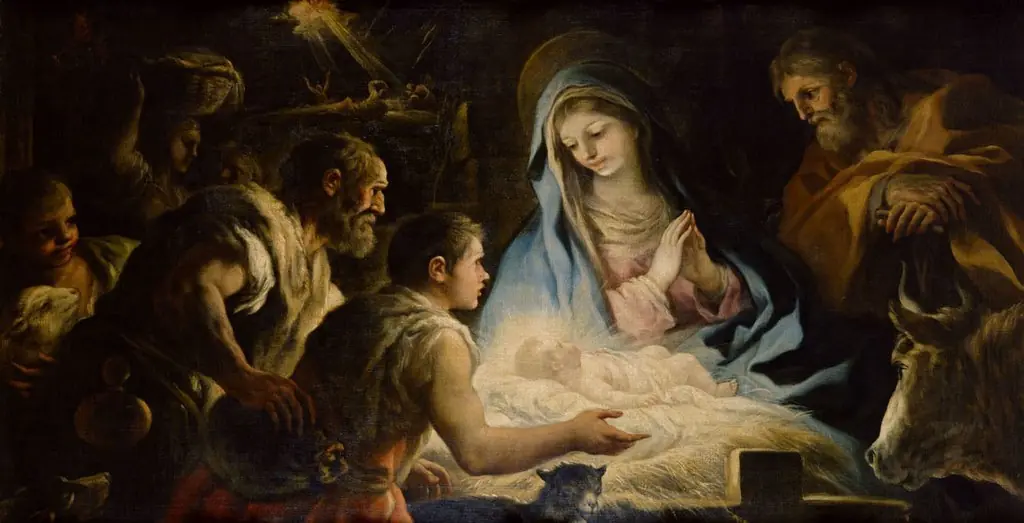
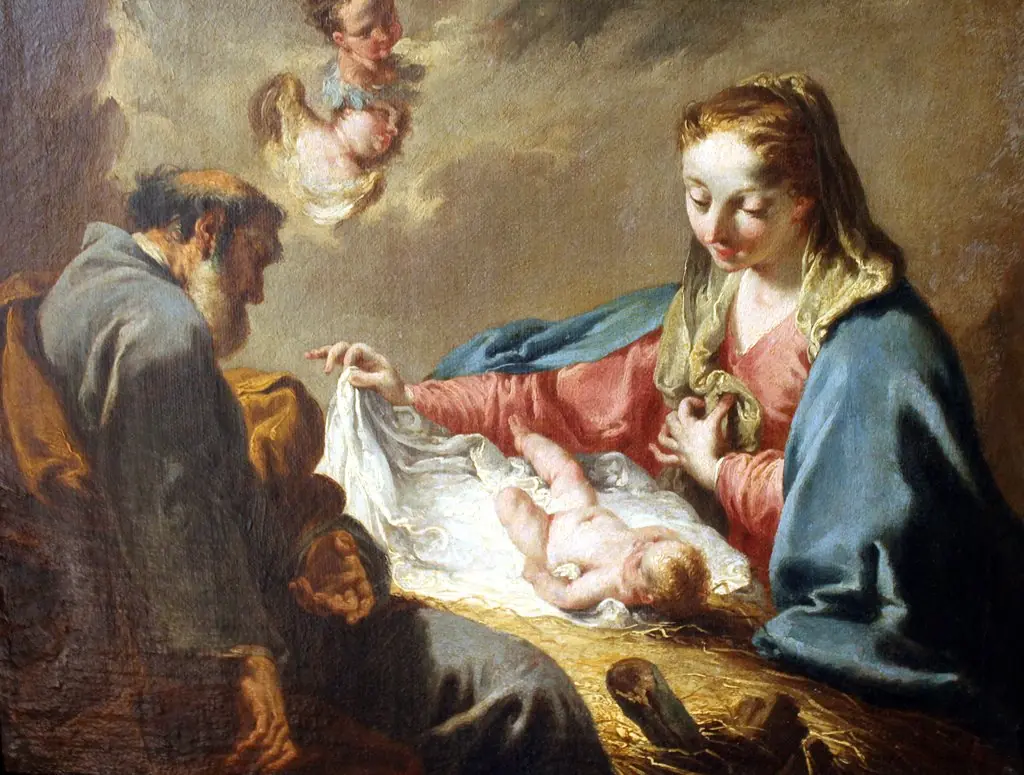
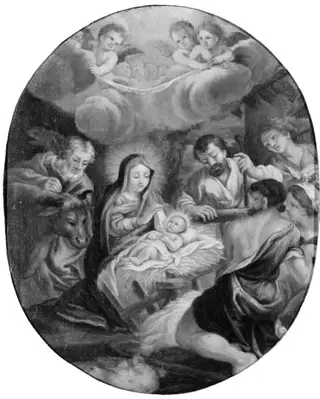
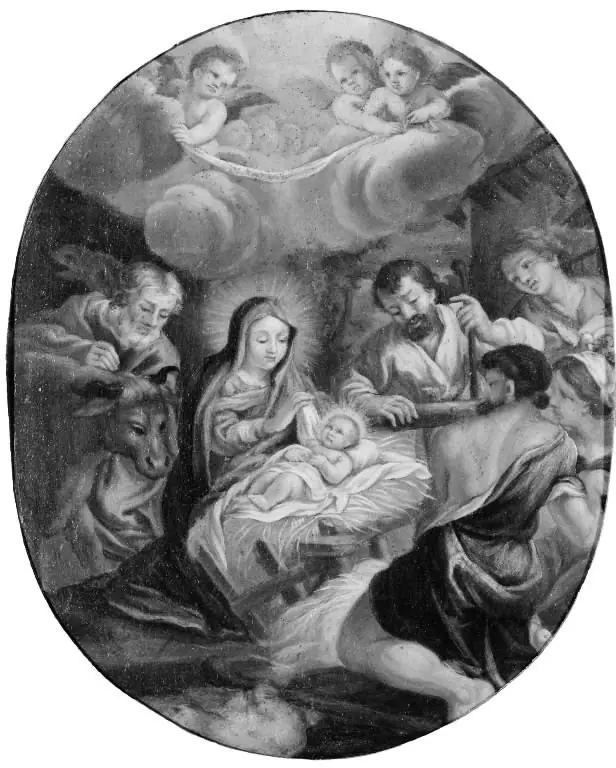
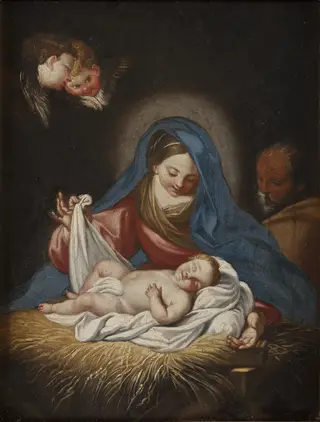
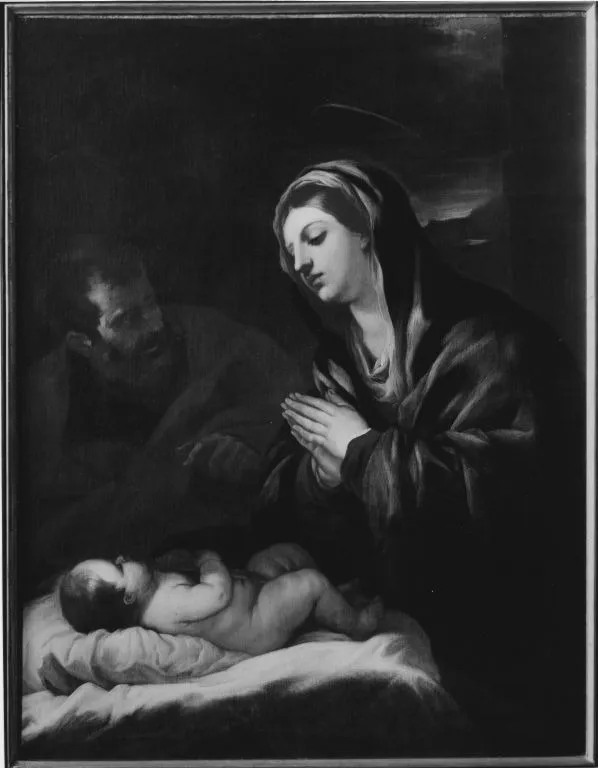
The painting depicts the Holy Family, Mary, the Christ Child, and Joseph, arranged in a domestic interior. Mary is shown seated, holding the Christ Child on her lap, while Joseph stands at left holding a lily, a traditional symbol of purity and innocence. The composition emphasizes the intimacy of the nuclear family within a religious context, underscoring themes of piety, protection, and the sacredness of the household.
The inclusion of the lily reinforces the theological virtues associated with the Holy Family, particularly Mary’s purity and the Christ Child’s role as the redeemer.
History & Provenance
Anton Joseph von Prenner created the religious painting Die Heilige Familie in 1722. The work depicts the Holy Family, specifically featuring Mary, the Christ Child, and Joseph. Today, the artwork is held in the collection of the Bavarian State Painting Collections and is located at the Alte Pinakothek.
Die Heilige Familie is housed in the Alte Pinakothek, part of the Bavarian State Painting Collections inventory.
The painting was created in 1722 and has been exhibited at the Alte Pinakothek in Munich as part of its permanent collection, with documentation of its display in exhibitions focused on 18th-century religious art.
The work measures 118.2 cm in height and 91.4 cm in width.
Context
Anton Joseph von Prenner painted Die Heilige Familie in 1722, a religious composition depicting Mary, Christ Child, and Joseph, now housed in the Bavarian State Painting Collections at the Alte Pinakothek in Munich. The work exemplifies 18th-century devotional painting and reflects the devotional practices of the Bavarian court during the early Rococo period. Scholarship emphasizes its role within Prenner's broader oeuvre of ecclesiastical art, situated amid a transitional phase in European religious painting where traditional iconography intersected with emerging naturalistic tendencies.
Its technical execution and iconographic precision have been analyzed in studies of south German religious art of the early 18th century, underscoring its significance within the regional artistic context of the time.
Legacy
Anton Joseph von Prenner's 1722 painting Die Heilige Familie entered the Bavarian State Painting Collections and remains on display at the Alte Pinakothek in Munich. The work, depicting Mary, Christ Child, and Joseph, has been reproduced in scholarly studies of 18th-century Bavarian religious art and cited in regional art histories as an example of devotional painting from the early 1700s. Its composition influenced later interpretations of Holy Family subjects in German Baroque art, though no direct lineage of students or workshops is documented.
Overview
Anton Joseph von Prenner, an Austrian painter and engraver active in the early 18th century, completed the oil painting Die Heilige Familie in 1722. Executed within the Rococo idiom, the work presents a quiet, intimate scene of the Holy Family and is presently part of the Alte Pinakothek’s collection in Munich.
Technique & Style
Prenner employs a pronounced chiaroscuro, contrasting the illuminated figures against a deep, muted background. This lighting scheme heightens the tactile quality of the fabrics and the softness of the infant’s skin, while the subdued palette and graceful drapery reflect Rococo’s preference for elegance and gentle movement.
Artist & collection
Artist
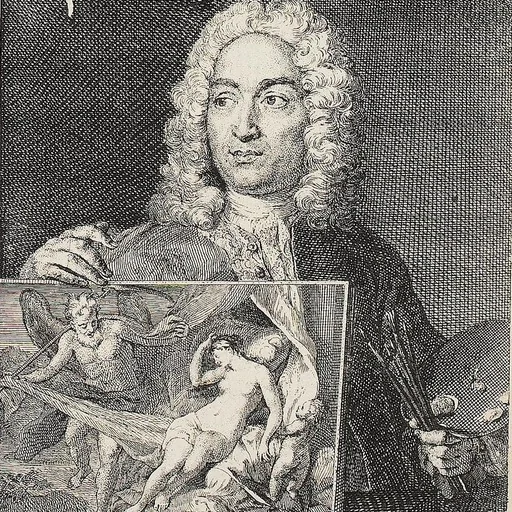
Anton Joseph von Prenner or von Brenner (7 March 1683 – 1761) was an Austrian painter, engraver and publisher. He is mainly known for his publications recording the Imperial art collections kept in the Stallburg gallery.