Artwork
The Adoration of the Shepherds
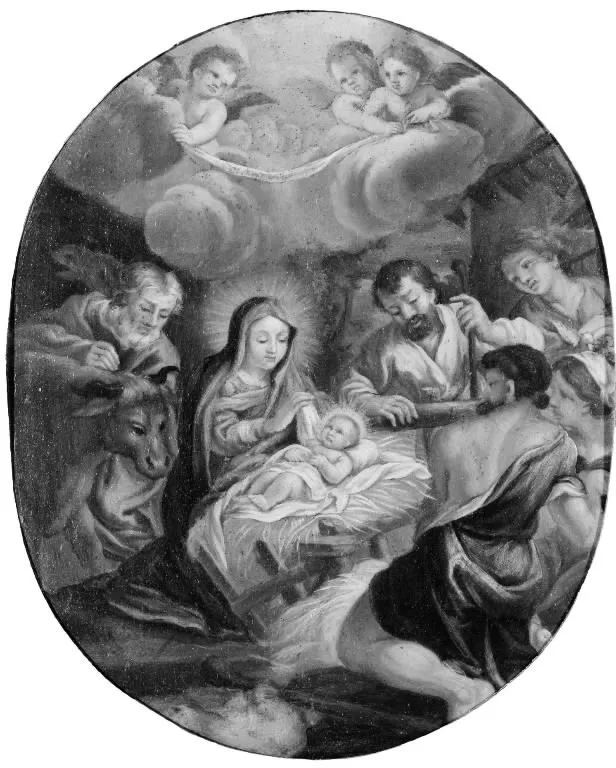
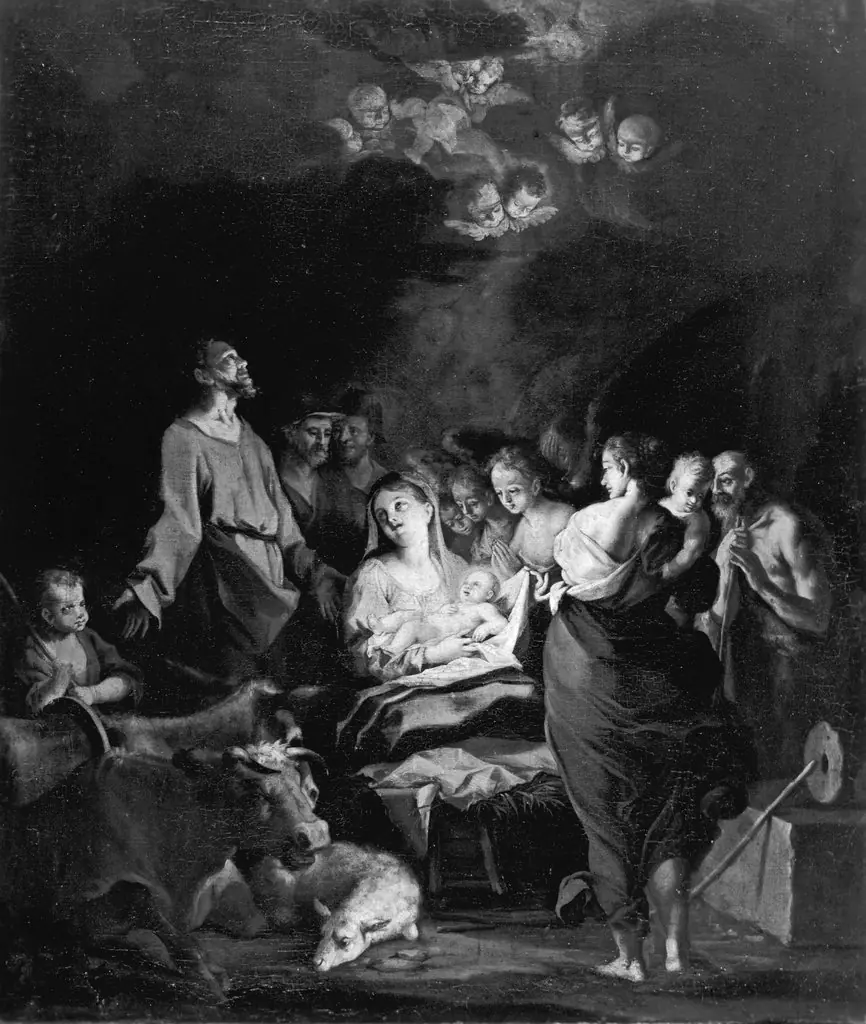
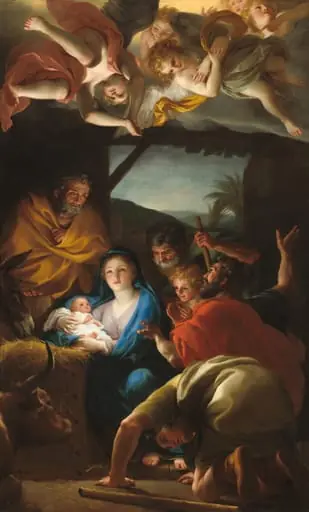
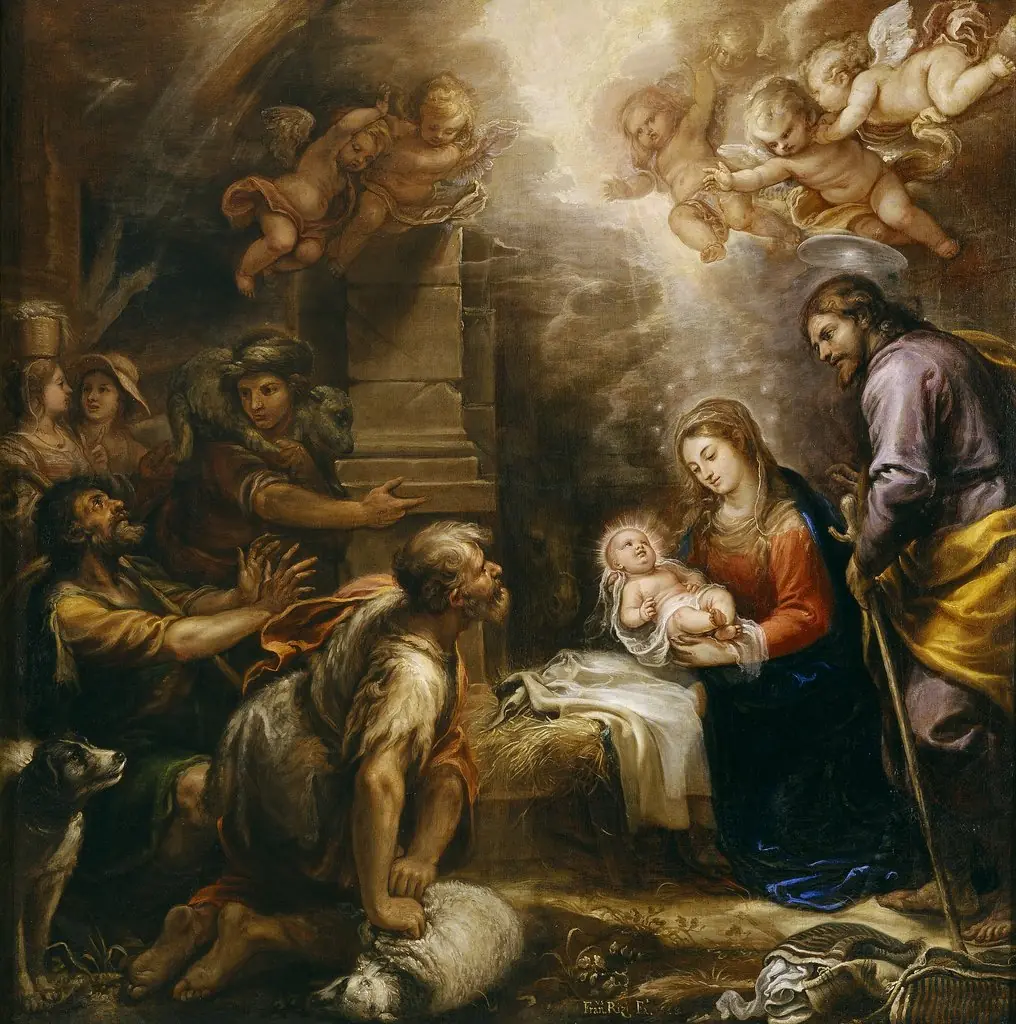
The Adoration of the Shepherds is an unspecified painting by the Early Baroque Italian artist Pietro da Cortona. It dates from 1640 and is held in the collection of the Statens Museum for Kunst.
About this work
Subject & Meaning
This iconography follows the traditional representation of the Nativity, emphasizing the humble witnesses and the divine announcement.
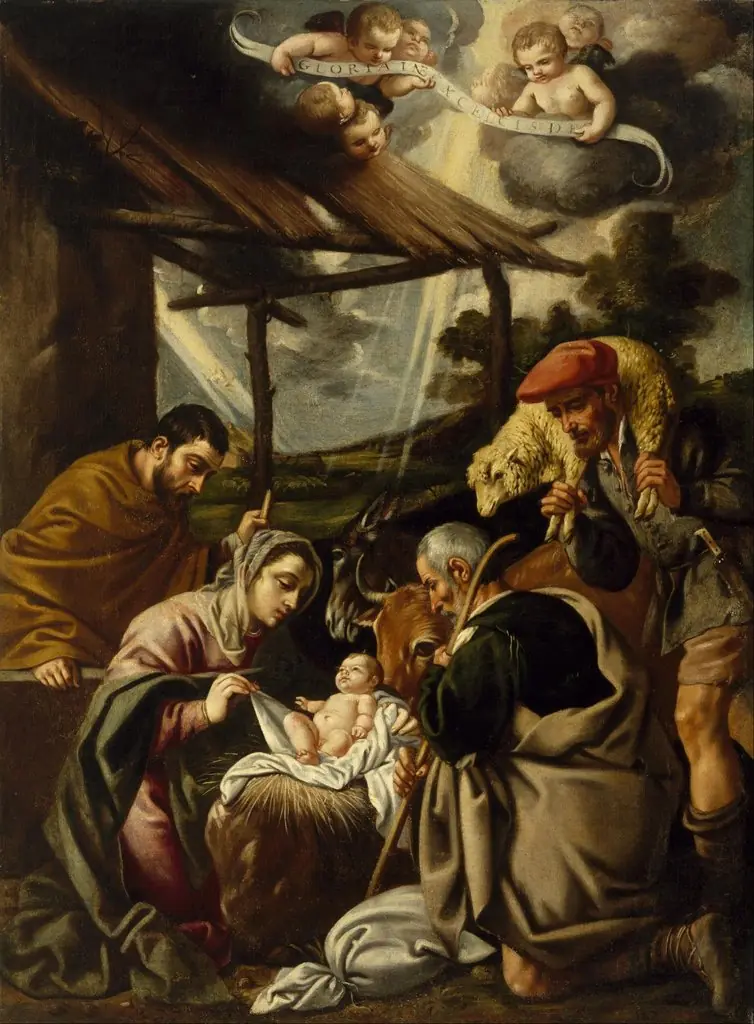
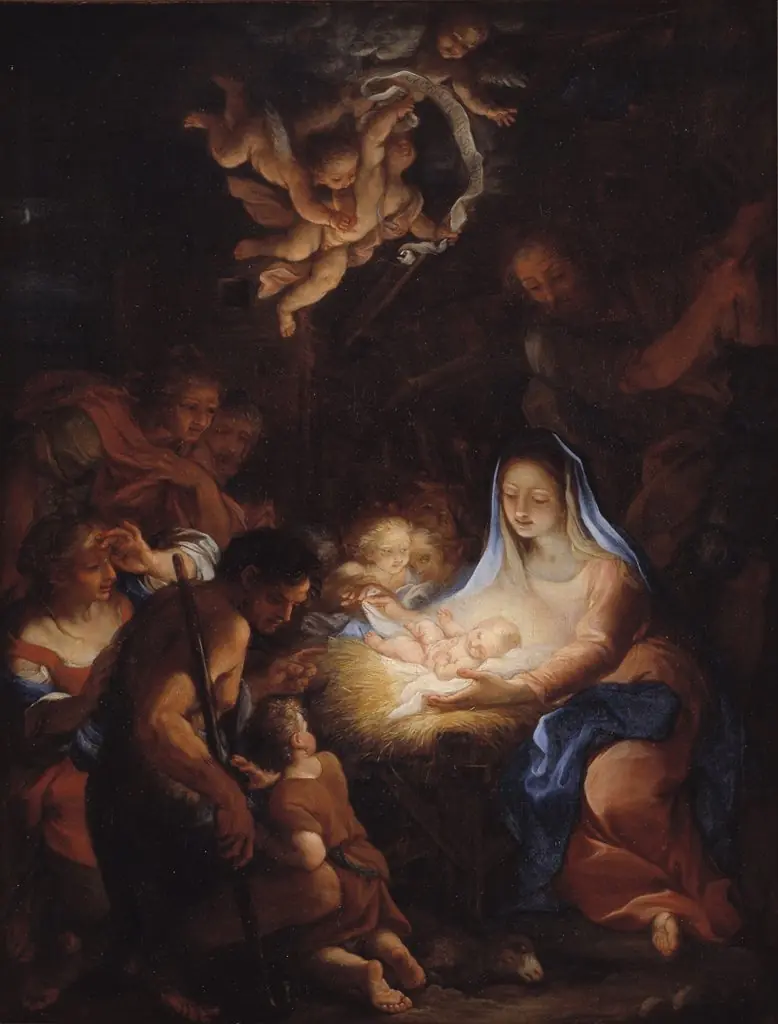
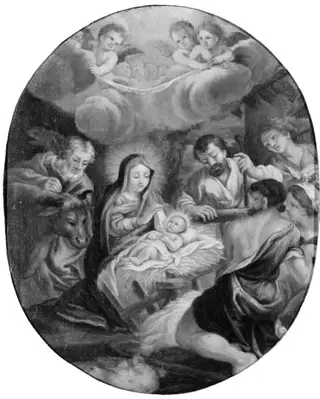
The Adoration of the Shepherds portrays the biblical scene of the shepherds' adoration of the infant Christ, showing the Christ Child, the Virgin Mary, Saint Joseph, a shepherd, a cow, and an angel as the principal figures. This iconography follows the traditional representation of the Nativity, emphasizing the humble witnesses and the divine announcement. The work is classified as religious art and was created by Pietro da Cortona in 1640; it is held by the Statens Museum for Kunst in Copenhagen, where it remains on display.
Its dimensions are 310 by 250 centimetres. The composition conveys themes of incarnation and salvation through the interaction of the holy family with the shepherds.
Technique & Style
The Adoration of the Shepherds by Pietro da Cortona is a painting from 1640, classified as a religious work and held by the Statens Museum for Kunst. Its substantial support measures 310 centimetres in height by 250 centimetres in width, indicating a large-scale format typical of monumental altarpieces and devotional commissions of the Baroque period. The composition depicts the Christ Child, Mary, Joseph, a herder, a cow, and an angel, centered on the main subject of the adoration of the shepherds.
No specific information regarding the medium, pigment, handling, condition, or detailed stylistic qualities is provided in the available sources.
History & Provenance
The painting was produced by Pietro da Cortona in 1640, as recorded in both the internal corpus record and the Wikidata entry for the work. It was created as a religious composition depicting the Adoration of the Shepherds, measuring 310 centimetres in height by 250 centimetres in width. The work is held in the collection of the Statens Museum for Kunst. No further details regarding its commission, intermediate ownership, or acquisition history are documented in the available sources.
Overview
Pietro da Cortona's The Adoration of the Shepherds, painted in 1640, exemplifies early Italian Baroque art. This religious composition, now housed at the Statens Museum for Kunst, showcases the artist's characteristic approach to sacred narratives. As a leading figure of his era, Cortona contributed significantly to both painting and architecture, often alongside contemporaries like Gian Lorenzo Bernini, shaping the visual landscape of 17th-century Rome and Florence.
Context
Pietro da Cortona was a pivotal figure in the development of the Italian Baroque, renowned for his monumental fresco cycles and architectural designs in major cultural centers like Rome and Florence. His work, including this painting, reflects the grand scale and theatricality characteristic of the period. Working alongside other prominent artists and architects such as Gian Lorenzo Bernini, Cortona helped define the visual language of 17th-century art.
Artist & collection
Artist
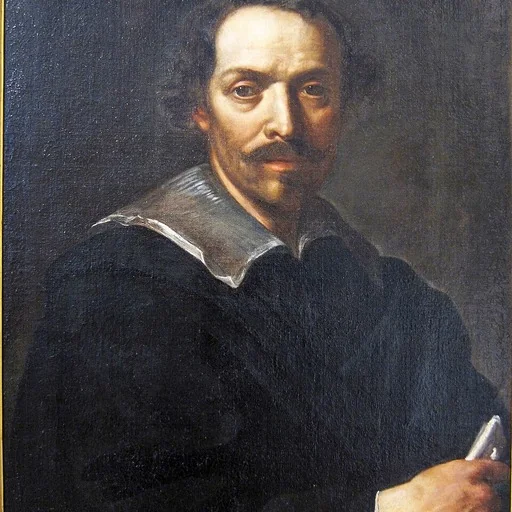
Pietro da Cortona (Italian:; 1 November 1596 or 1597 – 16 May 1669) was an Italian Baroque painter and architect.

- The Adoration of the Shepherds
 The Adoration of the Shepherds
 The Adoration of the Shepherds
 The Adoration of the Shepherds
 The Adoration of the Shepherds
 The Adoration of the Shepherds
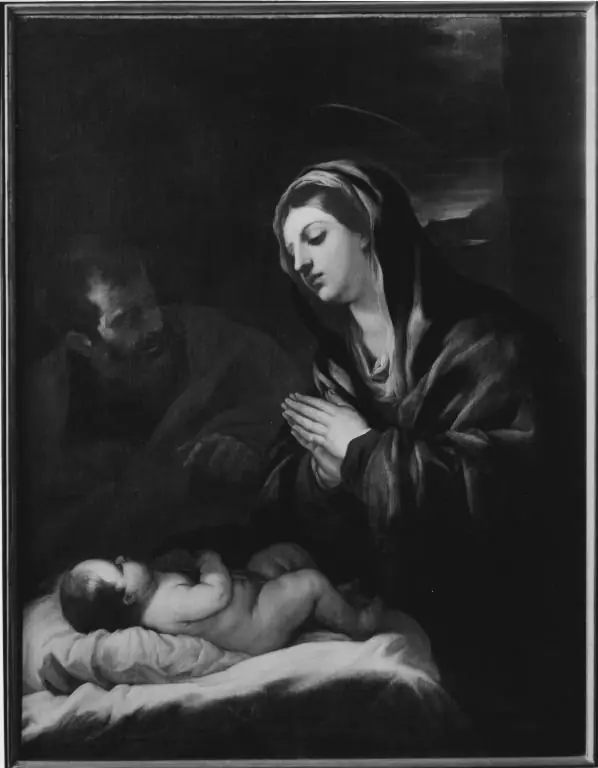 Die Heilige Familie
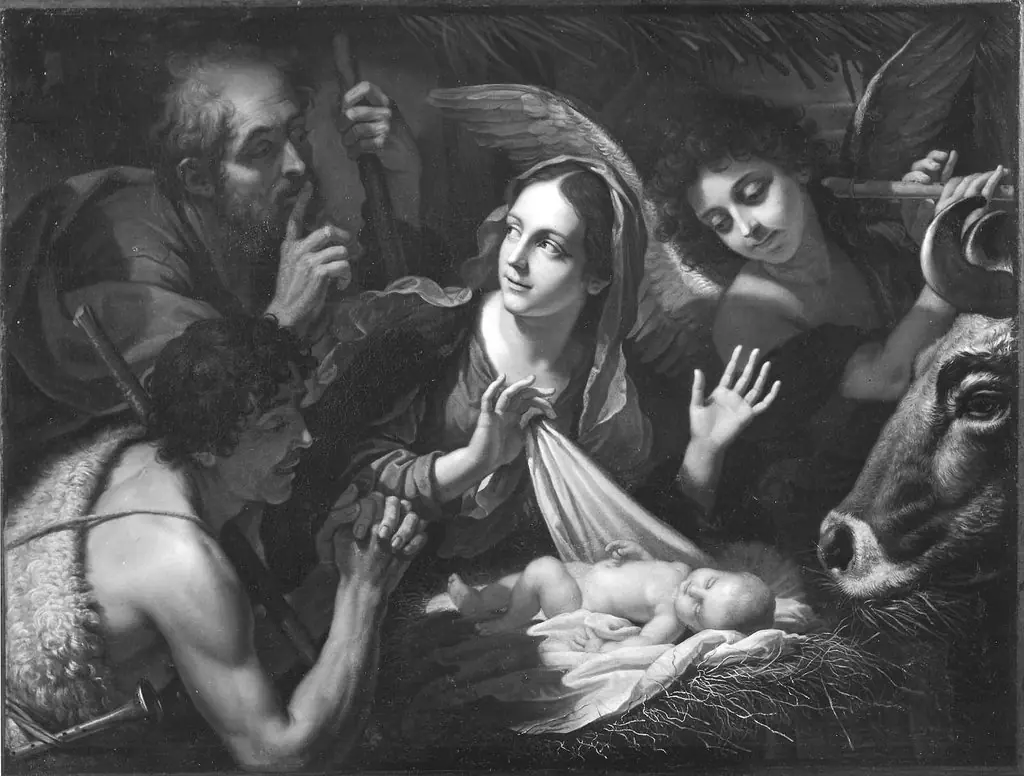 Adoration of the Shepherds
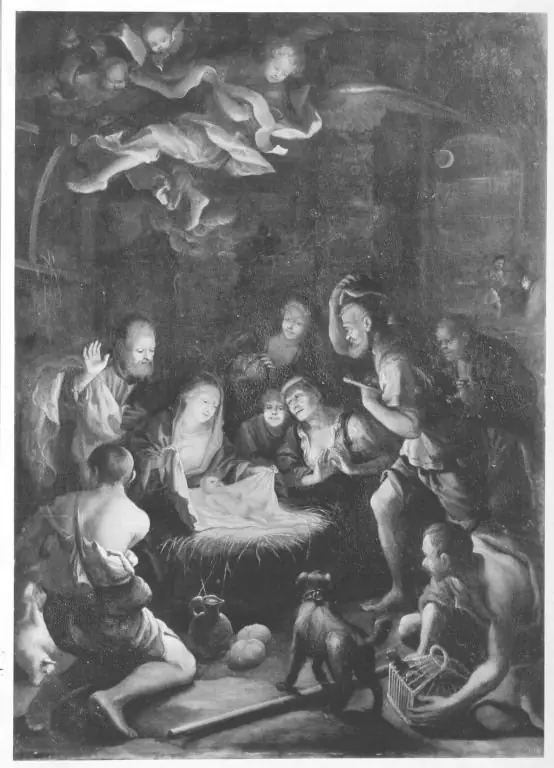 Anbetung der Hirten
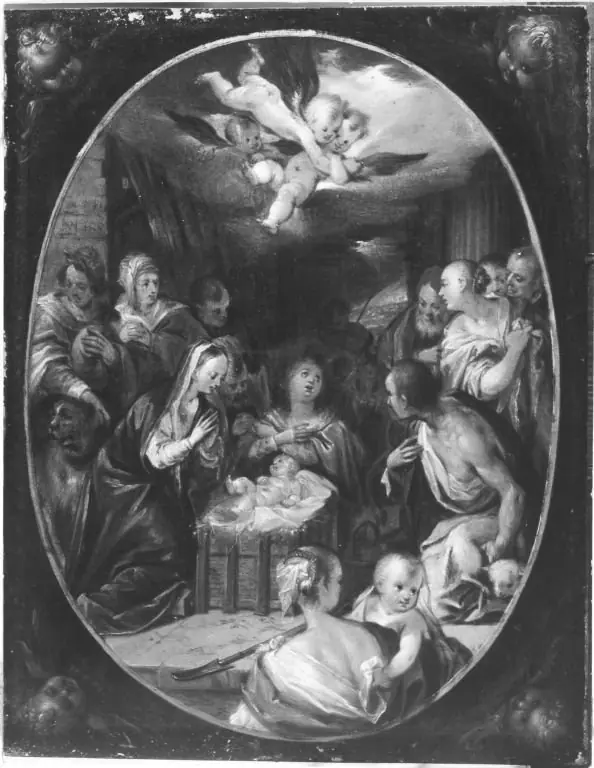 Anbetung der Hirten
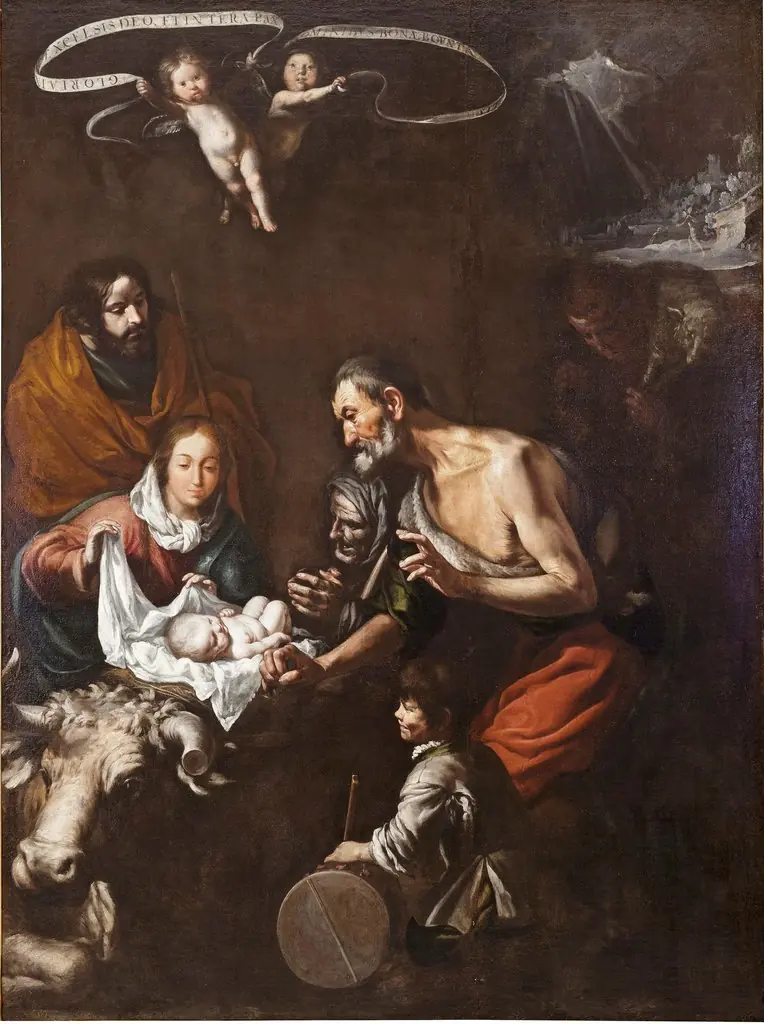 The Adoration of the Shepherds
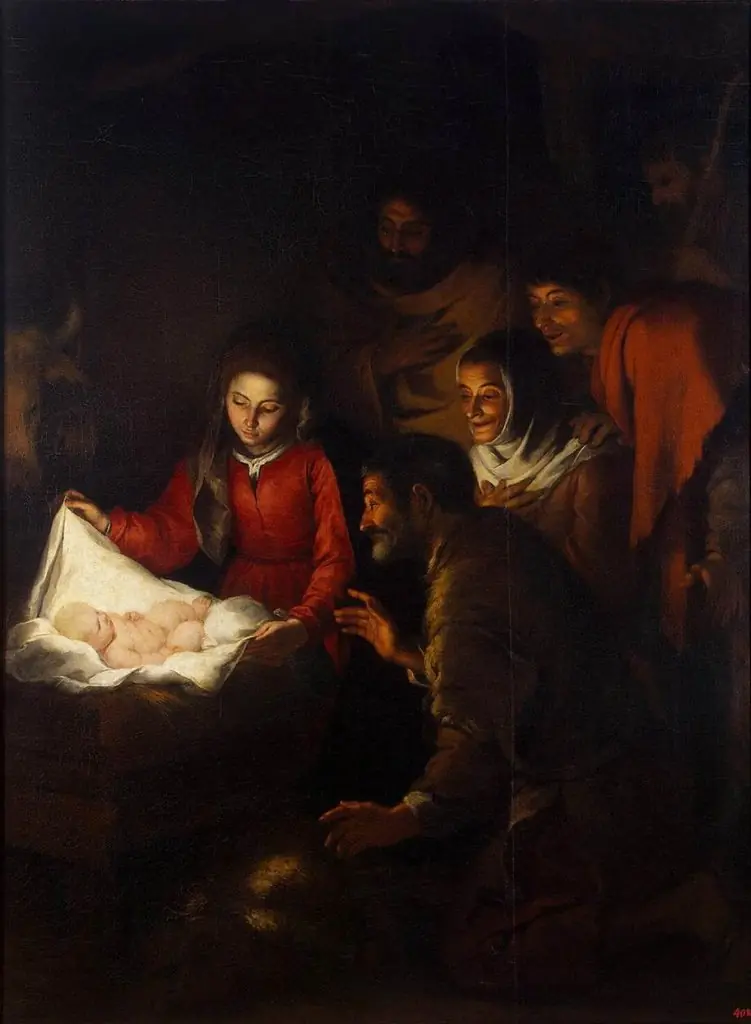 Adoration of the Shepherds