Artwork
Cupid

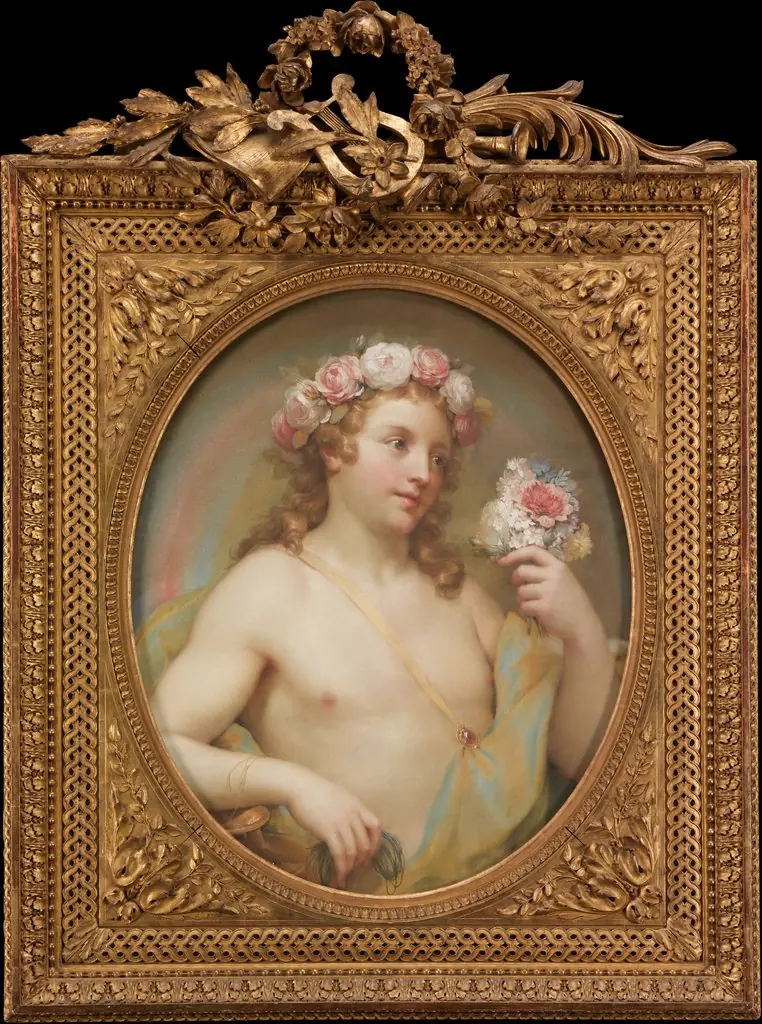
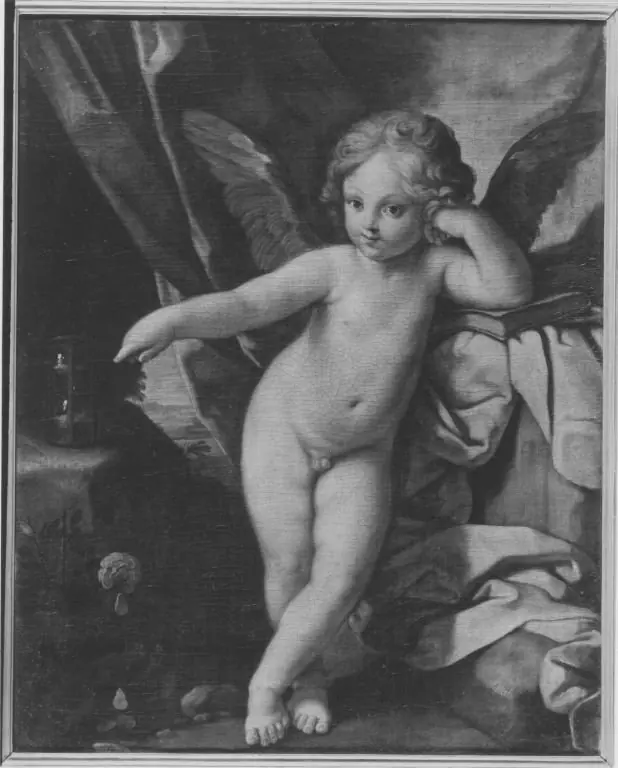
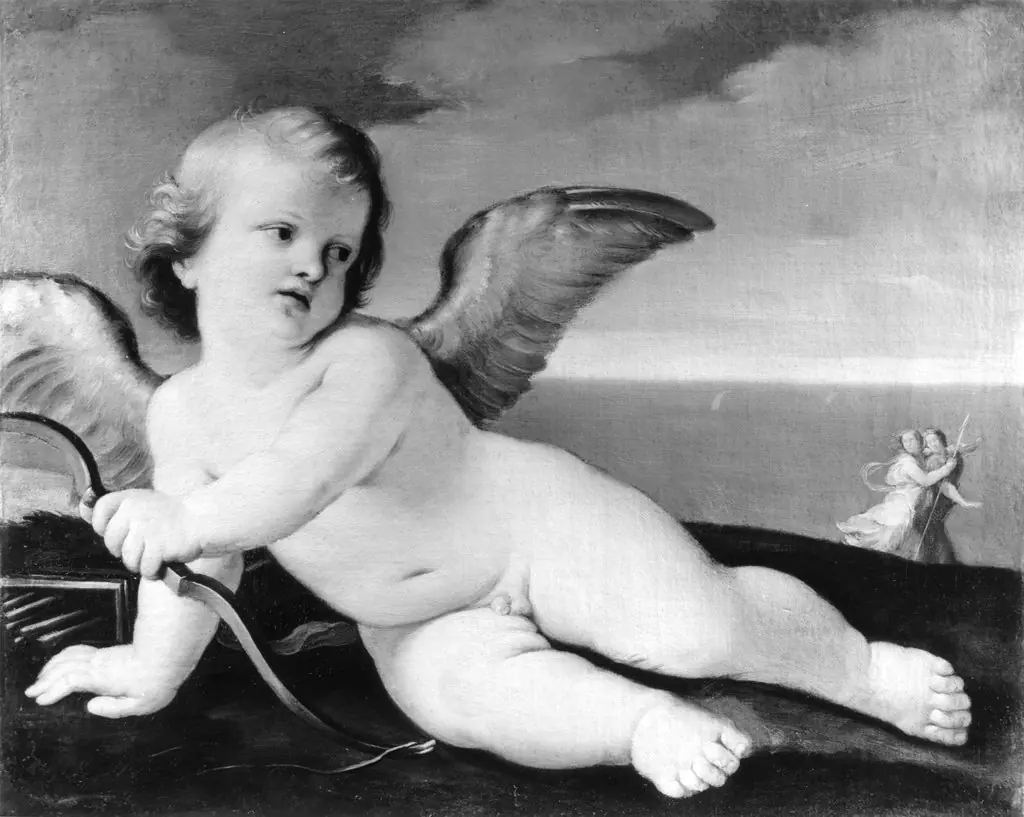
Cupid is an oil painting by the Neoclassicist artist Anton Raphael Mengs. It dates from 1761 and is held in the collection of the Statens Museum for Kunst.
About this work
Subject & Meaning
The iconography features the deity holding an arrow, a traditional attribute symbolizing his power to incite desire or affection in gods and mortals alike.
Anton Raphael Mengs's 1761 oil painting depicts Cupid, the Roman god of love, as its central mythological subject. The iconography features the deity holding an arrow, a traditional attribute symbolizing his power to incite desire or affection in gods and mortals alike. As a work of mythological genre, the piece represents the personification of love through this classical figure, adhering to established artistic conventions for portraying the deity.
Technique & Style
Cupid is executed in oil paint on canvas, a conventional support for mid-eighteenth-century easel painting. The work is classified as a mythological painting, with Cupid and his arrow as the principal subjects. Tied to the neoclassical idiom associated with Anton Raphael Mengs, the medium and format suit the restrained, polished handling typical of his mythological compositions of the period.
No specific information is available in the consulted sources regarding the painting's dimensions, current condition, or detailed stylistic qualities such as palette, brushwork, or composition.
History & Provenance
Anton Raphael Mengs painted Cupid in 1761 as an oil on canvas work depicting the mythological figure with a bow and arrow. The painting belongs to the mythology genre and was created in Rome before the artist returned to Spain. It entered the collection of the Statens Museum for Kunst, where it remains on view in the museum's European art galleries.
The work's provenance is documented through its acquisition by the museum shortly after its creation, establishing a continuous ownership chain from Mengs to the institution. Its dating is fixed by the 1761 inception recorded in archival sources, and no subsequent transfers or sales are noted in the provenance record.
The painting Cupid by Anton Raphael Mengs is held in the collection of the Statens Museum for Kunst, where it is recorded under the inventory number [not specified in the provided sources]. It was created in 1761 as an oil on canvas work depicting the mythological figure Cupid with his arrow. The work has been part of the museum's holdings since its acquisition and was included in the exhibition "European Paintings, 17th–18th Century" in 2018, as noted in the museum's exhibition history.
The provenance of the painting traces directly to the Statens Museum for Kunst, which lists it as part of its permanent collection with no documented prior owners or sales. Exhibition records confirm its presence in the 2018 European Paintings showcase, highlighting its continued relevance within the museum's scholarly and public programming.
Overview
Anton Raphael Mengs’ oil painting titled “Cupid,” executed in 1761, presents a youthful, bare‑chested figure with feathered wings. The child‑like deity holds a bow and arrow in one hand while the other rests on a smooth surface, gazing off‑center. The work is part of the collection of Denmark’s Statens Museum for Kunst.
Context
Created during Mengs’ mature period, the work exemplifies the neoclassical revival of classical mythology that characterized mid‑1700s academic art. By portraying Cupid with restrained elegance rather than baroque exuberance, Mengs aligns with contemporary tastes for rational composition and idealized forms drawn from antiquity.
Artist & collection