Artwork
Saint Jerome
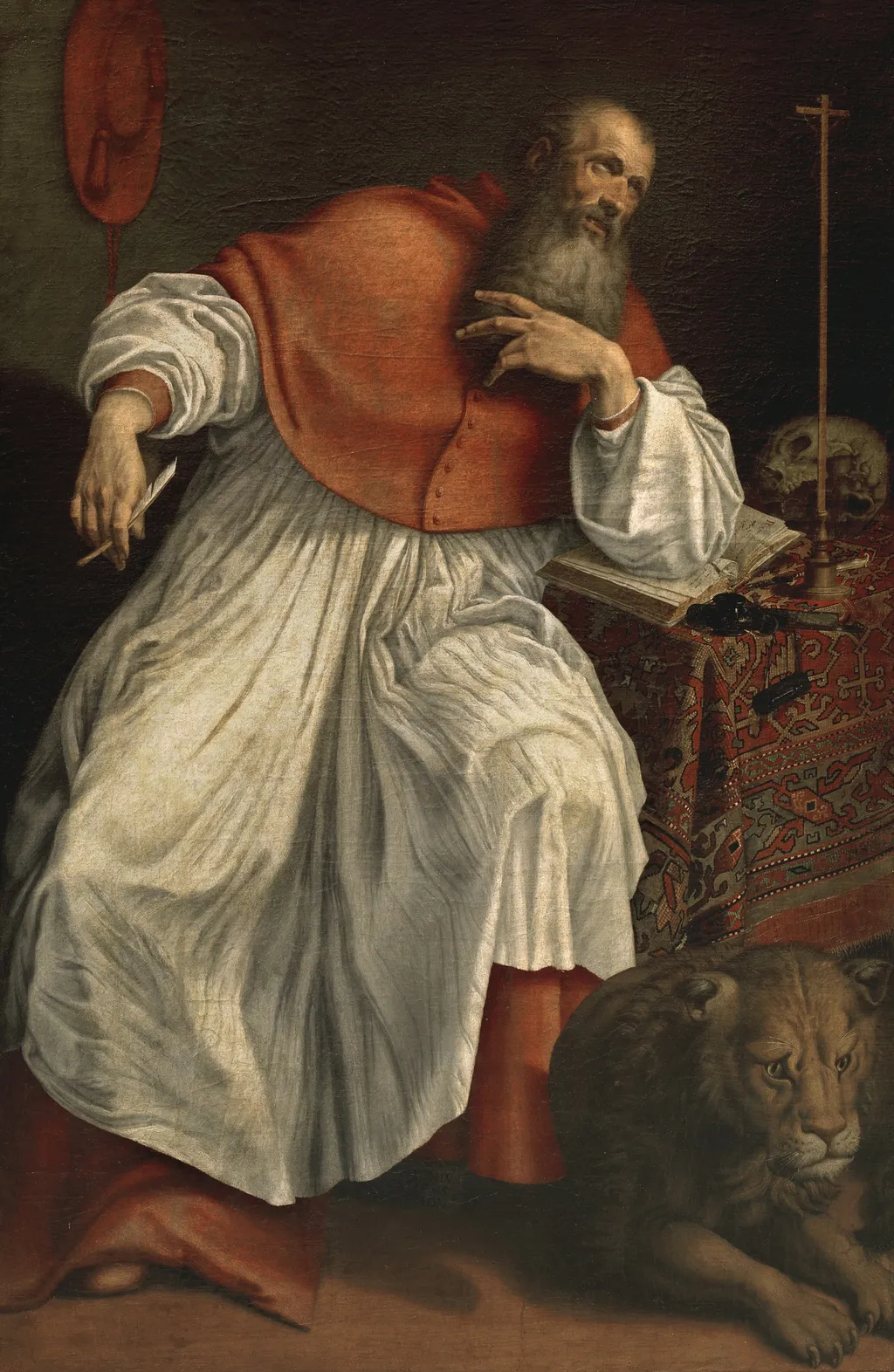
Saint Jerome is an unspecified painting by the Early Baroque Italian artist Antonio Campi. It dates from 1566 and is held in the collection of the Museo del Prado.
About this work
Subject & Meaning
The painting is housed in the Museo del Prado, where it remains part of the museum's collection of early Northern Italian religious art.
Antonio Campi painted Saint Jerome in 1566, a religious work portraying the saint in contemplation, his attribute of a lion at his side and a book symbolizing scholarly devotion. The composition emphasizes Jerome's ascetic presence through his gaunt figure and direct gaze, reflecting Counter-Reformation ideals of personal piety and scholarly engagement with scripture. The painting is housed in the Museo del Prado, where it remains part of the museum's collection of early Northern Italian religious art.
Technique & Style
Executed in 1566, the painting employs oil on canvas, with the support measuring 122 cm in width and 183 cm in height. The handling emphasizes luminous modeling of Saint Jerome’s emaciated body through carefully blended passages that articulate musculature and skeletal structure under raking light. The palette is subdued, relying on earthy browns and ochres punctuated by cooler highlights on the skull and loincloth to focus attention on the saint’s devotional gesture and the crucifix’s gleaming metalwork.
The composition’s stark realism and restrained chiaroscuro align with the late Lombard Mannerist tradition, subduing dramatic tension in favor of quiet, tactile presence.
History & Provenance
Antonio Campi created the religious painting Saint Jerome in 1566. The work depicts the saint as its main subject and is currently held in the collection of the Museo del Prado. Specific details regarding the original commission, the initial owner, or the precise chain of custody leading to its arrival at the museum are not provided in the available records.
The artwork measures 183 cm in height and 122 cm in width. While the inception date is recorded as the first day of 1566, the historical context of its production remains limited to the artist's name and the year of completion.
Antonio Campi's 1566 painting Saint Jerome is part of the permanent collection of the Museo del Prado in Madrid. While the specific inventory or accession number is not provided in the available records, the work remains a held piece within this major Spanish institution. The painting has been documented as part of the museum's holdings since its inception in 1566, though no specific exhibition history or temporary loan records are detailed in the current sources.
Overview
Antonio Campi’s 1566 canvas, titled Saint Jerome, is part of the Prado Museum’s collection. The composition brings together a youthful female figure in a flowing white garment, an elderly bearded man, a lion, a skull, an open book and a cross. The arrangement creates a contemplative scene that merges elements of ascetic symbolism with a striking human interaction.
Context
Antonio Campi, a member of the prominent Campi family of Cremona, was active during a time when religious imagery served both devotional and didactic purposes. Saint Jerome’s portrayal aligns with contemporary efforts to present saints as accessible yet austere models, integrating human emotion with emblematic iconography to reinforce Catholic orthodoxy.
Own this work as a print
Artist & collection

- Saint Jerome
 Hl. Augustinus
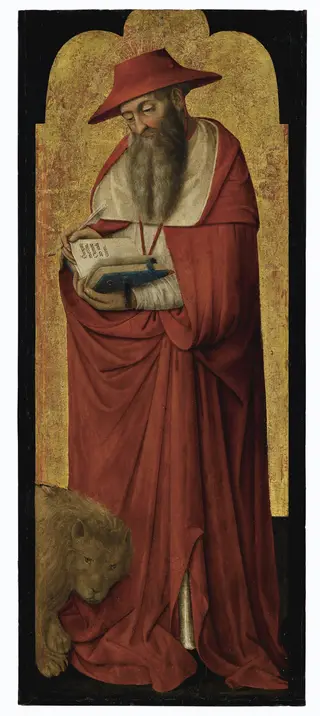 Saint Jerome, part of an altarpiece
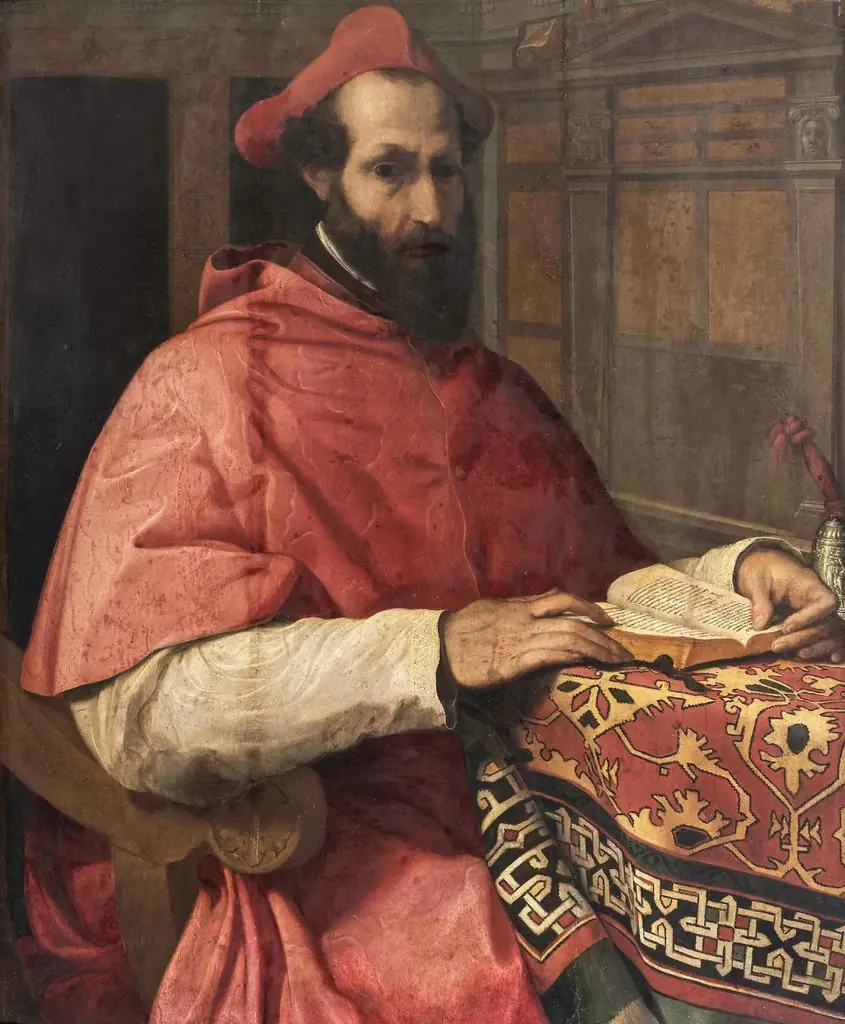 Portrait of Cardinal Marcello Cervini degli Spannocchi
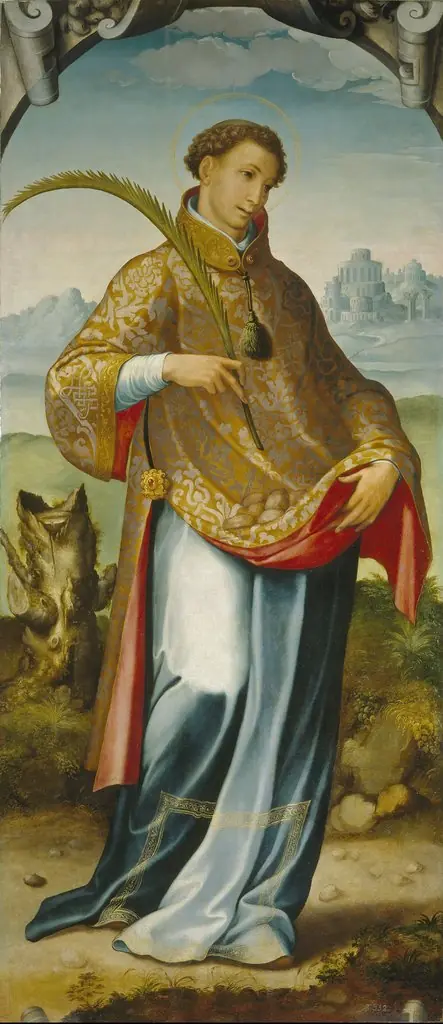 Saint Stephen
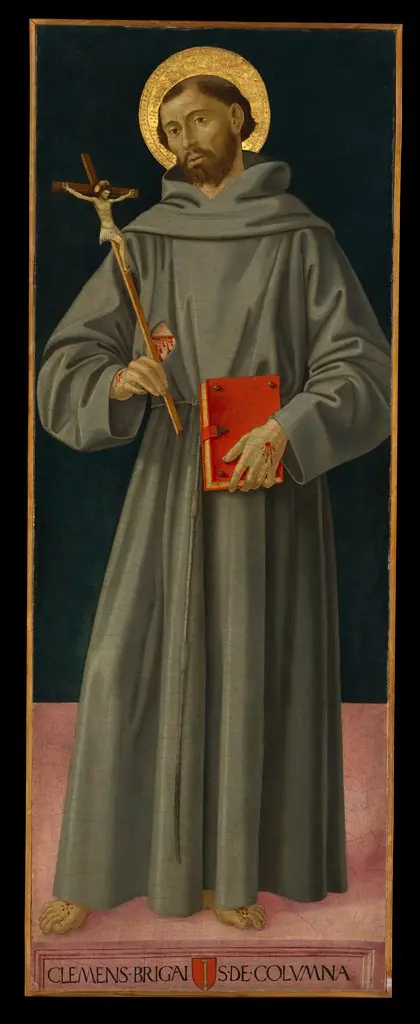 Saint Francis of Assisi
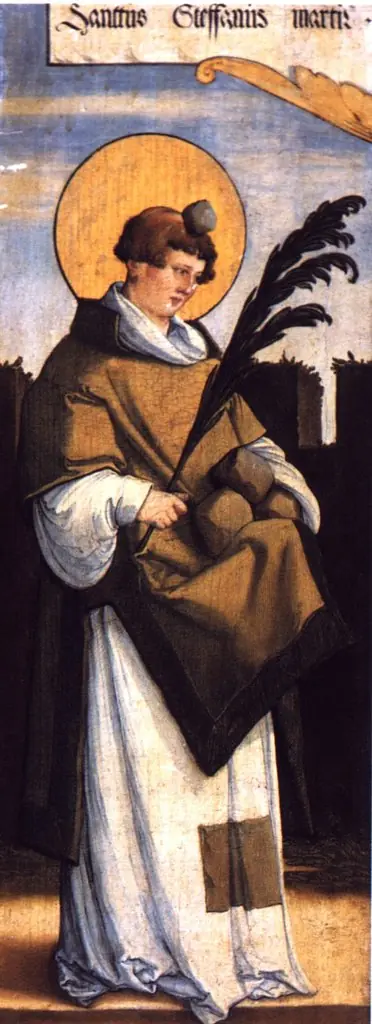 Saint Stephen
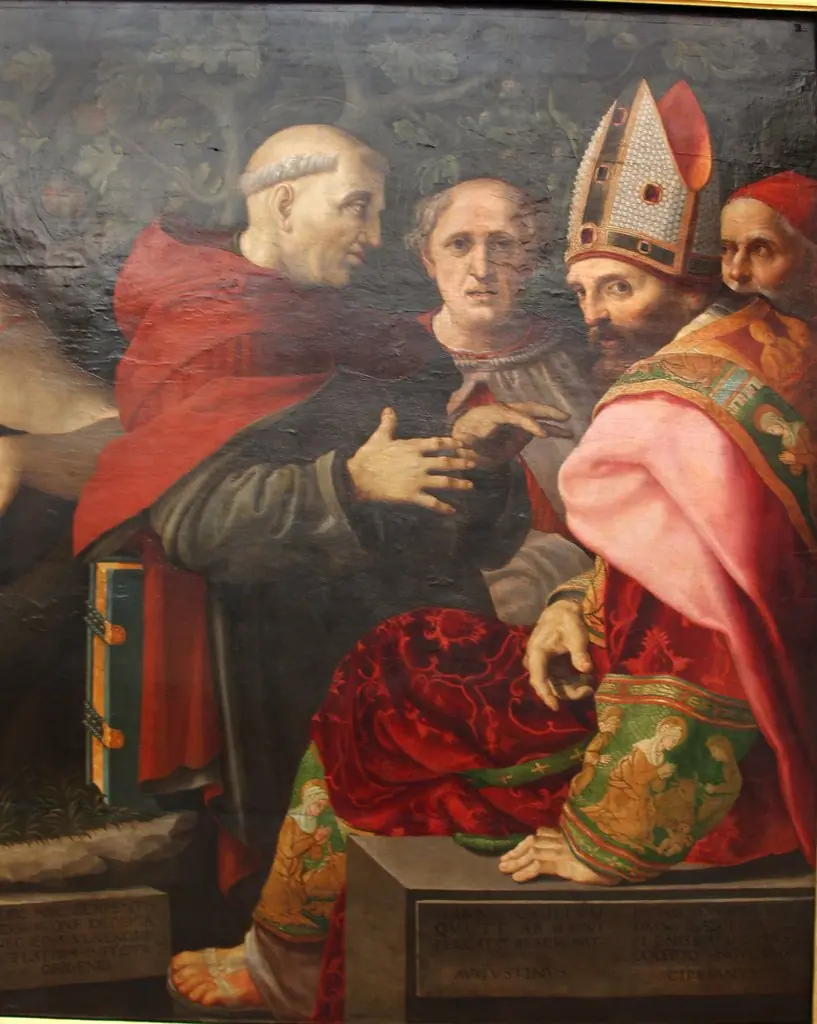 Der Disput von Kirchenlehrern über das Mysterium der unbefleckten Empfängnis
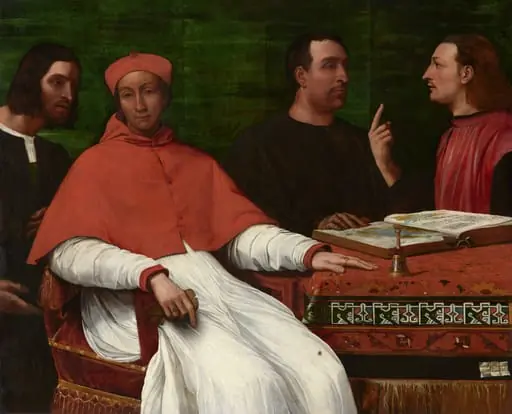 Cardinal Bandinello Sauli, His Secretary, and Two Geographers
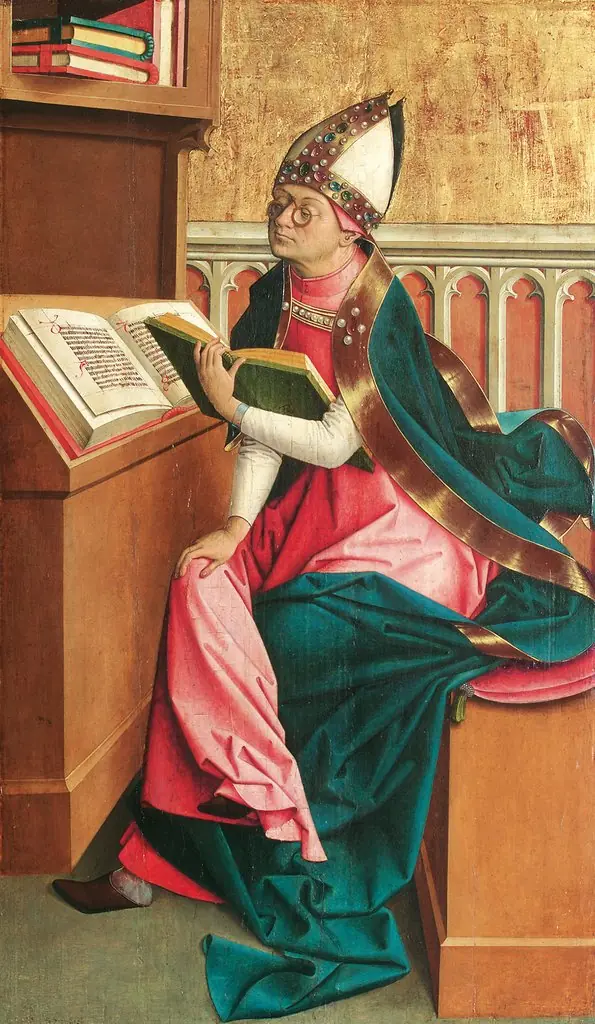 Hl. Augustinus
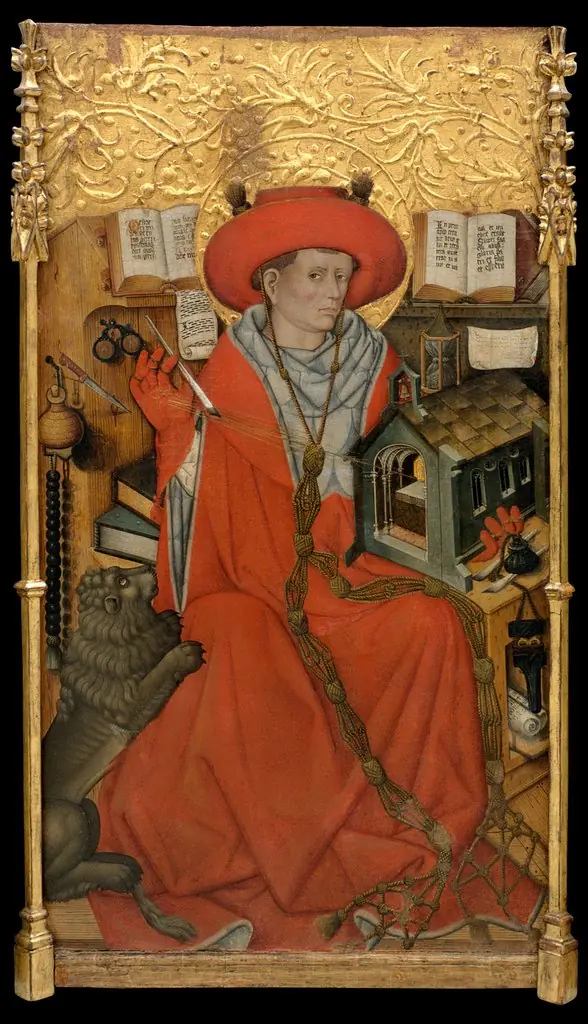 Saint Jerome in his Study
 Saint John the Baptist (after The Ghent Altarpiece)