Artwork
Cardinal Bandinello Sauli, His Secretary, and Two Geographers
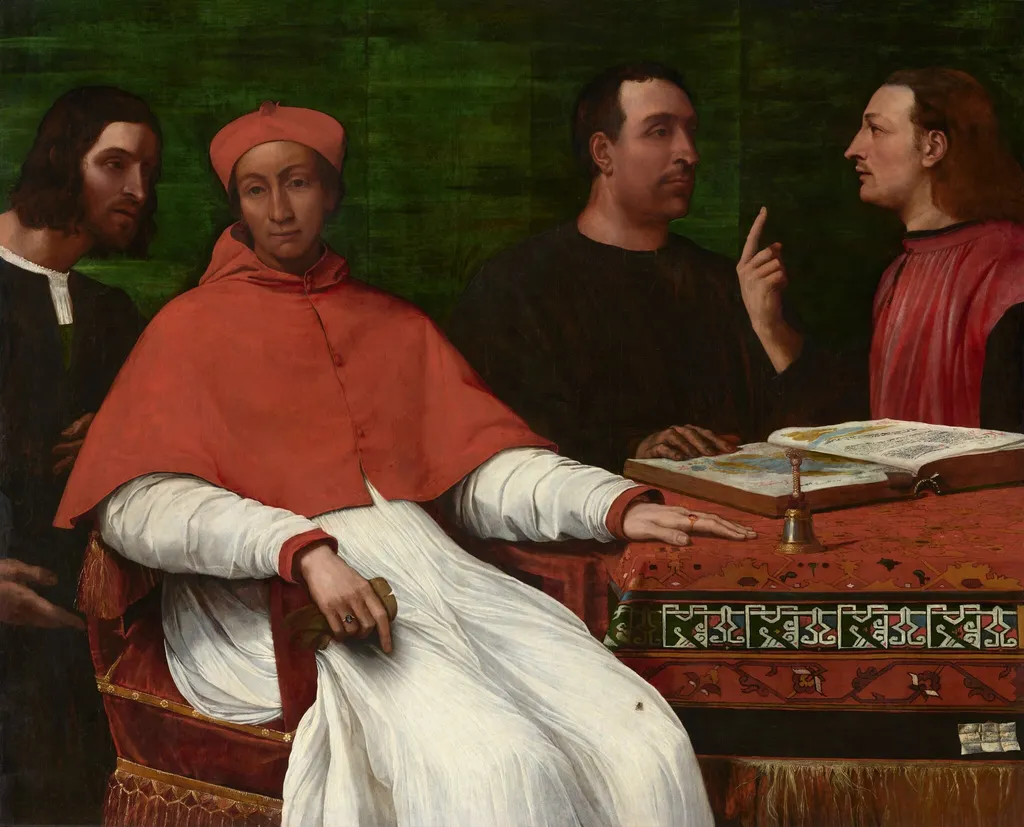
Cardinal Bandinello Sauli, His Secretary, and Two Geographers is an oil painting by the High Renaissance artist Sebastiano del Piombo. It dates from 1516 and is held in the collection of the National Gallery of Art.
- Inscription
- Inscribed:lower right on folded paper: 1516; and the signature: ...S Faciebat; center right on bell near top: EN.TO.R.; on bell near bottom: B.DE.SAVLIS.CAR (abbreviation for _Bandinellus de Saulis Cardinalis_)
About this work
Subject & Meaning
The figures are arranged to highlight the Cardinal's status while acknowledging the specialized roles of his attendants in service to his broader influence.
The painting depicts Cardinal Bandinello Sauli seated centrally, identified as the main subject, flanked by his secretary and two geographers. Created in 1516 by Sebastiano del Piombo, the work functions as a formal portrait group that emphasizes the Cardinal's intellectual authority and administrative reach. The inclusion of the secretary and geographers alongside the prelate suggests a thematic focus on governance, scholarship, and the management of knowledge or territories.
Rather than a solitary devotional image, the composition presents Sauli within a context of active intellectual and political engagement, symbolizing the Renaissance ideal of the learned churchman. The figures are arranged to highlight the Cardinal's status while acknowledging the specialized roles of his attendants in service to his broader influence.
Technique & Style
The work is an oil painting executed on a wooden panel in 1516. Its surface is built up with traditional oil pigments, allowing the artist to achieve rich color modulation and subtle chiaroscuro that model the figures and create a three‑dimensional presence. The composition groups the cardinal, his secretary, and two geographers in a balanced triangular arrangement, emphasizing individual characterization through careful rendering of facial expression and drapery.
The handling of light highlights the textures of fabric and parchment, while the overall palette reflects the saturated tonalities typical of early sixteenth‑century Venetian portraiture. The painting measures roughly 121.8 cm by 150.4 cm and is held in the National Gallery of Art’s collection.
History & Provenance
The painting dates to 1516 and is recorded by 1780 in the Palazzo Giacomo Balbi del fu Costantino, Genoa. It later passed into English private ownership, held by Henry Labouchère, 1st Baron Taunton, at Quantock Lodge, Bridgwater, Somerset, by 1854, and probably descended through his widow Mary Matilda and their daughter Mary Dorothy Stanley, remaining at Quantock Lodge into the early twentieth century. By 1920 the work had entered the collection of Henry George Charles Lascelles, Viscount Lascelles and later 6th Earl of Harewood, who kept it in London and at Harewood House, Leeds.
It passed by inheritance to his son, the 7th Earl of Harewood, who sold it in 1949 to the Samuel H. Kress Foundation, New York, which in turn gifted it in 1961 to the National Gallery of Art.
The painting is held by the National Gallery of Art in Washington, D.C., as part of the Samuel H. Kress Collection. It entered the Kress Foundation in 1949 and was gifted to the NGA in 1961. It was exhibited in print in The Burlington Magazine in October 1920, illustrated by Tancred Borenius as a Portrait Group, and was subsequently catalogued by Borenius in 1936 as no. 62 in the Earl of Harewood's collection.
Overview
Sebastiano del Piombo completed Cardinal Bandinello Sauli, His Secretary, and Two Geographers in 1516. This oil on panel painting presents four figures engaged in an intellectual discussion. The work serves as a group portrait, depicting Cardinal Bandinello Sauli alongside his secretary and two geographers, while also conveying a sense of scholarly inquiry. It exemplifies the artist's approach during the High Renaissance.
Context
Sebastiano del Piombo's relocation from Venice to Rome in 1511 marked a significant turning point in his career. This painting, executed five years later, reflects his establishment within the Roman art scene. His continued presence in the city for the remainder of his life underscores his integration into the High Renaissance artistic environment, where he contributed to the evolving visual language of the period by merging regional styles.
Own this work as a print
Artist & collection
Artist
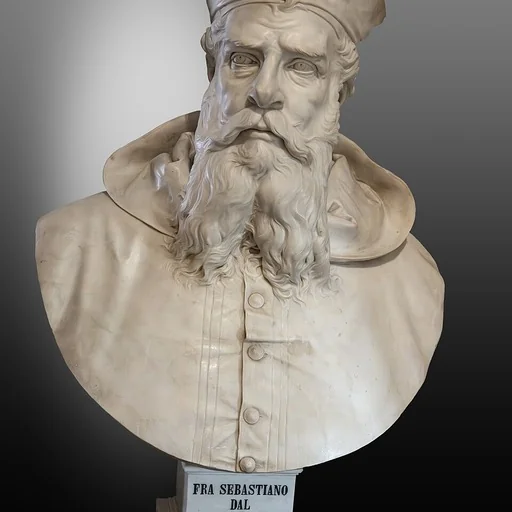
Sebastiano del Piombo (Italian:; c. 1485 – 21 June 1547) was an Italian painter of the High Renaissance and early Mannerist periods, famous as the only major artist of the period to combine the colouring of the Venetian…

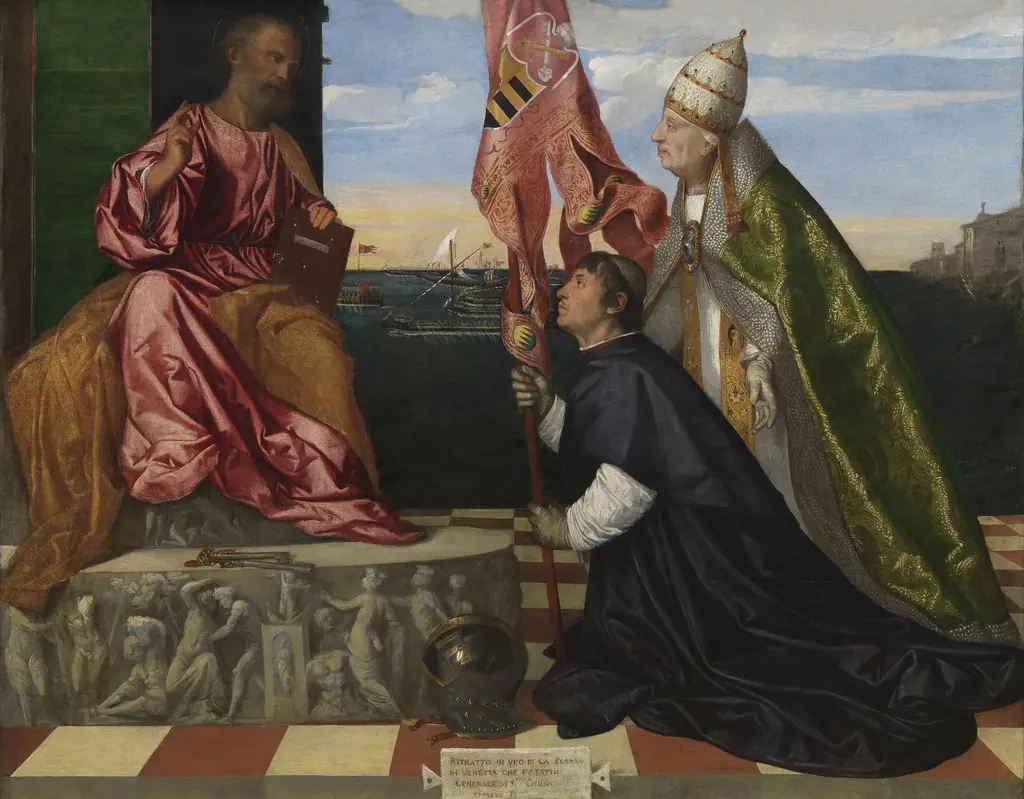 Jacopo Pesaro, Bishop of Paphos, being presented by Pope Alexander VI to Saint Peter
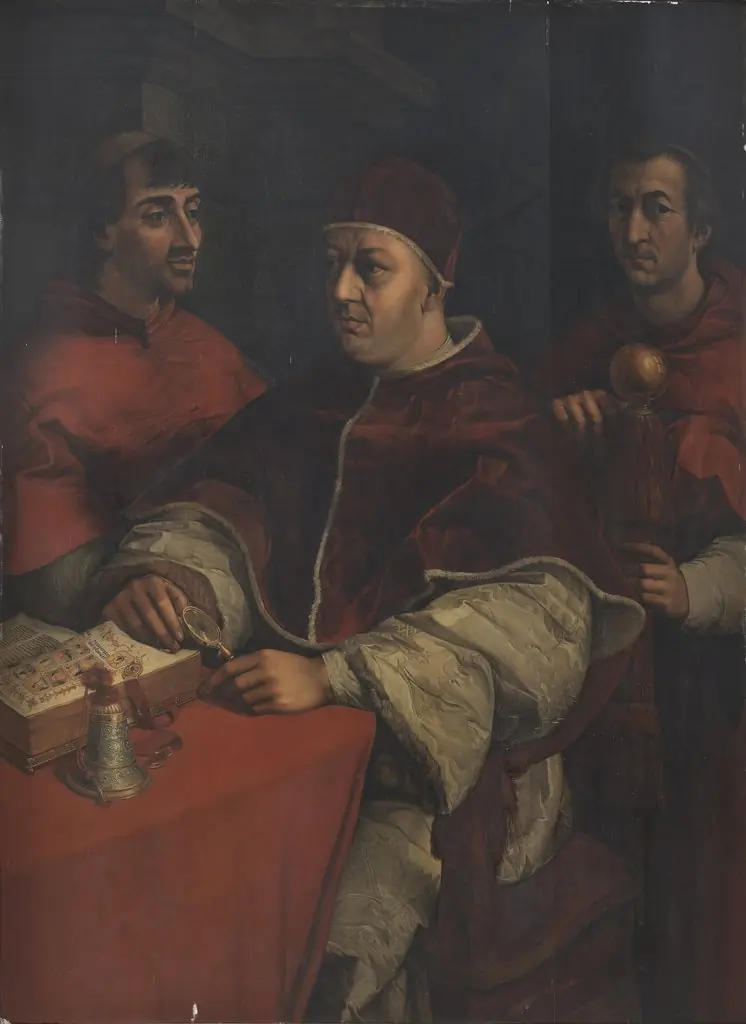 Pave Leo X og kardinalerne Ludovico de' Rossi og Giulio de' Medici. Kopi efter Rafael
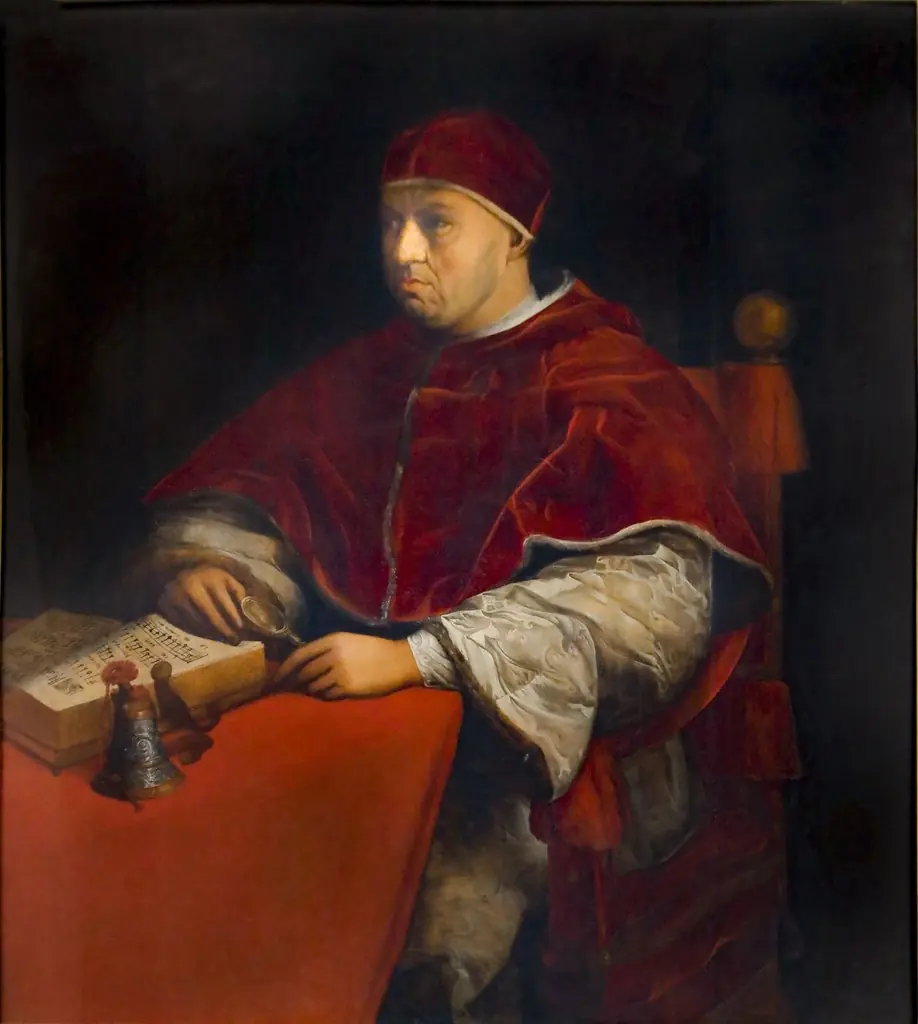 Portrait of Pope Leo X
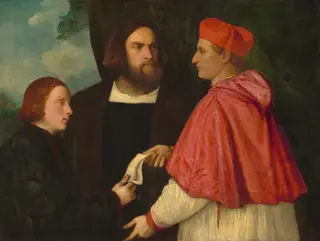 Giacomo and Cardinal Marco, investing Andrea, Abbot of San Zeno, with his Benefice
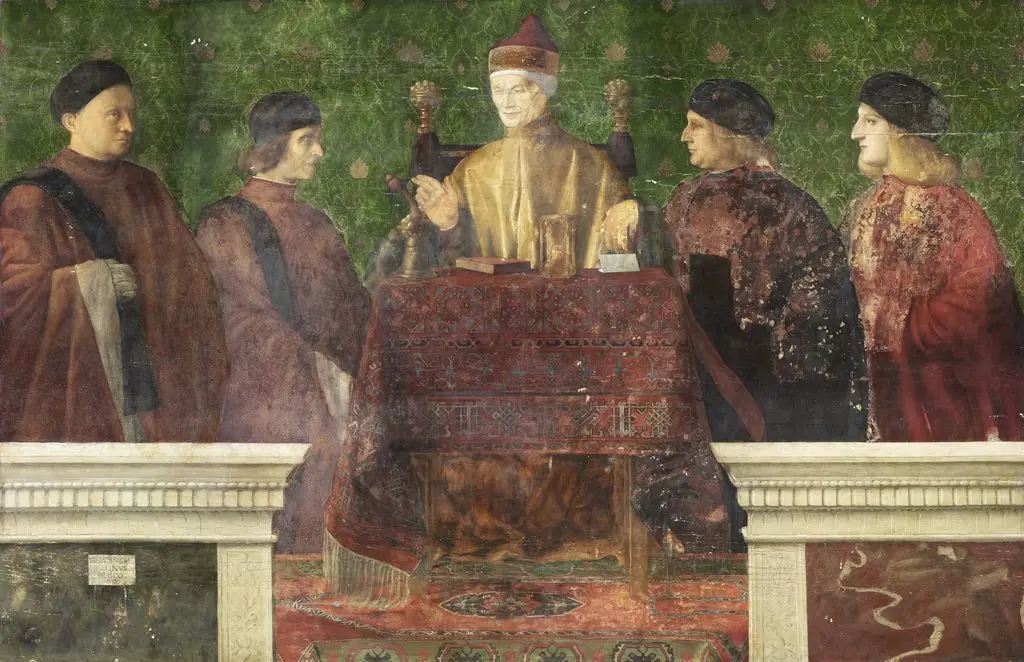 The Doge Leonardo Loredan with four Companions
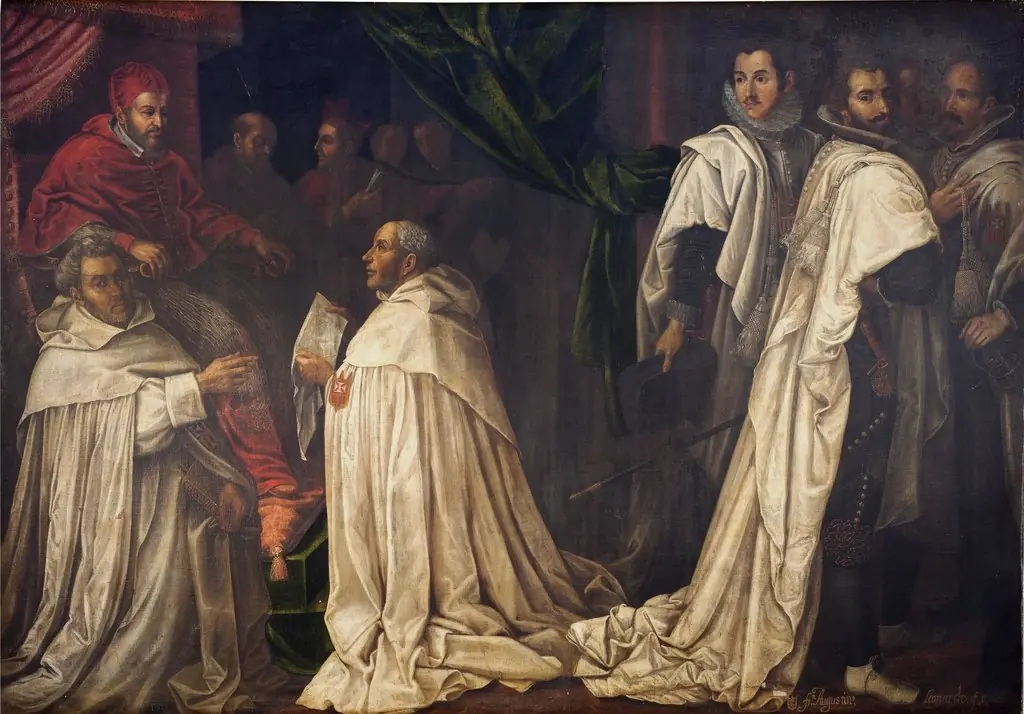 Decisión del pleito entre religiosos y caballeros
 Der Disput von Kirchenlehrern über das Mysterium der unbefleckten Empfängnis
 Bildnis eines Kardinals
 Giorgio Cornaro (1452-1527) and his son Francesco Cornaro (1478-1543)
 Anointing of a bishop