Artwork
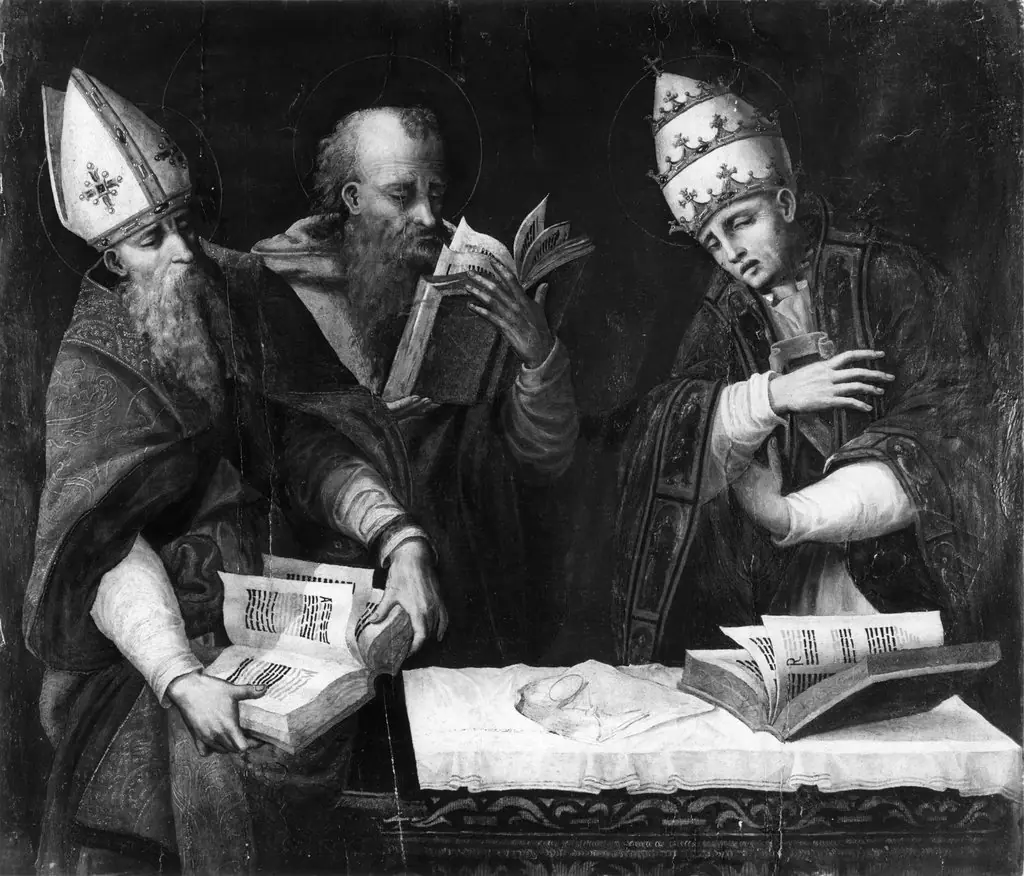
Der Disput von Kirchenlehrern über das Mysterium der unbefleckten Empfängnis
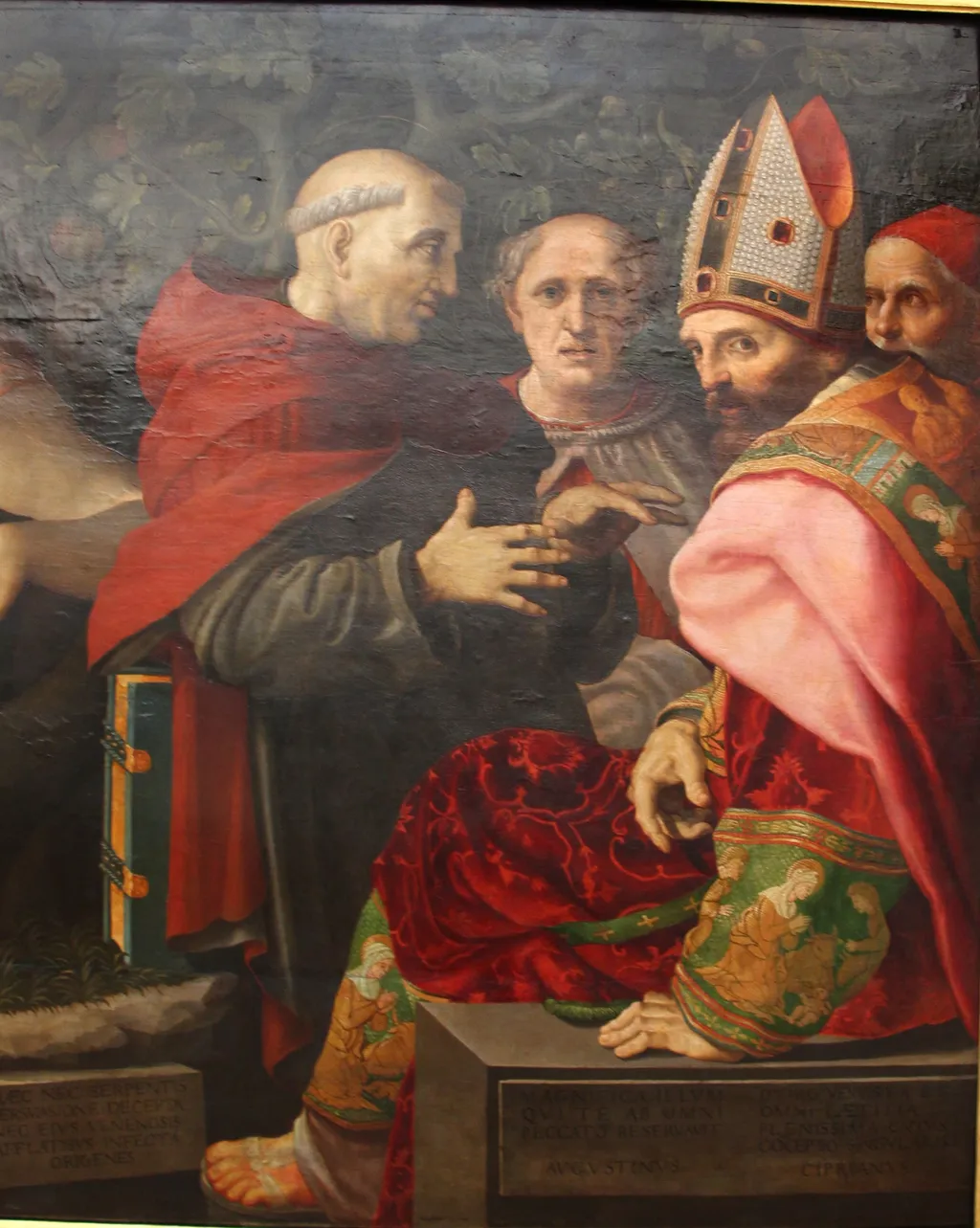
Der Disput von Kirchenlehrern über das Mysterium der unbefleckten Empfängnis is a paint painting by the Early Baroque Italian artist Guillaume de Marcillat. It dates from 1528 and is held in the collection of the Gemäldegalerie Berlin.
About this work
Overview
The arrangement emphasizes the intellectual gravity of the debate through the grouping of the figures against a dark background punctuated by visible foliage.
Created in 1528 by the French painter Guillaume de Marcillat, Der Disput von Kirchenlehrern über das Mysterium der unbefleckten Empfängnis (The Dispute of the Church Fathers on the Mystery of the Immaculate Conception) is a late work from the artist's career, produced during his significant tenure in Italy. The composition centers on a gathering of ecclesiastical figures engaged in theological discourse regarding the Immaculate Conception. A central figure, distinguished by a red robe and seated posture, anchors the scene, surrounded by other men in varied clerical attire, including a bishop wearing a mitre and another draped in a red cloak.
The arrangement emphasizes the intellectual gravity of the debate through the grouping of the figures against a dark background punctuated by visible foliage. Marcillat, known for integrating Italian High Renaissance styles with Northern European sensibilities, executed this panel late in his life, shortly before his death in 1529. The work reflects the period's intense theological focus on Marian doctrines and demonstrates the artist's mature handling of figural composition and narrative clarity within a religious context.
Subject & Meaning
The composition gathers several ecclesiastical figures, some wearing a bishop’s mitre, others cloaked in red, engaged in a theological discussion about the doctrine of the Immaculate Conception. The central seated individual, also in red, appears to be the focal point of the discourse, emphasizing the importance of the contested doctrine within the church hierarchy of the period.
Technique & Style
Marcillat employs a pronounced chiaroscuro, juxtaposing illuminated forms against a deep, shadowy backdrop that suggests foliage. This contrast enhances the three‑dimensionality of the figures and creates a dramatic atmosphere typical of early 16th‑century Northern Renaissance painting, where light serves both compositional and symbolic functions.
History & Provenance
The painting has remained in public collections since its early years, eventually entering the holdings of Berlin’s Gemäldegalerie. Its attribution to Marcillat, a noted painter and stained‑glass designer, is supported by stylistic analysis and archival records linking the work to his activity in the German lands during the 1520s.
Own this work as a print
Artist & collection
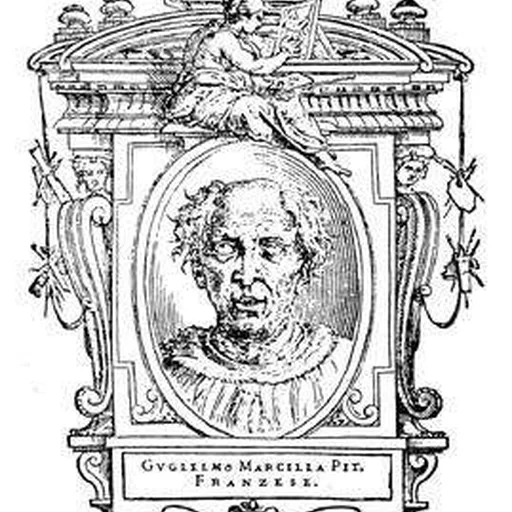

- Der hl. Laurentius vor Kaiser Decius
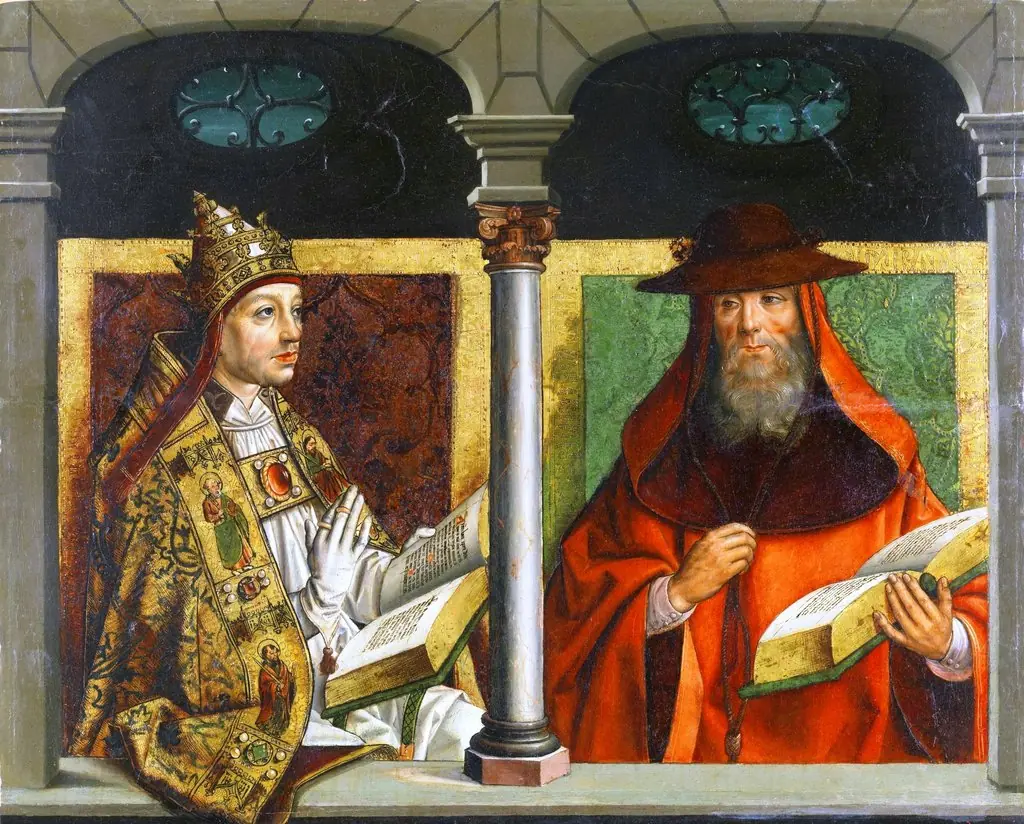 Saint Gregory the Great and Saint Jerome
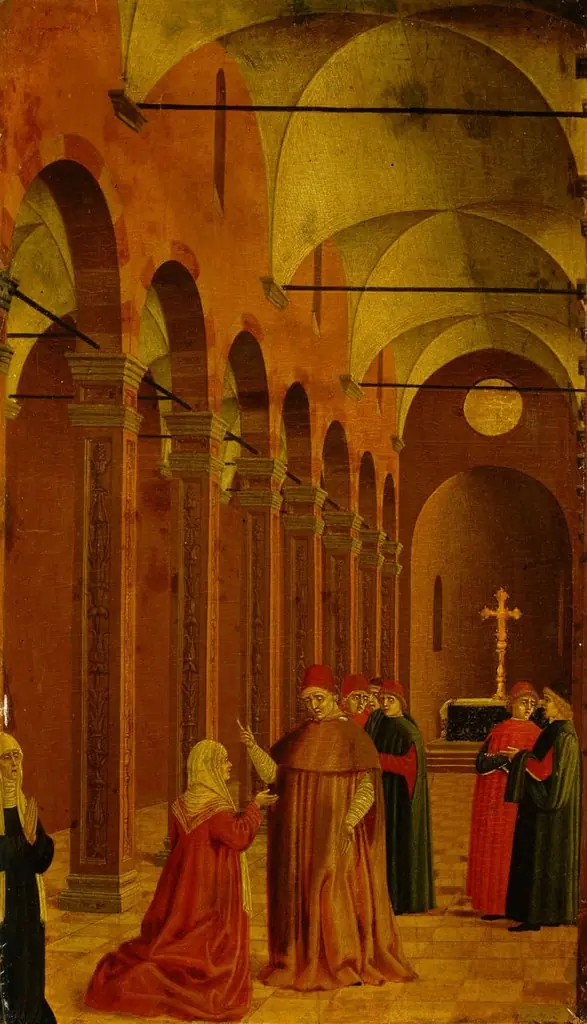 Szene aus dem Leben des Hl. Vinzenz Ferrer: Die Mutter des Heiligen fragt den Bischof von Valencia nach dem Sinn der wunderbaren Zeichen, die die Geburt ihres Kindes ankündigen
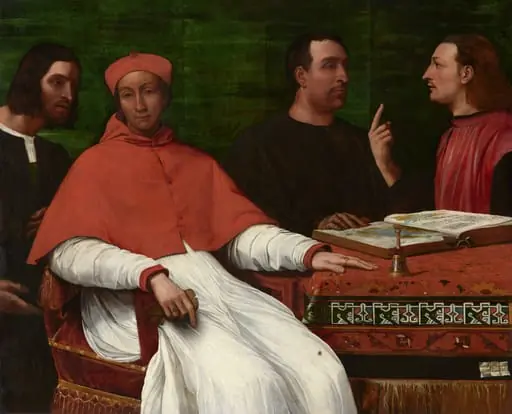 Cardinal Bandinello Sauli, His Secretary, and Two Geographers
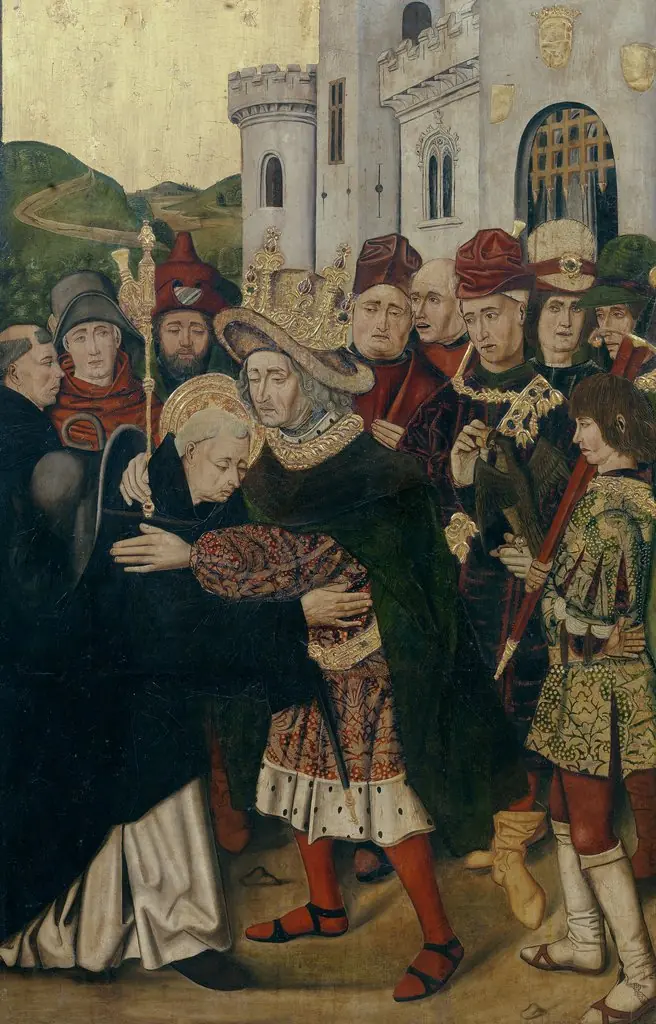 Ferdinand I of Castile welcoming Saint Dominic of Silos
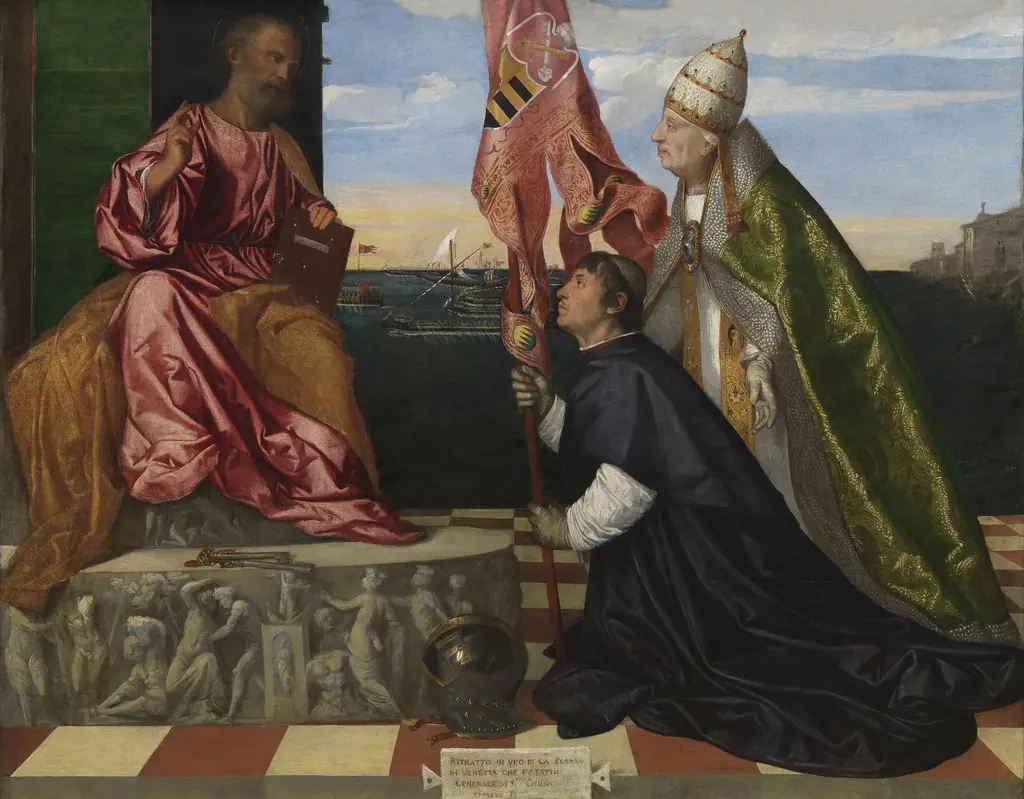 Jacopo Pesaro, Bishop of Paphos, being presented by Pope Alexander VI to Saint Peter
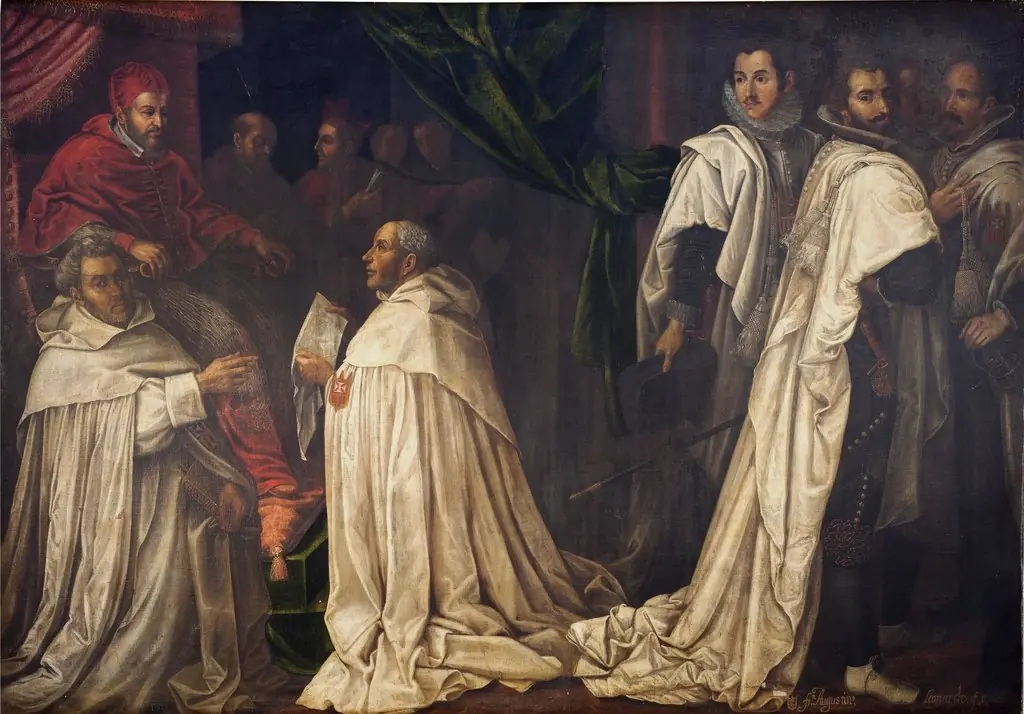 Decisión del pleito entre religiosos y caballeros
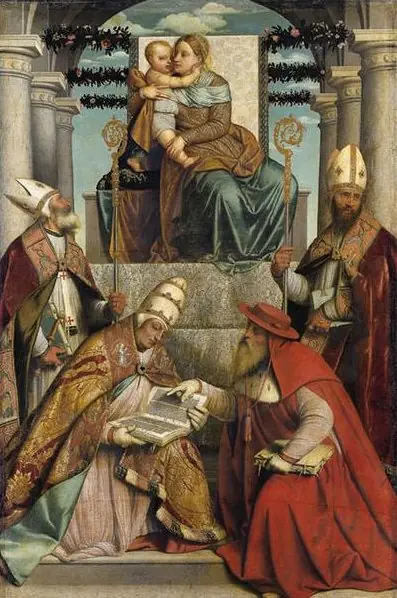 Madonna and Child with Four Doctors of the Church
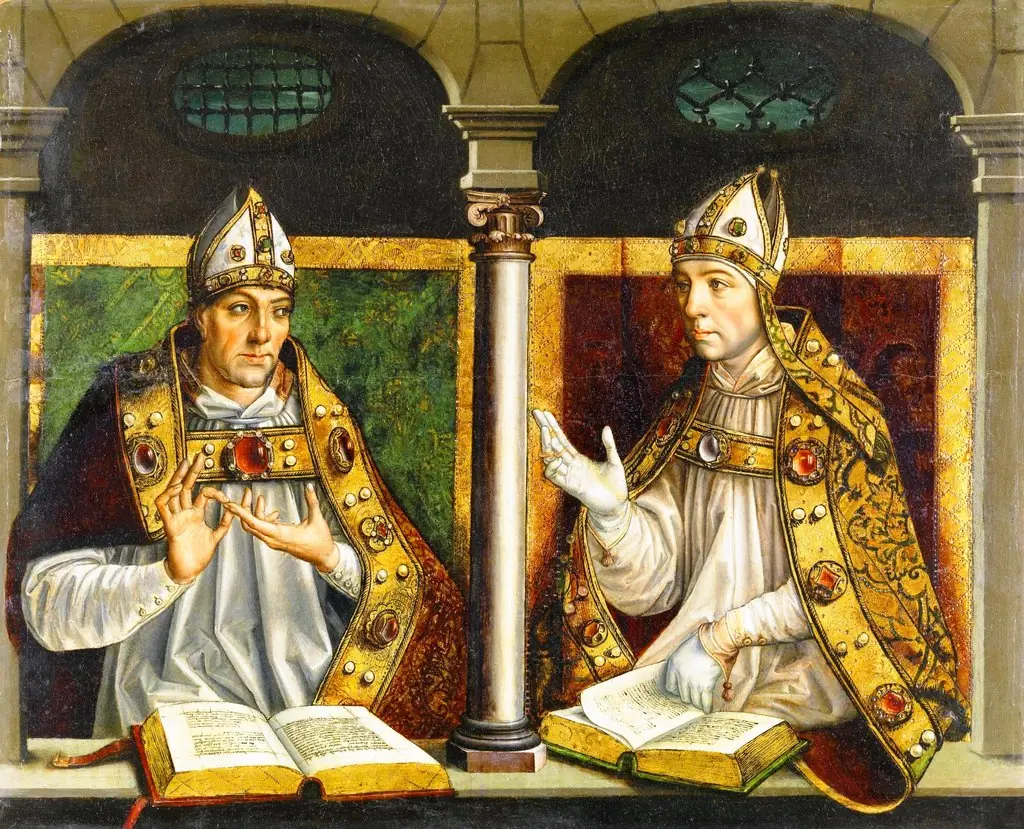 Saint Ambrose and Saint Augustine
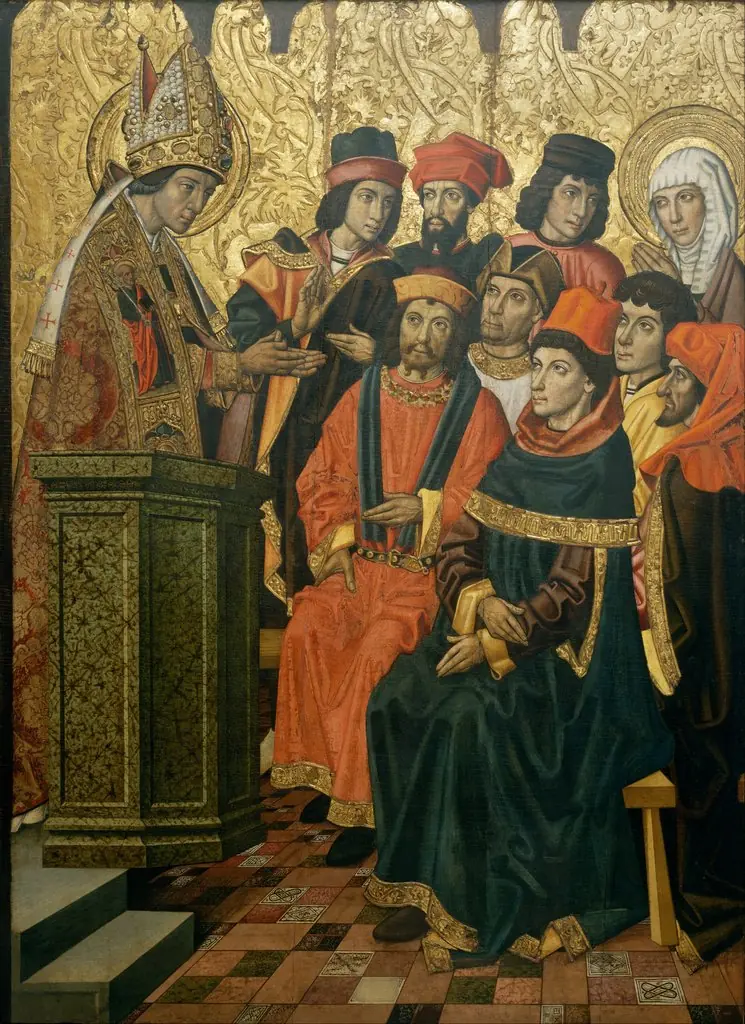 Saint Augustine and Saint Monica in a Sermon by Saint Ambrose
 Saints Augustine, Jerome and Gregory the Great
 Duke Adolf refuses the offer of the Crown of Denmark