Artwork
The Execution of Torrijos and his companions in the Malaga's beach
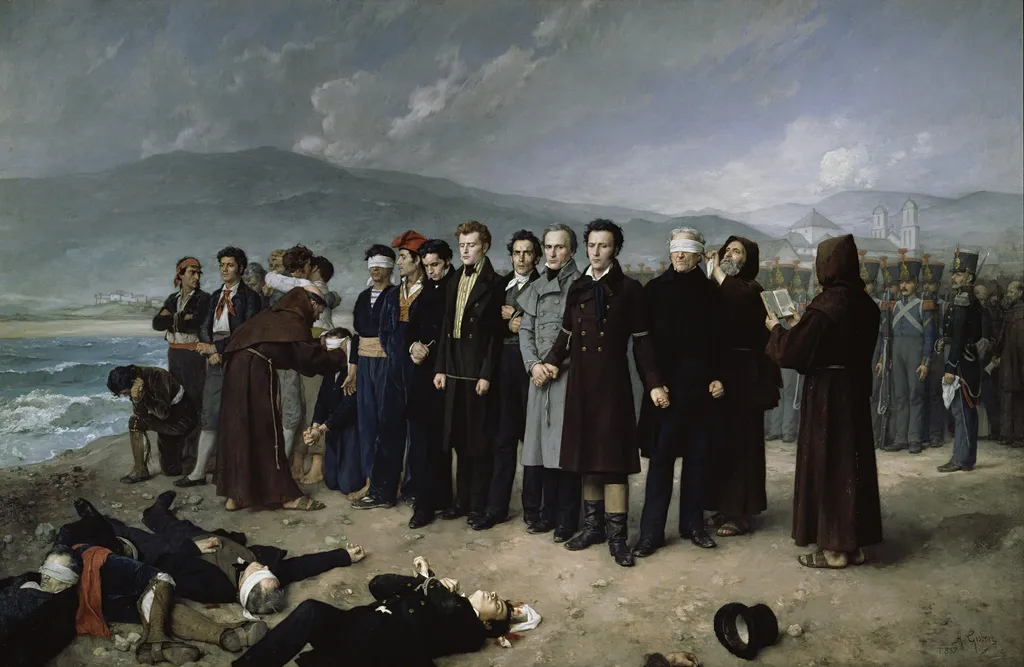
The Execution of Torrijos and his companions in the Malaga's beach is an oil painting by the Post-Impressionist artist Antonio Gisbert. It dates from 1894 and is held in the collection of the Museo del Prado.
About this work
This painting shows a dramatic moment in Spanish history. Antonio Gisbert used oil paint to capture the scene in 1888. It hangs at the Museo del Prado now.
It was made to support a political idea. The Prime Minister wanted art to show freedom and nation-building. The painting tells a story of courage in tough times.
Look up Antonio Gisbert if you want to see more of his work.
Subject & Meaning
It serves as a historical reminder of the sacrifices made for freedom, presenting the event as a martyrdom for the liberal cause.
Antonio Gisbert's painting depicts the execution of General José María Torrijos and forty-eight companions on the Málaga beach on December 11, 1831, ordered by Ferdinand VII without trial. The scene captures the final moments before a firing squad, with prisoners bound and blindfolded by friars offering last rites, while bodies of the already dead lie in the foreground in a style reminiscent of Goya. Torrijos stands centrally, flanked by associates such as Francisco Fernández Golfín and Manuel Flores Calderón, their expressions ranging from resignation to defiance. Commissioned by Prime Minister Práxedes Mateo Sagasta, the work functions as a vehicle for Spanish nation-building, symbolizing the costly struggle for liberty against absolutism. It serves as a historical reminder of the sacrifices made for freedom, presenting the event as a martyrdom for the liberal cause.
Technique & Style
Antonio Gisbert executed *The Execution of Torrijos and his companions in the Malaga's beach* using oil paint on a large canvas support, measuring 390 cm in height and 601 cm in width. Completed between 1887 and 1888, the work adheres to pure academic drawing standards while employing a raw and firm technique. The composition is structured simply yet effectively, utilizing a framing device that mimics a photographic snapshot by excluding fallen bodies from the visual field. Stylistically, the painting belongs to the Romantic movement and features a palette of cold, muted colors designed to evoke sadness and the gloom of the depicted day. The artist demonstrates significant mastery in rendering diverse human emotions, capturing resignation, fear, courage, and defiance through the specific expressions and gestures of the condemned figures.
History & Provenance
Antonio Gisbert painted The Execution of Torrijos and his companions in the Malaga's beach in 1888, commissioned by Prime Minister Práxedes Mateo Sagasta to commemorate the 1831 execution of liberal leader José María Torrijos and his companions on Málaga's beach. The work, executed in oil on canvas and measuring 390 × 601 cm, was completed in 1888 and initially housed in Madrid's Museo de Arte Moderno before being transferred to the Museo del Prado in 1971 as part of the museum's nineteenth-century collection. Gisbert drew on historical accounts of Torrijos's Liberal Triennium activities, exile in England, and betrayal by Governor Vicente González Moreno, arranging the figures with a compositional clarity reflecting academic conventions while emphasizing emotional contrasts among the condemned. The painting's restrained palette and photographic framing underscore its documentary intent, serving as a visual testament to Spain's struggle for liberal freedoms during the 19th century.
The provenance records indicate the work remained in the Museo de Arte Moderno until 1971, when it entered the Museo del Prado's holdings, establishing a continuous institutional ownership chain from commissioning through mid-20th-century museum reorganization.
The Execution of Torrijos and his companions in the Malaga's beach is held in the Museo del Prado in Madrid. It was acquired as part of the transfer of 19th-century works from the Museo de Arte Moderno to the Museo del Prado in 1971. The painting was commissioned by Prime Minister Práxedes Mateo Sagasta in 1886 and completed in 1888. It has been exhibited in exhibitions focused on Spanish historical painting and Spanish nation-building themes.
Context
The painting is widely regarded as one of the masterpieces of 19th‑century Spanish history painting, commissioned by Prime Minister Práxedes Mateo Sagasta in 1886 to commemorate the liberal cause and serve as a didactic warning on the cost of liberty. Its composition, executed in cold, subdued tones, is structured as a near-photographic instant, with the condemned aligned and bound, friars attending to last rites, and a firing squad in readiness. Gisbert’s handling of facial expressions, ranging from resignation to defiance, anchors the scene in academic rigor while echoing Goya’s dramatic immediacy in the foreground’s fallen figures. After its creation in 1887-88, the work entered the Museo de Arte Moderno in Madrid and was transferred to the Prado in 1971, where it remains.
Legacy
Antonio Gisbert's painting is widely regarded as one of the finest examples of 19th-century Spanish history painting and a masterpiece of the genre. Commissioned by Prime Minister Práxedes Mateo Sagasta in 1886, the work was intended to serve future generations as a reminder of the high cost of the struggle for liberty, functioning as a vehicle for Spanish nation-building from a liberal perspective. The painting originally resided in the Museo de Arte Moderno in Madrid before being transferred to the Museo del Prado in 1971, where it remains part of the permanent collection alongside other 19th-century works. Its enduring reputation rests on its ability to convey the emotional gravity of the event and its role in defining the visual narrative of Spanish liberalism.
Own this work as a print
Artist & collection
Artist
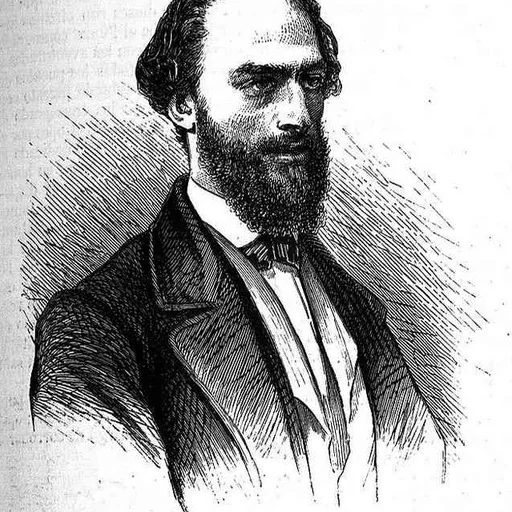
Antonio Gisbert Pérez (19 December 1834 – 27 November 1901) was a Spanish artist situated on the cusp between the realist and romantic movements in art.

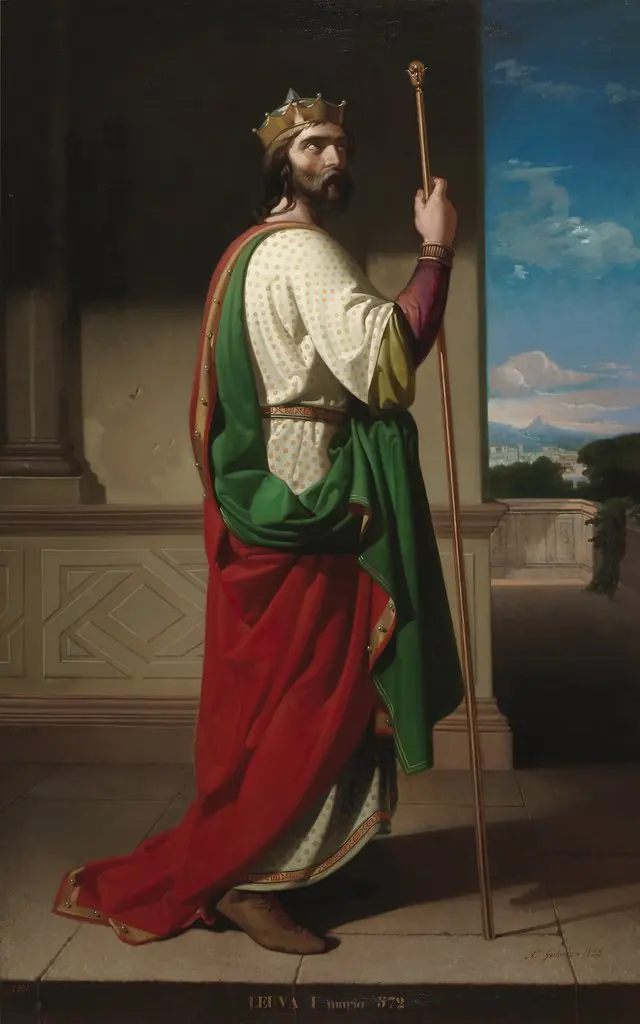
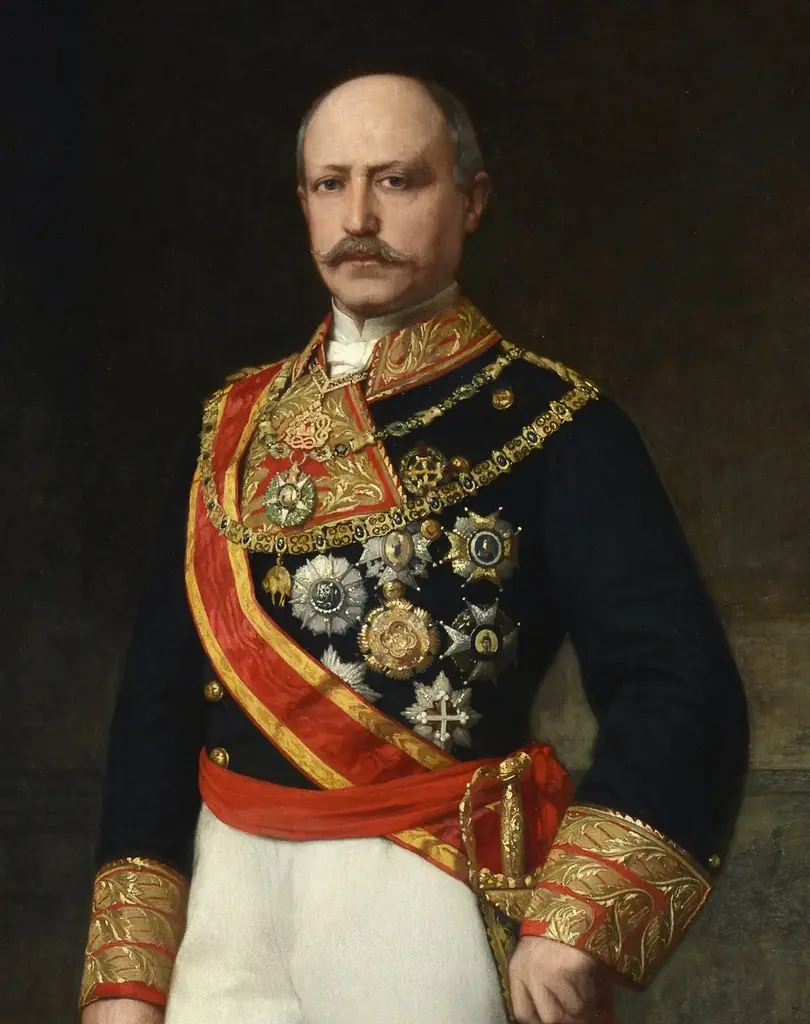
- The Great Day of Girona
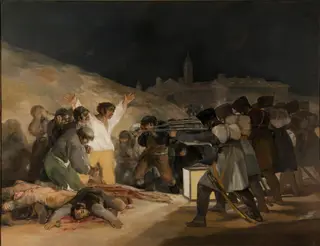 The Third of May 1808
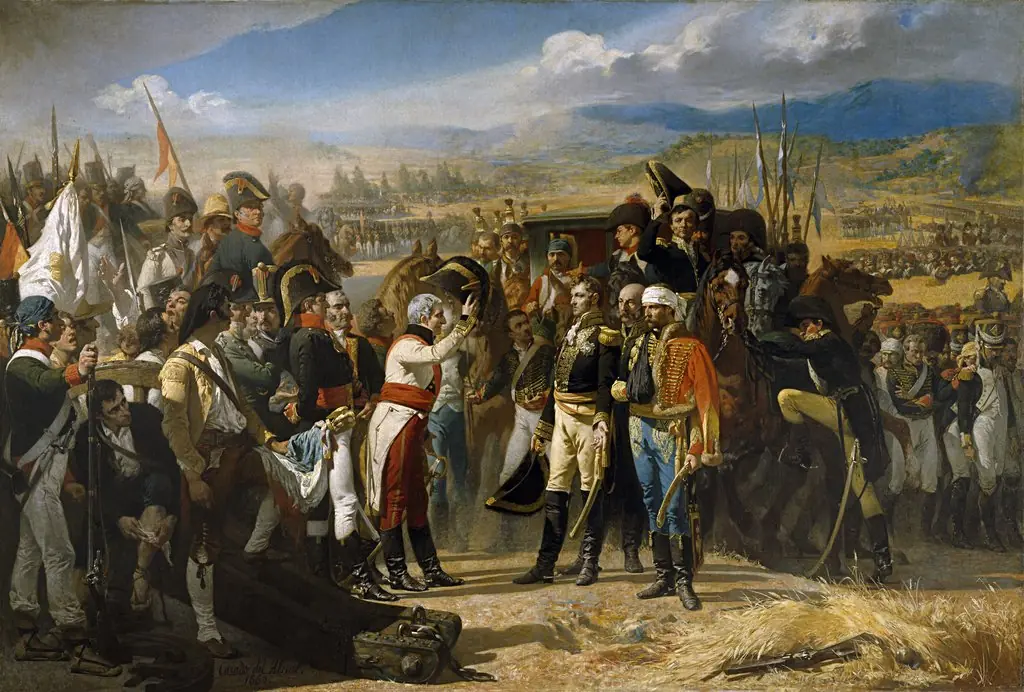 The Surrender of Bailén
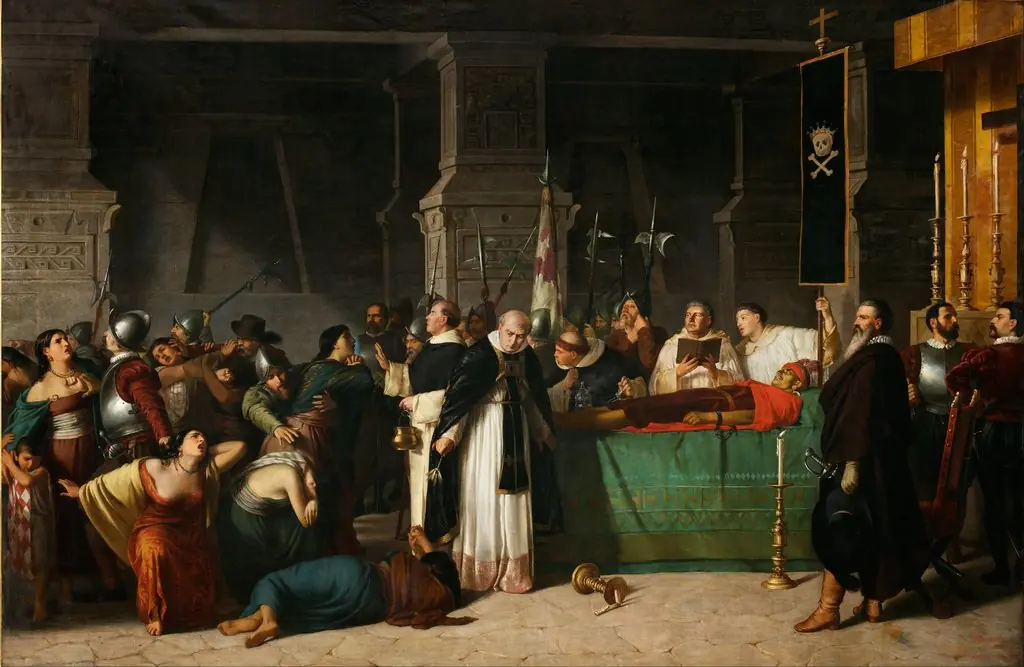 The Funerals of Inca Atahualpa
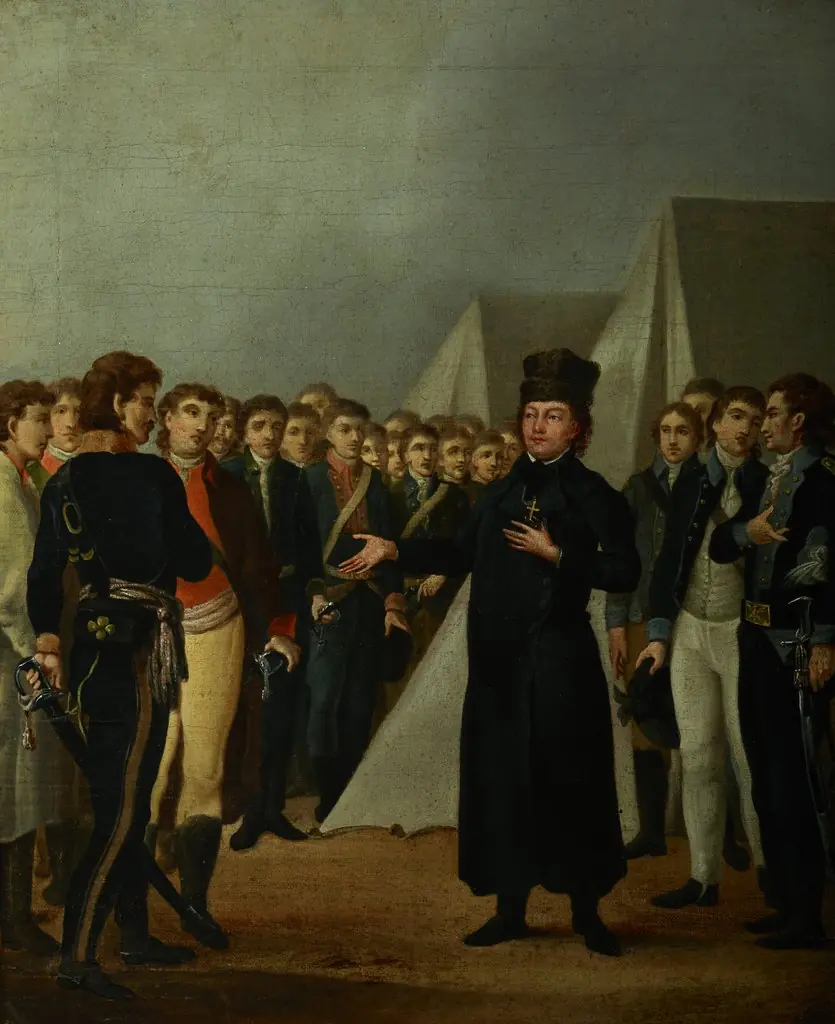 Reverend Józef Jakubowski at the Kościuszko's Camp near Warsaw in 1794
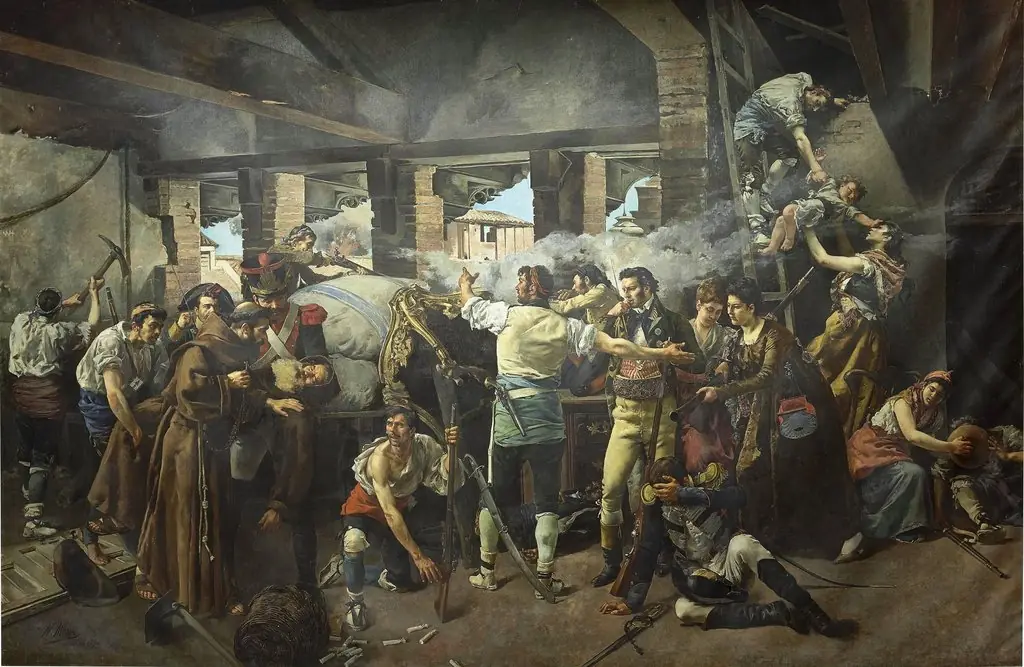 Defensa del Convento de Santa Engracia de Zaragoza 1809
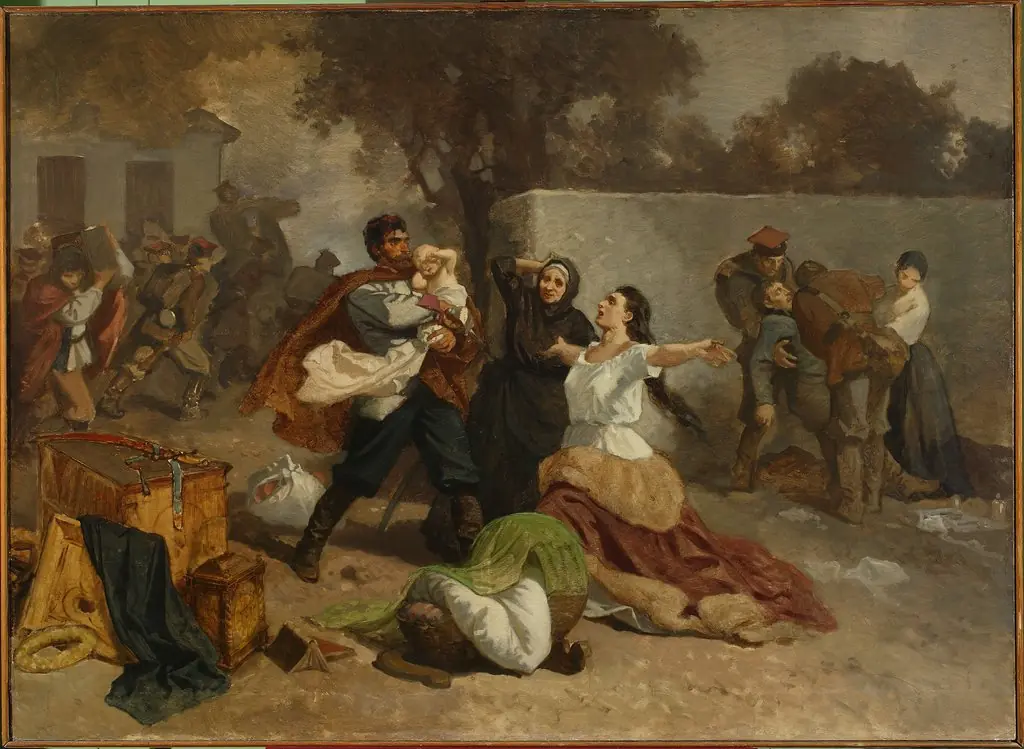 Fire of a manor house near Miechów
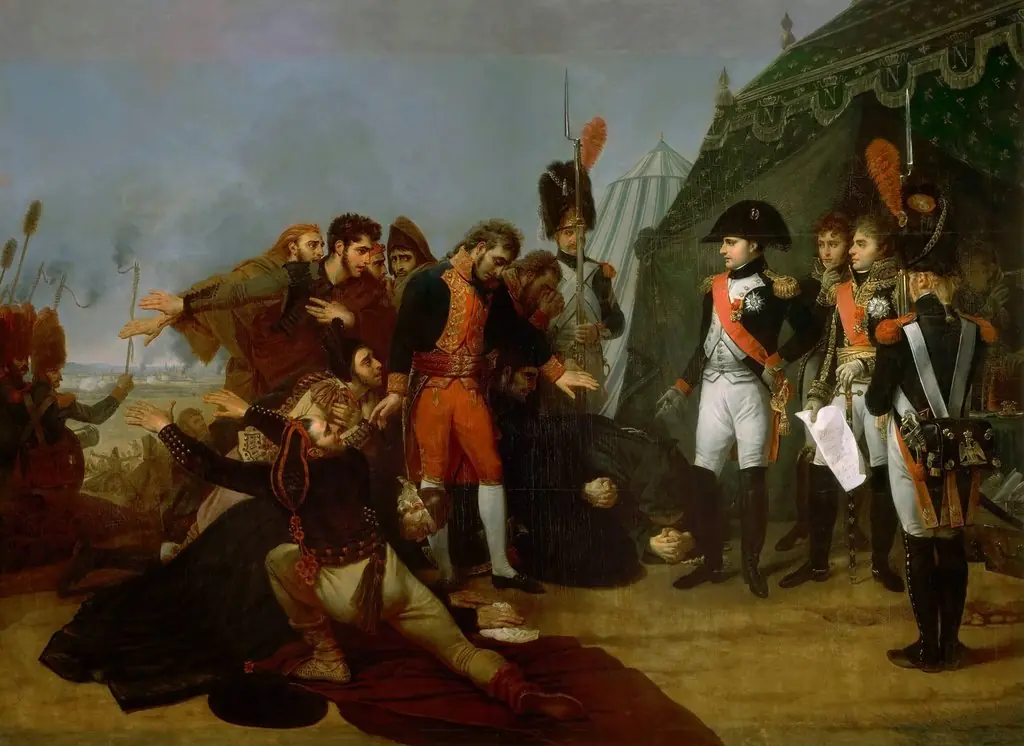 Napoleon accepts the surrender of Madrid, 4 December 1808
 General Bonaparte Visiting the Plague-Stricken at Jaffa
 The death of Pilade Bronzetti at Castel Morrone
 La gloria del pueblo
 The Second of May 1808