Artwork
The Second of May 1808
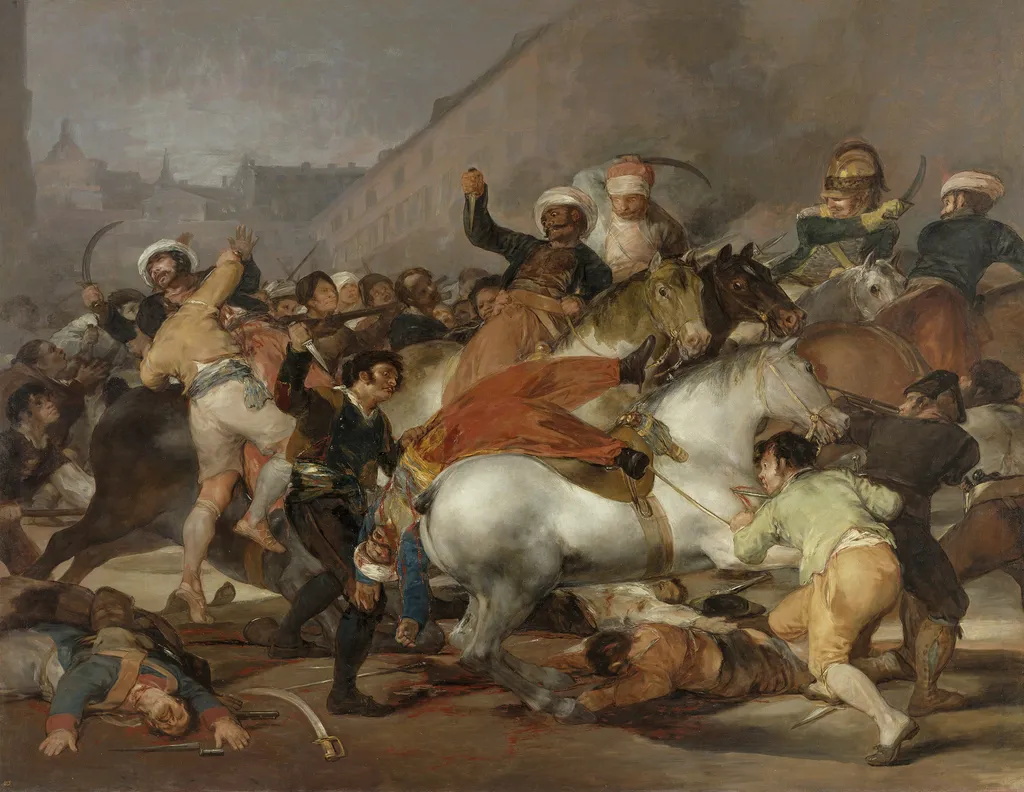
The Second of May 1808 is an oil painting by Francisco de Goya. It dates from 1814 and is held in the collection of the Museo del Prado.
About this work
This painting shows a crowded, chaotic street fight in Madrid. It’s by Francisco Goya. The scene happened May 2, 1808, when locals rose up against French troops.
The fight started near Puerta del Sol. Goya painted it years later to mark the uprising. It’s oil on canvas, dark in color.
It hangs at the Museo del Prado in Madrid.
Look up Francisco Goya next.
Subject & Meaning
The painting shows the moment of the 2 May 1808 uprising when Spanish civilians confront the Mameluke cavalry of the French Imperial Guard.
The painting shows the moment of the 2 May 1808 uprising when Spanish civilians confront the Mameluke cavalry of the French Imperial Guard. Goya renders the attackers with swords, scimitars and knives, emphasizing the chaotic melee and the disparity between the professional occupiers and the improvised defenders. The composition lacks a single focal point, underscoring the disorder of the rebellion, while the Spanish participants are portrayed as anonymous heroes resisting foreign domination.
This iconography serves as a visual tribute to national resistance and the broader Peninsular War, reflecting contemporary Spanish patriotism and the symbolic clash between Moorish-styled troops and native insurgents.
Technique & Style
Executed in 1814, The Second of May 1808 is an oil painting on canvas measuring 268.5 by 347.5 cm. Goya employed a rapid, loose brushwork and a rich chromatic palette dominated by browns and reds to convey the extreme dynamism and fury of the melee. This energetic handling, which avoids a single focal point to emphasize chaos, anticipates the Romantic style of later painters like Eugène Delacroix. The composition captures the violent clash between Spanish insurgents and Egyptian Mamelukes with intense realism, depicting fallen bodies and flowing blood against a background where smoke and dust obscure the architecture of Madrid.
The work suffered significant physical trauma during the Spanish Civil War when a transport vehicle carrying the painting struck an obstacle, causing tears and the loss of image fragments, particularly on the left margin. While an initial restoration in 1941 left some damage visible as a historical record, a comprehensive conservation project completed between 2007 and 2008 reintegrated the missing areas using watercolor pigments based on pre-damage photographs.
History & Provenance
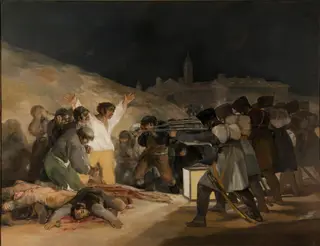
Commissioned in 1814 by the provisional Spanish government under the Regency following the expulsion of Napoleonic forces, The Second of May 1808 was created as a companion to The Third of May 1808 to commemorate the Dos de Mayo Uprising. Francisco Goya submitted a formal request to the council on 24 February 1814, proposing to depict the heroism of the Spanish people; the government approved the project on 9 March, agreeing to cover the costs of materials. Both works were completed within two months that same year, despite Goya not having witnessed the events firsthand, he relied on eyewitness accounts to reconstruct the chaotic melee near Madrid's Puerta del Sol.
Since its creation, the painting has remained in the collection of the Museo del Prado, where it entered shortly after completion. During the Spanish Civil War, it suffered significant damage in 1936 when a transport truck carrying it from Madrid collided, tearing sections of the canvas. A provisional restoration in 1941 repaired much of the damage, though some losses were left visible as a historical record. A further restoration between 2007 and 2008 reintegrated missing figures using watercolor pigments, guided by pre-damage photographs.
The work is held in the Museo del Prado, Madrid, accessioned as an oil on canvas completed in 1814. It was first publicly exhibited only decades after completion. Following restoration after damage sustained during the Spanish Civil War, it was returned to the Prado in 1941, and between 2007 and 2008 it underwent further conservation treatment at the museum.
Context
Scholarly discourse has often framed The Second of May 1808 as a foundational work of modern history painting, breaking from classical composition to convey raw, chaotic immediacy rather than heroic narrative. Kenneth Clark characterized the canvas as an "artistic failure," arguing that Goya's debt to Rubens, evident in the swirling movement and color, weighed on the painting despite its patriotic intent to memorialize anonymous Madrid citizens resisting occupation.
The painting's afterlife in art history is intertwined with its physical fate. During the Spanish Civil War, evacuation from the Prado led to severe damage in 1936; fragments were lost and later reintegrated during a 2007–2008 restoration, leaving some margins deliberately unretouched as a wartime trace. This material history has reinforced its status as a symbol of resilience, while later artists such as Herman Braun-Vega have reimagined the composition in dialogue with Picasso's Guernica and Velázquez's Las Meninas, embedding it within a transnational canon of anti-war imagery.
Its placement within Goya's oeuvre, paired with The Third of May 1808, cemented a dual narrative of resistance and reprisal, shaping Romantic and modernist appropriations of history painting as a medium of visceral, morally charged testimony.
Legacy
After Ferdinand VII's return, the painting was not hung publicly for many years. Its loose brushwork and emphasis on browns and reds are said to anticipate later directions in the painting of Eugène Delacroix, and its handling has been compared to works of French Romanticism such as those of Géricault. Kenneth Clark judged the composition an "artistic failure," suggesting Goya could not shake off the memory of similar compositions by Rubens.
In 1992, the Peruvian painter Herman Braun-Vega incorporated a version of The Second of May 1808, blended with elements from Picasso's Guernica and structured in the manner of Velázquez's Las Meninas, into the upper panel of his triptych La familia informal, now in the permanent collection of the Ralli Marbella Museum.
The canvas was badly damaged in 1936 during the Spanish Civil War when a truck evacuating Prado works was struck, tearing the left margin and leaving missing fragments. A first restoration followed in 1941, and a further restoration was completed between 2007 and 2008.
Overview
Francisco Goya's painting, The Second of May 1808, also known as The Charge of the Mamelukes, captures a pivotal moment from the Dos de Mayo Uprising in Madrid. Executed in oil on canvas, this work portrays the intense street fighting between Spanish citizens and French forces. It serves as a visual counterpart to Goya's equally renowned painting, The Third of May 1808, both commemorating the resistance against Napoleonic occupation.
Own this work as a print
Artist & collection
Artist
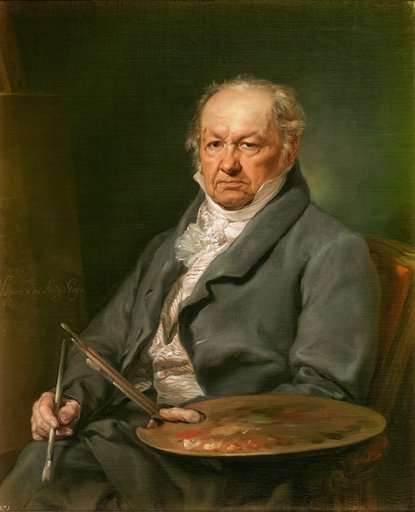
Francisco José de Goya y Lucientes was a Spanish romantic painter and printmaker.

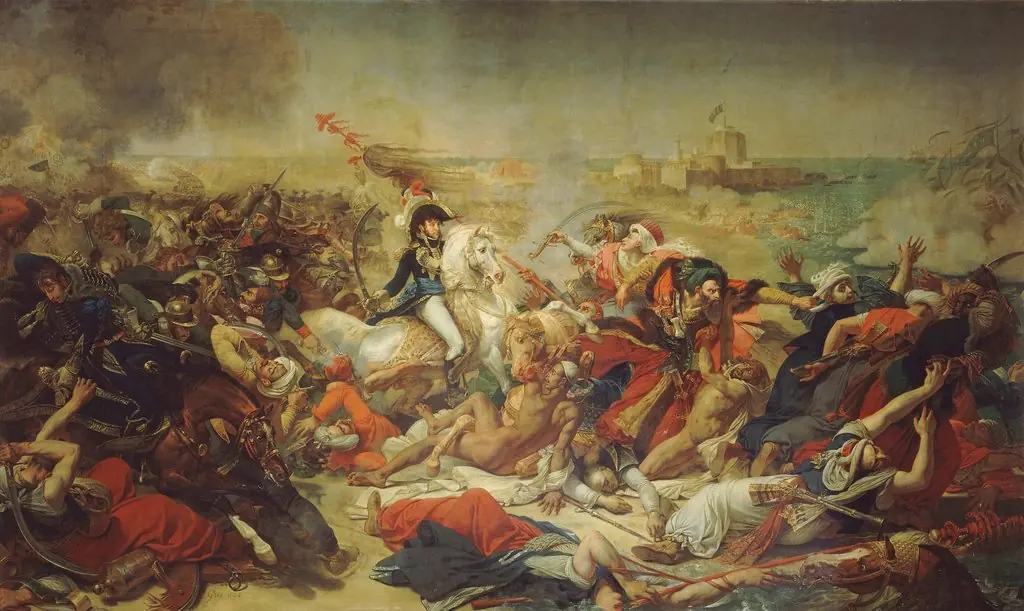 Bataille d'Aboukir, 25 Juillet 1799
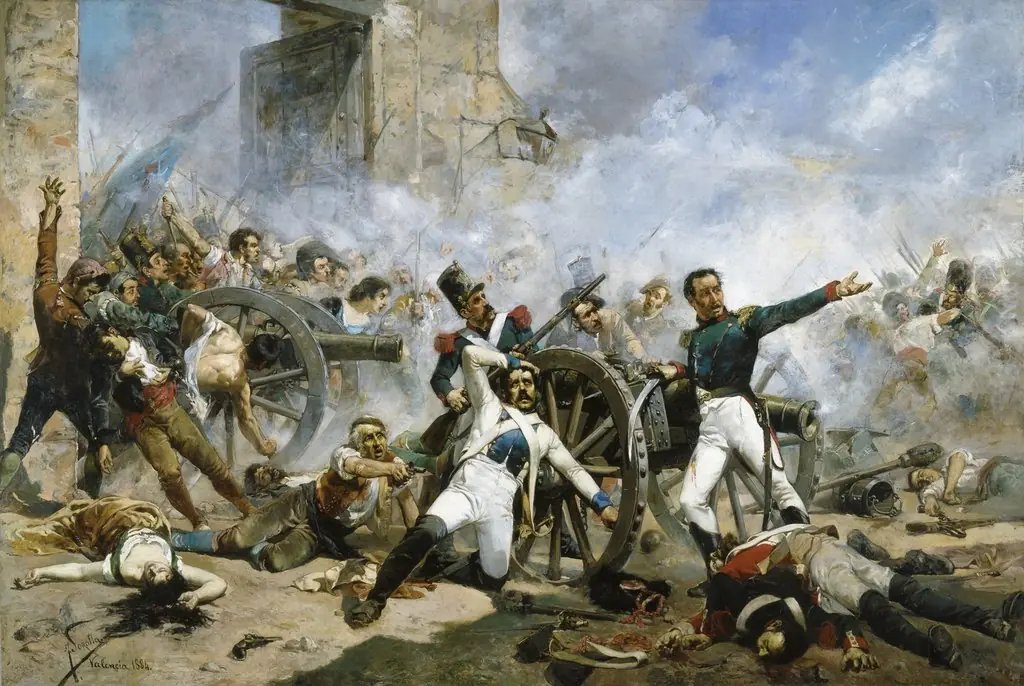 The death of Pedro Velarde y Santillán during the defence of the Monteleon Artillery Barracks.
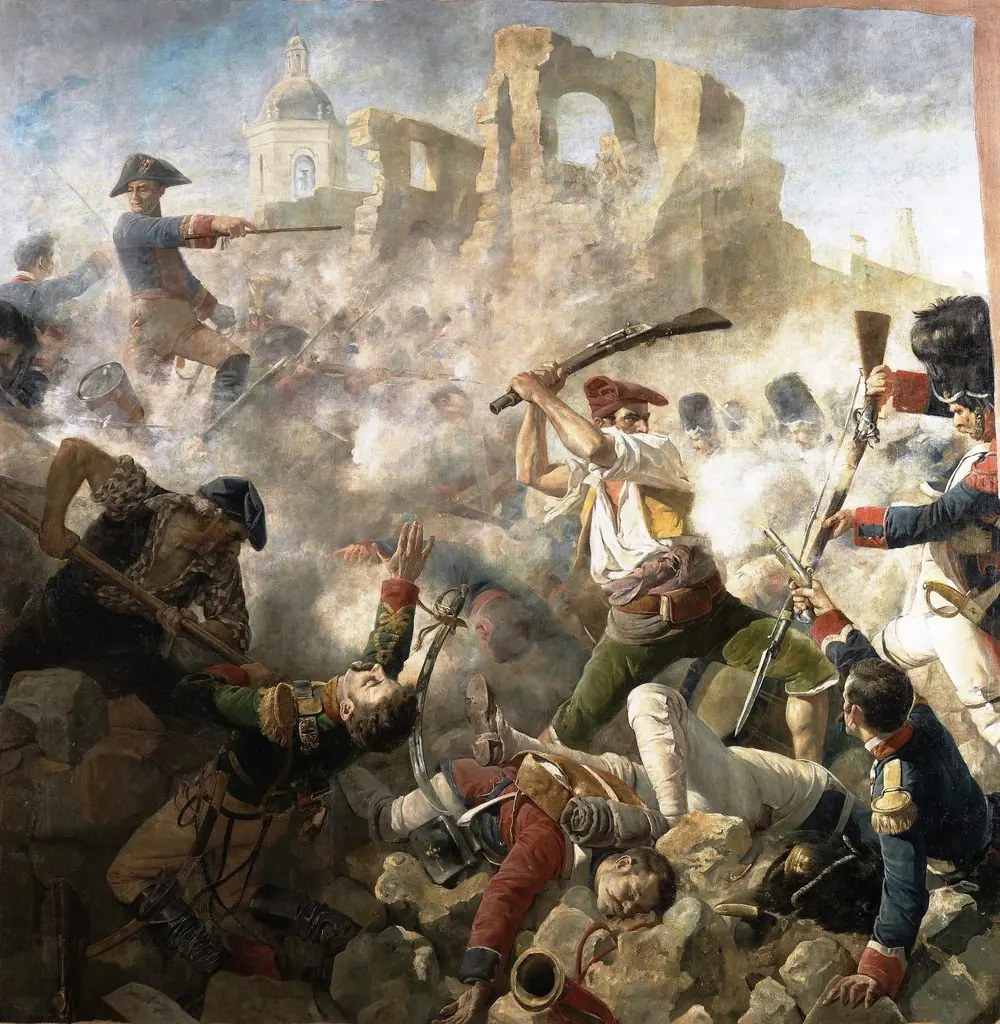 El gran día de Gerona (19 septiembre de 1809)
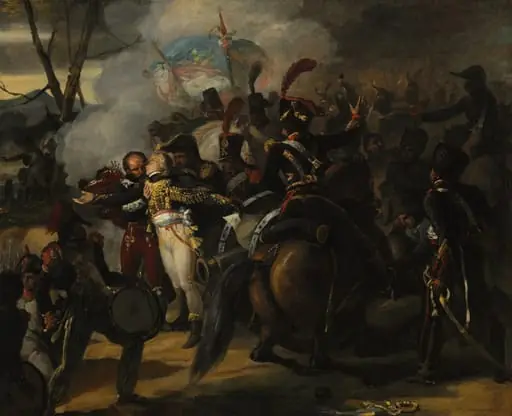 The Death of General Colbert
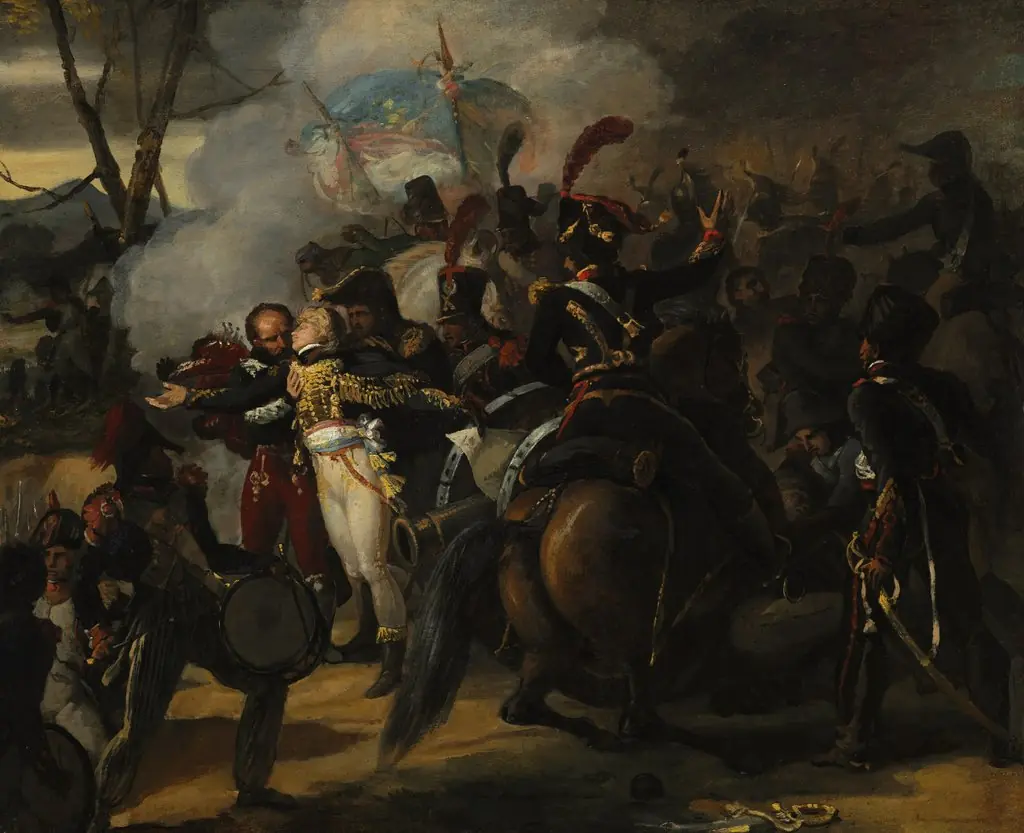 The Death of General Colbert
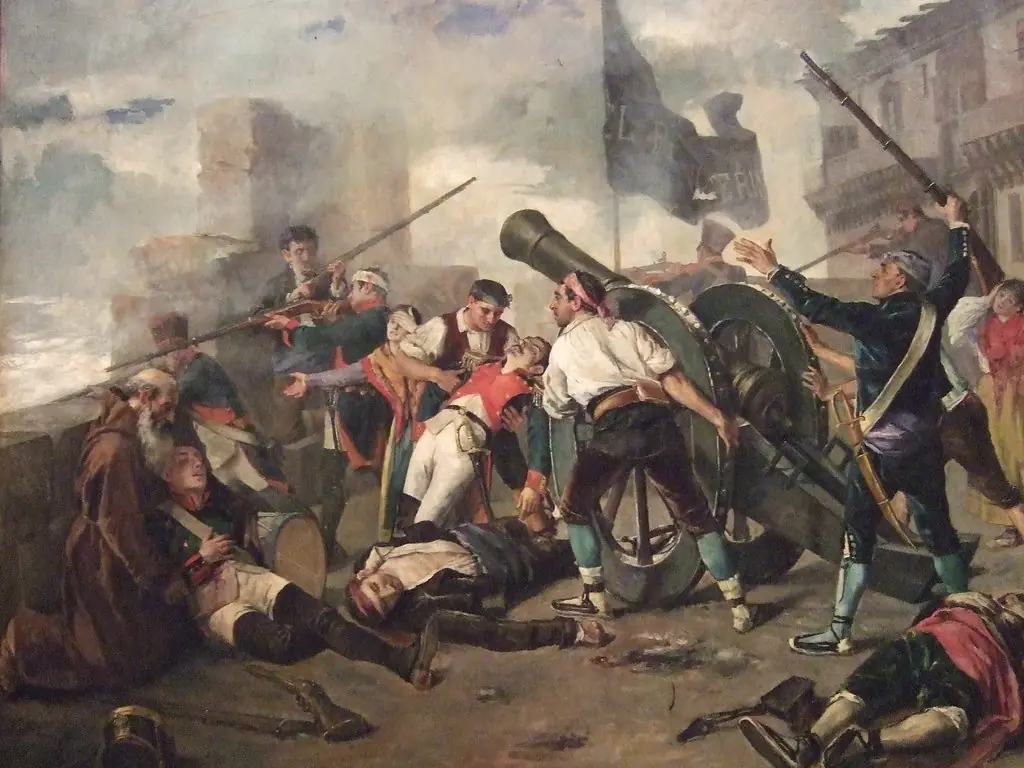 El Pilar no se rinde
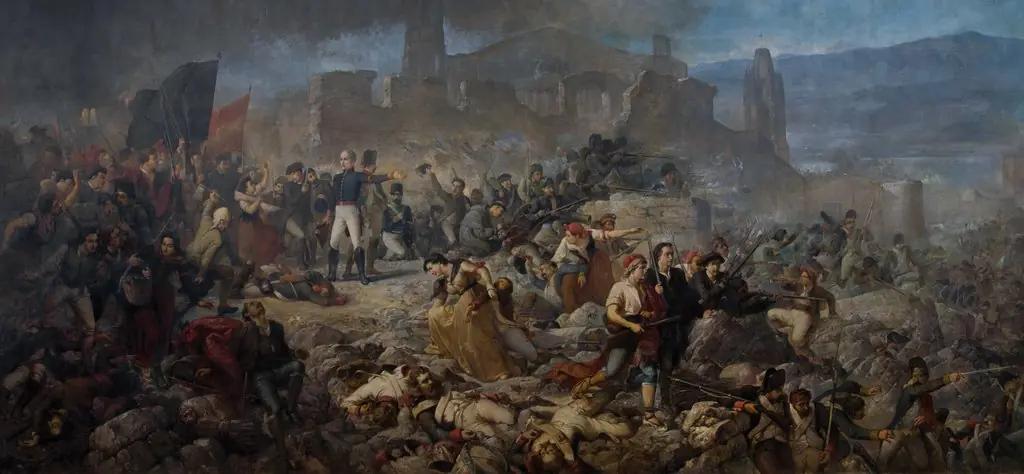 The Great Day of Girona
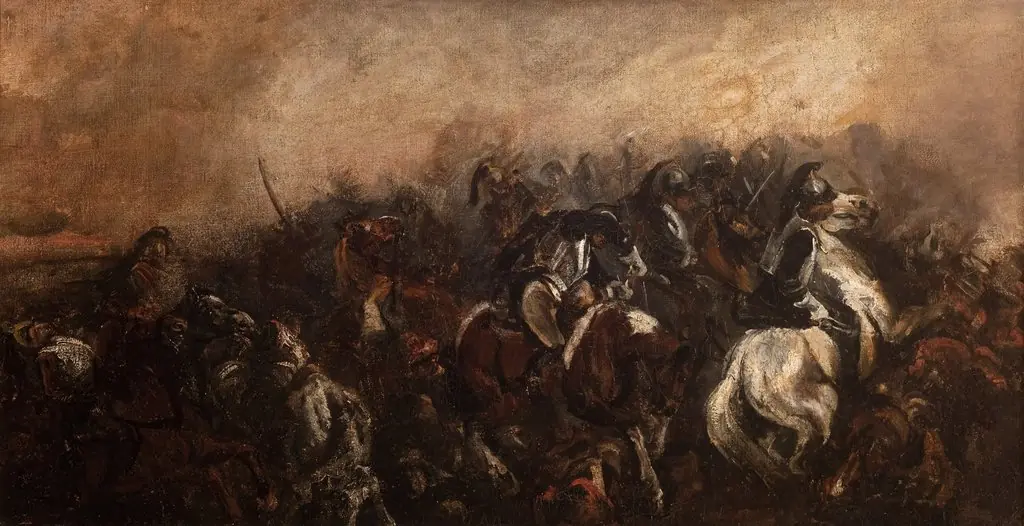 The Battle of Mozhaisk
 Battle on a Bridge
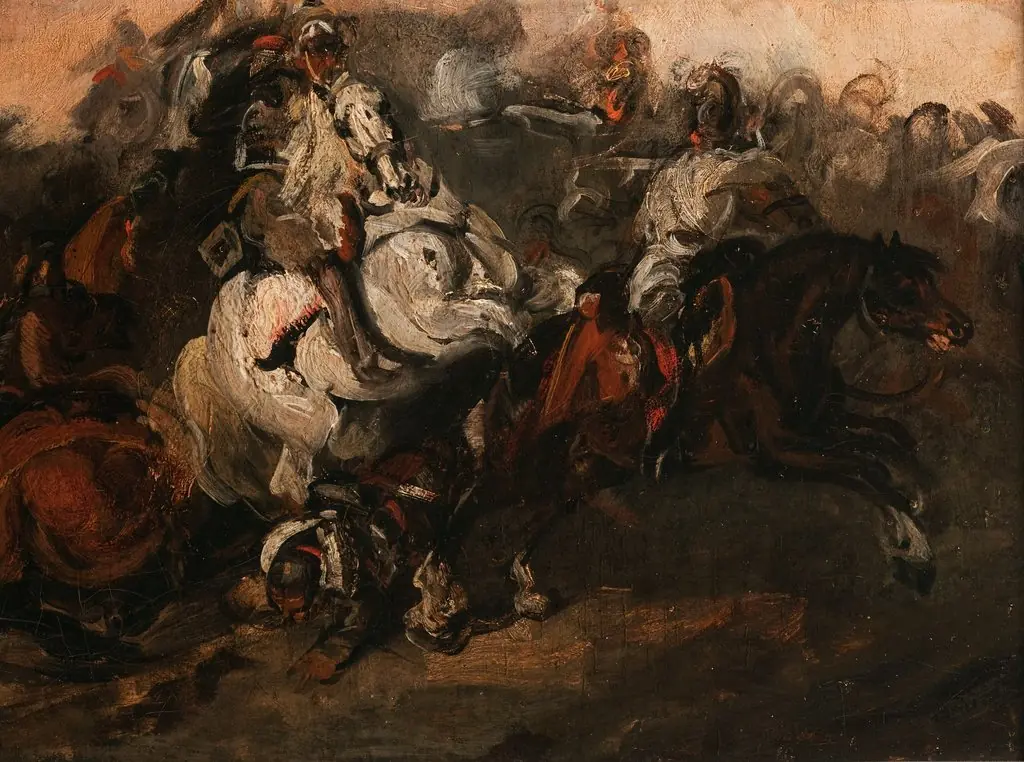 Encounter of Cuirassiers
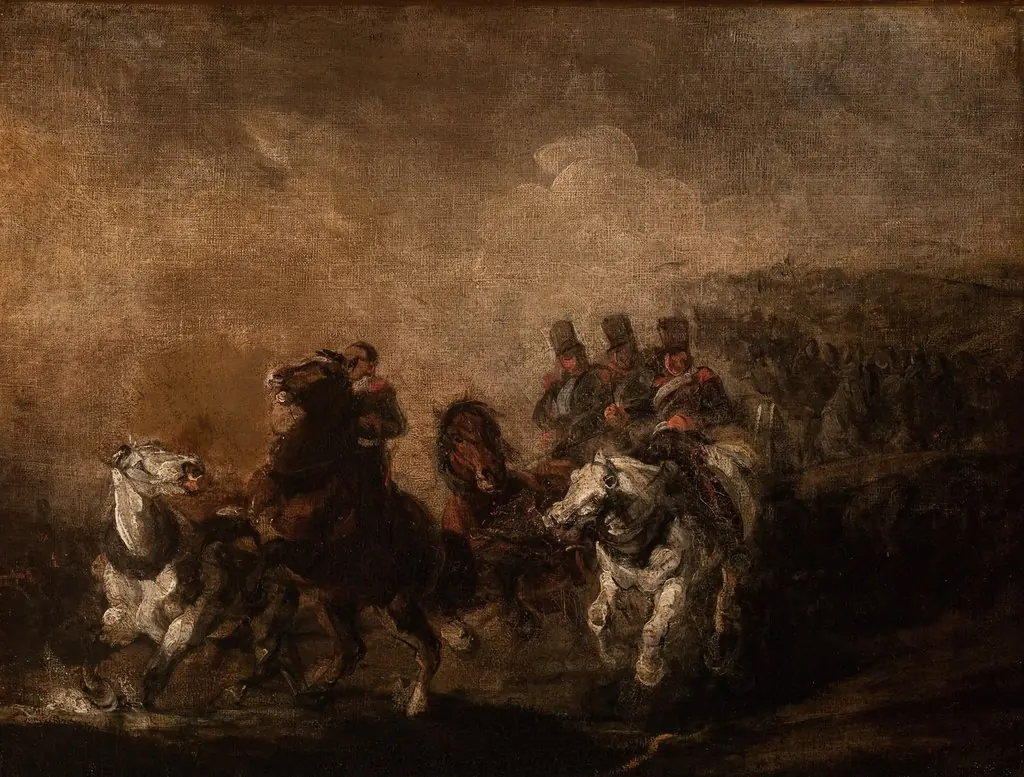 Artillery Crossing a Stream
- The Third of May 1808