Artwork
Saint John in the Desert
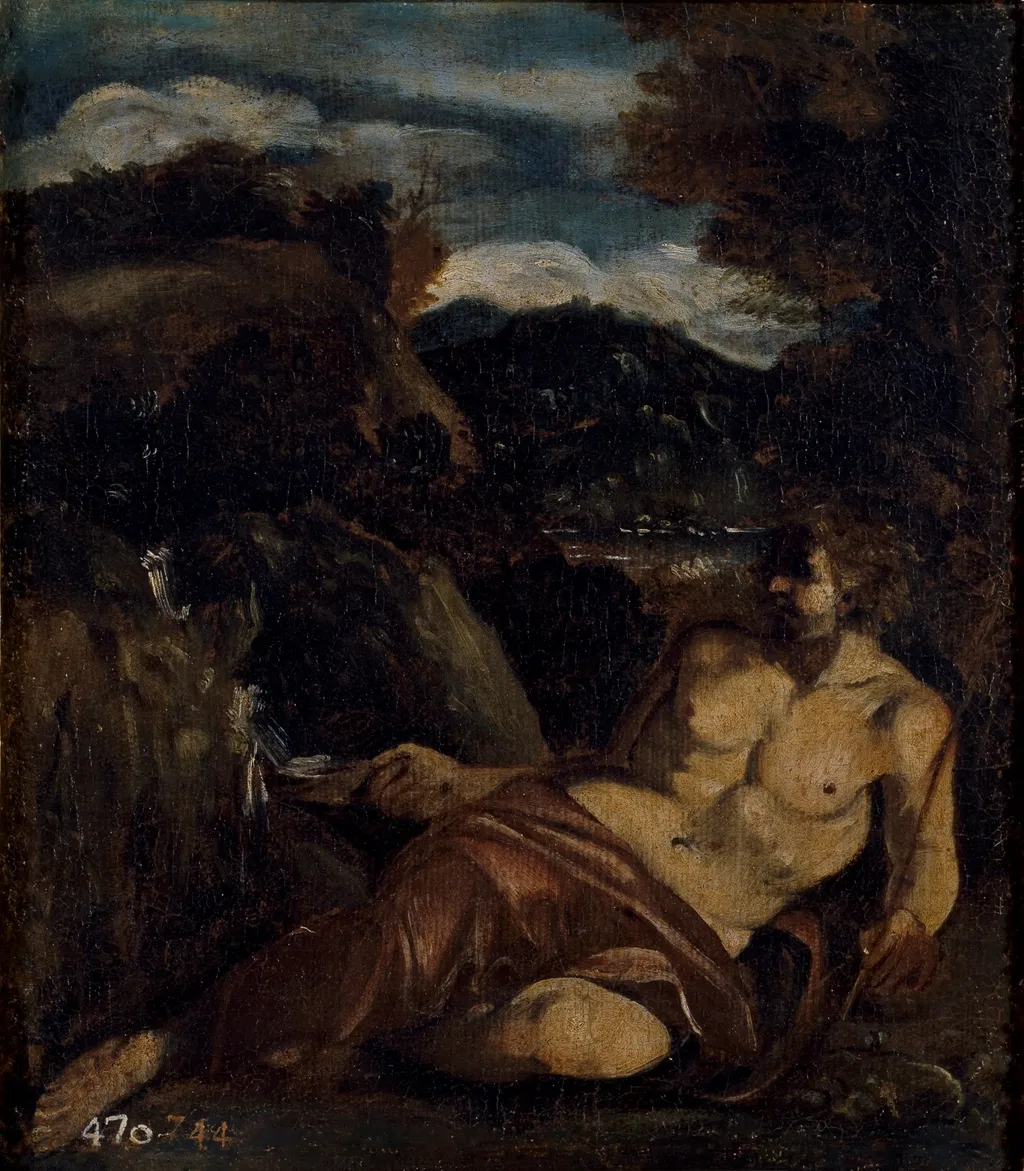
Saint John in the Desert is an oil painting by the Mannerist artist Antonio Marziale Carracci. It dates from 1593 and is held in the collection of the Museo del Prado.
About this work
Subject & Meaning
The composition was originally part of the Spanish royal collection, later entering the holdings of the Museo del Prado, where it remains on display.
The work portrays John the Baptist in a hermit setting, a common iconographic motif representing repentance and prophetic anticipation. The figure is shown in a rocky desert landscape, emphasizing his ascetic life and spiritual isolation. Symbolically, the painting conveys themes of divine revelation and the preparation for Christ's arrival, aligning with Counter‑Reformation emphases on personal piety.
It measures 38 cm by 33 cm and was created in oil on canvas in 1585 by Antonio Marziale Carracci. The composition was originally part of the Spanish royal collection, later entering the holdings of the Museo del Prado, where it remains on display.
Technique & Style
Antonio Marziale Carracci painted Saint John in the Desert using oil paint on canvas in 1585, creating a religious composition that depicts John the Baptist in a desert setting. The work measures 38 cm in height and 33 cm in width, reflecting the formal qualities typical of late Renaissance Italian religious painting. Its handling of light and figure emphasizes spiritual isolation, aligning with Counter-Reformation artistic aims.
The painting has been part of the Museo del Prado collection since its acquisition by Spanish royalty, including Charles III, Philip V, and Ferdinand VII, underscoring its historical provenance and institutional significance.
History & Provenance
Antonio Marziale Carracci painted Saint John in the Desert in 1585, an oil on canvas work measuring 38 cm by 33 cm. The painting entered the Spanish royal collection, initially owned by Charles III, and later passed to his successors Philip V and Ferdinand VII. It remains in the Museo del Prado, where it is classified as religious art depicting John the Baptist.
Saint John in the Desert is held in the collection of the Museo del Prado in Madrid. The painting passed through the Spanish royal collections, having been owned by Philip V of Spain, Charles III of Spain, and Ferdinand VII of Spain before entering the museum's holdings. Painted in oil on canvas in 1585, the work measures 38 by 33 centimeters and is catalogued as a religious painting depicting John the Baptist.
Context
Painted by Antonio Marziale Carracci in 1585, Saint John in the Desert represents a specific moment within the artist's early religious output. The work depicts John the Baptist and is executed in oil on canvas, adhering to the religious art genre characteristic of the period. Its current location at the Museo del Prado reflects a significant provenance lineage, having passed through the royal collections of Philip V, Charles III, and Ferdinand VII of Spain.
While the painting is identified as a work by Antonio Carracci, the available records do not provide specific details regarding its critical reception, scholarly analysis, or its precise influence on the broader development of Bolognese art history.
Legacy
The painting's enduring presence in major collections and scholarly discourse underscores its significance within religious art of the late Renaissance. Its depiction of John the Baptist in a stark desert setting influenced interpretations of the prophetic figure in ecclesiastical contexts. The work's provenance through Spanish royal collections contributed to its institutional recognition, with holdings documented at the Museo del Prado, affirming its historical trajectory.
Scholarly attention to its composition and iconography has positioned it as a reference point for studying Carracci's impact on religious narrative painting in the 16th century.
Overview
Antonio Marziale Carracci's 'Saint John in the Desert' (1593) is a religious oil painting portraying John the Baptist in a rugged, natural setting. Characterized by a predominantly earthy and gray palette, the work features expressive brushwork and textured paint application.
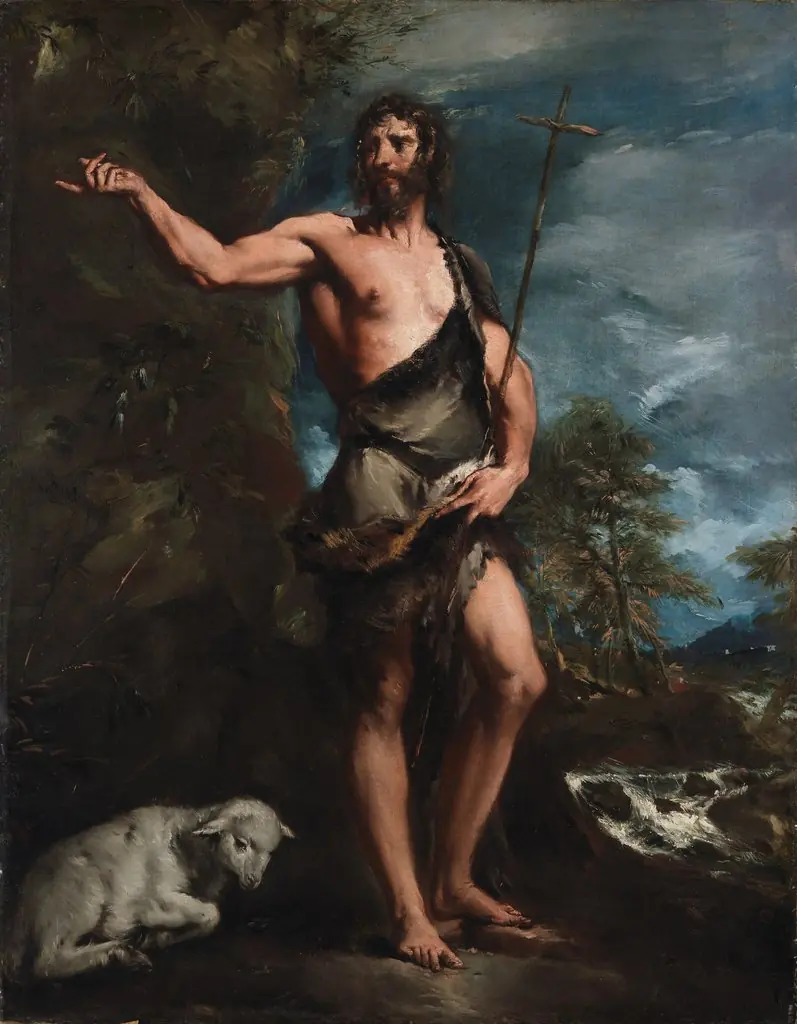
Own this work as a print
Artist & collection
Artist
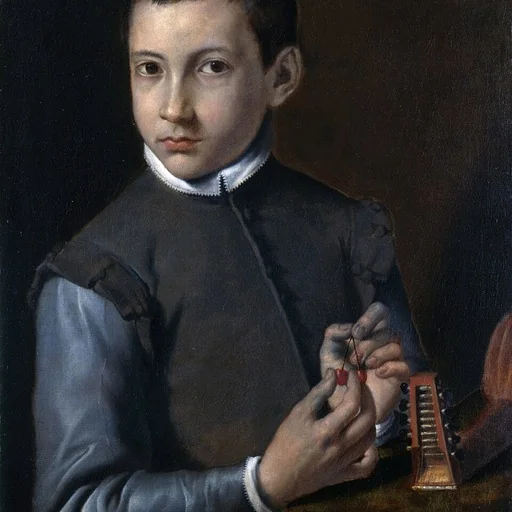
Antonio Marziale Carracci (1583–1618) was an artist, born in Venice.

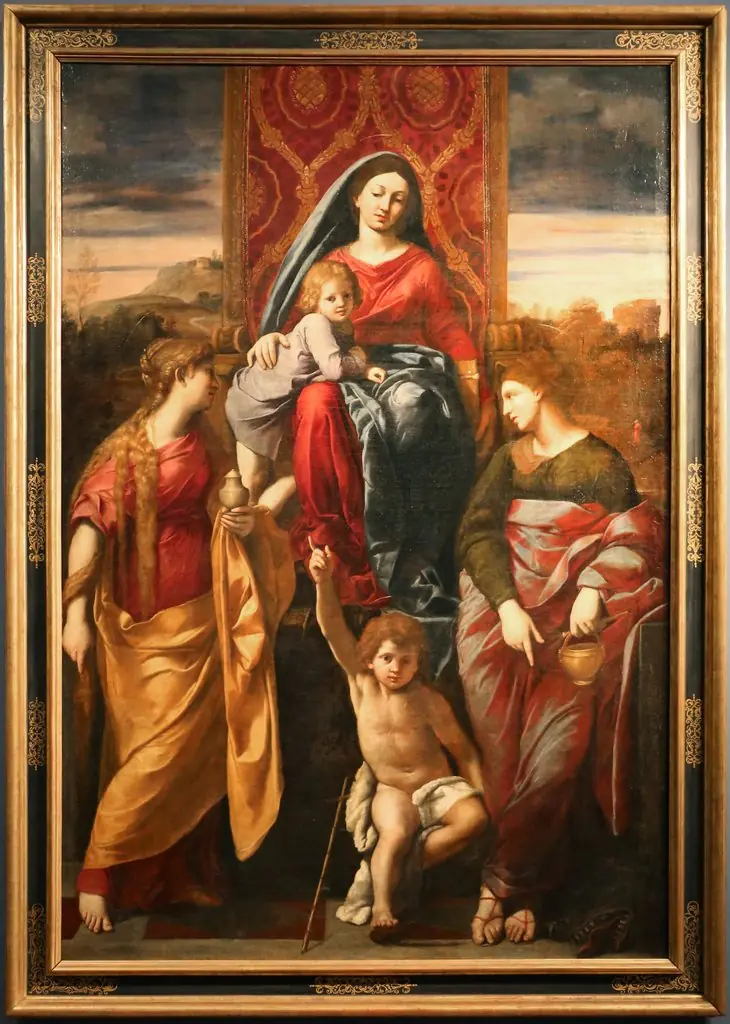
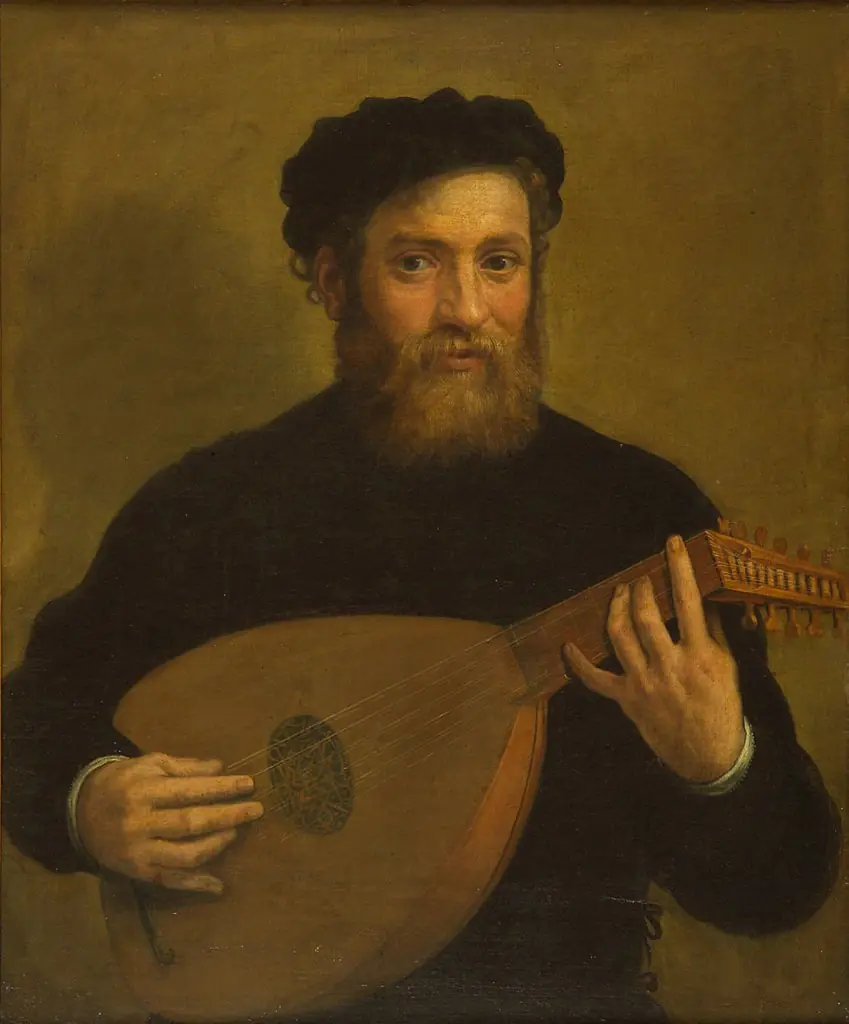
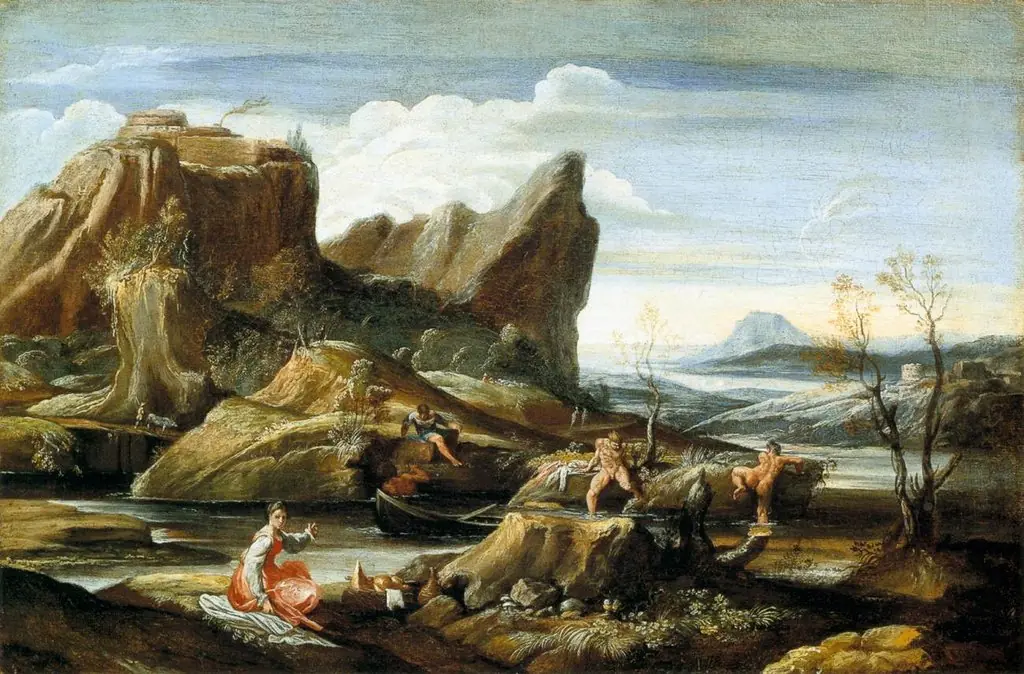
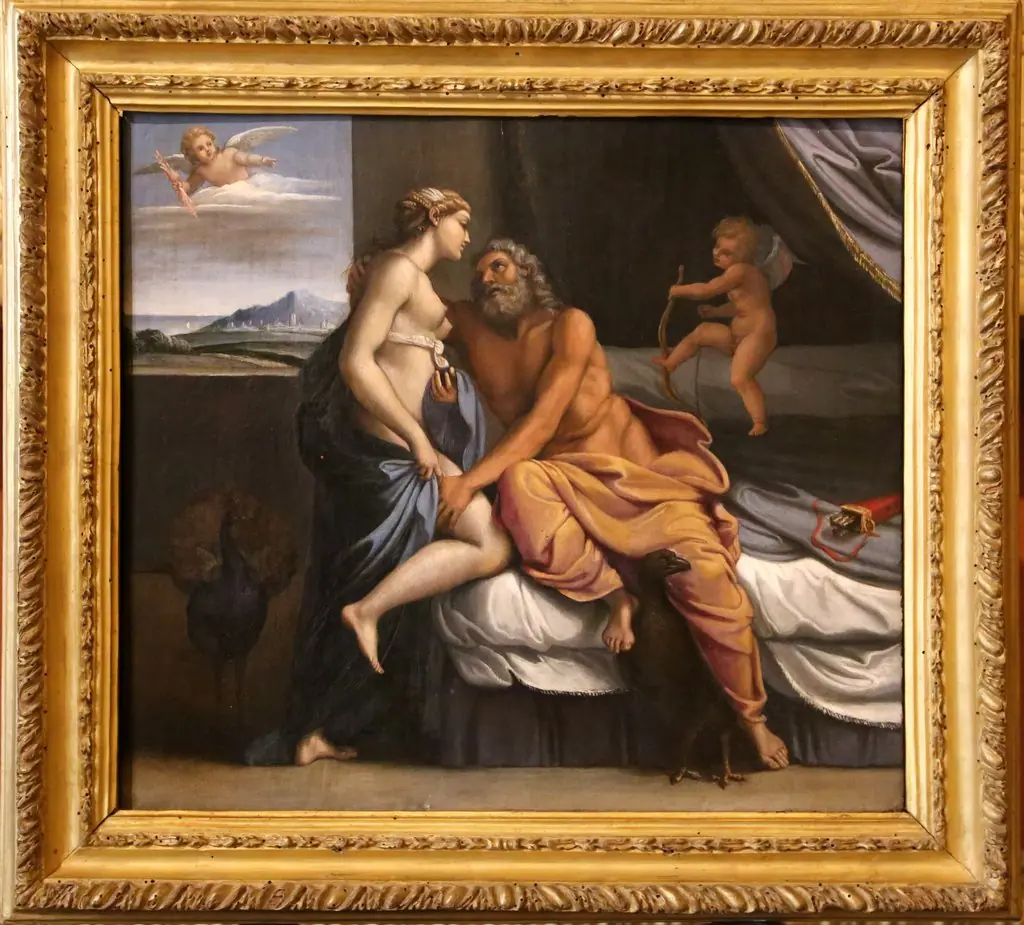
- Saint John the Baptist in the Wilderness
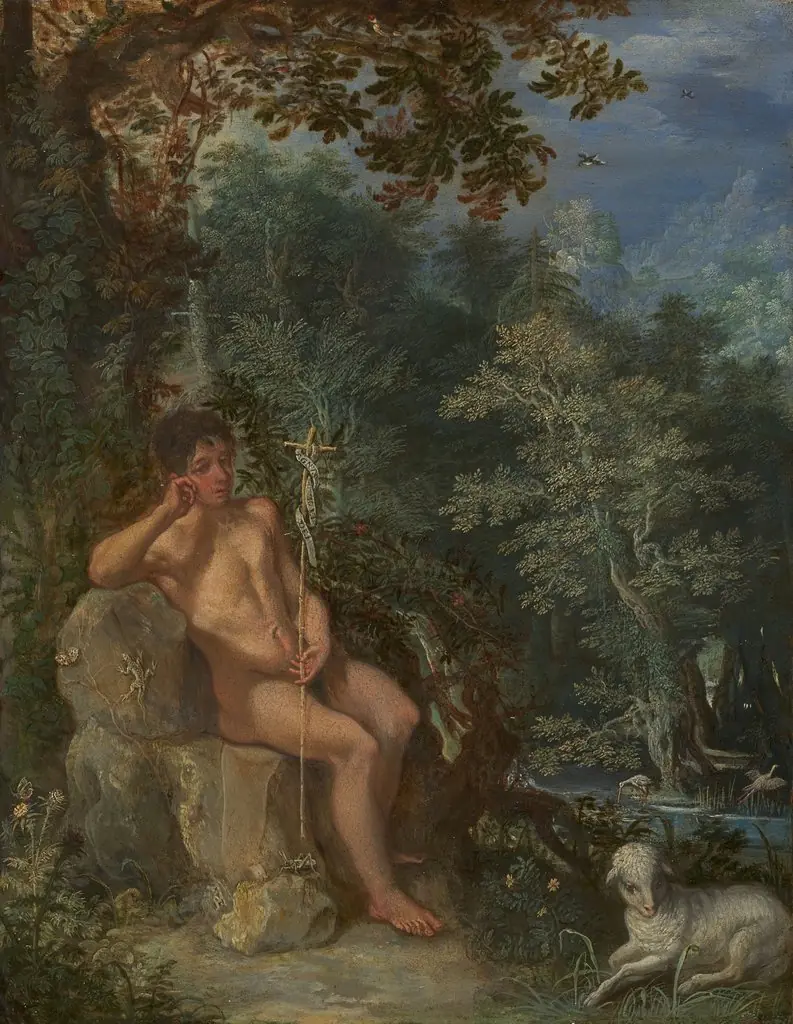 Saint John the Baptist in the Wilderness
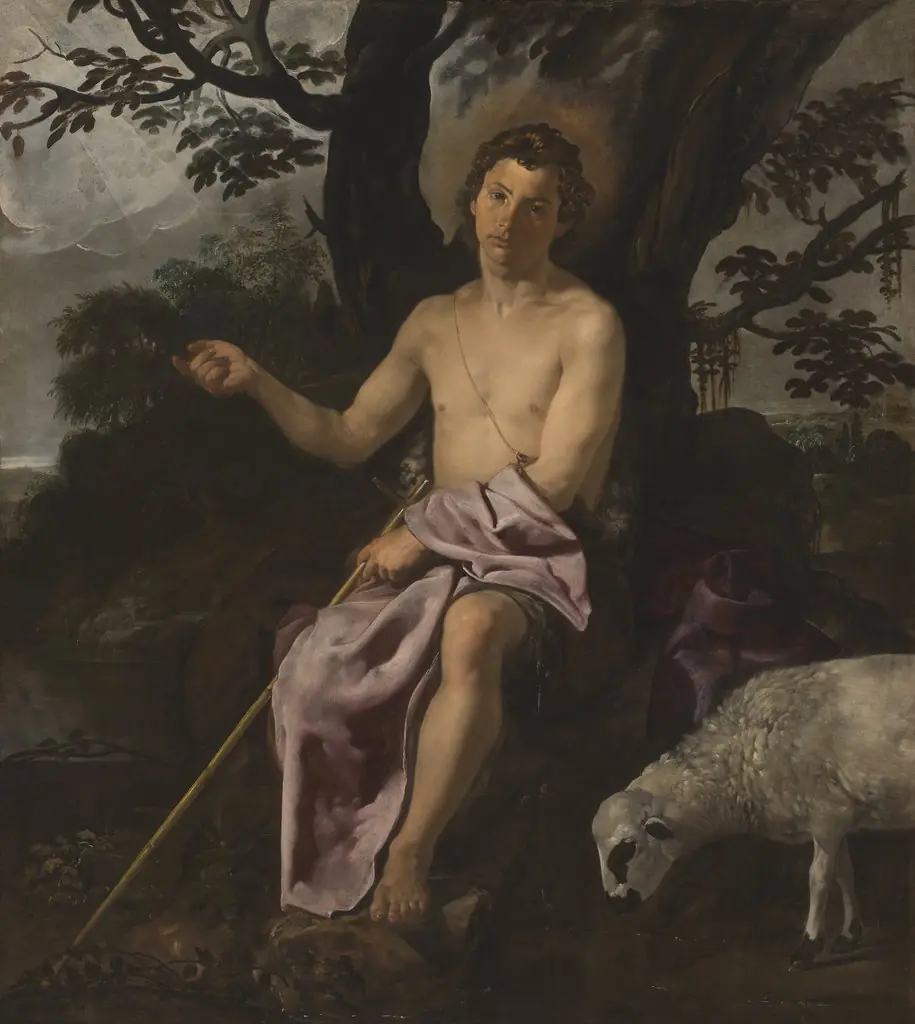 Saint John the Baptist in the Wilderness
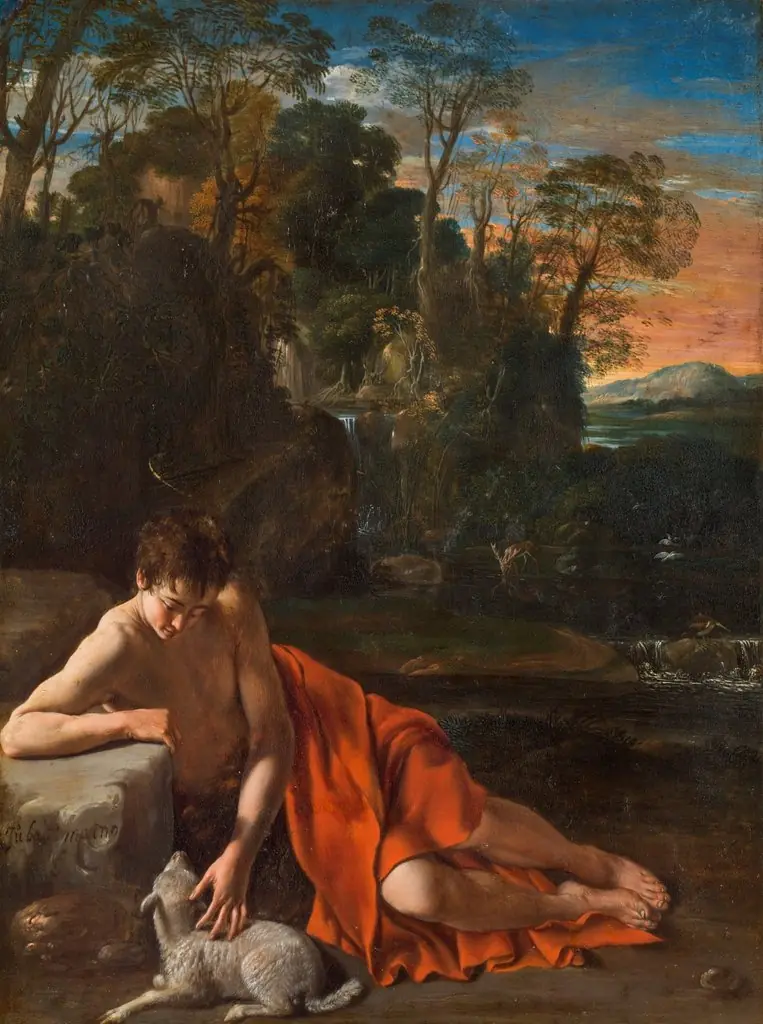 Saint John the Baptist
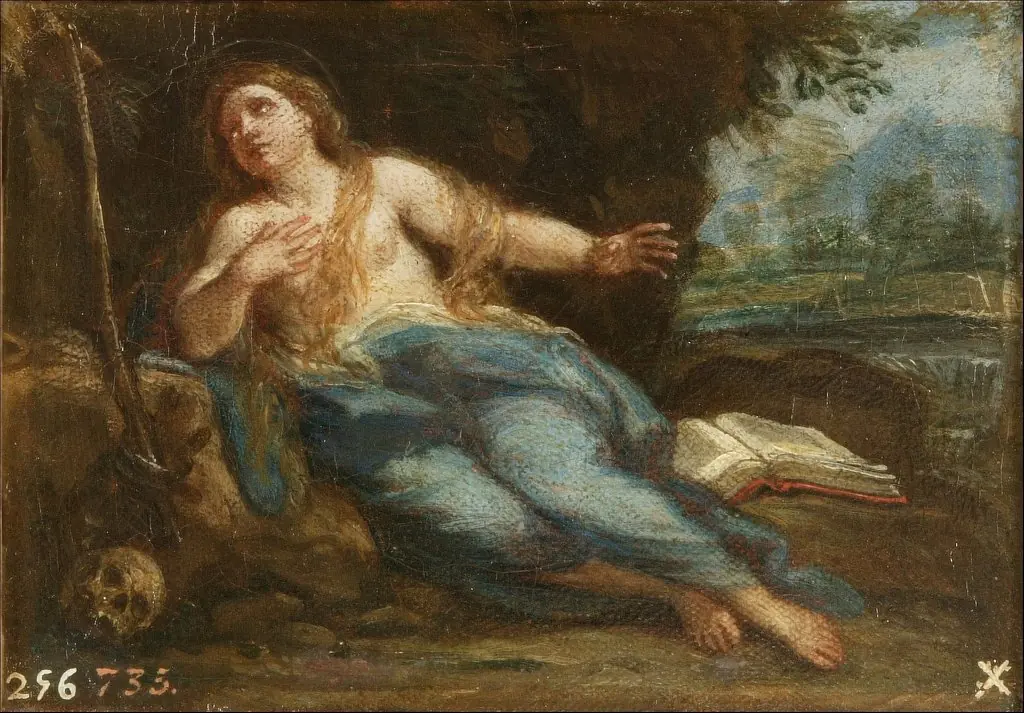 Magdalene in the desert
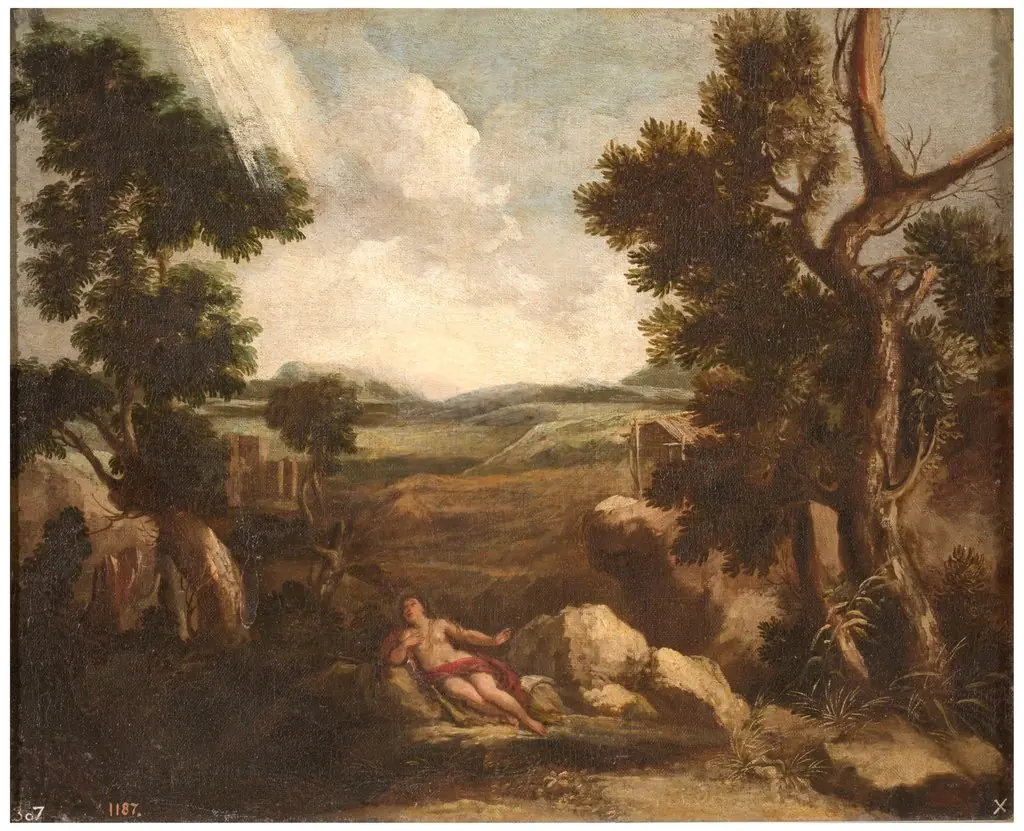 Penitent Magdalen
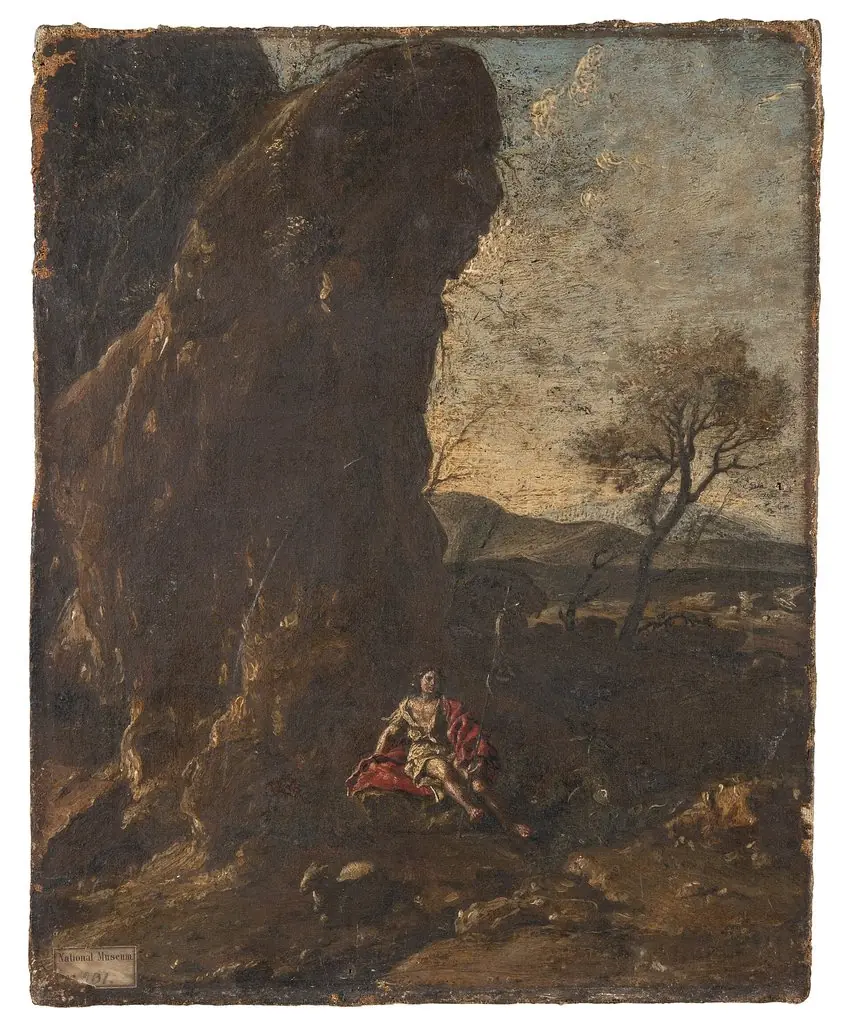 John the Baptist
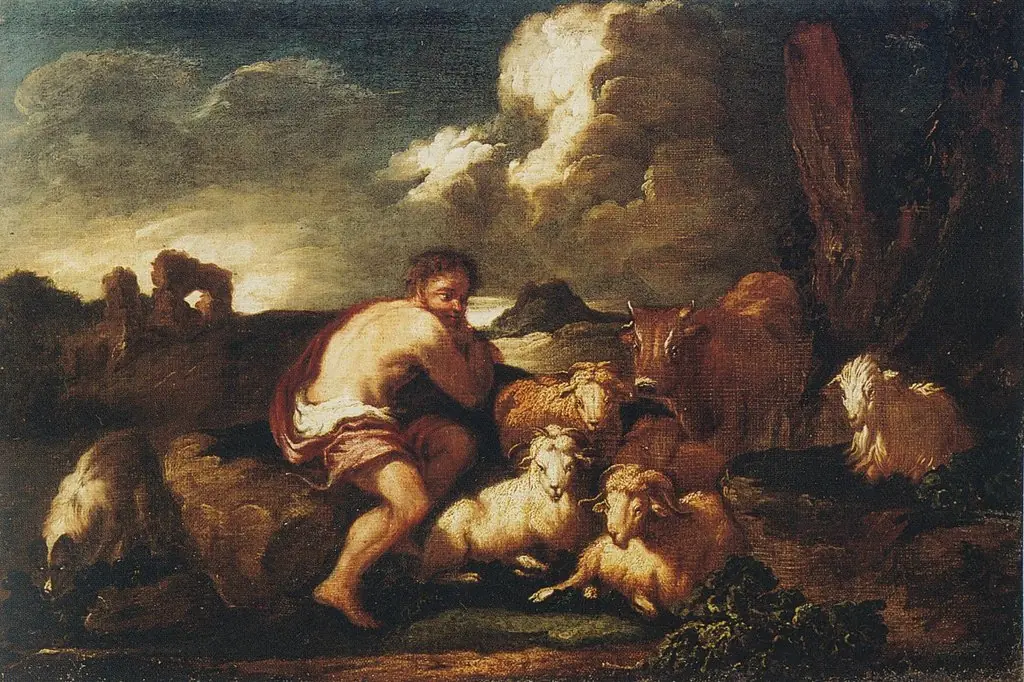 Landscape with shepherd and animals
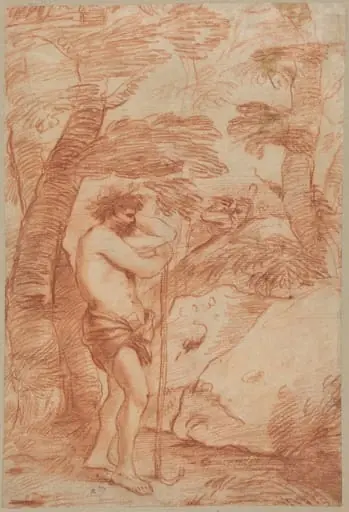 Standing Shepherd in a Landscape
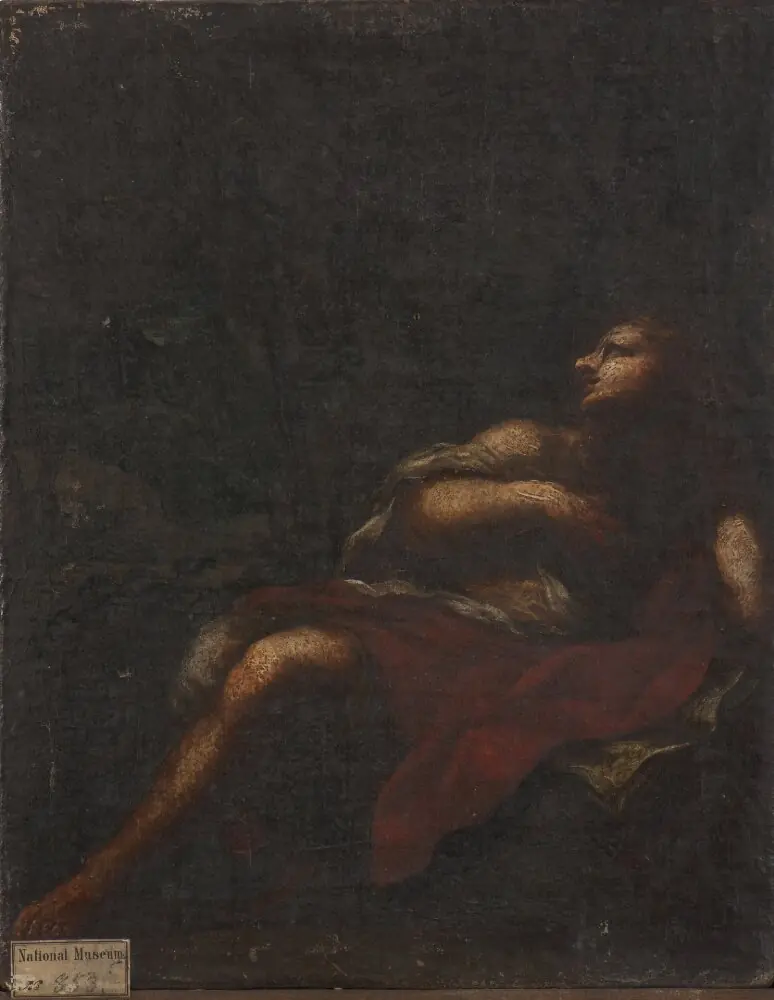 St Mary Magdalen
 The Angel before the Grave
 Saint Mary of Egypt in the Desert