Artwork
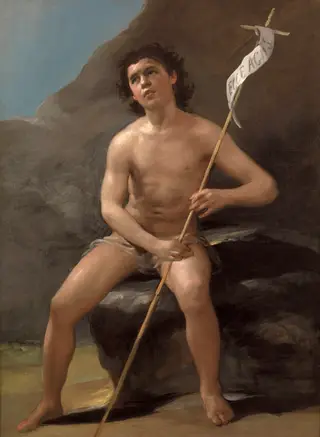
Saint John the Baptist in the Wilderness
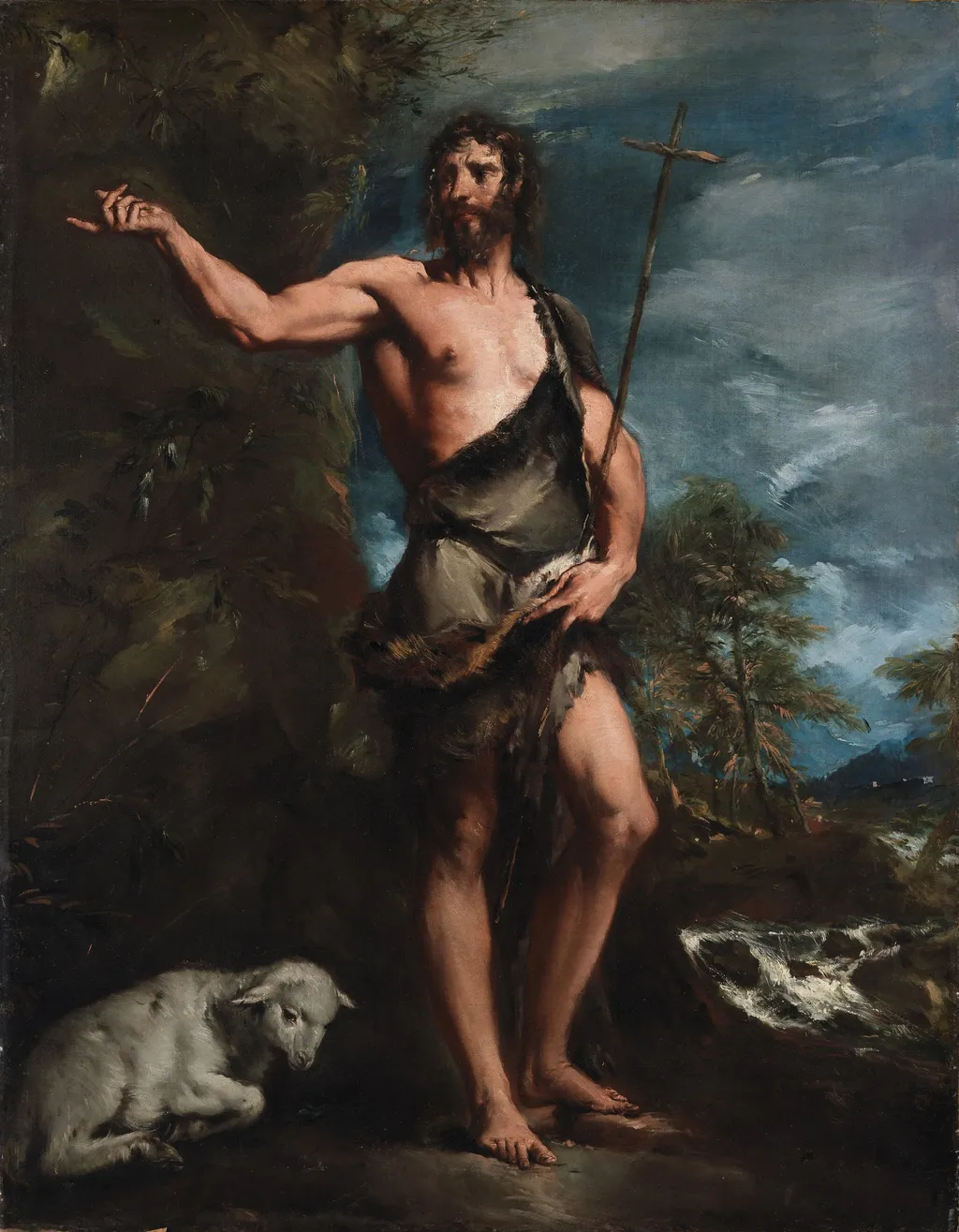
Saint John the Baptist in the Wilderness is an oil painting by the Rococo painting artist Giovanni Antonio Guardi. It dates from 1738 and is held in the collection of the National Gallery of Ireland.
About this work
Subject & Meaning
The painting portrays John the Baptist in the wilderness, a scene that emphasizes his ascetic life and prophetic role. The lamb he holds symbolizes Christ, while the surrounding barren landscape underscores themes of solitude and spiritual preparation. These iconographic elements draw on traditional religious symbolism to convey the saint's mission and divine foreknowledge.
Technique & Style
The work is an oil painting executed on canvas, reflecting 18th-century religious art conventions.
The work is an oil painting executed on canvas, reflecting 18th-century religious art conventions. Giovanni Antonio Guardi rendered the scene with characteristic brushwork that emphasizes atmospheric effects and a loosely defined spatial setting, aligning with the veduta tradition while maintaining a devotional focus. The composition features John the Baptist in a stark wilderness, accompanied by a lamb and set against a riverine landscape, demonstrating a synthesis of Titian's compositional influence and Guardi's evolving veduta style. The National Gallery of Ireland holds the piece, which measures 164 cm by 126 cm.
History & Provenance
The painting Saint John the Baptist in the Wilderness by Giovanni Antonio Guardi is dated to 1738, aligning with the period of Guardi’s activity as a copyist and interpreter of earlier Venetian masters.
The work entered the collection of the National Gallery of Ireland, Dublin, where it remains located. Its provenance within the gallery’s holdings reflects a broader tradition of acquiring religious subjects from the 18th century, particularly those associated with Titian’s compositions.
The painting is held in the collection of the National Gallery of Ireland, Dublin.
It carries the accession number NGI.4841.
The work was included in the exhibition Titian and the Guardi: Venetian Painting after 1500 held at the National Gallery of Ireland in 1983 (cat. no. 24).
Context
Guardi's Saint John the Baptist in the Wilderness (1738), an oil painting on canvas measuring 164 × 126 cm, depicts the biblical figure in a barren landscape with a lamb and river, reflecting the artist's religious genre and his position within the Guardi family workshop following Giovanni Battista Tiepolo's influence; scholarly analysis situates the work as part of Antonio Guardi's mature period and connects it to broader Venetian religious art traditions, while its provenance at the National Gallery of Ireland underscores its significance in the study of 18th‑century Italian painting
Overview
Giovanni Antonio Guardi’s oil on canvas, Saint John the Baptist in the Wilderness, dates from 1738 and is part of the collection of the National Gallery of Ireland. The work presents the biblical figure of John the Baptist amid a stark, forested landscape, employing a dramatic contrast of light and shadow to isolate the saint from his surroundings.
Own this work as a print
Artist & collection
Artist
Giovanni Antonio Guardi, also known as Gianantonio Guardi, was an Italian painter and nobleman. Guardi was one of the founders of the Venetian Academy in 1756.

- Saint John the Baptist in the Wilderness
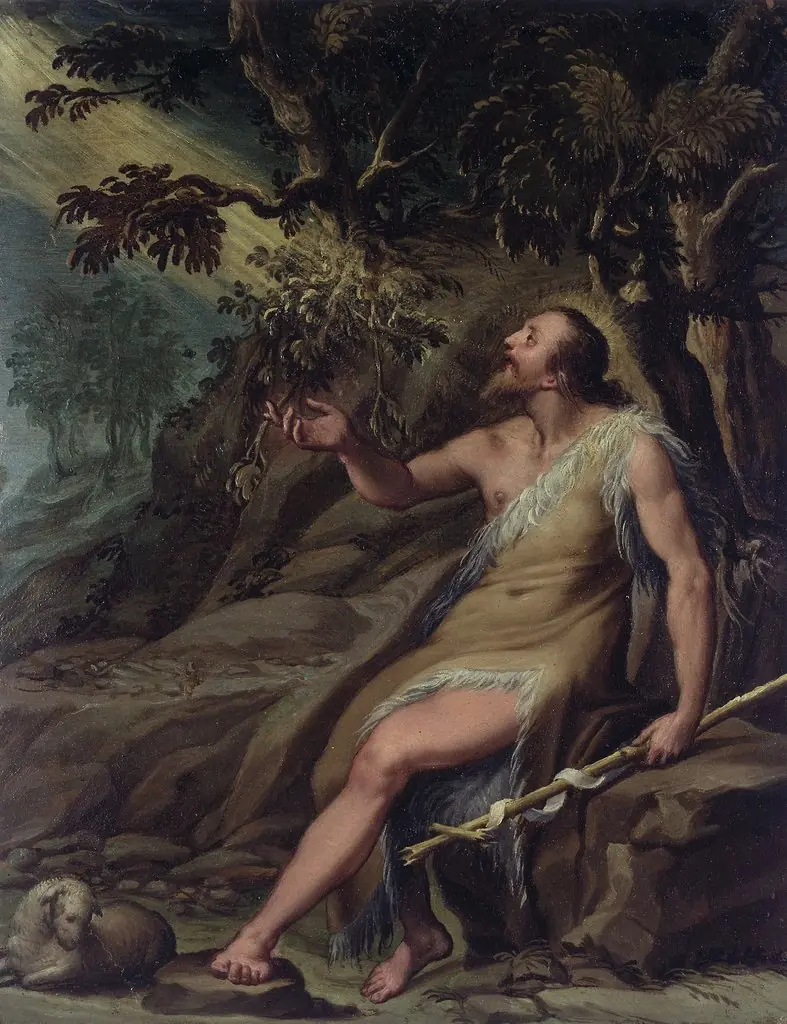 Saint John the Baptist in the Wilderness
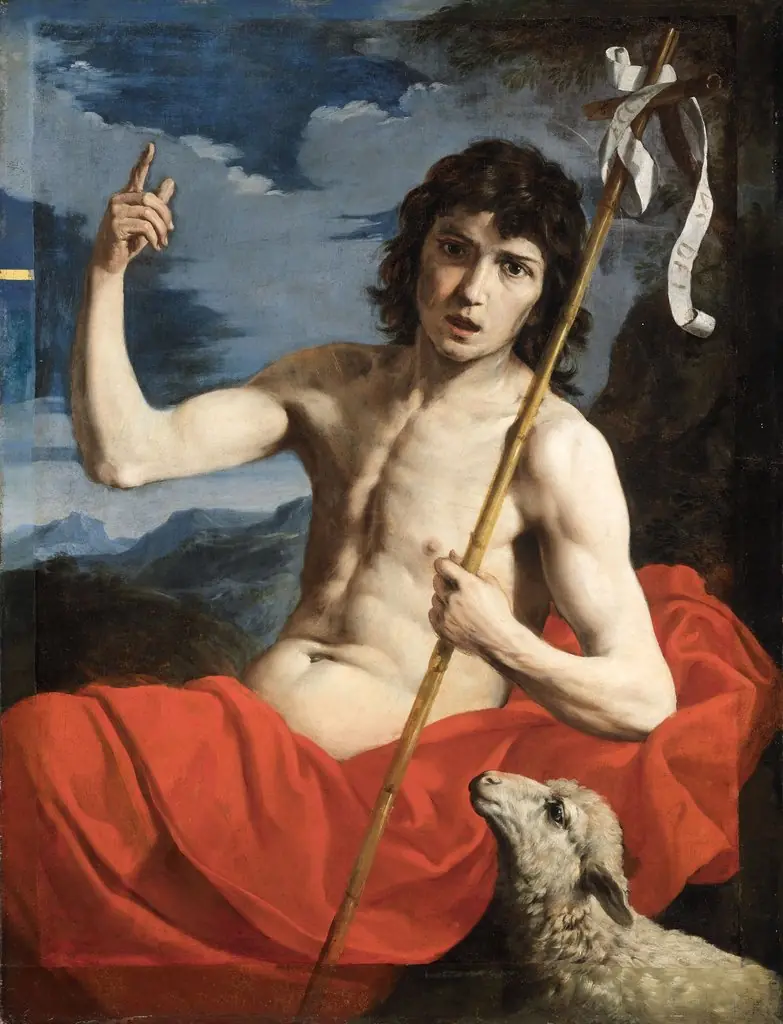 Saint John the Baptist in the Wilderness
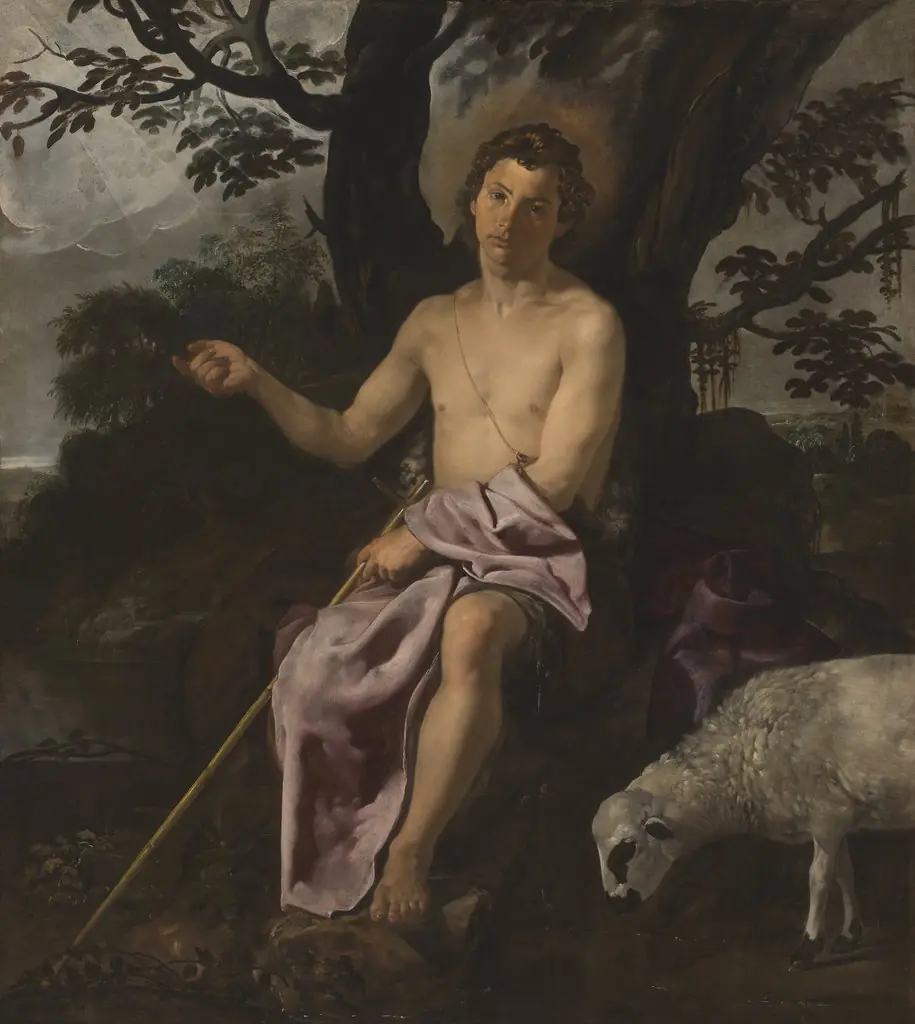 Saint John the Baptist in the Wilderness
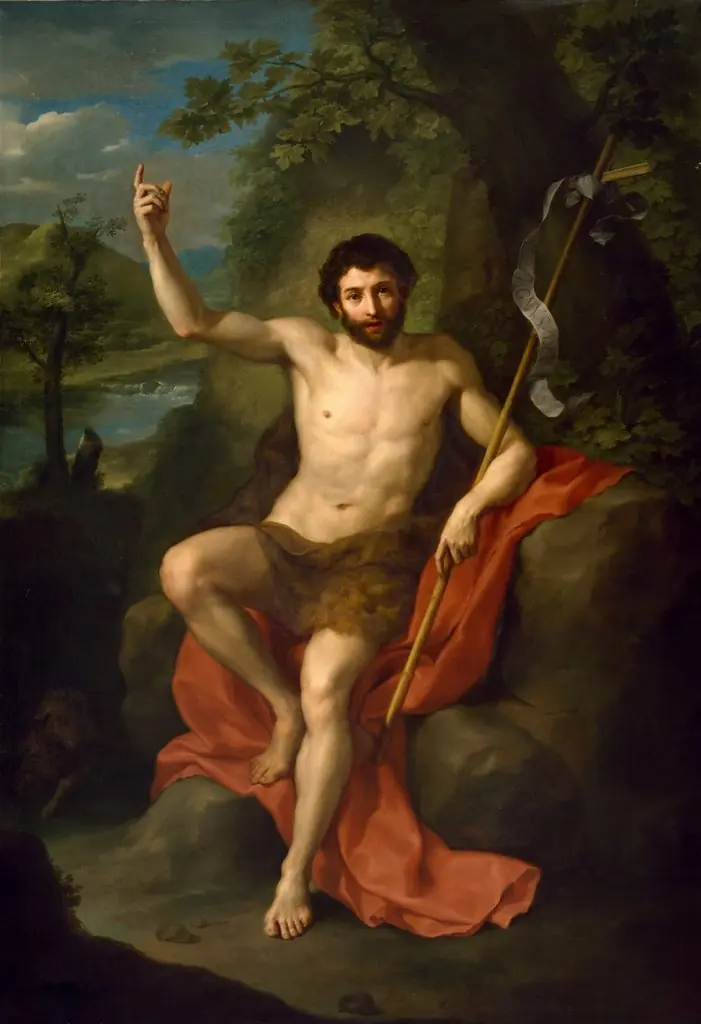 Saint John the Baptist Preaching in the Wilderness
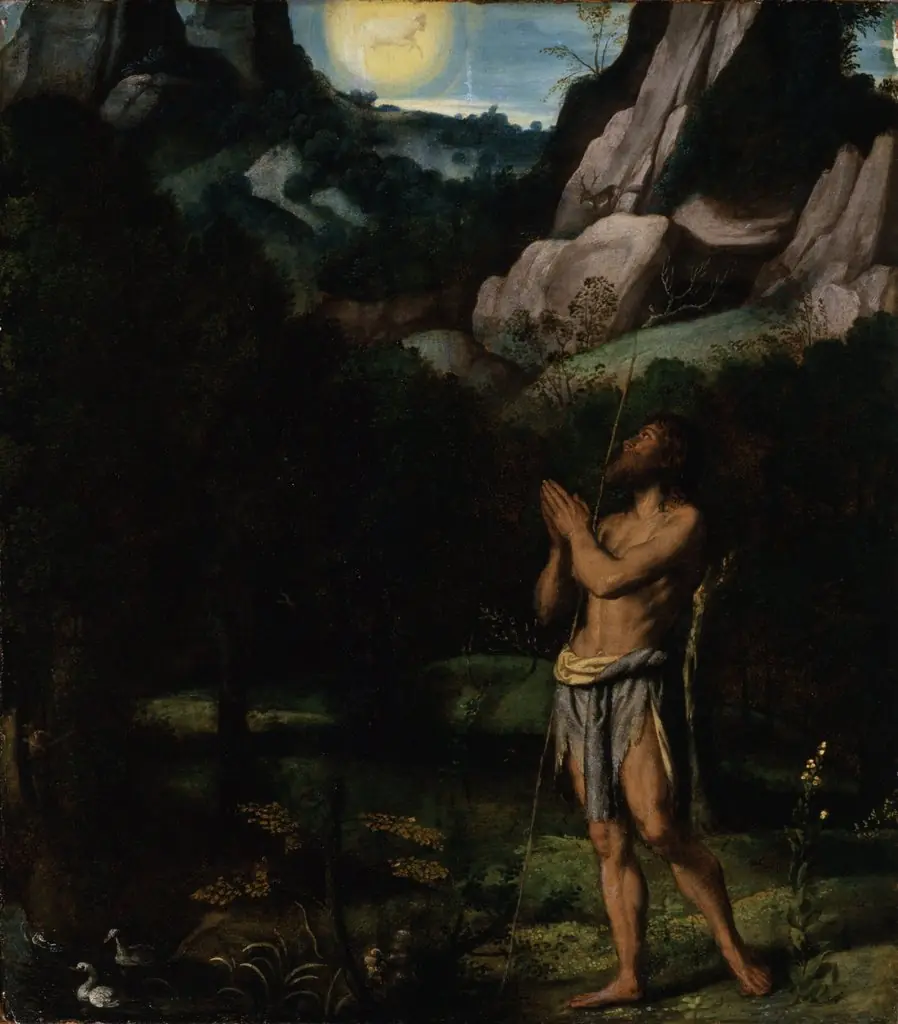 St. John the Baptist in the Wilderness
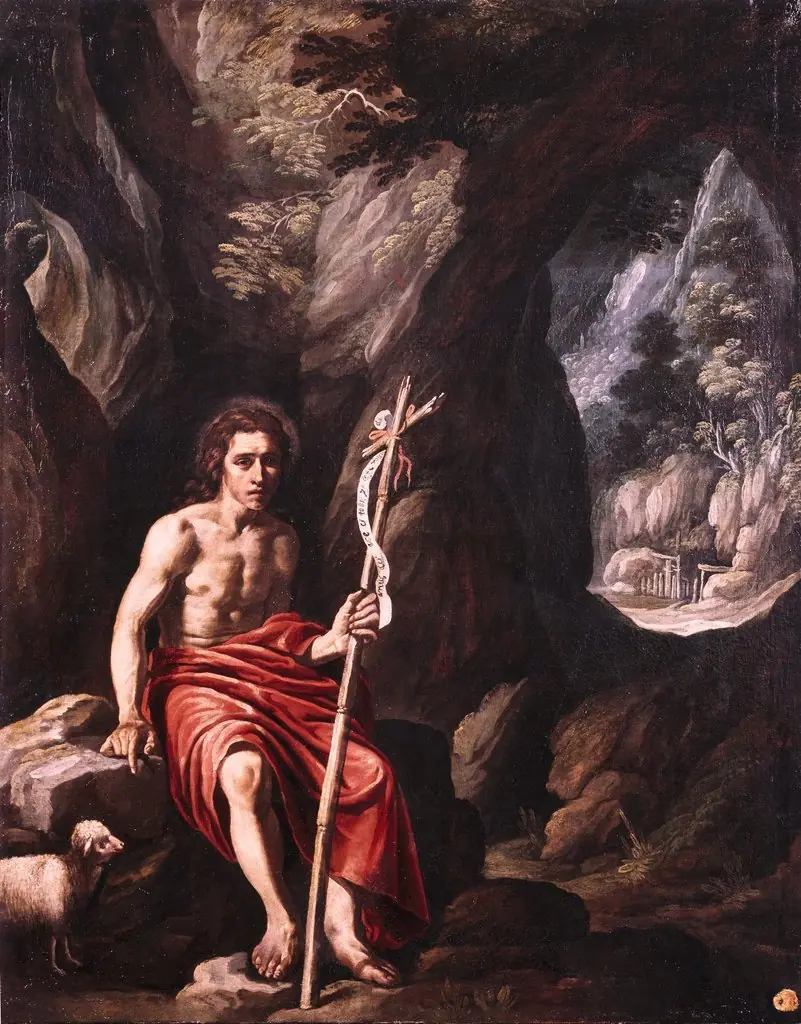 Saint John the Baptist in the Desert
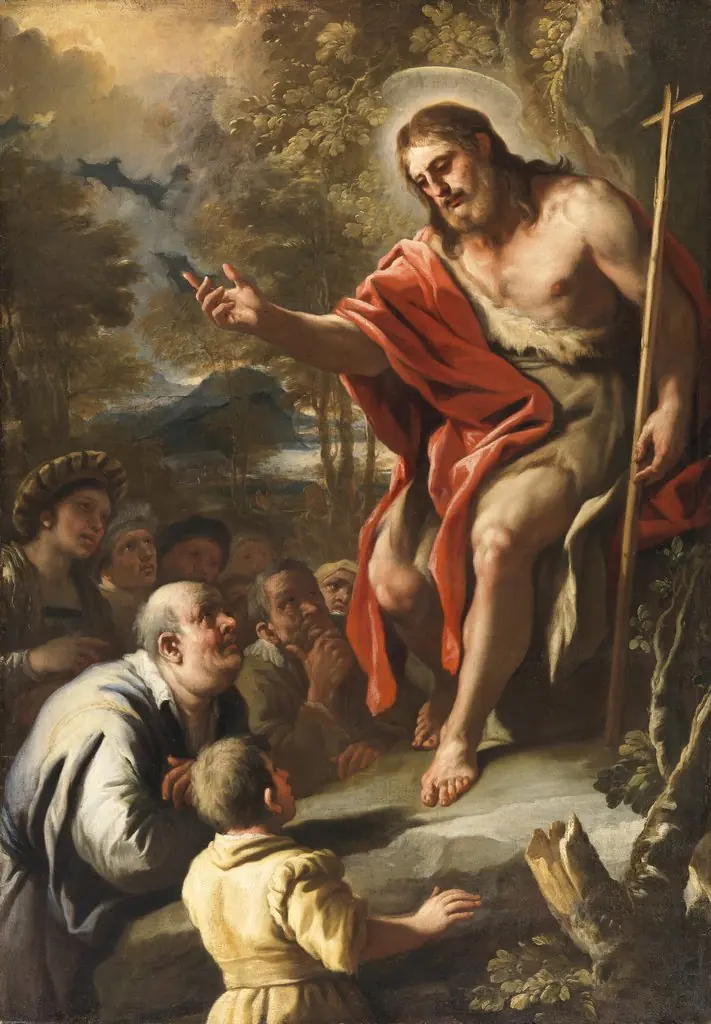 Saint John Preaching in the Wilderness
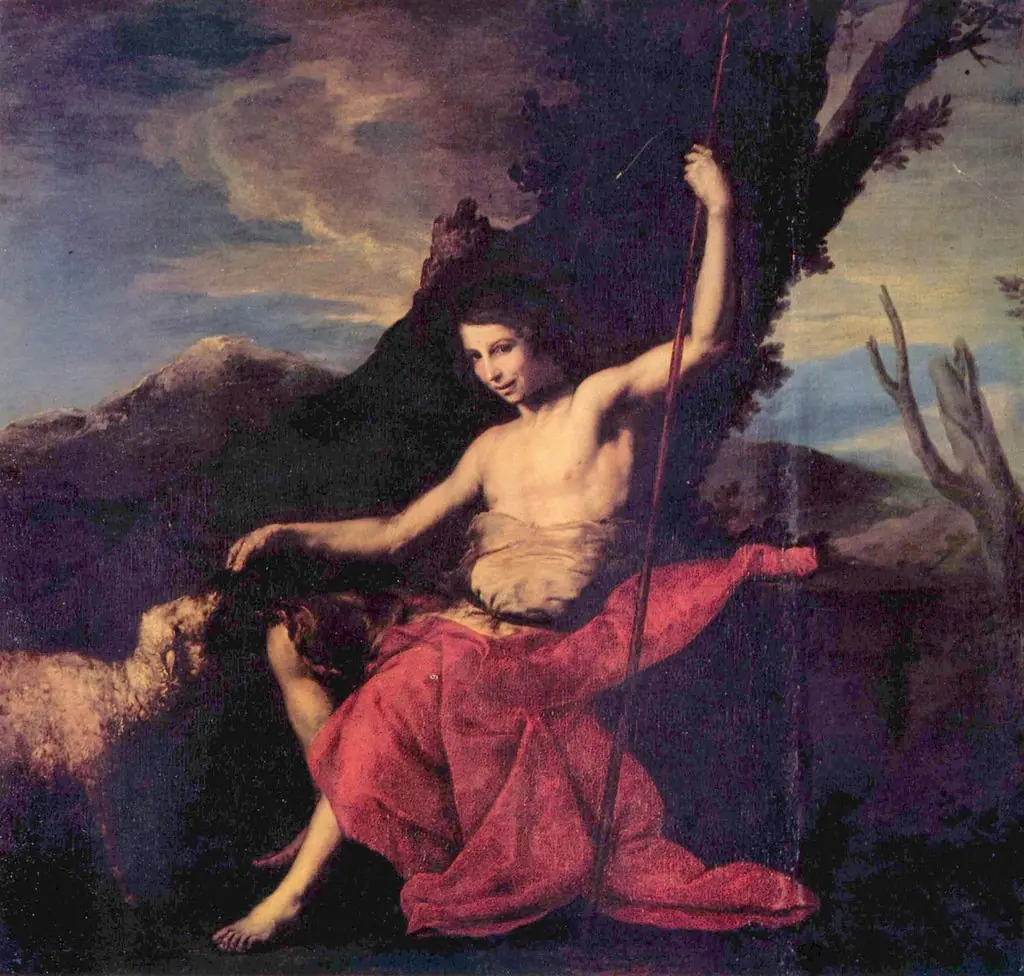 Saint John the Baptist in the Desert
 Saint John the Baptist in the Desert