Artwork
Magdalene in the desert
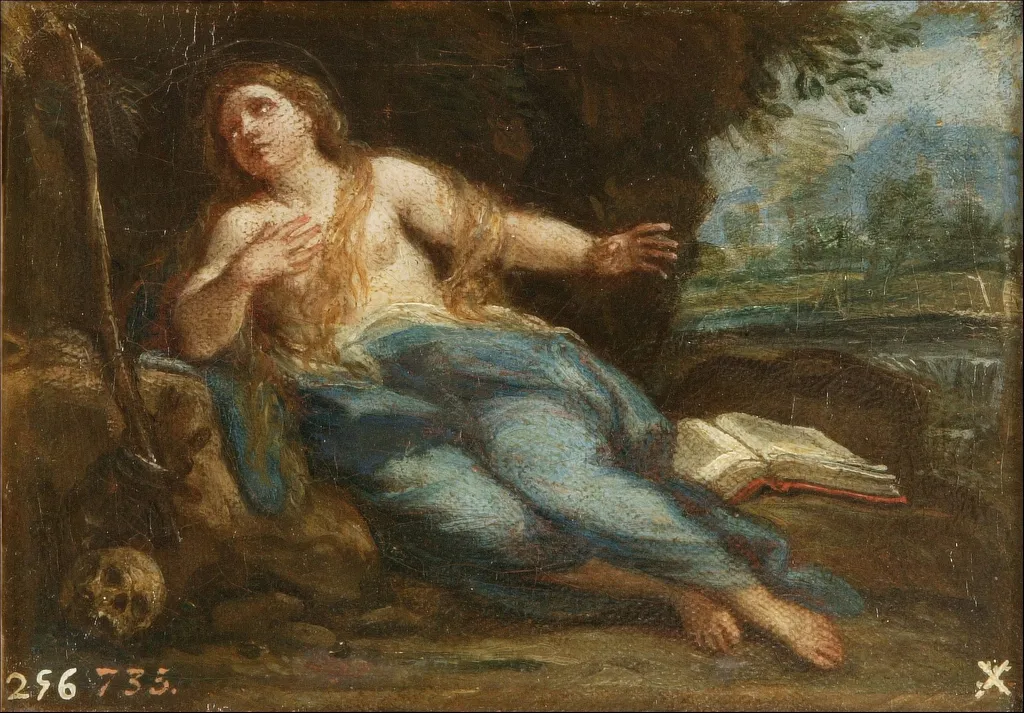
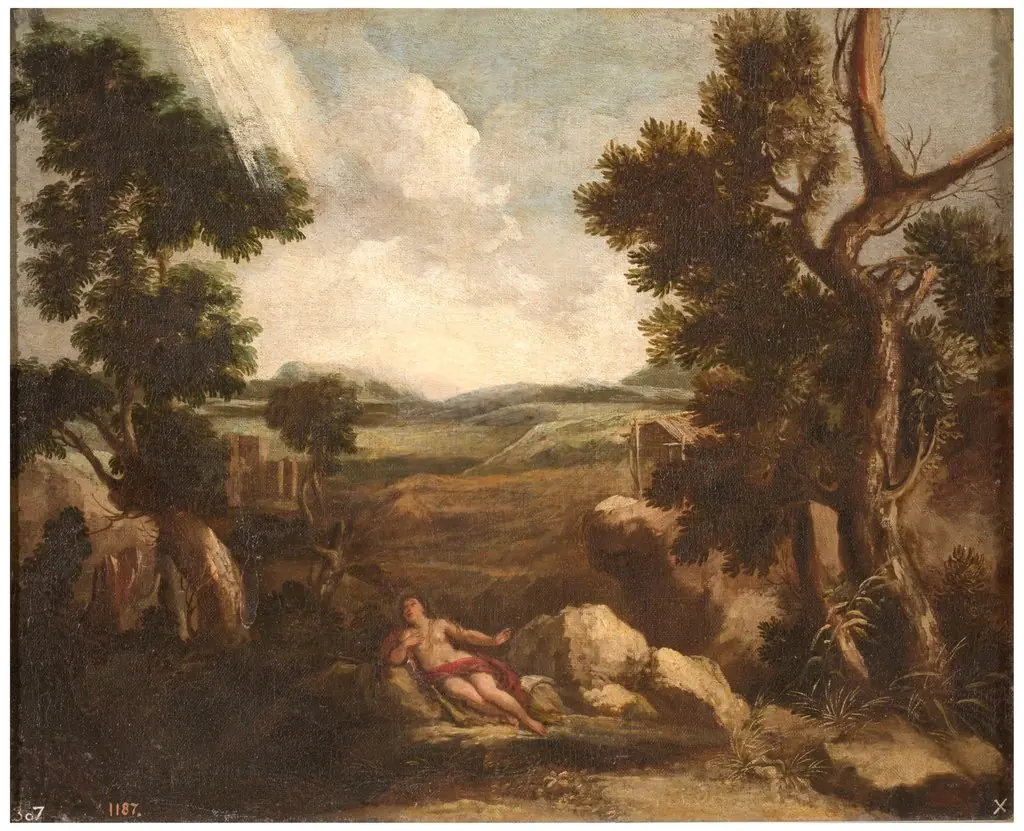
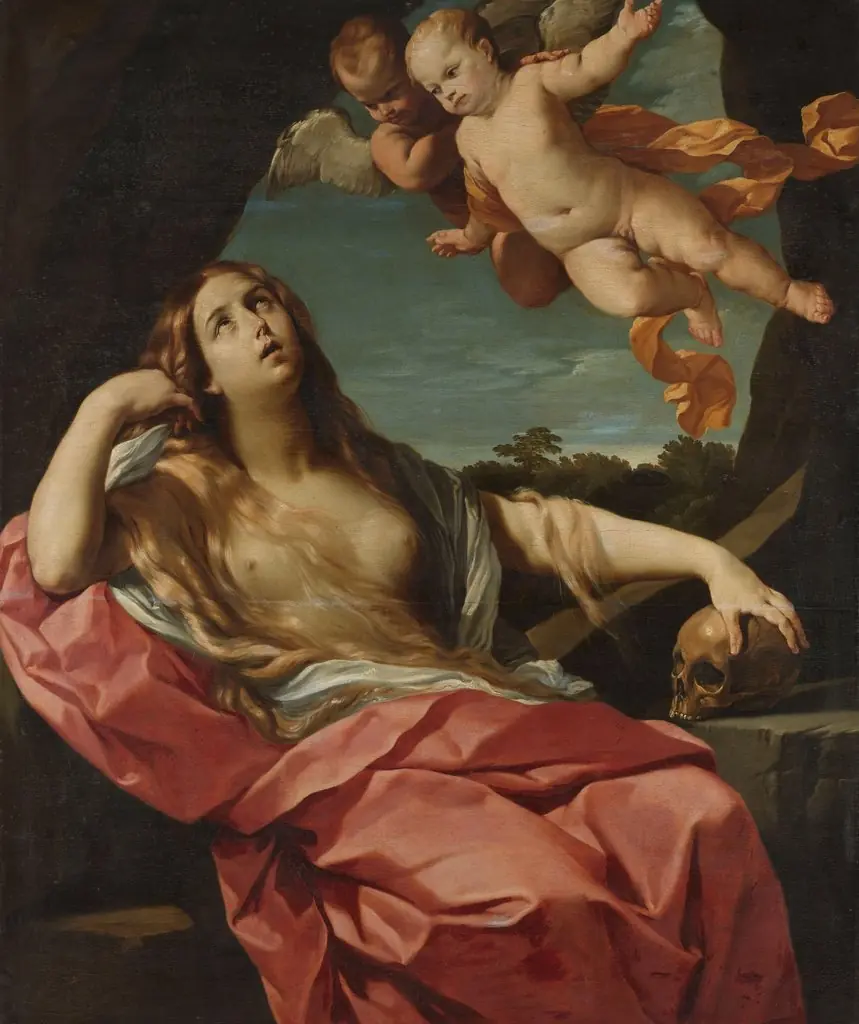
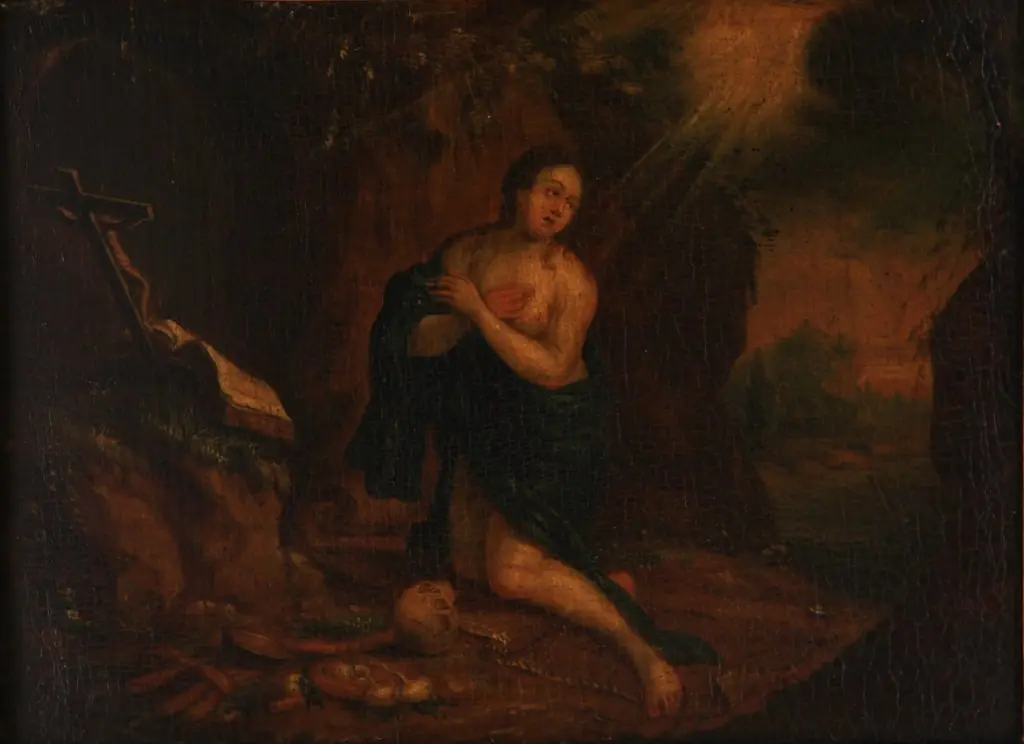
Magdalene in the desert is an oil painting by the Early Baroque Italian artist Carlo Maratta. It dates from 1650 and is held in the collection of the Museo del Prado.
About this work
Subject & Meaning
The work focuses entirely on the saint in a state of repentance, adhering to the genre of religious imagery prevalent in the mid-seventeenth century.
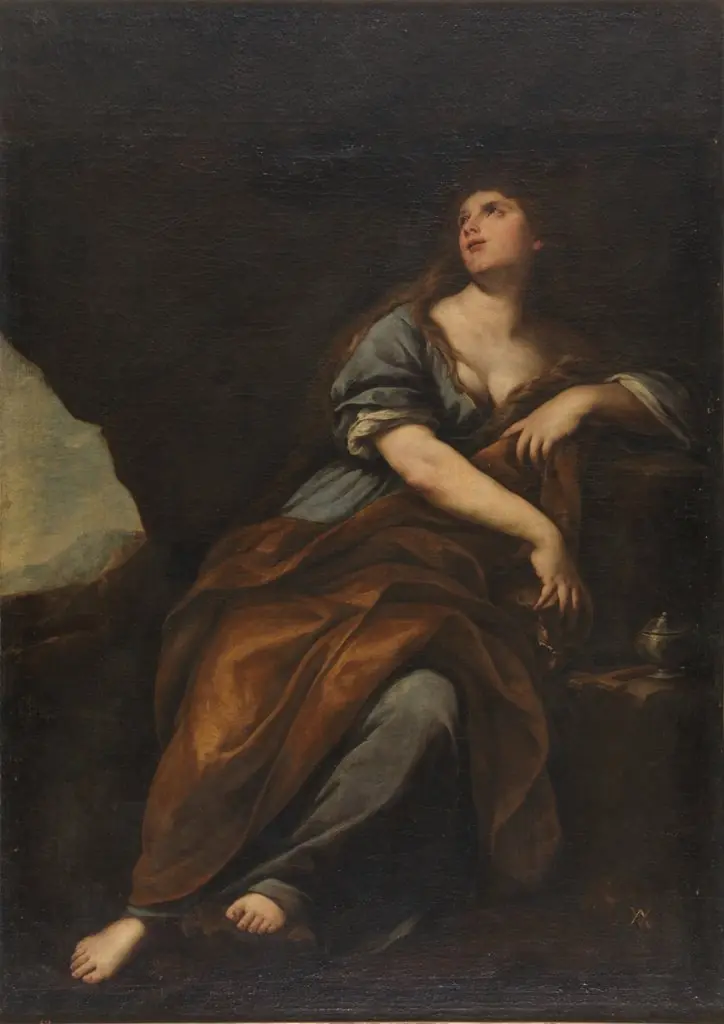
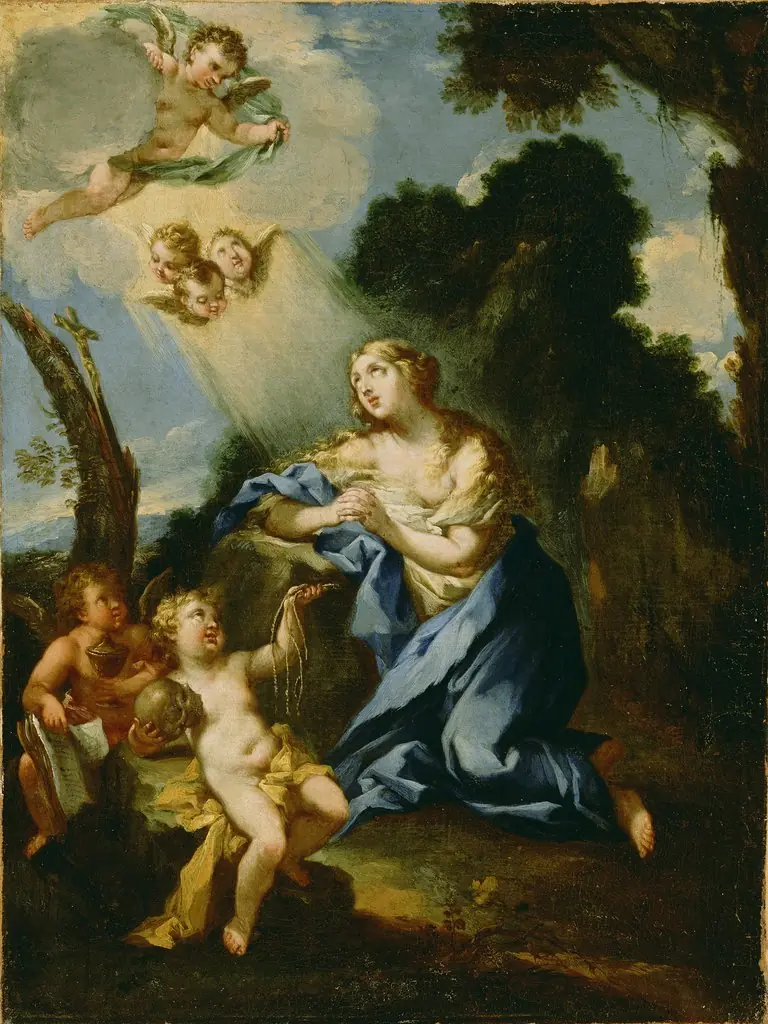
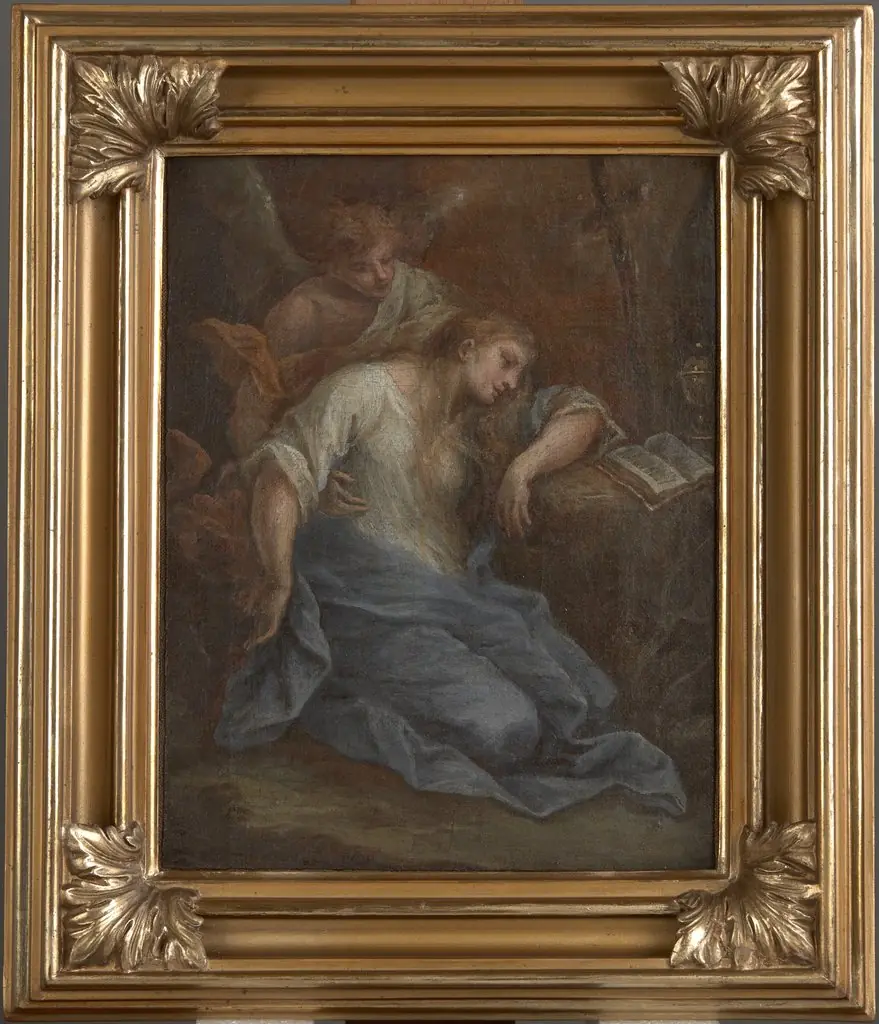
Carlo Maratta's 1650 oil painting depicts Mary Magdalene as the Penitent Magdalene, a specific iconographic tradition within religious art. The work focuses entirely on the saint in a state of repentance, adhering to the genre of religious imagery prevalent in the mid-seventeenth century. By portraying her in the desert, the composition emphasizes themes of solitude, spiritual reflection, and atonement for past sins.
The subject matter serves as a visual meditation on redemption, characteristic of Counter-Reformation devotion where the Magdalene functioned as a primary symbol of contrition and divine forgiveness.
History & Provenance
Carlo Maratta created the oil painting Magdalene in the desert in 1650. The work depicts the Penitent Magdalene and is executed in oil on canvas. Its ownership history traces through the Spanish royal collection, having been held by Philip V, Charles III, and Ferdinand VII of Spain.
The painting is currently part of the collection at the Museo del Prado, with a specific location noted at the Royal Palace of Aranjuez.
The painting is held in the collection of the Museo del Prado, with a listed location at the Royal Palace of Aranjuez. Its ownership history includes the Spanish royal collection, having been owned by Philip V of Spain, Charles III of Spain, and Ferdinand VII of Spain. No specific inventory or accession number is provided in the sources, and no exhibition history is documented in the given materials.
Overview
Carlo Maratta, an influential Roman painter of the late 17th‑century Baroque, executed Magdalene in the Desert around 1650. The work is an oil painting now part of the collection of the Museo del Prado. It presents a solitary, penitential figure of Mary Magdalene situated in a barren landscape, rendered with the restrained classicism characteristic of Maratta’s mature style.
Technique & Style
Maratta employs a subtle chiaroscuro, allowing the illuminated skin and the blue fabric to emerge from a dark, indistinct background that hints at sky and distant trees. The handling of light creates a three‑dimensional presence, while the overall restraint reflects the classicizing tendencies that distinguished his approach within the early Baroque idiom.
Context
In the mid‑1600s, depictions of the Penitent Magdalene were popular in Counter‑Reformation art, serving as exemplars of repentance and divine mercy. Maratta’s rendition aligns with this devotional trend, yet his refined classicism sets it apart from the more dramatic, theatrical treatments of the same subject by his contemporaries.
Own this work as a print
Artist & collection
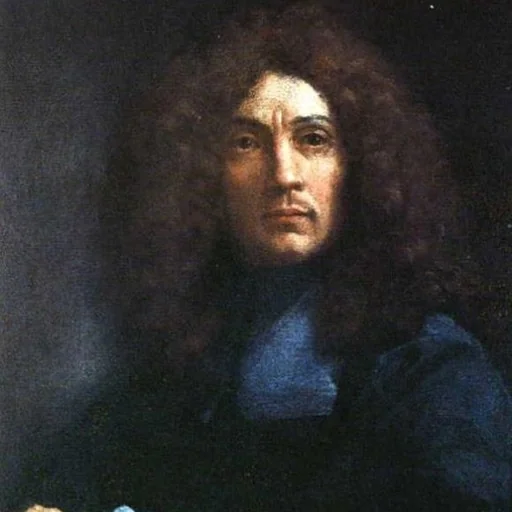
Artist
Carlo Maratta or Maratti (18 May 1625 – 15 December 1713) was an Italian Baroque painter and draughtsman, active principally in Rome where he was the leading painter in the second half of the 17th century.