Artwork
Virgin and Child
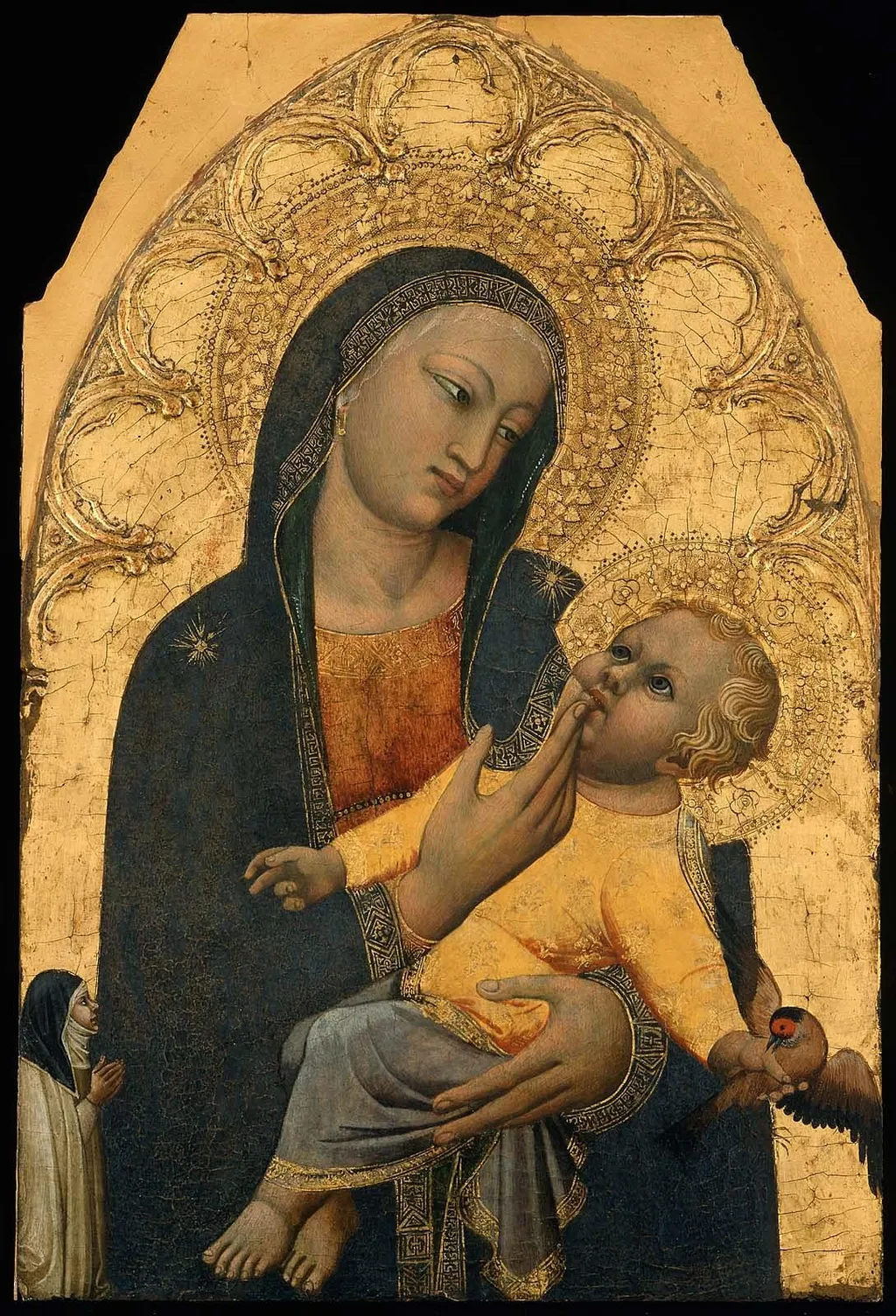
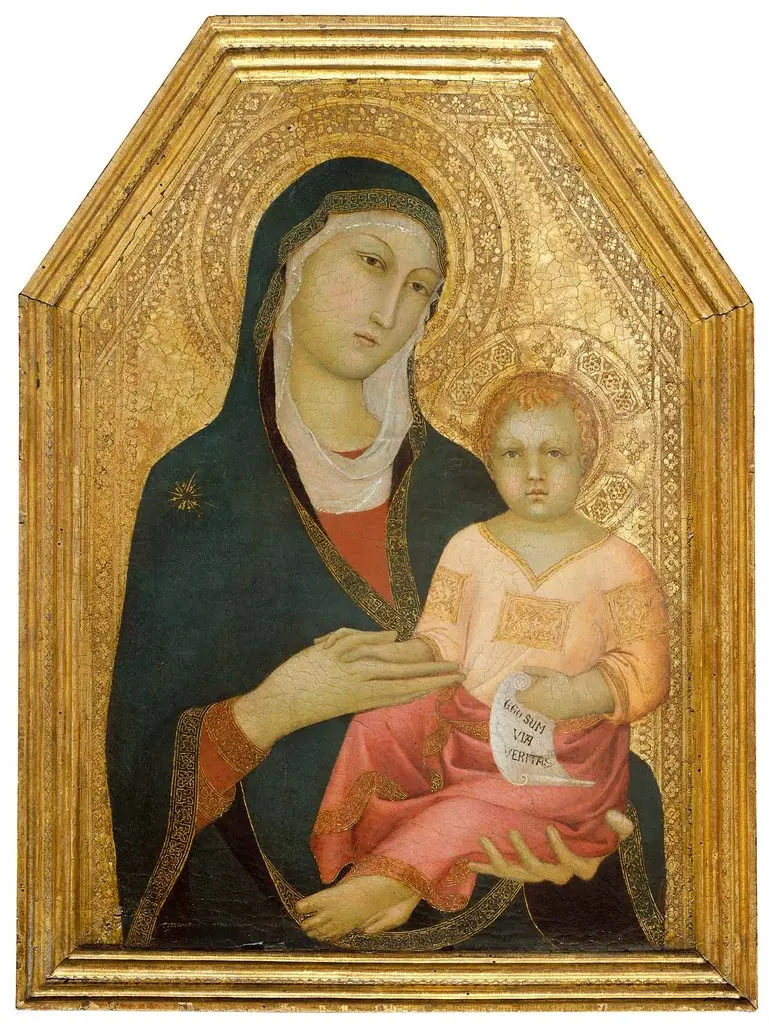
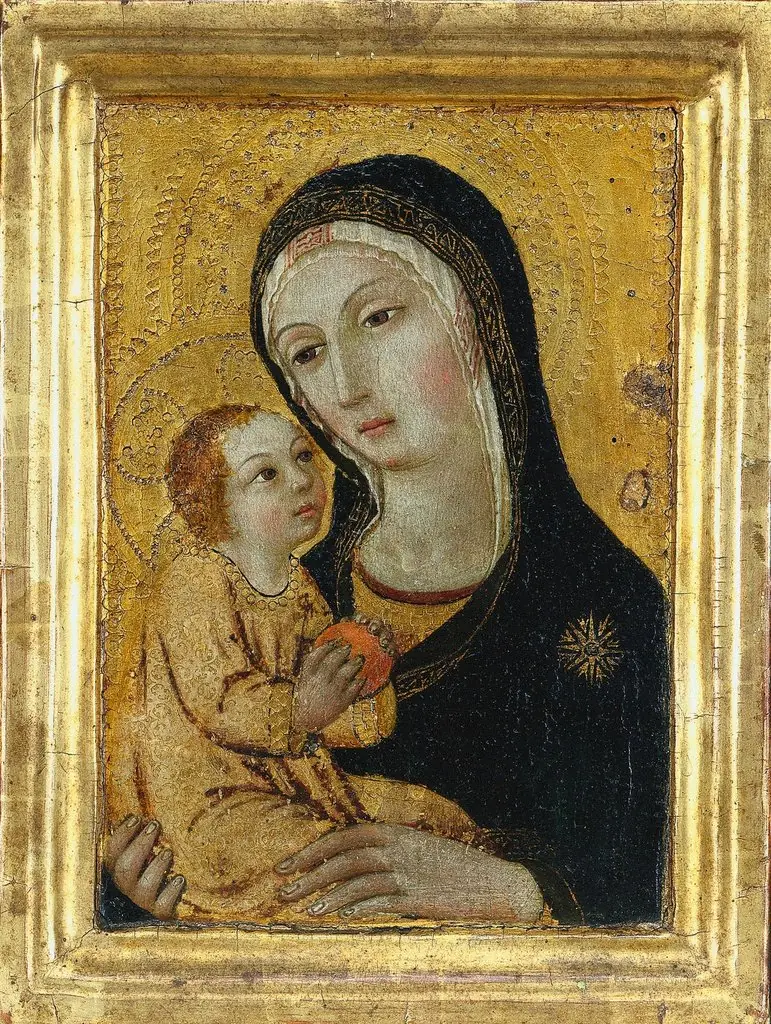
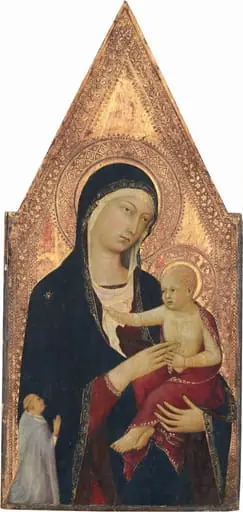
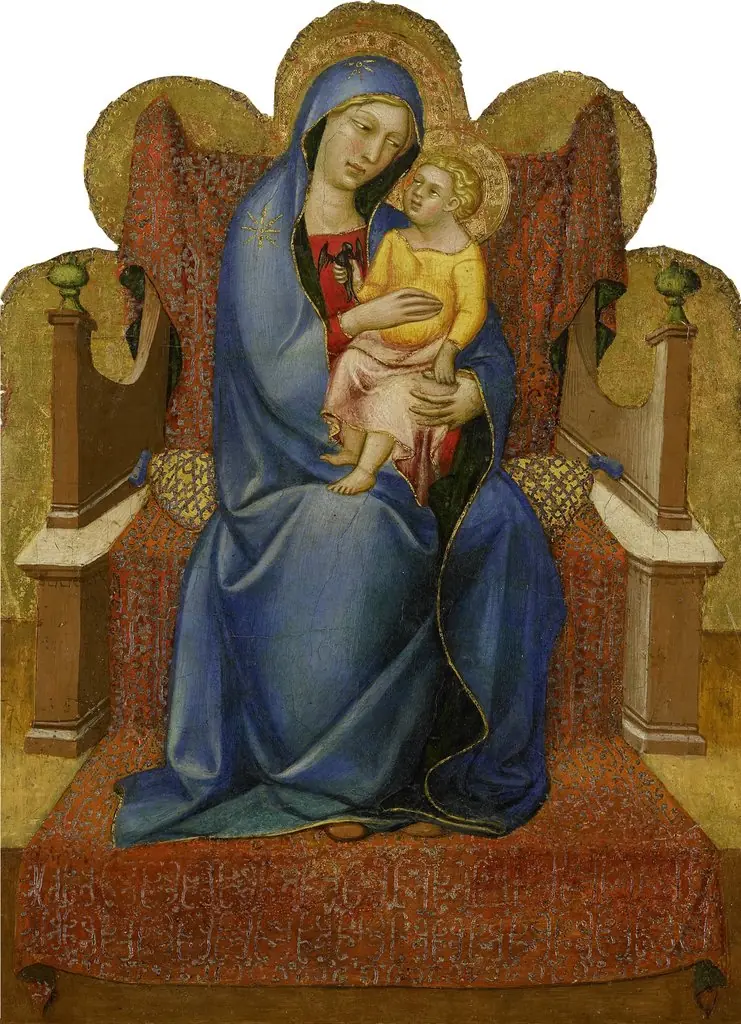
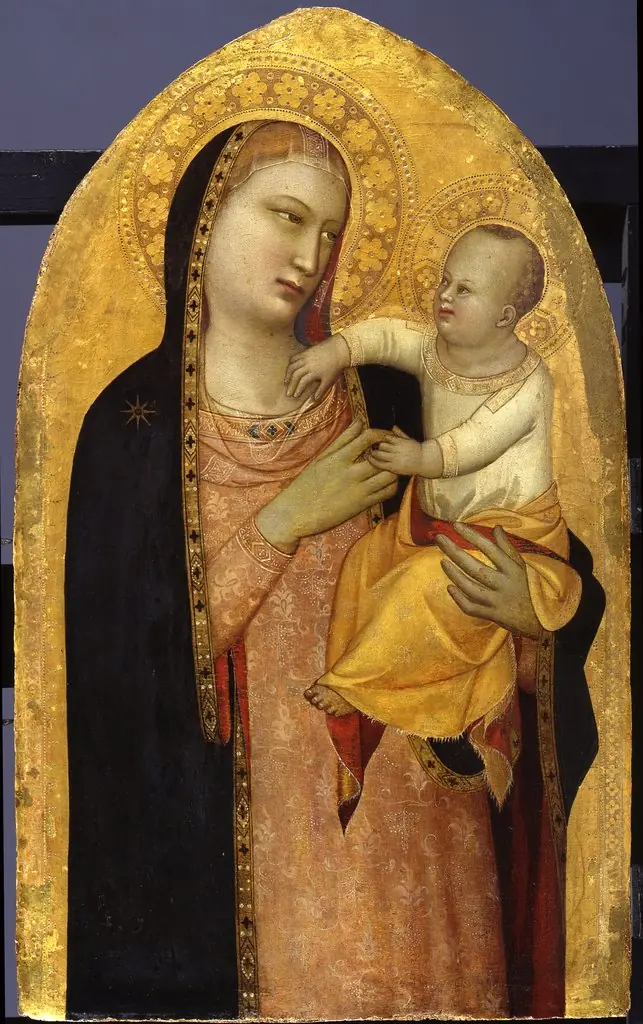
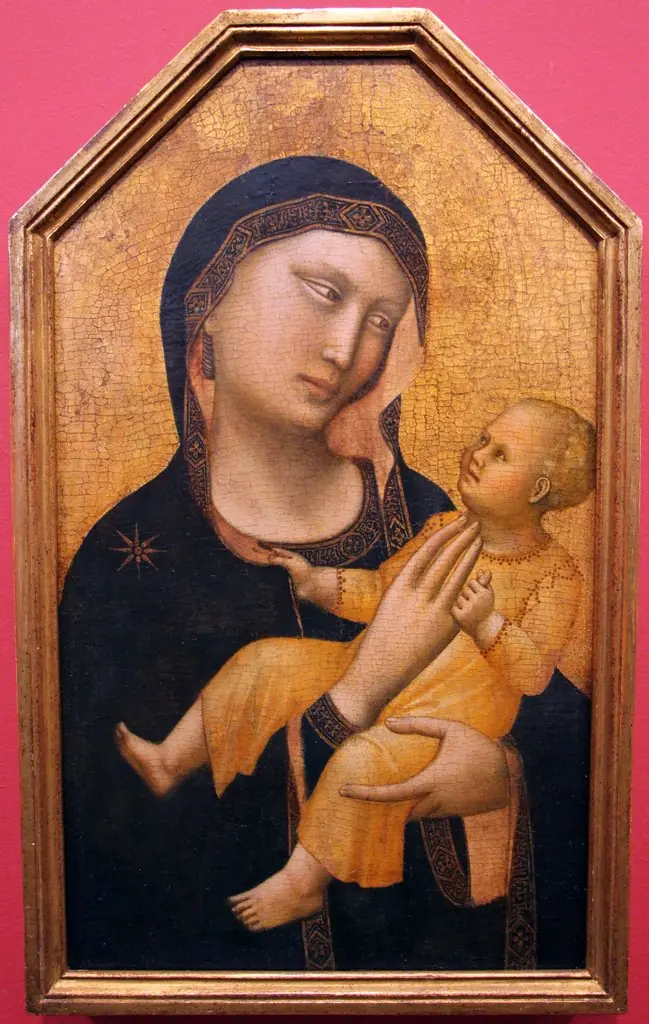
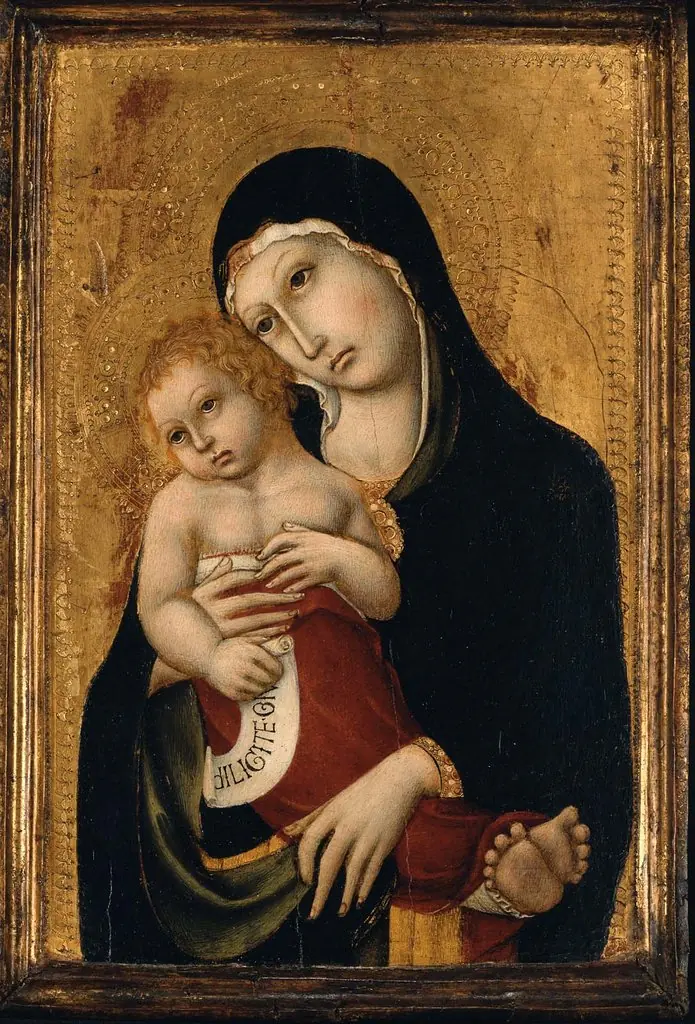
Virgin and Child is a tempera painting by the Italo Byzantine artist Antonio Veneziano. It dates from 1390 and is held in the collection of the Museum of Fine Arts Boston.
About this work
Subject & Meaning
The composition centers on the figures of Mary and the Christ Child, adhering to the established iconography of the genre.
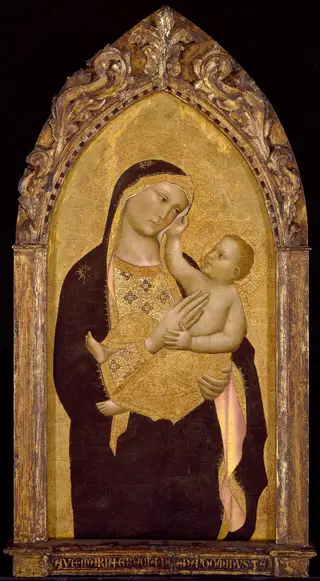
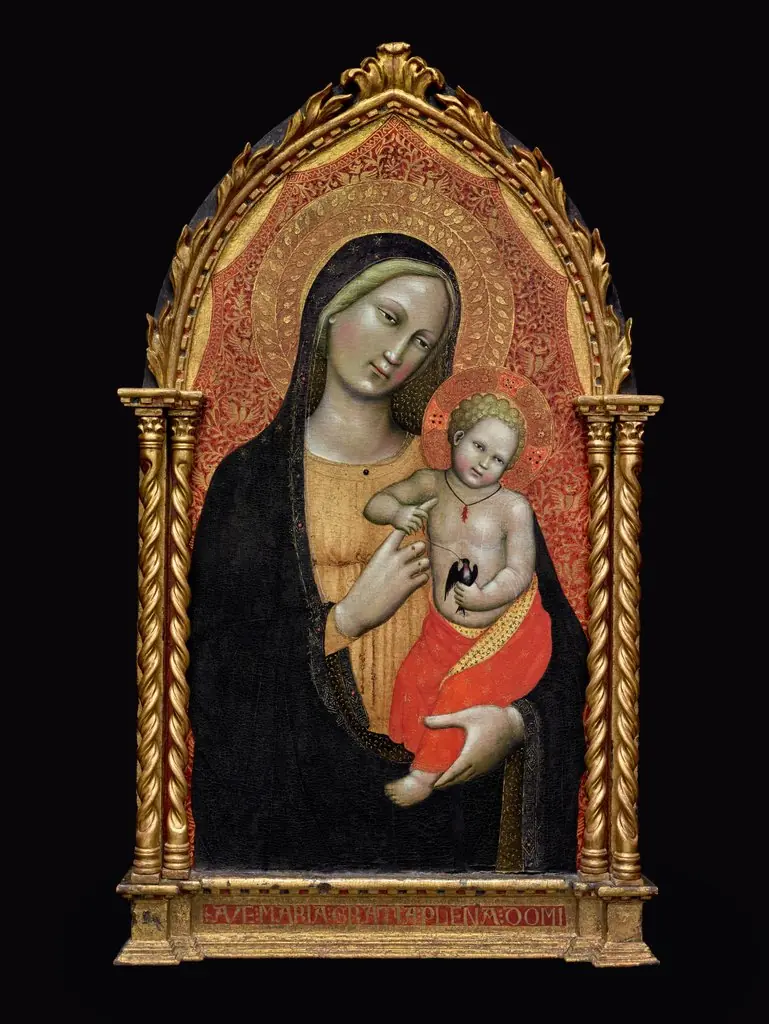
Antonio Veneziano's Virgin and Child, dated to 1380, depicts the religious subject of the Madonna and Child. The composition centers on the figures of Mary and the Christ Child, adhering to the established iconography of the genre. As a work of religious art created in tempera on panel, the painting represents the theological relationship between the Virgin and her son, a standard motif in Christian devotion. The visual narrative focuses entirely on these two figures, emphasizing their connection within a sacred context.
Technique & Style
Antonio Veneziano executed the Virgin and Child in 1380 using tempera on a panel support. The work measures 55.9 cm in height and 37.4 cm in width. As a religious painting from the late 14th century, the piece depicts the Madonna and Christ Child, adhering to the conventions of its genre through the application of tempera pigments on a rigid wooden ground.
History & Provenance
Antonio Veneziano painted this panel in 1380, depicting the Virgin and Child in tempera on wood. It entered the collection of the Museum of Fine Arts, Boston, where it remains on view.
The work shows Mary holding the infant Christ, a common subject in 14th‑century Italian religious painting. Its dimensions are 55.9 cm in height and 37.4 cm in width.
Overview
Antonio Veneziano's Virgin and Child is a tempera painting from 1390, featuring the Madonna and Jesus in a devotional scene set against a luxurious gold leaf background.
Context
The employment of gold leaf in the background reflects a common practice in medieval and early Renaissance religious art, where the expensive material was used to symbolize divine light and holiness.
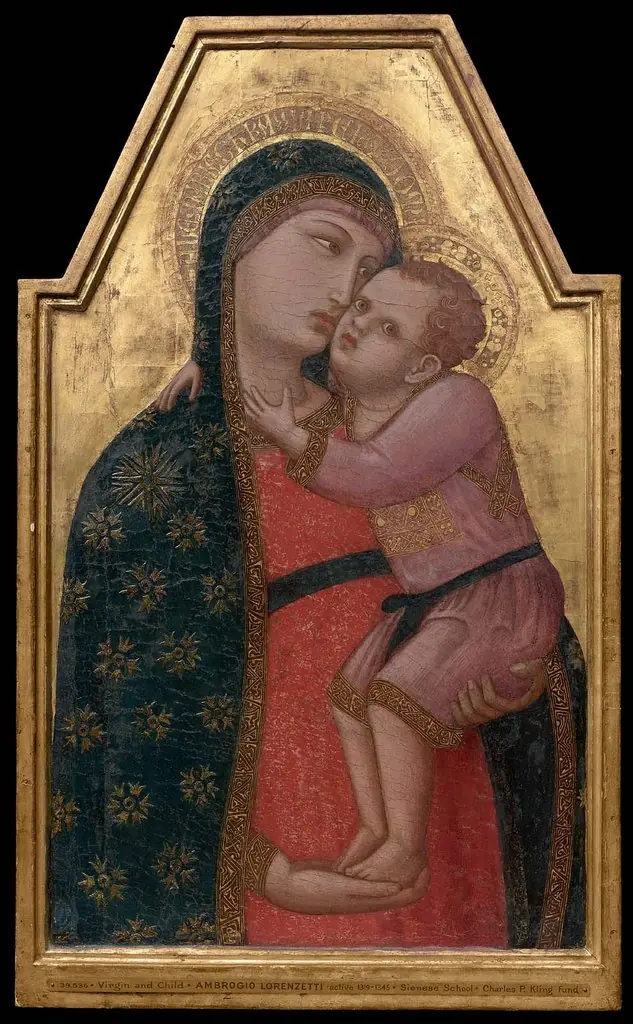
Artist & collection
Artist
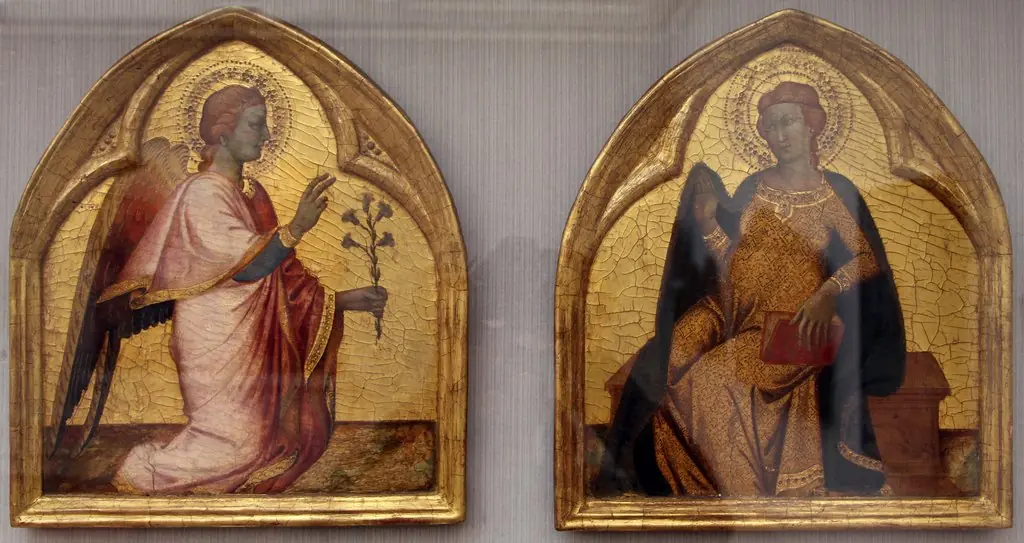
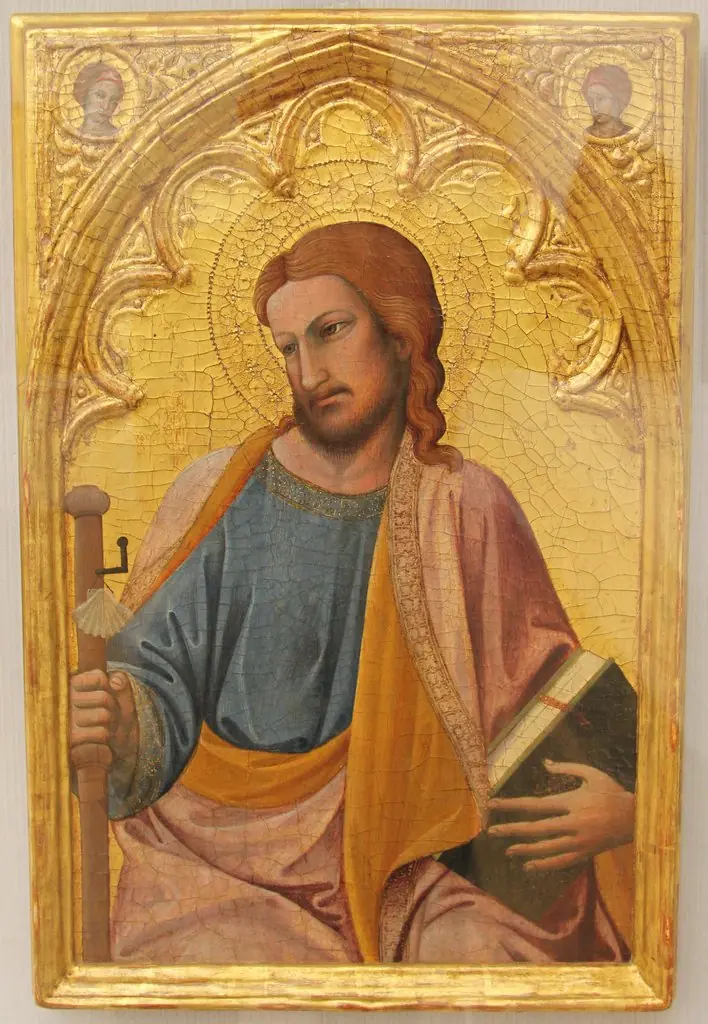
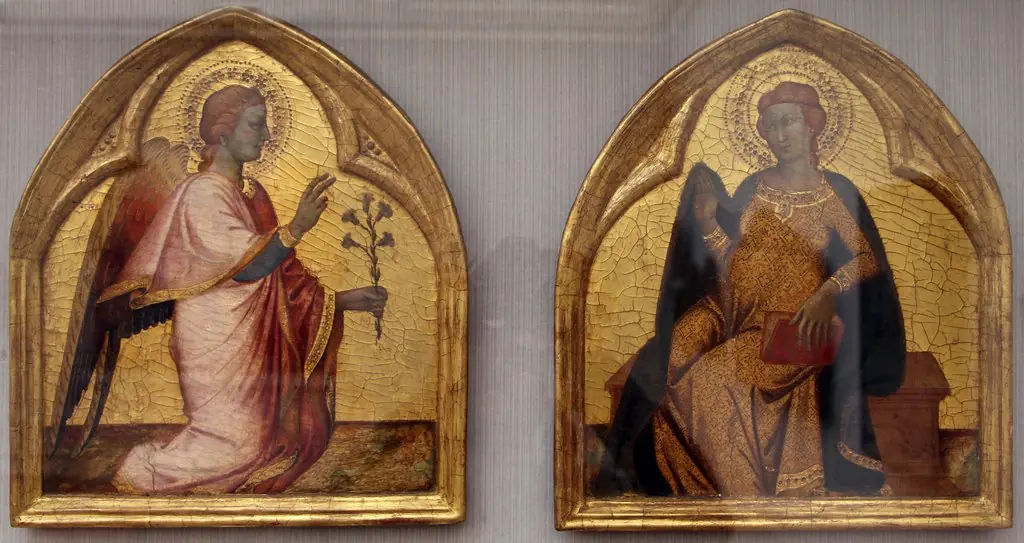
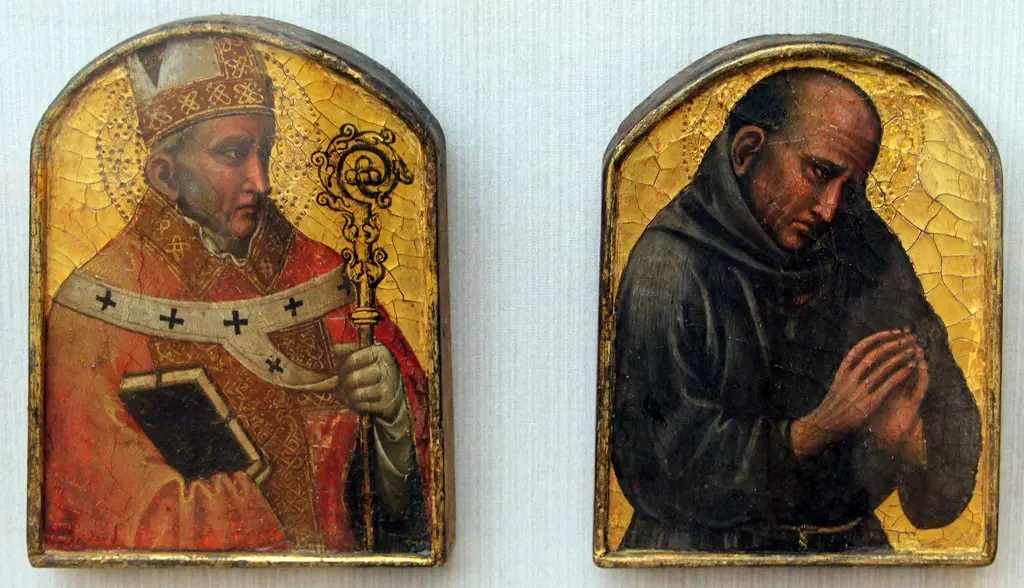
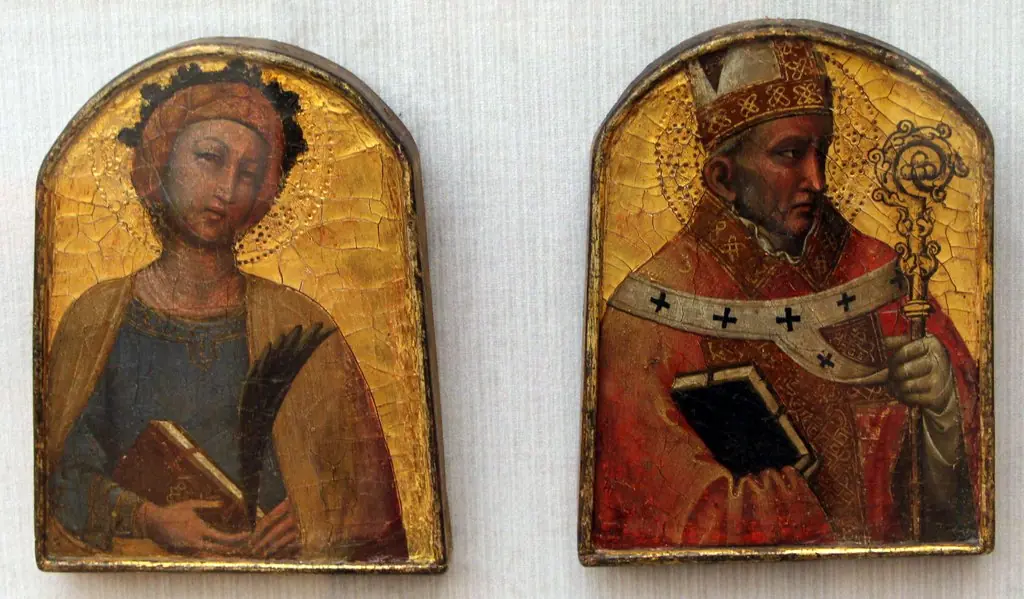
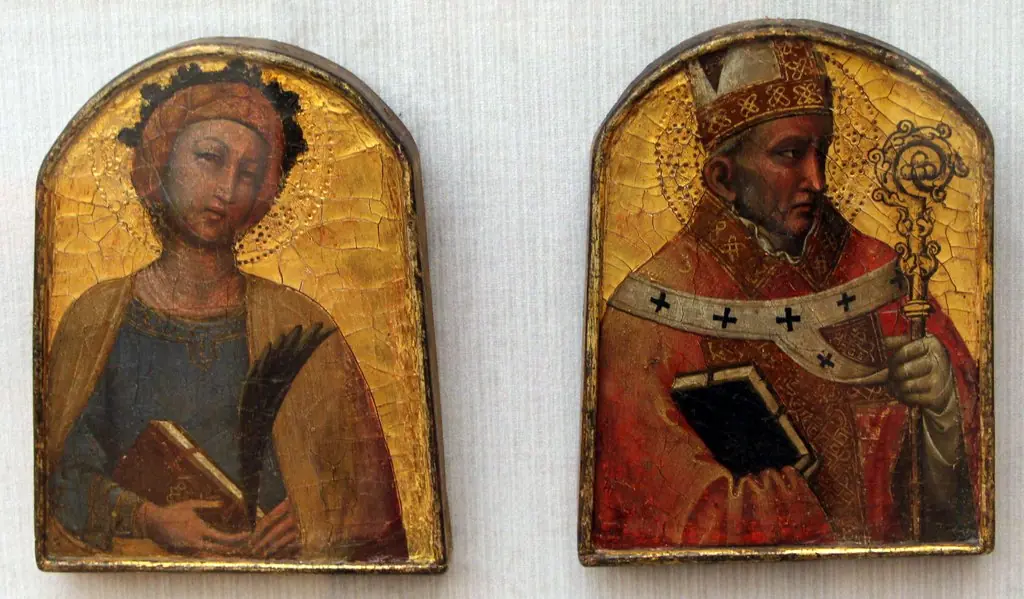
Antonio Veneziano painted delicate panels of saints and angels around the turn of the 1400s, their gold halos glowing against soft reds and blues.

![Madonna and Child, with the Blessing Christ [middle panel], by Pietro Lorenzetti](https://artifactworldgallery.com/img/pietro-lorenzetti--madonna-and-child-with-the-blessing-christ-middle-panel--02357aa6ff04175b-w320.webp)