Artwork
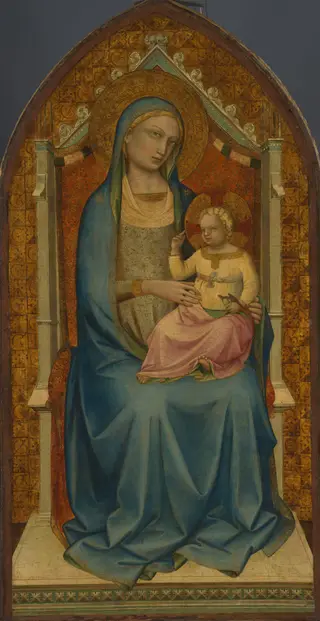
Virgin and Child
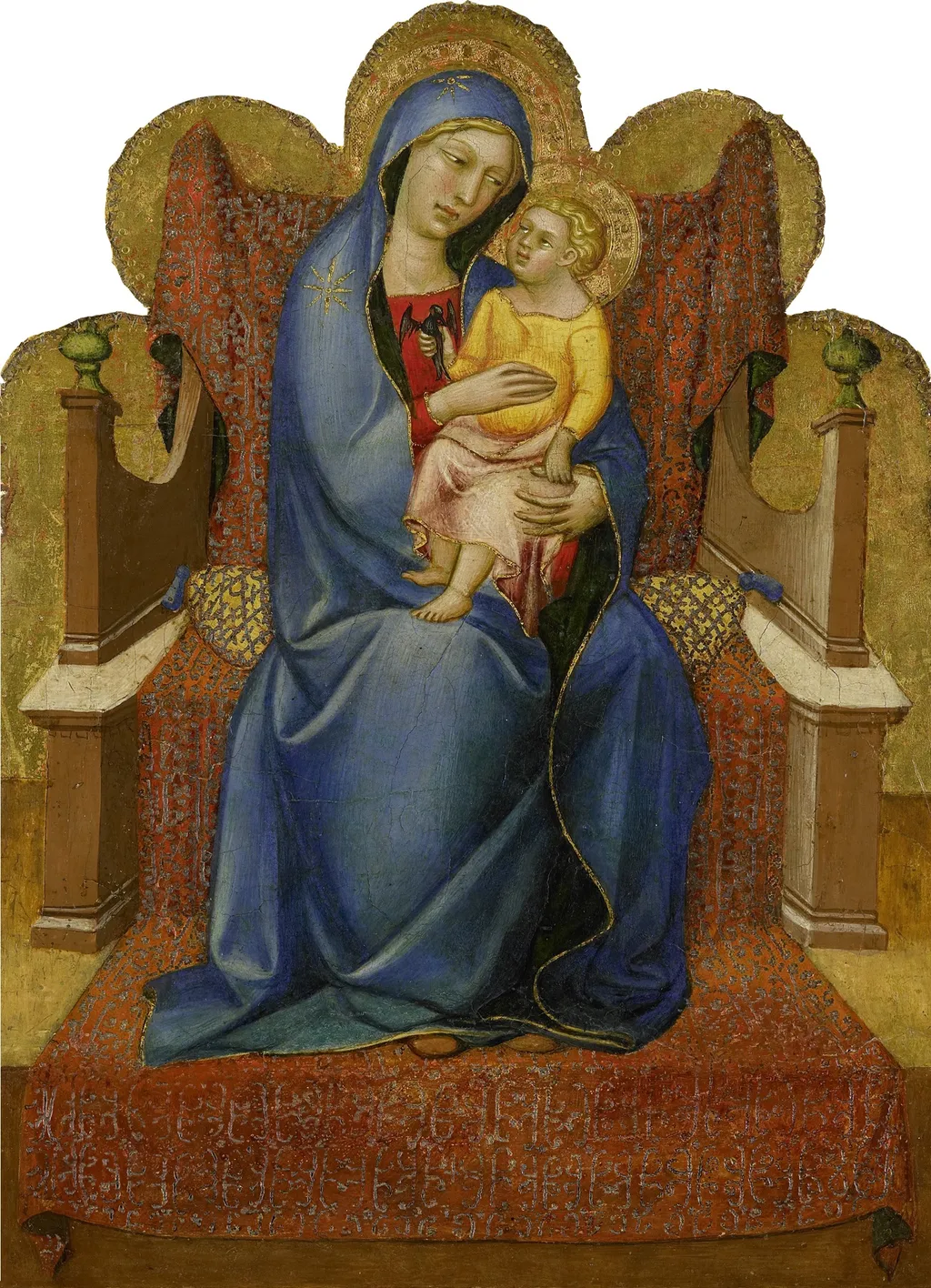
Virgin and Child is a tempera painting by the Early Renaissance artist Bartolo di Fredi. It is held in the collection of the Rijksmuseum.
About this work
Subject & Meaning
The painting depicts the Madonna and Child, a devotional subject centered on the Virgin Mary holding the Christ Child.
The painting depicts the Madonna and Child, a devotional subject centered on the Virgin Mary holding the Christ Child. This iconographic type, rooted in Christian tradition, presents Mary as the mother of the divine infant, emphasizing themes of maternal tenderness and the incarnation. Both figures are identified as the principal subject of the work, rendered in tempera on panel in a manner consistent with fifteenth-century Sienese religious painting.
The image belongs to the broader category of Madonna and Child imagery that proliferated in devotional contexts during the period, serving as a focus for personal piety and contemplation of the sacred bond between mother and son.
Technique & Style
The work is executed in tempera on a wooden panel, a medium typical of mid‑fifteenth‑century Sienese painting. Bartolo di Fredi’s handling of tempera yields a smooth, luminous surface that defines the Virgin and Child with clear contours and delicate modeling. As a religious panel painting dated to circa 1450, the piece reflects the devotional focus and formal restraint characteristic of Sienese art of the period, emphasizing the sacred figures through balanced composition and restrained coloration.
History & Provenance
The panel was painted by Bartolo di Fredi in Siena in 1450, executed in tempera on panel as a devotional Madonna and Child. It later entered the collection of Julius Wilhelm Edwin vom Rath, a noted Dutch collector. The work subsequently became part of the holdings of the Rijksmuseum, where it is currently housed.
The Virgin and Child by Bartolo di Fredi is held in the Rijksmuseum, Amsterdam, with the inventory number SK-C-1172.
The painting was first documented in the collection of Julius Wilhelm Edwin vom Rath before entering the Rijksmuseum, where it remains in the permanent holdings.
Overview
Created circa 1450 by Bartolo di Fredi, a painter associated with the Sienese tradition, this tempera panel presents a devotional image of the Virgin Mary and the infant Jesus. The work is part of the early Renaissance corpus and is currently conserved in the Rijksmuseum’s collection.
Context
The work reflects the devotional trends of early Renaissance Italy, where intimate portrayals of the Virgin and Child were favored for private contemplation. The use of tempera aligns with the period’s standard practice prior to the widespread adoption of oil painting in the region.
Own this work as a print
Artist & collection
Artist
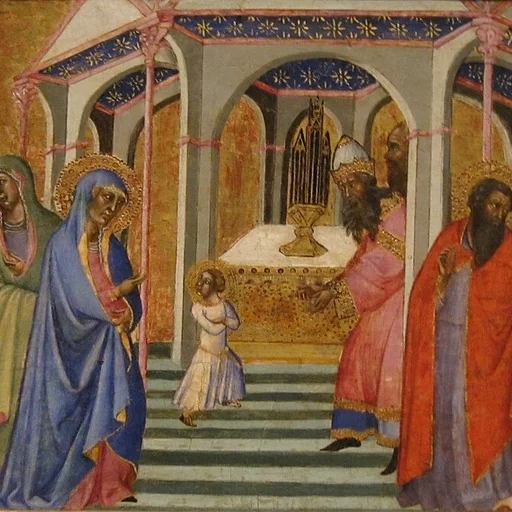
Bartolo di Fredi (c. 1330 – 26 January 1410), also called Bartolo Battiloro, was an Italian painter, born in Siena, classified as a member of the Sienese School.

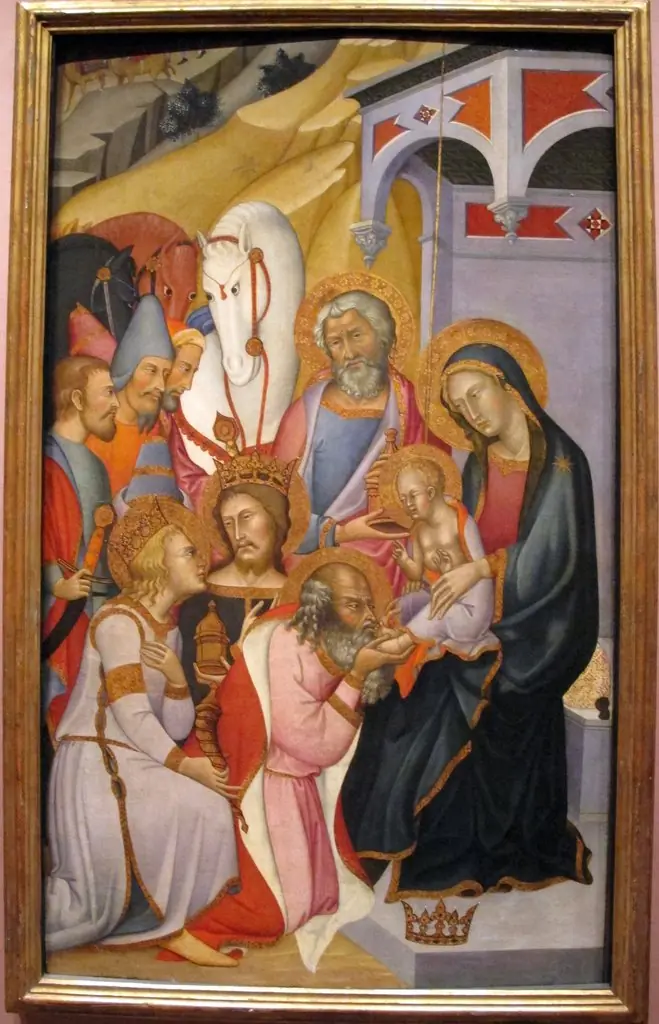
- Virgin and Child
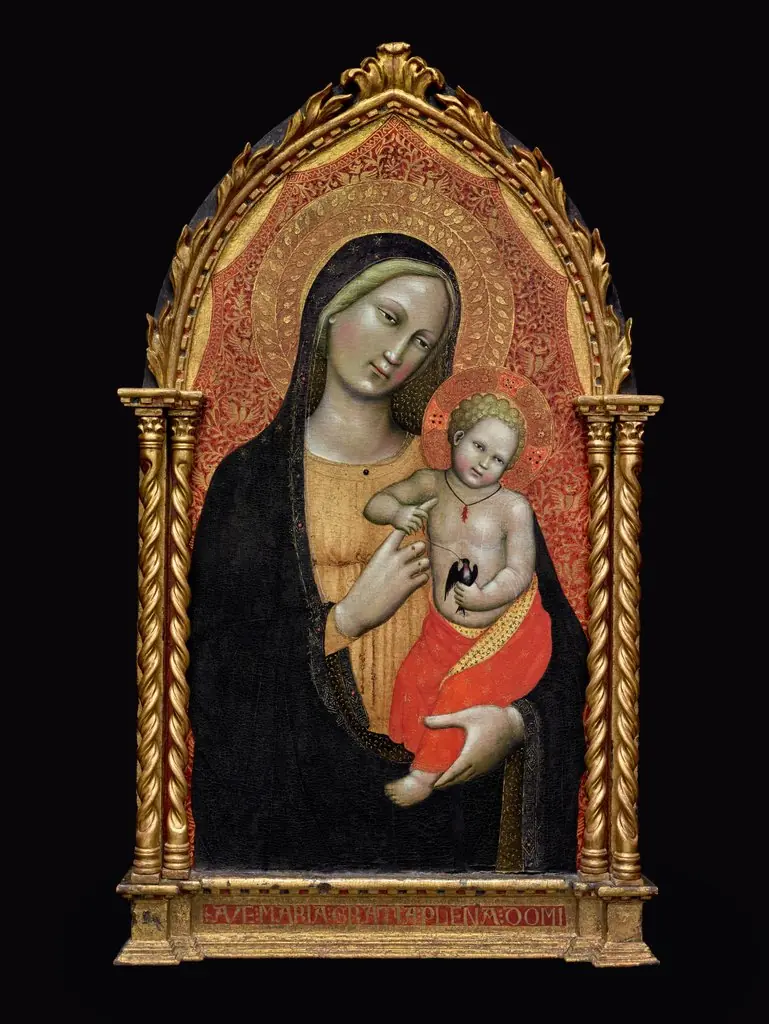 Virgin and Child
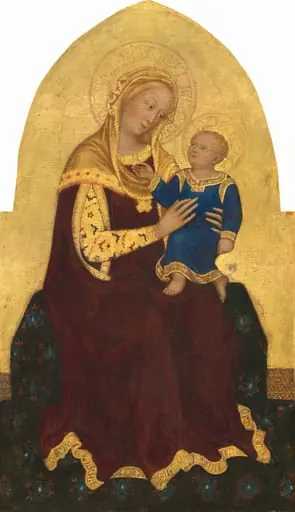 Madonna and Child Enthroned
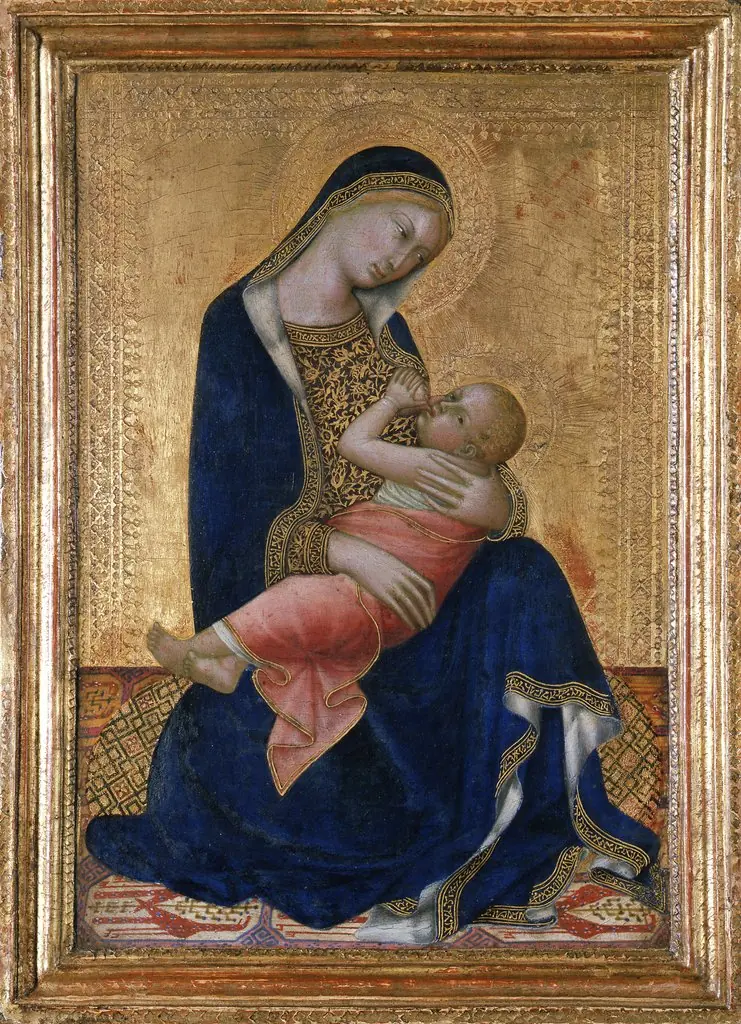 Madonna lactans
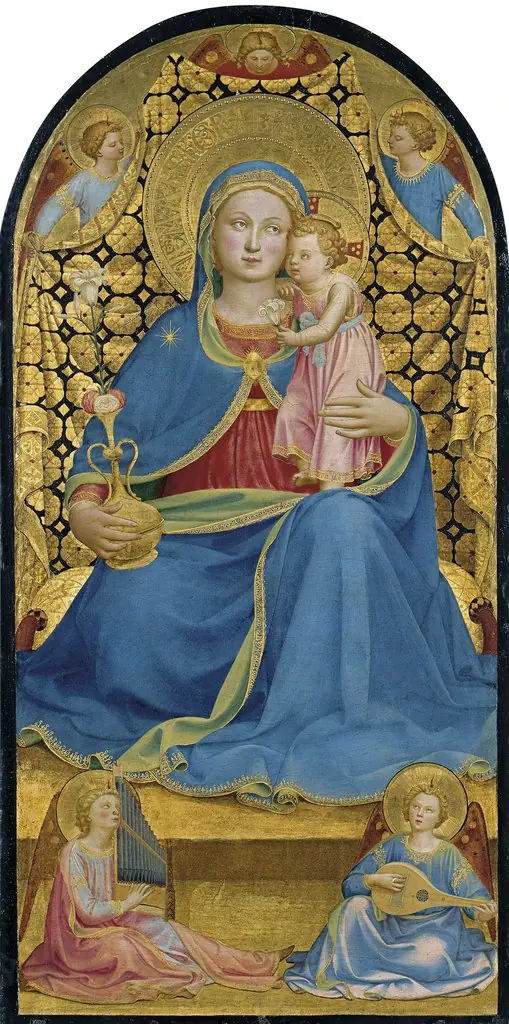 Madonna of Humility
 Virgin and Child
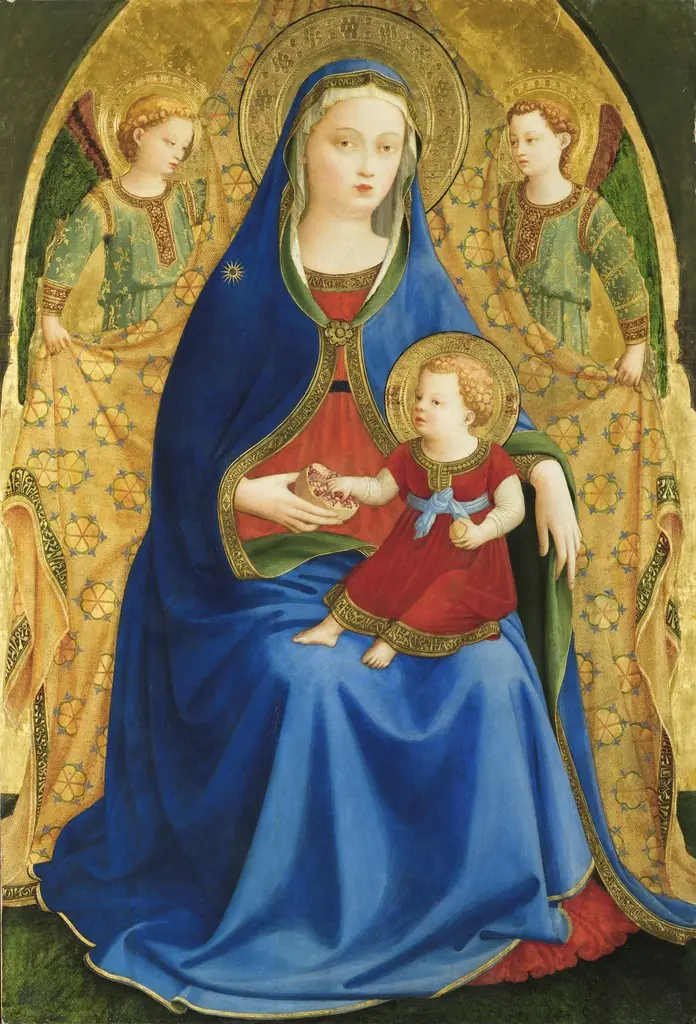 Madonna of the Pomegranate
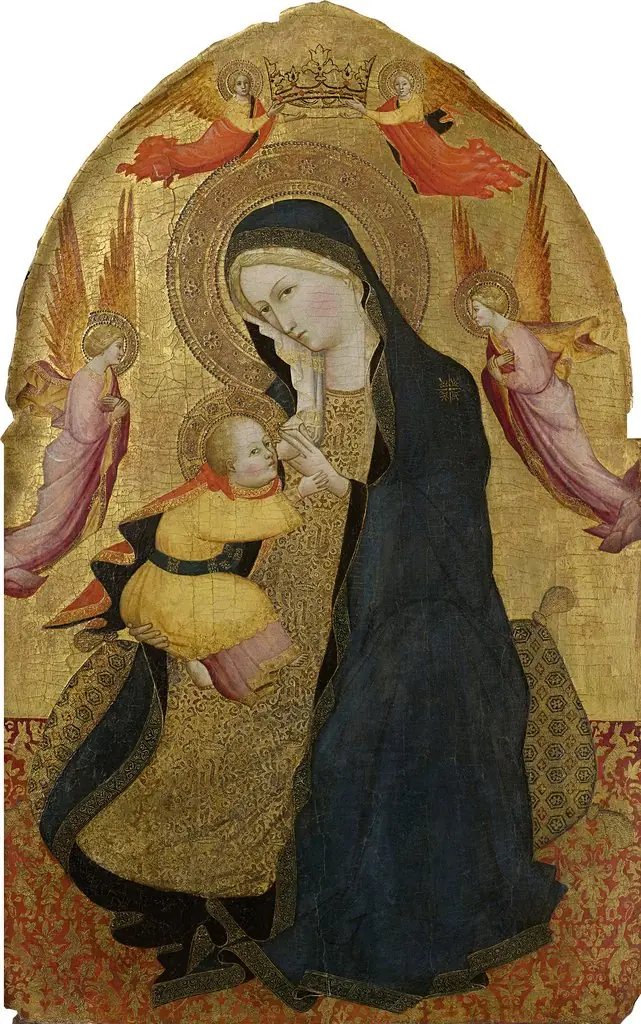 Madonna of Humility (Madonna dell'Umiltà)
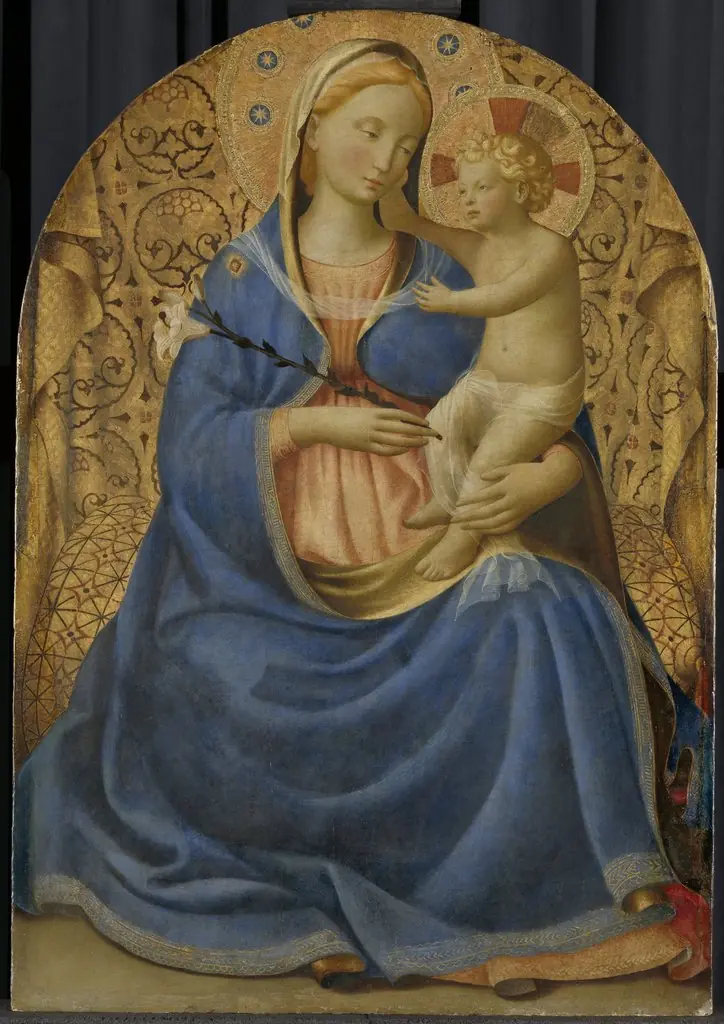 Madonna of Humility
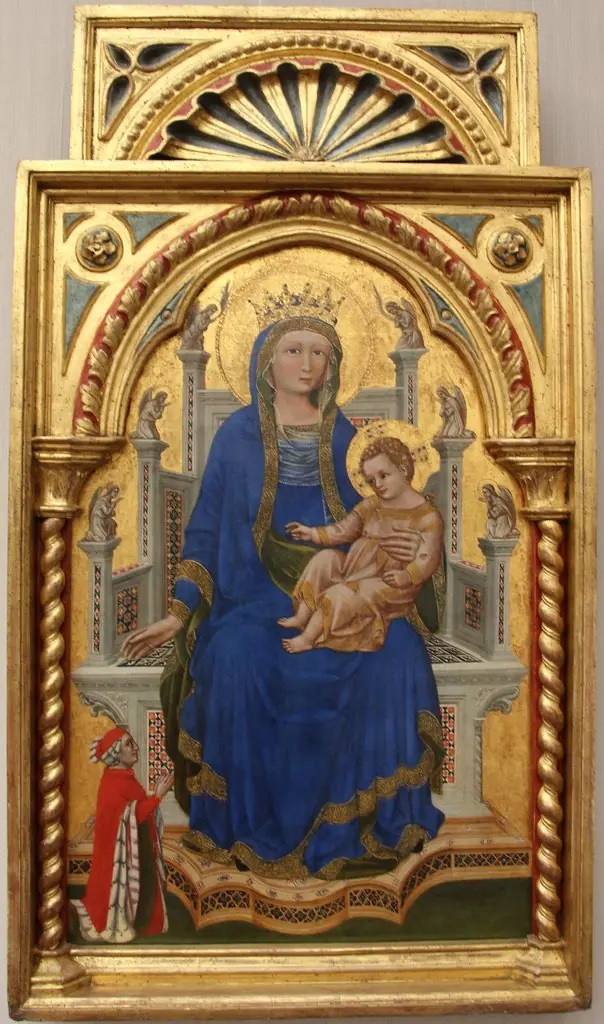 The Virgin and Blessing Child Enthroned with a Donor
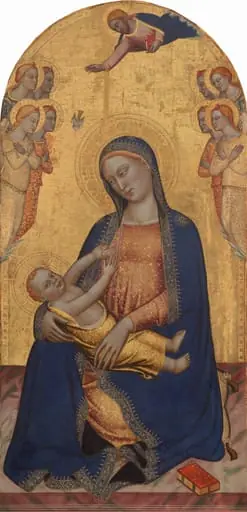 Madonna and Child with God the Father Blessing and Angels
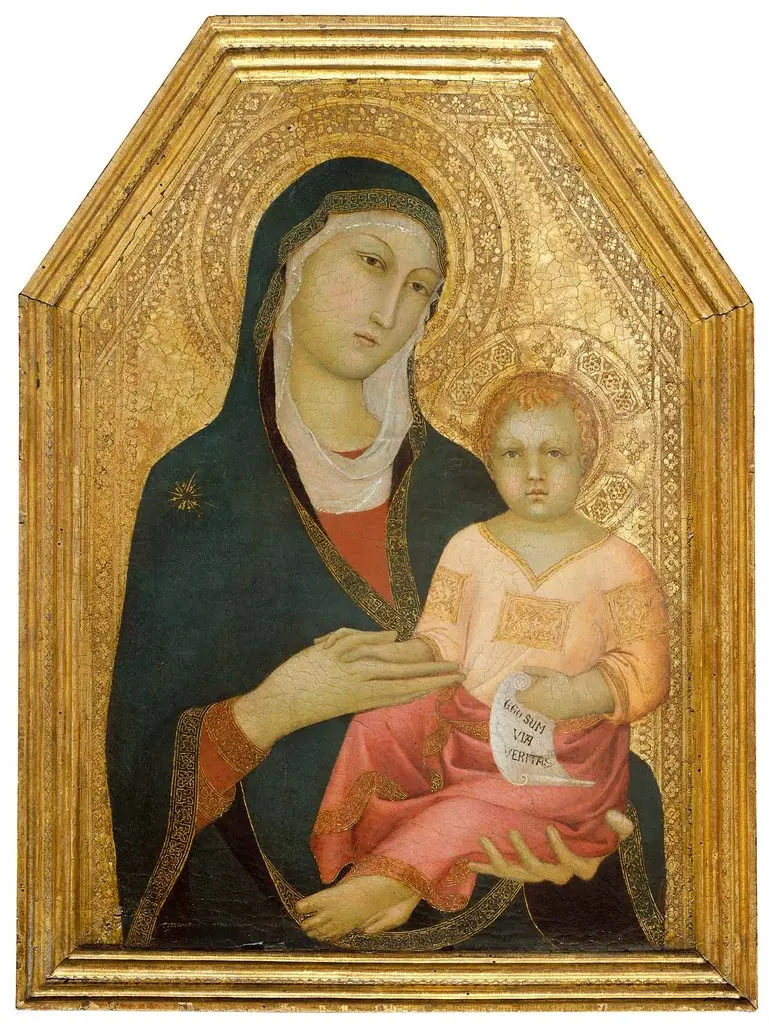 Virgin and Child