Artwork
Virgin and Child
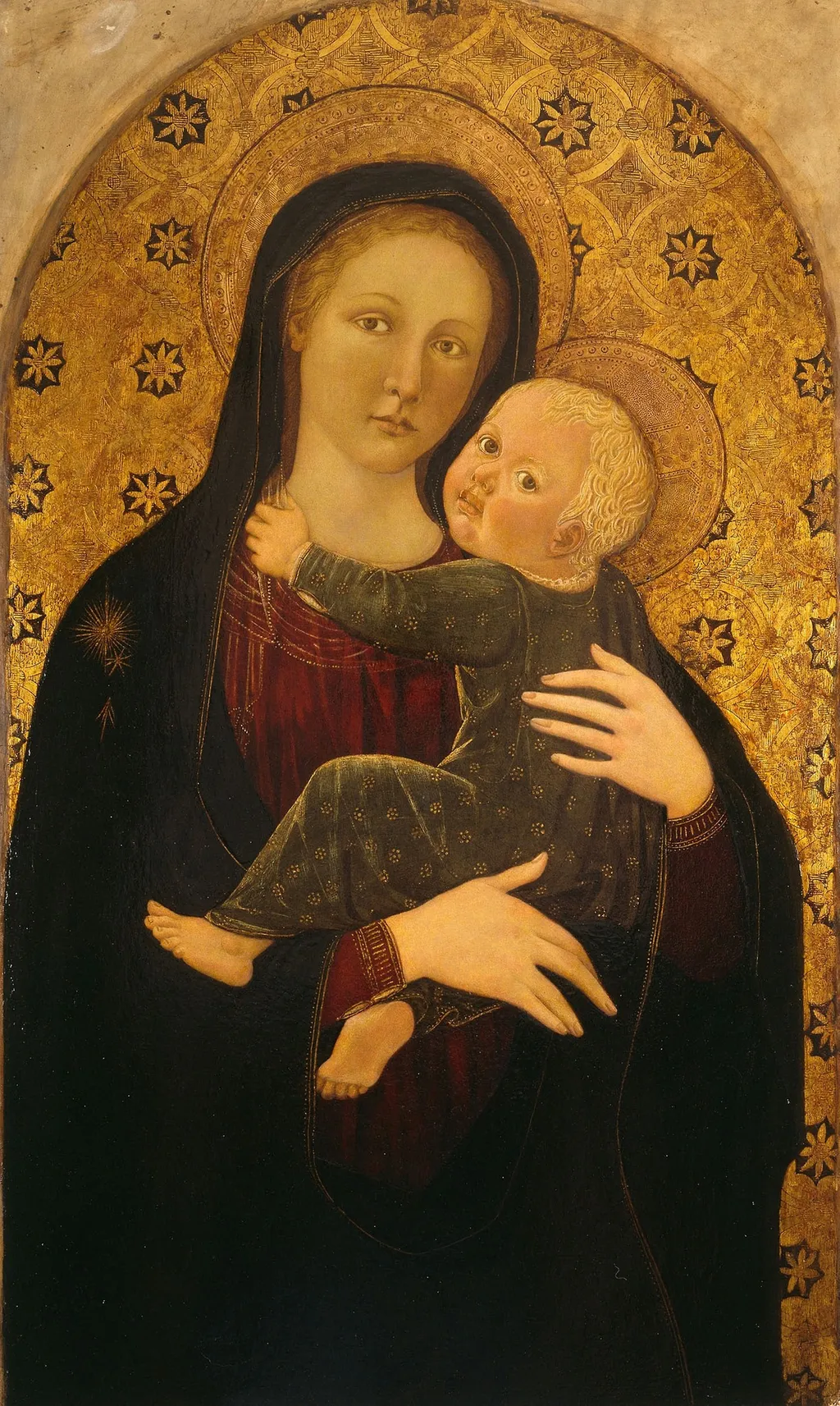
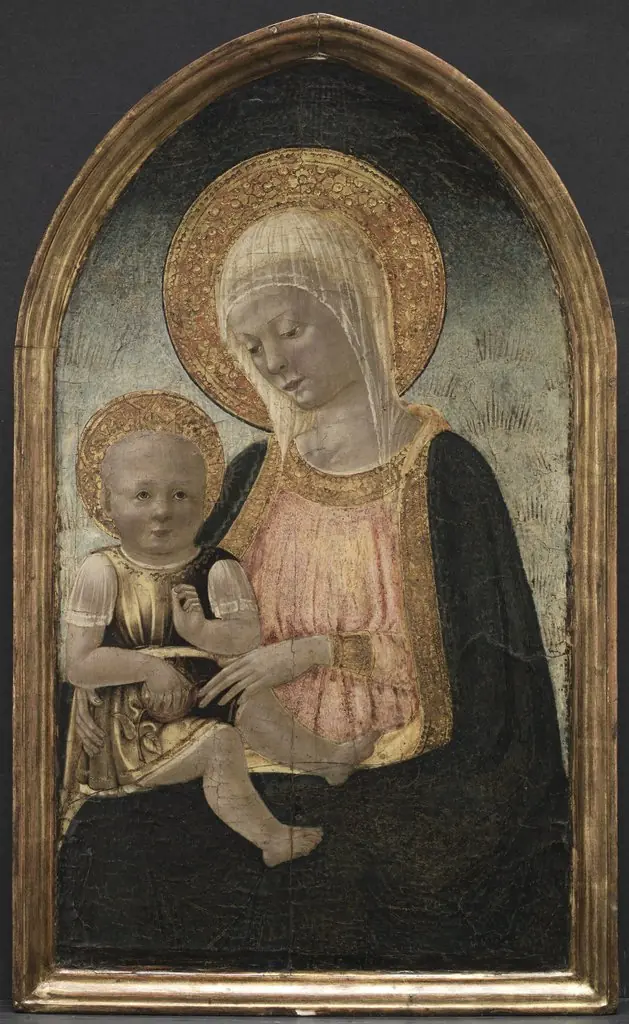
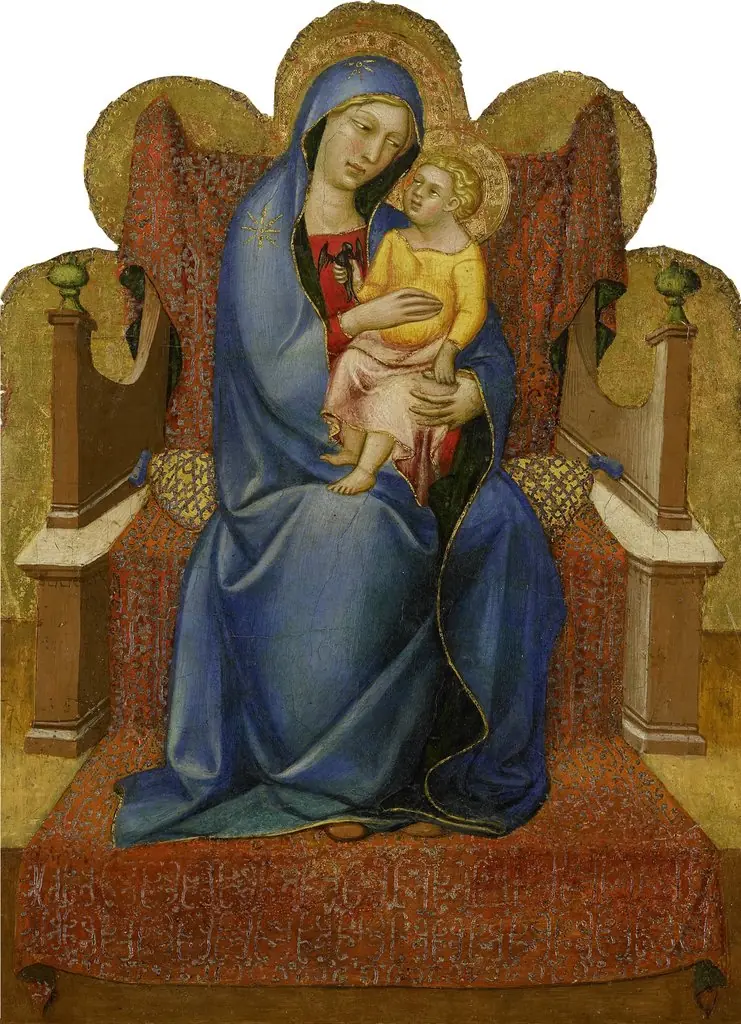
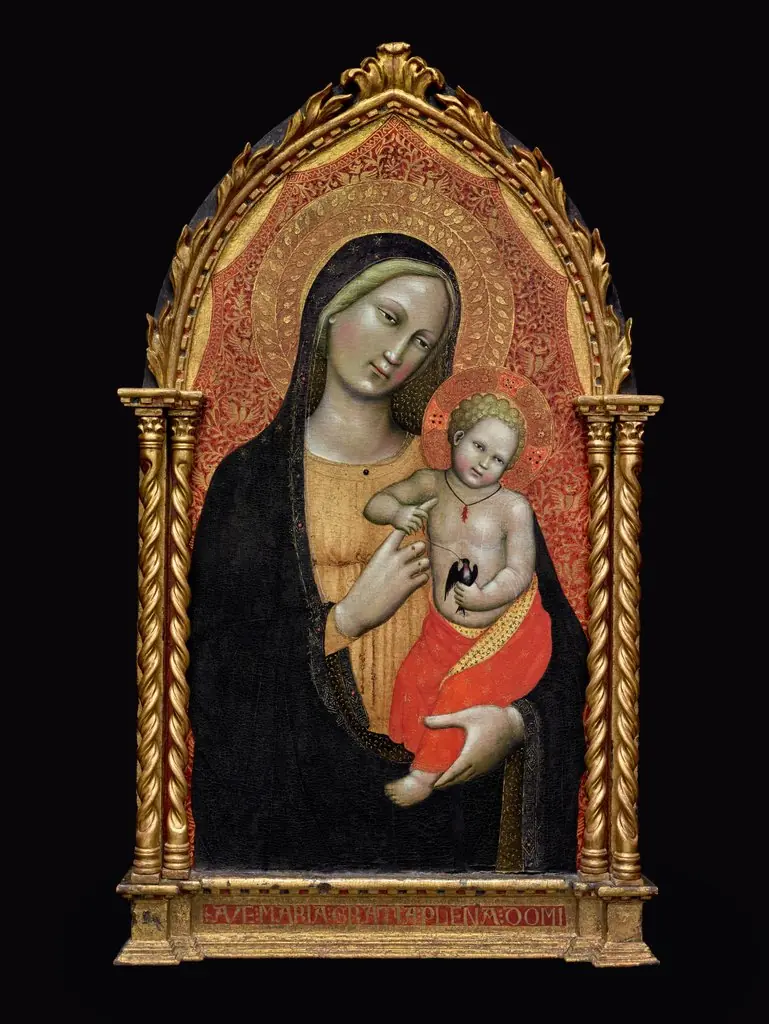
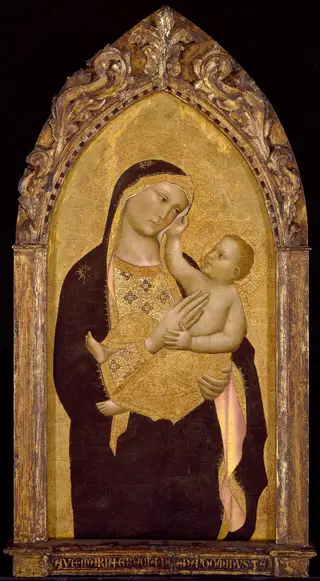
Virgin and Child is an unspecified painting by the Northern Renaissance artist Unknown. It dates from 1450 and is held in the collection of the Art Institute of Chicago. The work presents the Virgin Mary seated beside the infant Jesus, emphasizing a quiet, intimate exchange.
About this work
Subject & Meaning
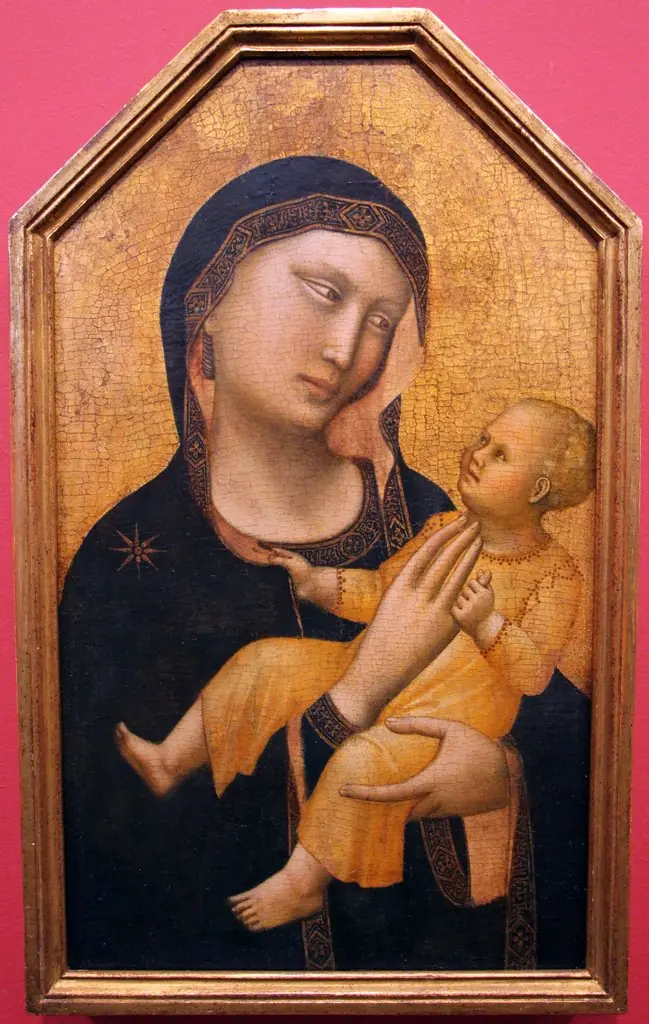
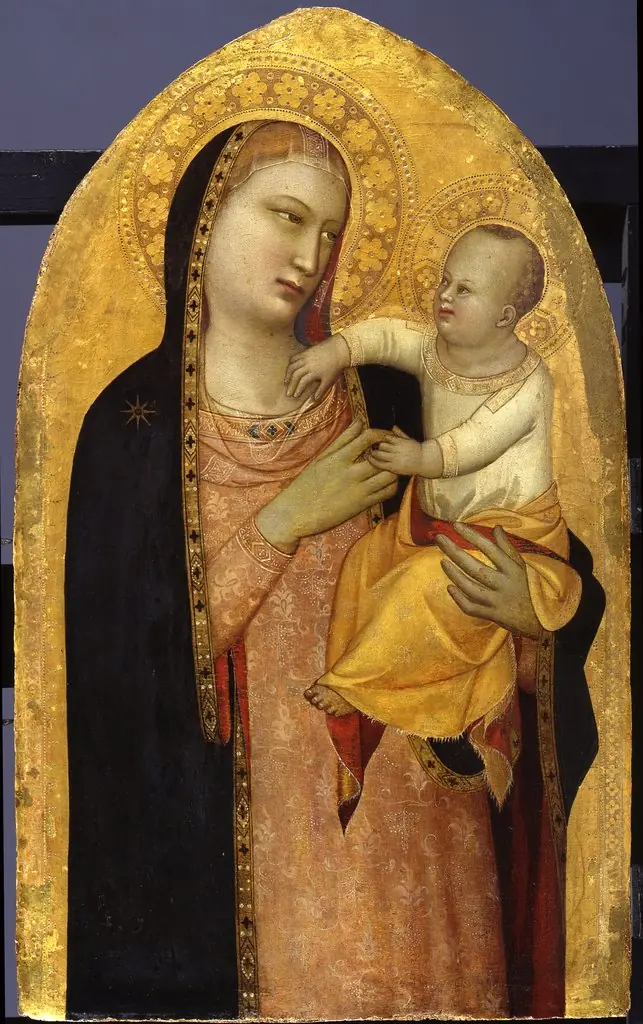
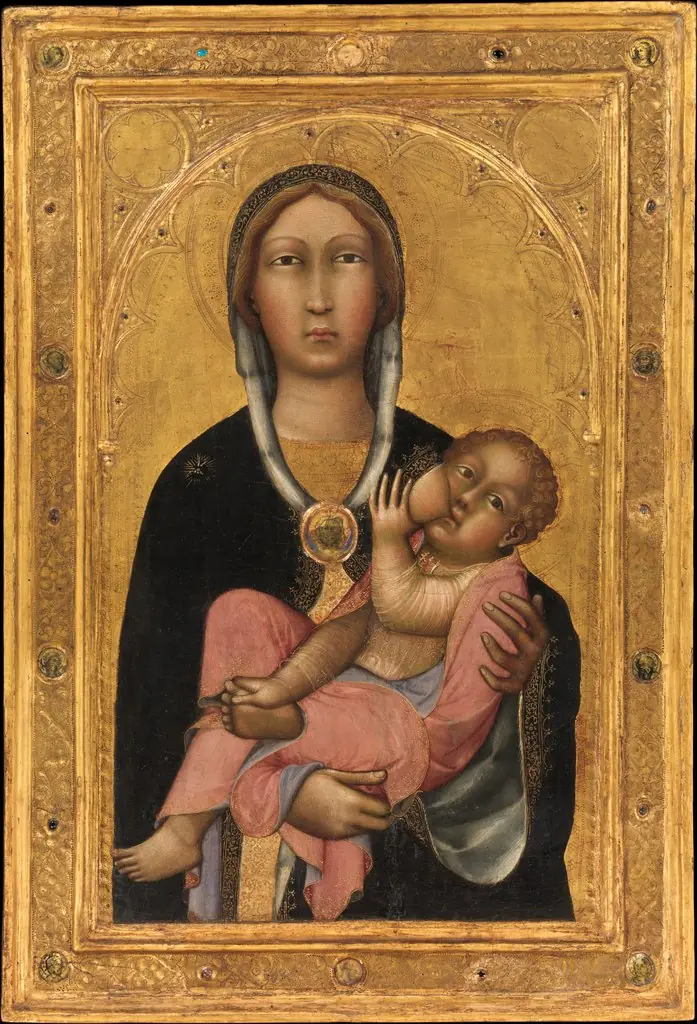
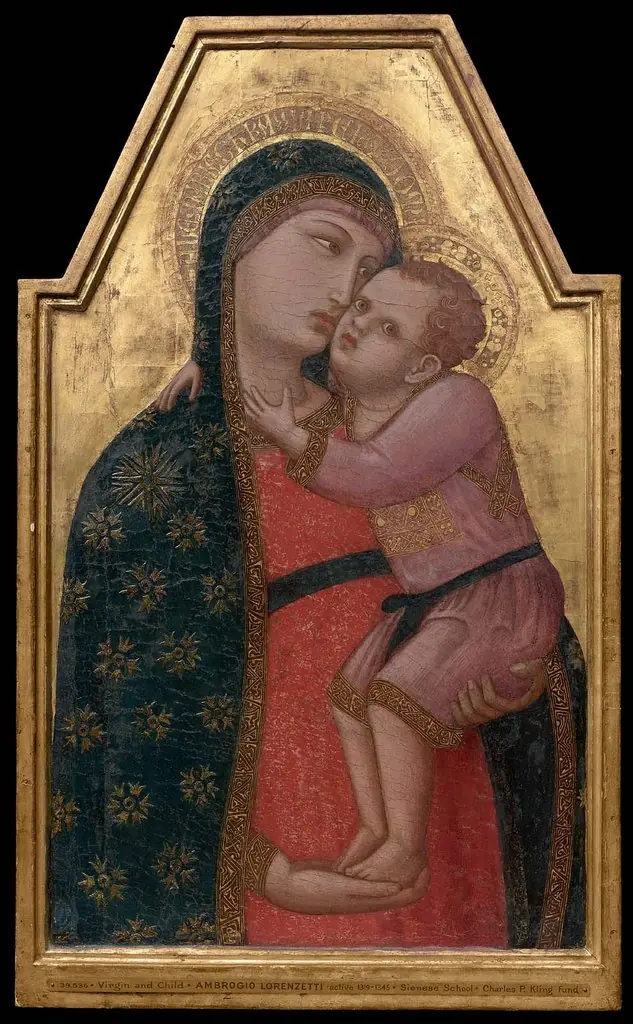
Created around 1450 by a Central Italian artist, this religious painting depicts the Madonna and Child. The work features the Virgin Mary holding the Christ Child, a standard iconographic theme in Christian art representing the incarnation of Jesus. As a piece of religious genre painting, the image serves as a devotional focus on the maternal bond between Mary and her son.
History & Provenance
It is classified as a religious painting within the broader category of Madonna and Child imagery, reflecting devotional practices of the period.
The Virgin and Child painting was created in 1450 by an artist recorded in Wikidata as Central Italian. It was commissioned as a religious work and remains in the collection of the Art Institute of Chicago, where it is displayed as part of their religious art holdings. The work measures 81.6 cm in height and 49 cm in width and portrays Mary with the Christ Child. Its creation is dated to the mid-15th century based on the documented inception of 1450-01-01.
The painting's provenance is anchored to the Art Institute of Chicago, where it has been part of the permanent collection since its acquisition. It is classified as a religious painting within the broader category of Madonna and Child imagery, reflecting devotional practices of the period. No records indicate prior ownership before its inclusion in the museum's collection, and no evidence suggests it was created for a private patron outside the documented institutional context.
The Virgin and Child painting is part of the collection at the Art Institute of Chicago, where it is catalogued under accession number 1955.451. It was created around 1450 as a religious work depicting Mary with the Christ Child. The piece has been exhibited as part of the museum’s presentation of early Italian religious art.
Overview
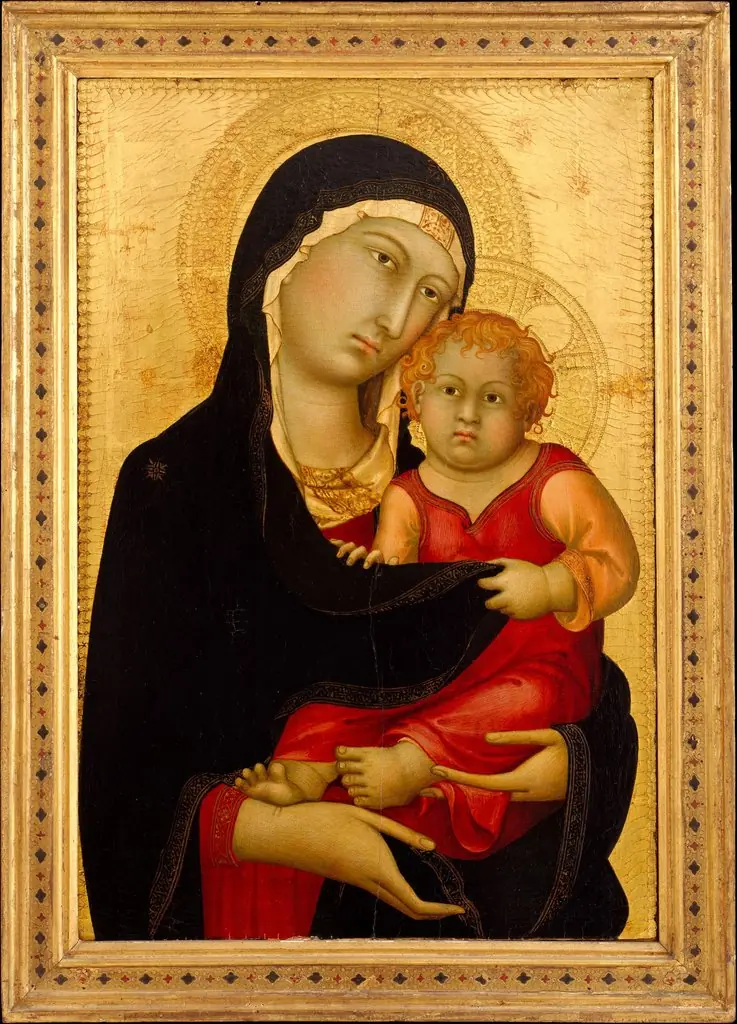
The work presents the Virgin Mary seated beside the infant Jesus, emphasizing a quiet, intimate exchange. Mary is clothed in a dark outer robe over a red dress, while the child wears a dark garment patterned with gold dots. The background is filled with a decorative gold motif, lending a sense of richness to the composition.
Technique & Style
The artist employs a restrained palette of deep hues contrasted with bright red and gold accents. Careful rendering of fabric folds and subtle modeling creates a three‑dimensional presence. The gold patterned background, applied in flat planes, frames the figures and enhances the overall sense of warmth.
Context
Typical of devotional images intended for personal reflection, the composition balances reverence with domestic intimacy. The use of luxurious gold and rich colors aligns the work with the visual language of late medieval and early Renaissance religious painting, where such motifs signified both spiritual and material splendor.
Artist & collection