Artwork
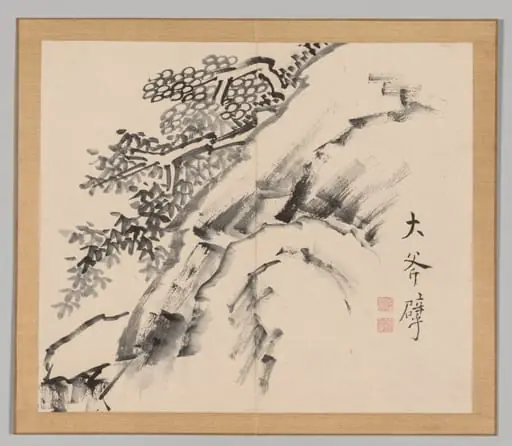
Reverberations of Taiga, Volume 1 (leaf 36)
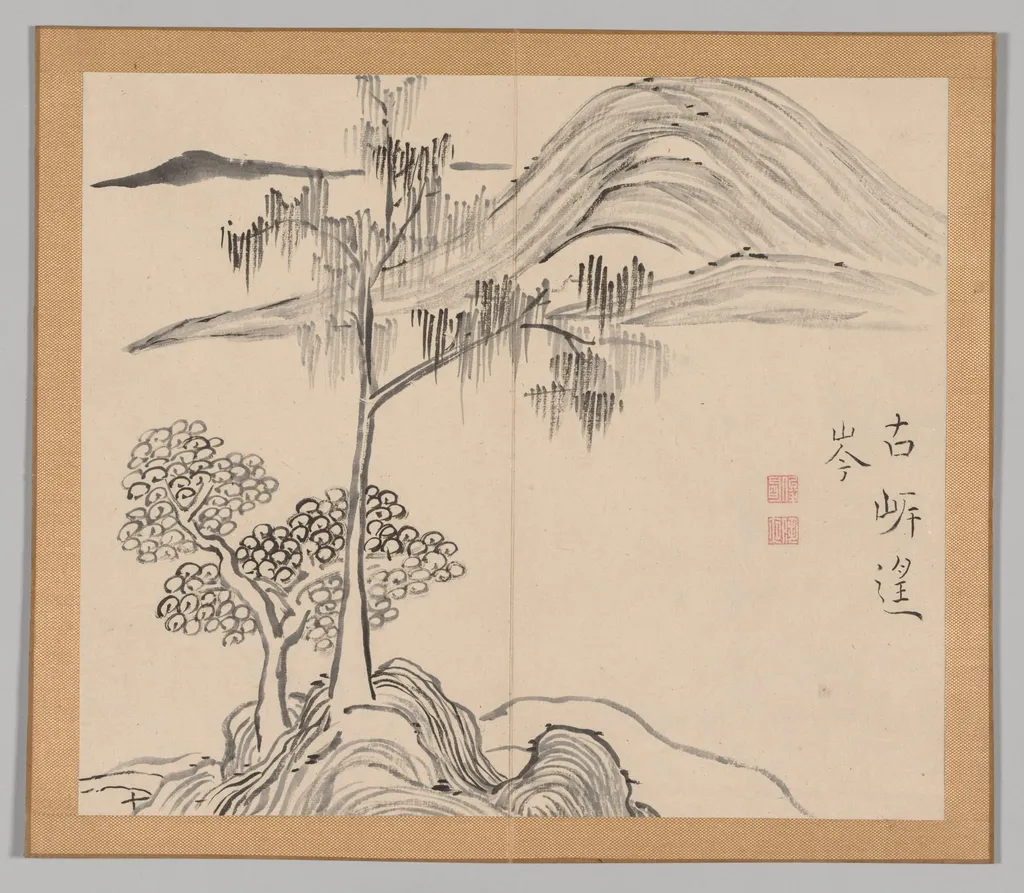
Reverberations of Taiga, Volume 1 (leaf 36) is a work on paper by the Baroque artist Aoki Shukuya. It dates from 1704 and is held in the collection of the Cleveland Museum of Art.
- Accession no.
- 1979.73.1.36
- Credit line
- Andrew R. and Martha Holden Jennings Fund
About this work
This sheet is one of many quick studies done to learn brush control and composition.
This is a small ink sketch of jagged mountain peaks and twisted pines. The lines are thin and clean, but the shapes feel alive. You can almost feel the mist clinging to the rocks.
Shukuya was a student of Ikeno Taiga, a big name in 1700s Kyoto painting. This sheet is one of many quick studies done to learn brush control and composition. The loose style hides careful practice.
Check out Aoki Shukuya (Japanese, d. 1802) next.
Overview
Reverberations of Taiga, Volume 1 (leaf 36) is a modest ink drawing that records a rugged mountain scene populated by twisted pine trunks. Executed with fine, unadorned lines, the composition conveys a sense of atmospheric mist clinging to the crags, while the forms retain a lively, almost tactile presence.
Subject & Meaning
The work depicts a stylized natural landscape, jagged peaks, weathered rocks, and contorted pines, typical of the Japanese tradition of rendering the sublime aspects of nature. The emphasis on texture and atmosphere suggests an intention to capture the fleeting impression of a mist‑shrouded mountain rather than a literal topographical record.
Technique & Style
Rendered in monochrome ink, the drawing employs thin, precise strokes that balance restraint with vigor. The brushwork demonstrates control over line weight and fluidity, allowing the artist to suggest volume and depth with minimal detail. This approach reflects the pedagogical sketches used to master ink handling and compositional balance.
History & Provenance
Created by Aoki Shukuya, a Kyoto painter who died in 1802, the sheet is part of a series of studies intended for apprenticeship training. Shukuya studied under the renowned Ikeno Taiga, a leading figure in 18th‑century Kyoto painting, and the piece bears the stylistic imprint of his master’s aesthetic.
Context
In Edo‑period Japan, aspiring artists traditionally began their education by copying works of an established master. Such exercises served both as technical drills and as a means of internalizing the master’s visual language. This drawing exemplifies that educational practice, linking Shukuya’s development to the broader lineage of Kyoto’s ink painting tradition.
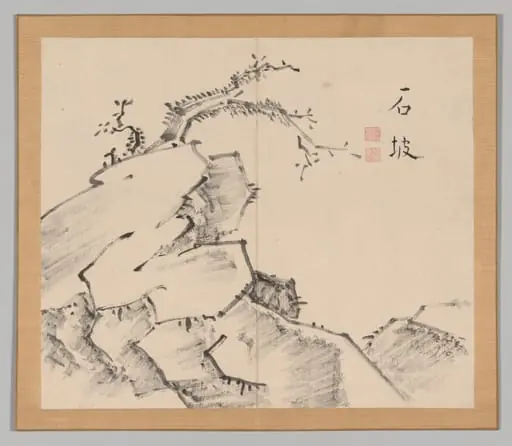
Own this work as a print
Artist & collection

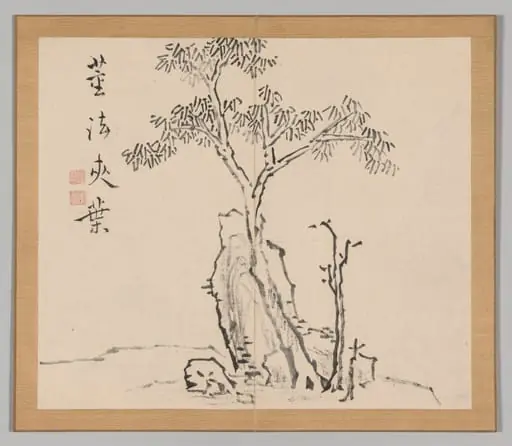 Reverberations of Taiga, Volume 1 (leaf 4)
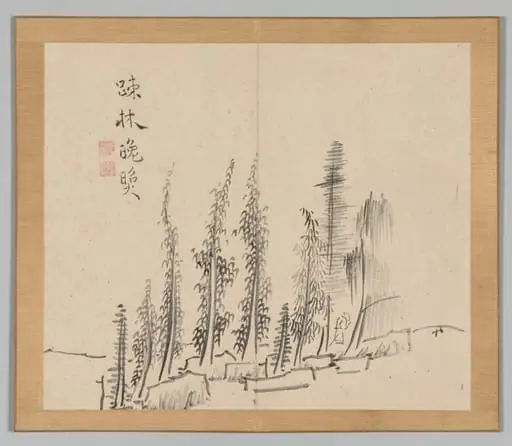 Reverberations of Taiga, Volume 2 (leaf 30)
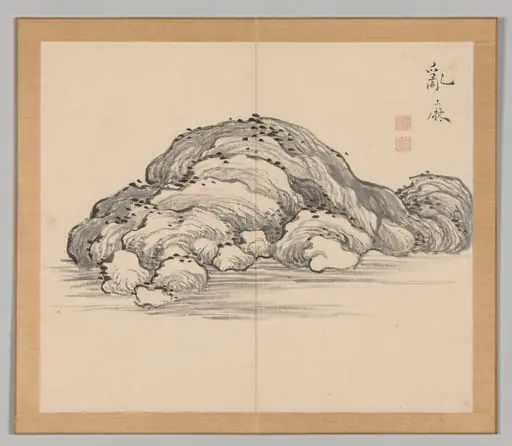 Reverberations of Taiga, Volume 1 (leaf 12)
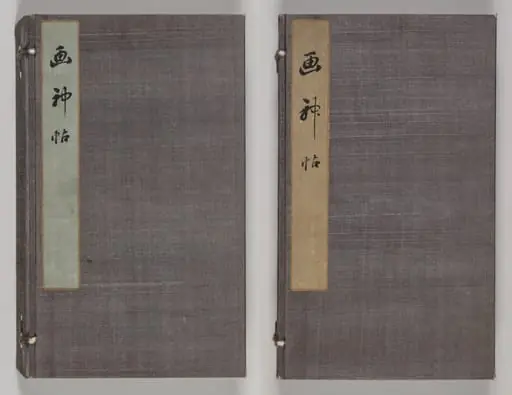 Reverberations of Taiga
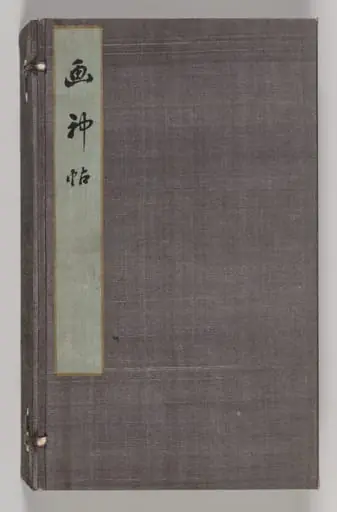 Reverberations of Taiga (Volume 1)
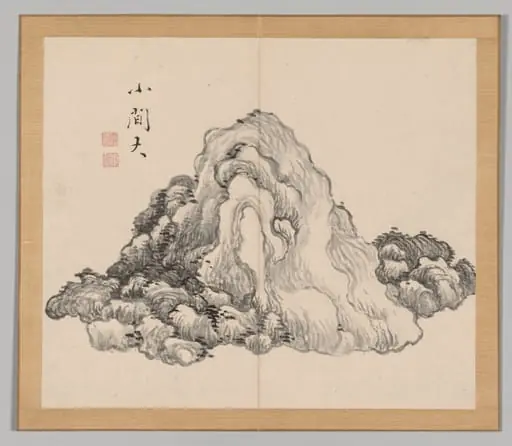 Reverberations of Taiga, Volume 1 (leaf 7)
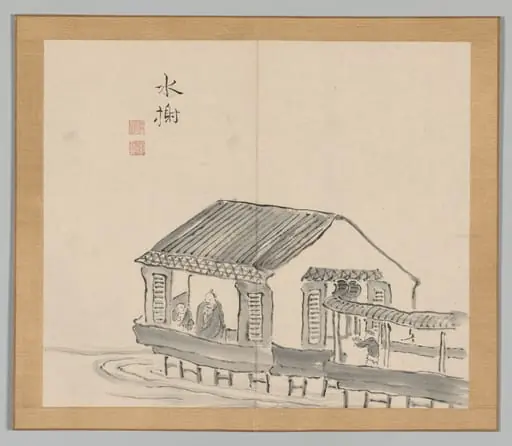 Reverberations of Taiga, Volume 2 (leaf 29)
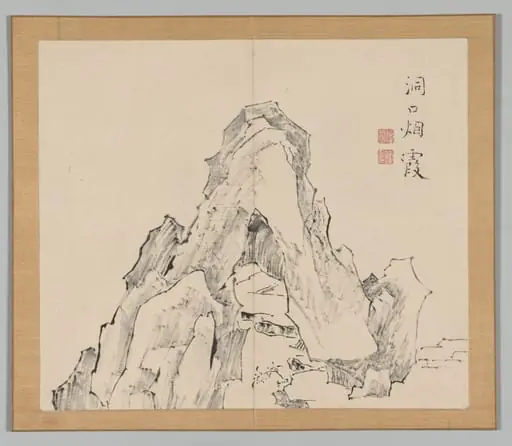 Reverberations of Taiga, Volume 2 (leaf 20)
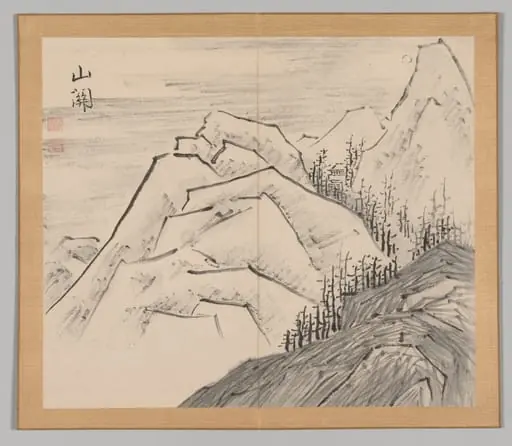 Reverberations of Taiga, Volume 1 (leaf 29)
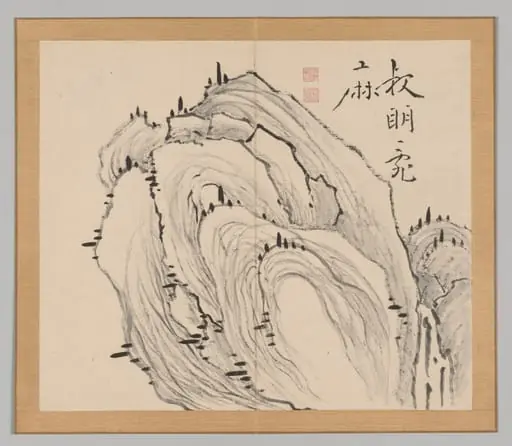 Reverberations of Taiga, Volume 1 (leaf 11)
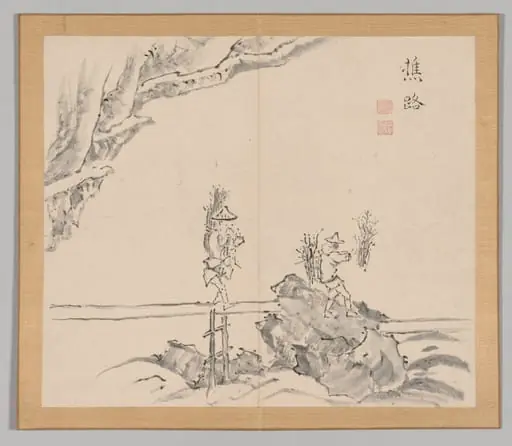 Reverberations of Taiga, Volume 1 (leaf 32)
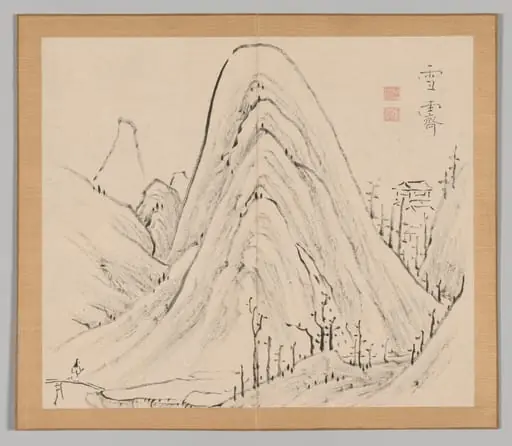 Reverberations of Taiga, Volume 1 (leaf 33)
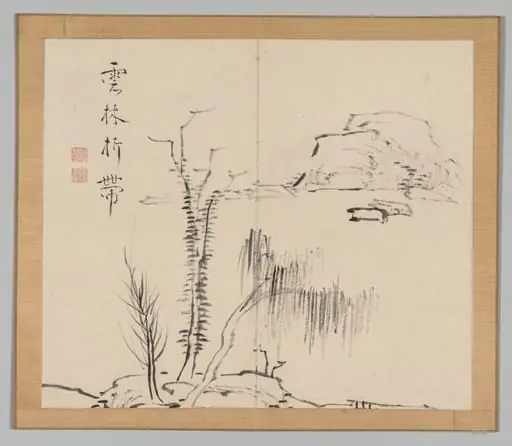 Reverberations of Taiga, Volume 2 (leaf 16)
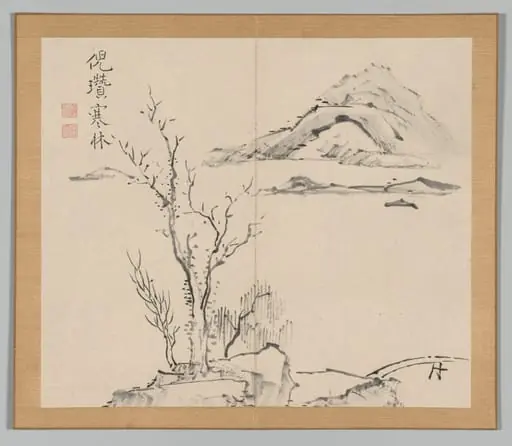 Reverberations of Taiga, Volume 2 (leaf 11)
 Reverberations of Taiga, Volume 1 (leaf 9)