Artwork
Portrait of Simon Abbes Gabbema
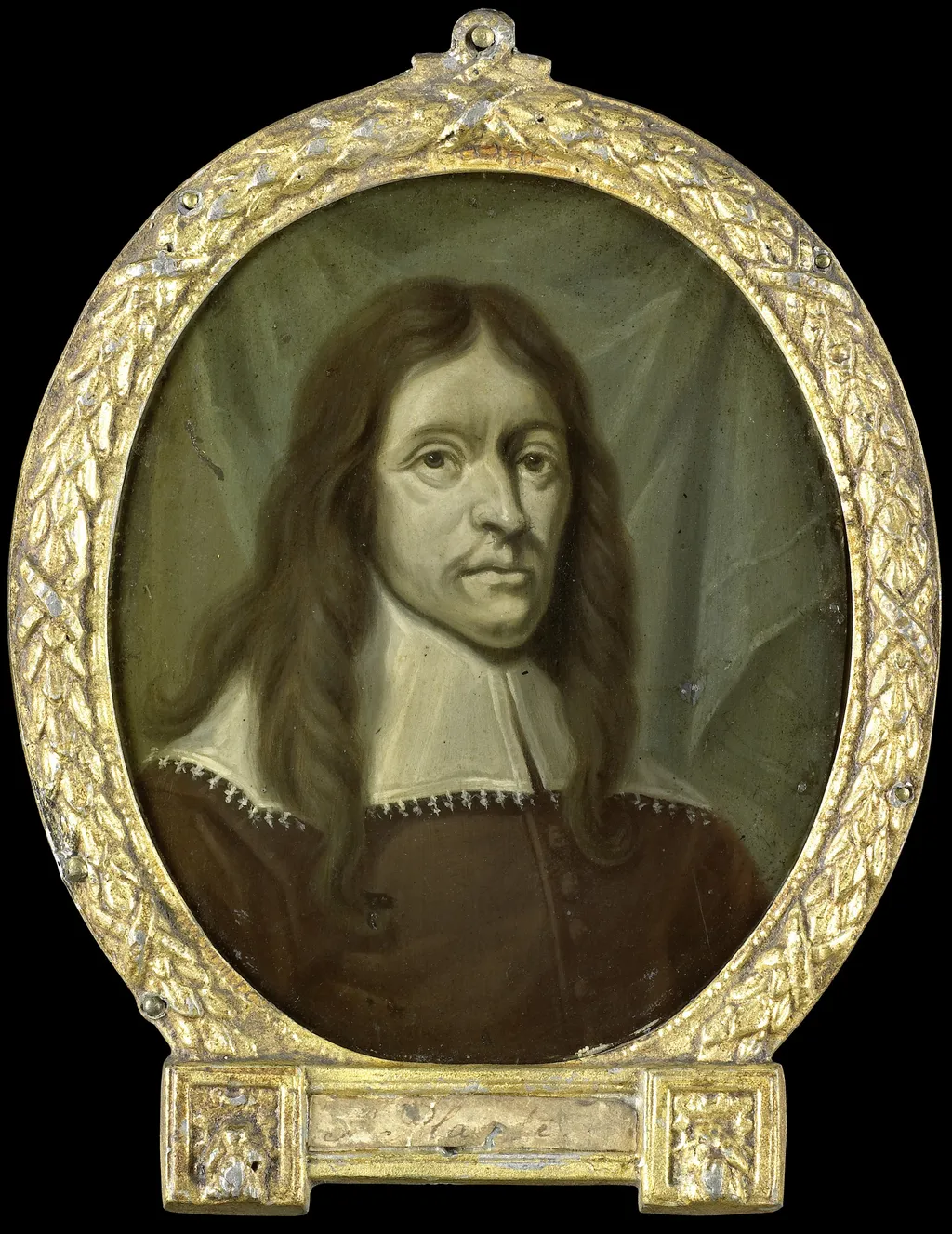
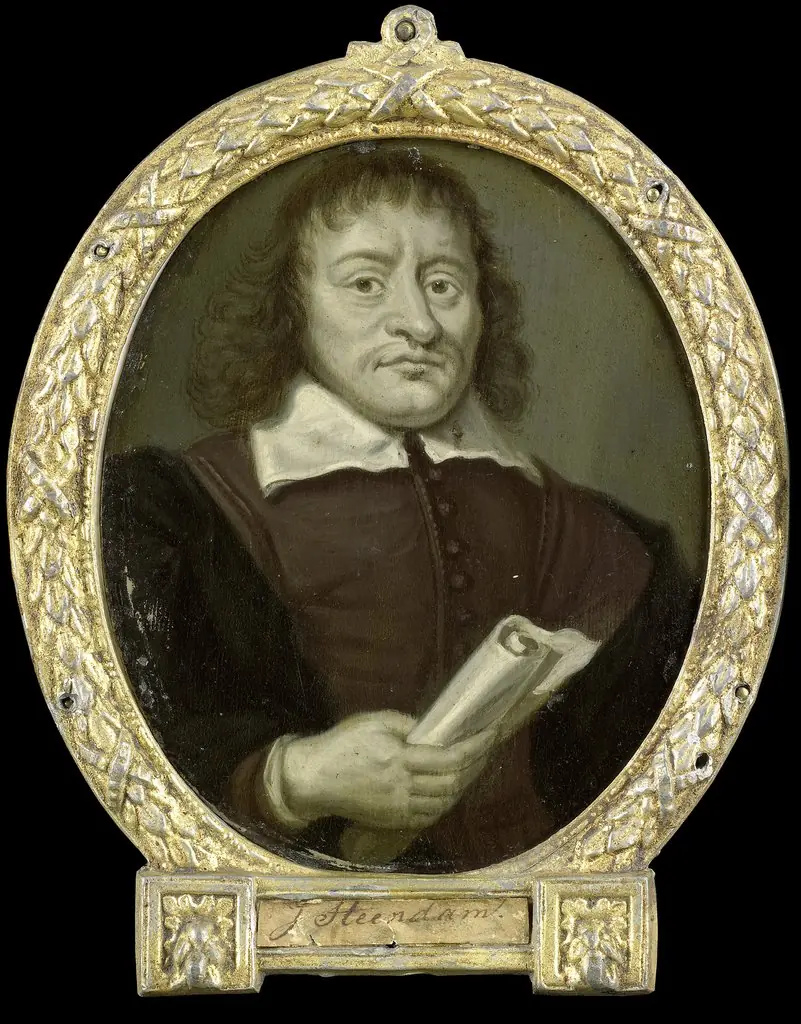
Portrait of Simon Abbes Gabbema is an oil painting by the Rococo painting artist Arnoud van Halen. It dates from 1716 and is held in the collection of the Rijksmuseum.
About this work
Technique & Style
The portrait is executed in oil paint on a tin support, an unusual choice that distinguishes it from conventional canvas or panel portraits of the period.
The portrait is executed in oil paint on a tin support, an unusual choice that distinguishes it from conventional canvas or panel portraits of the period. The painting is small in scale, measuring 11 cm in height by 9.5 cm in width, a miniature format suited to the intimate, portable nature of a metal panel. The work is classified as a painting within the portrait genre, and its modest dimensions combined with the tin ground suggest a finely handled, closely worked surface rather than a broadly brushed composition.
No information is available in the provided sources regarding the specific condition of the work, the state of preservation of the tin support, or the detailed stylistic handling of paint application, so these aspects cannot be described here.
History & Provenance
The work was created in 1716 by Arnoud van Halen, depicting Simon Abbes Gabbema. It was painted on tin and combines oil paint with tin as its material. The painting has been part of the Rijksmuseum collection since its acquisition, remaining on display in Amsterdam.
The work entered the museum's holdings as part of its permanent collection, reflecting its recognized historical and artistic significance.
Legacy
Arnoud van Halen's 1716 Portrait of Simon Abbes Gabbema, held at the Rijksmuseum, is recognized as an early example of Dutch portraiture employing tin as a support medium. Although the work itself is not widely cited in art historical literature, its presence in a major national collection and its representation of early 18th-century portrait conventions contribute to scholarly understanding of material experimentation in Dutch painting. The painting is frequently referenced in studies of Rijksmuseum's portrait holdings and in surveys of Dutch Golden Age portraiture, underscoring its role as a representative example of the period's technical and compositional practices.
The attribution and stylistic analysis of this piece have informed broader assessments of van Halen's oeuvre, linking it to contemporary portraitists and highlighting the evolution of portrait representation in the Netherlands. Its inclusion in exhibitions focused on Dutch portraiture at the Rijksmuseum further cements its status as a touchstone for understanding artistic trends of the era.
Overview
Arnoud van Halen’s 1716 portrait of Simon Abbes Gabbema is an oval tin painting in the Rijksmuseum’s collection. The work presents a solitary figure against a dark, unadorned backdrop, drawing immediate attention to the sitter’s face and attire. The composition is framed by a gilded, textured border that resembles a reflective surface, adding a subtle decorative element to the otherwise restrained presentation.
Subject & Meaning
The portrait depicts Simon Abbes Gabbema, a man of some standing, shown with curly brown hair, a short beard, and a serious expression. He wears a dark collar edged with white lace, suggesting a degree of wealth or status. The side lighting emphasizes the contours of his face, perhaps underscoring his character’s gravitas and the solemnity typical of early‑18th‑century portraiture.
Own this work as a print
Artist & collection

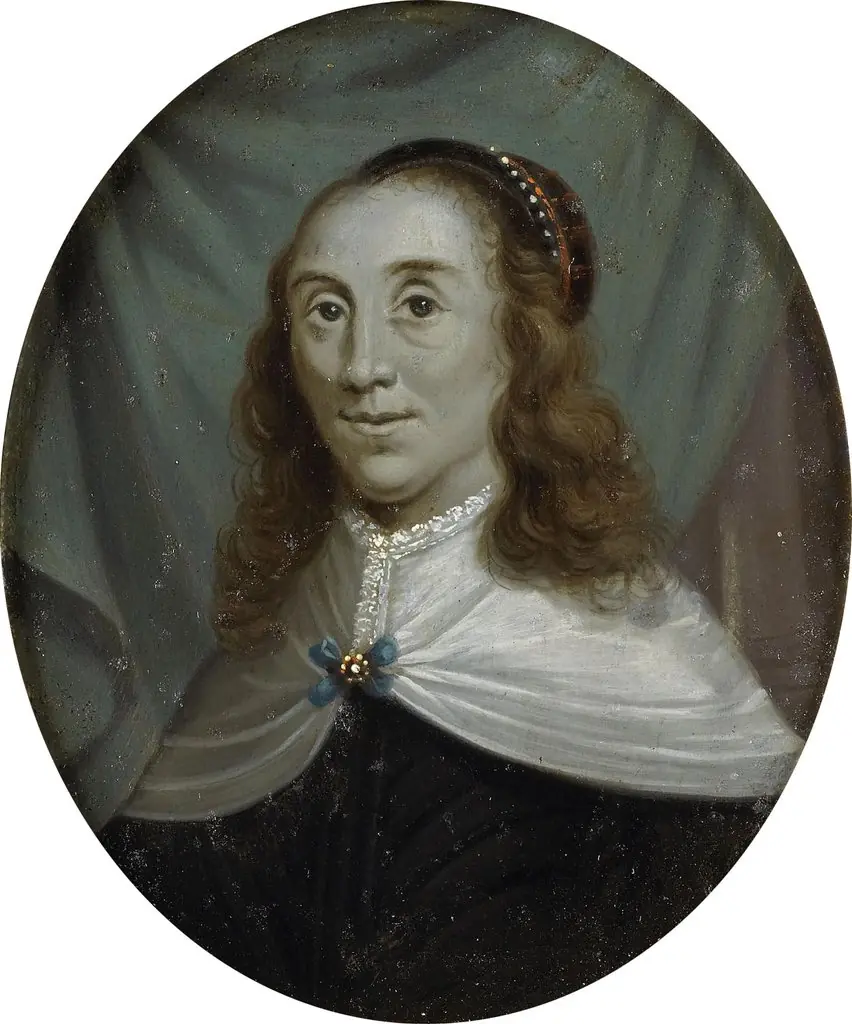 Portrait of Sibylle van Griethuysen (ca.1620-na 1662)
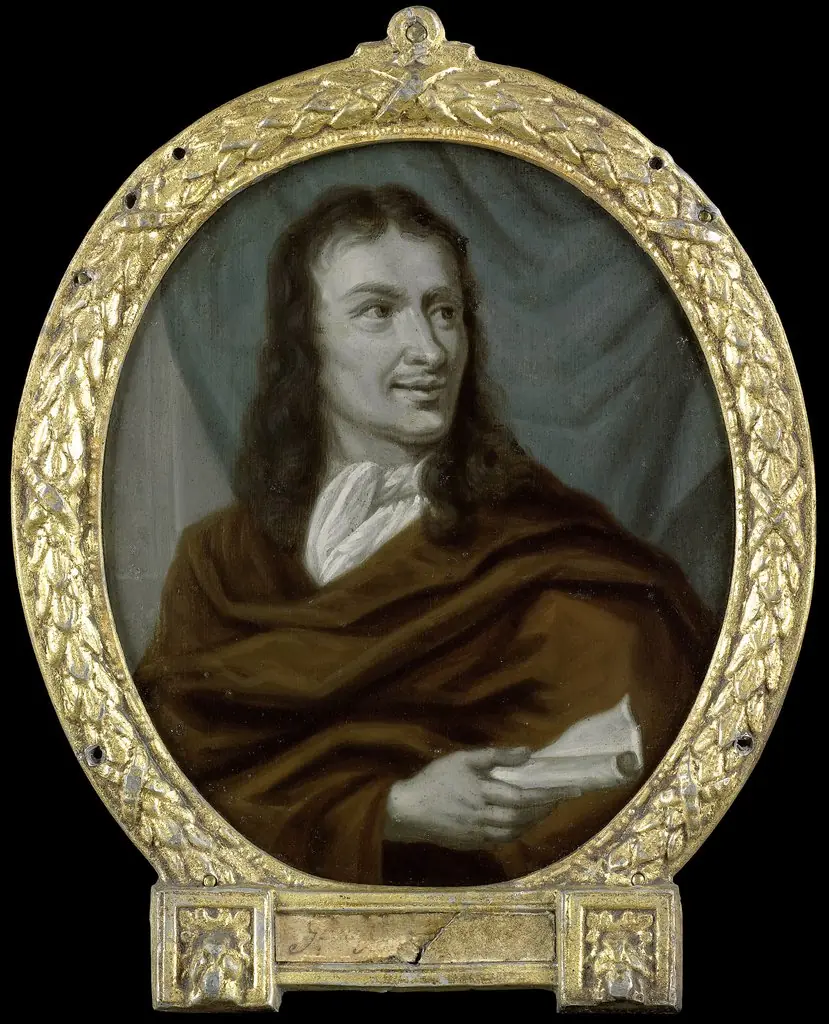 Portrait of Pieter Verhoek (1633-1702)
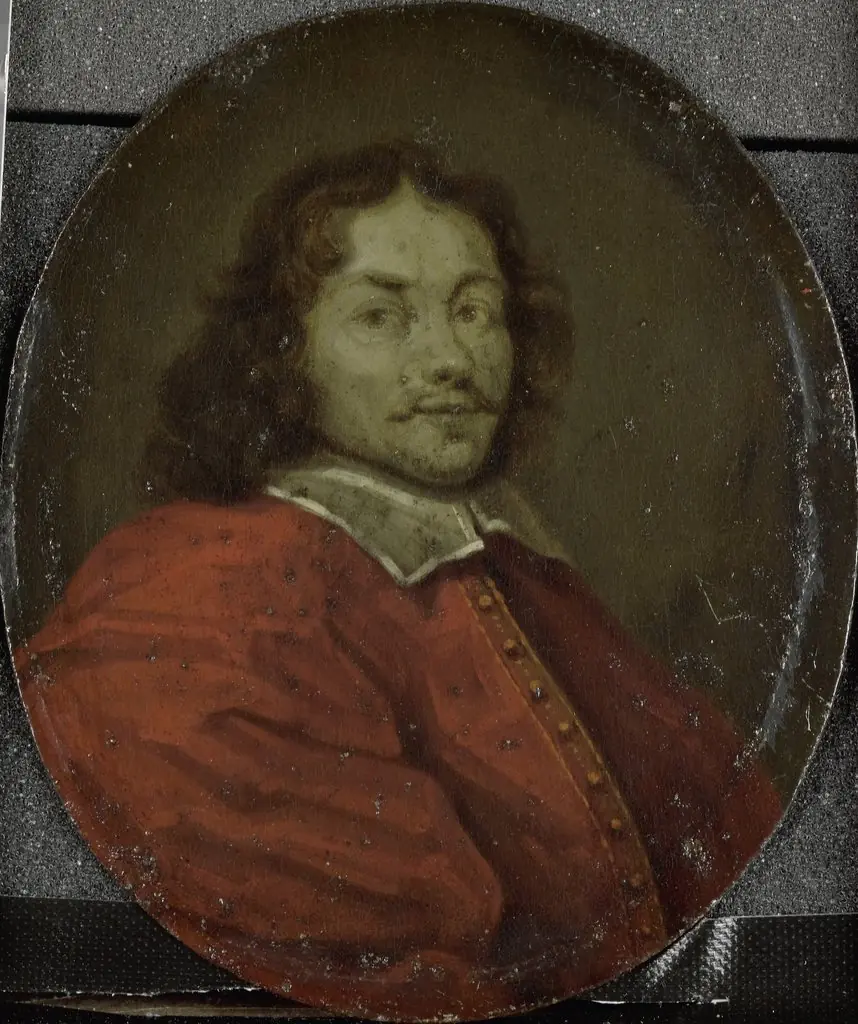 Portrait of Matthijs Gansneb, called Tengnagel, Poet in Amsterdam
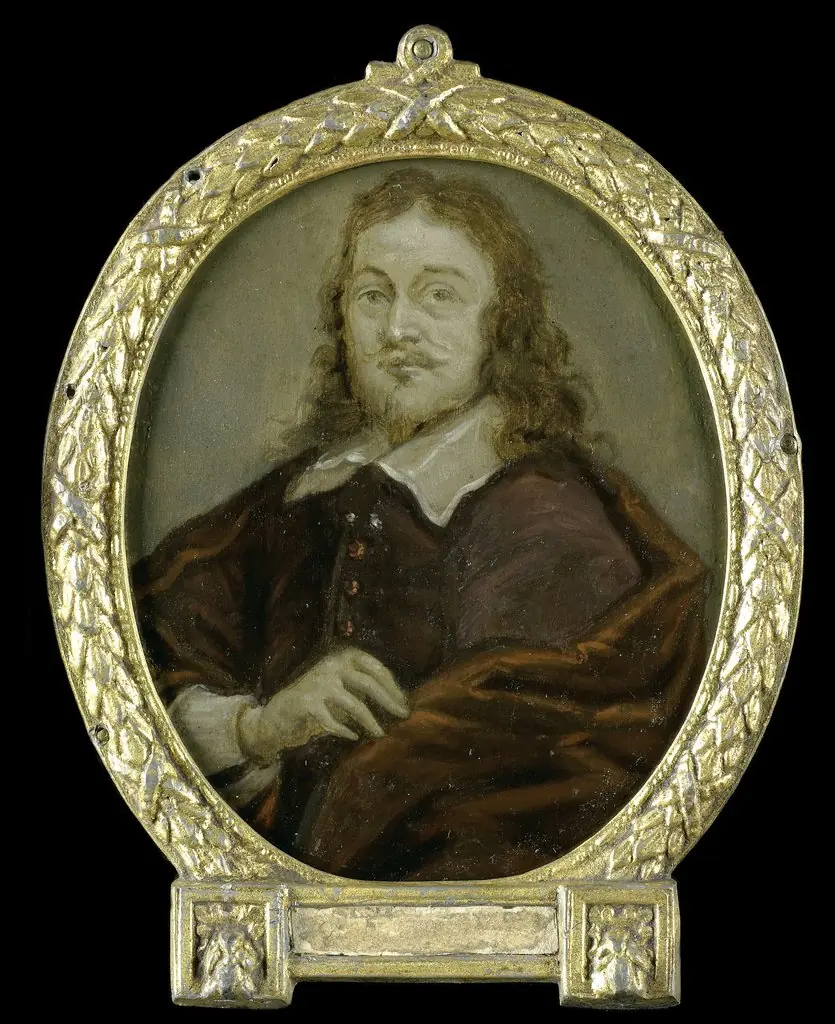 Portrait of the painter Bonaventura Peeters I (1614-52)
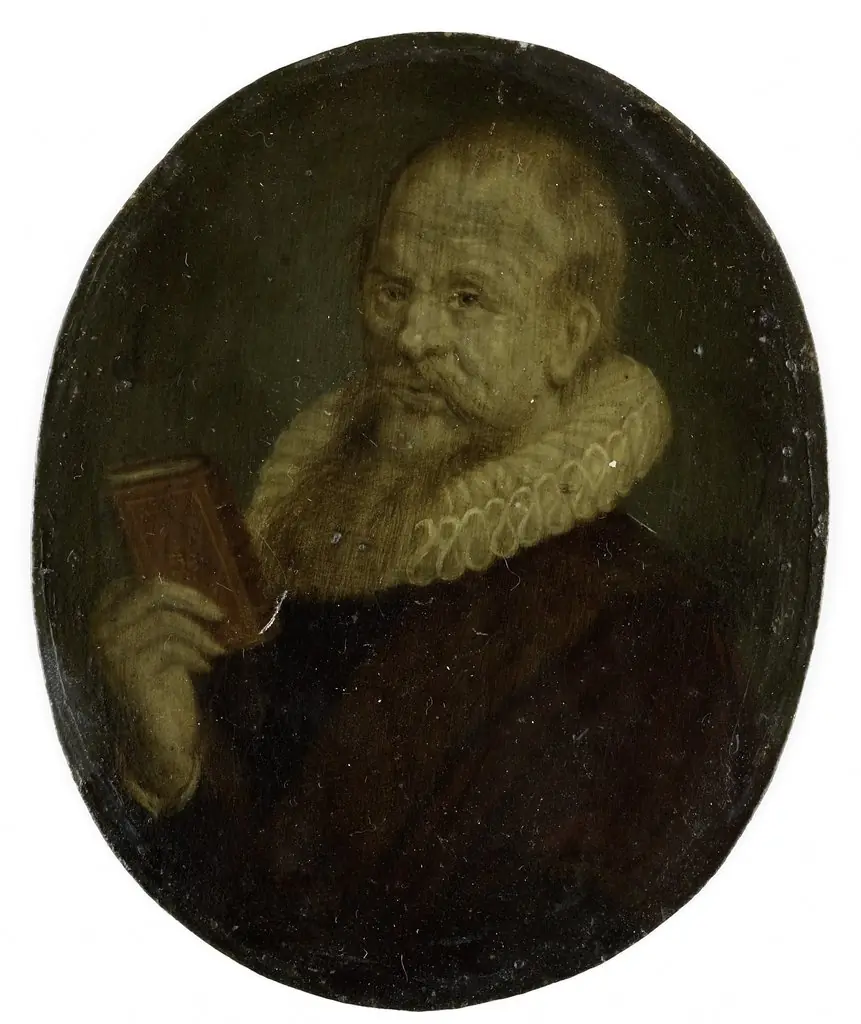 Portrait of Theodorus Schrevelius (1572-1653)
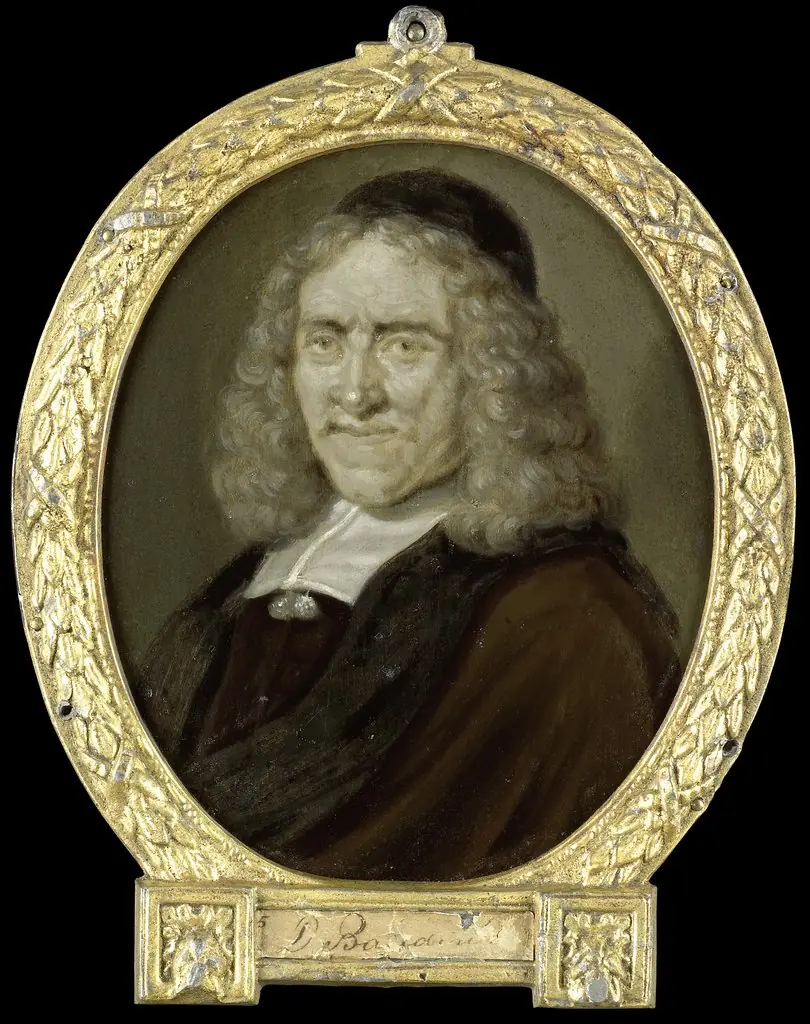 Portrait of Willem Jacobsz van Heemskerck, Poet and Engraver on Glass
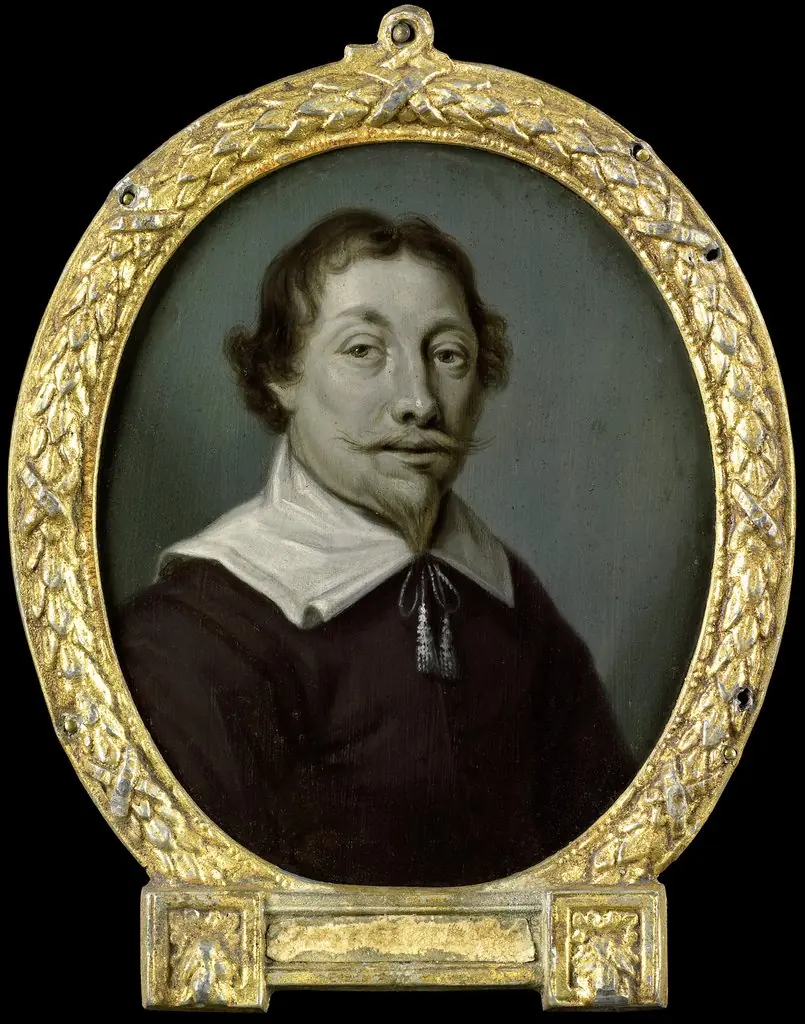 Portrait of Jan van der Veen, Pharmacist and Poet in Deventer
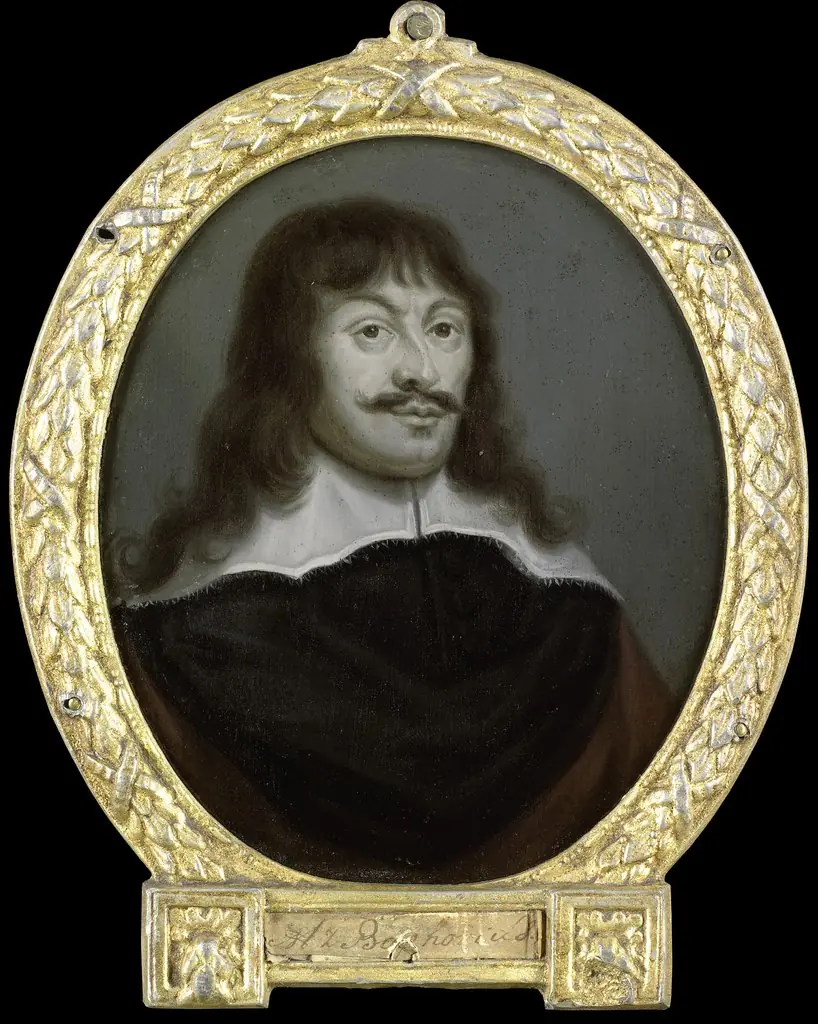 Portrait of Marcus Zuërius van Boxhorn, Historian and Professor at Leiden
- Portrait of Caspar van Kinschot, Poet
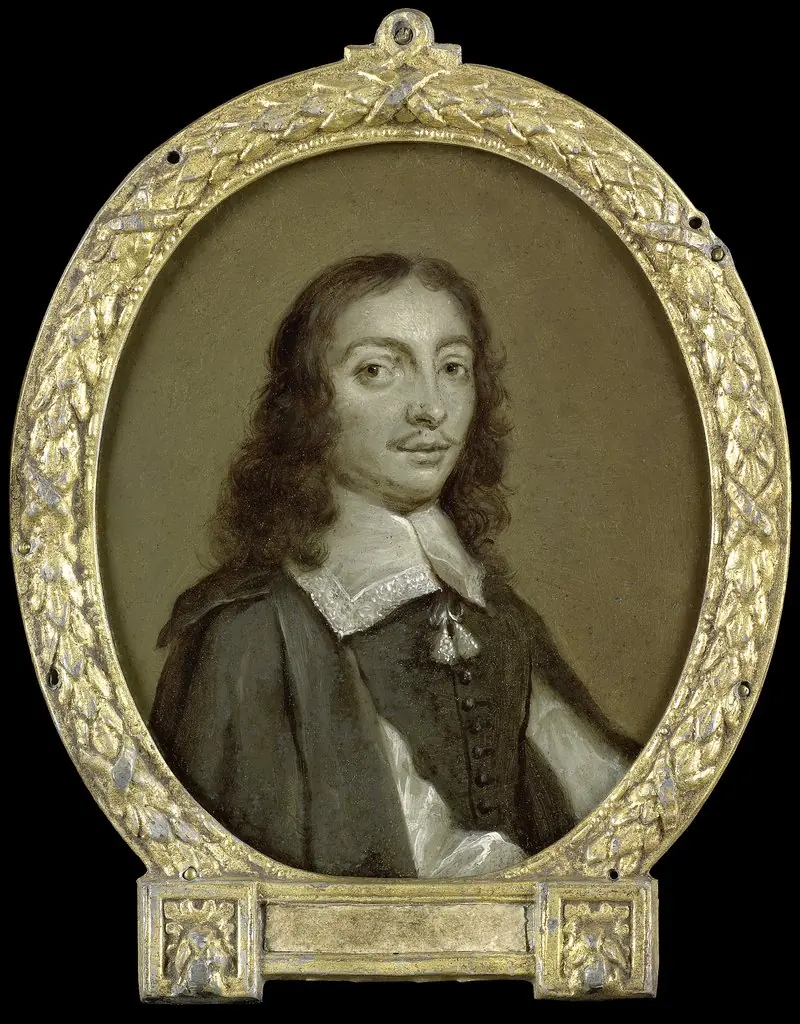 Portrait of Frans Godin, Poet in Brussels
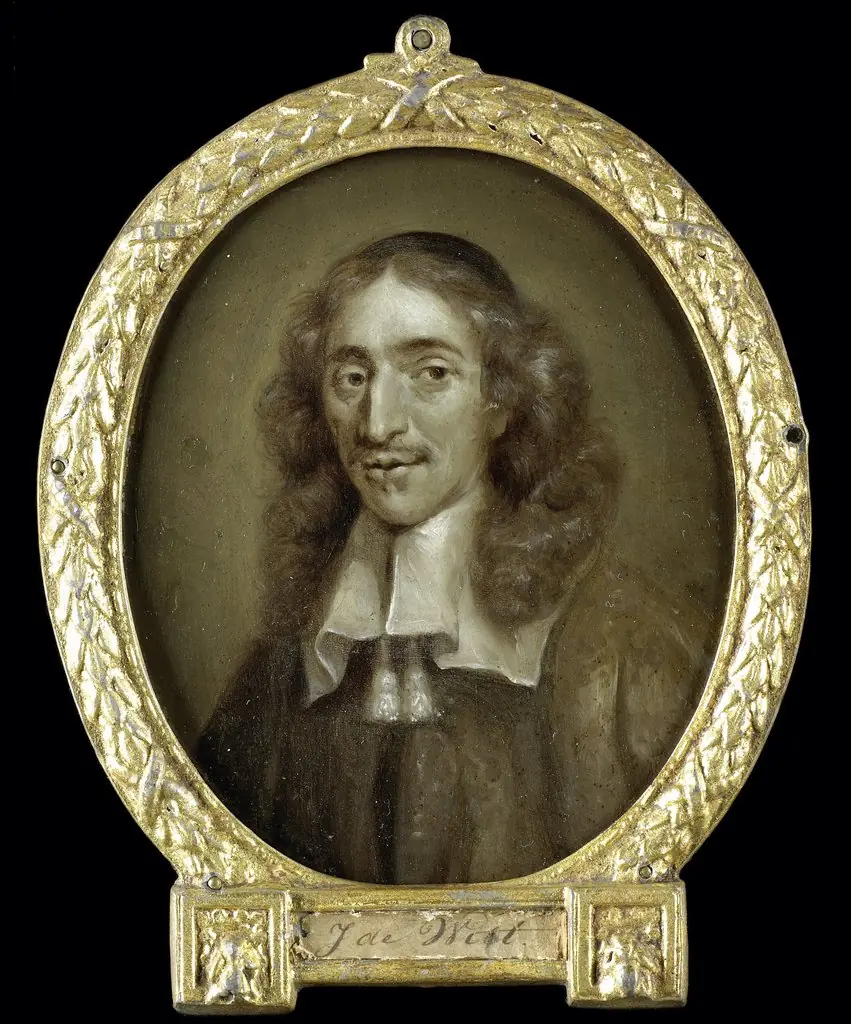 Portrait of Johan de Witt, Grand Pensionary of Holland
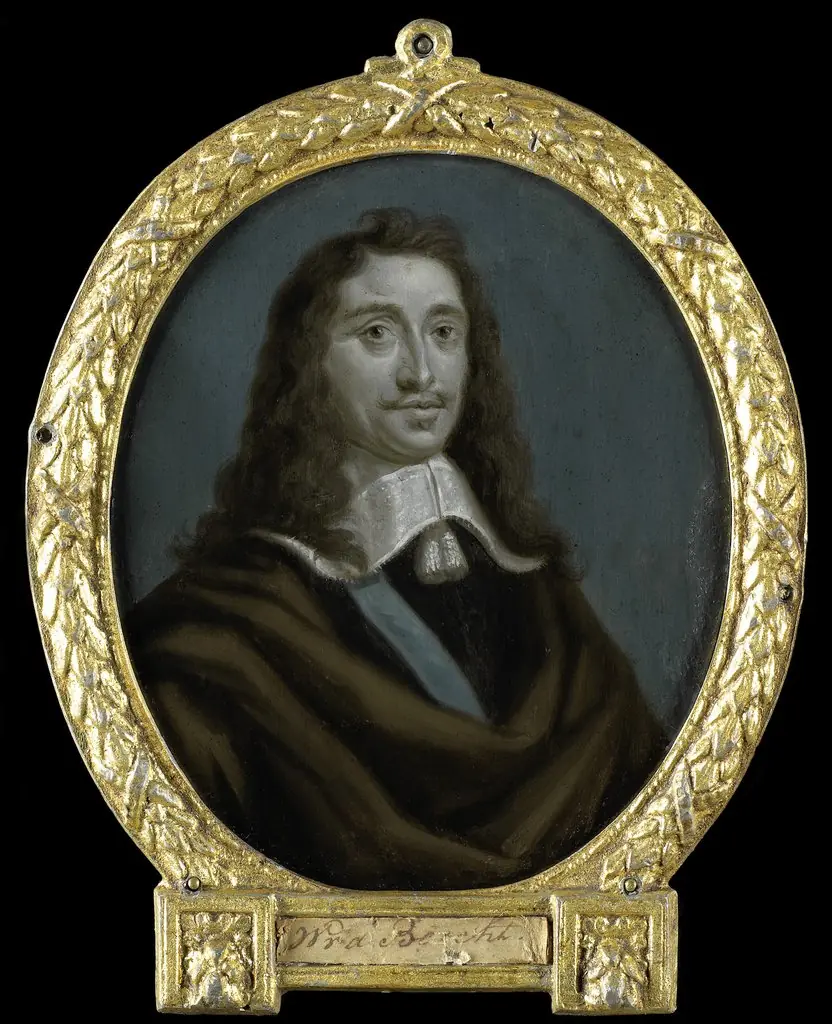 Portrait of Everard Meyster, Poet in Utrecht
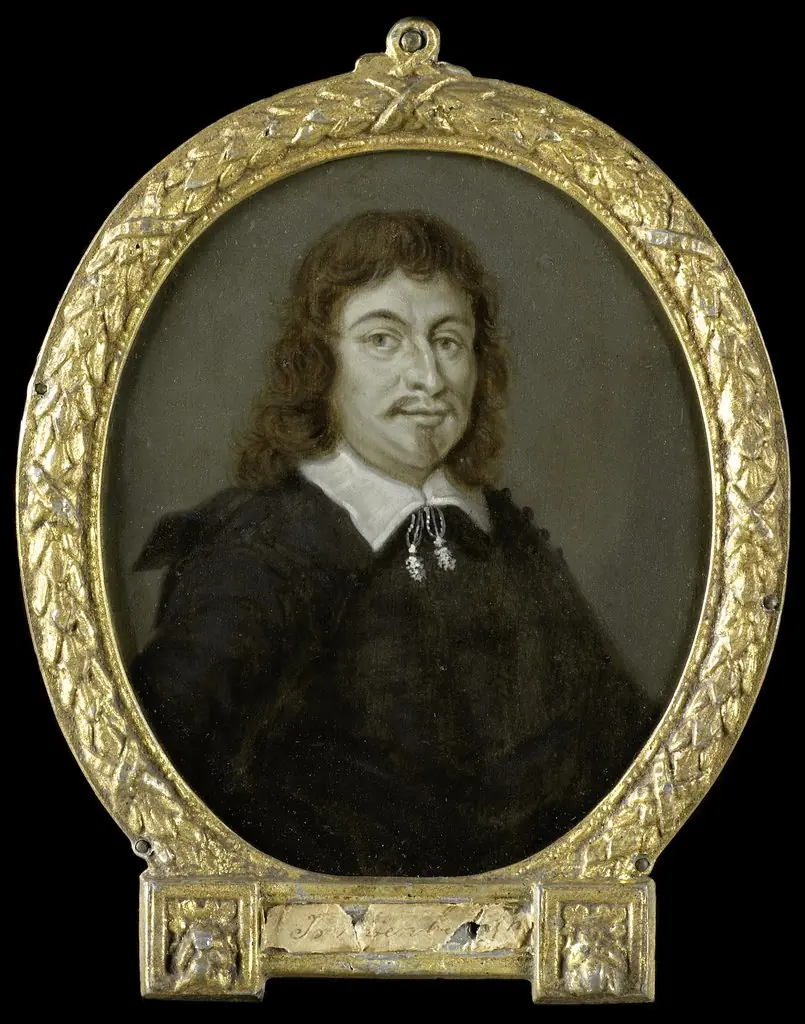 Portrait of Johan van Nijenborgh, Poet in Groningen
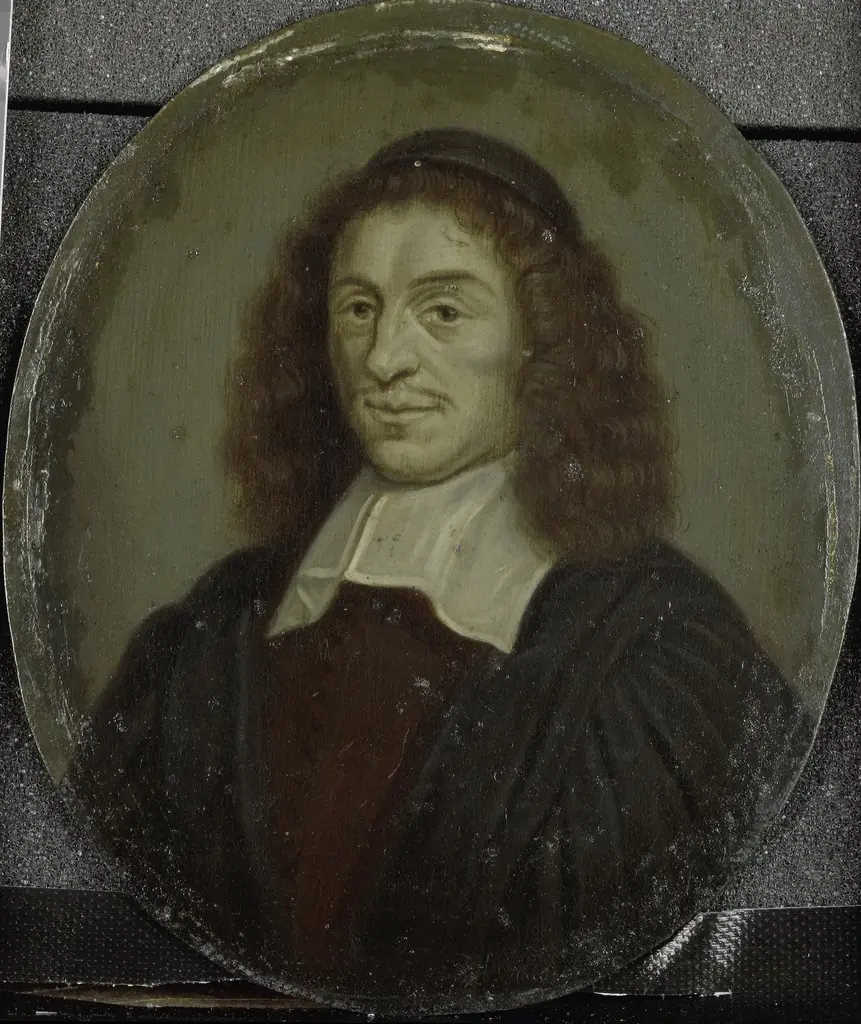 Portrait of Alexander Morus, Professor at Amsterdam
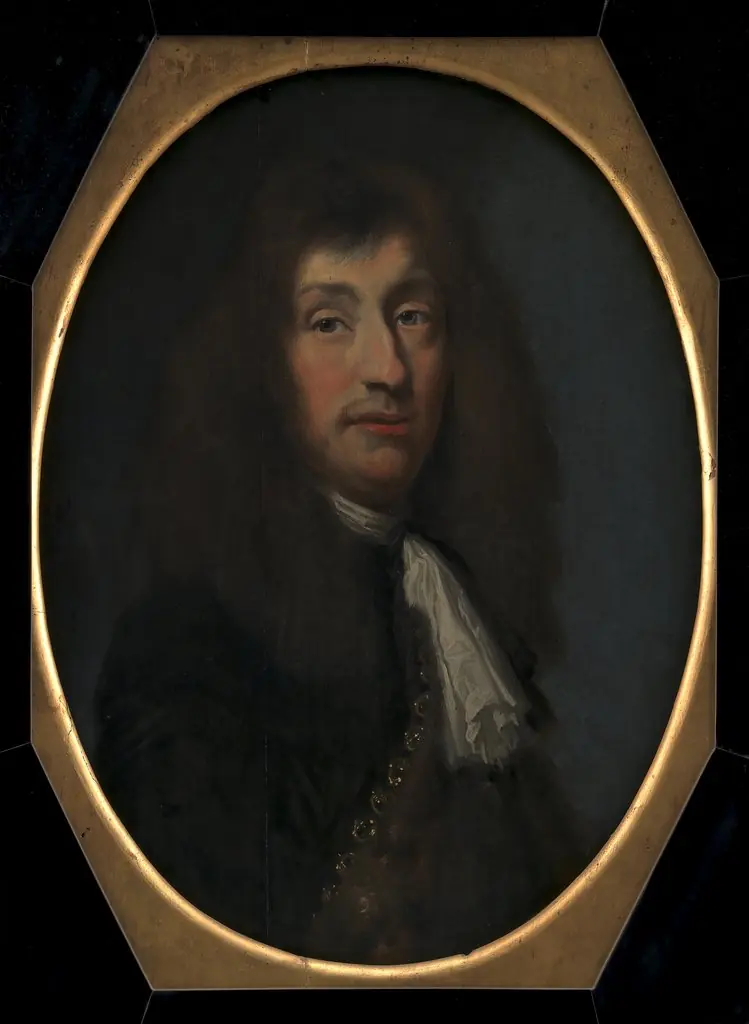 Ulrik Frederik Gyldenløve
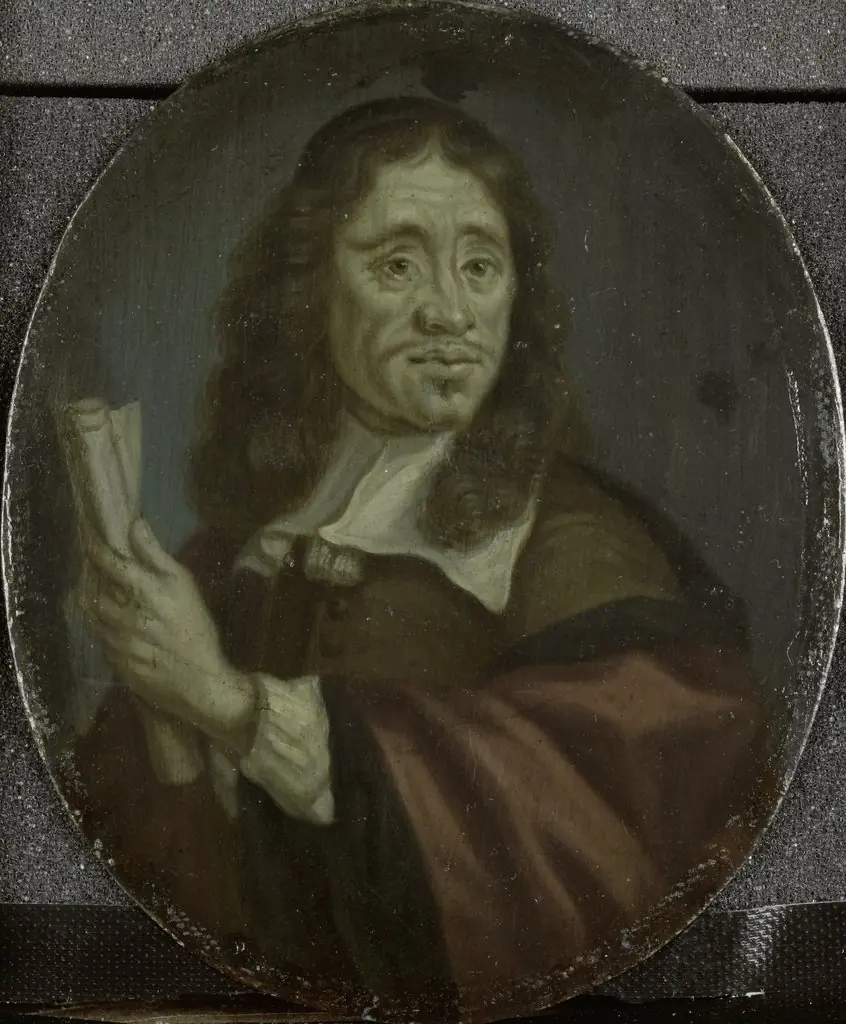 Jan Vos (c. 1620-67), Amsterdam poet
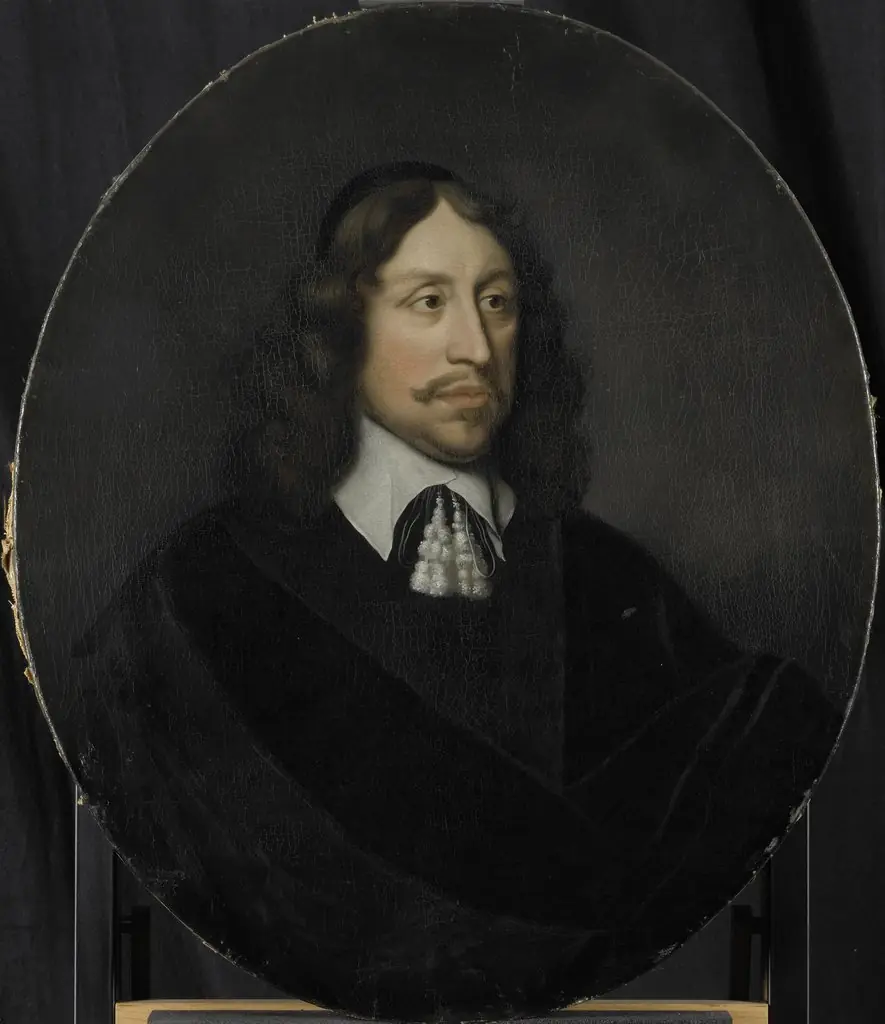 Portrait of Johan de Vries, Director of the Rotterdam Chamber of the Dutch East India Company, elected 1667
 Portrait of Johan de Vries, Director of the Rotterdam Chamber of the Dutch East India Company, elected 1667
 Portrait of Hendrik Bruno, Poet and Co-Rector of the Latin School in Hoorn