Artwork
Portrait of Johan de Witt, Grand Pensionary of Holland
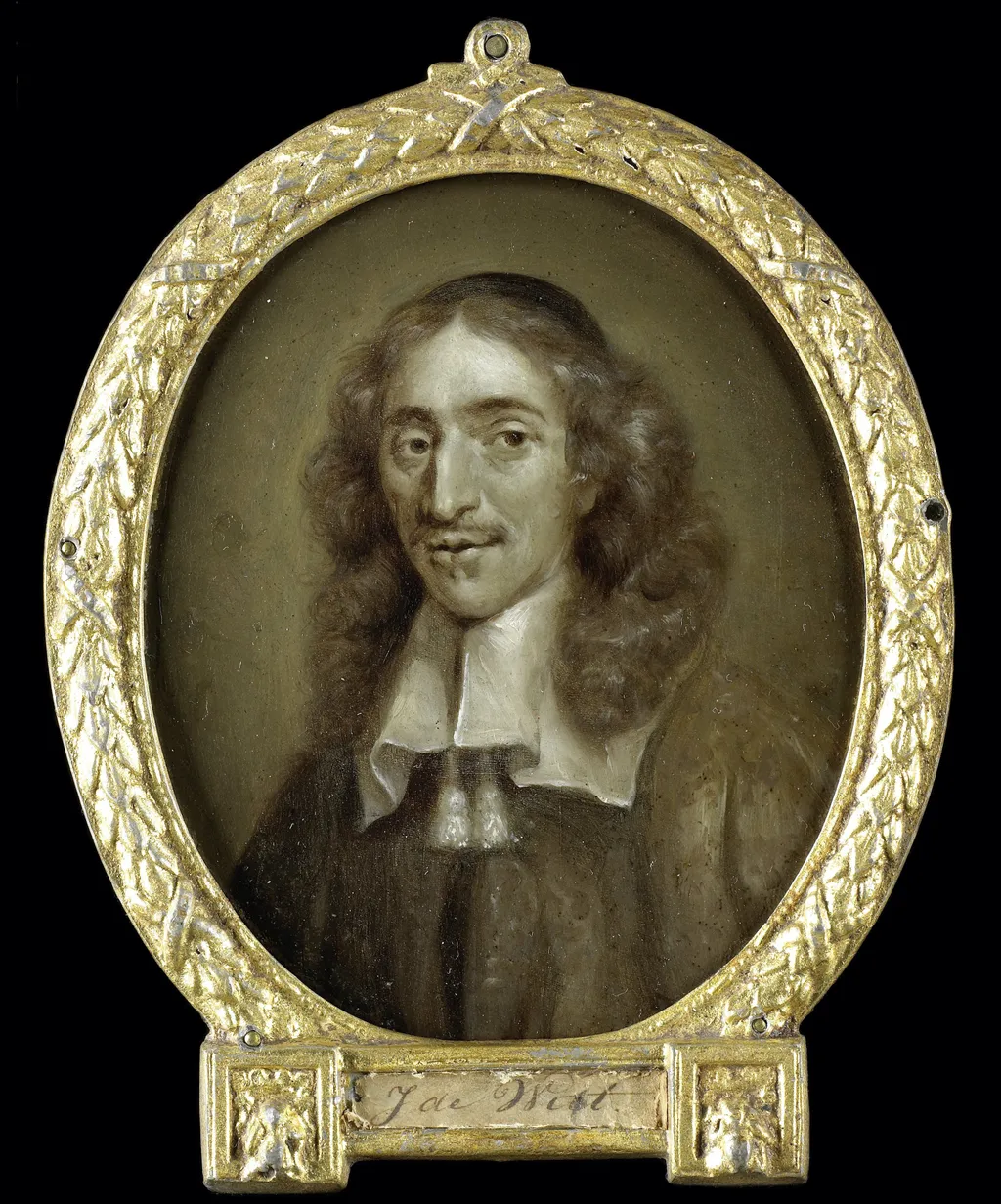
Portrait of Johan de Witt, Grand Pensionary of Holland is an oil painting by the Rococo painting artist Jan Maurits Quinkhard. It dates from 1750 and is held in the collection of the Rijksmuseum.
About this work
Subject & Meaning
As a representation of a key political figure from the Dutch Republic, the image serves to memorialize De Witt's historical role and status.
The painting depicts Johan de Witt, who served as the Grand Pensionary of Holland. Created by Jan Maurits Quinkhard in 1750, the work functions as a formal portrait identifying the statesman as its main subject. As a representation of a key political figure from the Dutch Republic, the image serves to memorialize De Witt's historical role and status. The artwork is currently held in the collection of the Rijksmuseum.
Technique & Style
Jan Maurits Quinkhard painted this portrait in 1750 on a copper support, using oil paint. The small dimensions, 11 by 9.5 cm, suggest an intimate, meticulously handled work typical of copper paintings, which allow for fine detail and smooth surface finish. The choice of copper as a support, rather than canvas or panel, indicates a deliberate preference for durability and precision in the rendering of the sitter's features.
As a portrait of a prominent statesman, the work likely emphasizes dignified representation through controlled brushwork and careful modeling, consistent with eighteenth-century Dutch portrait conventions.
History & Provenance
The copper support and 1750 date align with Quinkhard’s mature practice in portraiture. The work was painted in Amsterdam in 1750, as indicated by its documented inception year. By the late eighteenth century it entered the holdings of the Teylers Museum in Haarlem, where it remained until 1929.
That year it was transferred to the Rijksmuseum in Amsterdam, where it has been conserved and exhibited since. The small format and refined execution suggest a private commission, likely intended for family or institutional display in Haarlem or Amsterdam.
Context
The 1750 copper painting Portrait of Johan de Witt, Grand Pensionary of Holland by Jan Maurits Quinkhard was created during the Dutch Republic's decline in political prominence yet retains significance as a portrait of a former leading statesman. Its depiction of Johan de Witt, who served as Grand Pensionary until his death in 1672, reflects Quinkhard's role as a minor 18th-century portraitist working within the legacy of Dutch Golden Age political iconography. The work is housed in the Rijksmuseum collection and exemplifies the continuation of portraiture traditions into the late 18th century, though Quinkhard's output never achieved major critical acclaim.
Scholarly attention focuses on its historical context rather than artistic innovation, situating it within broader discussions of how 18th-century Dutch portraiture engaged with earlier republican narratives.
Overview
Created circa 1750 by the Dutch painter Jan Maurits Quinkhard, this oval portrait presents Johan de Witt, the 17th‑century Grand Pensionary of Holland. Rendered on a copper plate, the work now belongs to the Rijksmuseum’s collection and exemplifies the refined aesthetic of the Rococo period in the Netherlands.
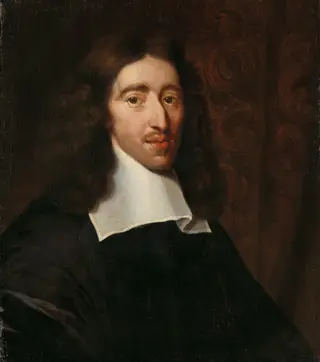
Own this work as a print
Artist & collection
Artist
Jan Maurits Quinkhard (28 January 1688 – 11 November 1772) was an 18th-century painter and print designer from the Dutch Republic.

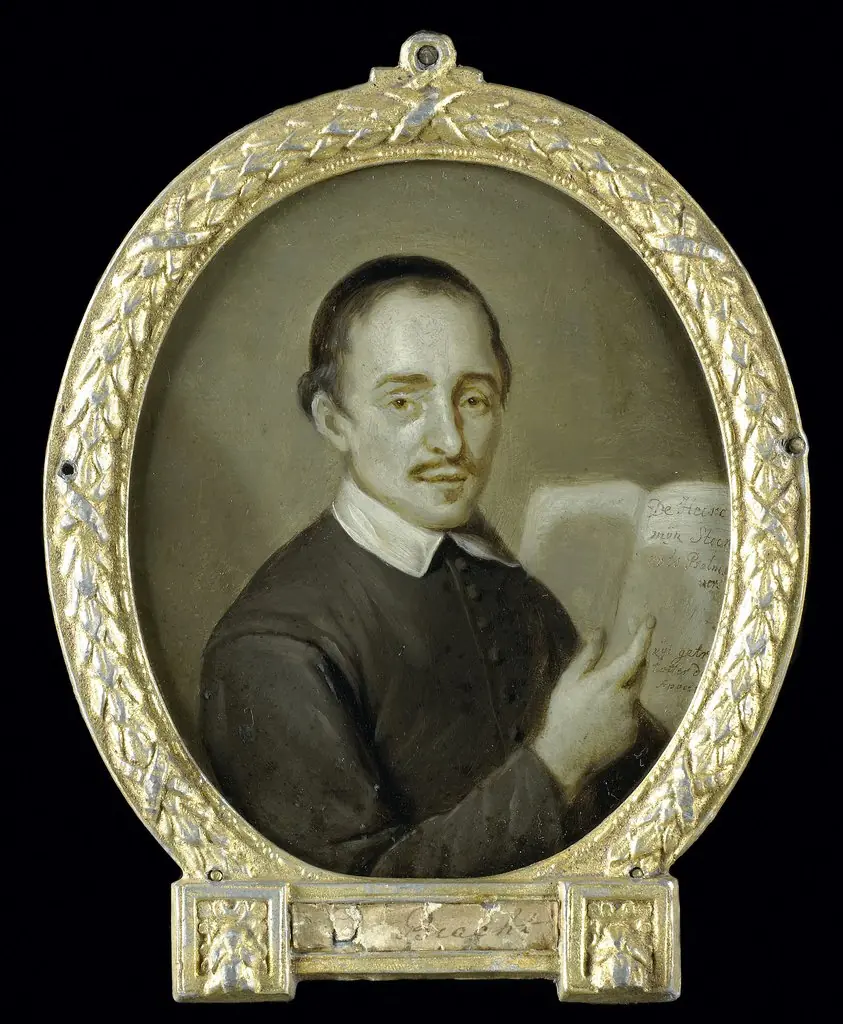 Portrait of Tieleman Jansz van Bracht, Clergyman and Poet in Dordrecht
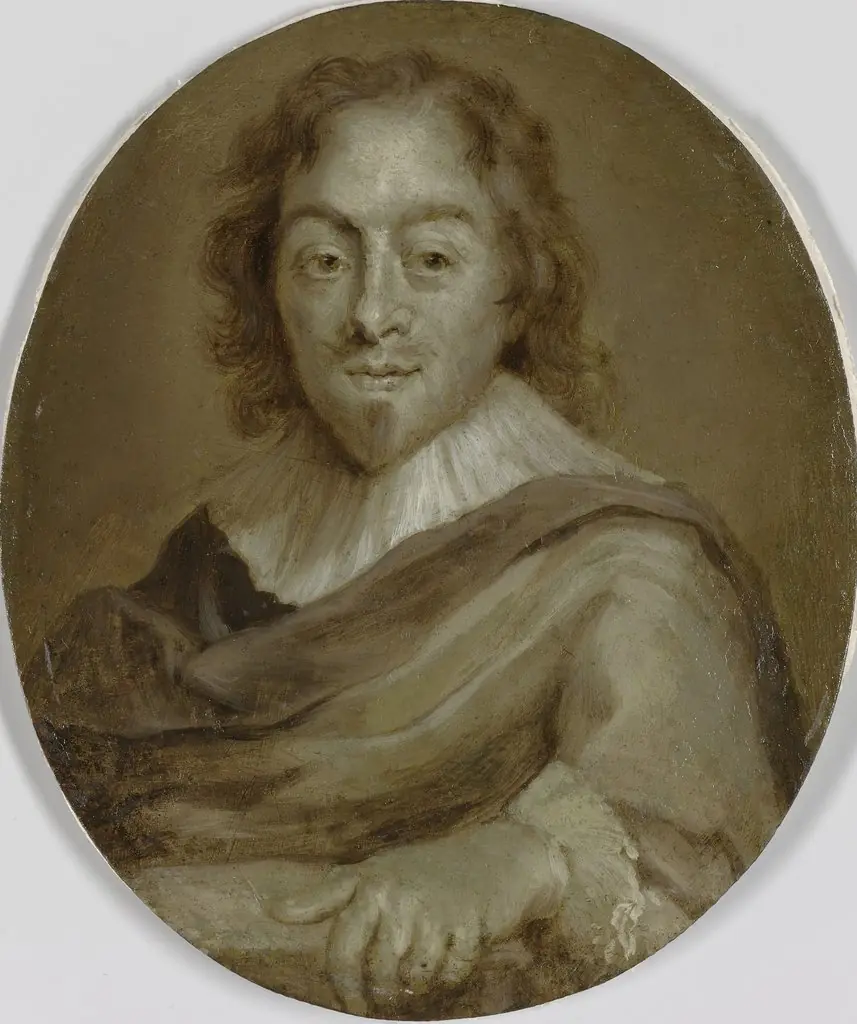 Portrait of Constantijn Huygens, Poet, Secretary to Prince Frederick Henry and Prince William II and First Councilor and Exchequer to William III
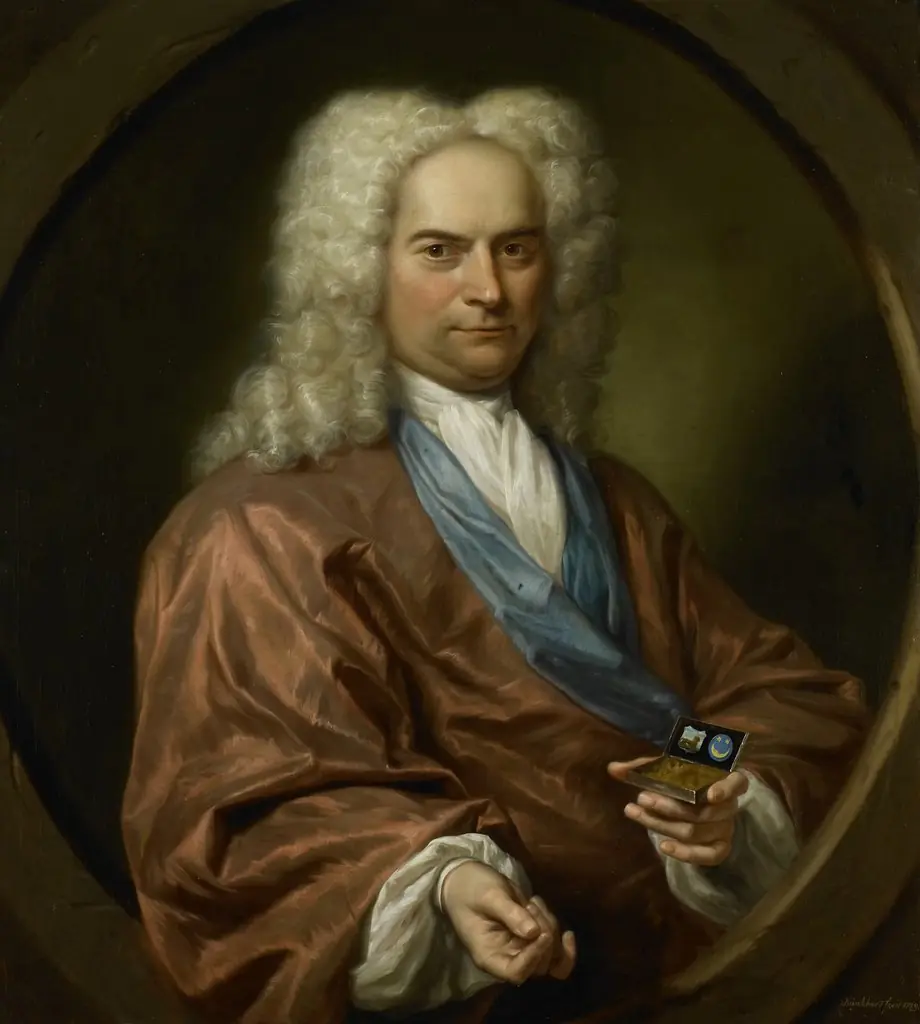 Portrait of David Leeuw, Mennonite Cloth and Dry Goods Merchant
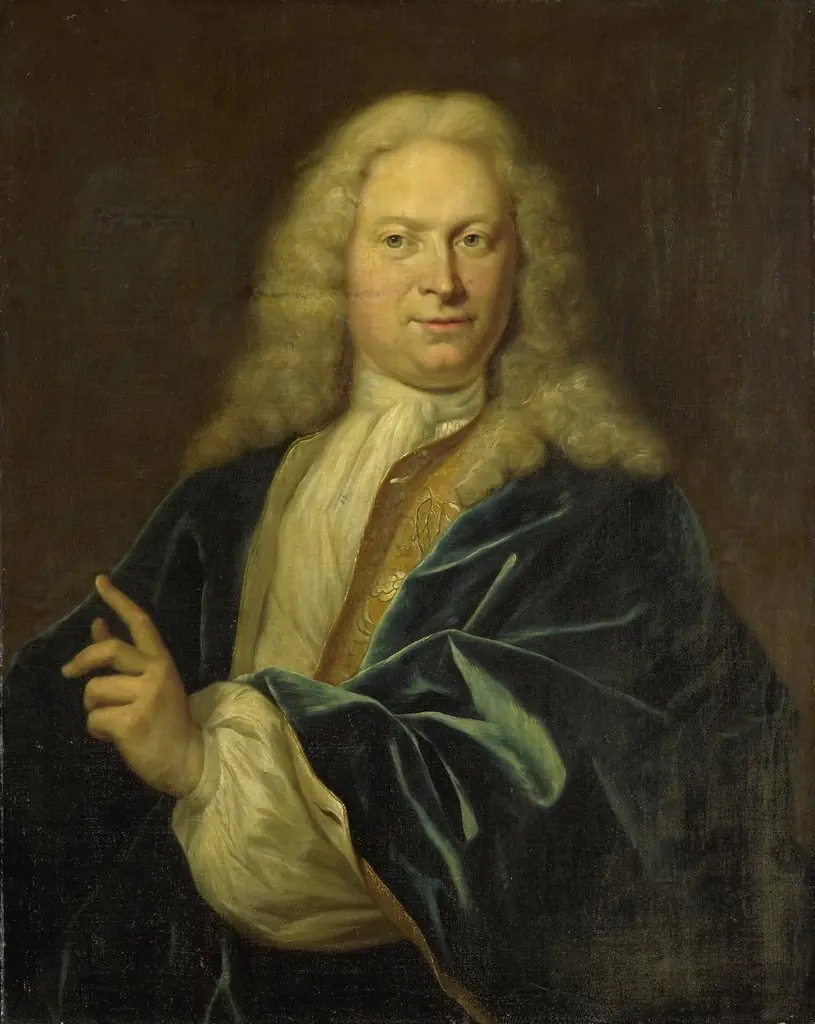 Portrait of Jan Hendrik van Heemskerck, Count of the Holy Roman Empire, Lord of Achttienhoven, Den Bosch and Eyndschoten, Captain of the Citizenry of Amsterdam (Johan Hendrik Graaf Van Heemskerk)
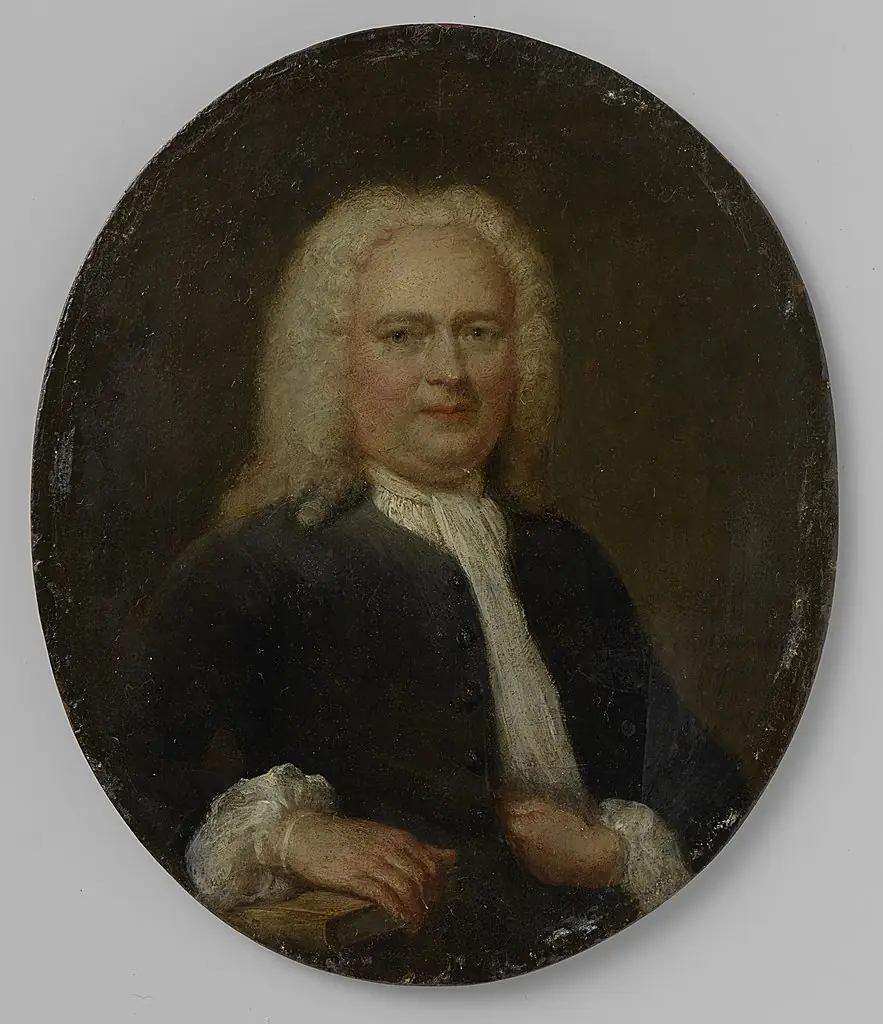 Portrait of a Man, perhaps a Member of the Klinkhamer Family
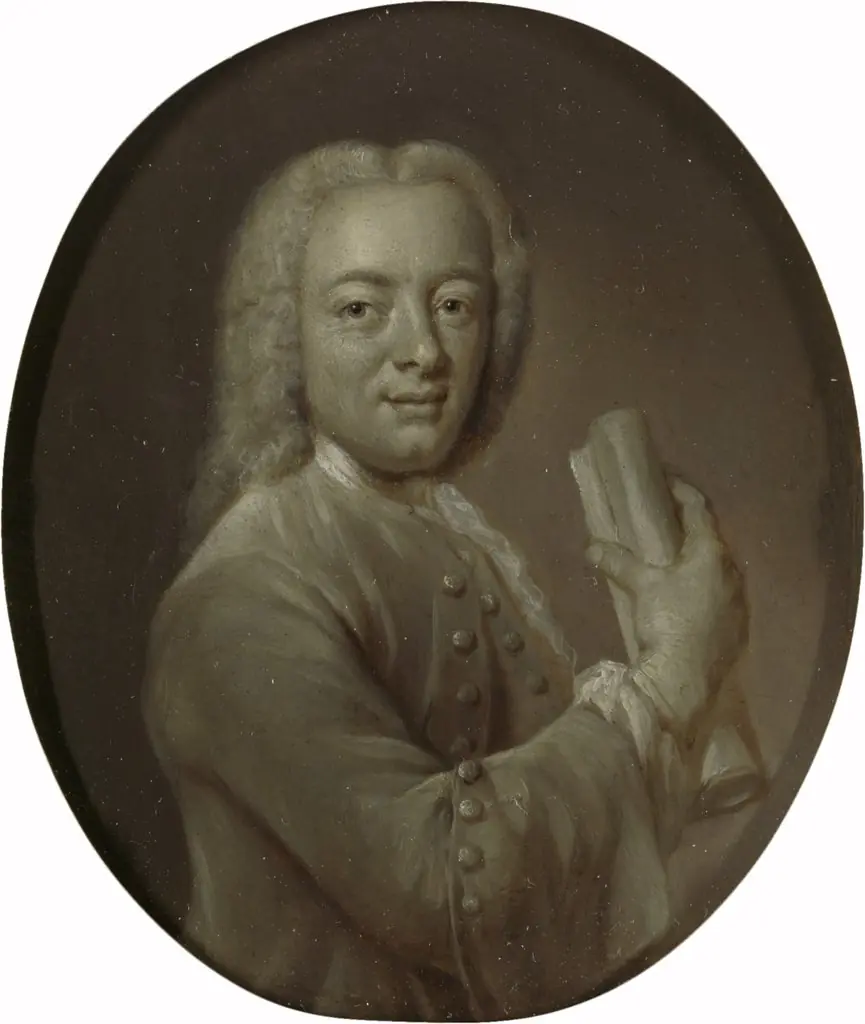 Portrait of Bernardus de Bosch I, Poet in Panpoeticon Batavum
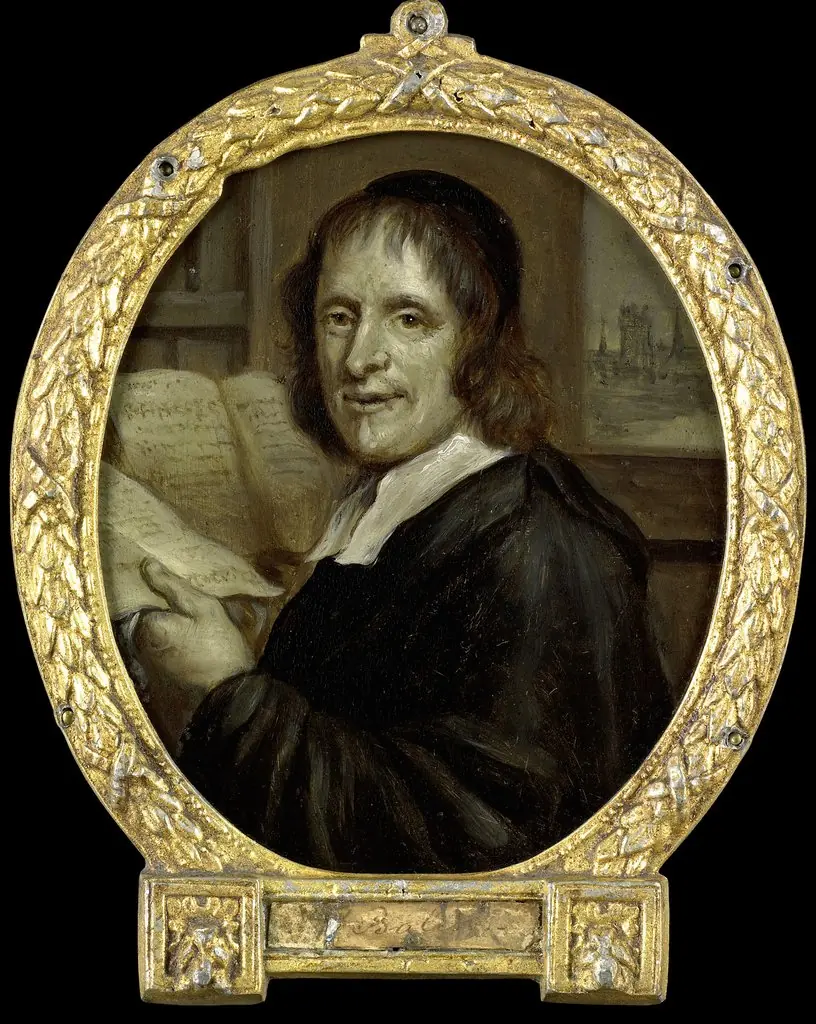 Matthijs Balen Jansz (1611-91), poet and chronicler of Dordrecht
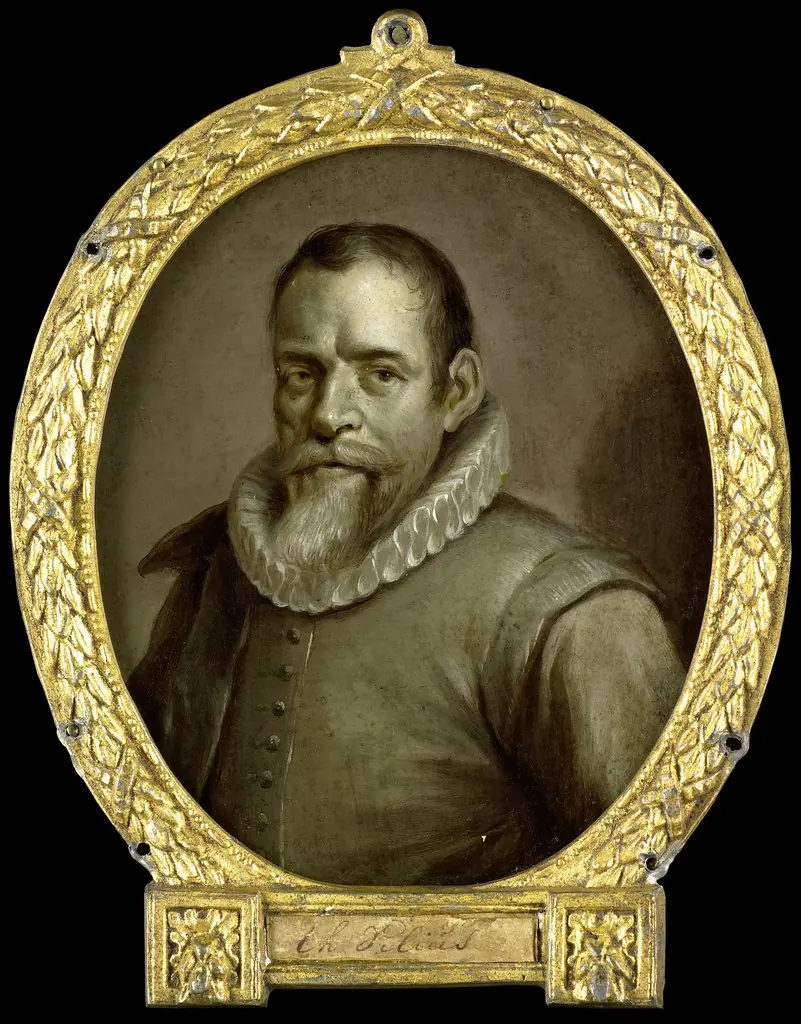 Portrait of Theodorus Velius, Writer of the Chronicle of Horn
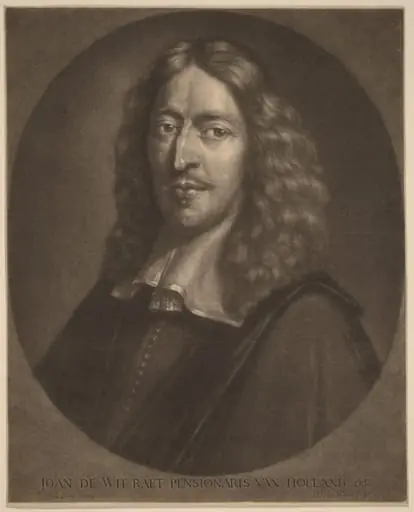 Johan de Wit
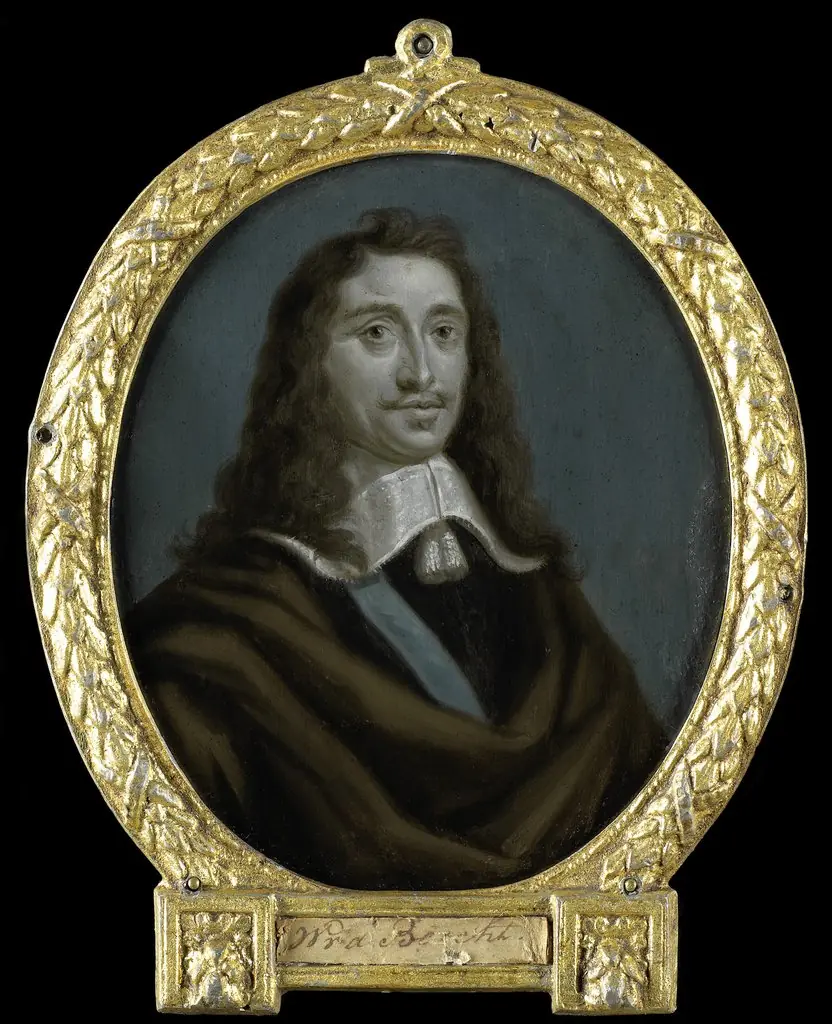 Portrait of Everard Meyster, Poet in Utrecht
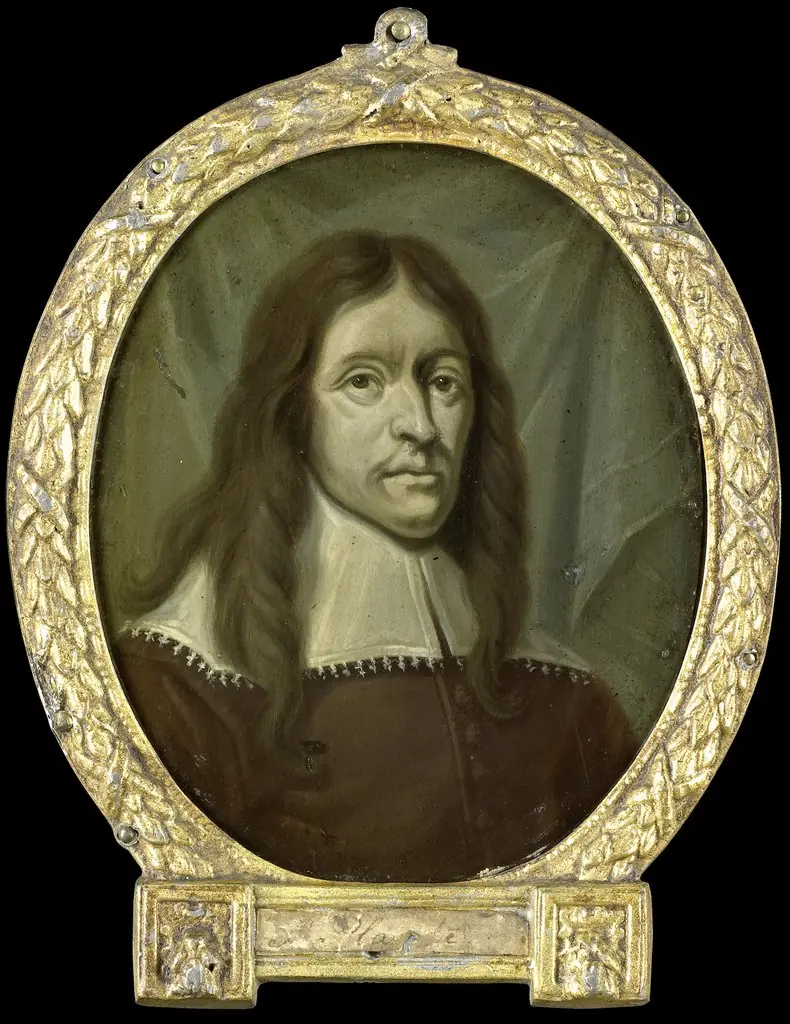 Portrait of Simon Abbes Gabbema
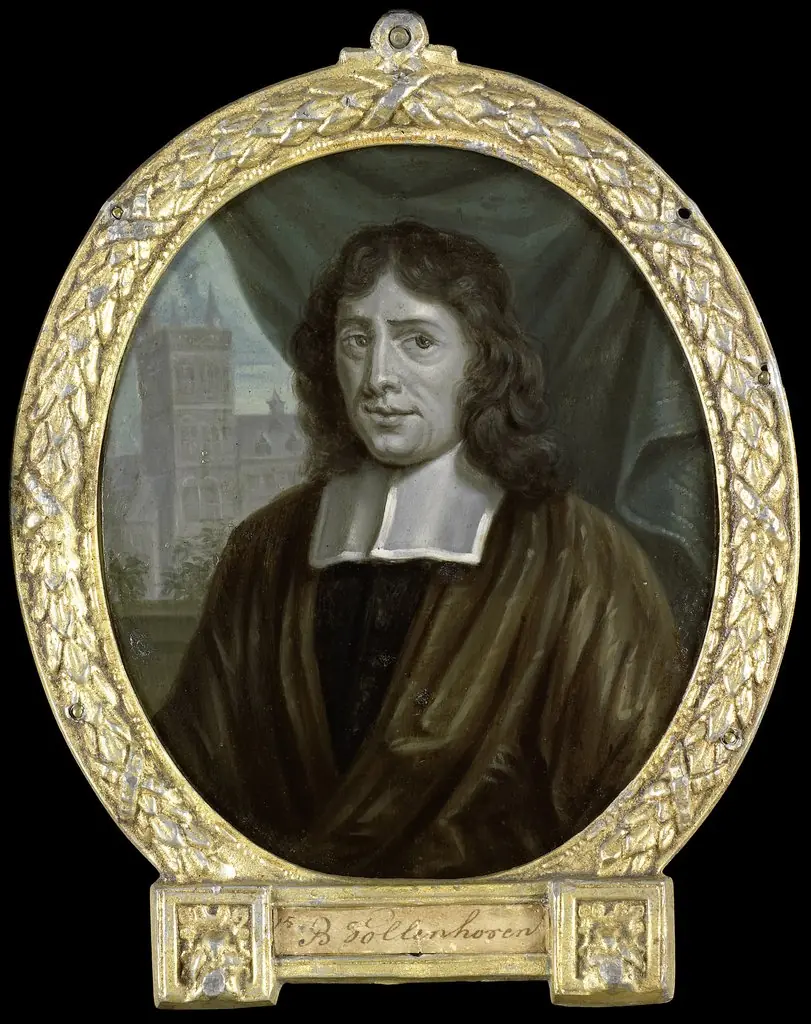 Portrait of Joannes Vollenhove, Clergyman and Poet in The Hague
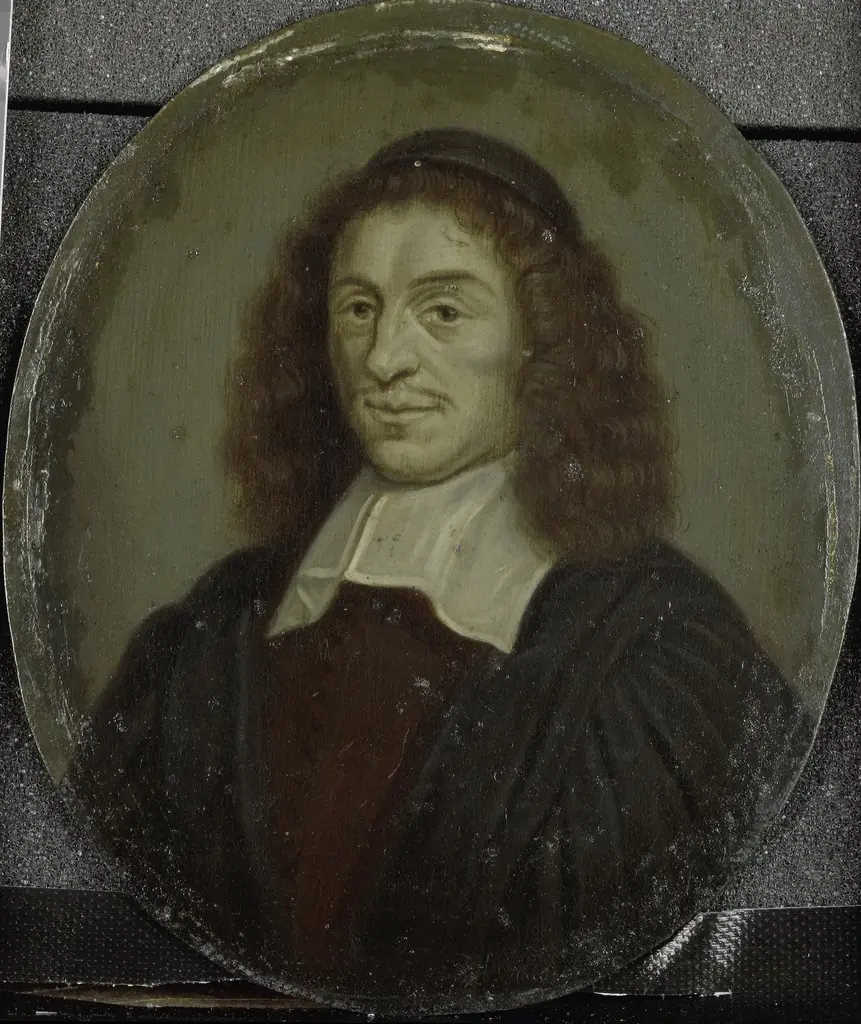 Portrait of Alexander Morus, Professor at Amsterdam
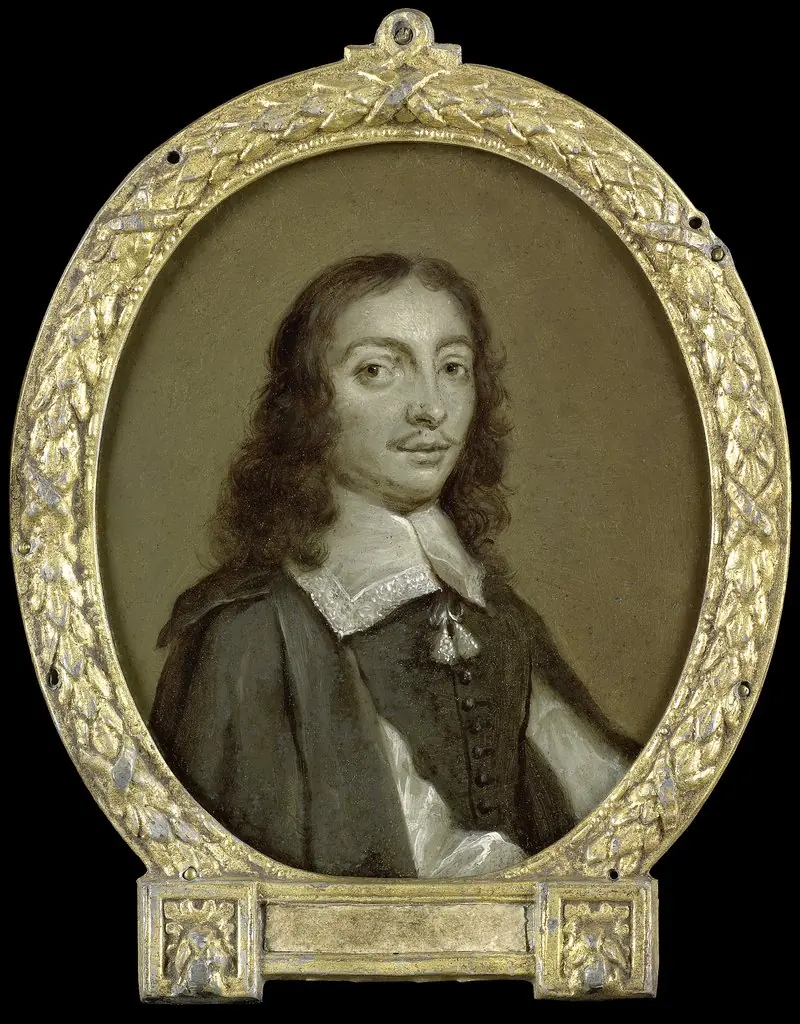 Portrait of Frans Godin, Poet in Brussels
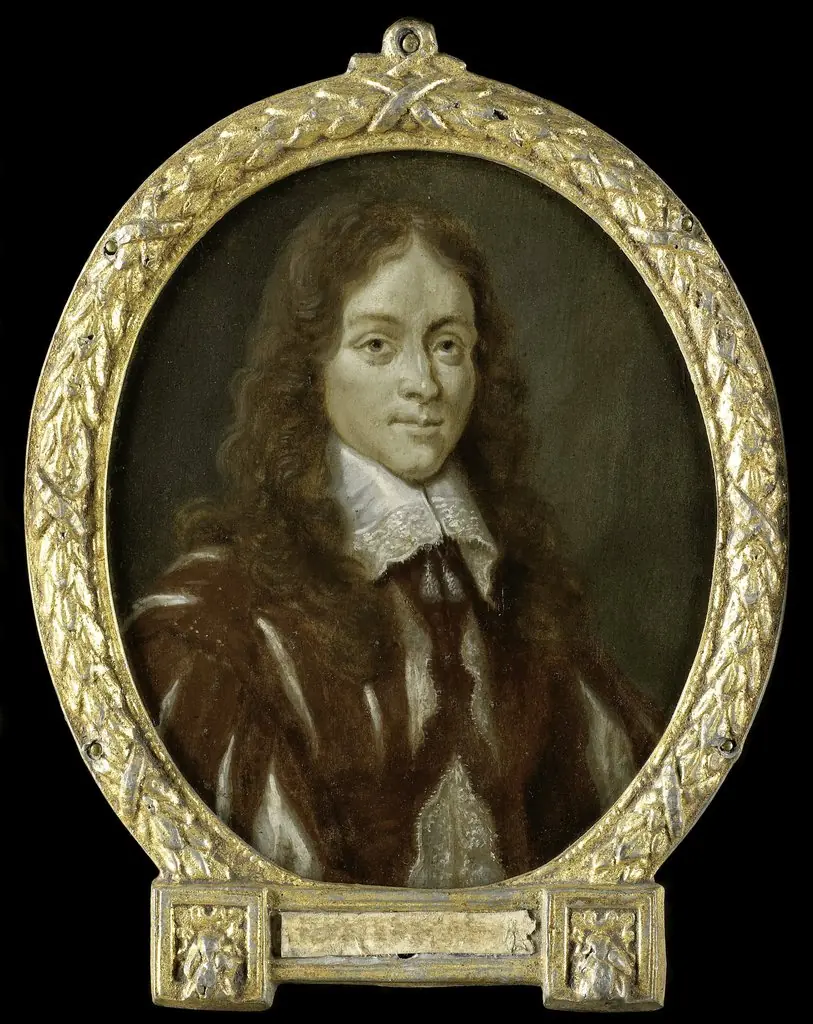 Portrait of Caspar van Kinschot, Poet
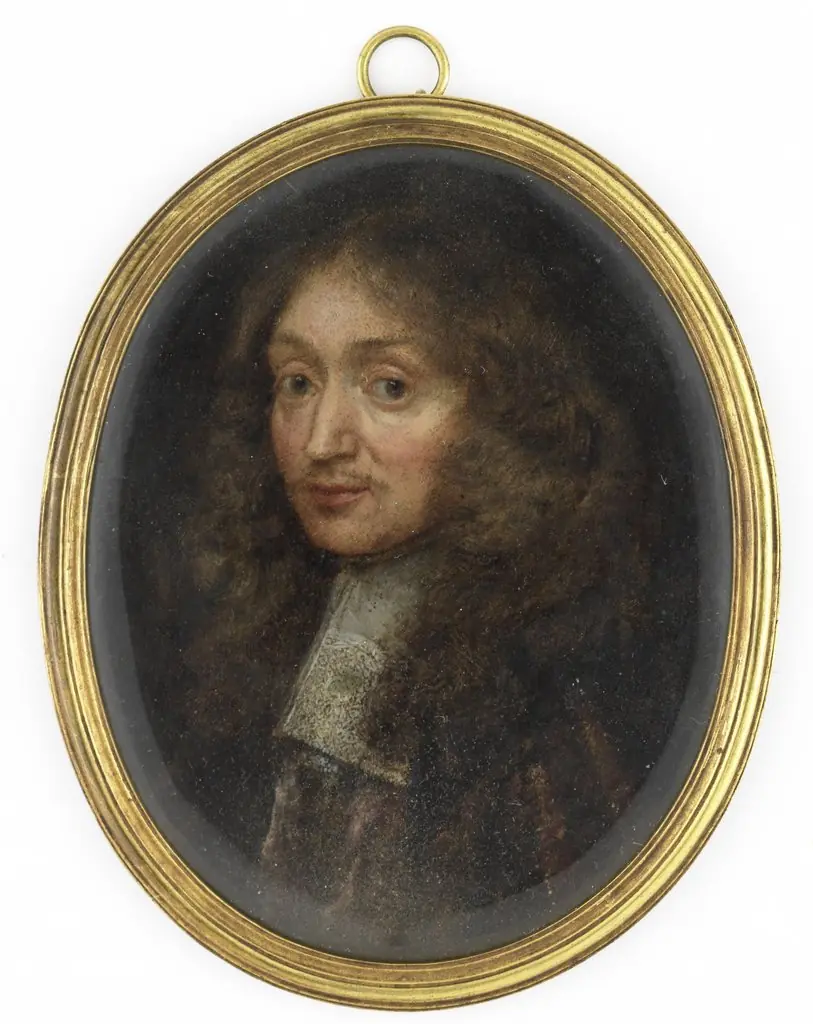 Miniature portrait of an unknown man
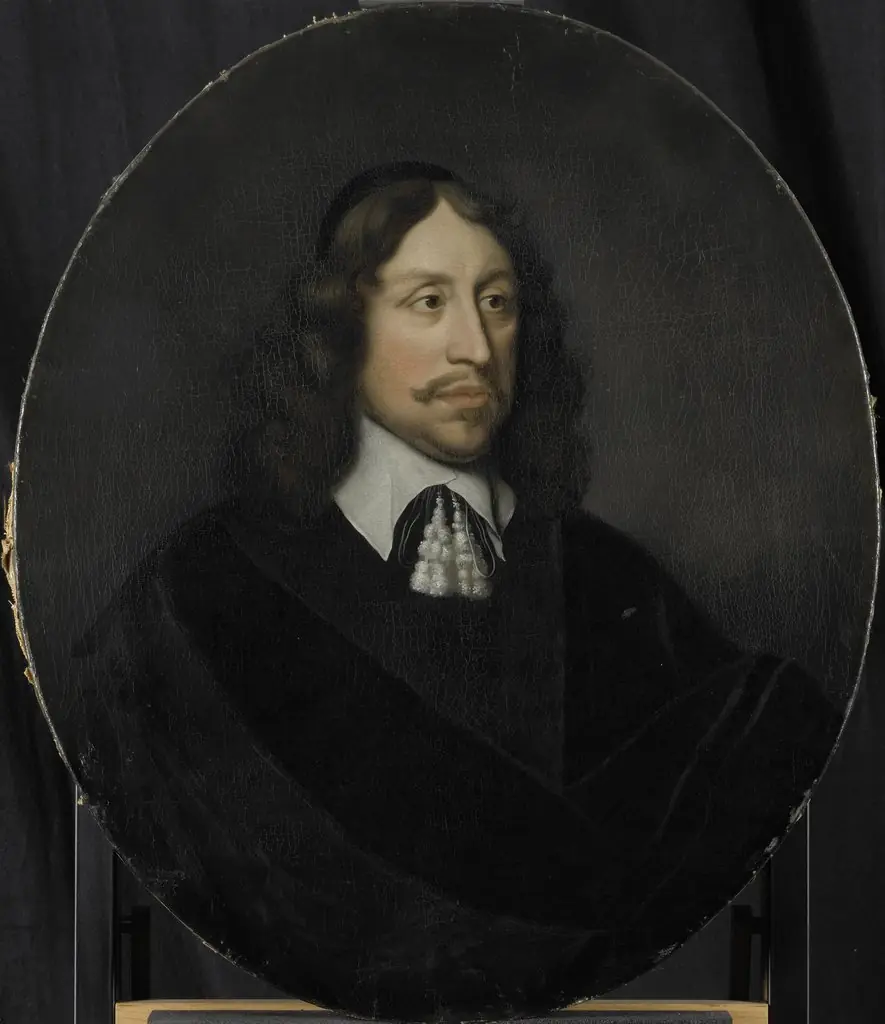 Portrait of Johan de Vries, Director of the Rotterdam Chamber of the Dutch East India Company, elected 1667
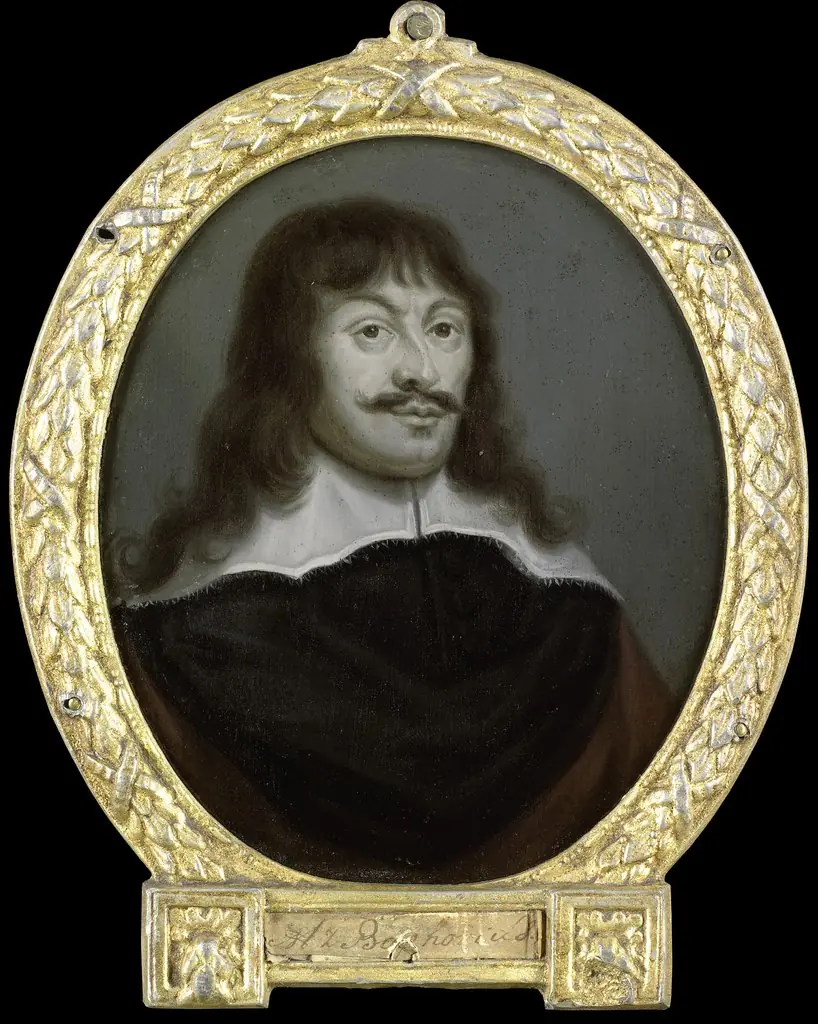 Portrait of Marcus Zuërius van Boxhorn, Historian and Professor at Leiden