Artwork
Christ Blessing the Children
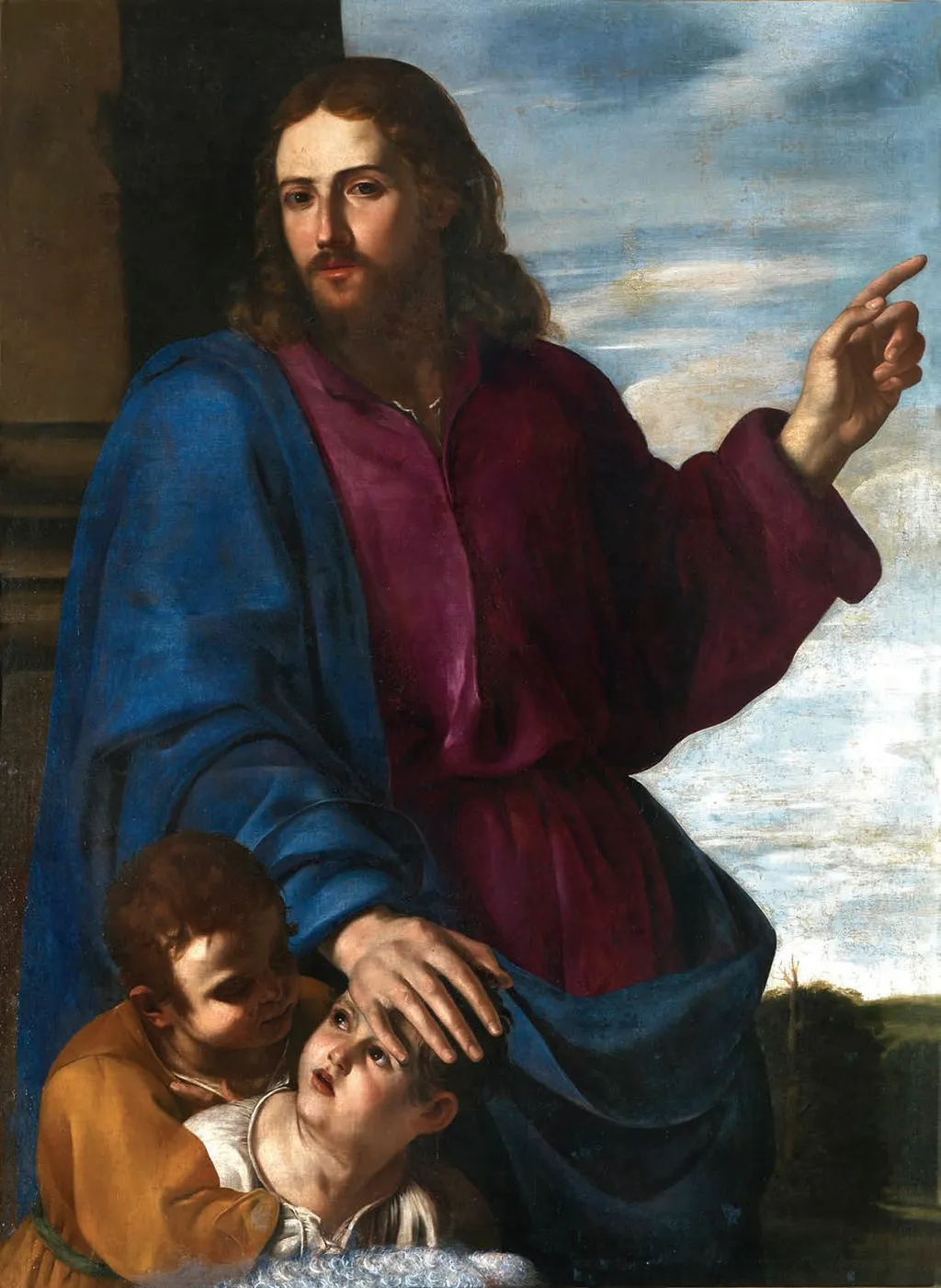
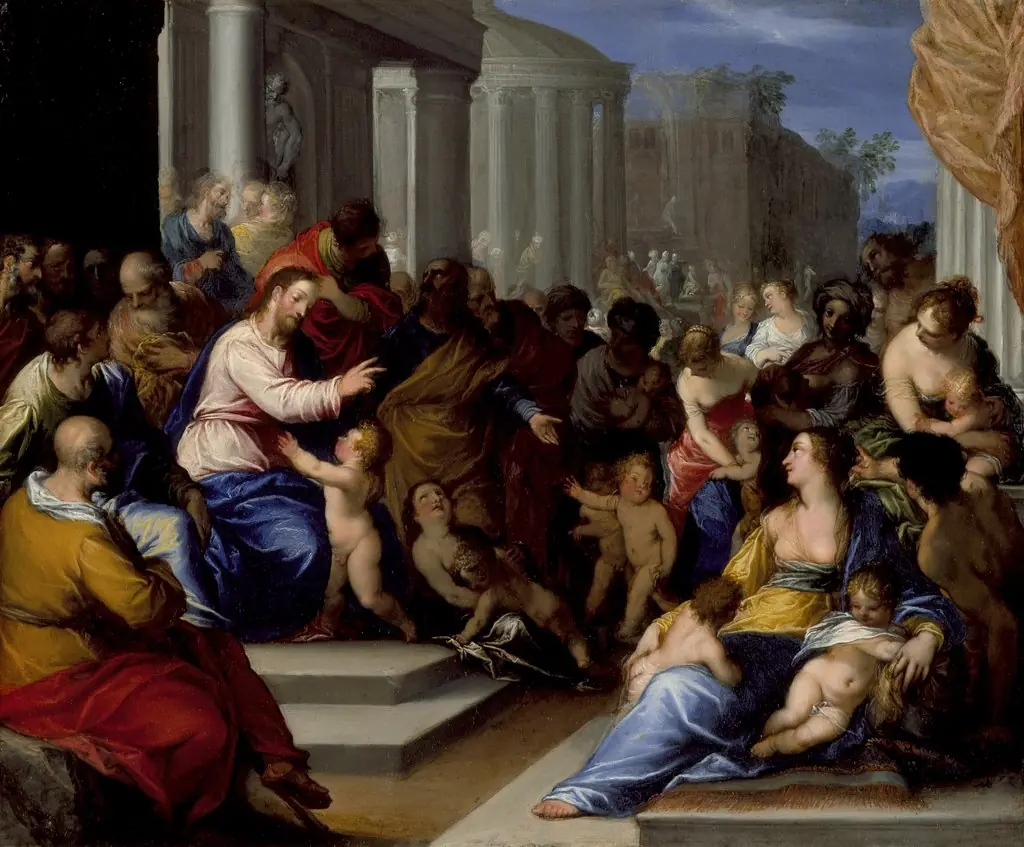
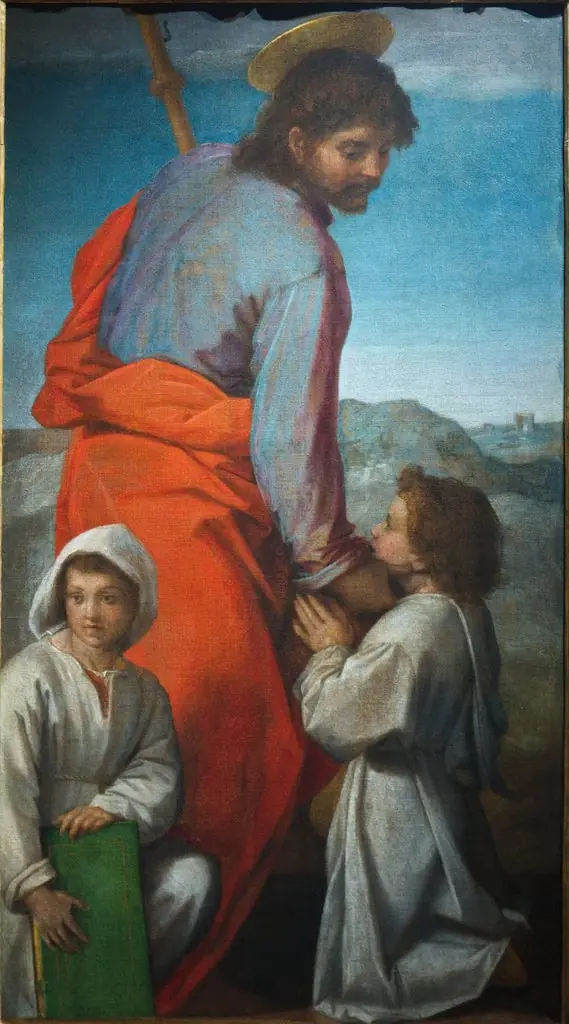
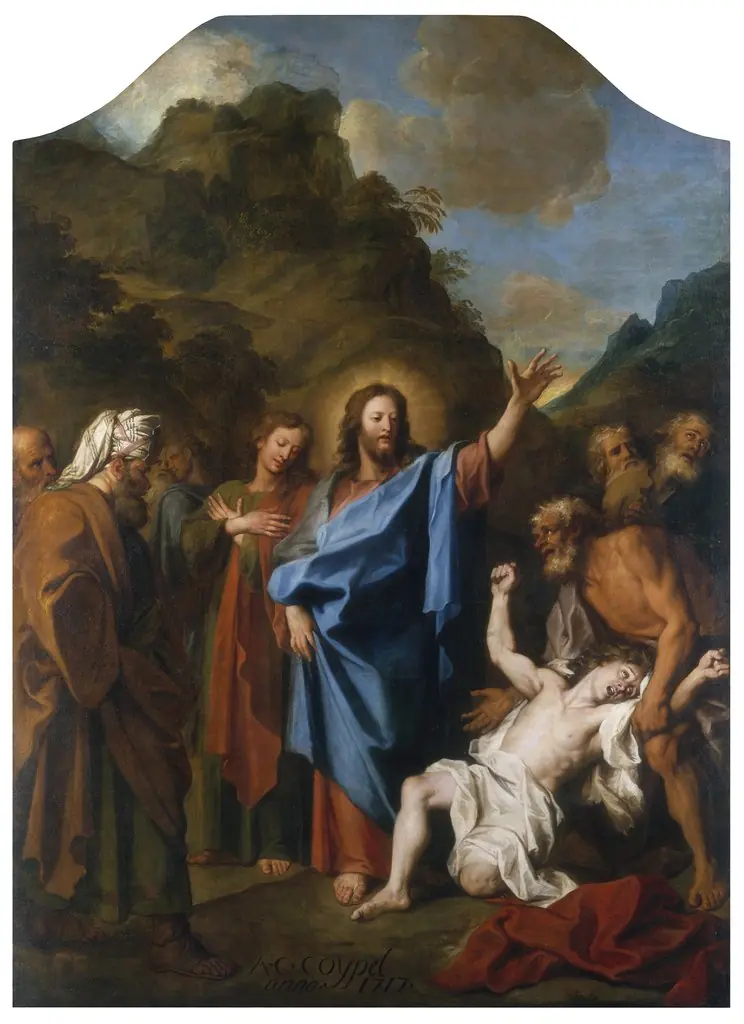
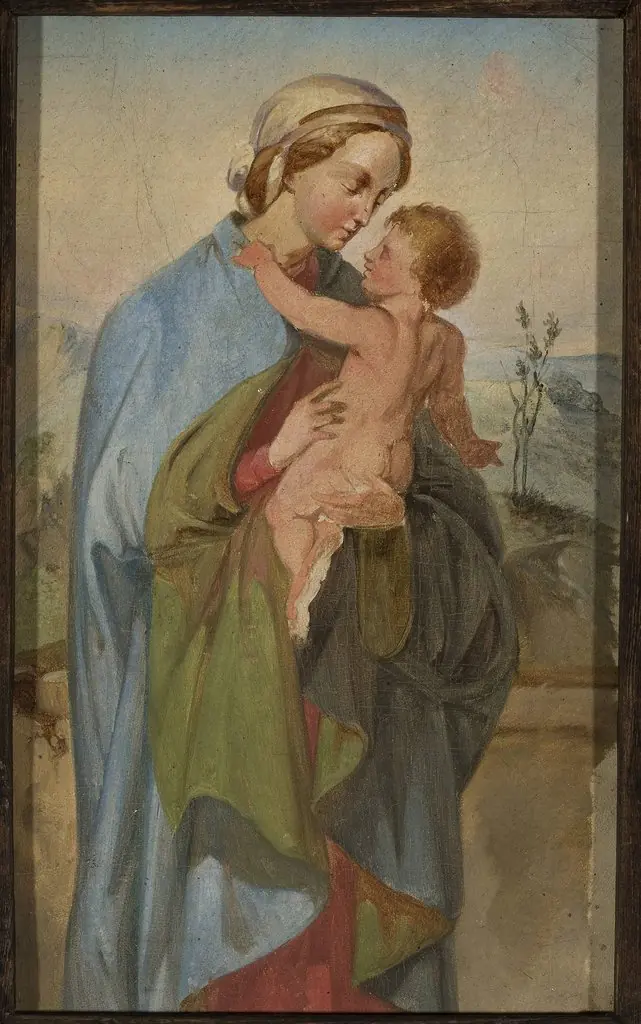
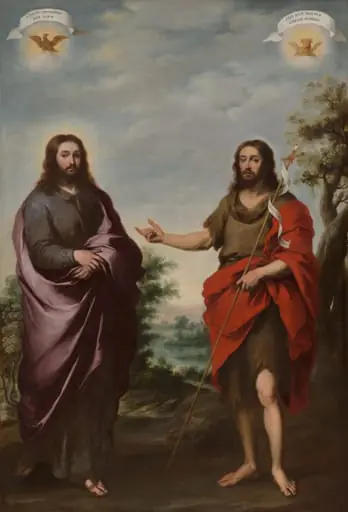
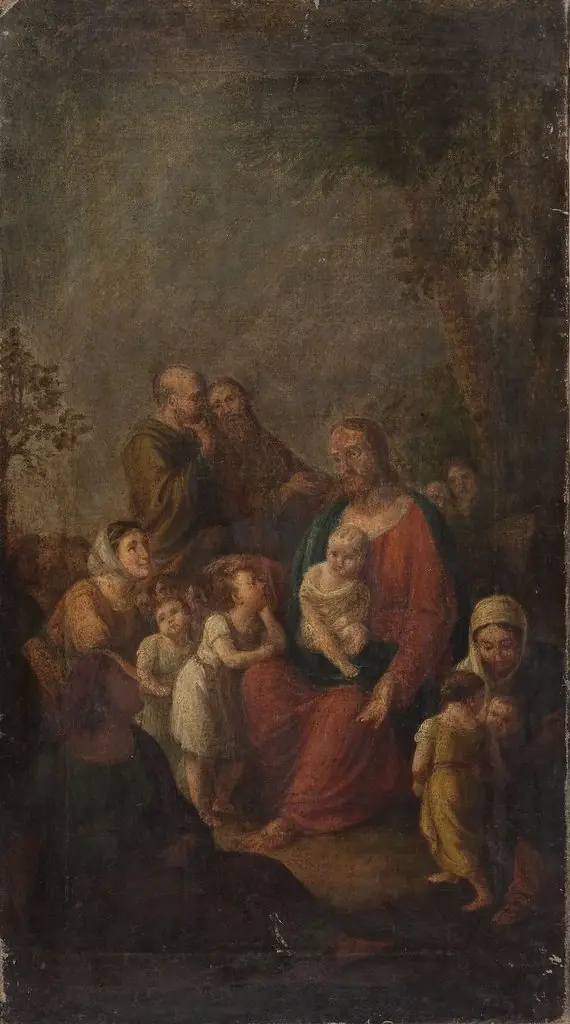
Christ Blessing the Children is an oil painting by the Early Baroque Italian artist Artemisia Gentileschi. It dates from 1640 and is held in the collection of the Metropolitan Museum of Art.
About this work
Subject & Meaning
The subject therefore conveys a theological affirmation of welcoming the young and symbolizes divine favor toward the innocent.
The work shows Christ extending a blessing to a group of children, an iconographic motif drawn from the Gospel of Matthew as described in the painting’s title and subject matter. The children dominate the composition, identified as “the Little Children,” emphasizing their central role. This biblical episode reflects Counter‑Reformation ideals of pastoral tenderness and the spiritual value of innocence, situating the painting within Gentileschi’s lesser‑known religious corpus.
The subject therefore conveys a theological affirmation of welcoming the young and symbolizes divine favor toward the innocent.
History & Provenance
Christ Blessing the Children is held at the church of Sant'Ambrogio e Carlo al Corso in Rome. The work was rediscovered there in 2012 by art historian Gianni Papi, who published his findings in The Burlington Magazine that year, though how it came to be installed in the church has not been determined. Prior to that rediscovery, the painting had been deaccessioned by The Metropolitan Museum of Art in 1979 as a work attributed to Carlo Rosa; it was only reattributed to Artemisia Gentileschi in 2001 after a black-and-white photograph was examined.
Earlier in its history, the painting belonged to the 3rd Duke of Alcalá, Fernando Enríquez Afán de Ribera, from 1626 to 1637, and subsequently passed through the collection of the Duke of Sutherland at Stafford House before being acquired by a collector in New York.
Context
Christ Blessing the Children (1626), an oil on canvas measuring 134.6 × 97.7 cm, portrays the New Testament scene 'Suffer the little children' and hangs in the church of Sant'Ambrogio e Carlo al Corso in Rome (1,2). Contemporary records show the work entered the collection of the 3rd Duke of Alcalá, later passed to the Duke of Sutherland and a New York collector, and was misidentified as a Carlo Rosa painting before being deaccessioned in 1979 (3). Art historian Gianni Papi rediscovered the canvas in 2012, confirming its attribution to Artemisia Gentileschi and highlighting its place within her comparatively understudied religious oeuvre, which contrasts with her more celebrated depictions of strong female figures (3).
Scholarship thus situates the painting as an important, though modest, example of Gentileschi’s devotional output and contributes to renewed critical attention to her broader artistic context.
Legacy
Although less celebrated than Gentileschi’s dramatic heroines, the painting Christ Blessing the Children exemplifies her devotional output and was recognized as a religious work within her oeuvre. The work, painted in 1626, depicts a New Testament scene and is housed in the church of Sant’Ambrogio e Carlo al Corso in Rome, where it remains part of the artist’s religious corpus. Its inclusion in major scholarly references has contributed to a reassessment of Gentileschi’s broader thematic range, reinforcing her reputation as a versatile master of sacred subjects.
Overview
Christ Blessing the Children is a 1640 oil painting by the Italian Baroque artist Artemisia Gentileschi. Executed during her mature period in Rome, the work illustrates the New Testament episode where Jesus welcomes and blesses young children. The composition centers on the figure of Christ, depicted as a bearded man draped in blue and maroon robes.
He gestures upward with one hand while placing the other gently upon the heads of two children, who gaze up at him with expressions of awe and curiosity. Gentileschi employs soft, directional lighting to model the figures' faces and drapery, emphasizing the tenderness of the interaction. The painting is currently housed in the church of Sant'Ambrogio e Carlo al Corso in Rome.
This work demonstrates Gentileschi's continued mastery of religious narrative and her ability to convey emotional intimacy through dynamic yet balanced figural arrangements, reflecting her established reputation in mid-seventeenth-century Roman art circles.
Technique & Style
Gentileschi employed a dramatic interplay of light and shadow to define the figures within the composition. The artist skillfully illuminated the children's faces, causing them to appear radiant against the deeper tones of Christ's garment. This contrast creates an effect where the light seems to emanate from within the painting itself, making the subjects stand out with striking clarity against the dim, cloudy sky and faint background hills.
Artist & collection
Artist
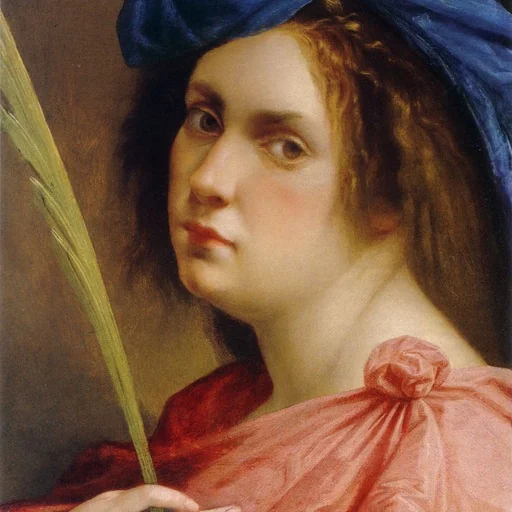
Artemisia Lomi Gentileschi (US: JEN-til-ESK-ee, -teel-; Italian:; 8 July 1593 – after January 1654) was an Italian Baroque painter.