Artwork
Nativity of St. John the Baptist
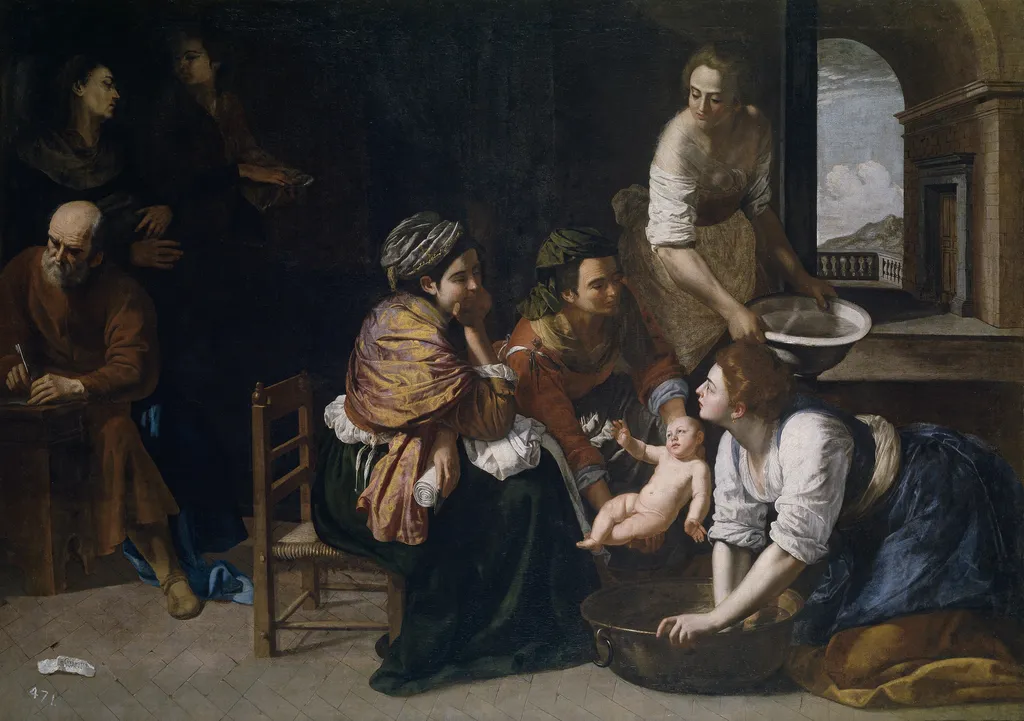
Nativity of St. John the Baptist is an oil painting by the Early Baroque Italian artist Artemisia Gentileschi. It dates from 1635 and is held in the collection of the Museo del Prado.
About this work
This is a painting of the birth of John the Baptist by Artemisia Gentileschi. It’s oil on canvas, made around 1633–35. The scene shows the family in a quiet room, warm light spilling across the fabrics.
Gentileschi was one of the few women painting big biblical scenes at the time. Her details in cloth and tiles stand out even now.
Check out Artemisia Gentileschi.
Subject & Meaning
The painting depicts the biblical narrative from Luke 1:5-80 concerning the birth of John the Baptist to the elderly Elizabeth and Zechariah.
The painting depicts the biblical narrative from Luke 1:5-80 concerning the birth of John the Baptist to the elderly Elizabeth and Zechariah. While the miraculous origin involves an angel’s announcement and Zechariah’s temporary muteness, Artemisia Gentileschi’s composition prioritizes the domestic reality of childbirth over the supernatural elements. The central focus is a group of women attending to the newborn, washing and preparing to swaddle him, while Zechariah stands in the shadows writing on a tablet to confirm the child’s name as John, defying neighbors who wished to name him after his father.
This arrangement transforms a sacred miracle into an intimate, secular scene of female community and labor. The work utilizes dramatic chiaroscuro to illuminate the infant and the surrounding women, emphasizing a naturalistic, everyday atmosphere rather than divine radiance.
Technique & Style
The painting Nativity of St. John the Baptist by Artemisia Gentileschi is an oil on canvas work measuring 184 cm by 258 cm, created around 1635. It depicts the biblical scene of Saint John the Baptist's birth as described in Luke 1:5-80, showing Elizabeth, Zacharias, and midwives attending the newborn, with Zacharias writing 'His name is John' on a tablet. The composition emphasizes female figures and domestic details, reflecting a secular approach within a religious subject, and employs Caravaggio-inspired chiaroscuro to highlight the infant and surrounding women.
The work demonstrates meticulous rendering of textures and fabrics, characteristic of Gentileschi's Naples period, and is housed in the Museo del Prado in Madrid.
History & Provenance
The Nativity of St. John the Baptist was commissioned as part of a six-painting cycle depicting scenes from the life of Saint John the Baptist, commissioned by the Conde de Monterrey, Viceroy of Naples, for the Buen Retiro Palace in Madrid.
Artemisia Gentileschi likely executed the work during her first Neapolitan period, between 1633 and 1635, with the most widely cited date being 1635. The painting entered the collection of the Museo del Prado in Madrid, where it remains housed today.
The Nativity of St. John the Baptist is held in the collection of the Museo del Prado in Madrid. Executed in oil on canvas, the work measures 184 cm by 258 cm. The painting was originally commissioned as part of a six-piece cycle depicting the life of Saint John the Baptist for the Hermitage of San Juan Bautista at the Buen Retiro palace grounds. This series was ordered by the Conde de Monterrey, the Viceroy of Naples, with four accompanying works by Massimo Stanzione and one lost piece by Paolo Finoglia.
While scholarly debate exists regarding the precise timeline, the work is most frequently dated to 1635, marking it as a significant piece from Gentileschi's Neapolitan period. The entire ensemble remains preserved within the Prado's holdings.
Context
Artemisia Gentileschi's Nativity of St. John the Baptist (1635) occupies a pivotal position in her oeuvre as one of the few major religious works from her Neapolitan period, reflecting both her adaptation to Counter-Reformation demands and her evolving engagement with Caravaggesque realism. The painting, housed in the Museo del Prado, forms part of a six-piece cycle depicting the life of Saint John the Baptist commissioned for the Buen Retiro palace in Madrid, with four other panels by Massimo Stanzione and one lost work by Paolo Finoglia. Its composition diverges from typical miraculous narratives by centering on female midwives and domestic details rather than divine intervention, showcasing Gentileschi's secularization of religious themes while maintaining Caravaggio's chiaroscuro influence.
The work exemplifies her technical mastery in rendering textures like fabric and tile, and it stands as a key example of Baroque religious painting that bridges her earlier feminist undertones with later devotional subjects.
Legacy
The painting influenced later artists through its innovative composition and treatment of domestic realism within a sacred narrative. Its depiction of female attendants during the birth of John the Baptist shifted focus from divine intervention to human care, a departure noted in scholarly analyses of Gentileschi's Naples period. The work's naturalistic detail, particularly in fabric and interior space, was cited as a benchmark for Baroque religious painting.
Its legacy is underscored by continued scholarly attention, including references in museum catalogues and academic studies of Gentileschi's impact on Baroque art, as documented in sources discussing its stylistic influence and institutional significance.
The painting's composition, emphasizing female neighbors and maidservants rather than the miraculous elements of the story, was described as distinctly secular despite its religious subject. This approach, along with its dramatic chiaroscuro and detailed rendering of materials, contributed to its reputation as a standout work from Gentileschi's Naples period. It remains part of the permanent collection at the Museo del Prado, where it is recognized as a key example of her adaptation to Spanish patronage and religious commissions.
Overview
Artemisia Gentileschi’s oil painting titled Nativity of St. John the Baptist dates to the early 1630s, most likely between 1633 and 1635. Executed on canvas, the work depicts the biblical birth of John the Baptist within an intimate interior, illuminated by a soft, warm light that falls on the figures and surrounding furnishings.
Own this work as a print
Artist & collection

Artist
Artemisia Lomi Gentileschi (US: JEN-til-ESK-ee, -teel-; Italian:; 8 July 1593 – after January 1654) was an Italian Baroque painter.

- Mystic Marriage of Saint Catherine
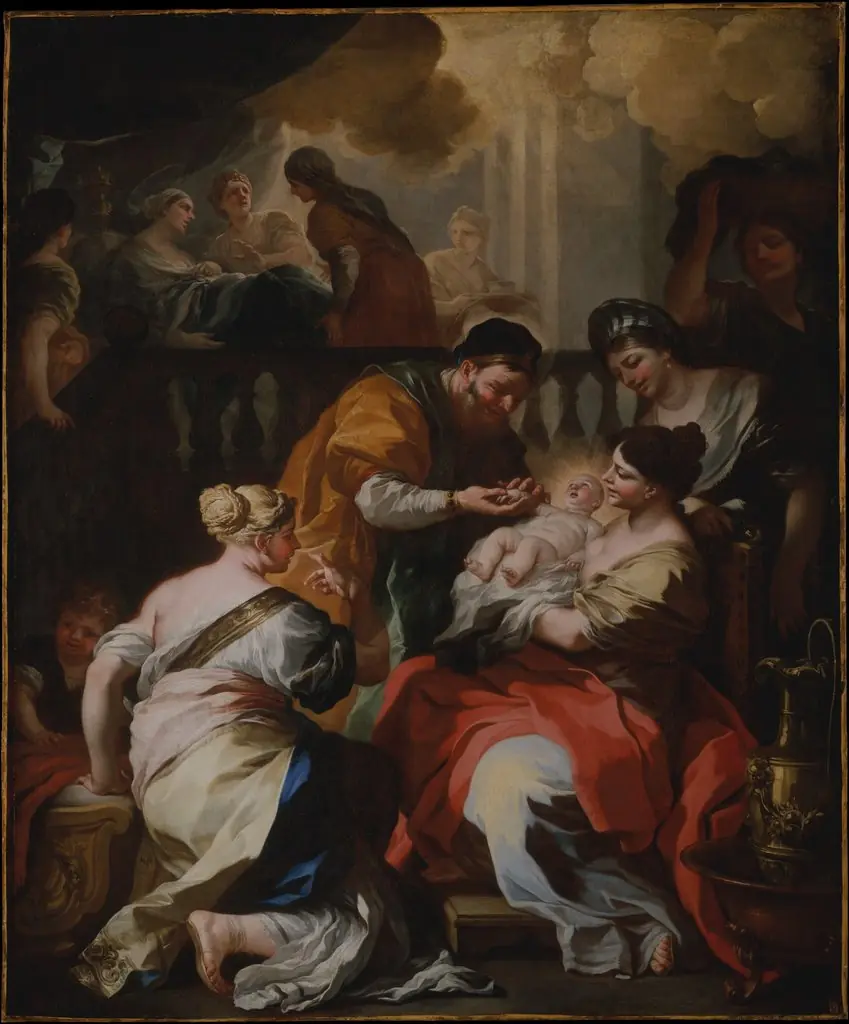 The Birth of the Virgin
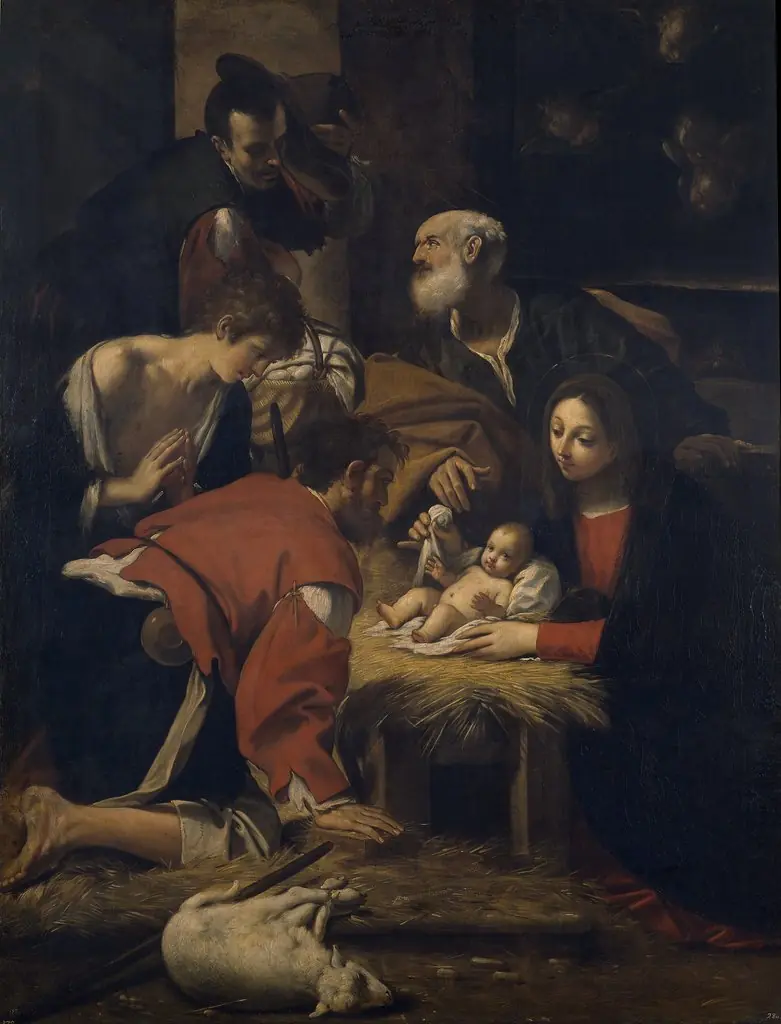 The Adoration of the Shepherds
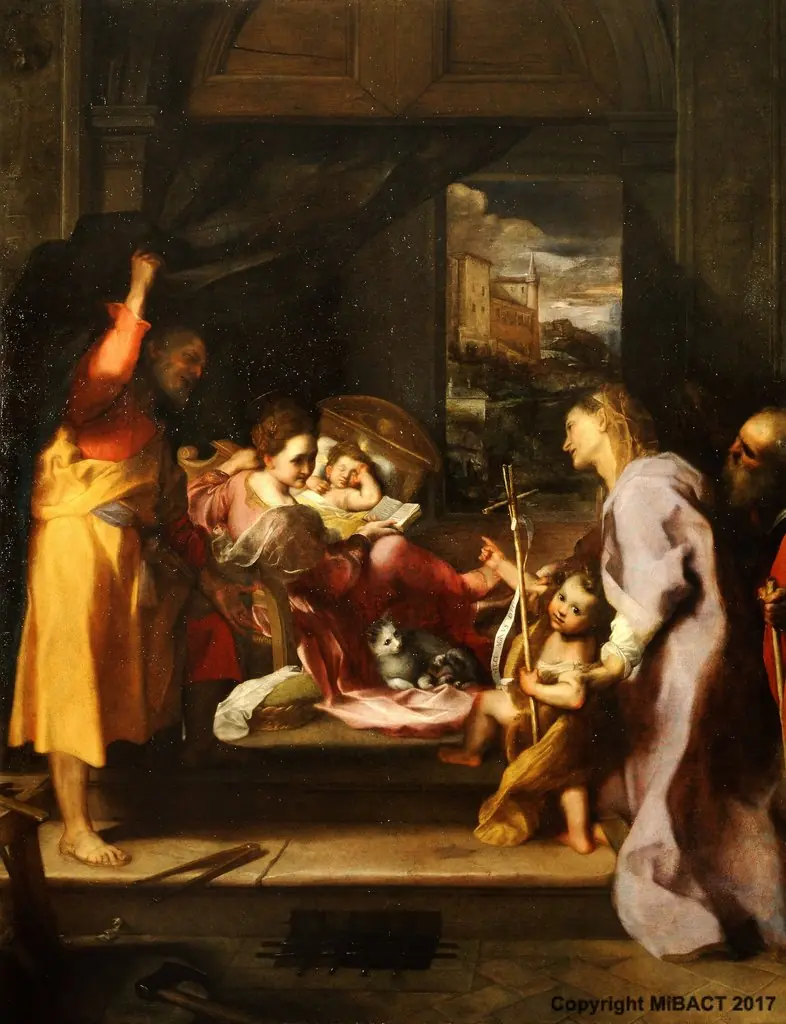 Madonna of the Cat
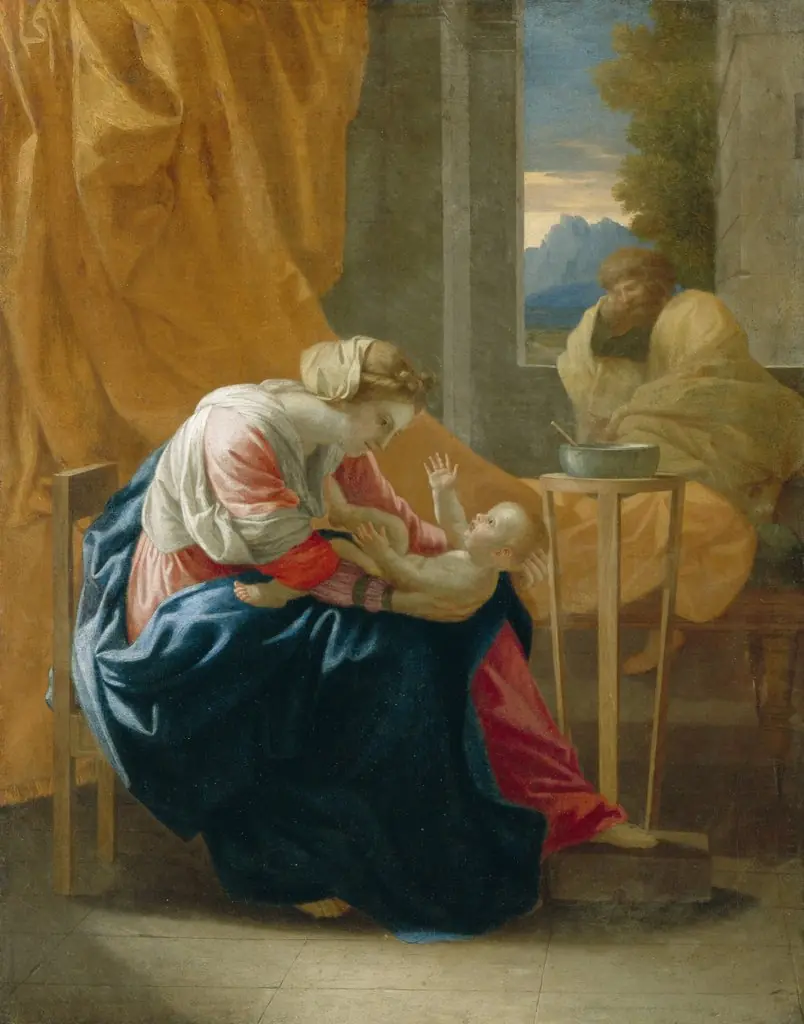 The Holy Family
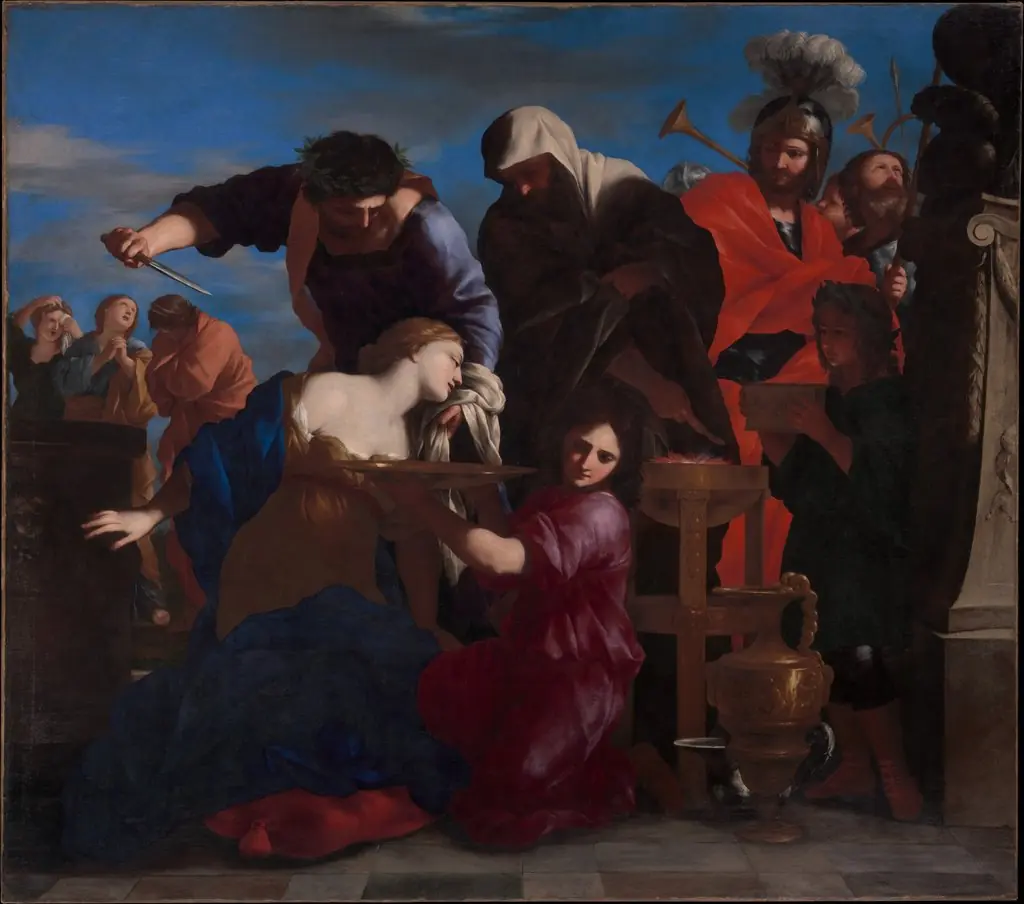 The Sacrifice of Polyxena
 The Finding of Moses
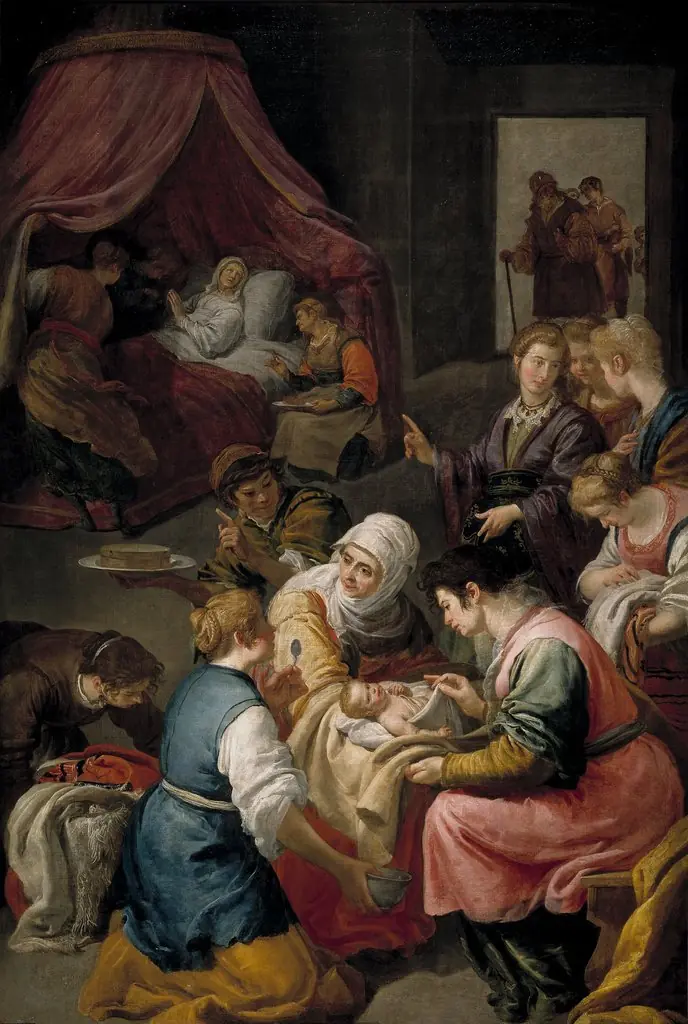 The Birth of the Virgin
 Virgin and Child with Saint Elizabeth and the Infant Saint John the Baptist
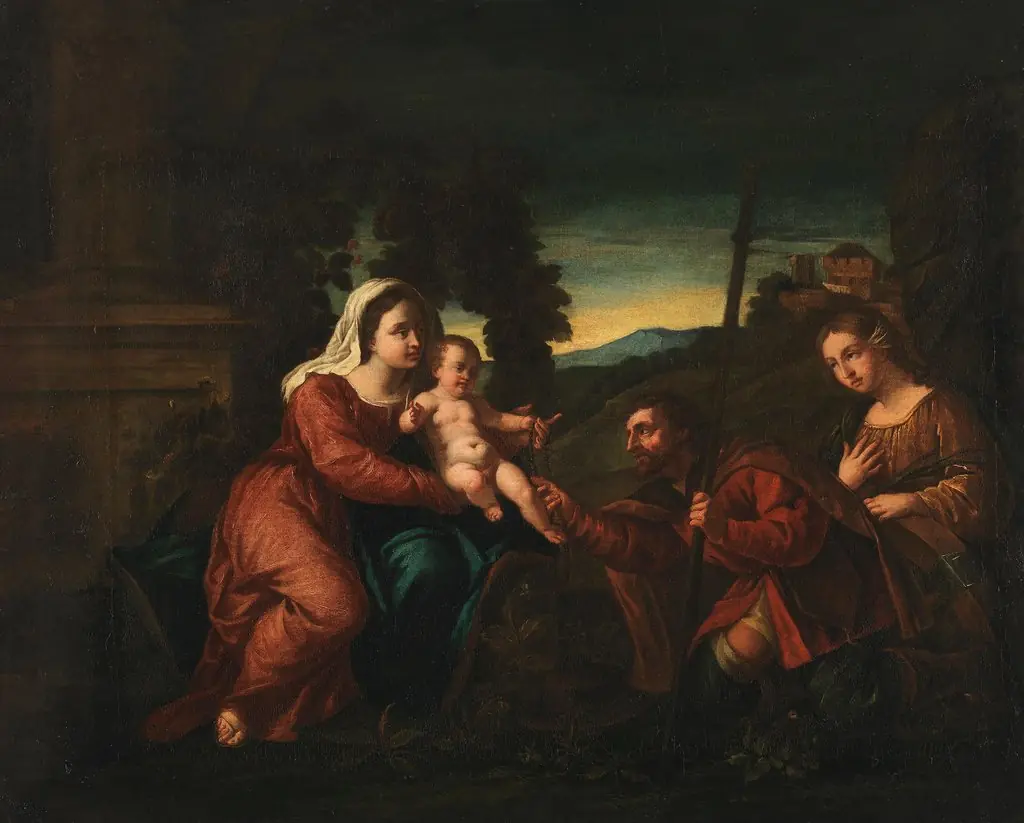 Madonna and Child with Saints Roche and Mary Magdalene
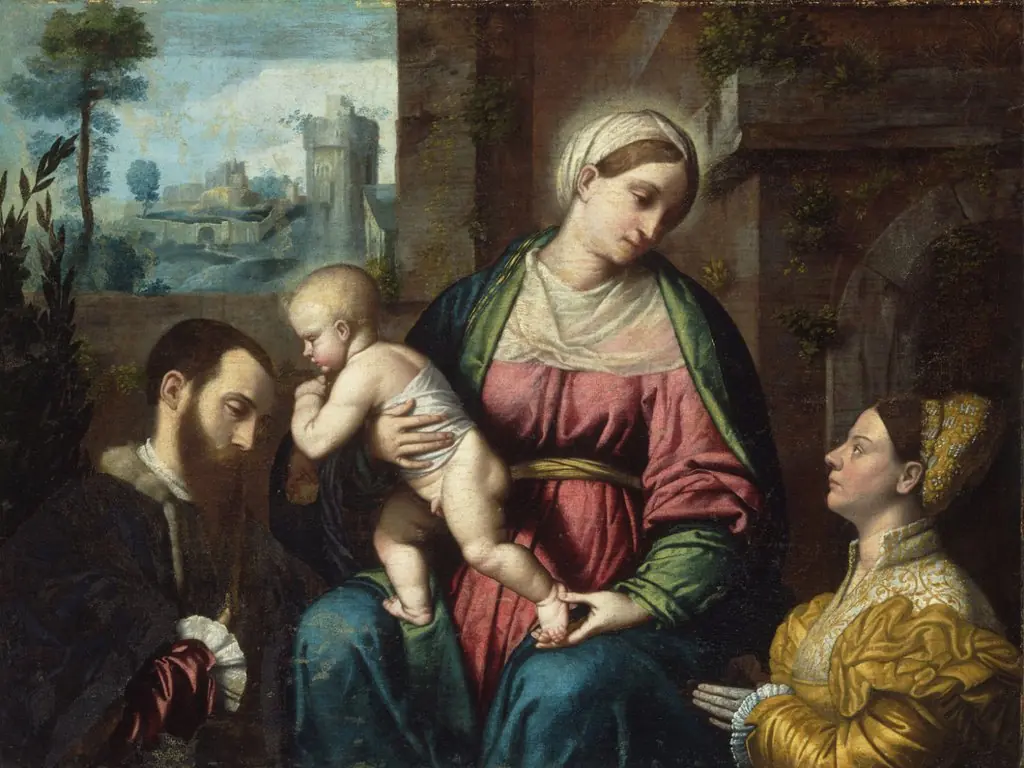 Virgin and Child, with Two Donors
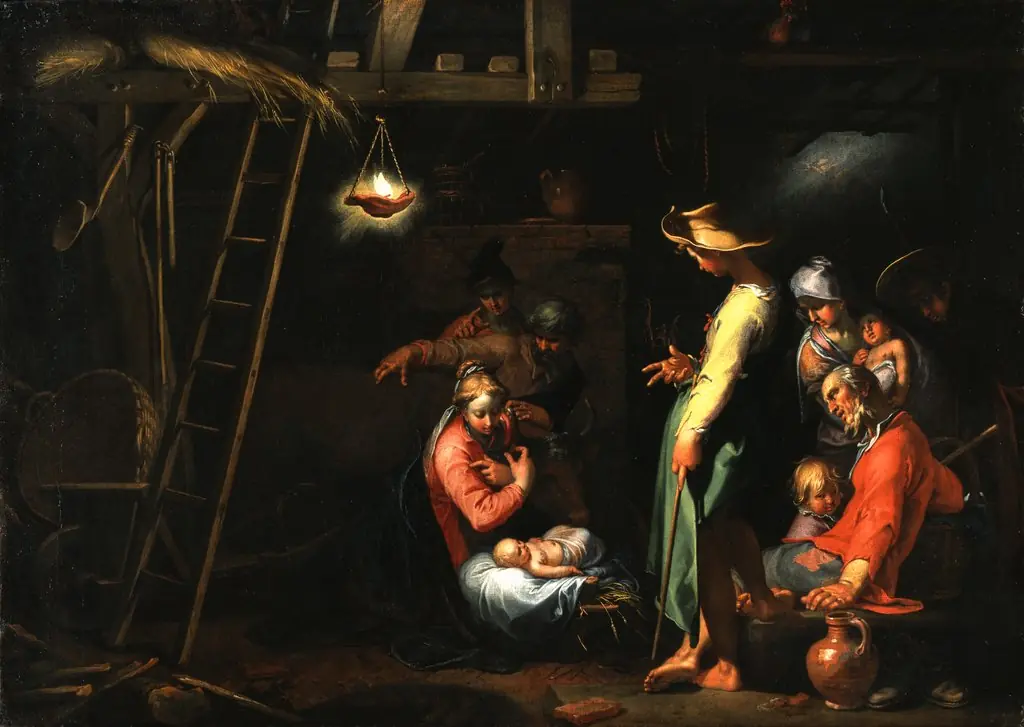 The Adoration of the Shepherds