Artwork
H Beard Print Collection
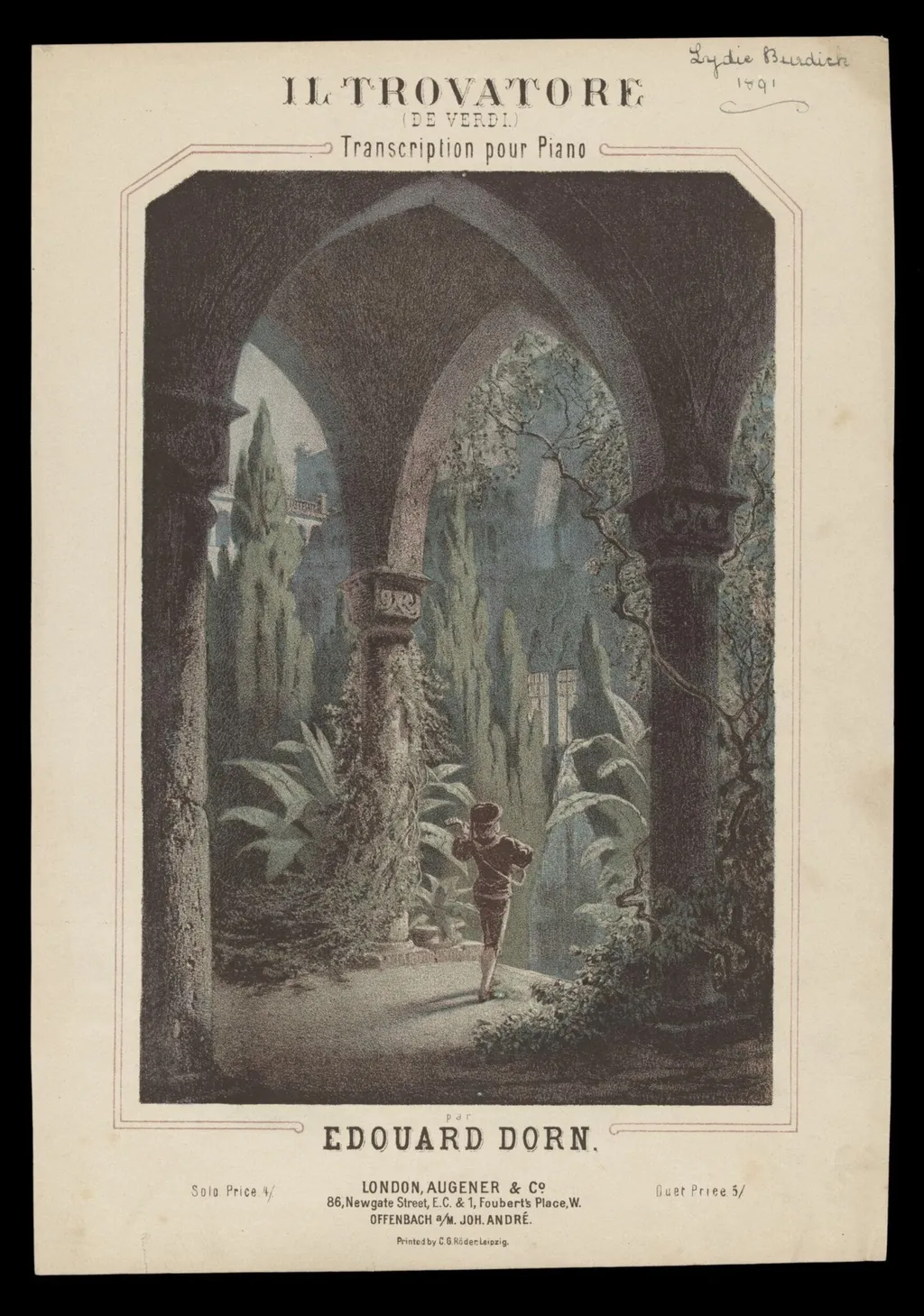
H Beard Print Collection is a print by the Impressionist artist Augener & Co.. It dates from 1891 and is held in the collection of the Victoria and Albert Museum.
About this work
This isn’t just music, it’s a slice of late 19th-century culture, where prints like this mixed art and pop culture.
Here’s a little snapshot of this 1891 print. It’s a song sheet for Verdi’s Il Trovatore, arranged for piano by Edouard Dorn. Published in London by Augener & Co., it sits in the Harry Beard Collection.
This isn’t just music, it’s a slice of late 19th-century culture, where prints like this mixed art and pop culture. The sheet itself is a tiny print, blending Impressionist and Realist touches common in that era.
Want to dig deeper? Check out the Victoria and Albert Museum.
Overview
This 1891 piano arrangement of Verdi’s Il Trovatore was published in London by Augener & Co. as a commercial song sheet, part of the Harry Beard Collection. Designed for domestic music-making, it reflects the era’s demand for accessible classical music in middle-class homes. The print format combines musical notation with decorative imagery, typical of late Victorian publishing practices.
Subject & Meaning
The sheet features a scene from Verdi’s opera, likely depicting a moment of dramatic tension from Il Trovatore. Its imagery serves not as fine art but as visual marketing, linking the printed music to the opera’s popular narrative. The inclusion of such imagery helped audiences connect emotionally with the score, reinforcing the opera’s cultural presence beyond the theater.
Technique & Style
The print employs a blend of lithographic and engraving techniques, common in period sheet music. The illustrations show restrained Impressionist influences in loose brushwork and soft tonal transitions, while the figures retain Realist detail in costume and posture. The typography is crisp and legible, prioritizing function over ornament, consistent with Augener’s commercial standards.
History & Provenance
Acquired by Harry Beard, a noted collector of theatrical memorabilia, this item entered the V&A’s holdings through his bequest. Beard assembled thousands of such items to document 19th-century British performance culture. The print’s survival reflects its role as a mass-produced artifact, valued not for rarity but for its testimony to everyday musical life.
Context
In late 19th-century Britain, opera adaptations for piano were widely sold to meet the growing interest in domestic music. Publishers like Augener & Co. capitalized on the popularity of Italian opera, offering affordable arrangements for amateur musicians. These sheets bridged high art and popular entertainment, making grand opera a fixture of parlor culture.
Legacy
This print survives as evidence of how opera permeated Victorian domestic life. It illustrates the commercial infrastructure that sustained musical culture before recorded sound. Today, such items are studied for their social and aesthetic significance, offering insight into how audiences engaged with classical music outside formal performance spaces.
Own this work as a print
Artist & collection
Artist
Augener & Co. spent their days turning other people’s music into sheet music you could hold in your hands, thick paper, crisp edges, and ink that didn’t smudge. They sold stacks of it from a London shop that smelled…

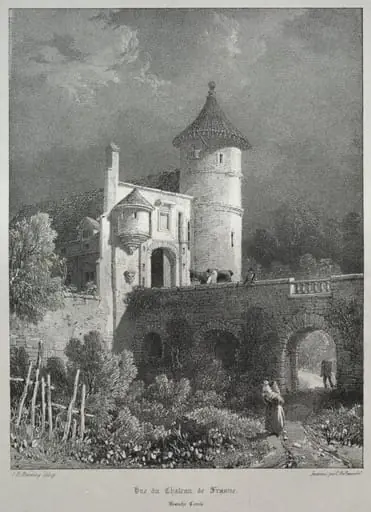
- Voyages pittoresques et romantiques dans l'ancienne France. Franche-Comté: Vue du Château de Frasne
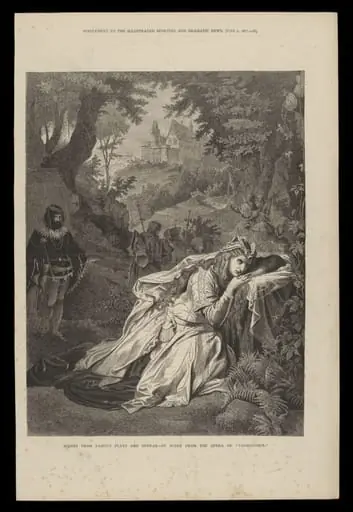 H Beard Print Collection
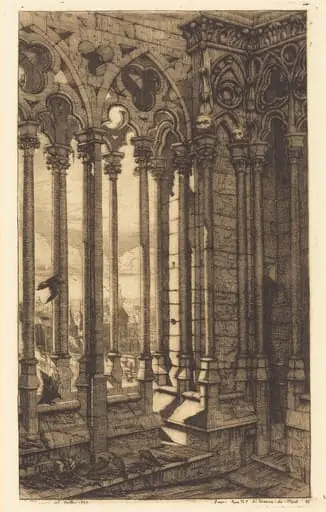 La galerie Notre-Dame, Paris (The Gallery of Notre Dame, Paris)
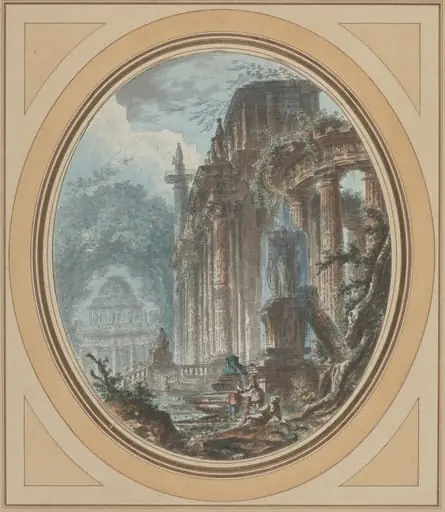 Garden Capriccio with Antique Ruins
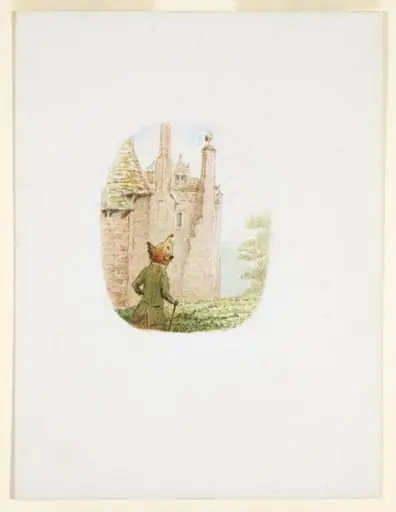 The fox looks up at the stork standing on top of a tower
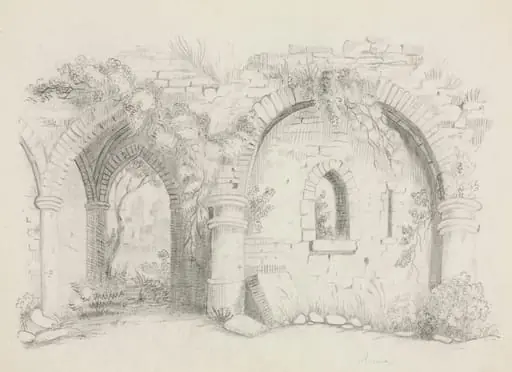 Ruins
Ruins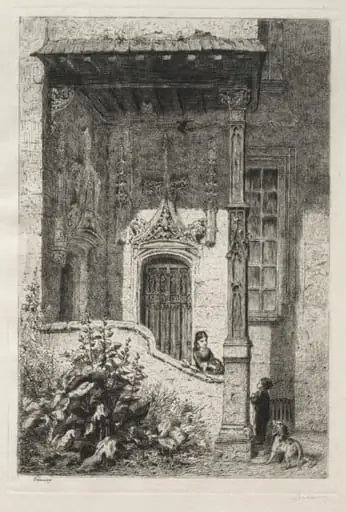 Maison dite de la Reine Blanche, Rue St. Hippolyte
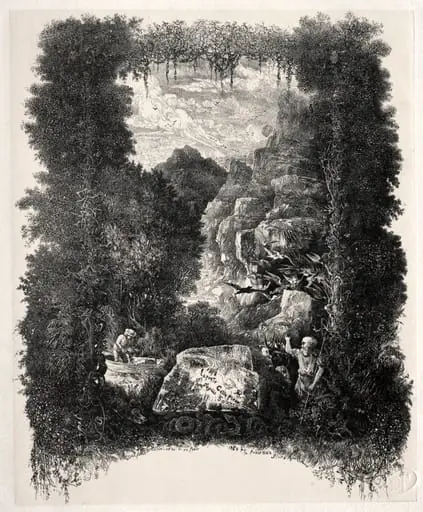 First frontispiece for Fables and Fairy-Tales by Thierry-Faletans
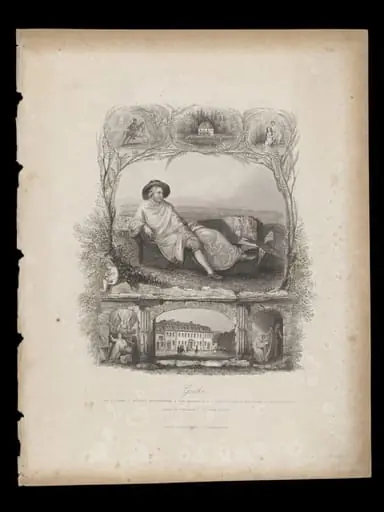 H Beard Print Collection
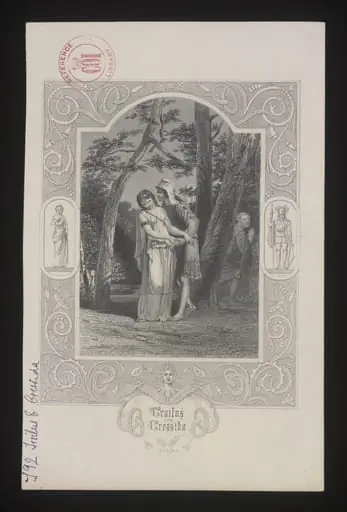 Troilus and Cressida
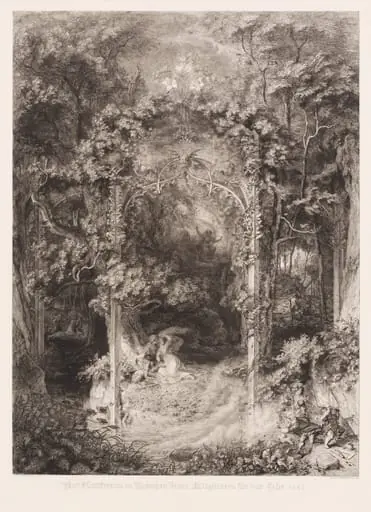 Das Waldfräulein (The Lady of the Forest)
 La galerie Notre-Dame, Paris (The Gallery of Notre Dame, Paris)