Subject
Castle
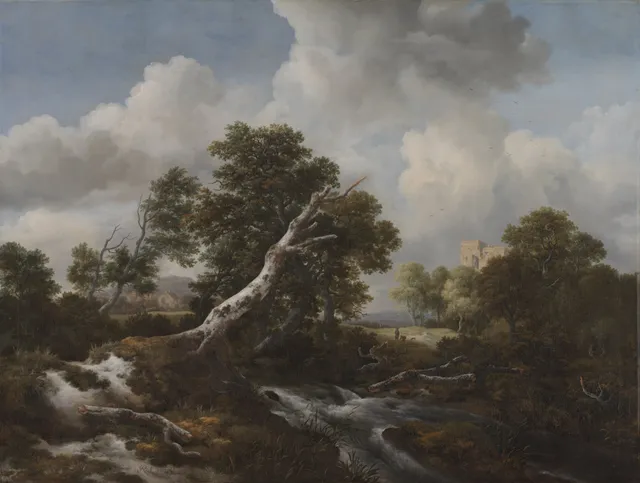
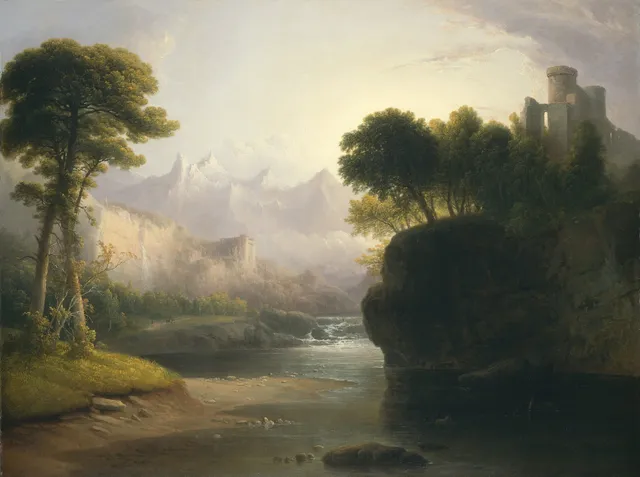
Castle is a subject in art. The gallery holds 108 works in this subject in art, including works by Jasper Francis Cropsey, Joseph Mallord William Turner and Arnold Böcklin.
A castle is a type of fortified structure built during the Middle Ages predominantly by the nobility or royalty and by military orders. Scholars usually consider a castle to be the private fortified residence of a lord or noble.
Key artists
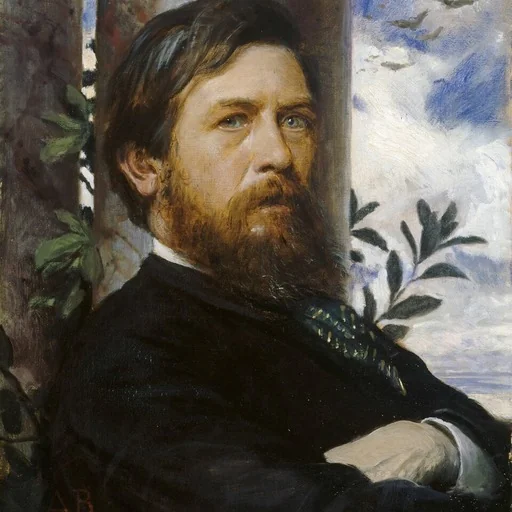

Artist
Overview
A castle is a type of fortified structure built predominantly during the Middle Ages by nobility, royalty, and military orders. Scholars generally define it as the private fortified residence of a lord or noble, distinguishing it from communal fortifications, unfortified palaces, and villas. Originating in Europe, Asia, and the Middle East, European castles emerged in the 9th and 10th centuries following the fall of the Carolingian Empire. As territory was divided among individual lords and princes, these rulers built castles to control the surrounding areas and populace. The structures served dual roles as both offensive bases for launching raids and defensive refuges from enemies, while also functioning as centers of administration and symbols of power.
Notable depictions
Several specific castles have achieved canonical status due to their historical weight and cultural recognition. The Tower of London, begun in the 1070s under William the Conqueror, features the White Tower, the largest English keep of its era at 107 by 118 feet and 90 feet high. Mont-Saint-Michel, a tidal island abbey off the Norman coast, withstood repeated sieges between 1424 and 1434 during the Hundred Years' War. The Cite de Carcassonne represents the largest fortified medieval city in Europe, with roughly 3 kilometers of concentric ramparts and around 52 towers. Beyond Europe, Himeji in Japan and Bran in Romania, the latter linked to Bram Stoker's imagination, hold significant cultural gravity. Bavaria's Neuschwanstein achieved global recognition as the silhouette Walt Disney borrowed for the Sleeping Beauty Castle.
Legacy
The legacy of the castle extends far beyond its medieval military and administrative functions. Today, these structures are vital cultural heritage sites and monuments that draw millions of visitors, with Versailles recording 8.4 million annual visitors and the Tower of London attracting around 2.9 million. Many castles have survived centuries of wars, peasant uprisings, and sieges, though few remain unchanged; architectural trends often prompted owners to transform brutal, gloomy fortresses into light, luxurious Renaissance residences. In the contemporary era, castles continue to shape spatial experiences distinct from the modern built environment, offering a fragment of historical lived experience. Their romanticized form remains a powerful cultural symbol, inspiring modern merchandise collections and digital reconstructions that aim to reconcile their ruined physical state with their historical and literary depictions.
Works
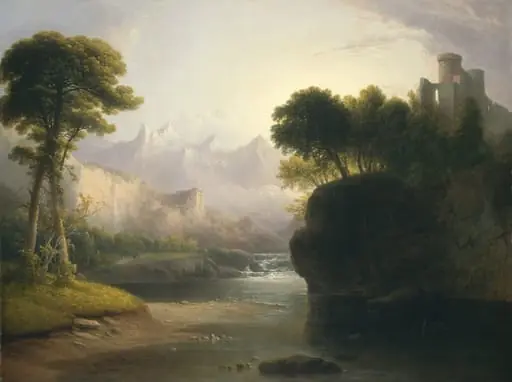 Fanciful Landscape
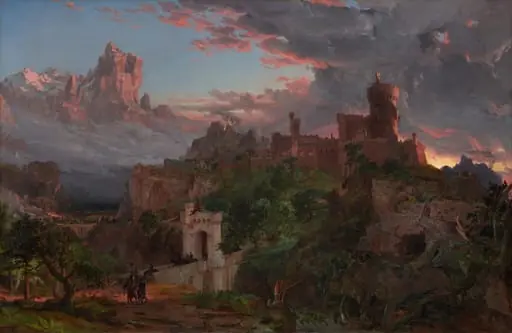 The Spirit of War
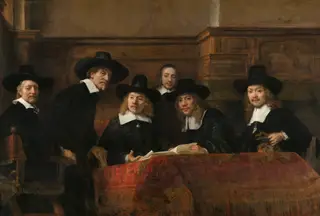 Syndics of the Drapers' Guild
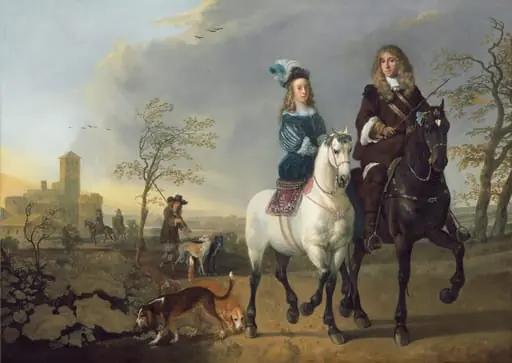 Lady and Gentleman on Horseback
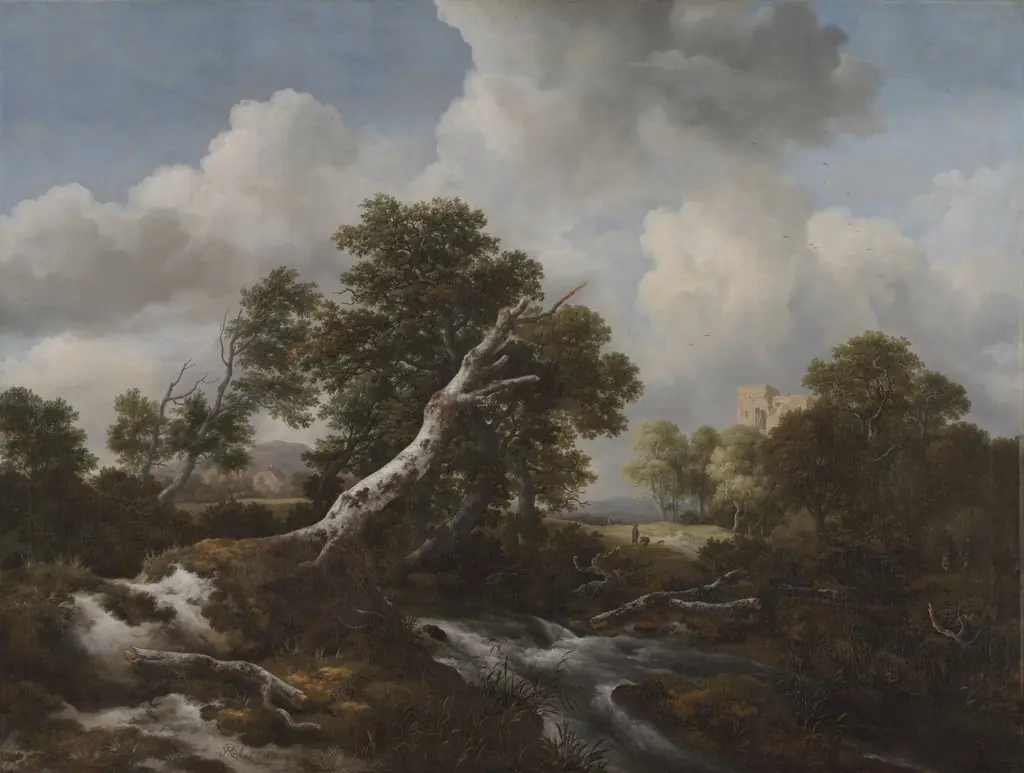 Low Waterfall in a Wooded Landscape with a Dead Beech Tree
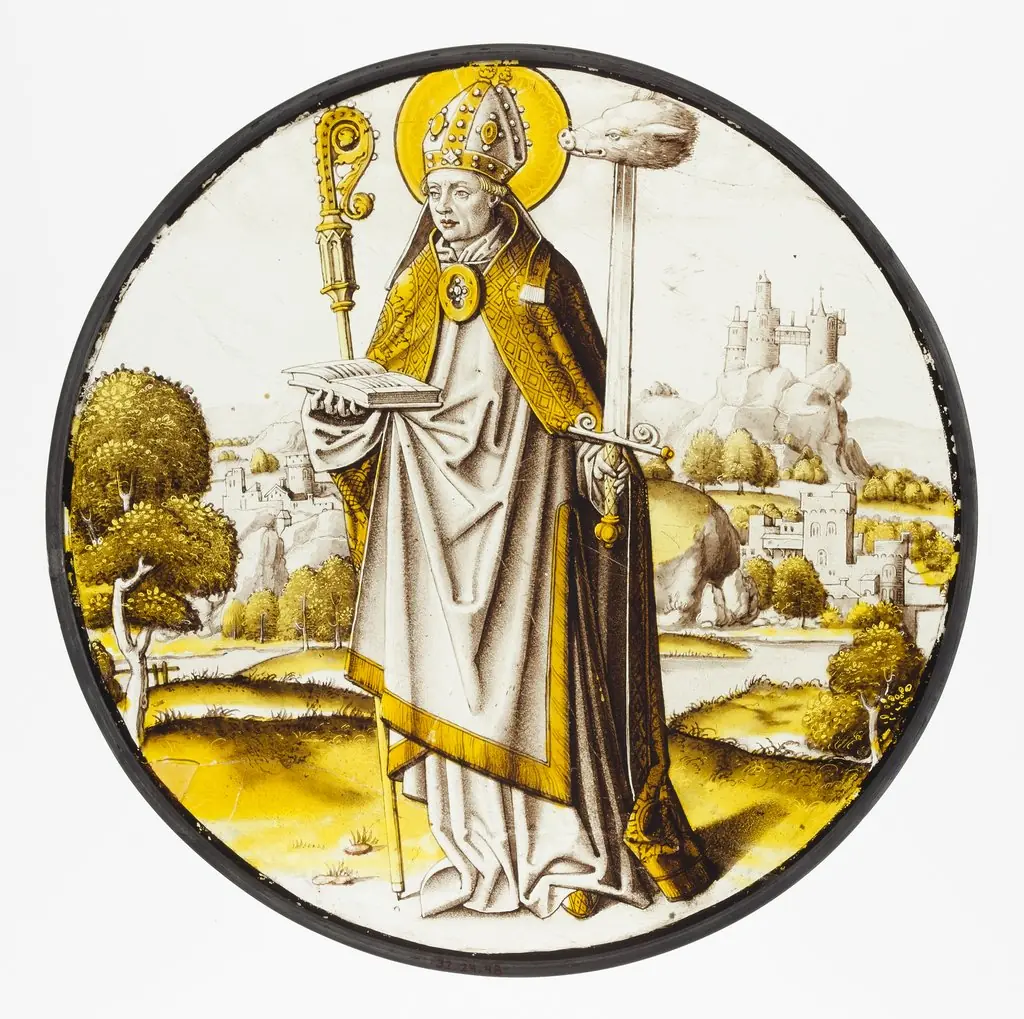 Roundel with Saint Lambrecht of Maastricht
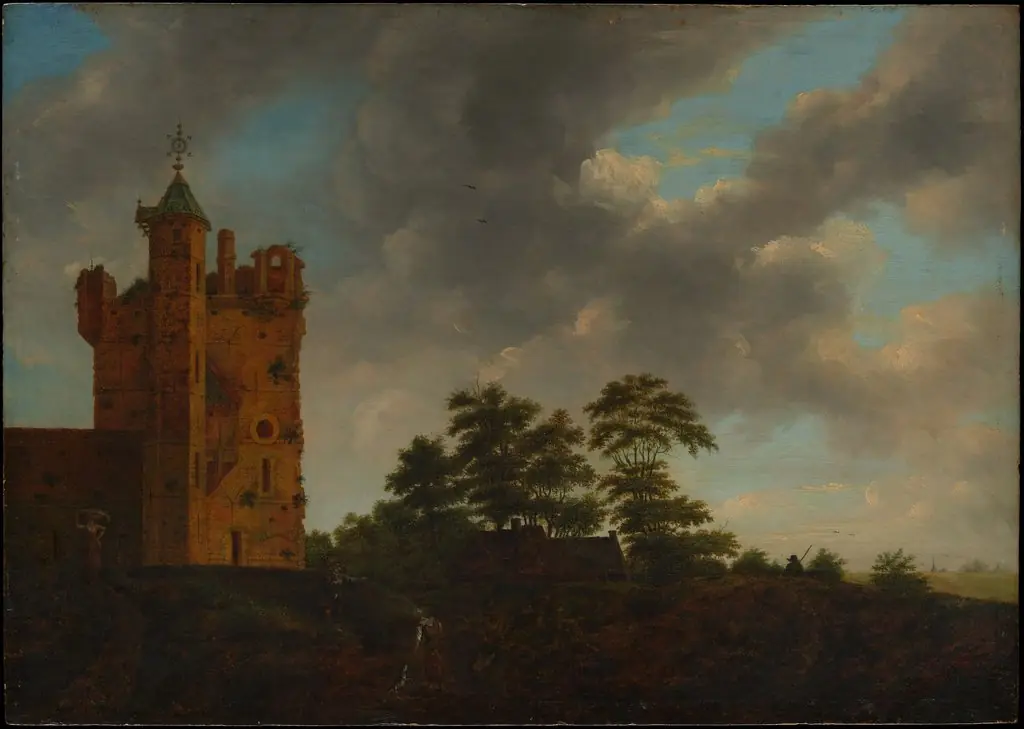 The Old Castle
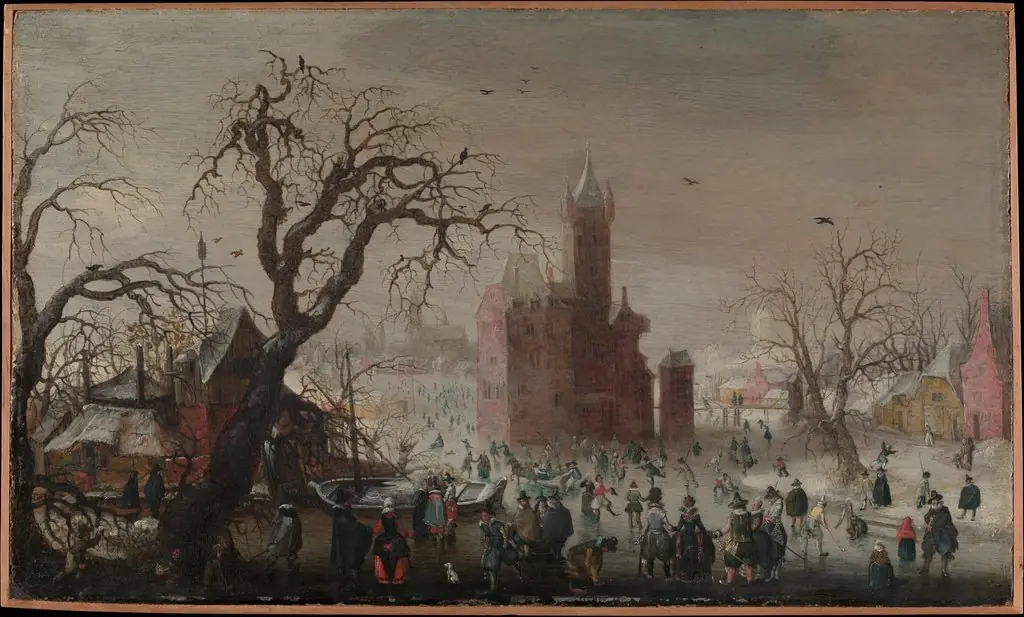 A Winter Landscape with Ice Skaters and an Imaginary Castle
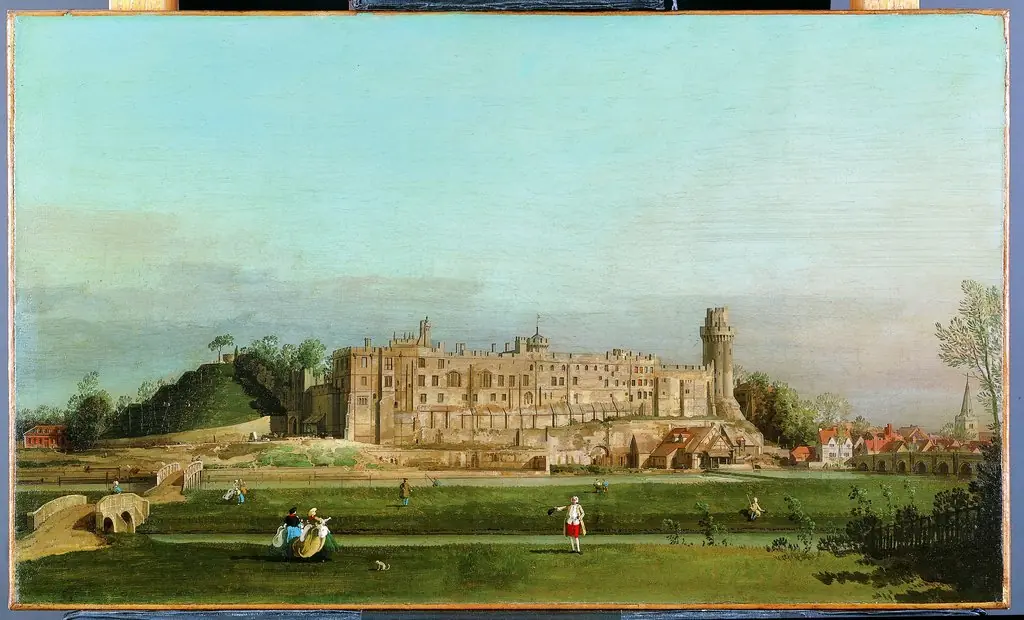 Warwick Castle
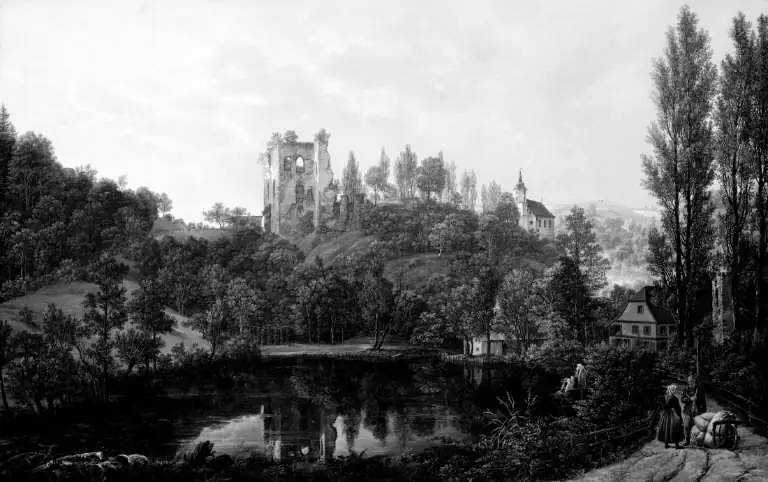 The Castle Ruin at Tharandt
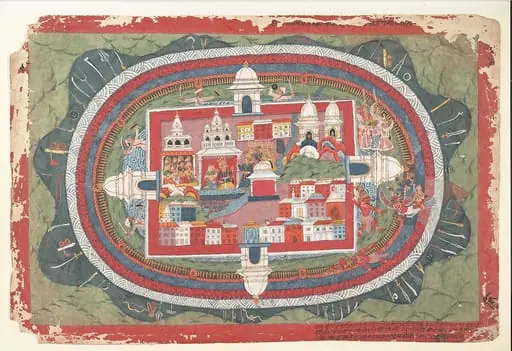 Untitled
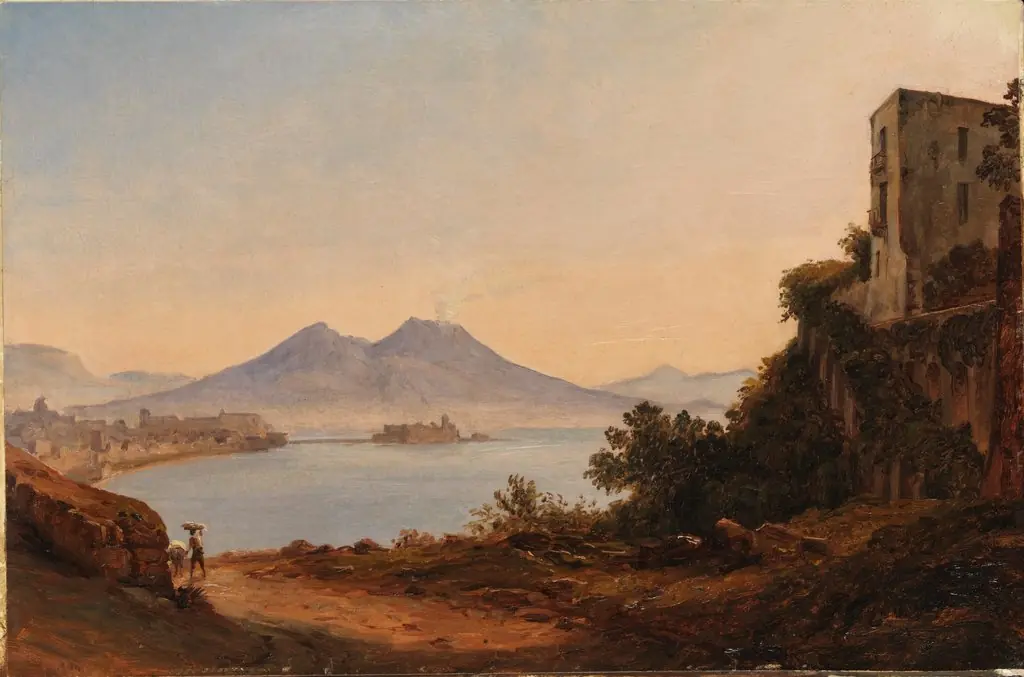 The Bay of Naples with Vesuvius and Castel dell'Ovo
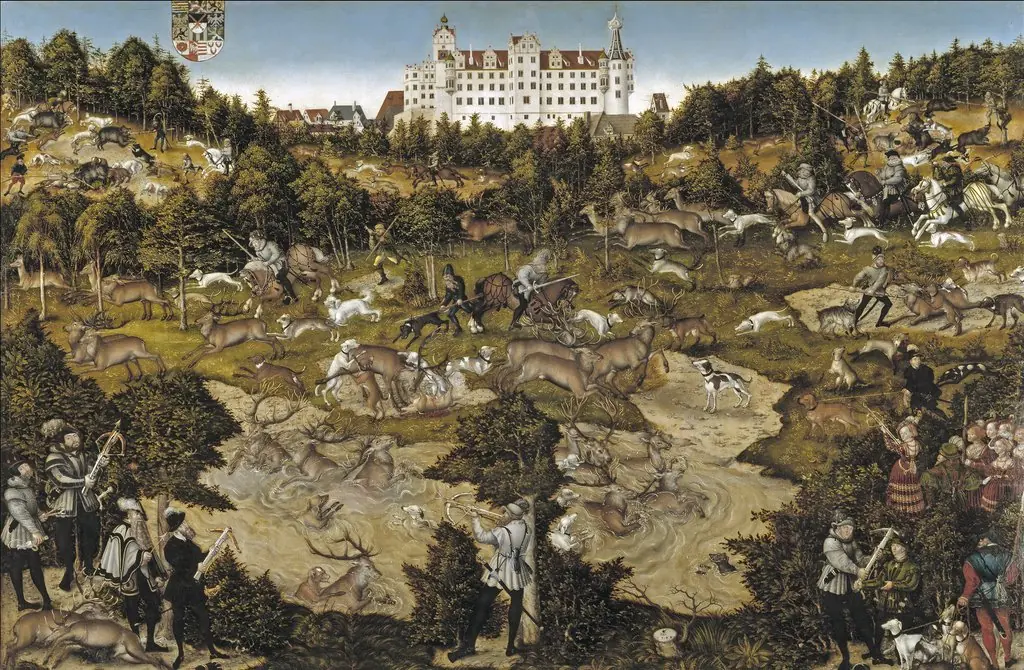 Hunt at the Castle of Torgau in honour of Charles V
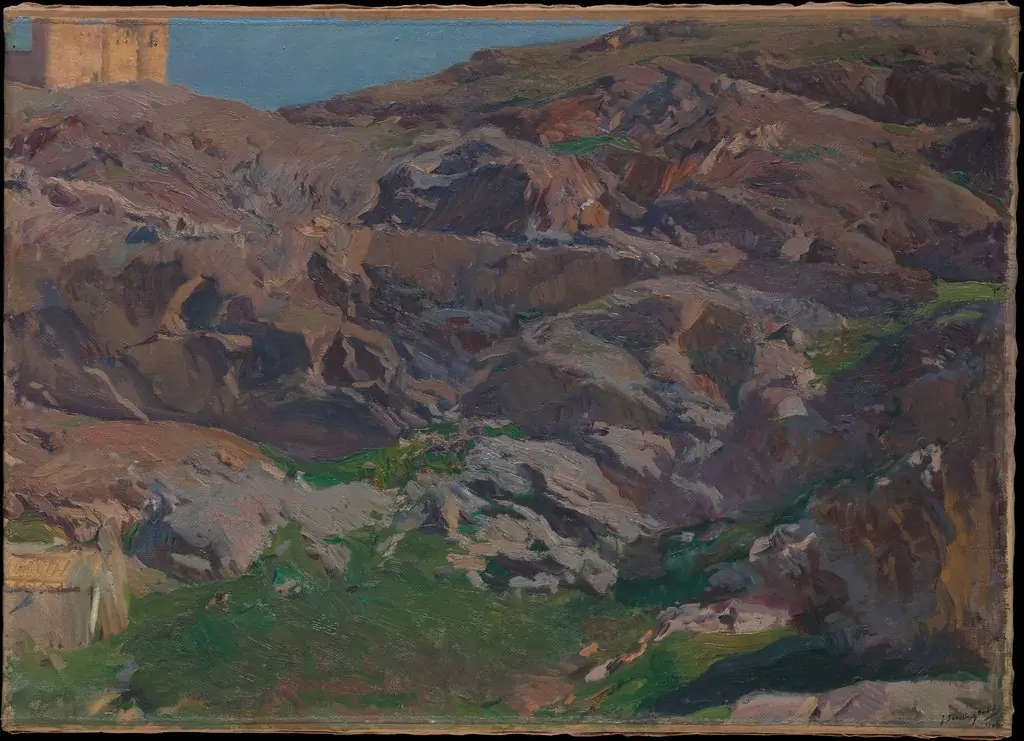 Castle of San Servando, Toledo
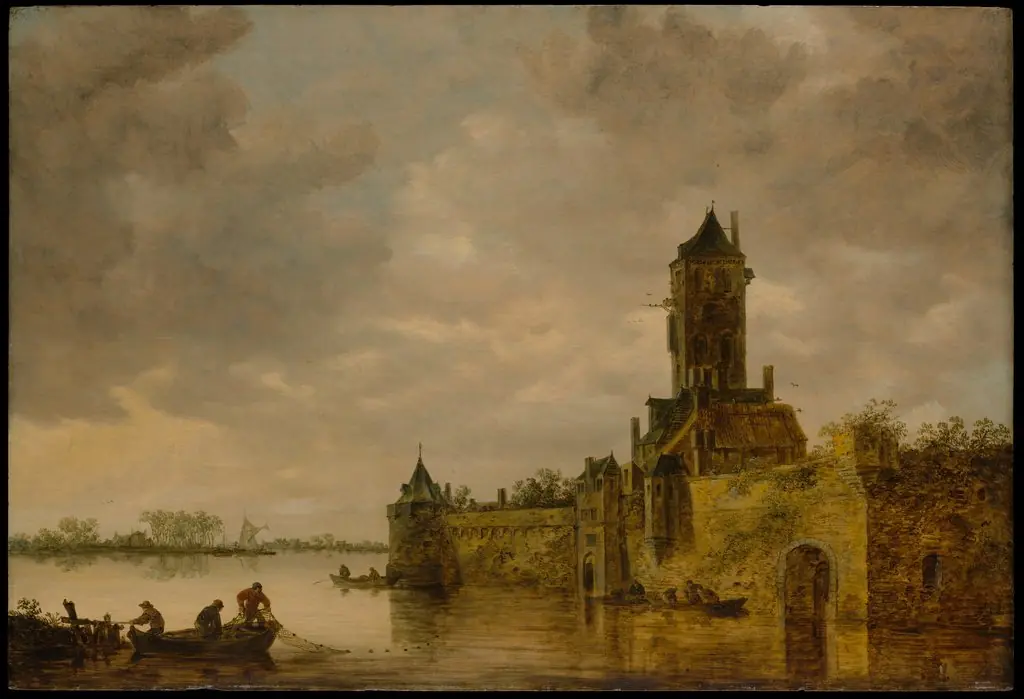 Castle by a River
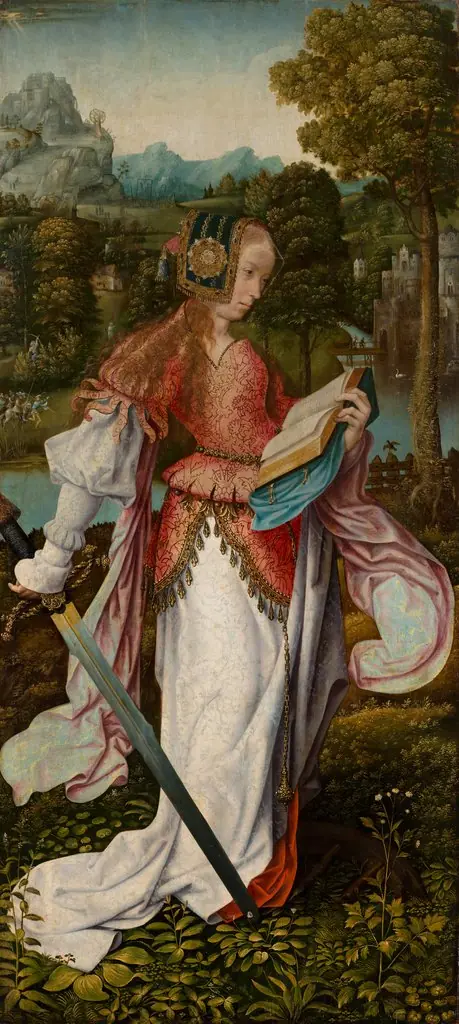 Saint Catherine
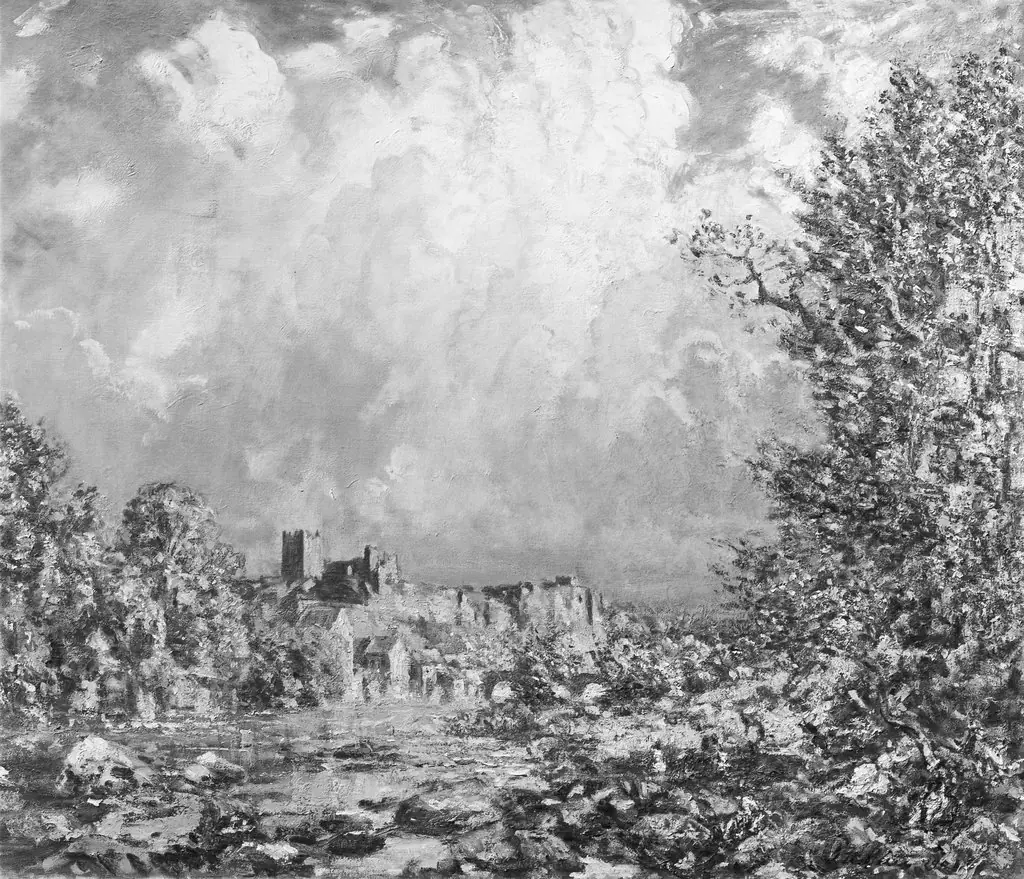 Richmond Castle, Yorkshire
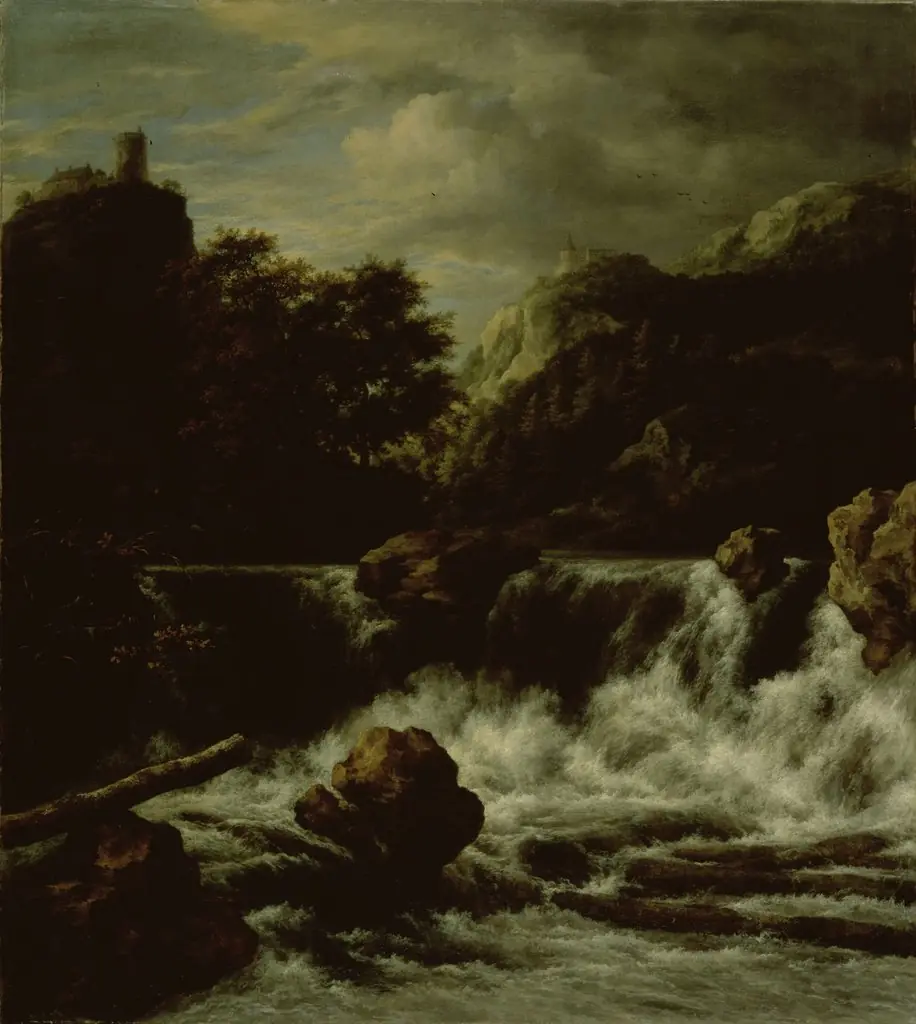 Mountainous landscape with waterfall
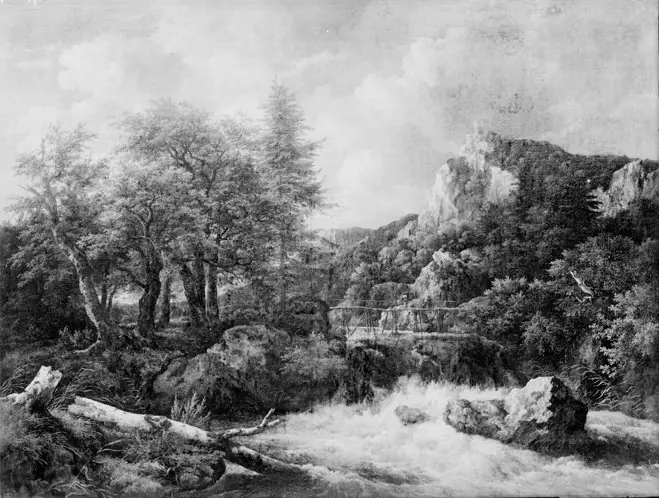 A Mountain Torrent
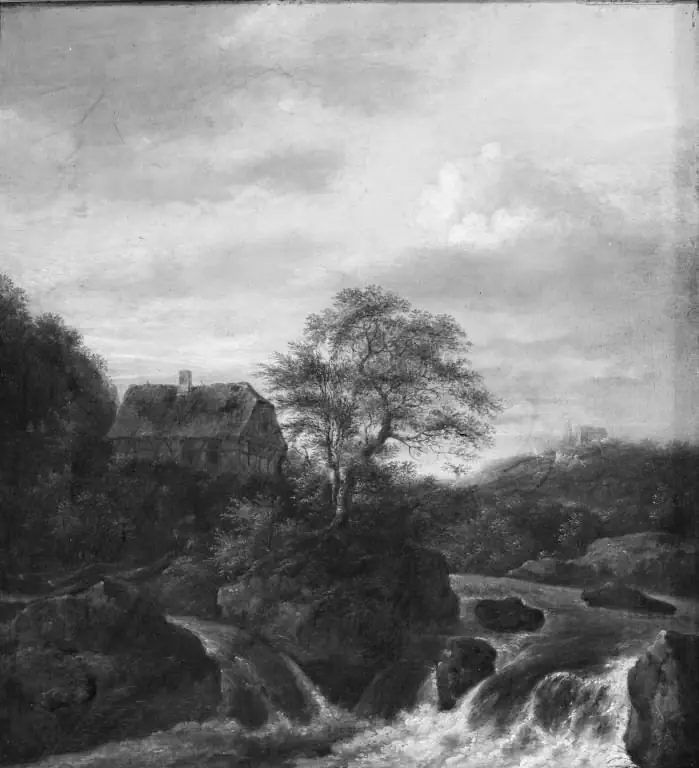 A Waterfall in a Rocky Region
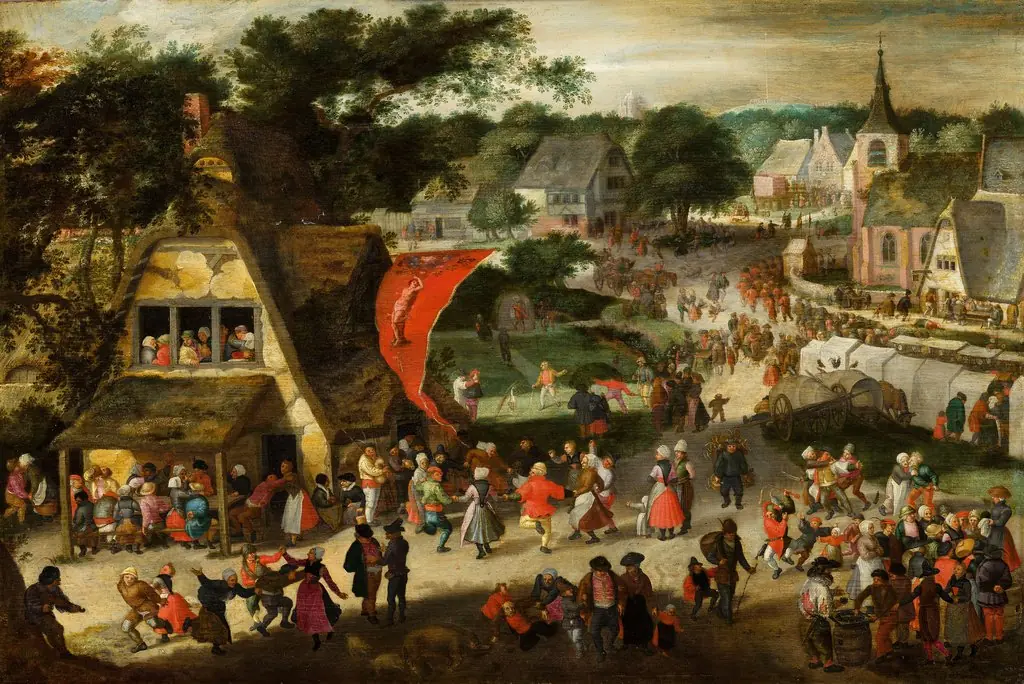 St. Sebastian fair in a Flemish village
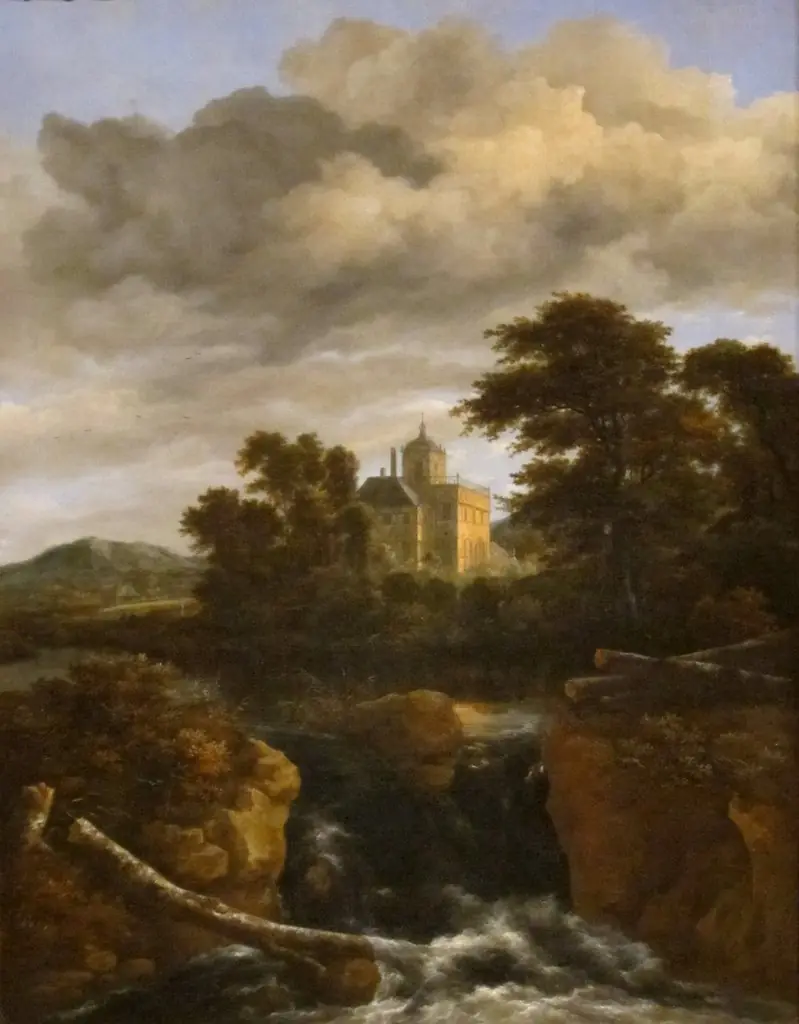 Rocky Landscape with Castle and Cascade
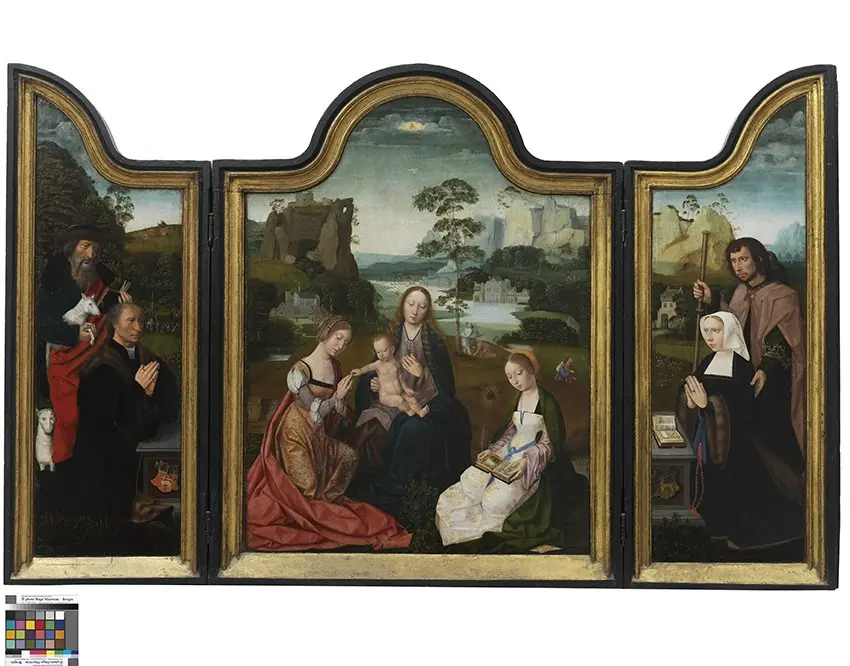 Madonna with the Saints Catherine and Barbara
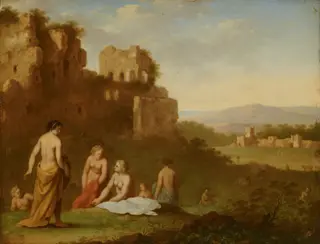 Nymphs Bathing
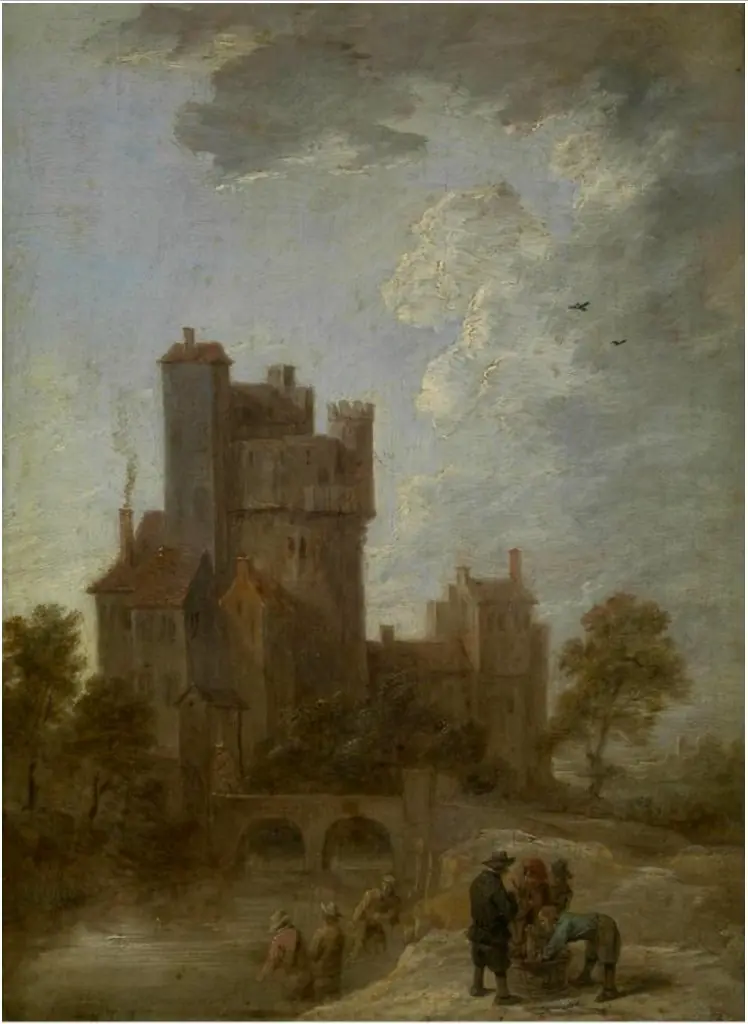 Morning
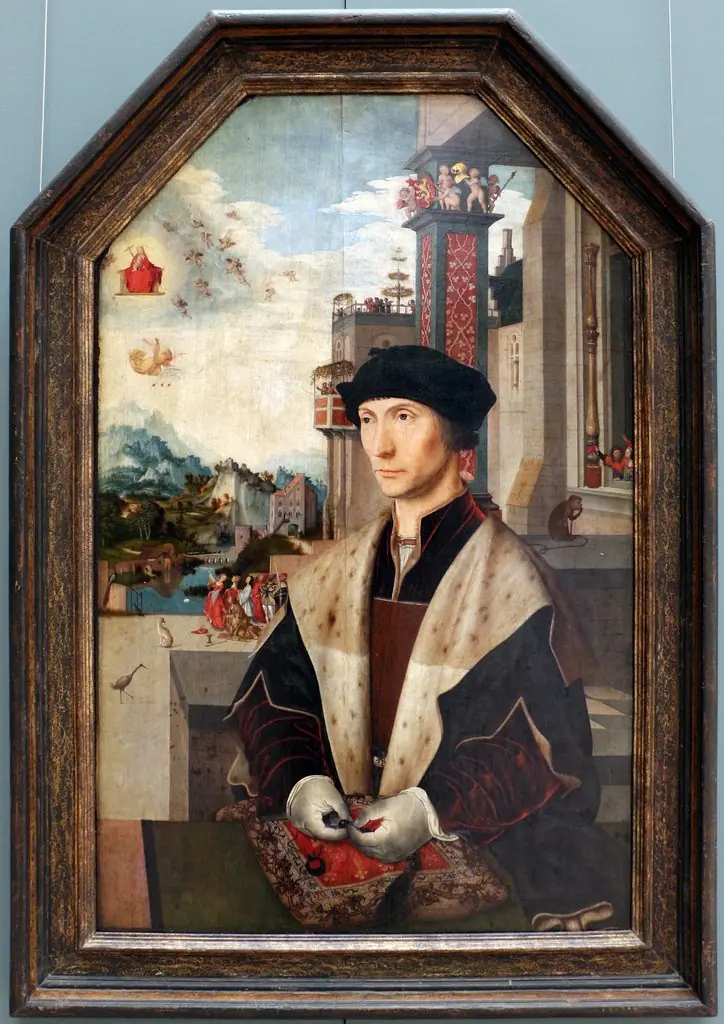 Portrait of the knight Abel van Coulster (1477-1548), representative to the Hof van Holland in 1512
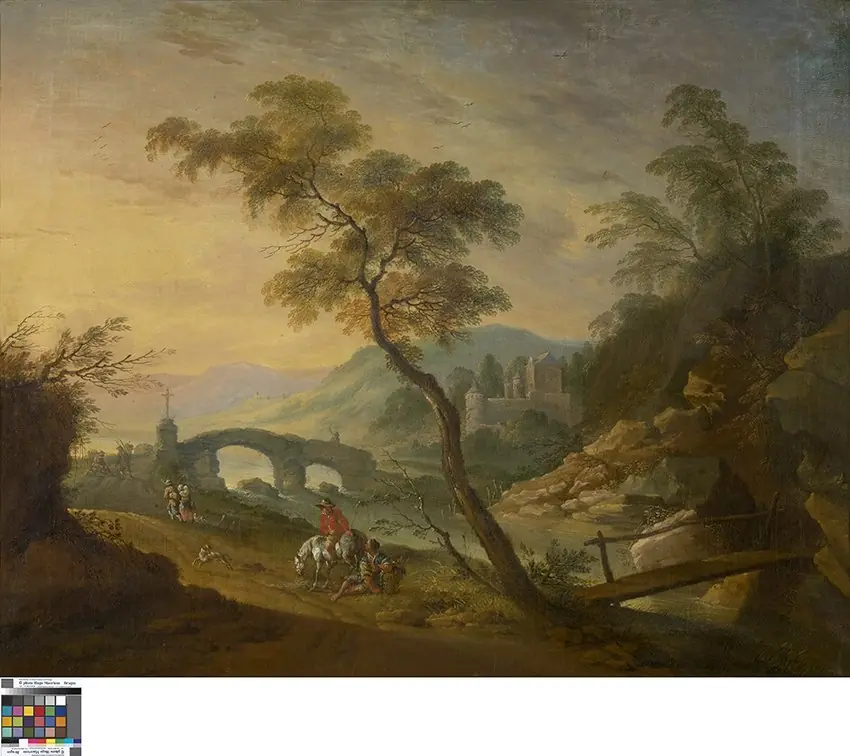 Landscape
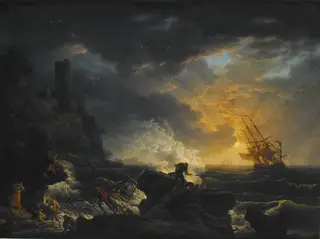 Shipwreck
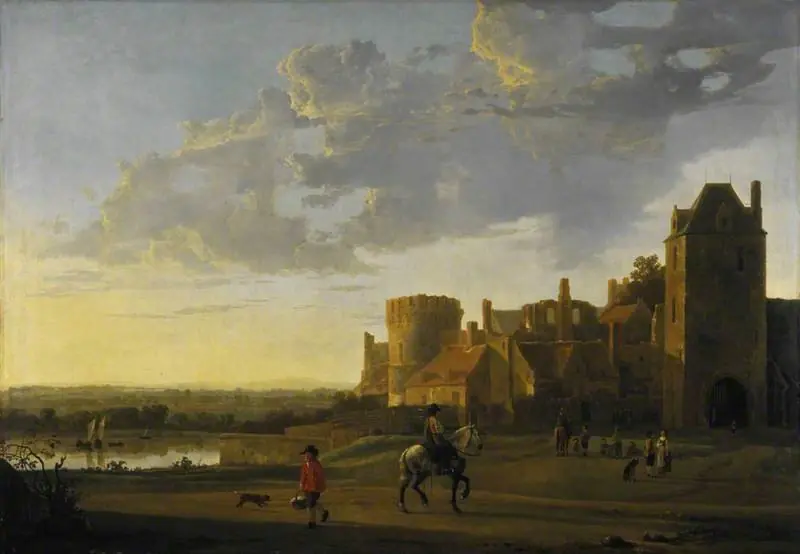 Landscape with a View of the Valkhof, Nijmegen
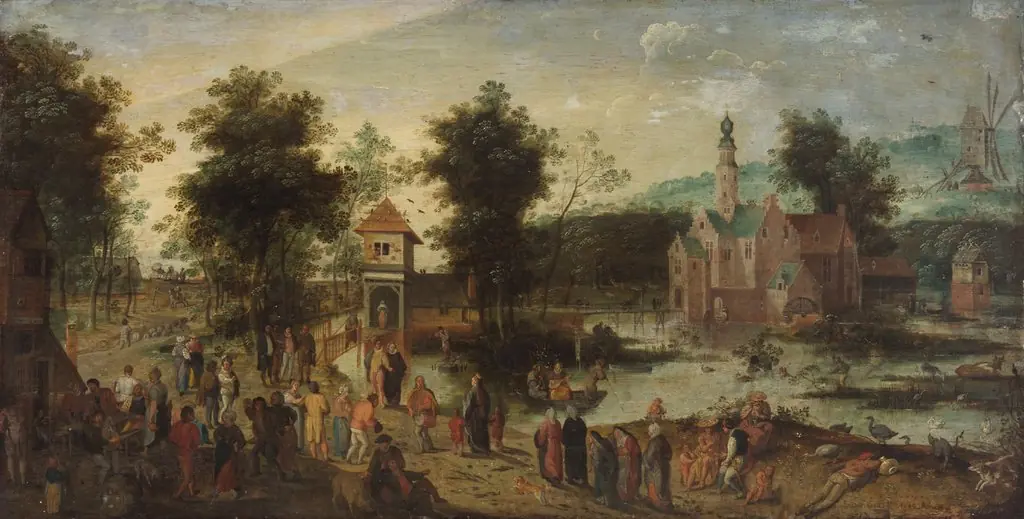 Landscape with castle and tavern
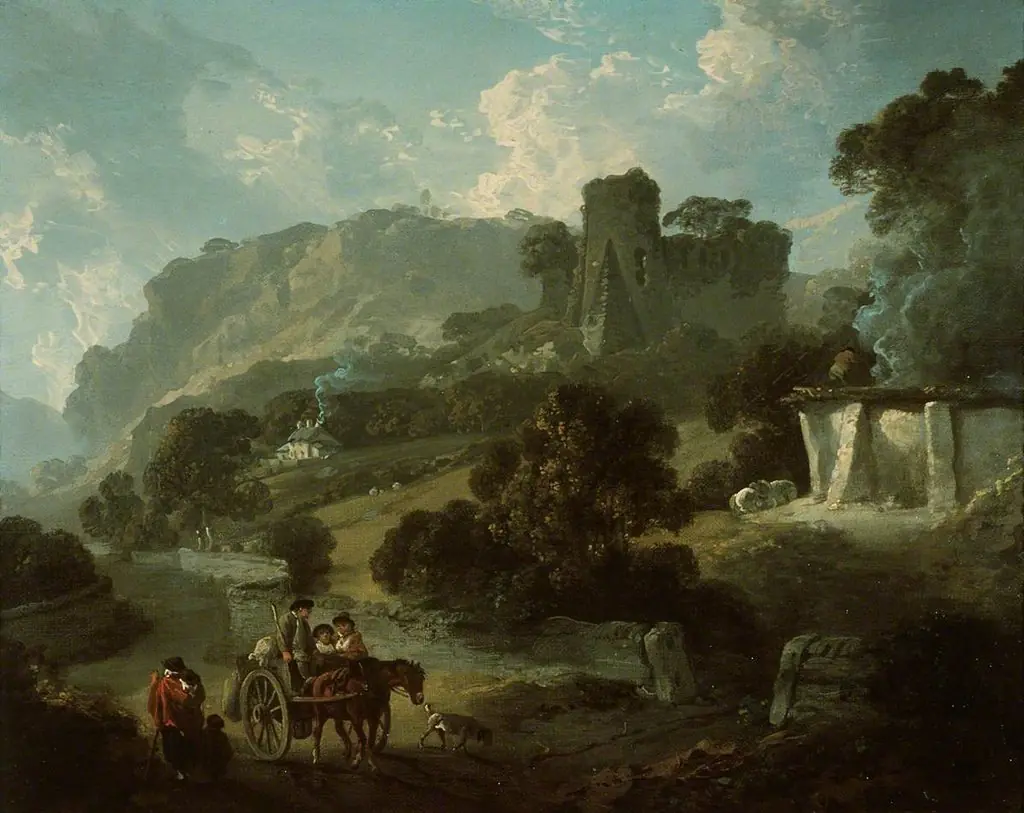 Return from Market, Castell Coch
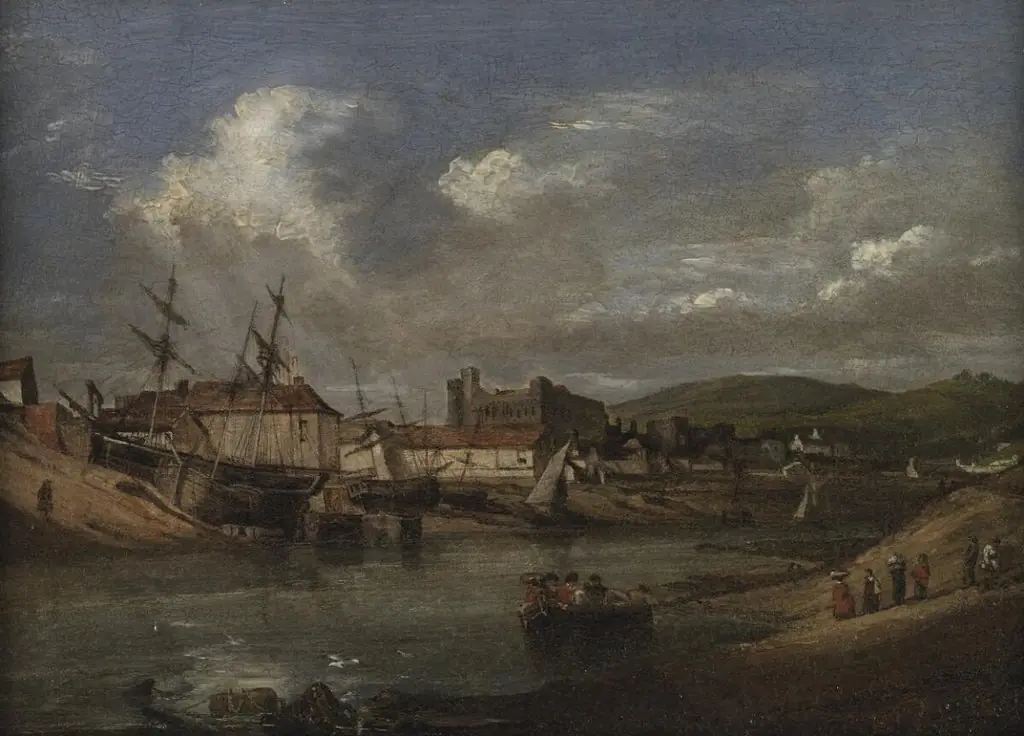 Swansea ferry
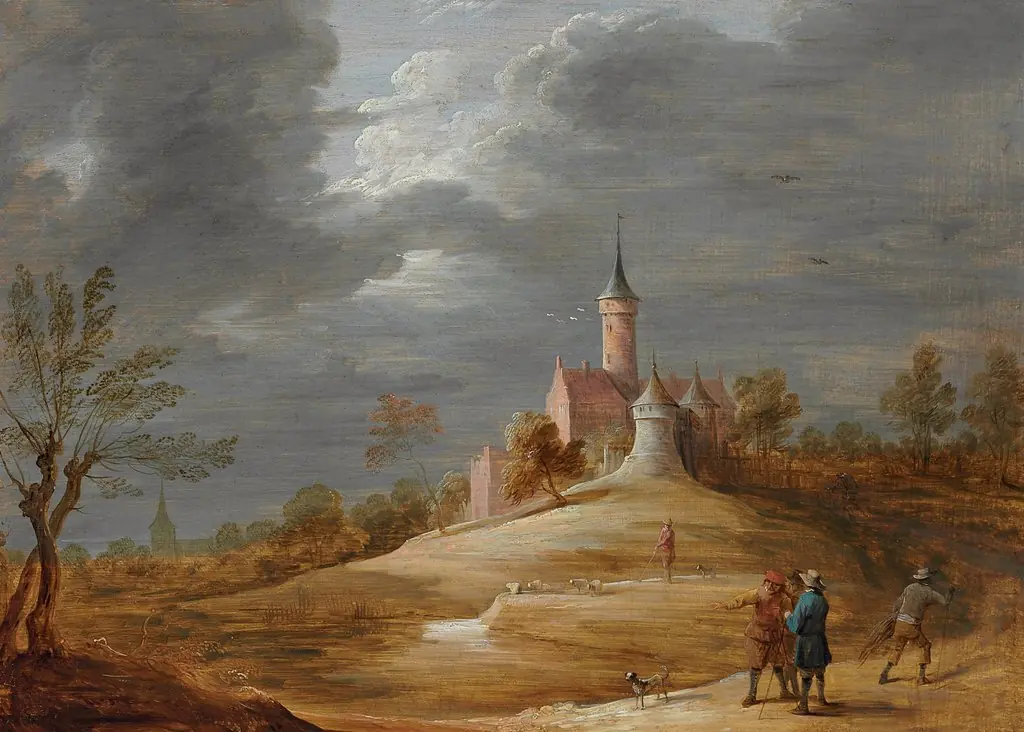 Figures in a landscape with a castle beyond
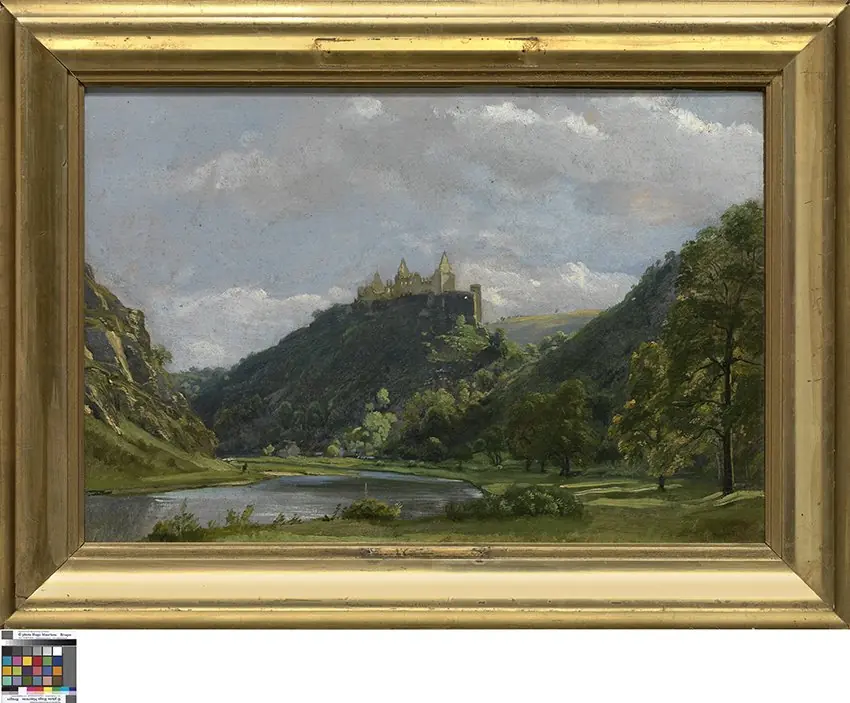 Mountain landscape near Vianden
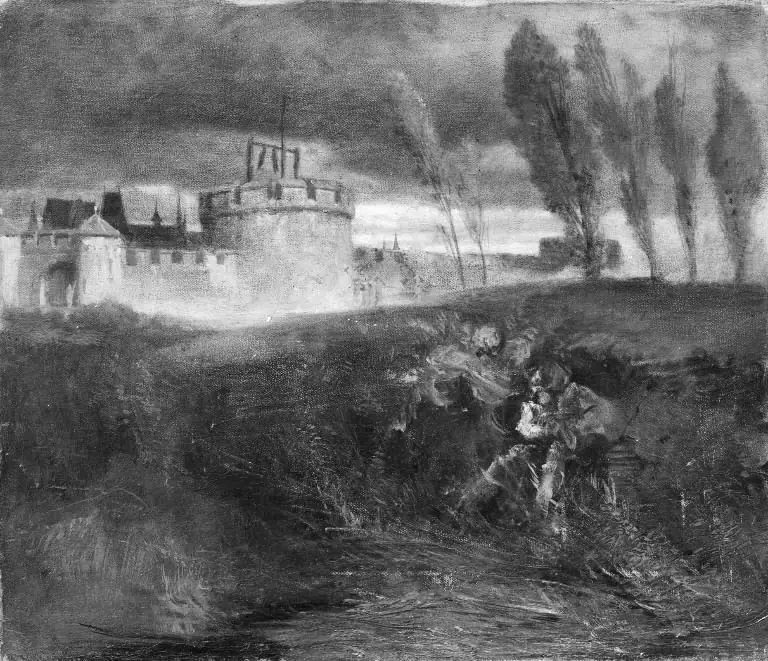 Landscape with Castle
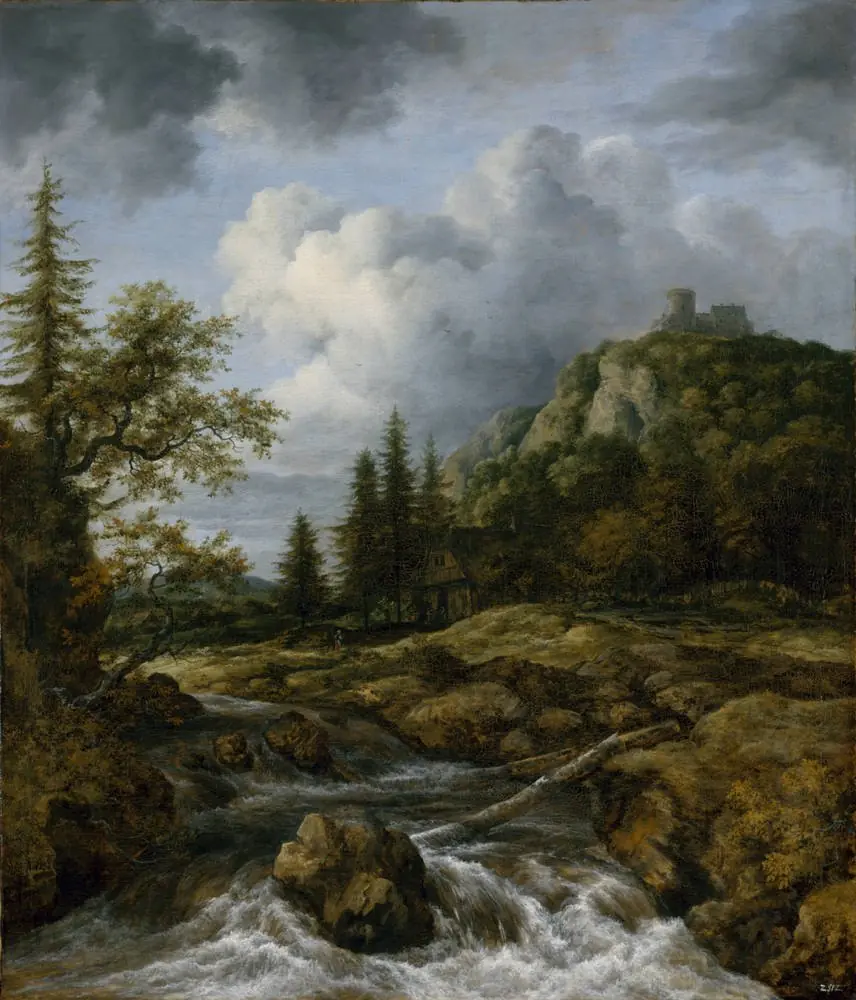 The Waterfall before the Mountain Castle
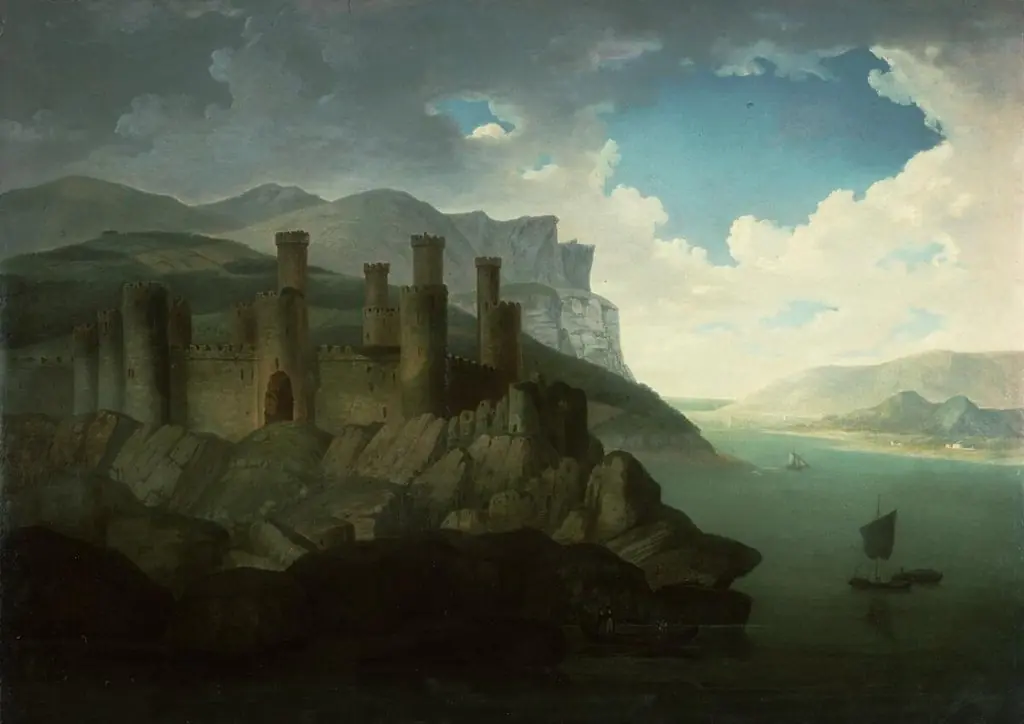 Conwy Castle
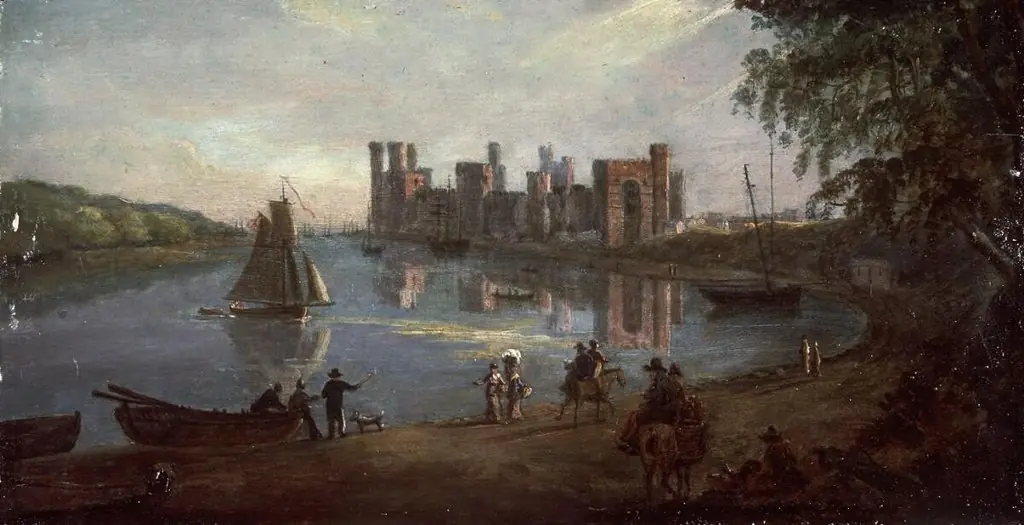 Caernarfon Castle
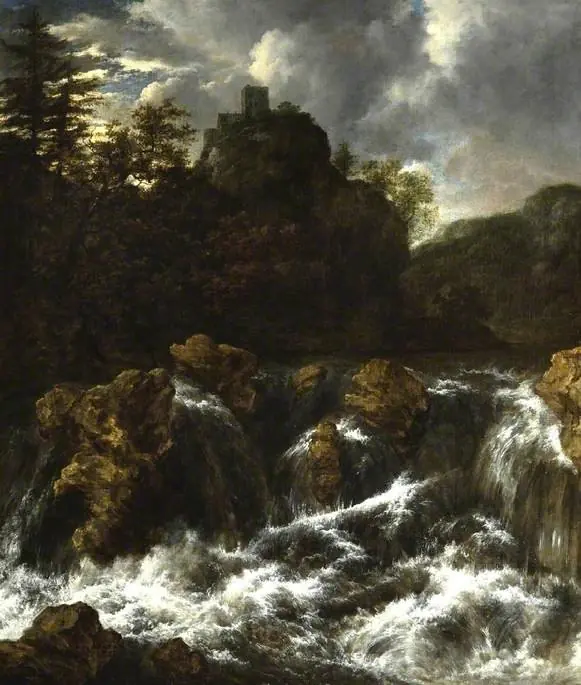 Landscape with waterfall
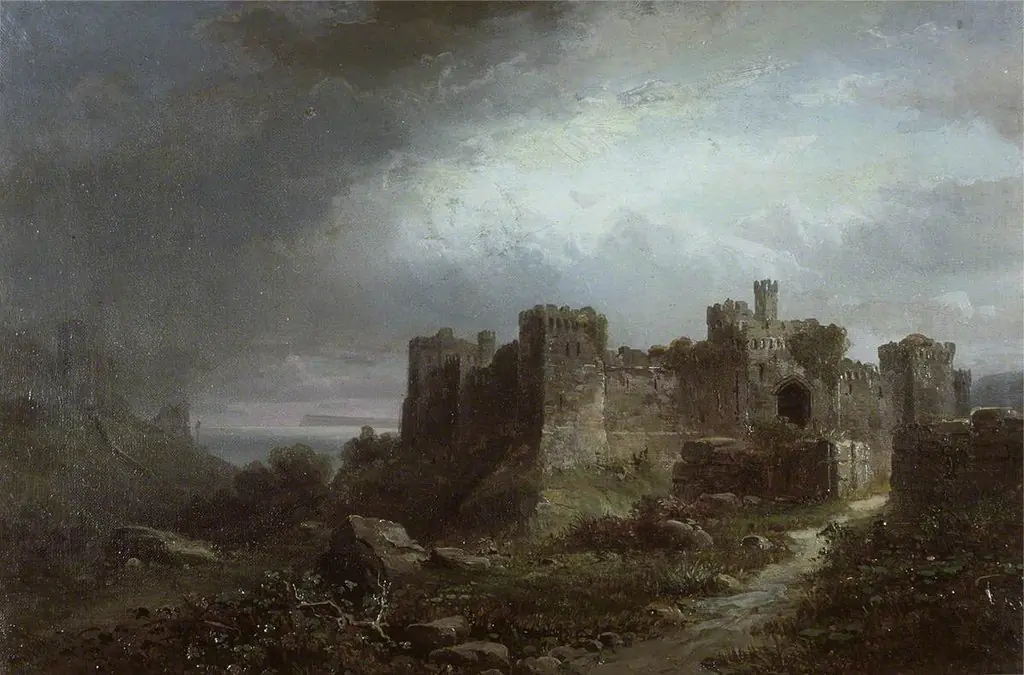 Manorbier Castle
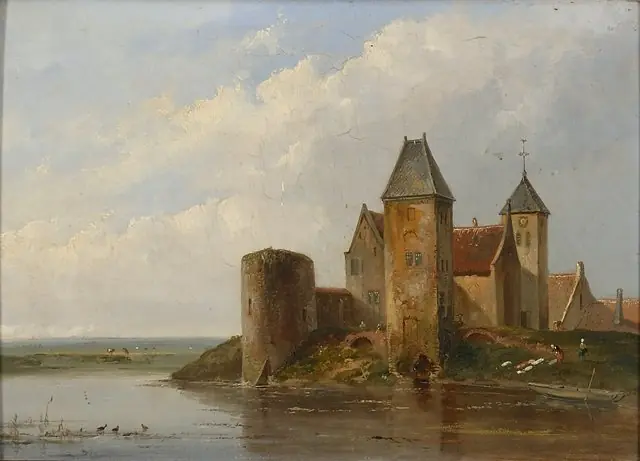 The Castle Radboud in Medemblik
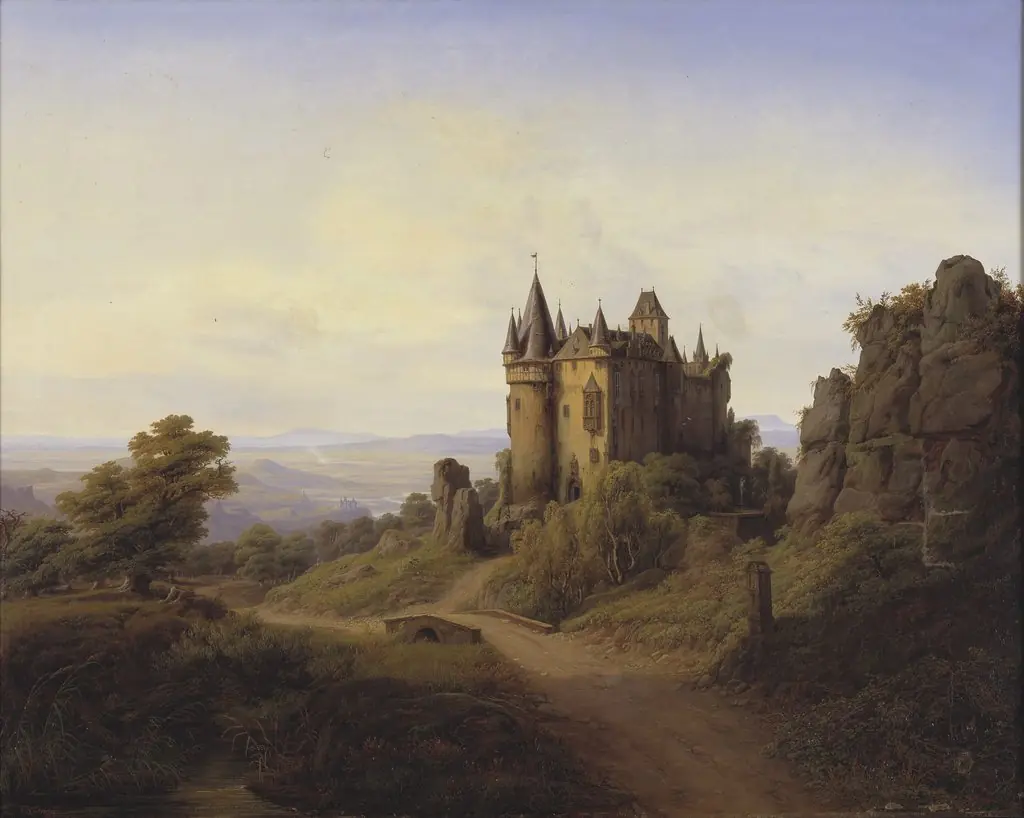 Slottet Büresheim ved Eifelfloden
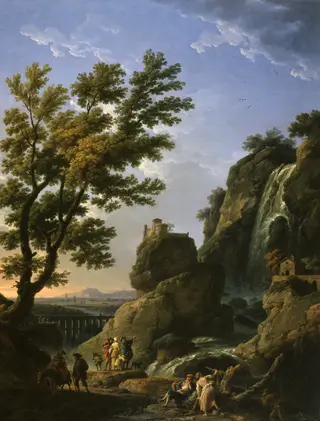 Landscape with Waterfall and Figures
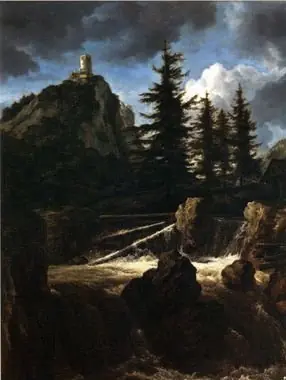 Castle on a Mountain with a Waterfall and Pine trees
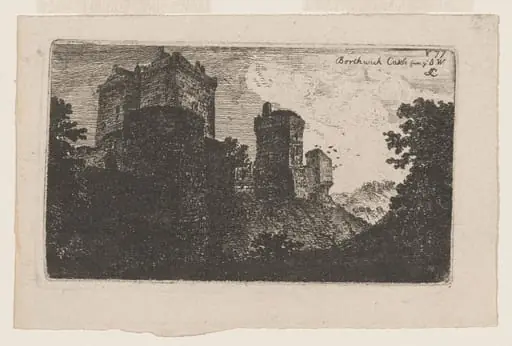 Borthwick Castle from the Southwest
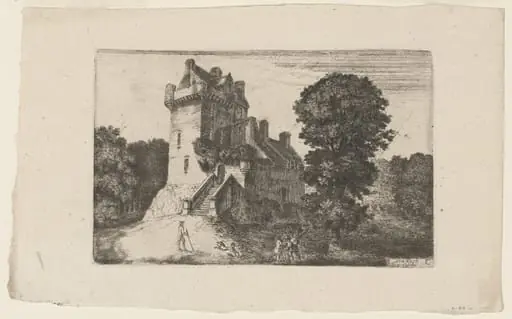 Newark Castle II
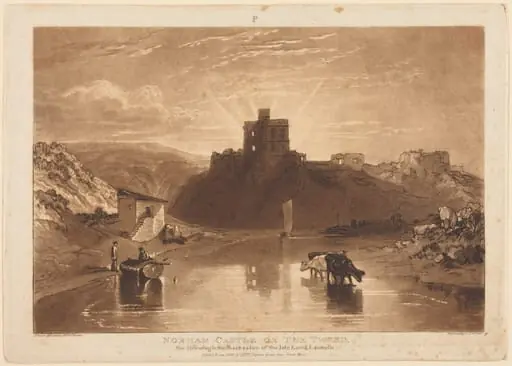 Norham Castle
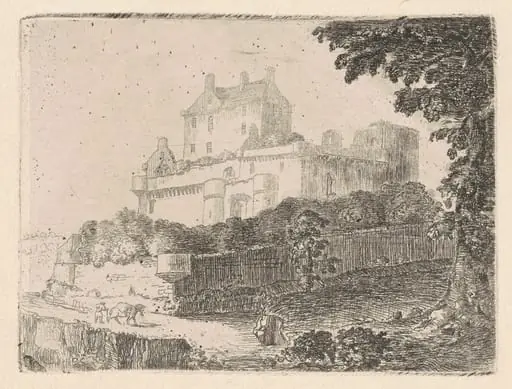 Dalhousie Castle I
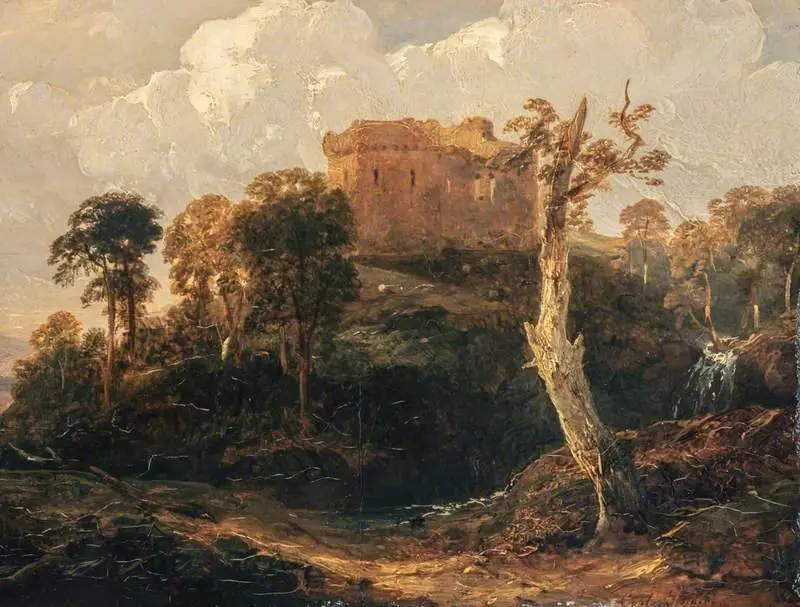 Newark Castle
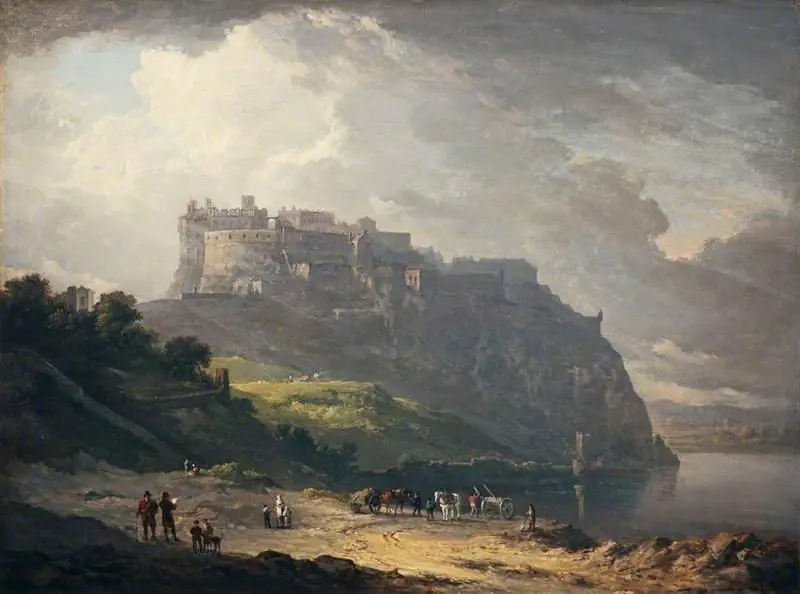 Edinburgh Castle and the Nor' Loch
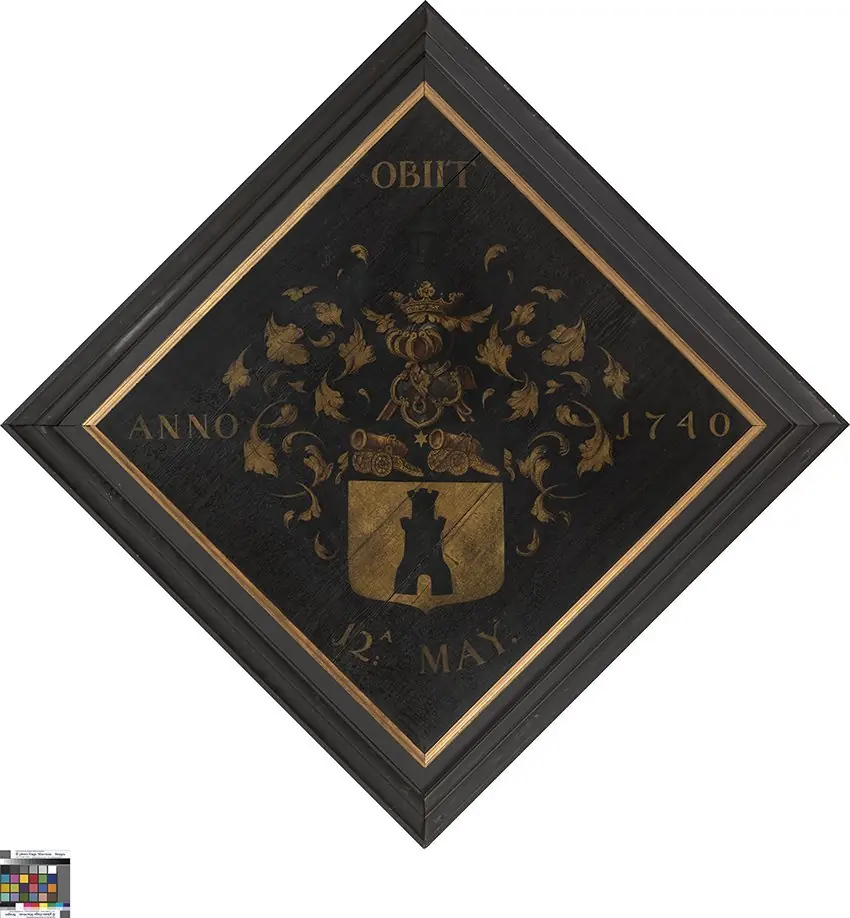 Memorietafel
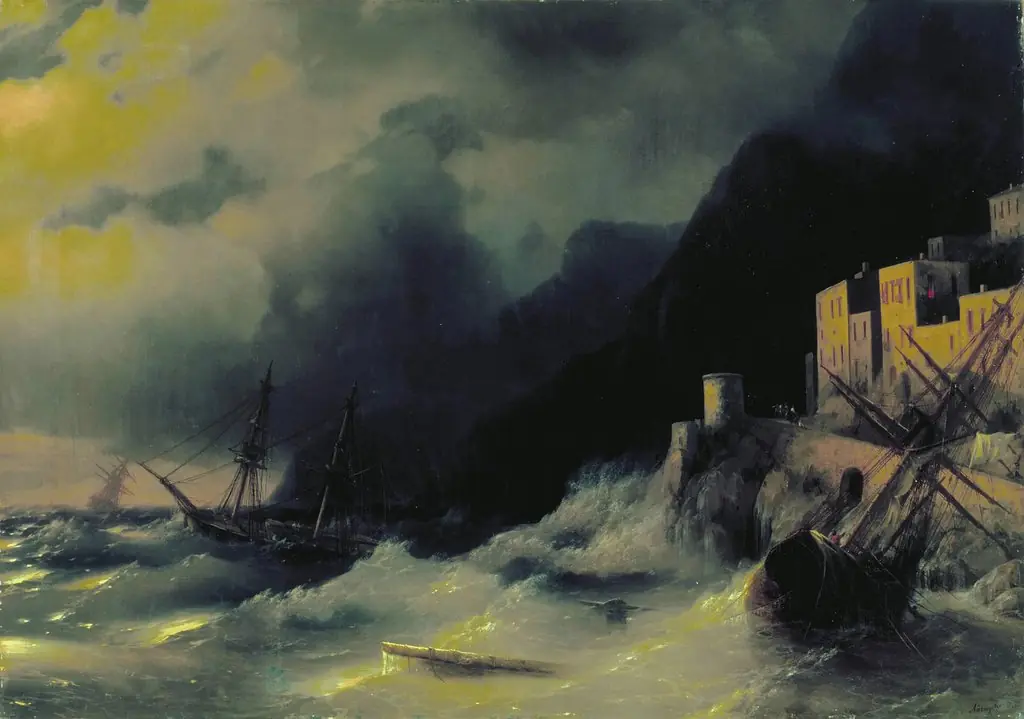 Storm at sea
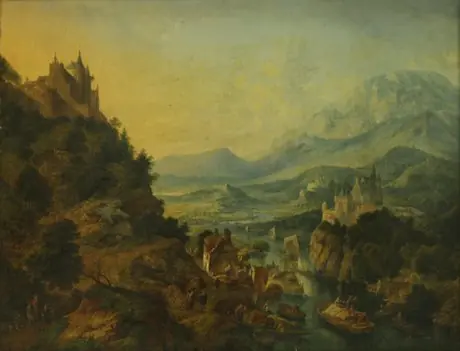 Landscape with river
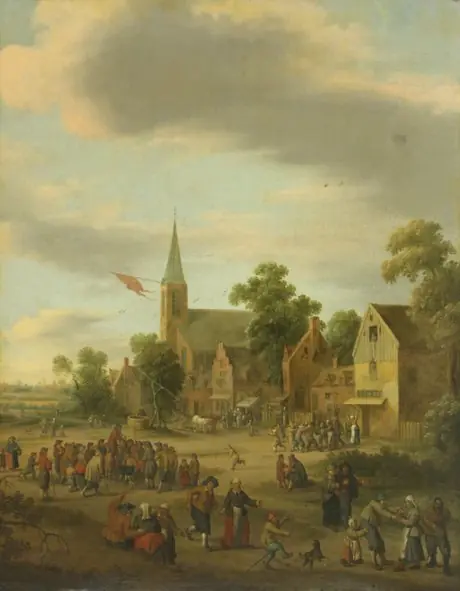 Village street. Red letter day
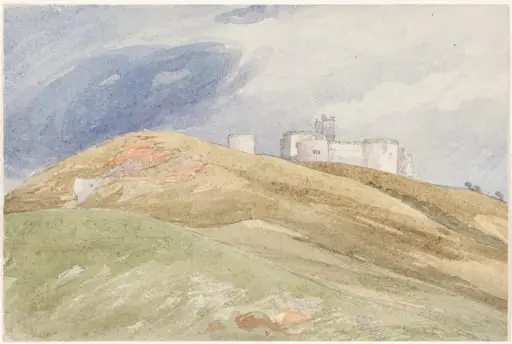 Castle on a Hill
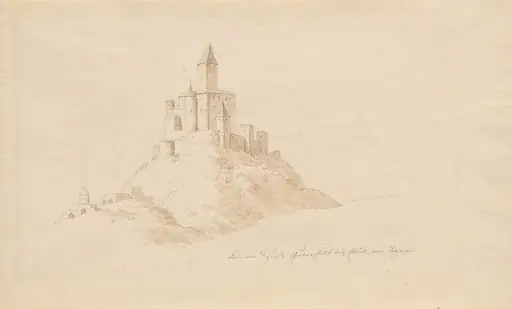 Das alte Schloss Gutenfeis bei Caub am Rhein
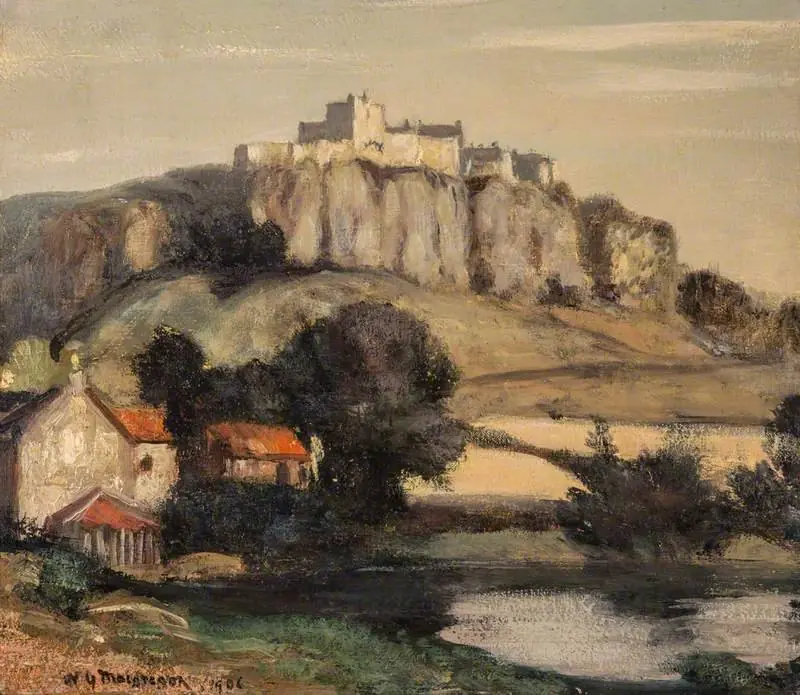 A Castle on a Cliff
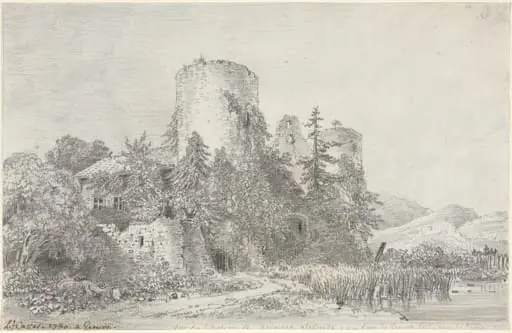 Vue du Chateau de Saconnex
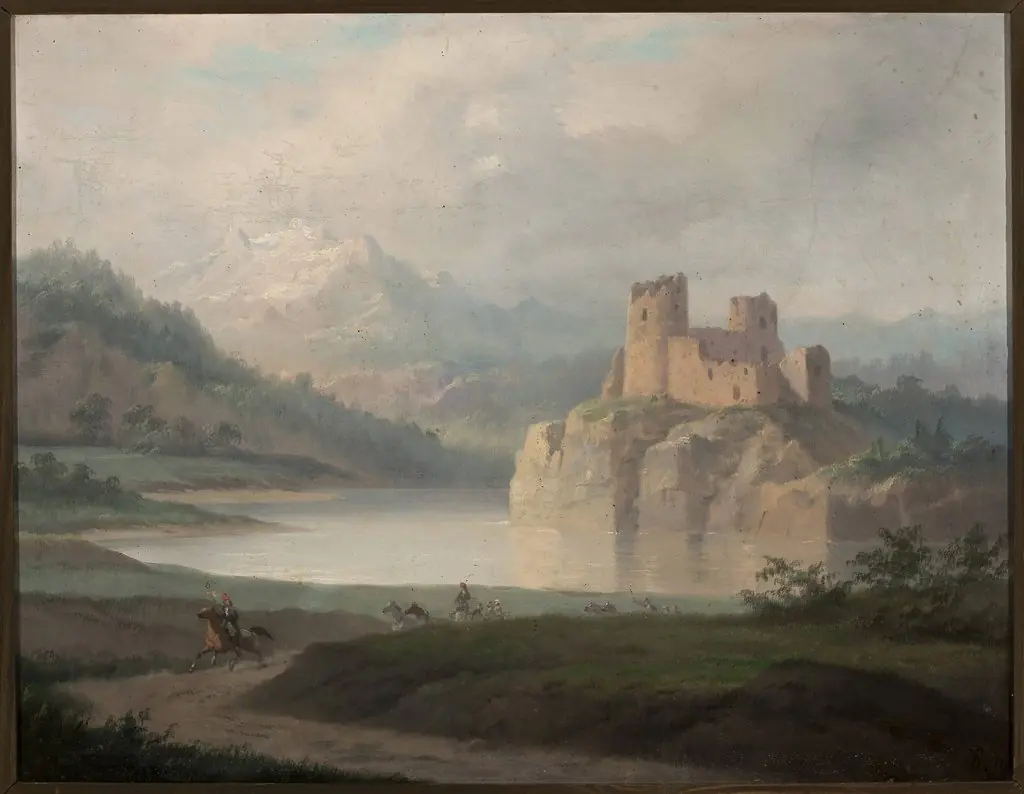 Ruins of the castle in Czorsztyn
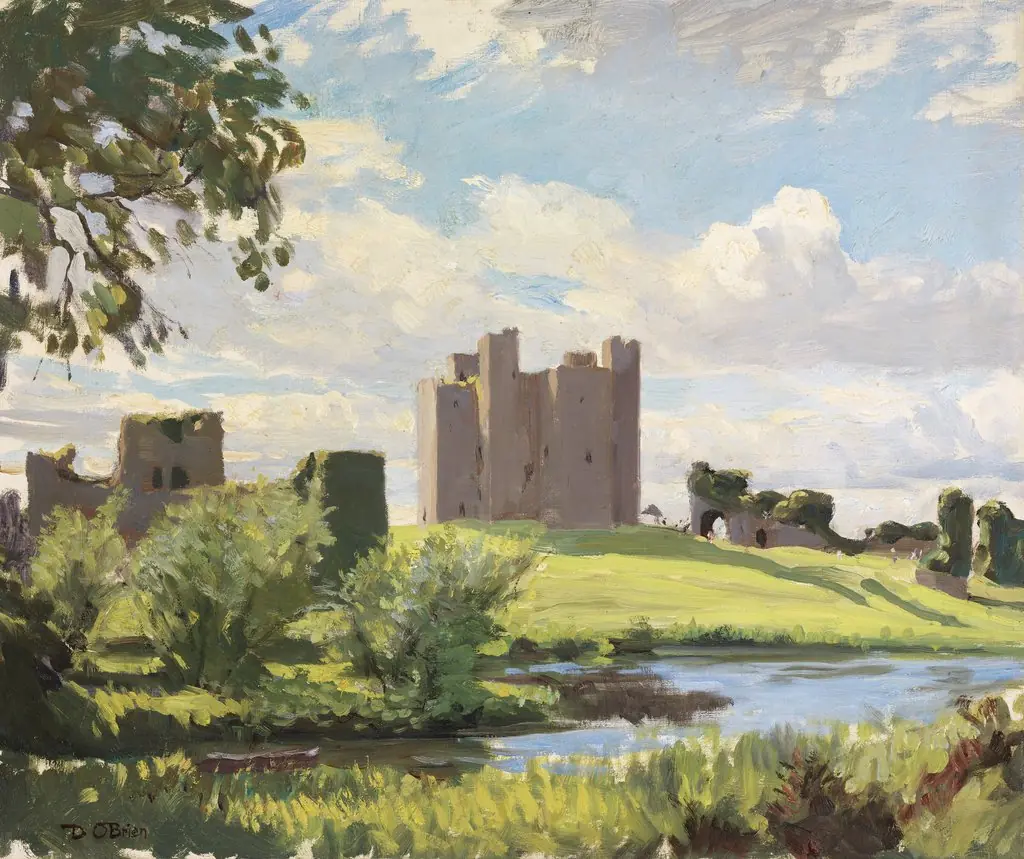 Trim Castle, County Meath
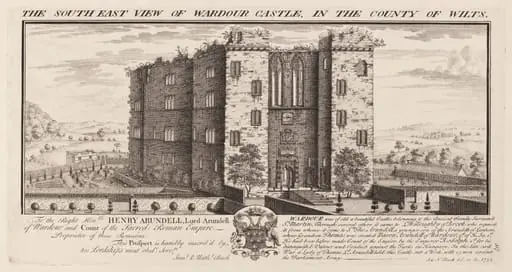 The South-East View of Brough-Castle, in the County of Westmorland
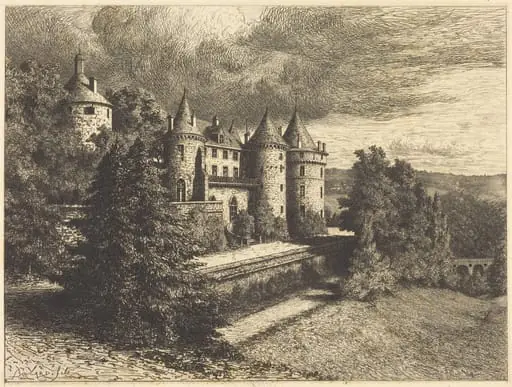 Château on a Rise
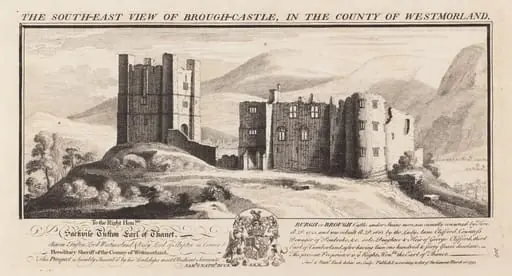 The South-East View of Wardour Castle, in the County of Wilts
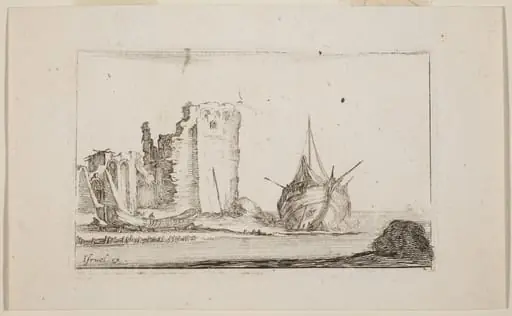 Marine
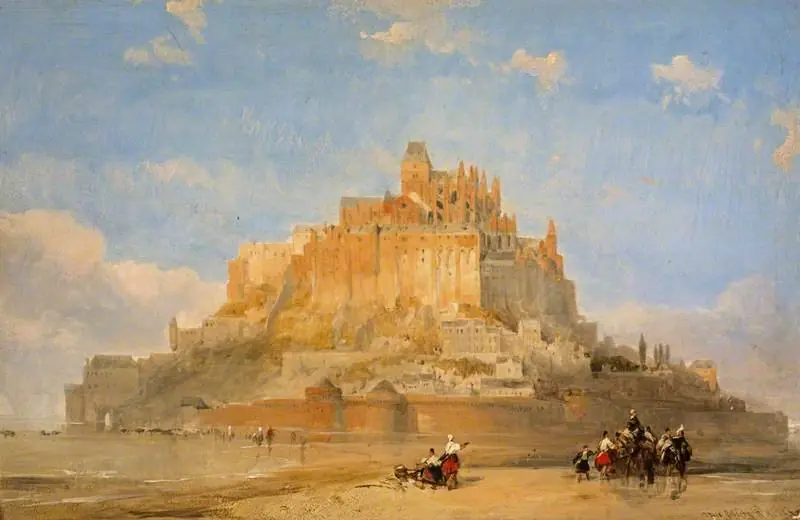 Mont St Michel
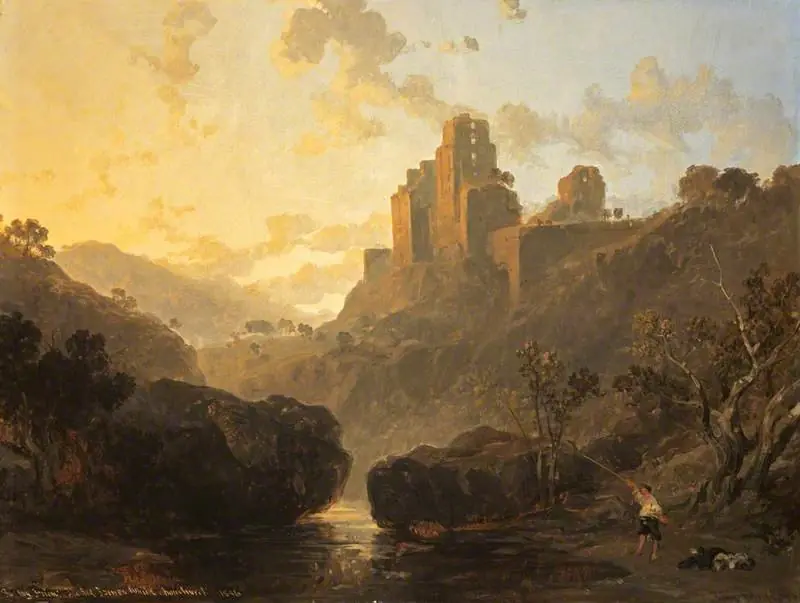 Capriccio Landscape (called View of Rosslyn Castle)
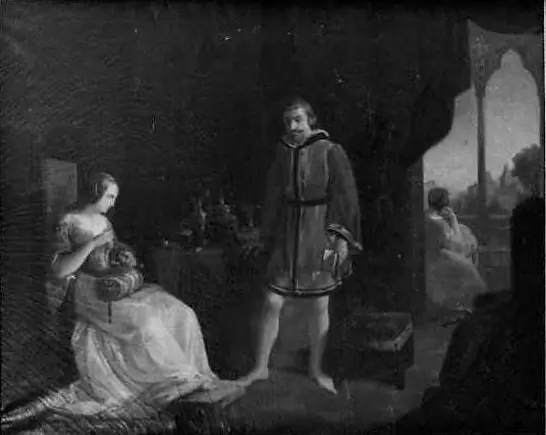 Bice in the Castle of Rosate
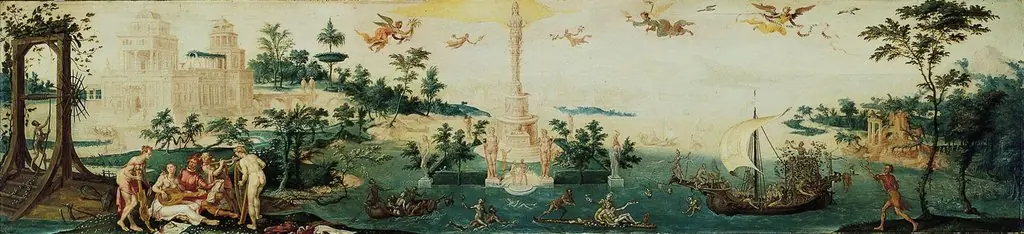 Allegory of Nature
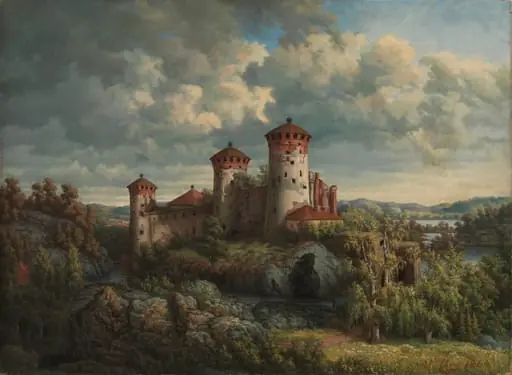 Näköala Olavinlinnaan
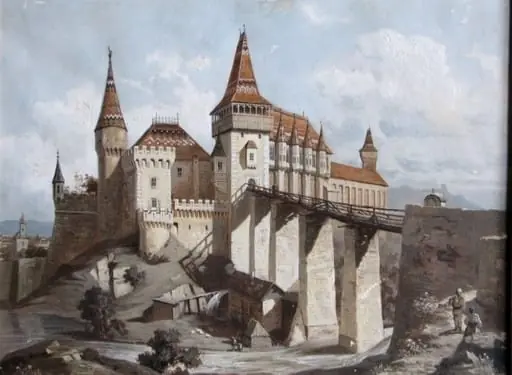 Castelul Hunedoara
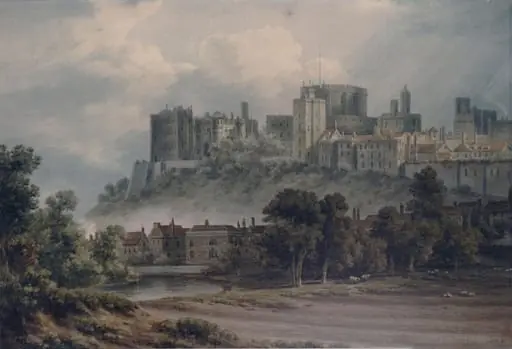 Windsor Castle from the level of the Thames
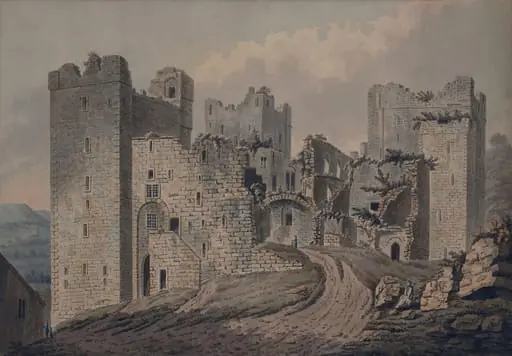 Bolton Castle, Yorkshire
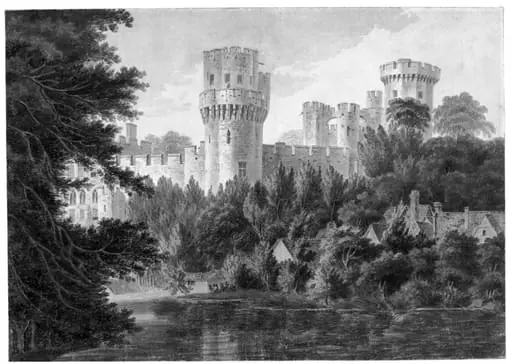 S.E View of Warwick Castle from the River
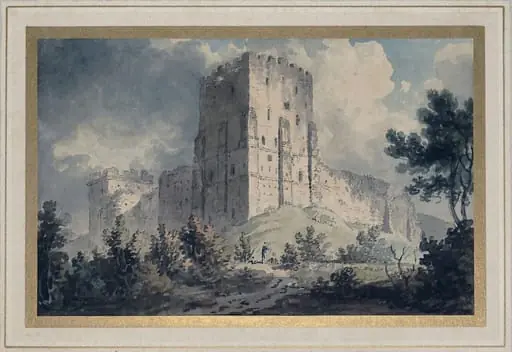 Portchester Castle
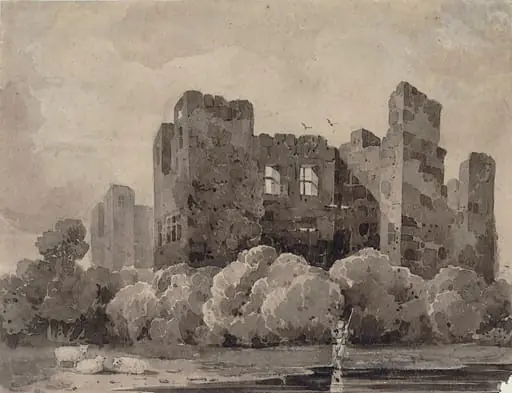 Kenilworth Castle
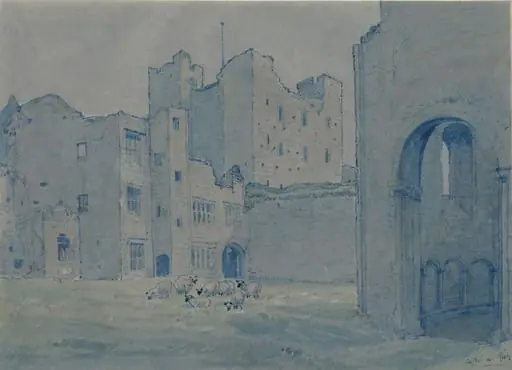 Ludlow Castle, Shropshire
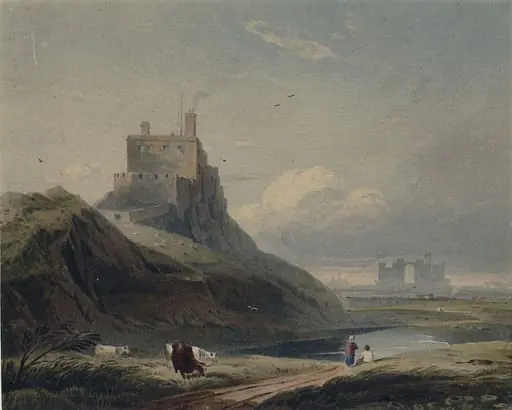 Castle at Holy Island, and Lindisfarne Abbey
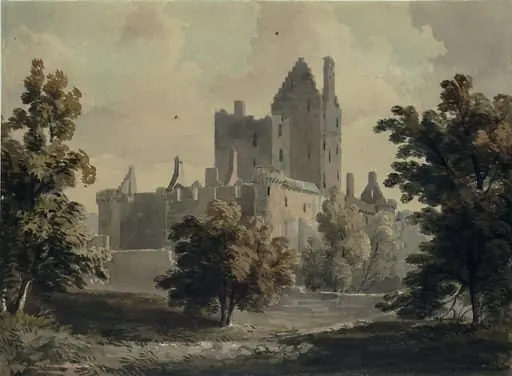 Craigmillar Castle, near Edinburgh
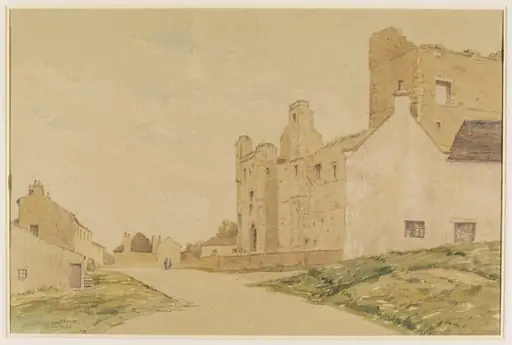 Middleham Castle
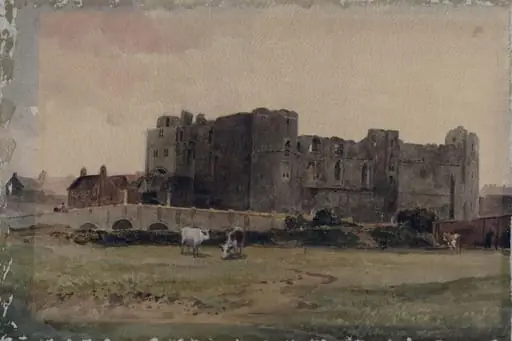 Newark Castle, Nottinghamshire
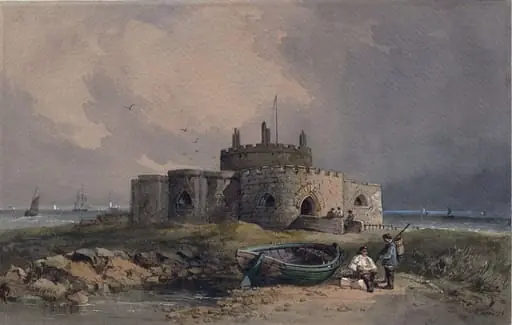 A Fort on the Shore'
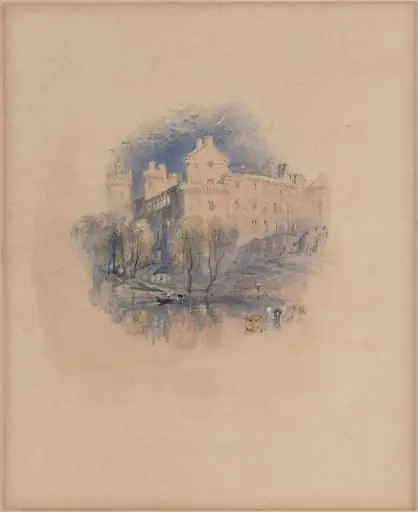 Vignette: Linlithgow Palace by Moonlight
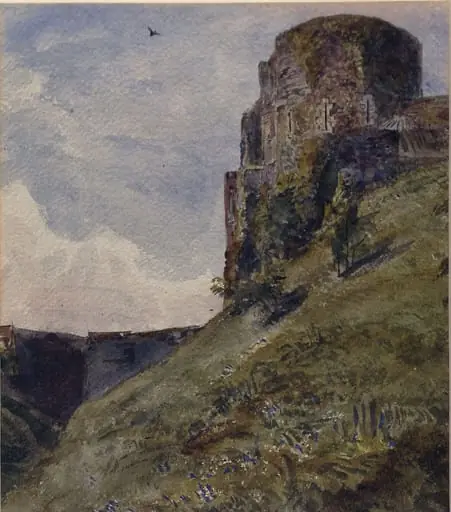 Dover Castle
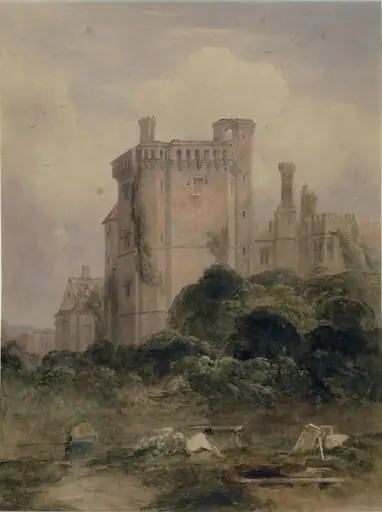 Thornbury Castle, Gloucestershire.
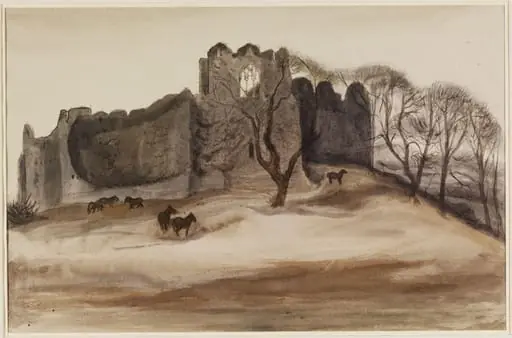 Oystermouth Castle, Gower, Glamorganshire
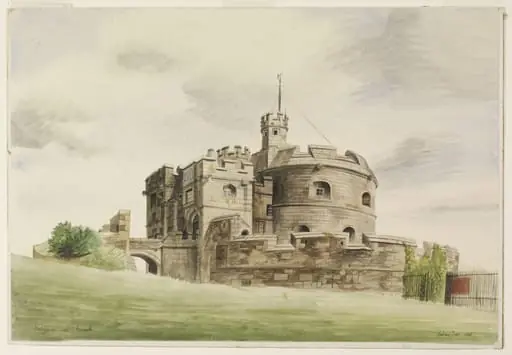 Pendennis Castle, Falmouth
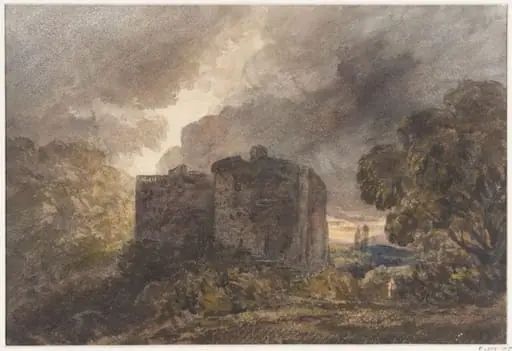 Landscape with Ruined Castle
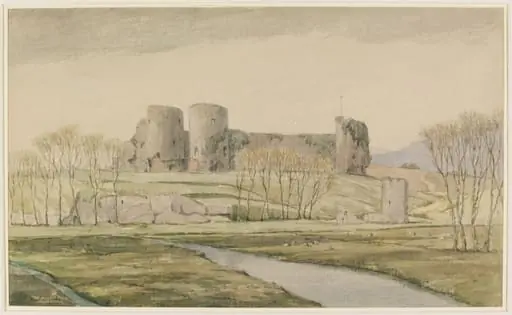 Rhuddlan Castle, Flintshire
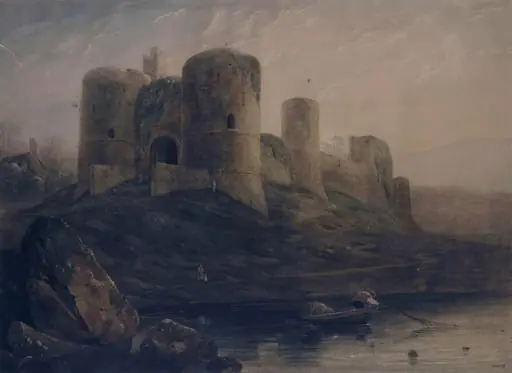 Manorbier Castle, near Tenby, Pembrokeshire: Sunset Effect
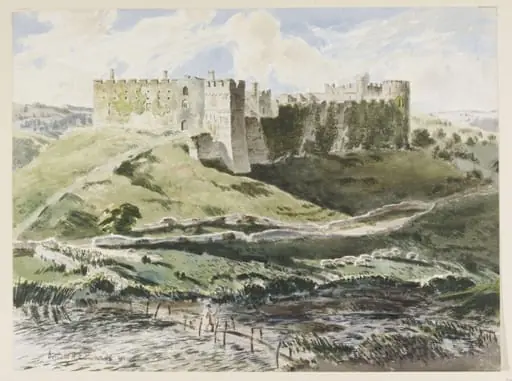 Manorbier Castle, Pembrokeshire
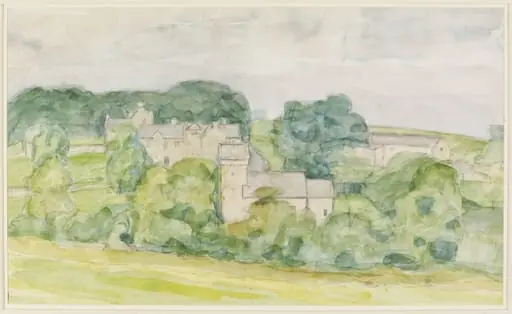 Llannichangel, Glamorganshire
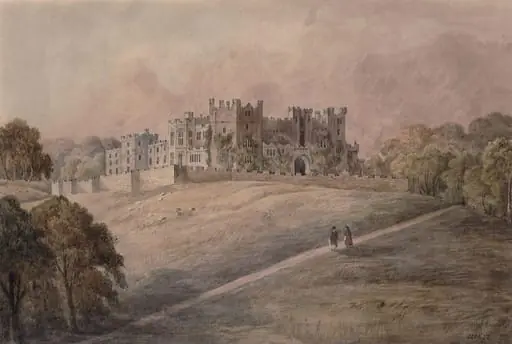 Raby Castle
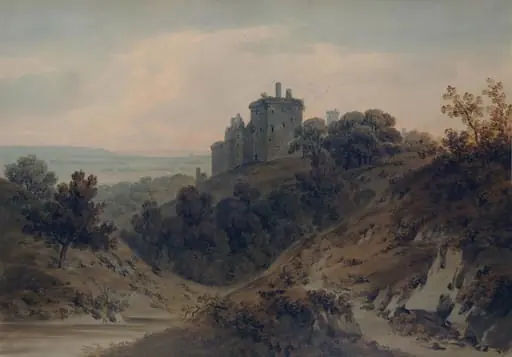 Castle Campbell, looking down Glen Devon, Clackmannanshire
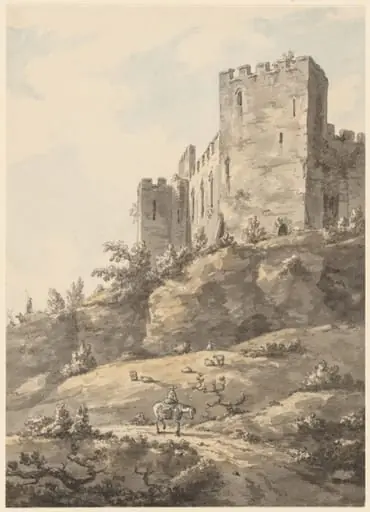 Ludlow Castle, Shropshire
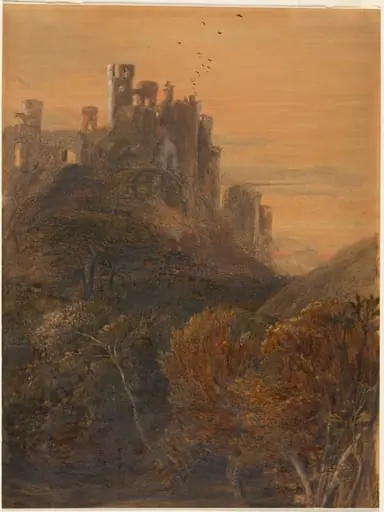 The Enchanted Castle at Dusk
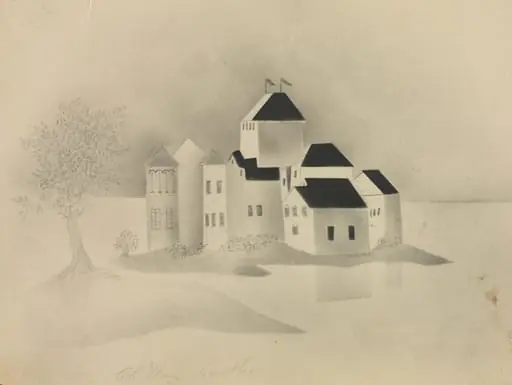 Chillon Castle
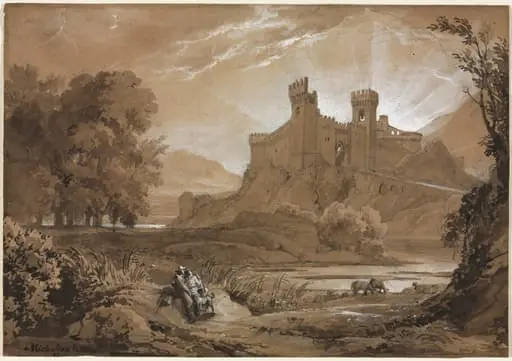 Landscape with Castle and Shepherds
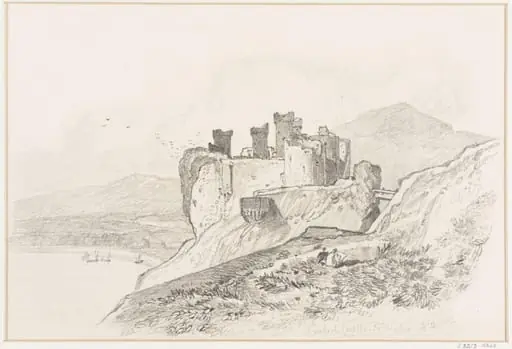 Harlech Castle, Merionethshire
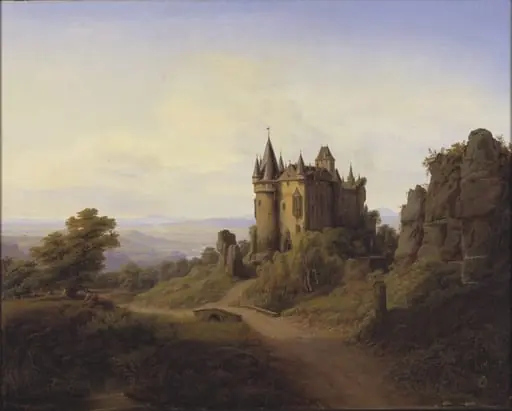 Slottet Büresheim ved Eifelfloden
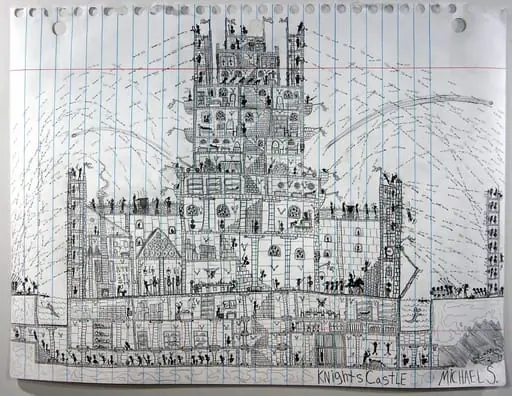 Untitled
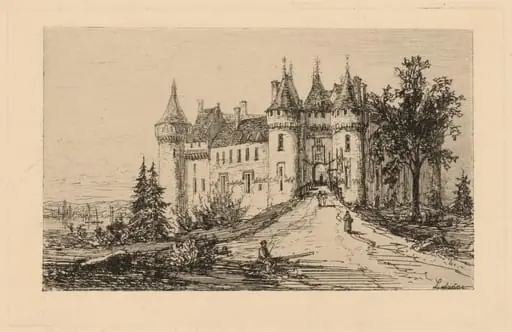 Château de Chaumont
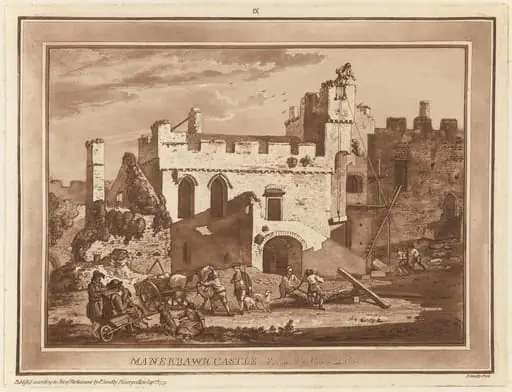 Manerbawr Castle from the Inward Court
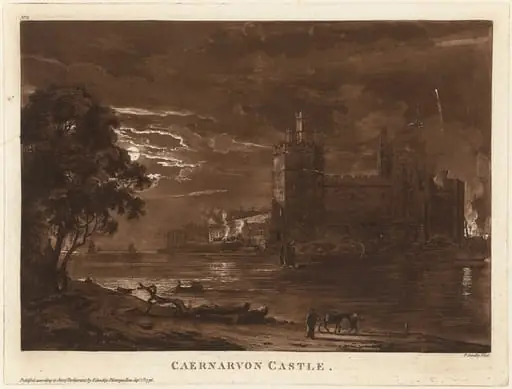 Caernarvon Castle (Night)
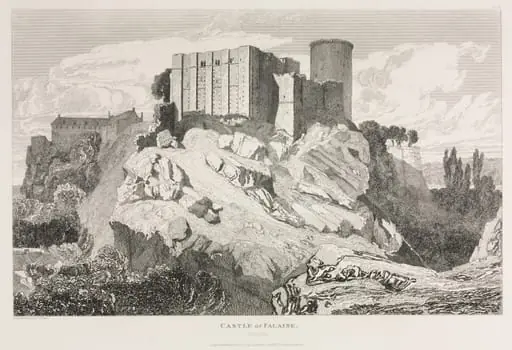 Architectural Antiquities of Normandy (Vol. II), Pl. 90: Castle of Falaise (North View)
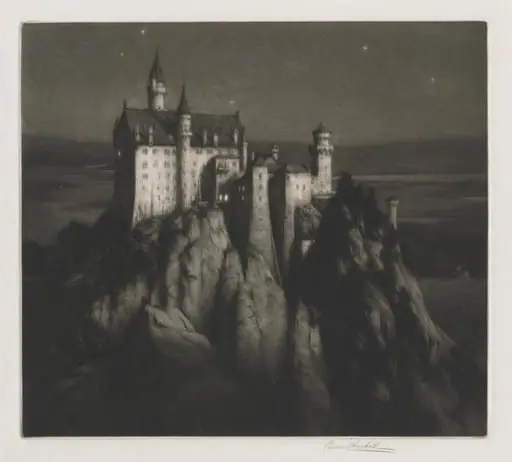 Castle Neuschwanstein
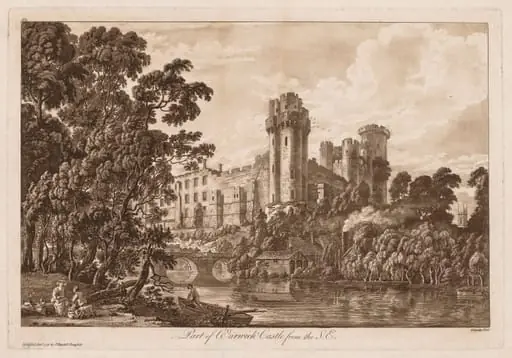 Views of Warwick Castle: Part of Warwick Castle from the South East
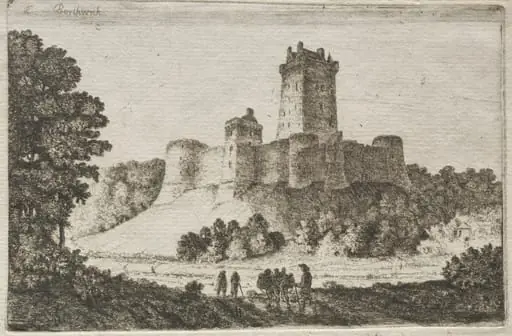 Borthwick Castle from the East
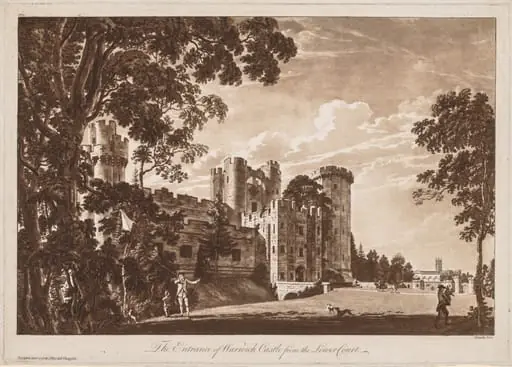 Views of Warwick Castle: The Entrance of Warwick Castle from the Lower Court
Frequently asked questions
What is Castle?
Castle is a subject in art. A castle is a type of fortified structure built during the Middle Ages predominantly by the nobility or royalty and by military orders.
How many Castle works does Artifact World Gallery have?
Artifact World Gallery holds 108 public-domain Castle works, all free to view and download.
Who are the key Castle artists?
Key Castle artists in the collection include Jasper Francis Cropsey, Joseph Mallord William Turner and Arnold Böcklin.
Where can I see Castle works?
Castle works in the collection are held by Victoria and Albert Museum, National Gallery of Art and Metropolitan Museum of Art.