Artwork
Das Waldfräulein (The Lady of the Forest)
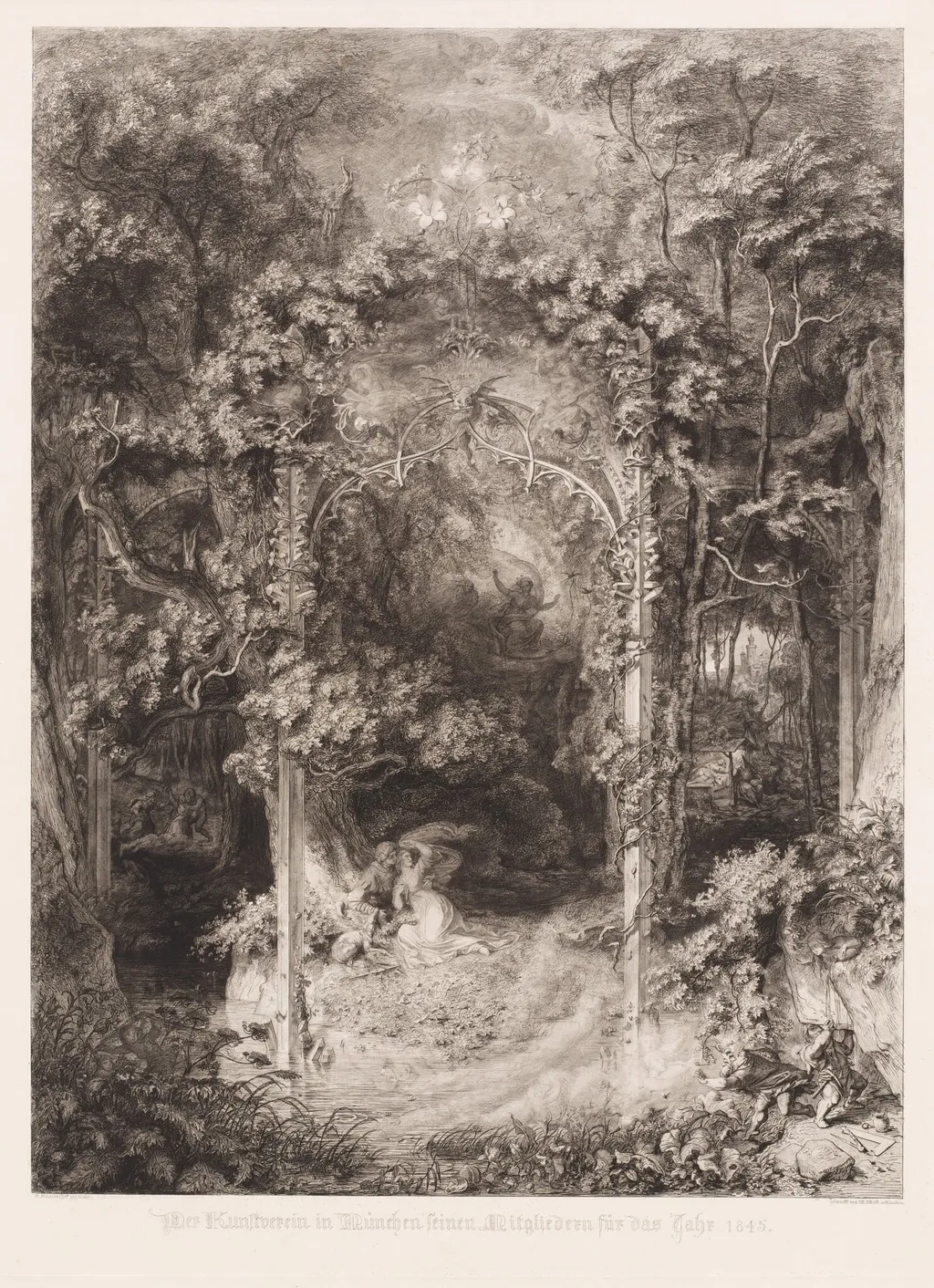
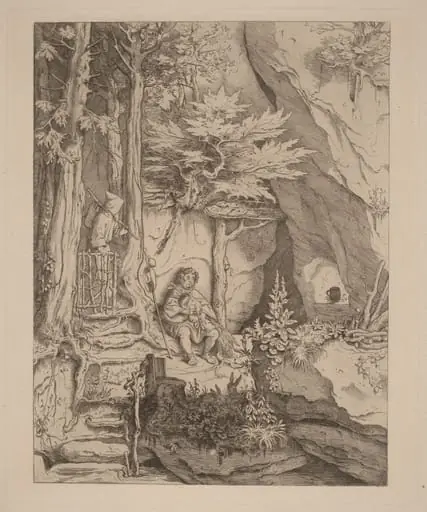
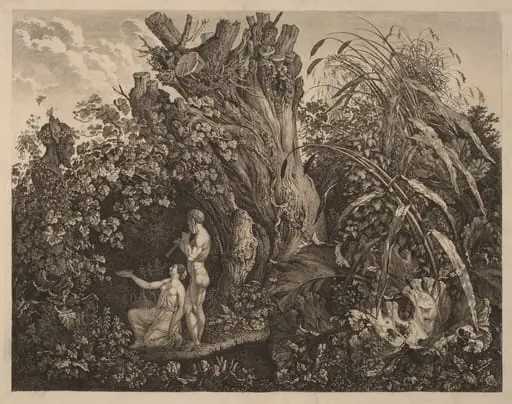
Das Waldfräulein (The Lady of the Forest) is an ink print by the Romanticist artist Eugen Napoleon Neureuther. It dates from 1845 and is held in the collection of the National Gallery of Art.
- Inscription
- Inscribed:below image, at left: E. Neureuther gez. u rad.; below image, at right: gedruckt von W. Wick im München; below image, at center: Der Kunstverein in München seinen Mitgliedern für das Jahr 1845; blind-stamped, below image, at center: KUNSTVEREIN / IN / MÜNCHEN
About this work
Overview
Eugen Napoleon Neureuther’s 1845 etching, titled Das Waldfräulein (The Lady of the Forest), presents a solitary female figure seated amid a densely wooded setting. Rendered on wove paper, the print captures a quiet moment where the woman, dressed in a flowing white garment, appears absorbed in contemplation, her loose hair and downcast gaze contributing to the work’s introspective mood.
Subject & Meaning
The central figure embodies a poetic personification of nature, evoking the Romantic ideal of the forest as a realm of mystery and emotional depth. Her tranquil posture and the surrounding mist suggest a communion between humanity and the natural world, inviting viewers to reflect on solitude and the sublime qualities of the woodland environment.
Technique & Style
Neureuther employed traditional etching methods, using fine lines to delineate the intricate foliage and the delicate folds of the woman’s dress. The tonal gradations achieved through varied acid biting create a soft, atmospheric haze that softens the scene, while the overall composition emphasizes gentle contours and a muted palette characteristic of Romantic visual language.
History & Provenance
Created in the mid‑19th century, the print reflects Neureuther’s engagement with the Romantic movement prevalent in German art circles of the era. While specific ownership records are limited, the work has been documented in catalogues of Neureuther’s prints and remains part of collections that focus on Romantic printmaking.
Context
During the 1840s, German Romanticism emphasized emotional expression, the power of nature, and individual experience. Neureuther’s etching aligns with these themes, echoing contemporary literary and artistic explorations of the forest as a symbolic space for inner reflection and the imagination.
Legacy
Das Waldfräulein continues to be cited as a representative example of Romantic print art, illustrating how etching could convey atmospheric depth and narrative nuance. The piece contributes to scholarly understanding of Neureuther’s oeuvre and the broader visual strategies employed by Romantic artists to evoke mood and mythic resonance.
Own this work as a print
Artist & collection


 Neureuther (Self-Portrait in the Etching Studio)
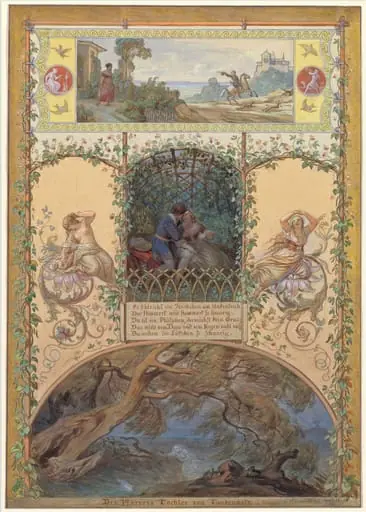 Des Pfarrers Tochter von Taubenhein (The Parson's Daughter from Taubenhain)
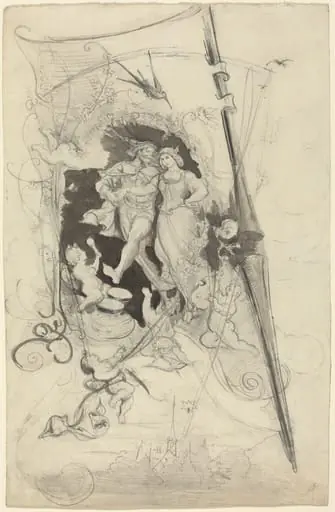 The Happy Squire and His Bride
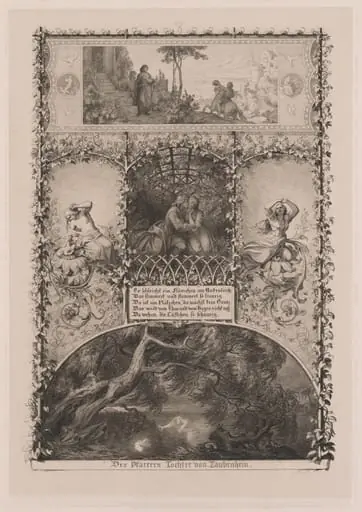 Des Pfarrers Tochter von Taubenhein (The Parson's Daughter from Taubenhain)
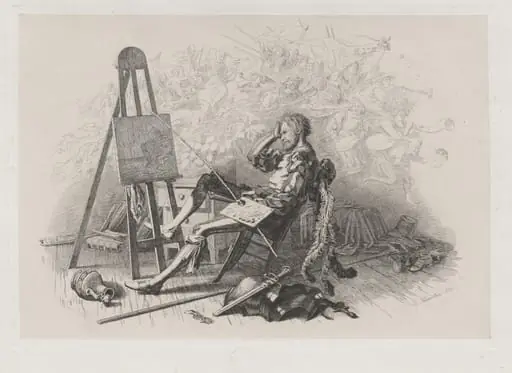 Morning after the Masked Ball: Emil Theodor Richter at His Easel
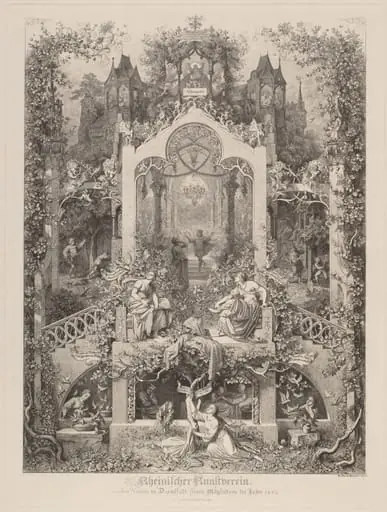 Aschenputtel (Cinderella)
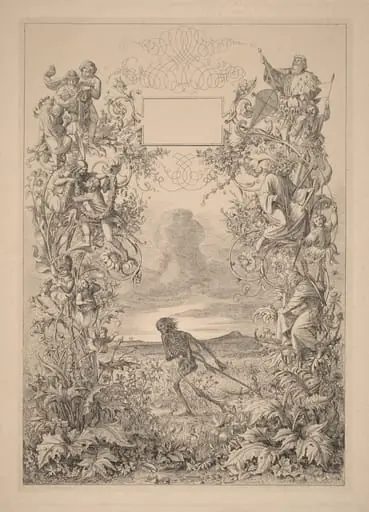 Heute Roth, Morgen Tod (Today Red, Tomorrow Dead)
![The Goddess Discord [La Discord], by Félix Bracquemond](https://artifactworldgallery.com/img/felix-bracquemond--the-goddess-discord-la-discord--fe619c84d477117f-w320.webp)